If you’ve ever wondered what keeps pipelines robust in harsh environments or why some automotive frames are remarkably durable yet lightweight, then chrome moly tubing is probably part of the secret. These high-strength steel tubes have a quietly pivotal role in industries as varied as aerospace, oil and gas, and construction — basically anywhere tough, reliable metals need to take the heat, the pressure, or both. Worldwide, the demand for chrome moly tubing has been steadily increasing, thanks partly to rising industrialization and the push for materials that are not only strong but also cost-effective and sustainable in the long run.
Why does this matter beyond factories and heavy duty settings? Well, products and infrastructure we rely on every day—be it energy pipelines, transportation systems, or even emergency relief equipment—often depend on the specific properties of this tubular steel alloy. So knowing what chrome moly tubing is and where it fits can be a neat little insight into how our modern world actually keeps spinning.
Globally, industries contributed over $3 trillion to steel-related markets in 2023 according to ISO statistics, and chrome moly tubing represents a significant chunk within this manufacturing backbone. The oil and gas sector alone has seen continued investment in high-performance pipelines that minimize leakage and withstand extreme environmental stress — chrome moly tubing plays a starring role here. In remote industrial zones, especially in parts of the Middle East, China, and North America, its use helps extend asset lifespans and improve safety—a factor companies can't afford to overlook.
But here’s a challenge: traditional steel tubing often corrodes or fails under rapid temperature shifts or corrosive chemicals. That’s where chrome moly tubing steps in, offering a compelling alternative that balances strength with longevity and cost. Basically, it’s the material answer to some very real operational headaches.
Chrome moly tubing (short for chromium-molybdenum steel tubing) is a type of alloy steel known for its impressive strength-to-weight ratio. It contains small but essential percentages of chromium (Cr) and molybdenum (Mo), which transform ordinary steel’s properties, making it more resistant to corrosion, heat, and mechanical stress. Put simply, this tubing keeps its cool (literally and figuratively) under conditions that would stress other metals.
Industrially, the tubing acts like the skeleton of many structures and machinery. Imagine pipelines in arctic weather, or automotive roll cages that must protect lives in crashes—the mix of chromium and molybdenum make sure the tubing doesn’t crack, warp, or degrade prematurely. It’s not just a technical detail; it’s often a matter of safety and reliability in critical applications.
The chromium content helps resist oxidation and corrosion, making chrome moly tubing ideal for aggressive environments. At the same time, molybdenum adds to toughness, allowing the tubing to absorb impacts without cracking. These properties extend the service life of pipelines or structural components by years, sometimes decades.
Industries like aerospace and power generation often demand tubing that can tolerate elevated temperatures without losing strength. Chrome moly tubing does just that, maintaining mechanical integrity at temperatures upwards of 500°C (about 932°F). This again makes it perfect for engines, heat exchangers, and venting systems.
Though heavier than aluminum alloys, chrome moly tubing offers a better strength-to-weight balance than carbon steel. That’s why race car manufacturers and high-performance machinery often select it: you get rigidity without the penalty of extra bulk.
Despite its strength, this tubing can be welded and formed relatively easily compared to some other alloys. This fine balance allows manufacturers broad flexibility in design and customization, whether for bespoke industrial components or large infrastructure projects.
Its industrial versatility means you’ll find chrome moly tubing almost everywhere—but some standout applications include:
For example, in post-disaster rebuilding projects in Southeast Asia, pipelines made from chrome moly tubing expedite restoring water and energy services with fewer failures and delays.
| Specification | Typical Value | Units |
|---|---|---|
| Chromium Content | 0.80 - 1.10 | % |
| Molybdenum Content | 0.15 - 0.25 | % |
| Tensile Strength | 700 - 900 | MPa |
| Yield Strength | 450 - 600 | MPa |
| Maximum Operating Temp. | 550 | °C |
| Vendor | Product Range | Pricing | Customization | Lead Time | Global Delivery |
|---|---|---|---|---|---|
| SteelCo | Standard & Custom Sizes | Mid-range | High | 4-6 weeks | Yes |
| AlloyWorks | Premium Grade Only | High | Medium | 6-8 weeks | Limited |
| Global Tubes Inc. | Wide Variety | Competitive | High | 3-5 weeks | Yes |
From a business perspective, chrome moly tubing offers significant cost savings down the line by drastically reducing maintenance and replacement frequency. Its corrosion and heat resistance mean fewer unexpected failures and outages, which for critical infrastructure translates to reliability—and reliability builds trust, sometimes more valuable than the material cost alone.
There is also an emotional payoff here—knowing that pipelines delivering clean water survive years without cracking in extreme climates, or that automotive frames protect lives thanks to tough yet lightweight materials. The sustainability aspects can’t be overlooked either: chrome moly’s resilience means fewer new materials are consumed over a product’s life, aligning with many companies’ green energy or circular economy goals.
The industry isn’t sitting still. New fabrication technologies, such as precision laser welding and additive manufacturing, are enabling even more complex forms of chrome moly tubing with less waste and higher strength. Additionally, there’s growing interest in coatings and surface treatments that further boost corrosion resistance while enhancing recyclability.
Green policies nudging industries toward carbon neutrality are also driving demand for chrome moly tubing variants that perform well in hydrogen pipelines, a rising star in green energy transport.
Despite many advantages, some challenges remain—mainly around material costs and processing complexity. For smaller companies or emerging economies, the upfront investment in chrome moly tubing versus cheaper carbon steel can be a hurdle. Innovative procurement strategies, bulk purchasing, and partnerships with trusted vendors often help here.
Another challenge is quality assurance—variability in alloy composition can cause performance issues in critical applications. That’s why strict testing standards and certifications (ISO 9001, ASTM) are non-negotiable. Many suppliers now also offer traceability and real-time quality monitoring which, frankly, changes the game.
Chrome moly tubing may sound like just another industrial material, but it’s actually a quiet hero shaping the future of durable, safe infrastructure worldwide. Its blend of strength, heat resistance, and corrosion protection offers both logical and emotional value to engineers, builders, and end users. If you want to explore high-quality chrome moly tubing for your projects, check out chrome moly tubing suppliers with proven track records for reliability and customization.
After all, in a world that demands materials that last longer and perform better, chrome moly tubing feels like a safe bet.

Ultimate Guide to 4130 Tubing Strength Performance and Applications
Properties and Industrial Applications of 4130 steel tubing
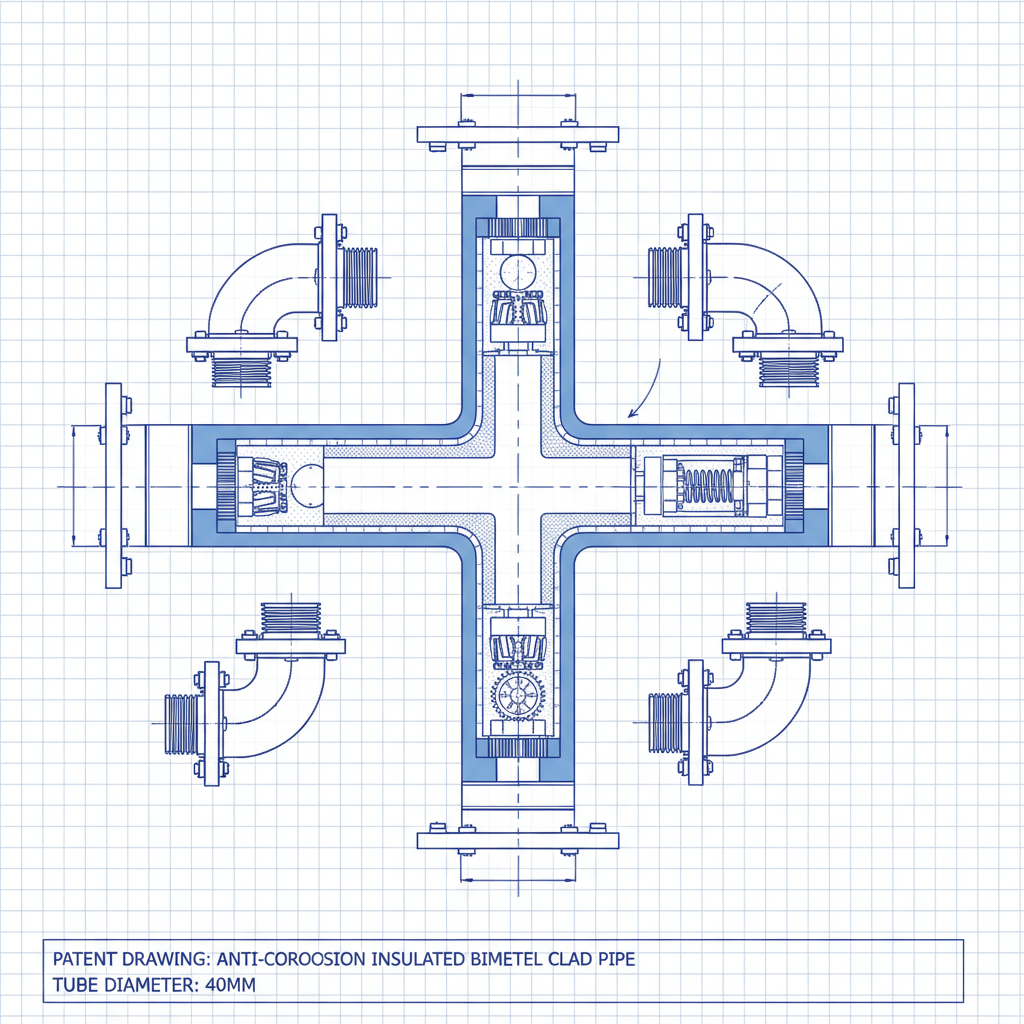
Comprehensive Guide to 40mm Steel Tube Applications and Material Selection
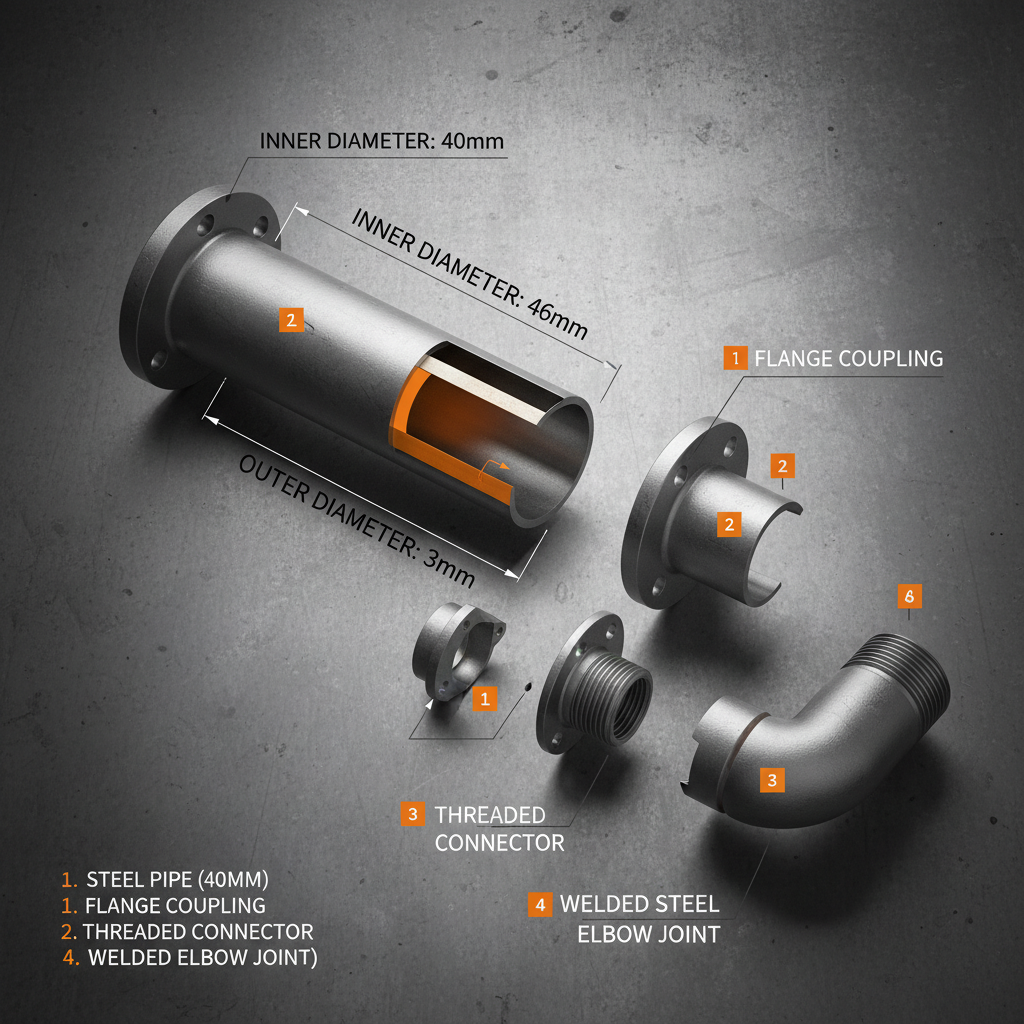
Comprehensive Guide to 40mm Steel Pipe Applications and Considerations
Comprehensive Guide to 40mm Metal Pipe Applications and Sourcing
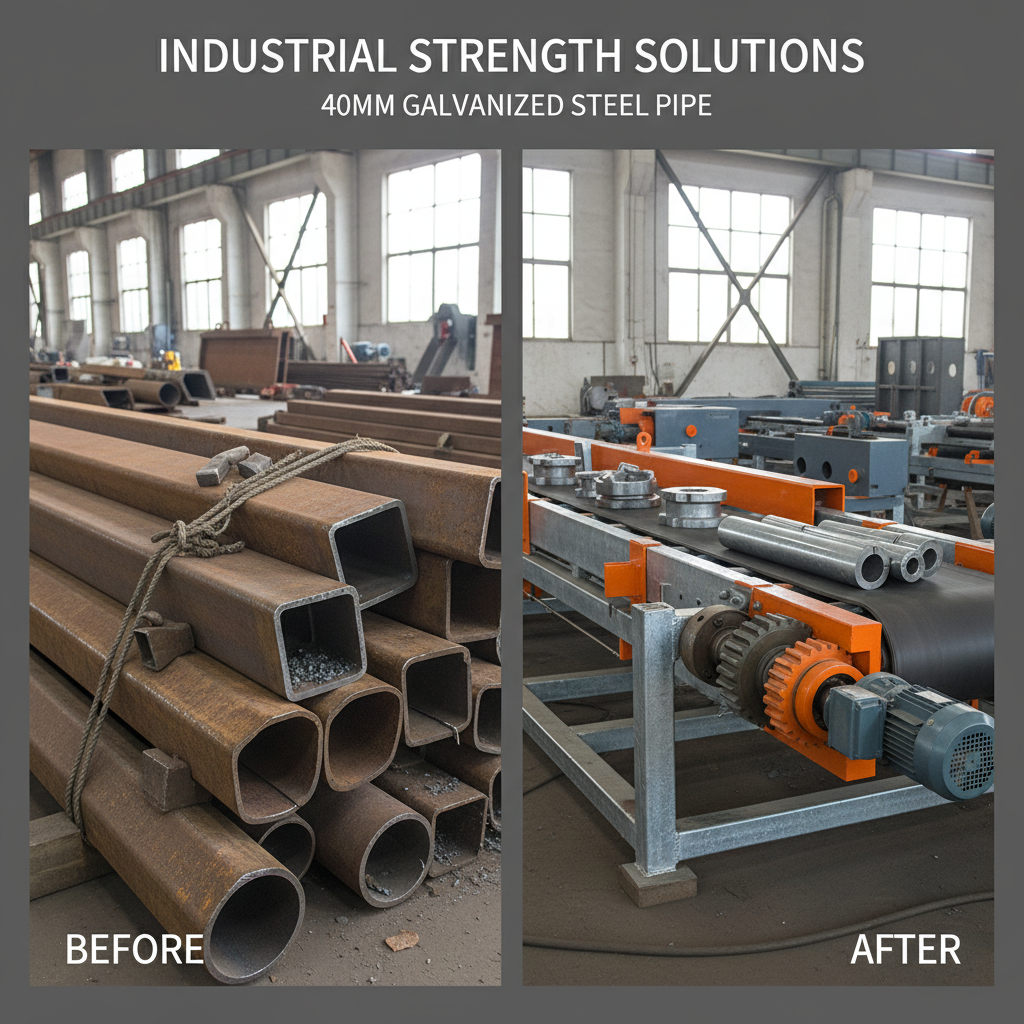
Comprehensive Guide to 40mm Galvanised Pipe Applications and Specifications