tel
Email
to top

Types of Pipe Fittings

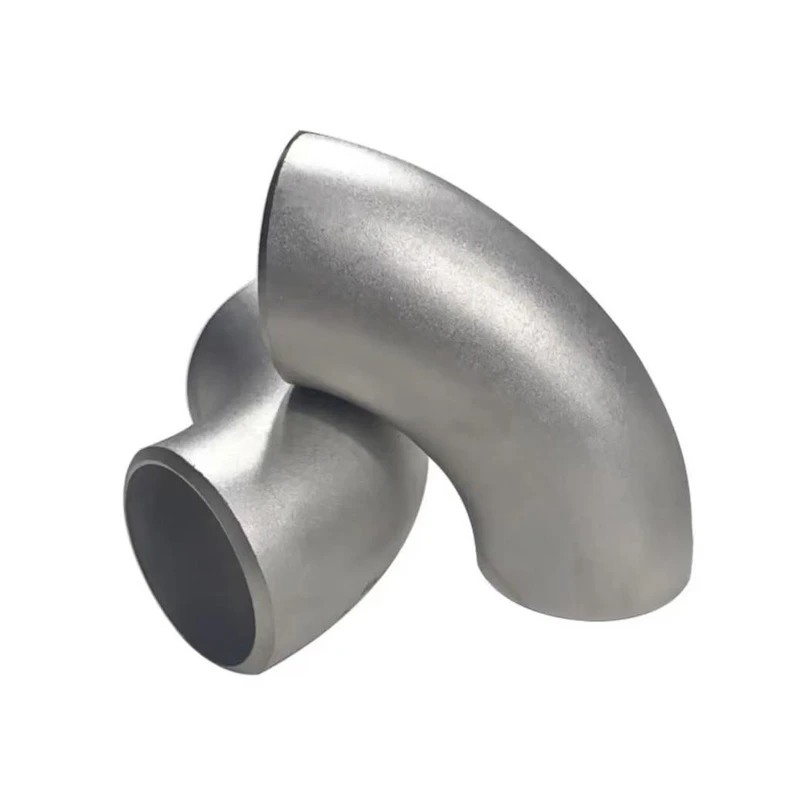
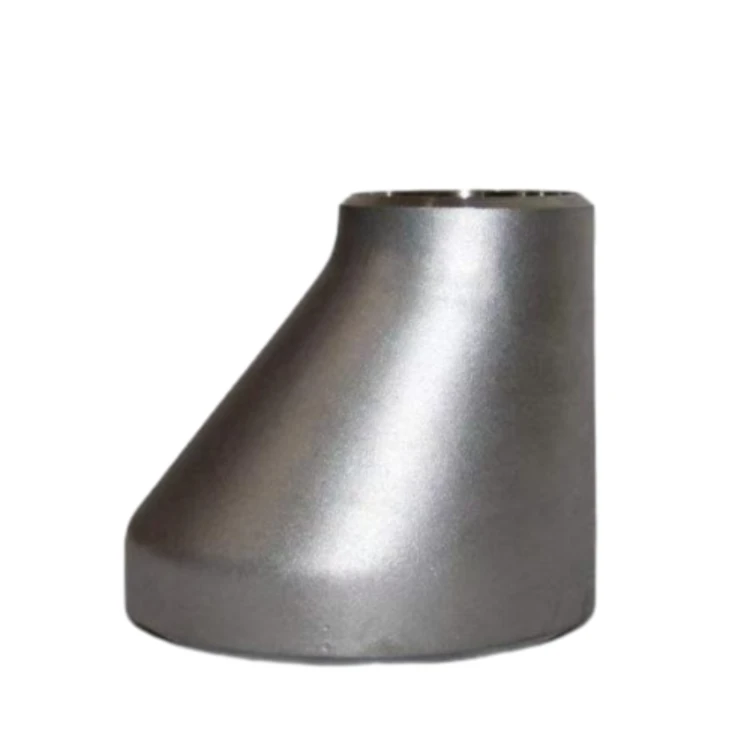
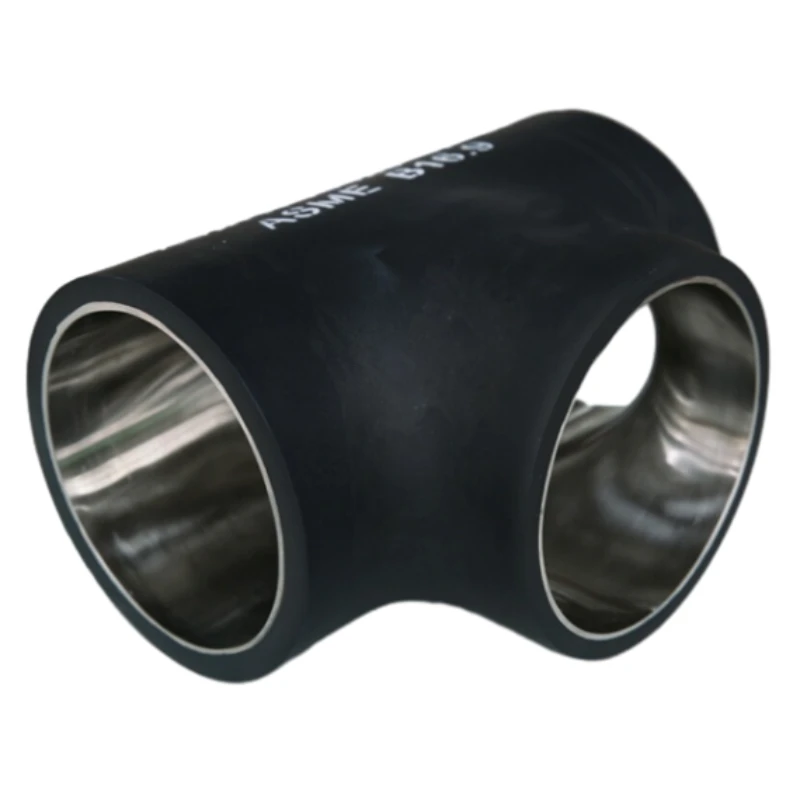
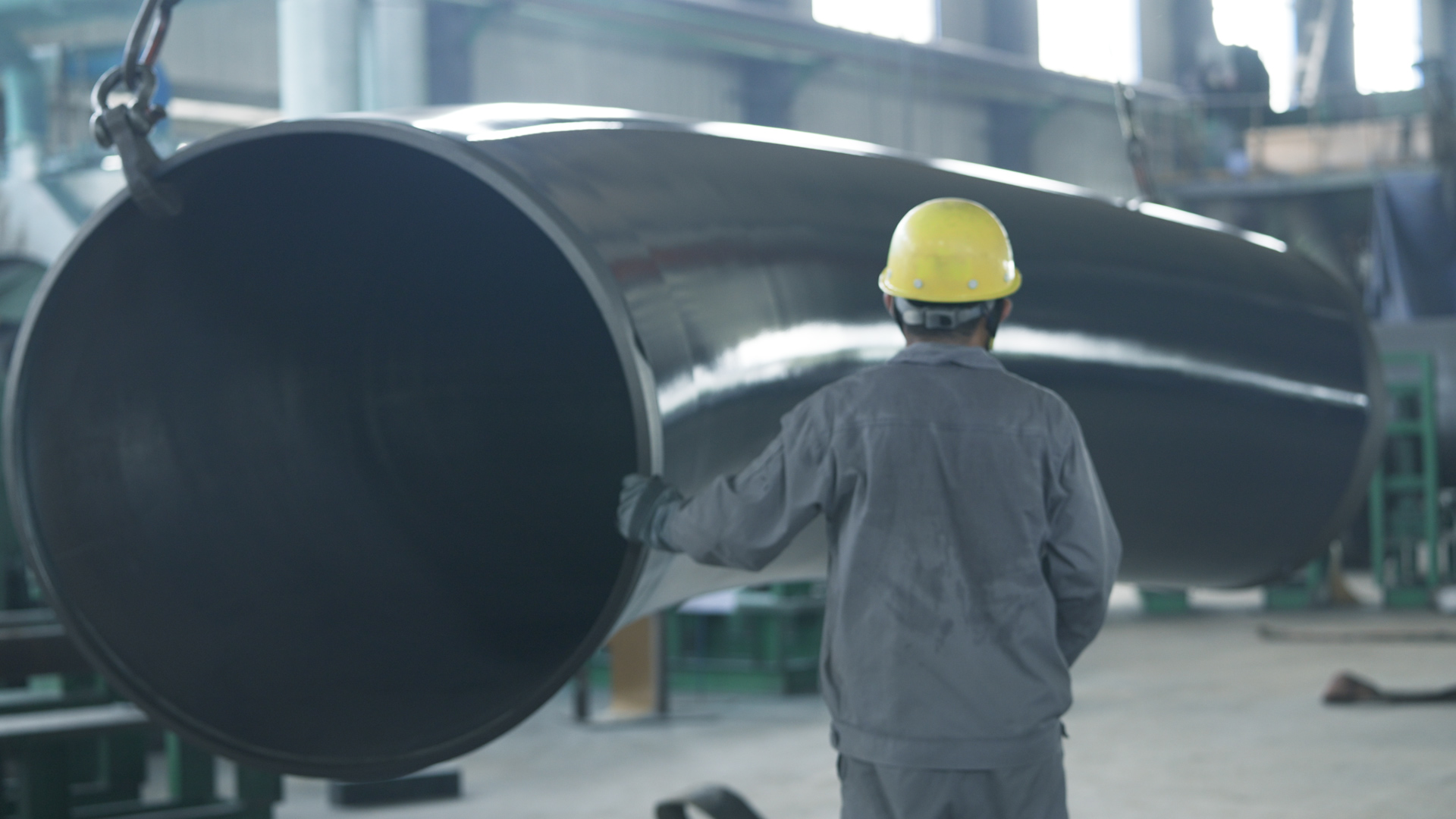
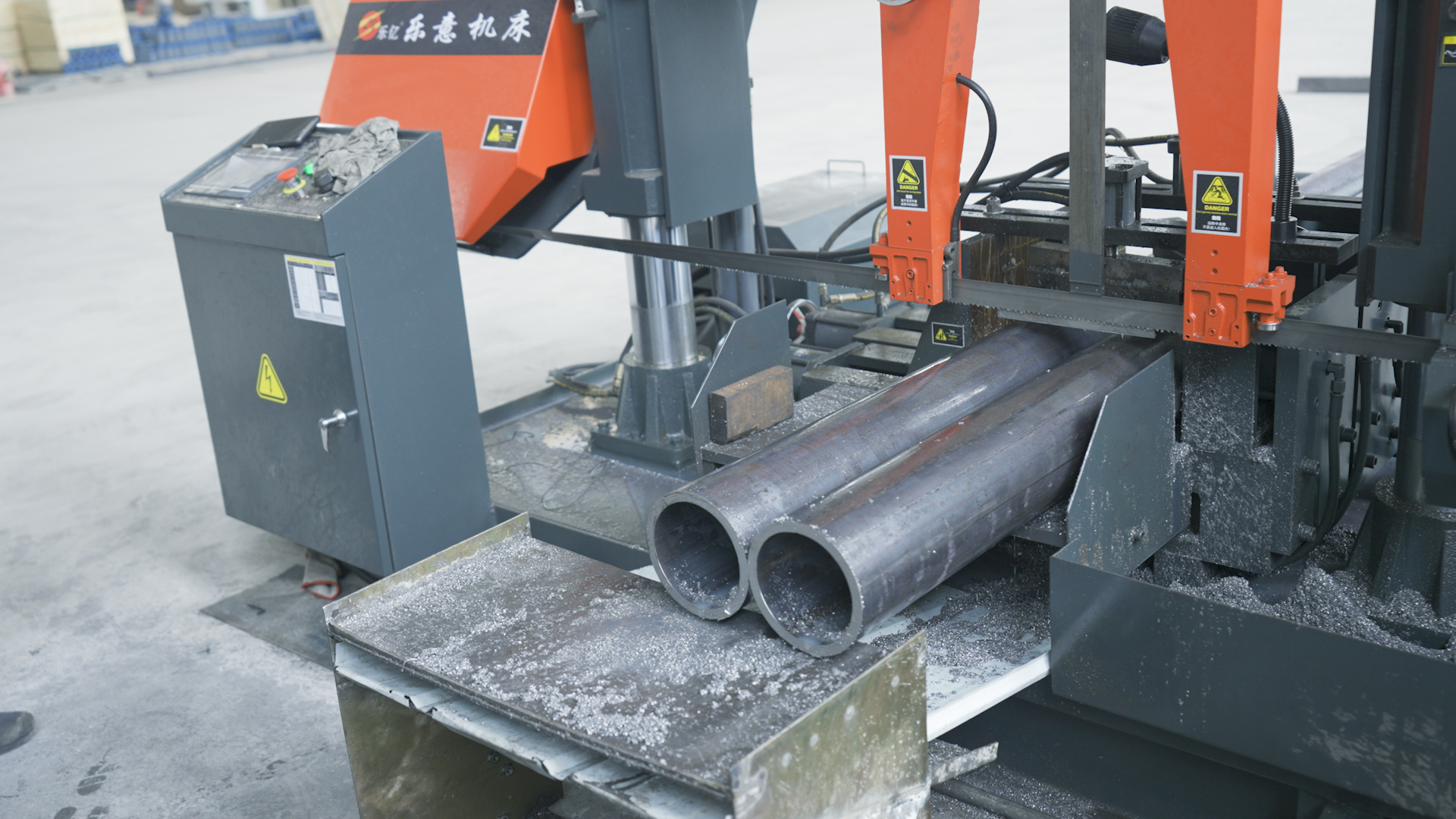
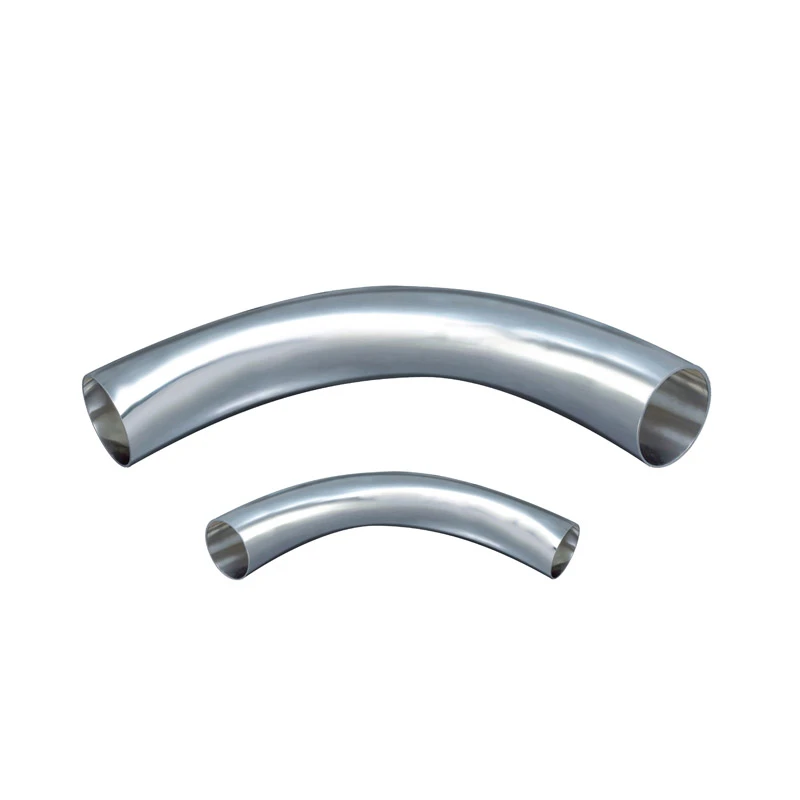
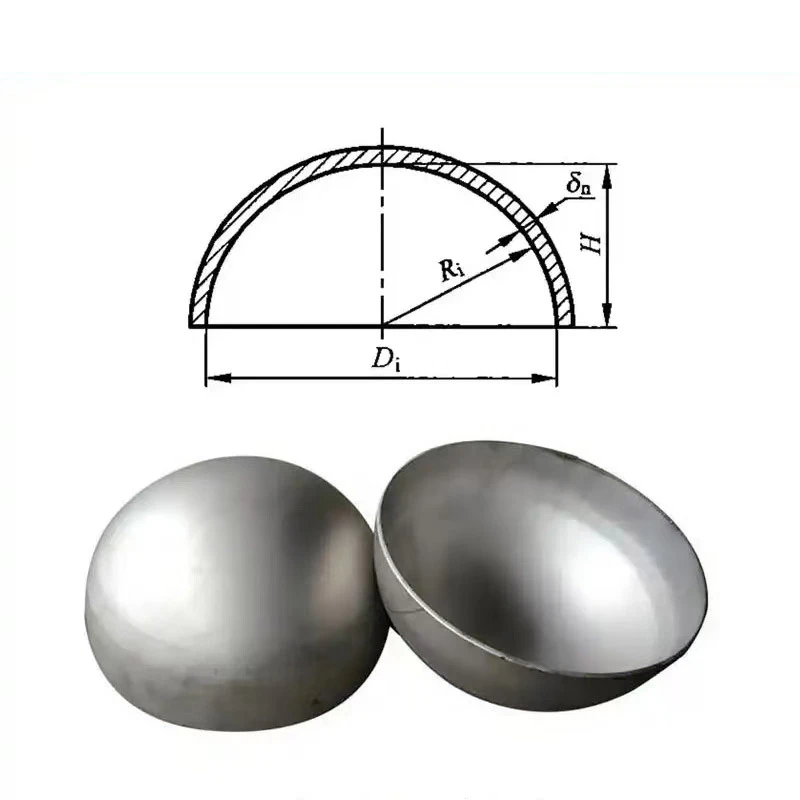
Pipe fitting is an essential component of pipeline systems, used to connect pipes, change pipe direction, branch pipes, and adjust pipe diameter. Our pipe fittings products are diverse, covering various types such as steel elbows, tees, reducers, flanges, etc., which can meet the diverse needs of various pipeline projects.


Advantages of Pipe Fittings

Our pipe fittings products are diverse, covering various types such as steel elbows, tees, reducers, etc., which can meet the diverse needs of various pipeline engineering.
  • High Strength and Stability

    High Strength and Stability

    Made of high-quality materials and processed through strict techniques, the pipe fittings have sufficient strength and stability to withstand pressure, tension, and impact forces in the pipeline system, ensuring safe and reliable operation of the pipeline.
  • Good Sealing

    Good Sealing

    Through optimized design and advanced manufacturing processes, pipe fittings can achieve good sealing effects at the connection points, effectively preventing fluid leakage, ensuring the normal operation of pipeline systems, and reducing energy loss and environmental pollution risks.
  • Corrosion Resistance

    Corrosion Resistance

    Suitable corrosion-resistant materials are selected for different usage environments, so that pipe fittings can resist the erosion of various chemical media, extend their service life, reduce maintenance costs, and are particularly suitable for industries with strong corrosiveness such as chemical and marine engineering.

Pipe Fittings FAQ

  • How to maintain pipe fittings and extend their service life?

    Regular visual inspections are conducted to check for leaks, deformations, corrosion, and other issues. Non destructive testing techniques can be used to detect internal defects in important pipe fittings. Keep the surface of the pipe fittings clean to prevent dirt accumulation, and regularly clean the pipes that are prone to scaling. Metal fittings should undergo regular anti-corrosion treatment in humid and corrosive environments, such as coating with anti rust paint and galvanizing. Once damage is found, it should be repaired or replaced in a timely manner, using products of the same specifications and materials to ensure the normal operation of the pipeline system.
  • What are the differences in performance of pipes made of different materials?

    Among metal fittings, carbon steel has higher strength but average corrosion resistance; Stainless steel has strong corrosion resistance and some models also have good strength; Alloy steel exhibits outstanding performance in strength, high temperature resistance, and wear resistance. Non metallic fittings and plastic fittings are corrosion-resistant, lightweight, and have good insulation properties, but their strength is relatively low compared to metals; Rubber pipe fittings have good flexibility and shock absorption, as well as good sealing performance, but they have limitations in high temperature and high pressure resistance.
  • Is the dimensional accuracy of pipe fittings important? What impact does it have on installation?

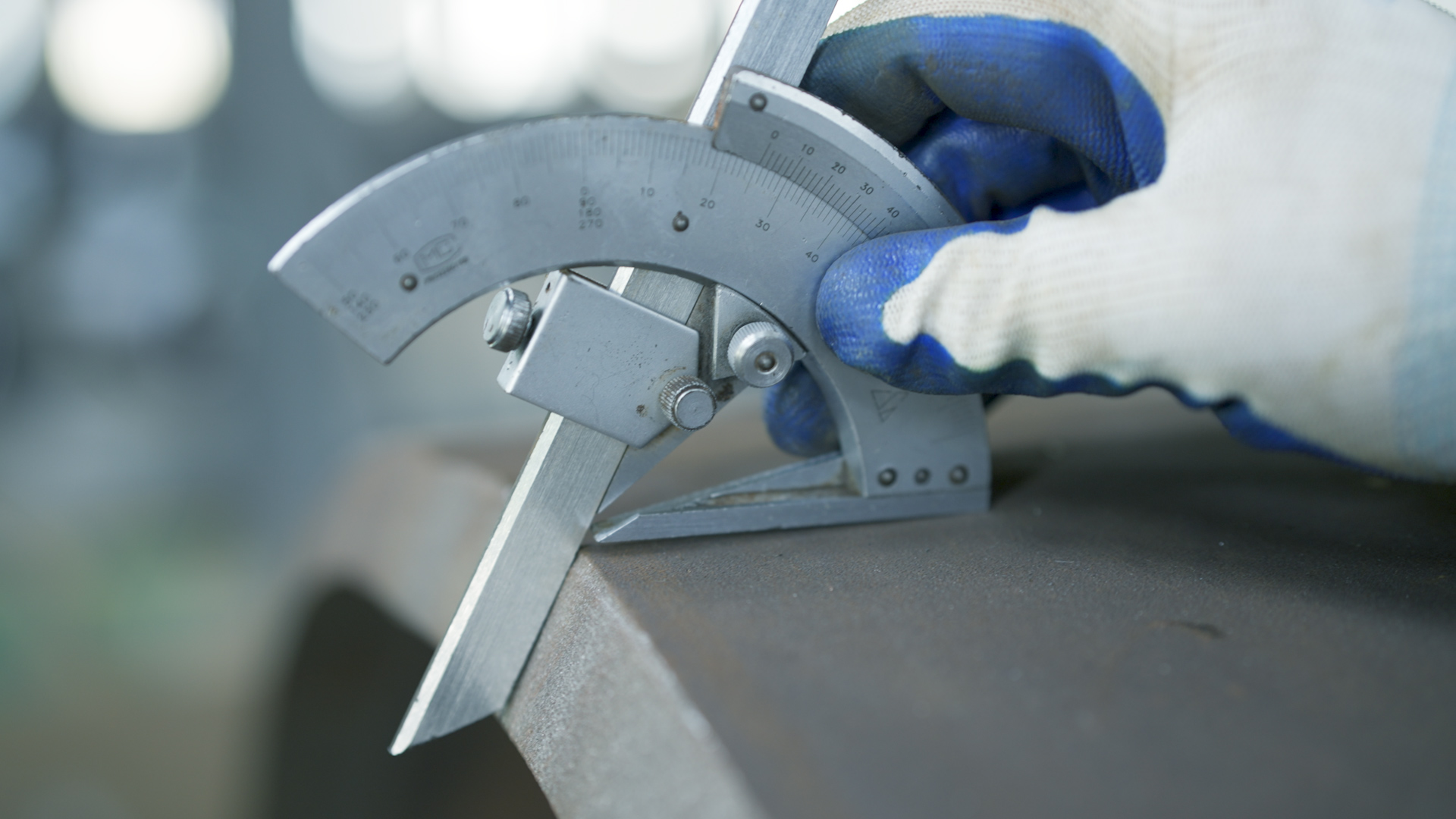
    Dimensional accuracy is very important. Accurate dimensional accuracy ensures a tight fit between pipe fittings and pipelines, making installation convenient and improving construction efficiency. If the size deviation is large, it may lead to loose connections, leakage risks, increased installation difficulty, more manpower and time consumption, and even affect the performance and service life of the entire pipeline system due to installation problems.
News
The company regards product quality as the life of the enterprise, establishes a sound quality management system in accordance with the requirements of industry and national standards, controls all aspects of input and output in the whole process, pays attention to every detail, and ensures that the product delivery pass rate is 100%.
SS Pipe Cap FAQ: Fit, Connections, Materials and Uses

SS Pipe Cap FAQ: Fit, Connections, Materials and Uses

Nov.02,2026
Get direct answers about ss pipe cap materials, threaded or welded connections, shapes, DN and NPS sizes, schedules, uses, and associated standards.
Mechanical Steel Pipe Comparison: Materials, Standards and Supplier Documentation

Mechanical Steel Pipe Comparison: Materials, Standards and Supplier Documentation

Oct.29,2026
Compare two mechanical steel pipe options by materials, API 5LD and DNV OS F101 references, applications, bonding descriptions and supplier documentation.
Choosing an SS Bend Pipe: Application Fit and Specification Checks

Choosing an SS Bend Pipe: Application Fit and Specification Checks

Oct.27,2026
Learn how to choose the right ss bend pipe for your piping system. This guide covers material grade, bend angle, radius, pressure rating, and applicable standards to help procurement teams specify stainless steel bend pipes with confidence.
High Performance Sink Pipe Steel Guide for Industrial Piping

High Performance Sink Pipe Steel Guide for Industrial Piping

Jul.01,2026
High-Performance Sink Pipe Steel: The Ultimate Guide to Industrial Piping In the demanding world of industrial manufacturing and pressure vessel construction, the selection of materials for piping systems is critical. Utilizing high-quality sink pipe steel ensures that systems can withstand extreme pressures, corrosive media, and mechanical stress. Whether it is for chemical processing, oil and gas, or construction, the right steel grade and fitting geometry can mean the difference between seamless operation and costly system failure. This guide explores the technical nuances of steel elbows and specialized clad materials designed for the most rigorous environments.
Ultimate Guide to Industrial Seamless Steel Pipe for Piping

Ultimate Guide to Industrial Seamless Steel Pipe for Piping

Jun.29,2026
In the realm of modern industrial infrastructure, the integrity of piping systems is non-negotiable. The seamless steel pipe stands as the gold standard for transporting high-pressure fluids and gases. Unlike welded alternatives, seamless pipes are manufactured without a longitudinal seam, eliminating the most common point of failure and ensuring superior structural consistency. This makes them indispensable in sectors where safety and reliability are paramount, such as petroleum, nuclear power, and thermal energy. In this comprehensive guide, we will explore the technical advantages, material specifications, and critical applications of these high-performance components to help you make an informed procurement decision.
High Performance Seamless Steel Pipes for Industrial Piping

High Performance Seamless Steel Pipes for Industrial Piping

Jun.27,2026
In the world of industrial fluid transportation and pressure vessel manufacturing, the choice of piping material can determine the safety and longevity of an entire system. Seamless steel pipes are engineered to withstand extreme conditions without the risk of weld-line failure, making them the gold standard for high-pressure environments. From oil and gas pipelines to hydraulic systems, these pipes offer unmatched structural integrity. In this comprehensive guide, we will explore the technical specifications, benefits, and diverse applications of carbon seamless steel solutions to help you make an informed procurement decision for your next engineering project.
tel email tel top

If you are interested in our products, you can choose to leave your information here, and we will be in touch with you shortly.