tel
Email
to top

Mechanical Steel Pipe Comparison: Materials, Standards and Supplier Documentation

Oct 29 2026
share:
Cangzhou Lion Technology Co., Ltd.JOURNAL / SIDE BY SIDE

SIDE BY SIDE

Mechanical Steel Pipe Comparison: Materials, Standards and Supplier Documentation

This comparison reviews two documented mechanical clad steel pipe options using the same criteria: stated standards, material structure, intended environments, bonding description and available supplier documentation. Both sources describe composite pipe designs for corrosive oil and gas service, but their published details are not identical. The comparison records those differences without assigning an overall winner.

Mechanical Steel Pipe Comparison: Materials, Standards and Supplier Documentation
AI-generated illustration; not a real product photograph, specification, operating permission or test certificate.
01

Mechanical Clad Steel Pipe Suppliers and Factory in China | API 5LD DNV OS F101 (Option A)

02

Mechanical Clad Steel Pipe China Suppliers and Factory API 5LD DNV Standards (Option B)

When buyers compare a mechanical steel pipe for corrosive service, the key question is not simply which description sounds stronger. The useful comparison is whether each documented option provides the material structure, standards reference and project information needed for review. This article compares two separately published Mechanical Clad Steel Pipe options from Cangzhou Lion Technology Co., Ltd. using the same criteria.

Options compared

Both product records describe a composite pipe with a high-strength carbon-steel backing and a corrosion-resistant inner material. The published descriptions focus on oil and gas environments containing hydrogen sulfide (H2S) and carbon dioxide (CO2).

Side-by-side comparison

CriterionOption AOption B
Published standards referenceAPI 5LD and DNV OS F101API 5LD and DNV OS F101
Backing materialHigh-strength carbon steelHigh-strength carbon steel
Inner or cladding materialStainless steel or nickel alloysCorrosion-resistant alloy (CRA)
Described pipe structureCorrosion-resistant inner layer with a high-strength outer backing steelHigh-strength outer shell with a corrosion-resistant inner lining
Bonding or manufacturing descriptionAdvanced mechanical bonding process; the source also describes material traceability and hydrostatic and ultrasonic testingAdvanced mechanical cladding techniques; the source also describes quality control, material sourcing and high-pressure/environment simulation testing
Stated application focusH2S- and CO2-rich oil and gas environments; the source also lists chemical transportH2S- and CO2-rich oil and gas fields and oil and gas transportation
Pressure informationCustomized to project specificationsHigh-pressure rated.
Published corrosion descriptionHigh-grade resistance to aggressive chemicals and corrosive mediaResistance to chemical and acidic media, including H2S and CO2
Numerical dimensions, grades and test resultsUnavailable in the published recordUnavailable in the published record

What the material descriptions indicate

The two options use the same general composite concept: carbon steel supplies the backing structure, while an alloy-based inner layer is presented as the corrosion-resistant surface. This can be relevant when a project needs corrosion resistance without specifying a solid-alloy pipe.

Option A names stainless steel or nickel alloys as possible cladding materials. Option B uses the broader term corrosion-resistant alloy (CRA). Buyers should therefore ask for the exact alloy designation, chemical composition, cladding thickness and compatibility assessment for the service fluid. Those values are not published in the compared records.

Standards and documentation review

Both options reference API 5LD and DNV OS F101.

The documentation emphasis differs in the published descriptions:

  • Option A mentions full heat-number tracking, mechanical bonding, hydrostatic testing and ultrasonic testing.
  • Option B mentions quality-control procedures, material sourcing, cladding and welding-process monitoring, and testing for corrosive or high-pressure conditions.

Which option should a buyer select?

Option A may be easier to evaluate when the project requires a defined stainless-steel or nickel-alloy cladding choice and traceability or testing records. Option B may be a better documentation starting point when the inquiry is framed around a CRA inner lining and oil and gas transportation.

For either option, request the same project data before making a decision:

  1. Fluid composition, including H2S, CO2, water and other relevant corrosive constituents.
  2. Required pipe dimensions, wall thickness and design conditions.
  3. Exact backing-steel and cladding-alloy grades.
  4. Cladding thickness, bonding method and allowable acceptance criteria.
  5. Applicable API 5LD or DNV OS F101 edition and scope.
  6. Hydrostatic, ultrasonic and other inspection requirements.
  7. Heat-number traceability and material certificates.
  8. Project-specific pressure, temperature and service-life requirements.

Conclusion

Both mechanical steel pipe options present a carbon-steel backing with a corrosion-resistant inner layer and reference API 5LD and DNV OS F101. The clearest difference is the inner material and supplier documentation: Option A lists stainless steel or nickel alloys and names heat tracking plus hydrostatic and ultrasonic testing, while Option B uses the CRA designation and emphasizes process monitoring and environmental testing.

THE COMPANY

Cangzhou Lion Technology Co., Ltd.

Cangzhou Lion Technology Co., Ltd. is located in Mengcun County Economic Development Zone, Cangzhou City, Hebei Province, is a professional high-tech enterprise integrating the research, development, production and sales of clad pipes and pipe fittings, with a registered capital of 100.8 million yuan, a plant area of 75,000 square meters and 120 employees.…

About Us ↗Visit company website ↗

YOUR NEXT STEP

Bring your brief. Start a useful conversation.

Use case, specification, quantity and delivery window: make the next conversation specific.
  • Factory Prefabricated Products

    Factory Prefabricated Products

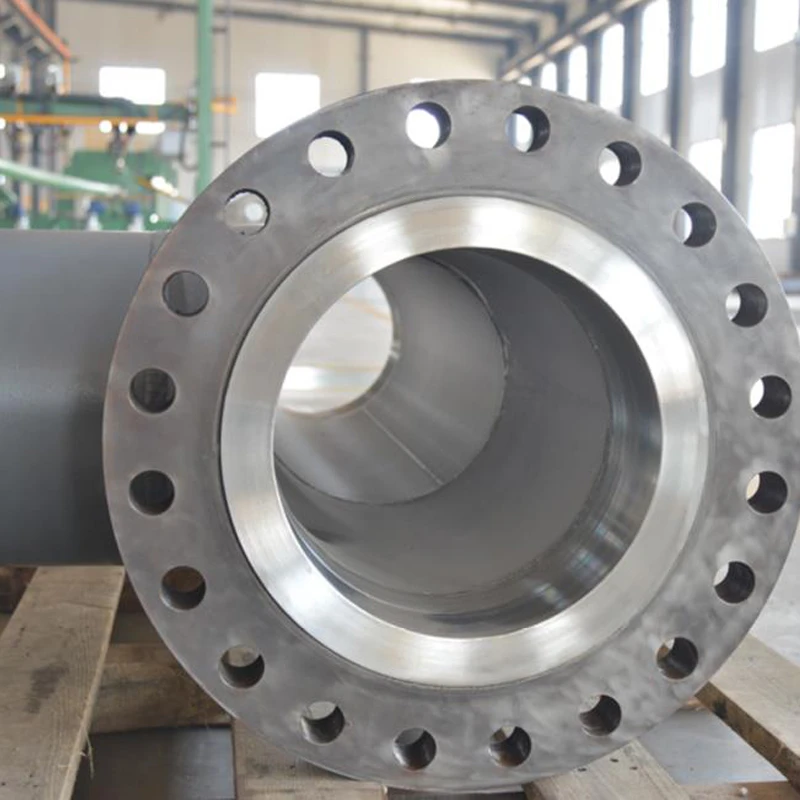
    In modern industrial construction, the quality and supply efficiency of pipe fittings directly affect the success or failure of the project. With advanced production concept and strong technical strength, we focus on the factory prefabrication of products, and provide all-round pipe fitting solutions for many key fields such as petrochemical industry and coal chemical industry.
    VIEW ALL
  • Elbow

    Elbow

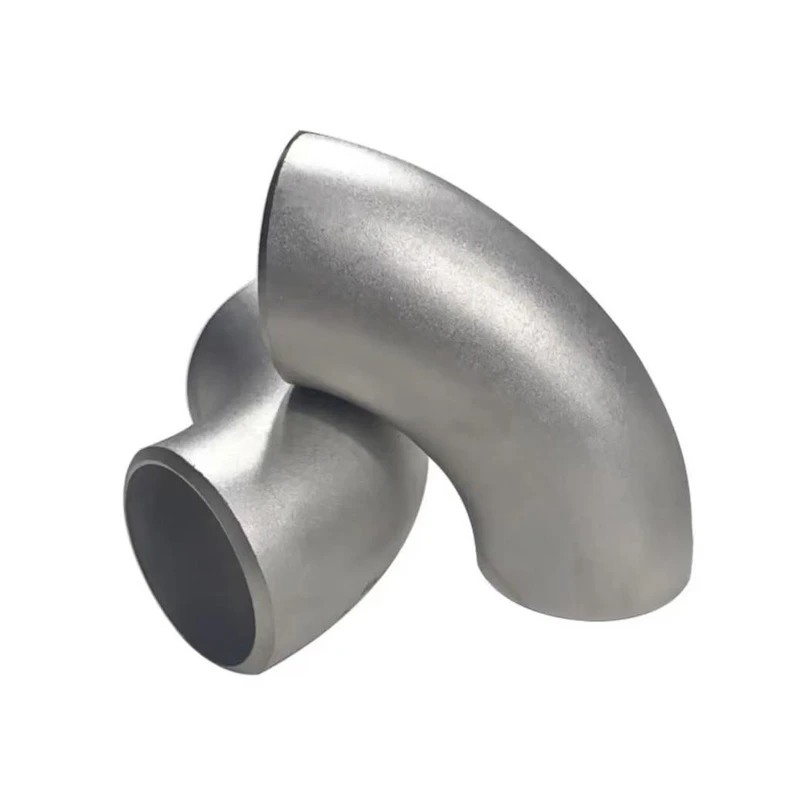
    Carbon Steel &stainless Steel Elbow Elbows are pipe fittings used to change the direction of pipelines in piping systems, commonly employed at pipeline bends. They are widely used in industries such as petroleum, chemical, and power. The common size range for elbows is DN15-DN2000, and typical angles include 45°, 90°, and 180°.
    VIEW ALL
  • Anti Corrosion And Thermal Insulation Products

    Anti Corrosion And Thermal Insulation Products

    The anti-corrosion and thermal insulation products we focus on produce play a key role in the industrial pipeline system, especially the thermal insulation pipe fittings and steel pipes. Thermal insulation pipe fittings cover elbows, tees, reducers and pipe supports, with specifications ranging from DN15 to DN1800, and are made of carbon steel, alloy steel, stainless steel, bimetallic composite, nickel-based alloy and other materials.
    VIEW ALL
To create value for customers!
Cangzhou Leo Technology Co., Ltd. is located in Mengcun County Economic Development Zone, Cangzhou City, Hebei Province. It is a specialized high-tech enterprise that integrates the research and development, production, and sales of composite pipes and fittings.
News
The company regards product quality as the life of the enterprise, establishes a sound quality management system in accordance with the requirements of industry and national standards, controls all aspects of input and output in the whole process, pays attention to every detail, and ensures that the product delivery pass rate is 100%.
SS Pipe Cap FAQ: Fit, Connections, Materials and Uses

SS Pipe Cap FAQ: Fit, Connections, Materials and Uses

Get direct answers about ss pipe cap materials, threaded or welded connections, shapes, DN and NPS sizes, schedules, uses, and associated standards.
Choosing an SS Bend Pipe: Application Fit and Specification Checks

Choosing an SS Bend Pipe: Application Fit and Specification Checks

Learn how to choose the right ss bend pipe for your piping system. This guide covers material grade, bend angle, radius, pressure rating, and applicable standards to help procurement teams specify stainless steel bend pipes with confidence.
High Performance Sink Pipe Steel Guide for Industrial Piping

High Performance Sink Pipe Steel Guide for Industrial Piping

High-Performance Sink Pipe Steel: The Ultimate Guide to Industrial Piping In the demanding world of industrial manufacturing and pressure vessel construction, the selection of materials for piping systems is critical. Utilizing high-quality sink pipe steel ensures that systems can withstand extreme pressures, corrosive media, and mechanical stress. Whether it is for chemical processing, oil and gas, or construction, the right steel grade and fitting geometry can mean the difference between seamless operation and costly system failure. This guide explores the technical nuances of steel elbows and specialized clad materials designed for the most rigorous environments.
Ultimate Guide to Industrial Seamless Steel Pipe for Piping

Ultimate Guide to Industrial Seamless Steel Pipe for Piping

In the realm of modern industrial infrastructure, the integrity of piping systems is non-negotiable. The seamless steel pipe stands as the gold standard for transporting high-pressure fluids and gases. Unlike welded alternatives, seamless pipes are manufactured without a longitudinal seam, eliminating the most common point of failure and ensuring superior structural consistency. This makes them indispensable in sectors where safety and reliability are paramount, such as petroleum, nuclear power, and thermal energy. In this comprehensive guide, we will explore the technical advantages, material specifications, and critical applications of these high-performance components to help you make an informed procurement decision.
High Performance Seamless Steel Pipes for Industrial Piping

High Performance Seamless Steel Pipes for Industrial Piping

In the world of industrial fluid transportation and pressure vessel manufacturing, the choice of piping material can determine the safety and longevity of an entire system. Seamless steel pipes are engineered to withstand extreme conditions without the risk of weld-line failure, making them the gold standard for high-pressure environments. From oil and gas pipelines to hydraulic systems, these pipes offer unmatched structural integrity. In this comprehensive guide, we will explore the technical specifications, benefits, and diverse applications of carbon seamless steel solutions to help you make an informed procurement decision for your next engineering project.
tel email tel top

If you are interested in our products, you can choose to leave your information here, and we will be in touch with you shortly.