Understanding Steel Tube Material Applications and Future Innovations
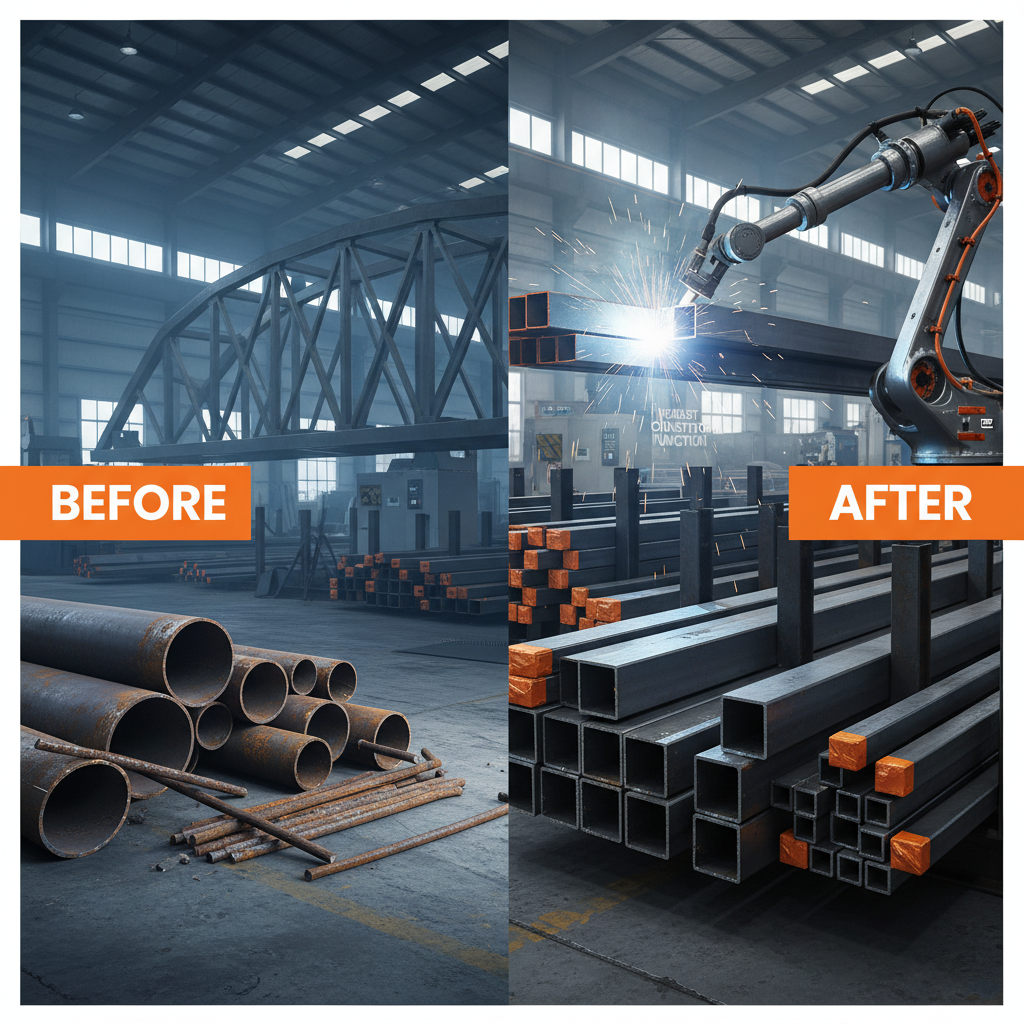
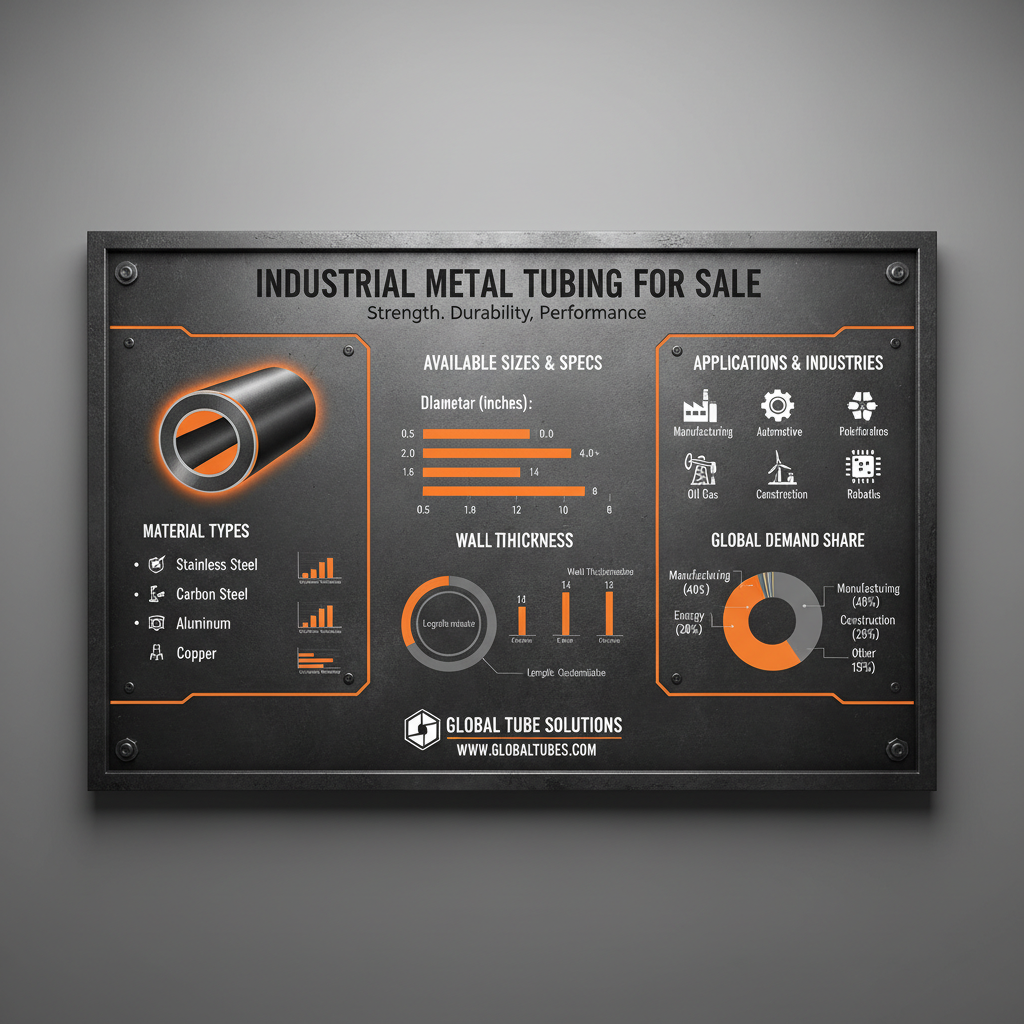
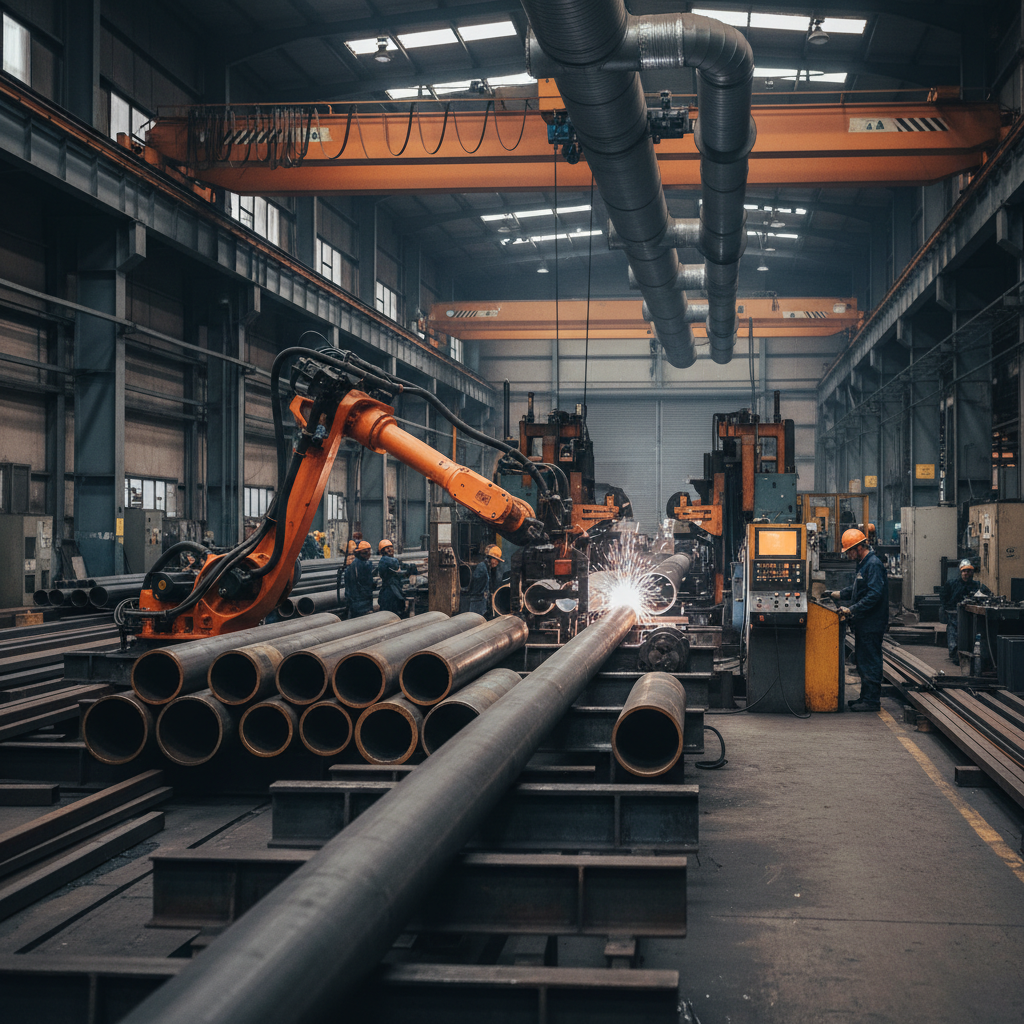
Steel tube material – it's more than just pipes and beams, it's the backbone of modern infrastructure. From the towering skyscrapers reshaping city skylines to the intricate networks delivering vital resources, steel tubes are everywhere. Understanding the nuances of this material, its properties, and its applications is crucial, not just for engineers and architects, but for anyone involved in construction, resource management, and even disaster relief. We’re talking about a material that impacts nearly every facet of the built environment, and getting it right directly translates to safety, efficiency, and long-term sustainability. Globally, the demand for steel tube material is skyrocketing. The World Steel Association reports consistently rising production and consumption, driven primarily by growth in emerging economies and increasing investment in infrastructure projects. This demand, however, isn't just about quantity; it's about quality and suitability. Poorly specified or substandard steel tubes can lead to catastrophic failures, as we’ve seen all too often in poorly regulated construction zones. There’s a real challenge here: balancing cost with performance and ensuring compliance with increasingly stringent international standards (ISO certifications are key, trust me). Simply put, steel tube material refers to a hollow structural steel section, manufactured from steel.
Read more »


 By:James Thompson - April 17, 2026
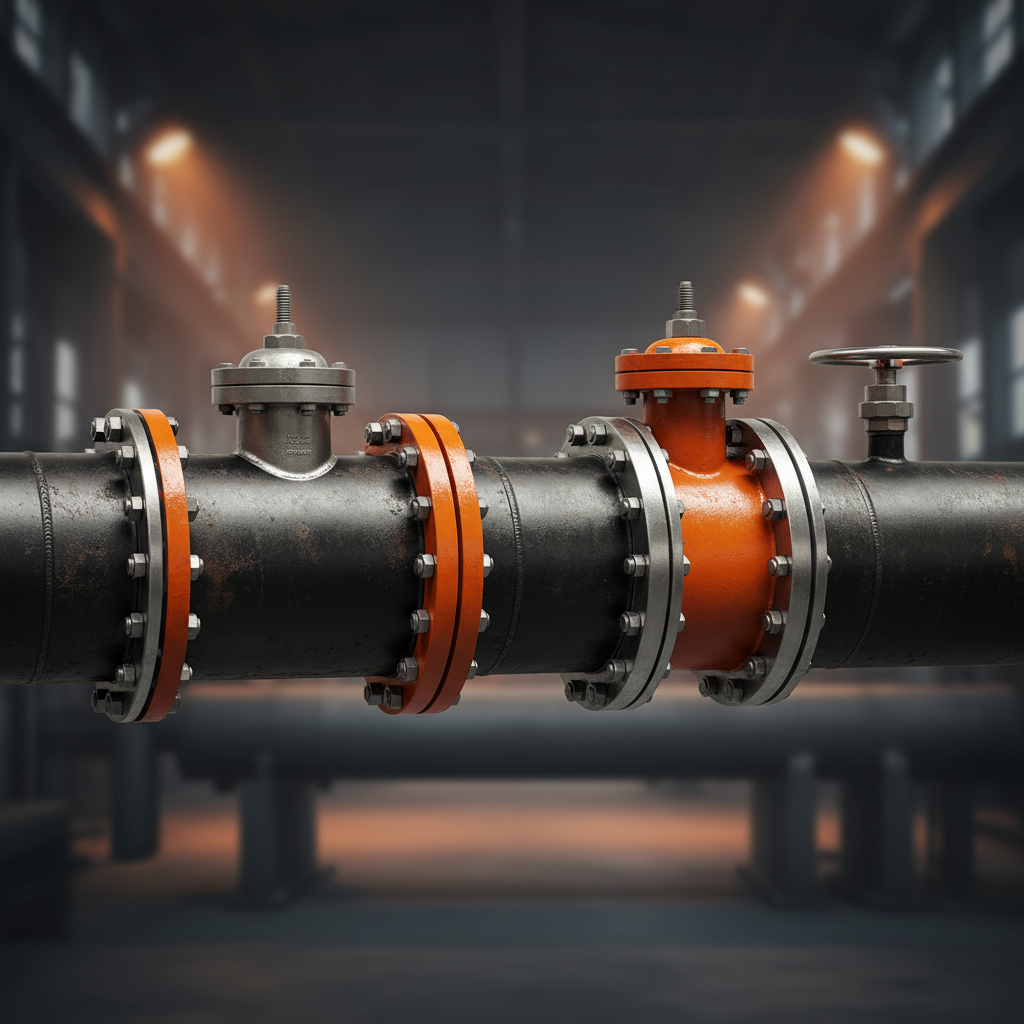
 By:Brian Wilson - April 8, 2026
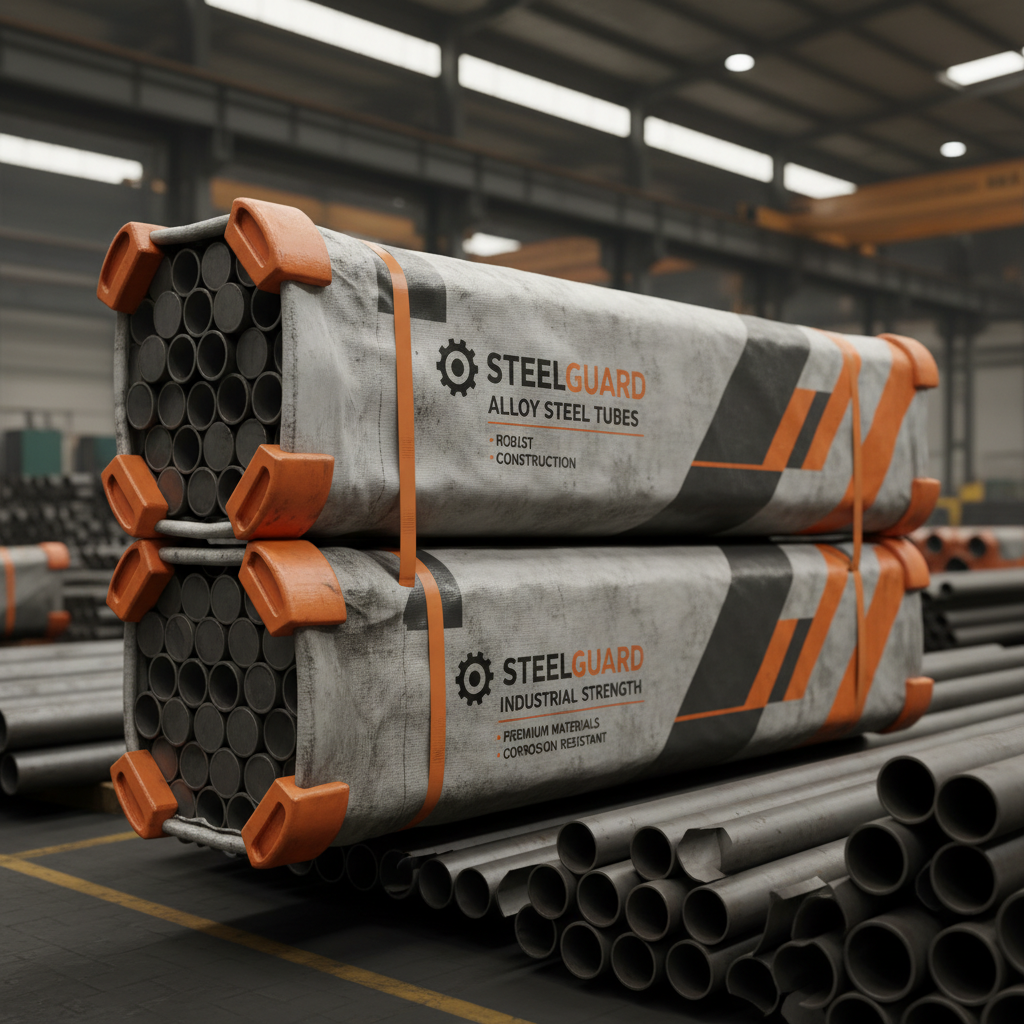
 By:David Miller - April 6, 2026
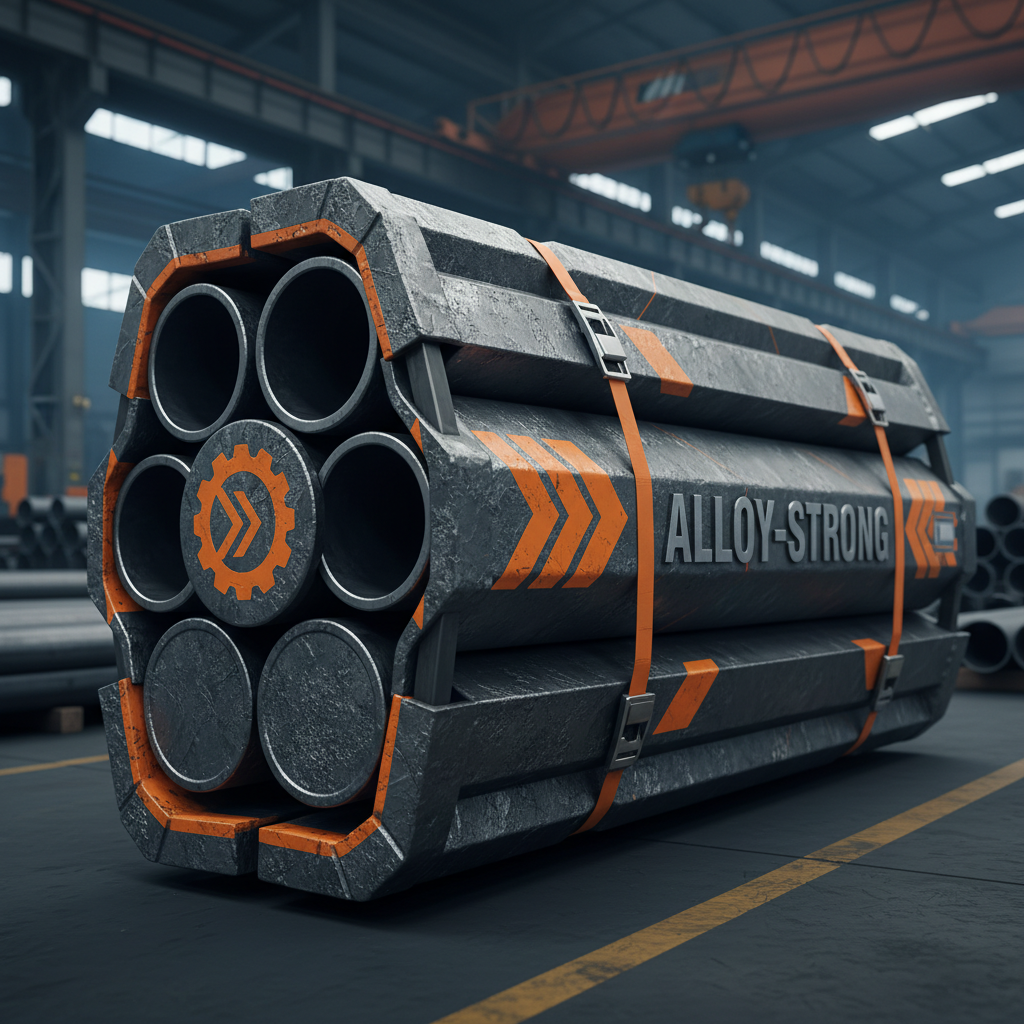
 By:Richard Harrison - April 3, 2026
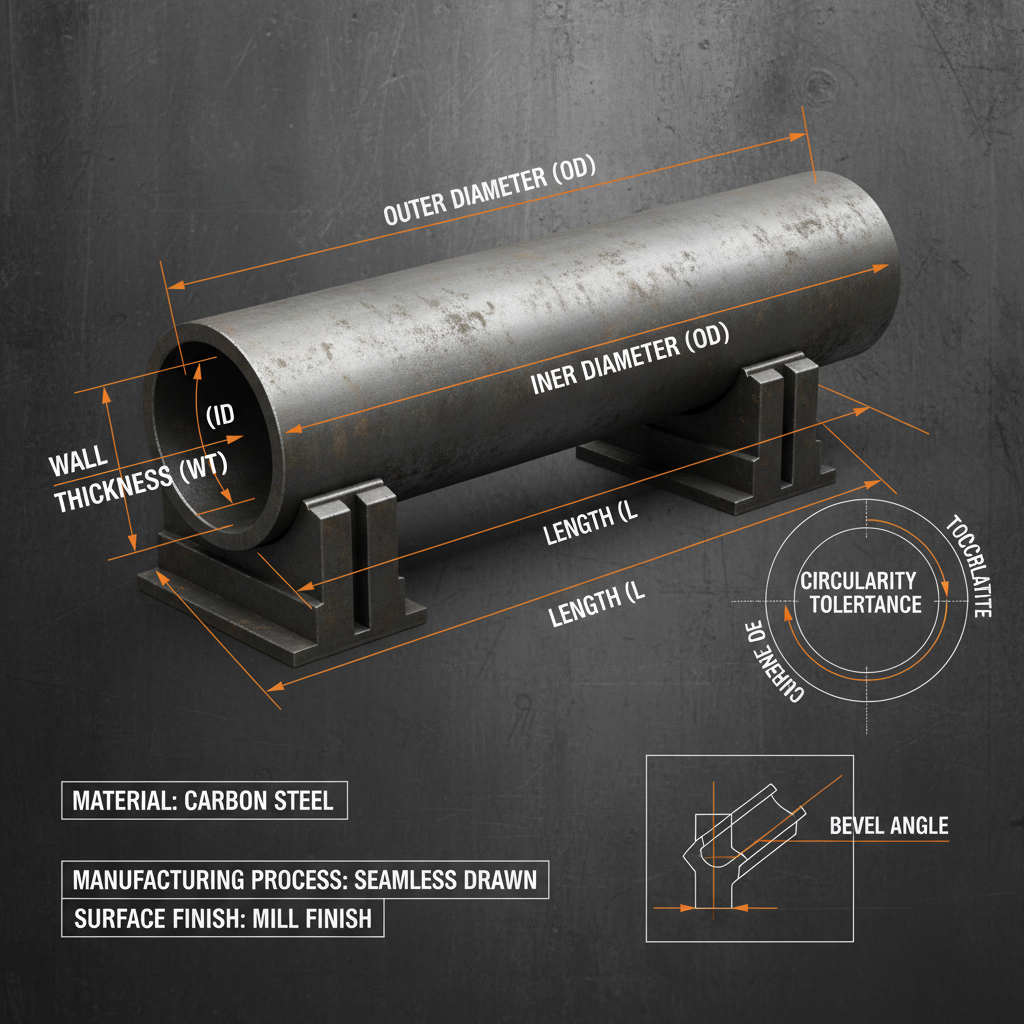
 By:Michael Chen - March 18, 2026