tel
Email
to top

FAQ

  • What is the main function of an anti - corrosion insulated pipe?

    The main function of an anti - corrosion insulated pipe is to protect the inner pipeline from corrosion, which can be caused by various factors such as moisture, chemicals in the transported medium, and the surrounding environment. Additionally, it provides thermal insulation, reducing heat loss or gain during the transportation of fluids, whether they are hot or cold, thus improving energy efficiency.
  • What materials are commonly used for the anti - corrosion layer of an anti - corrosion insulated pipe?

    For the anti - corrosion layer, materials like polyethylene (PE), polypropylene (PP), and epoxy coatings are commonly used. PE and PP offer good chemical resistance and physical durability, while epoxy coatings can form a strong, adherent film that resists corrosion effectively. In some cases, metal - based anti - corrosion coatings such as zinc - rich paints are also applied to provide an extra layer of protection against rust and corrosion.
  • In which industries are anti - corrosion insulated pipes widely applied?

    Anti - corrosion insulated pipes are widely used in the oil and gas industry for transporting crude oil, natural gas, and refined petroleum products. In the heating and cooling industry, they are used for district heating systems, chilled water pipelines in large buildings, and industrial process heating or cooling lines. They are also crucial in the chemical industry for transporting corrosive chemicals, as well as in the power generation industry for steam and condensate pipelines.
  • How does the insulation part of an anti - corrosion insulated pipe contribute to energy savings?

    The insulation material in an anti - corrosion insulated pipe, such as polyurethane foam or mineral wool, has a low thermal conductivity. When a hot fluid is flowing through the inner pipe, the insulation restricts the transfer of heat from the hot medium to the surrounding environment, reducing heat loss. Similarly, for cold fluids, it prevents heat from the outside from entering the pipe, minimizing the energy required to maintain the desired temperature of the transported fluid, thus leading to energy savings.
  • What inspection methods are used to ensure the quality of anti - corrosion insulated pipes?

    Non - destructive testing methods are commonly employed. Visual inspection is used to check for any visible defects on the surface of the pipe, such as cracks, dents, or coating damage. Ultrasonic testing can detect internal flaws in the pipe wall and the integrity of the insulation layer. Coating thickness gauges are used to measure the thickness of the anti - corrosion coating to ensure it meets the required standards. In addition, electrical resistance testing can be used to assess the effectiveness of the anti - corrosion measures.
News
The company regards product quality as the life of the enterprise, establishes a sound quality management system in accordance with the requirements of industry and national standards, controls all aspects of input and output in the whole process, pays attention to every detail, and ensures that the product delivery pass rate is 100%.
Ultimate Guide to 4130 Tubing Strength Performance and Applications

Ultimate Guide to 4130 Tubing Strength Performance and Applications

Apr.16,2026
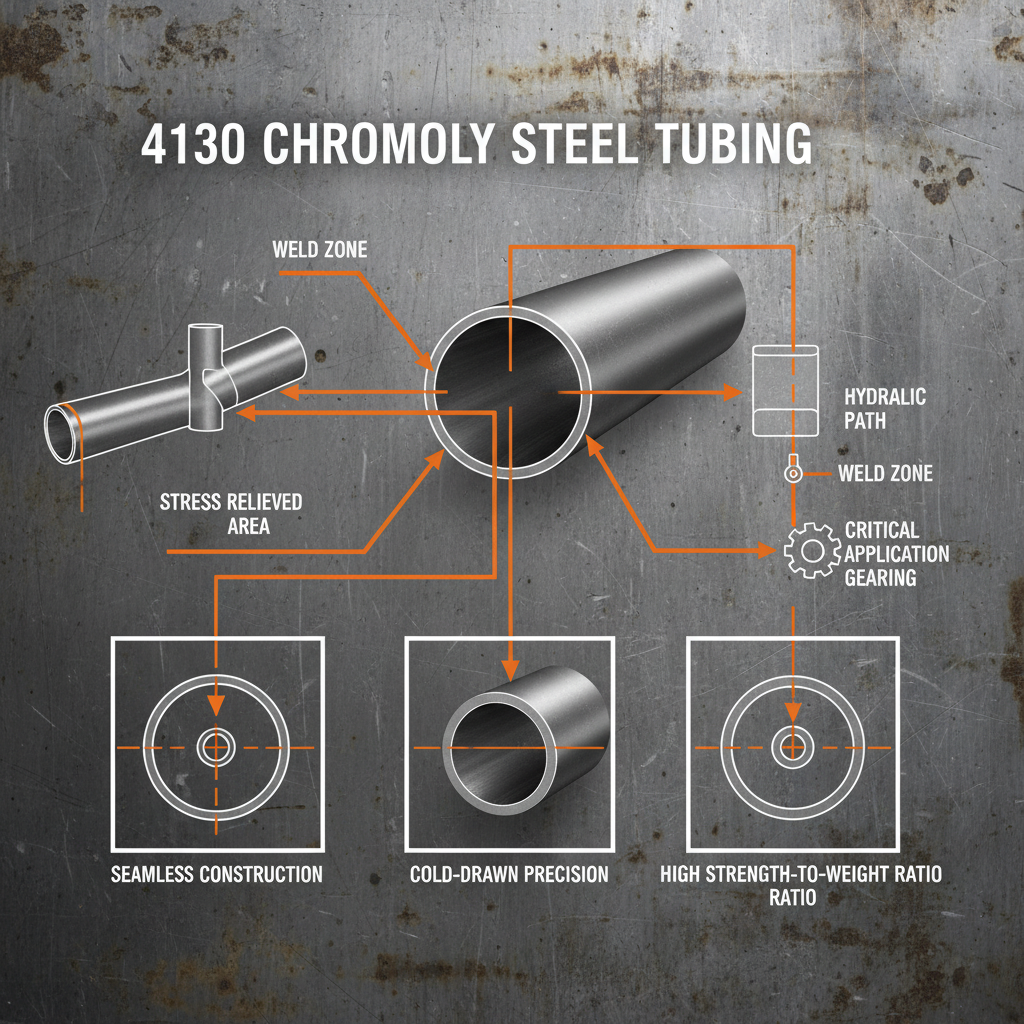
In the world of high-performance engineering, material selection is the foundation of safety and efficiency. 4130 tubing is widely regarded as the gold standard for applications requiring an exceptional strength-to-weight ratio. This chrome-molybdenum alloy steel is engineered to withstand extreme stress while remaining lightweight enough for aerospace and automotive use. Whether you are designing a roll cage, a bicycle frame, or a critical industrial component, understanding the nuances of this material is essential. In this comprehensive guide, we will explore why this specific alloy is preferred by engineers worldwide and how to choose the right specifications for your project.
Properties and Industrial Applications of 4130 steel tubing

Properties and Industrial Applications of 4130 steel tubing

Apr.09,2026
In the world of high-performance engineering, material selection is the foundation of safety and efficiency. 4130 steel tubing is widely recognized as the gold standard for applications requiring an exceptional strength-to-weight ratio. Known for its versatility and reliability, this chromium-molybdenum alloy is the preferred choice for everything from aircraft frames to professional roll cages. Understanding the nuances of this material allows engineers to optimize structural integrity without adding unnecessary bulk. In this comprehensive guide, we will explore why this specific alloy remains a top choice for critical industrial and aerospace components.
Comprehensive Guide to 40mm Steel Tube Applications and Material Selection

Comprehensive Guide to 40mm Steel Tube Applications and Material Selection

Apr.07,2026
40mm steel tube is a versatile and widely used material in various industries, from construction and manufacturing to automotive and beyond. Its strength, durability, and cost-effectiveness make it an ideal choice for numerous applications. This article will delve into the characteristics, applications, benefits, and considerations when working with 40mm steel tube, providing a comprehensive overview for professionals and anyone interested in this essential material.
Comprehensive Guide to 40mm Steel Pipe Applications and Considerations

Comprehensive Guide to 40mm Steel Pipe Applications and Considerations

Apr.04,2026
40mm steel pipe is a widely used material in various industries due to its strength, durability, and cost-effectiveness. From construction and infrastructure projects to industrial applications and fluid transportation, this pipe size offers a versatile solution. This article will delve into the properties, applications, standards, and key considerations when selecting 40mm steel pipe, helping you make informed decisions for your specific needs.
Comprehensive Guide to 40mm Metal Pipe Applications and Sourcing

Comprehensive Guide to 40mm Metal Pipe Applications and Sourcing

Mar.31,2026
40mm metal pipe is a crucial component in a wide array of industries, from construction and plumbing to industrial manufacturing and fluid transport. Its strength, durability, and versatility make it a preferred material for countless applications. This article will delve into the specifics of 40mm metal pipe, exploring its various types, common uses, benefits, and where to source high-quality piping solutions.
Comprehensive Guide to 40mm Galvanised Pipe Applications and Specifications

Comprehensive Guide to 40mm Galvanised Pipe Applications and Specifications

Mar.28,2026
When planning a plumbing, structural, or industrial project, selecting the right piping material is crucial. 40mm galvanised pipe is a widely used option known for its strength, durability, and corrosion resistance. This article provides a detailed overview of 40mm galvanised pipes, exploring their applications, benefits, specifications, and considerations for optimal usage. We'll cover everything from what galvanisation is to how to choose the right pipe for your specific needs.
tel email tel top

If you are interested in our products, you can choose to leave your information here, and we will be in touch with you shortly.