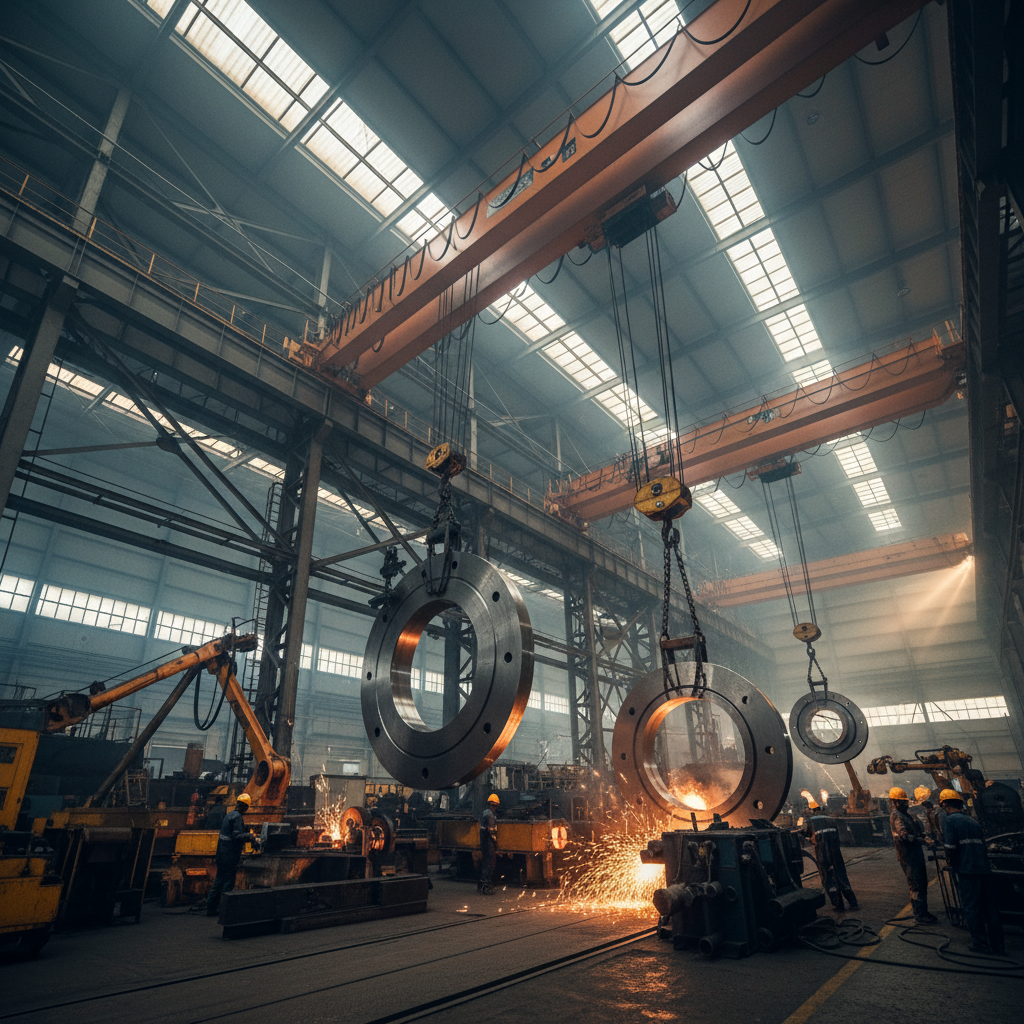
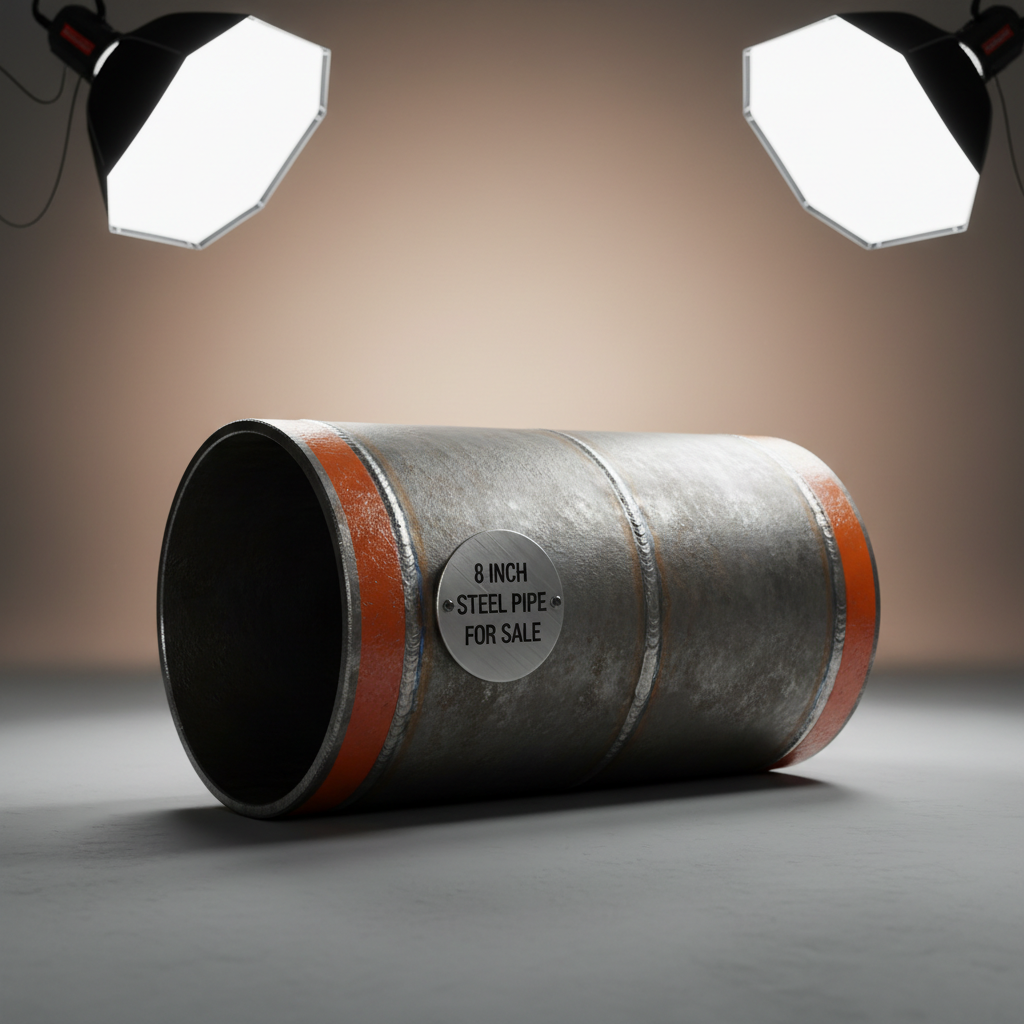
Look, I spend my days knee-deep in dust and steel, talking to the guys actually building things. Alloy steel pipe – it’s not some abstract material science problem to me. It’s about getting the job done, safely, on time, and without a headache down the line. We're seeing a huge push globally for infrastructure projects – pipelines, bridges, energy facilities – and this material is fundamental to making those a reality. It's the backbone of so much modern construction.
The demand is only going up. Global urbanization, growing energy needs, and increasingly stringent safety regulations all mean we need more robust, reliable piping solutions. The UN estimates a significant infrastructure gap in developing nations, requiring trillions in investment. And that investment has to be smart, meaning choosing materials that last. We’ve all seen projects fail due to cheap materials, and the cost of rework – not just financially, but in delays and reputation – is astronomical.
This isn’t about just ‘pipes’; it’s about ensuring water gets to communities, oil and gas flow efficiently, and structures stand strong for decades. That’s why understanding the nuances of alloy steel pipe is crucial for everyone involved in construction, from the project manager to the welder on the ground.
The Fundamentals of alloy steel pipe
Alright, let's break it down. Alloy steel pipe isn’t just one thing; it’s a family of steel alloys designed to provide better mechanical properties than standard carbon steel. We’re talking higher strength, improved corrosion resistance, and enhanced performance in extreme temperatures. I've seen too many projects stalled by corrosion issues, so investing upfront in quality alloy steel is a no-brainer.
It’s used extensively in critical infrastructure. Think pipelines transporting oil and gas, power generation plants, and even structural components in bridges. It’s what allows us to push boundaries, building bigger and stronger, while minimizing risk. This isn’t just about meeting code; it’s about building something that lasts.
Understanding Alloy Steel Composition
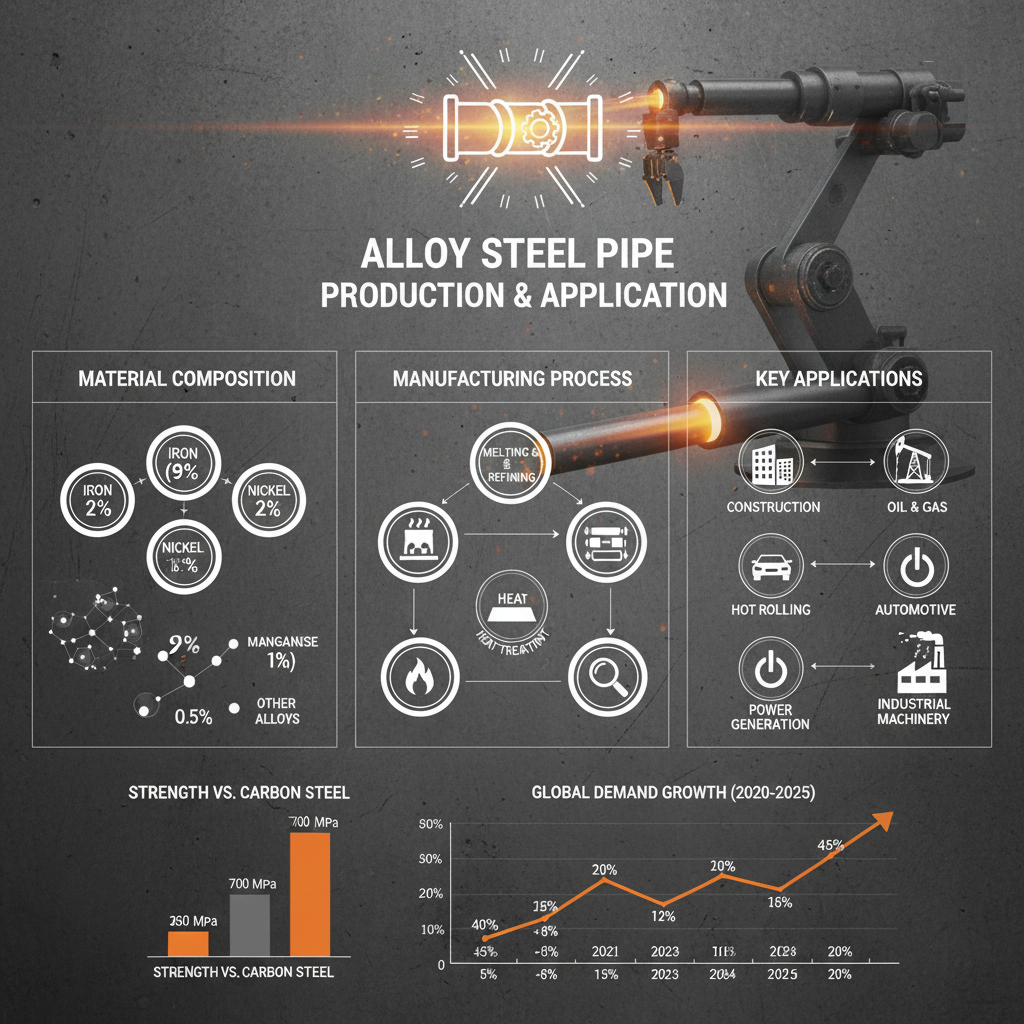
The "alloy" part is key. Carbon steel is mostly iron and carbon. Alloying elements – things like chromium, molybdenum, nickel, vanadium – are added to modify the steel’s properties. Chromium, for example, is fantastic for corrosion resistance, while molybdenum increases strength and toughness. The specific blend of these elements determines the pipe’s suitability for different applications.
Each alloy composition gives a different grade of pipe. You've got your 4140, your 8640, various stainless steel alloys… each with its own strengths. Understanding these grades is where experience comes in. You need to know which alloy is best suited for the pressure, temperature, and chemical environment the pipe will be exposed to.
It's not just about the elements themselves, but also the percentages. A small change in composition can make a big difference in performance. That's why traceability and material certifications are so important – you need to know exactly what you’re getting.
Key Properties of alloy steel pipe
Durability is king. These pipes can withstand tremendous pressure and stress without failing. That’s critical in pipelines, where failures can have catastrophic consequences. It also means reduced maintenance and repair costs over the lifetime of the project.
Corrosion resistance is huge. Depending on the alloy, these pipes can handle harsh chemicals, saltwater, and extreme weather without corroding. This is especially important in offshore applications or in facilities processing corrosive materials. It extends the lifespan dramatically.
High-temperature strength is another big one. Many industrial processes operate at elevated temperatures, and carbon steel just can’t cut it. Alloy steel maintains its strength and integrity at those temperatures, ensuring safety and reliability. We are seeing more need for this as energy demands increase.
Practical Applications Across Industries
Oil and gas is the biggest user, hands down. Pipelines, refineries, offshore platforms – alloy steel is everywhere. It needs to handle high pressures, corrosive fluids, and extreme temperatures, and this material delivers.
Power generation is another major area. Boiler tubes, steam lines, turbine components… alloy steel is essential for efficient and reliable power production. You'll find it in nuclear plants, coal-fired plants, and even renewable energy facilities.
Alloy Steel Pipe Application Breakdown
Advantages and Long-Term Value Proposition
The initial cost of alloy steel pipe can be higher than carbon steel, no doubt. But you have to look at the total cost of ownership. Lower maintenance, fewer repairs, and a longer lifespan translate to significant savings over the long term. It is an investment, not just an expense.
Safety is paramount. Using a reliable material like alloy steel minimizes the risk of failures, protecting workers and the environment. That peace of mind is invaluable. We've seen projects shut down due to safety concerns related to substandard materials, and it’s a mess for everyone involved.
Global Standards and Certifications
There are a lot of standards out there – API, ASTM, ISO – and it can be confusing. These standards ensure the pipe meets certain quality and performance requirements. Look for certifications from reputable organizations. It's not just about having a piece of paper; it's about having independent verification of the material’s properties.
Proper documentation is crucial. Material test reports, weld procedures, inspection records – it all needs to be traceable. This is especially important for large-scale projects where accountability is essential. I've seen projects held up for months because of missing documentation.
And it’s not just about the material itself. Fabrication and installation processes also need to meet stringent standards. A good pipe can be ruined by a bad weld or improper handling.
Challenges and Future Innovations in alloy steel pipe
Supply chain disruptions are a constant headache. Global events can impact the availability and cost of raw materials, leading to delays and price increases. That's why it's important to work with reliable suppliers and have contingency plans in place.
Finding skilled welders is another challenge. Welding alloy steel requires specialized training and expertise. We need to invest in workforce development to ensure we have enough qualified welders to meet the growing demand.
We’re seeing exciting innovations in materials science. New alloys are being developed with even higher strength, improved corrosion resistance, and reduced weight. Digital twins and AI-powered inspection systems are also improving quality control and reducing the risk of failures.
Summary of Challenges and Future Trends in Alloy Steel Pipe
| Challenge/Trend |
Impact on Industry |
Mitigation Strategy |
Future Outlook |
| Supply Chain Volatility |
Increased Costs & Delays |
Diversification of Suppliers & Strategic Stockpiling |
Continued Uncertainty, Emphasis on Resilience |
| Skilled Labor Shortage |
Reduced Quality & Project Timelines |
Investment in Training & Apprenticeship Programs |
Growing Demand for Automation & Robotics |
| Corrosion in Harsh Environments |
Reduced Pipe Lifespan & Increased Maintenance |
Advanced Alloy Development & Protective Coatings |
Focus on Highly Corrosion-Resistant Alloys |
| Demand for Sustainable Materials |
Pressure to Reduce Carbon Footprint |
Development of Recycled Steel & Energy-Efficient Production |
Increased Use of Green Steel & Circular Economy Principles |
| Digitalization & Data Analytics |
Need for Integration with Existing Systems |
Adoption of IoT Sensors & Predictive Maintenance |
Widespread Implementation of Digital Twins & AI |
| Stringent Regulatory Compliance |
Increased Administrative Burden & Costs |
Streamlined Certification Processes & Automated Reporting |
Harmonization of Global Standards & Increased Transparency |
FAQS
The lifespan heavily depends on the specific alloy, the transported medium, and environmental conditions. However, properly specified and maintained alloy steel pipes in pipelines can realistically last 50-100 years or more. Regular inspections and corrosion monitoring are key to maximizing that lifespan. Proper coatings and cathodic protection also extend the service life.
While plastic pipes have a lower initial carbon footprint, alloy steel pipes offer significant advantages in durability and recyclability. Steel is almost entirely recyclable, whereas many plastics are not. Alloy steel’s long lifespan also reduces the need for frequent replacements, minimizing overall environmental impact over the pipe’s entire lifecycle. Consider the whole picture - not just manufacturing.
You need to carefully consider the yield strength, tensile strength, and fracture toughness of the alloy. The pipe’s wall thickness must also be appropriately sized to withstand the pressure. Don't forget about the temperature – high temperatures can reduce the pipe’s strength. Always consult with a qualified materials engineer to ensure the pipe meets the required specifications. Over-engineering is always better than cutting corners.
NDT methods, such as ultrasonic testing, radiographic testing, and magnetic particle inspection, are critical for detecting defects in the pipe without damaging it. These inspections are performed throughout the manufacturing process and before installation. This is the first line of defense against failures. A good NDT program is a must.
Alloy steel pipe generally has a higher upfront cost than carbon steel or plastic pipes. However, the price fluctuates based on raw material costs (iron ore, alloying elements), manufacturing processes, and order volume. Long-term cost savings come from reduced maintenance and a longer lifespan, making alloy steel a sound investment despite the initial expense.
Corrosion can be caused by various factors, including exposure to corrosive chemicals, saltwater, and oxygen. Prevention methods include using corrosion-resistant alloys, applying protective coatings, implementing cathodic protection systems, and regularly inspecting the pipe for signs of corrosion. It's a constant battle, but one worth fighting.
Conclusion
From the dusty construction sites to complex engineering projects, alloy steel pipe remains a foundational material for modern infrastructure. Its strength, durability, and corrosion resistance make it an indispensable component in a wide range of applications. Understanding its composition, properties, and industry standards isn’t just a technical exercise; it’s about ensuring safety, reliability, and long-term value.
Looking ahead, innovation in materials science, coupled with advancements in digitalization and sustainable practices, will continue to shape the future of alloy steel pipe. Investing in research, workforce development, and responsible sourcing will be key to meeting the growing global demand and addressing the challenges of a changing world. If you're looking for reliable, high-quality alloy steel pipe for your next project, visit our website: alloy steel pipe.