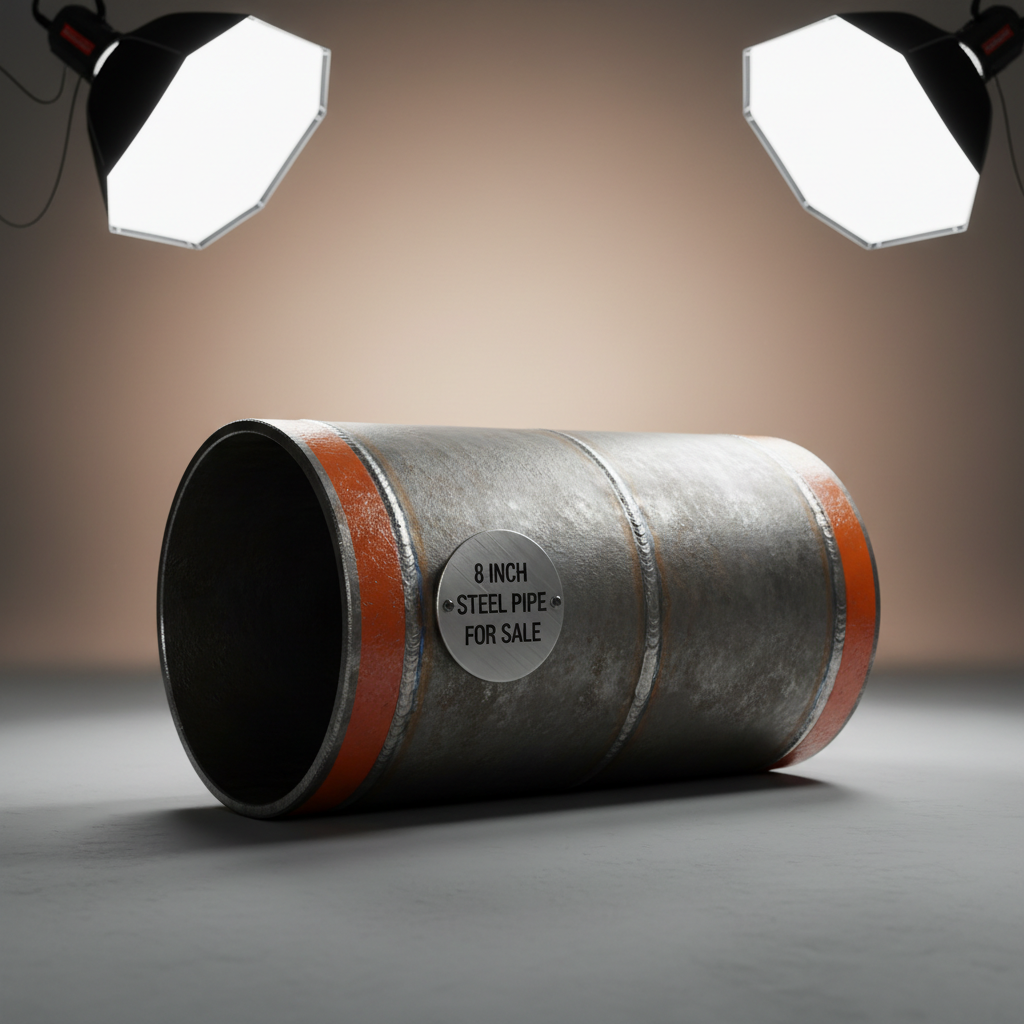
Steel pipe for sale represents a cornerstone of modern infrastructure, spanning industries from oil and gas to water management and construction. Its inherent strength, durability, and versatility make it a crucial material for a vast array of applications globally. Understanding the nuances of steel pipe – its different types, manufacturing processes, and quality standards – is paramount for engineers, project managers, and procurement specialists alike. Access to reliable sources of steel pipe for sale is vital for the successful completion of projects of all scales.
The global demand for steel pipe continues to rise, driven by increasing urbanization, infrastructure development, and energy exploration. However, factors such as fluctuating raw material prices, geopolitical uncertainties, and evolving environmental regulations present ongoing challenges. Consequently, navigating the market for steel pipe for sale requires a strategic approach, focusing on quality, cost-effectiveness, and sustainable sourcing.
Investing in quality steel pipe isn't just about immediate project needs; it's about long-term reliability, safety, and reduced maintenance costs. A robust supply chain and access to certified steel pipe for sale are key elements for achieving project success and ensuring the integrity of critical infrastructure systems.
Introduction to steel pipe for sale
The term “steel pipe for sale” encompasses a broad spectrum of products, each engineered to meet specific performance requirements. From seamless pipes designed to withstand high pressures to welded pipes offering cost-effective solutions, the variety available reflects the diverse needs of modern industries. Sourcing reliable steel pipe for sale involves careful consideration of material grade, dimensions, and intended application.
Understanding the various standards governing steel pipe – such as API 5L, ASTM A53, and EN 10208 – is crucial for ensuring compliance and quality. These standards dictate the manufacturing processes, testing procedures, and material properties that must be met to guarantee the pipe’s suitability for its intended purpose. This knowledge is vital when purchasing steel pipe for sale.
Global Relevance and Market Dynamics
The global steel pipe market is a multi-billion dollar industry, deeply intertwined with the fortunes of the oil and gas, construction, and infrastructure sectors. Demand is particularly strong in emerging economies experiencing rapid industrialization and urbanization. Countries like China, India, and Brazil represent significant markets for steel pipe for sale.
However, the market is also susceptible to volatility, driven by factors such as fluctuations in raw material costs (iron ore, coal), geopolitical events, and trade policies. Recent years have witnessed increased scrutiny regarding trade barriers and tariffs, impacting the pricing and availability of steel pipe for sale internationally.
According to the World Steel Association, pipeline infrastructure represents a significant end-use for steel, highlighting the critical role of steel pipe in transporting essential resources. The ongoing need for efficient and reliable energy transmission systems continues to fuel demand for high-quality steel pipe for sale.
Defining Steel Pipe: Types and Specifications
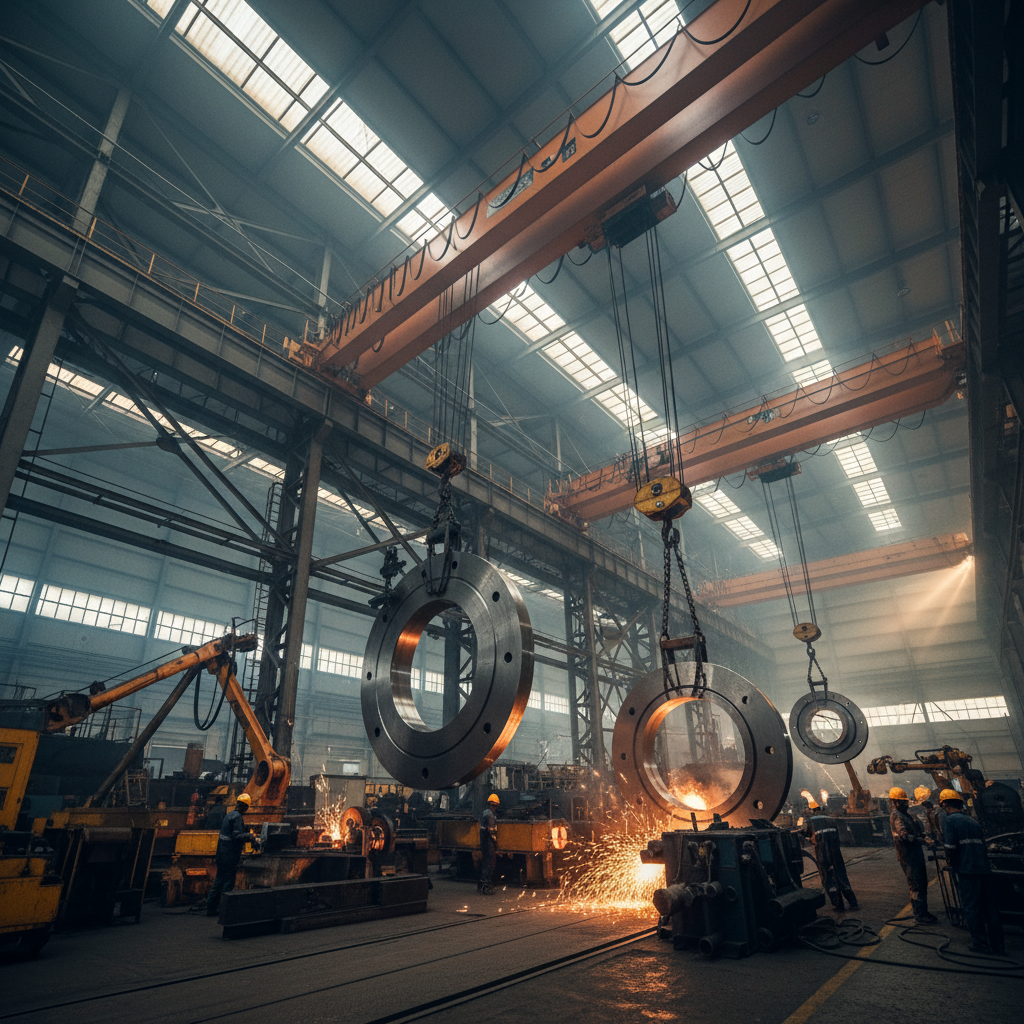
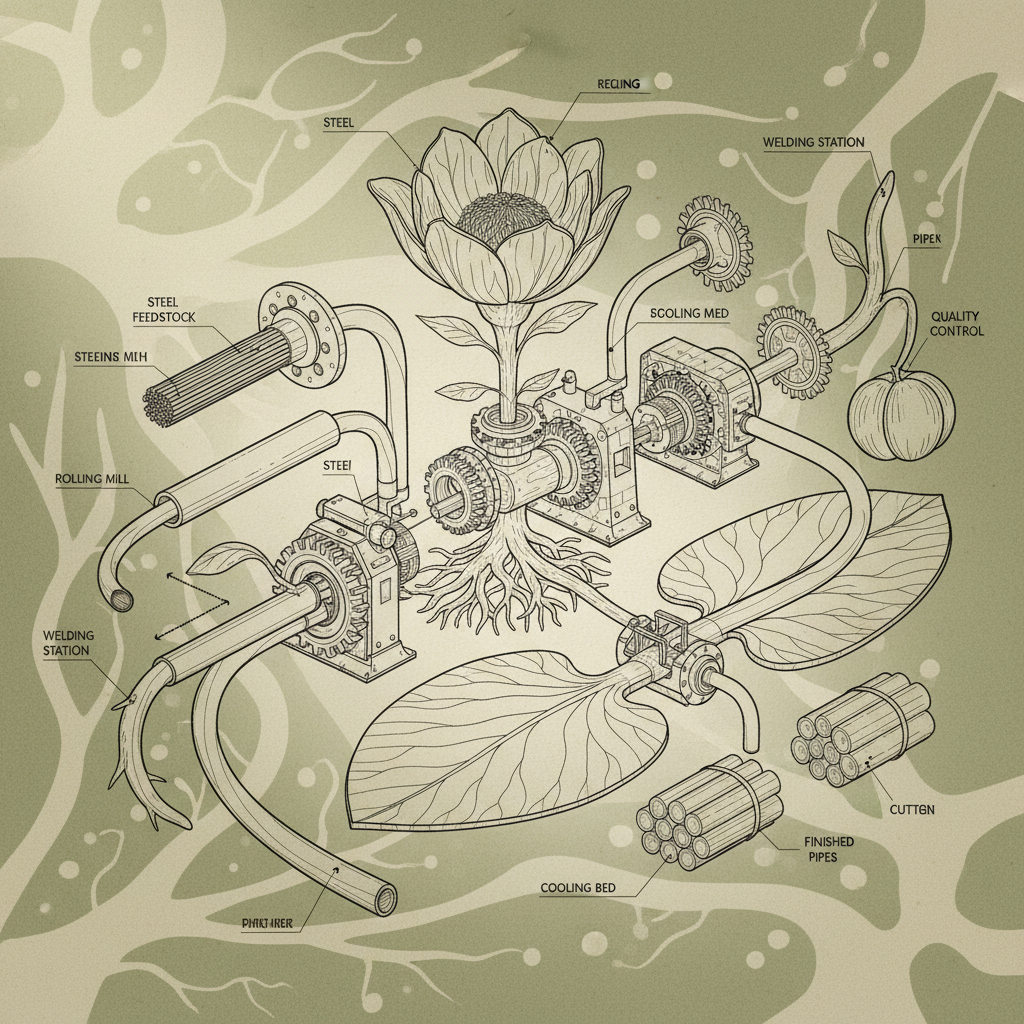
Steel pipe is generally categorized into two primary types: seamless and welded. Seamless pipe is manufactured from a solid billet of steel that is heated and forced over a mandrel, resulting in a hollow tube without any welded seams. This process yields superior strength and pressure-bearing capacity, making it ideal for critical applications. Conversely, welded pipe is produced by rolling and welding steel plates together.
Beyond the fundamental distinction between seamless and welded, steel pipe is further classified based on its material composition, dimensions, and wall thickness. Common steel grades include carbon steel, alloy steel, and stainless steel, each offering unique properties tailored to specific environments and applications. Specification standards, like API 5L for pipelines and ASTM A53 for general purpose applications, define the acceptable range of chemical composition, mechanical properties, and dimensional tolerances for steel pipe for sale.
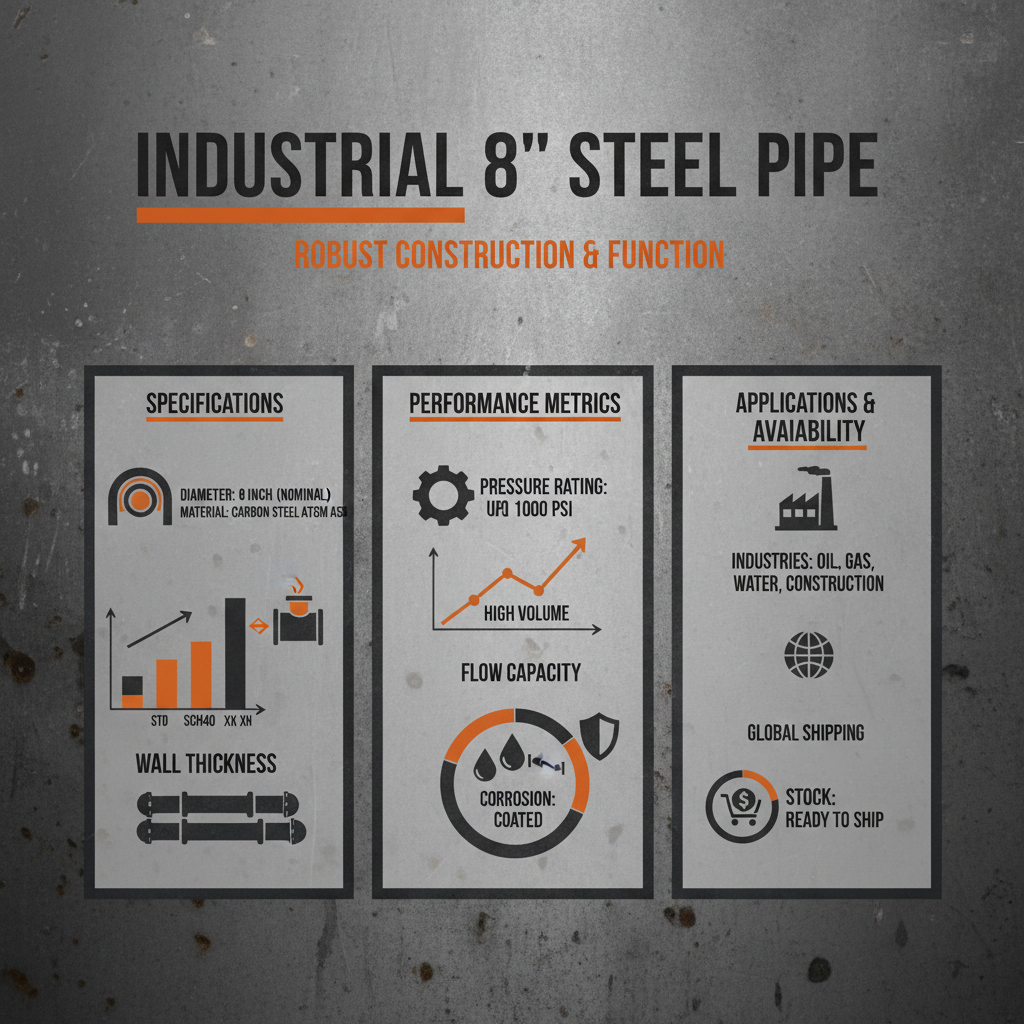
Furthermore, pipe is specified by its nominal pipe size (NPS), which refers to the internal diameter, and its schedule number, which indicates the wall thickness. Understanding these specifications is essential for selecting the appropriate steel pipe for sale for a given project.
Key Attributes of High-Quality Steel Pipe
Durability is perhaps the most crucial attribute of high-quality steel pipe. Resistance to corrosion, erosion, and mechanical stress ensures a long service life and minimizes maintenance requirements. Scalability, referring to the availability of various sizes and grades, allows for project-specific customization.
Cost-efficiency, not just in terms of initial purchase price but also considering lifetime costs (including maintenance and replacement), is paramount. High-quality steel pipe for sale, while potentially more expensive upfront, often proves more cost-effective in the long run due to its reduced need for repair or replacement.
Key Performance Indicators for steel pipe for sale
Applications Across Diverse Industries
The oil and gas industry represents a major consumer of steel pipe, utilizing it for pipelines transporting crude oil, natural gas, and refined products. In the construction sector, steel pipe for sale is used in structural applications, water supply systems, and drainage infrastructure.
The water treatment industry relies on steel pipe for delivering potable water and managing wastewater. Furthermore, the power generation sector utilizes steel pipe in cooling systems, steam lines, and other critical components. In remote industrial zones, the robustness of steel pipe is essential for maintaining reliable infrastructure.
The Long-Term Value Proposition
Investing in high-quality steel pipe translates to long-term cost savings through reduced maintenance, fewer repairs, and extended service life. Sustainable sourcing practices minimize environmental impact and enhance a company’s reputation. Reliable supply chains, offering consistent access to steel pipe for sale, ensure project continuity and mitigate risks.
Beyond the tangible economic benefits, the use of robust steel pipe contributes to enhanced safety and security. Reliable infrastructure protects communities, safeguards essential resources, and supports economic growth, ultimately fostering trust and innovation.
Future Trends and Sustainable Practices
Emerging technologies, such as advanced coating materials and corrosion-resistant alloys, are enhancing the performance and longevity of steel pipe. Digitalization, including the use of sensors and data analytics, enables proactive monitoring and predictive maintenance. Automation in manufacturing processes is improving efficiency and reducing costs.
A growing emphasis on sustainability is driving demand for eco-friendly steel production methods and the use of recycled materials. The development of hydrogen pipelines, designed to transport clean energy, represents a significant future application for steel pipe.
The implementation of circular economy principles, focusing on reuse and repurposing of steel pipe, is becoming increasingly important. These innovations will reshape the landscape of steel pipe for sale.
Challenges and Solutions Regarding steel pipe for sale
| Challenge Area |
Impact on Steel Pipe Supply |
Potential Solutions |
Implementation Difficulty (1-10) |
| Raw Material Price Volatility |
Increases cost of steel pipe for sale, impacting project budgets. |
Long-term contracts, diversified sourcing, hedging strategies. |
7 |
| Geopolitical Instability |
Disrupts supply chains and increases lead times. |
Regional inventory, strategic partnerships, alternative sourcing. |
8 |
| Stringent Environmental Regulations |
Increases production costs and necessitates sustainable practices. |
Investment in green technologies, circular economy initiatives. |
6 |
| Quality Control Issues |
Leads to failures, safety concerns, and costly repairs. |
Enhanced inspection protocols, certification programs, traceability systems. |
5 |
| Logistics and Transportation Challenges |
Increases delivery times and costs, particularly for large-diameter pipe. |
Optimized transportation routes, strategic warehousing, multimodal logistics. |
6 |
| Skilled Labor Shortages |
Limits manufacturing capacity and impacts quality. |
Investment in training programs, automation, attracting skilled workers. |
7 |
FAQS
Seamless pipe is manufactured from a solid billet and offers superior strength and pressure-bearing capacity due to the absence of a welded seam. Welded pipe, created by rolling and welding steel plates, is generally more cost-effective but may have slightly lower strength. The choice between the two depends on the application and required performance characteristics. For high-pressure applications, seamless is often preferred. Understanding these differences is crucial when selecting steel pipe for sale.
Common steel grades for pipelines include API 5L X42, X52, X60, and X70. These grades are selected based on their yield strength, tensile strength, and weldability. X grades indicate increasing strength levels. Carbon steel is frequently used, but alloy steels with additions of elements like manganese, chromium, and molybdenum are employed for enhanced corrosion resistance and higher strength. The appropriate grade of steel pipe for sale is determined by the operating pressure, temperature, and fluid being transported.
Industry standards like API 5L and ASTM A53 are critically important for ensuring the quality, safety, and reliability of steel pipe. These standards define the manufacturing processes, testing procedures, and material properties that must be met. Compliance with these standards guarantees that the steel pipe for sale meets established performance criteria and is suitable for its intended application. Purchasing pipe that meets these standards is vital for mitigating risk.
Several factors impact the cost of steel pipe, including raw material prices (iron ore, coal), manufacturing costs, transportation expenses, and market demand. Steel grade, dimensions (diameter and wall thickness), and quantity purchased also play a significant role. Trade policies, tariffs, and geopolitical events can further influence pricing. Sourcing steel pipe for sale strategically, considering these factors, is essential for cost optimization.
Common corrosion protection methods include applying protective coatings such as epoxy, polyethylene, or polyurethane. Cathodic protection, using sacrificial anodes or impressed current systems, is also widely used, particularly for buried pipelines. Internal coatings can protect against corrosion from the transported fluid. Selecting the appropriate corrosion protection method depends on the environment, the fluid being transported, and the desired lifespan of the steel pipe for sale.
To ensure quality, verify that the supplier has valid certifications (e.g., ISO 9001). Request Mill Test Certificates (MTCs) that demonstrate the pipe meets applicable standards. Conduct visual inspections for defects. Consider third-party inspection services for independent verification. Establish a clear quality control process and ensure traceability of the steel pipe for sale throughout the supply chain.
Conclusion
In conclusion, steel pipe for sale remains an indispensable material across a wide spectrum of industries, underpinning critical infrastructure and enabling economic development. Understanding its various types, specifications, and quality standards is paramount for making informed purchasing decisions. Prioritizing durability, scalability, and cost-effectiveness is crucial for maximizing long-term value.
Looking ahead, embracing sustainable practices, leveraging emerging technologies, and fostering collaborative partnerships will be key to navigating the evolving landscape of the steel pipe industry. To explore our extensive range of high-quality steel pipe and discuss your specific requirements, visit our website today: www.lion-pipeline.com.