Look, I've been running around construction sites all year, getting dust in my teeth and smelling cement. The biggest thing I'm seeing these days? Everyone's scrambling for pre-fabricated stuff. Not just housing, but entire building sections. It’s supposed to be faster, cheaper… honestly, it often isn't, at least not at first. There’s a lot of catching up to do on the supply chain side. And don't even get me started on the logistics of getting oversized components delivered to a tight city center. It's a headache.
But the demand is there. Labor’s expensive, timelines are tight, and everyone wants things now. So pre-fab is here to stay, and with it, a huge need for high-quality, durable steel tubing. That’s where things get interesting – and where a lot of folks stumble.
To be honest, I've seen a lot of designs that look great on paper but fall apart the minute you try to actually build them. People forget about things like weld access, material thickness for bending, and the sheer weight of the finished product. They get caught up in aesthetics and forget the practicalities.
The Current Landscape of Steel Tube Demand
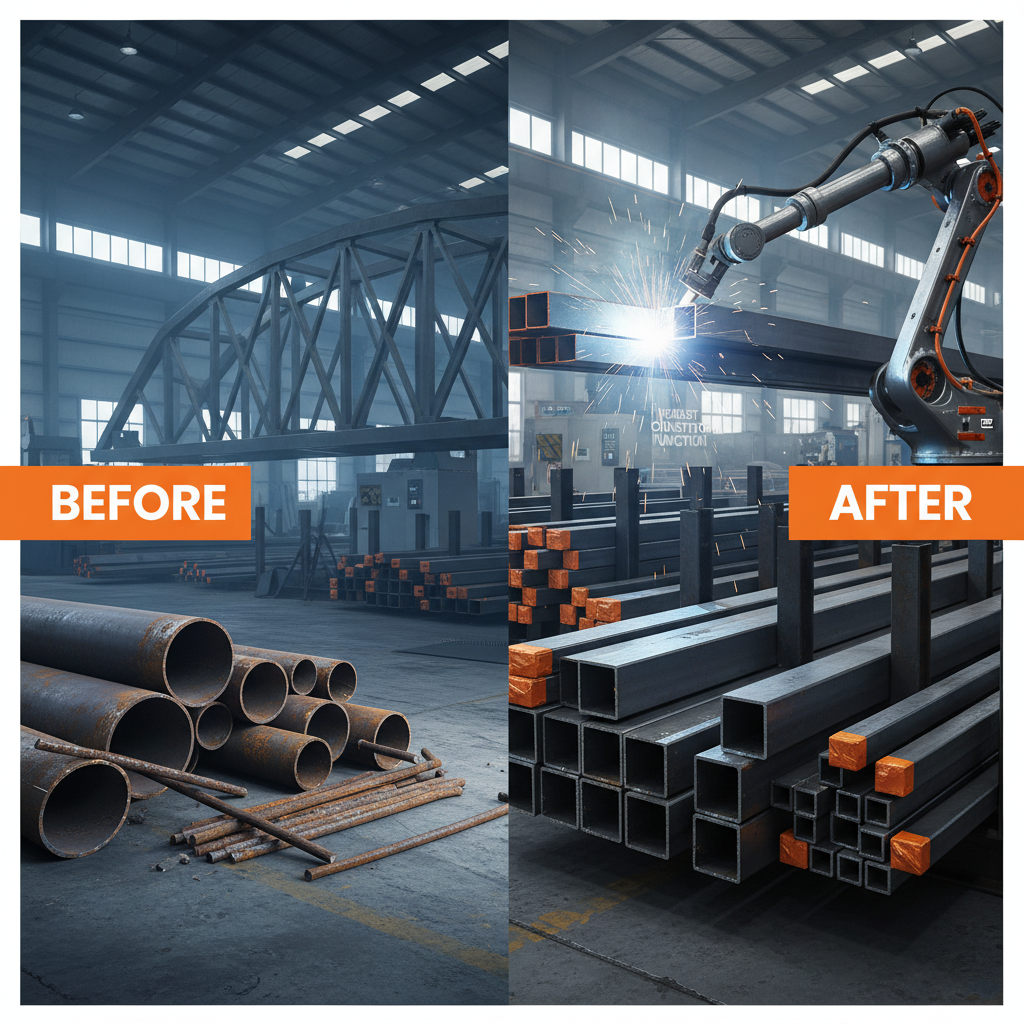
It's booming, plain and simple. Not just for construction, but also for things like scaffolding, temporary structures for events, even agricultural applications. The demand for high-strength, lightweight steel tubing is through the roof. We're talking everything from small diameter for support bracing to massive sections for bridge construction. I visited a steel tube factory in Tianjin last year, and they were working around the clock just to keep up. The smell of hot metal and oil... it's something else.
And it's not just about volume. People are demanding tighter tolerances, better surface finishes, and more specialized coatings. They want stuff that's going to last, and they're willing to pay for it. Or at least, they say they are.
Common Design Pitfalls in Steel Tubing Applications
Have you noticed how many architects design these things without ever stepping foot on a construction site? It’s frustrating! They’ll specify a beautiful, complex shape, then wonder why it’s impossible to fabricate and install without a fortune in custom tooling. Welding becomes a nightmare, alignment is off, and suddenly that “cost-effective” design is anything but.
Another big one is underestimating the load. Steel tubing is strong, yes, but it has its limits. You need to account for dynamic loads – wind, snow, vibrations – not just static weight. I encountered this at a solar farm project in California last year. The initial designs were using tubing that was just too thin for the expected wind loads. We had to redesign the entire support structure.
And don’t even get me started on corrosion. If you’re using steel tubing outdoors, you need to consider corrosion protection. Galvanizing, painting, powder coating – it all adds cost, but it’s worth it in the long run. I've seen projects where they skimped on corrosion protection, and the entire structure was rusted through within five years.
Material Selection: Beyond Just Steel Grades
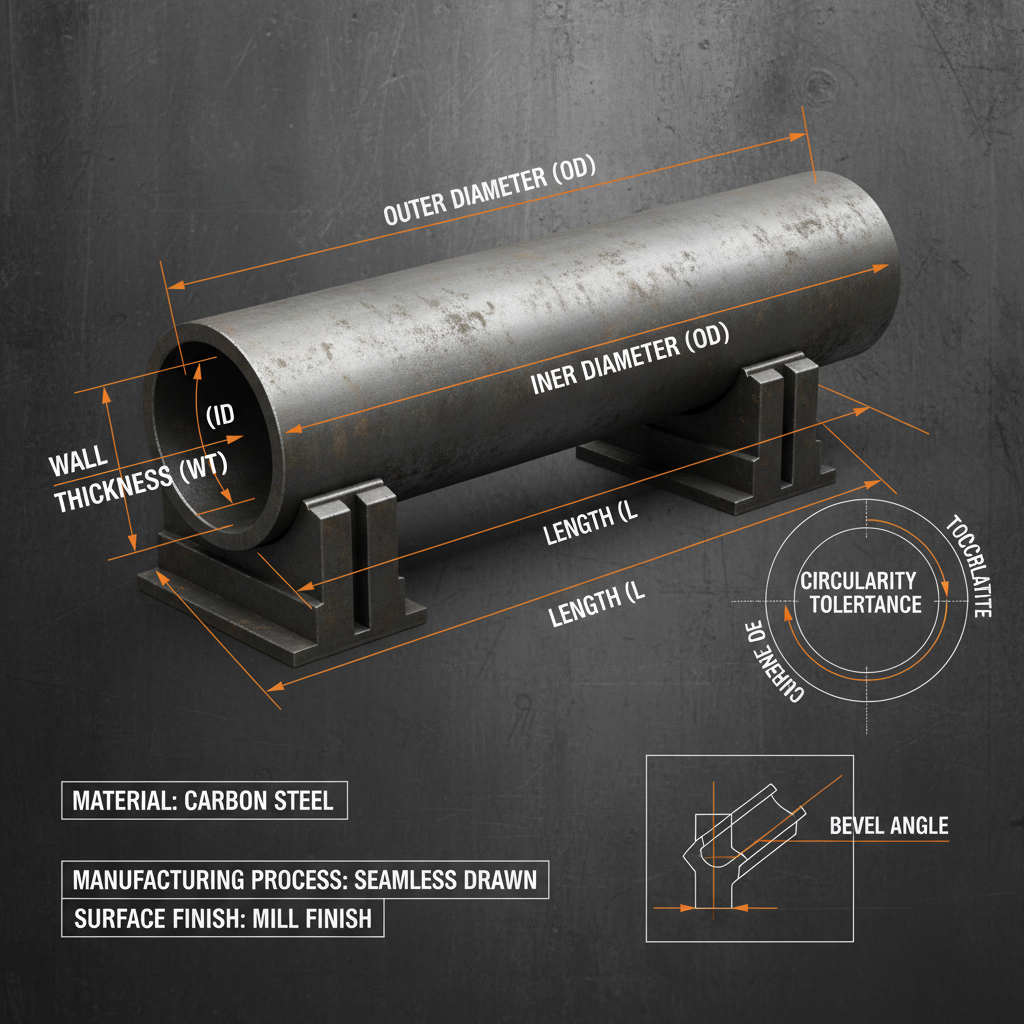
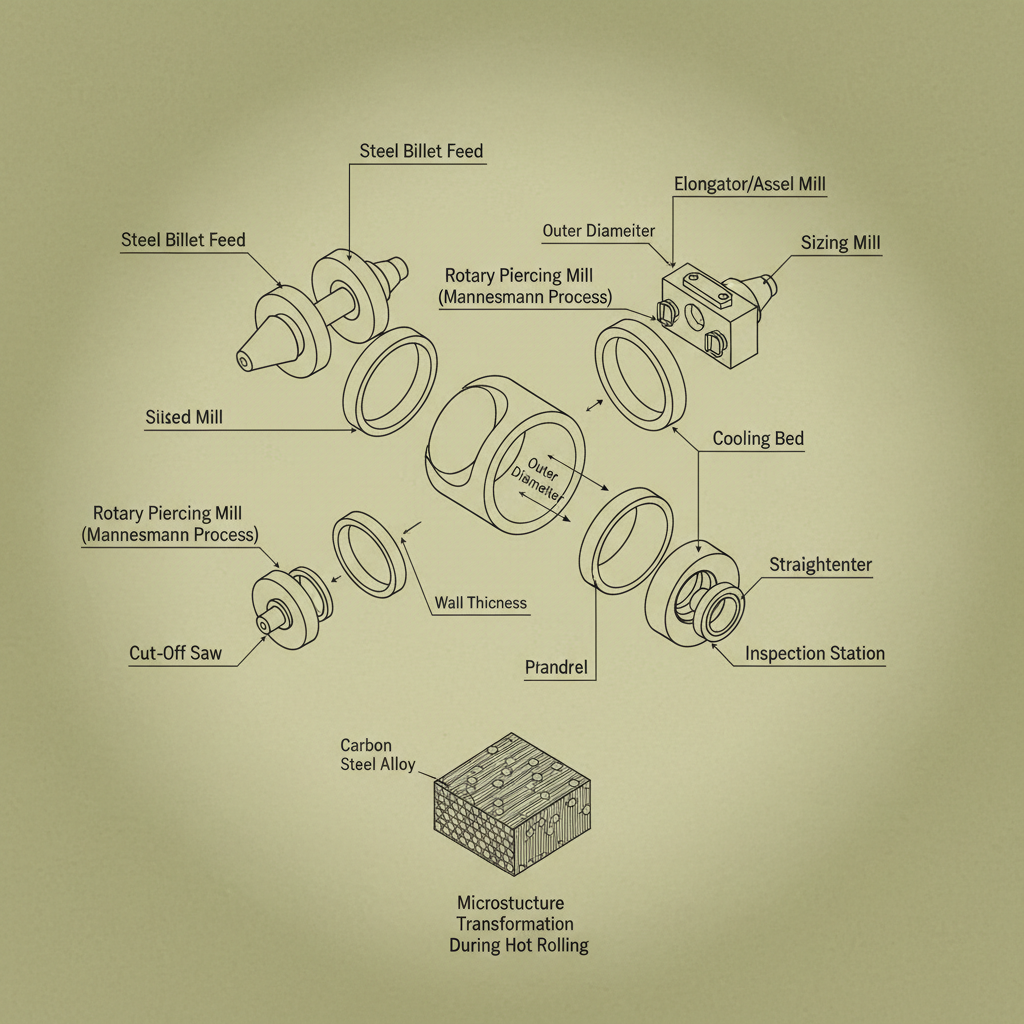
It's not just about saying "we need A36 steel" or "we need 304 stainless." There's so much more to it. You’ve got to consider the manufacturing process. Cold-formed tubing is different than hot-formed. Seamless tubing is different than welded. Each has its strengths and weaknesses. I always ask the steel tube factory about their quality control procedures. What kind of testing do they do? What are their tolerances?
And it’s not just the steel itself. The welding consumables matter. The filler metal has to be compatible with the base metal. You need to consider the welding process – MIG, TIG, stick. Each process has its own characteristics. A bad weld can compromise the entire structure.
Strangely, people often overlook the importance of surface preparation. If you’re painting or powder coating, you need a clean, properly prepared surface. Rust, mill scale, oil – all of that has to be removed. Otherwise, the coating won’t adhere properly, and you’ll end up with corrosion problems.
Real-World Testing Protocols: It's Not All Lab Coats
Look, lab testing is important, don't get me wrong. But it doesn't always reflect what happens on a real construction site. You can test a piece of tubing until it breaks in a lab, but that doesn’t tell you how it will perform under the constant stress and vibration of a busy highway overpass.
Steel Tube Factory Testing Methods Comparison
How Steel Tubing is Actually Used on Site
This is where things get interesting. You spend months designing something, specifying every detail, and then you get to the site and watch the guys figure out how to make it work. And they always find a way to do things differently. Sometimes it’s smarter than what you planned, sometimes it's… creative. Anyway, I think that's part of the fun.
I've seen guys use steel tubing as temporary supports, bracing, even makeshift ramps. They’ll cut it, bend it, weld it, all on the fly. It’s resourceful, but it's also a bit nerve-wracking. You want them to be safe, but you also want them to stick to the plans.
Advantages and Disadvantages: A Pragmatic View
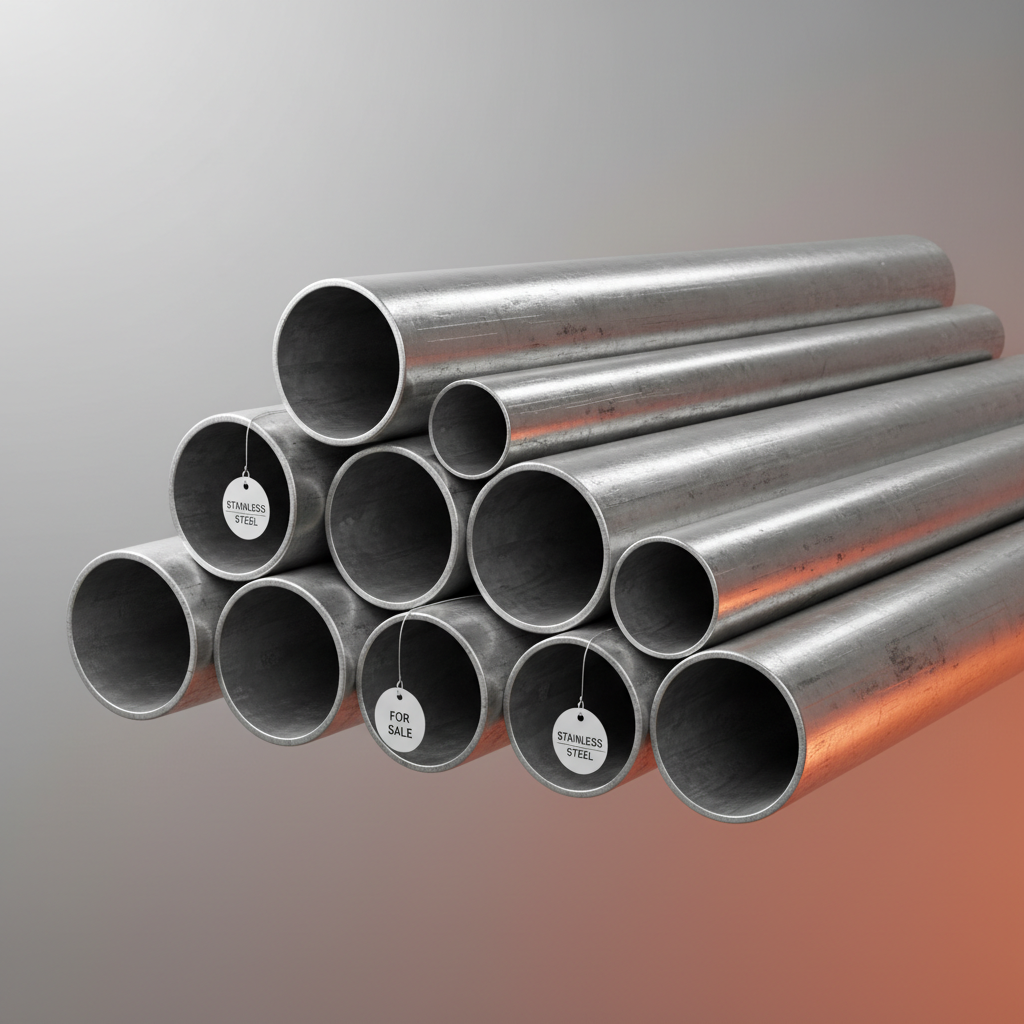
Okay, let’s be real. Steel tubing is strong, lightweight, and relatively easy to work with. That’s why it’s so popular. But it’s not perfect. It corrodes, it can buckle under load if not properly designed, and it’s not exactly cheap.
But those downsides are manageable. Corrosion can be prevented with proper coatings. Buckling can be avoided with careful engineering. And while it's not the cheapest option, the long-term durability and strength often make it worth the investment.
Customization Options and a Real-Life Case Study
Customization is key. A lot of projects need specific dimensions, shapes, or coatings. I work with a steel tube factory that can handle almost anything you throw at them. Last month, this small boss in Shenzhen, who makes smart home devices, insisted on changing the interface to on a batch of structural supports. Said it would make his product “more future-proof.” The result? They had to completely retool the fabrication line, adding weeks to the lead time and costing him a fortune. He learned his lesson, I guess.
But seriously, a good supplier will work with you to find the best solution for your needs. They’ll offer different materials, coatings, and fabrication processes. They’ll even help you optimize your design for cost and manufacturability.
Here's a quick summary of common customization options:
Common Steel Tube Factory Customization Options
| Material Grade |
Surface Finish |
Dimensional Tolerance |
Custom Lengths & Shapes |
| A36, A53, 1018, 304/316 Stainless |
Galvanized, Powder Coated, Painted, Bare |
+/- 0.005", +/- 0.010", +/- 0.020" |
Bending, Flanging, Grooving, Cutting to Size |
| High-Strength Low Alloy (HSLA) Steels |
Electroplating, Anodizing |
Tight Tolerances for Precision Applications |
Curved Tubing, Square/Rectangular Shapes |
| Duplex Stainless Steel |
Passivation Treatments |
ISO 2768-1/2 Standards |
Welded Assemblies, Complex Geometries |
| API 5L Grades |
Epoxy Coatings |
Custom Inspection Reports |
Spiral Welding, Beveling |
| Carbon Steel with Zinc Coating |
Chrome Plating |
Dimensional Analysis per Customer Specs |
Tapered Tubing, Specialized End Treatments |
| Alloy Steel (4130, 4140) |
Ceramic Coatings |
Full Material Traceability |
Customized Wall Thickness |
FAQS
Lead times vary dramatically based on the complexity of the order, material availability, and current factory workload. Generally, you're looking at 4-8 weeks for standard customizations, but complex shapes or special alloys can push that to 12 weeks or longer. It’s always best to get a quote and discuss your timeline with the supplier upfront.
Warping is a common headache. It's usually caused by uneven heating and cooling during the welding process. Using proper welding techniques, pre-heating the material, and employing adequate fixturing can minimize this issue. A good welder knows how to manage the heat input and cool the weld slowly.
Be specific! Instead of just saying “smooth finish,” define the desired roughness using a standard like Ra (Roughness Average). Specify the coating type (galvanizing, powder coating, etc.) and the desired thickness. Providing a sample or a clear drawing with finish requirements is always a good idea.
Hot-rolled tubing is made at high temperatures, resulting in a less precise shape and a rougher surface finish. It's generally cheaper. Cold-drawn tubing is processed at room temperature, resulting in tighter tolerances and a smoother finish. It’s more expensive, but better suited for applications requiring precision.
Request a Material Test Report (MTR) from the supplier. This report documents the chemical composition and mechanical properties of the steel. Also, specify your acceptance criteria for dimensional tolerances and surface finish. Consider conducting your own inspection upon delivery, if possible.
Absolutely. Look for suppliers that utilize recycled steel in their manufacturing process. Also, consider the environmental impact of the coating you choose. Water-based coatings are generally more sustainable than solvent-based coatings. The whole supply chain sustainability is becoming increasingly important.
Conclusion
So, there you have it. Steel tubing is a workhorse material, essential for countless applications. It’s complex, nuanced, and often frustrating. But when done right, it’s incredibly reliable and durable. Getting the right material, the right design, and the right supplier are critical.
Ultimately, whether this thing works or not, the worker will know the moment he tightens the screw. It's a simple thing, really, but it’s everything. And that's what I've learned after all these years on the job site. Check out our website for more information and to discuss your project!