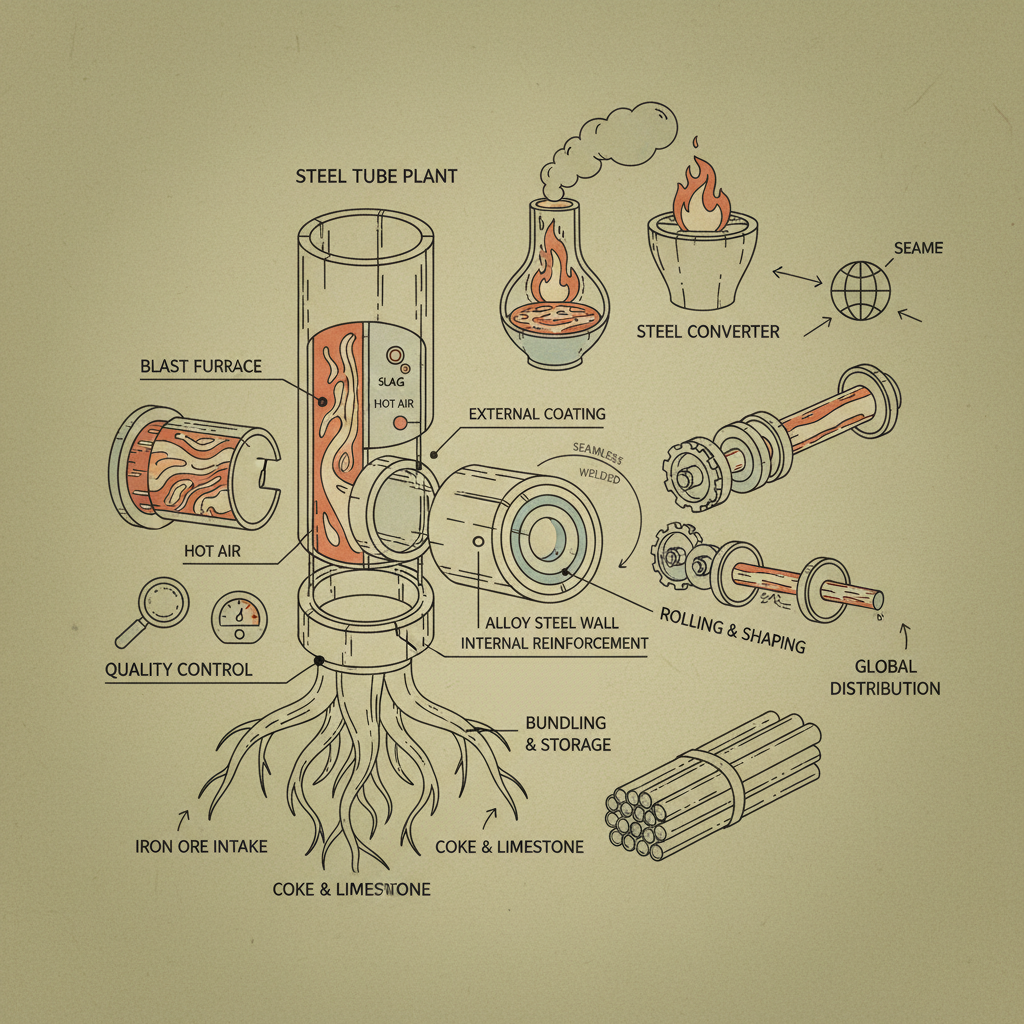
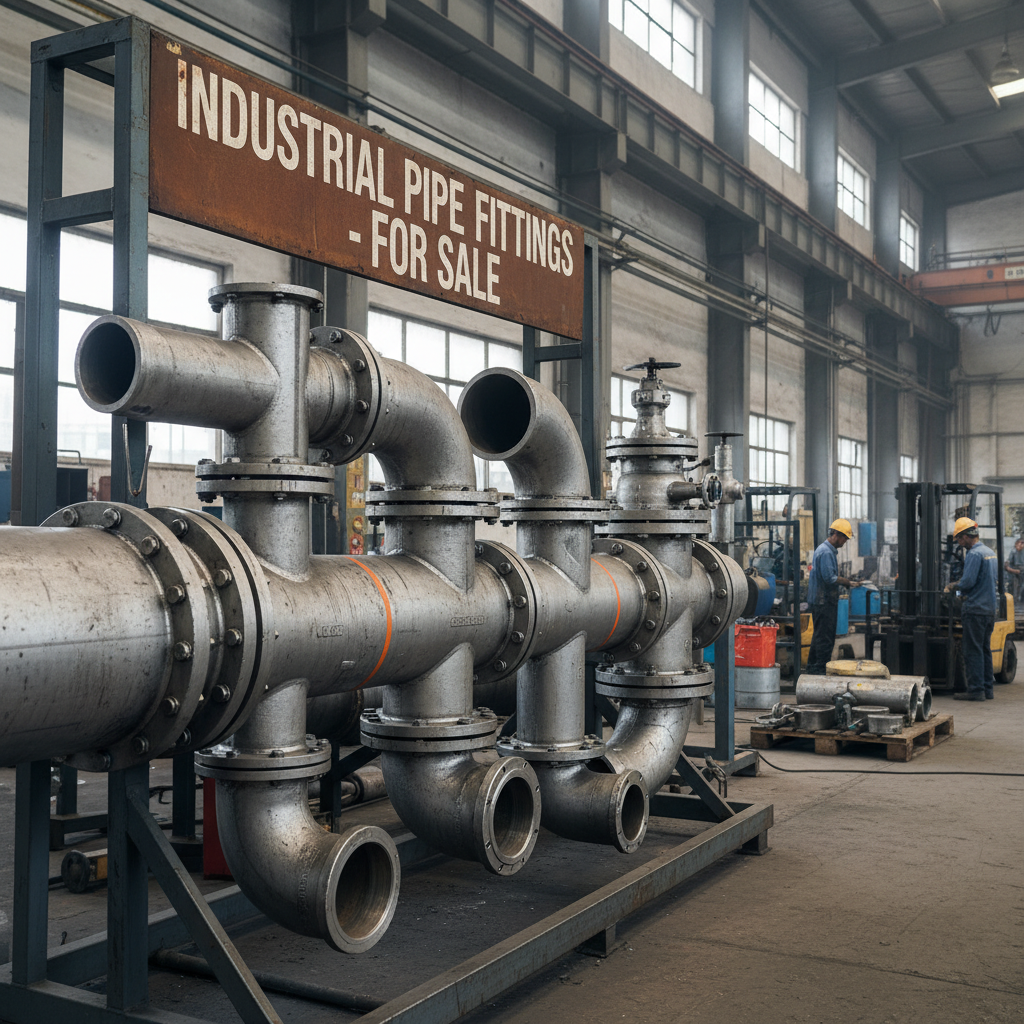
Stainless steel pipes for sale are essential components in a vast array of industries globally, ranging from construction and manufacturing to healthcare and food processing. Their inherent corrosion resistance, durability, and hygienic properties make them a preferred material over traditional options like carbon steel or plastic. Understanding the nuances of stainless steel pipes – their grades, applications, and cost factors – is crucial for businesses and individuals alike seeking long-term, reliable infrastructure solutions.
The global demand for stainless steel pipes for sale is steadily increasing, driven by infrastructure development in emerging economies, stricter hygiene regulations in the food and beverage industry, and the growing adoption of stainless steel in environmentally conscious construction projects. According to the World Stainless Steel Association, global stainless steel melt shop production reached a record high in recent years, demonstrating the material’s continued relevance and importance in modern society. This demand necessitates a clear understanding of sourcing, quality control, and market trends.
Investing in quality stainless steel pipes for sale isn't just about immediate functionality; it's about long-term cost savings, environmental responsibility, and ensuring the safety and reliability of critical systems. Choosing the right grade of stainless steel for a specific application can significantly extend the lifespan of a project, reduce maintenance costs, and minimize the risk of contamination or failure. Proper selection and procurement are therefore paramount.
Introduction to Stainless Steel Pipes for Sale
The market for stainless steel pipes for sale is a complex ecosystem influenced by global economic trends, raw material costs, and technological advancements. Sourcing high-quality pipes requires understanding different grades (304, 316, etc.), dimensions, and manufacturing processes. Whether for large-scale industrial projects or smaller residential applications, the availability and pricing of stainless steel pipes for sale are key considerations.
The benefits of choosing stainless steel extend beyond simply avoiding corrosion. Its recyclability contributes to sustainable building practices, and its ease of cleaning and sanitation makes it ideal for sensitive environments like food processing plants and hospitals. The current focus on infrastructure upgrades and the demand for durable, long-lasting materials continue to drive the demand for stainless steel pipes for sale across numerous sectors.
Defining Stainless Steel Pipes for Sale
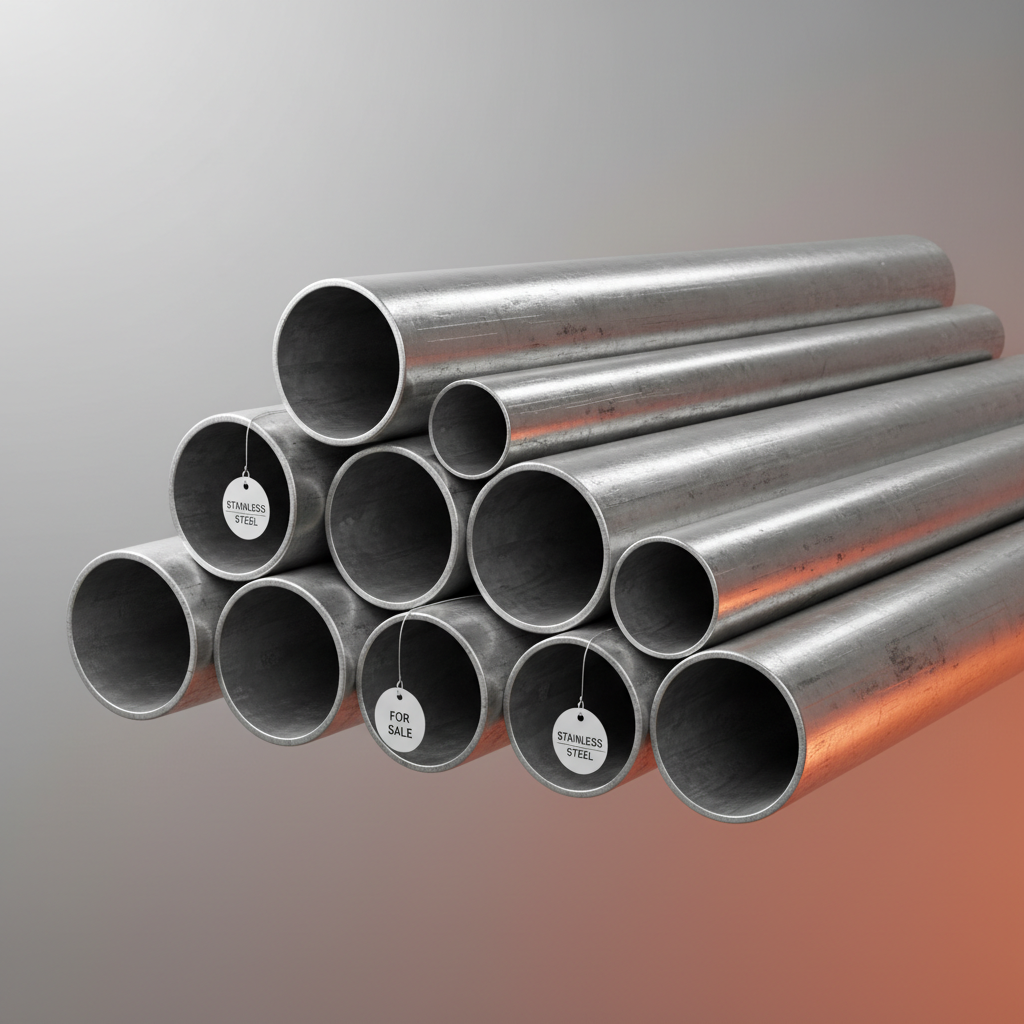
Stainless steel pipes for sale are hollow cylindrical sections manufactured from various grades of stainless steel alloys. These alloys contain a minimum of 10.5% chromium, which forms a passive layer on the surface, protecting the metal from corrosion. The specific composition of the alloy dictates the pipe’s resistance to different corrosive agents, its strength, and its suitability for various applications.
The term “for sale” implies the availability of these pipes through various channels – manufacturers, distributors, and online marketplaces. The quality and pricing can vary significantly depending on the source and the specific specifications of the pipe. Understanding these factors is crucial for making informed purchasing decisions.
Stainless steel pipes play a critical role in modern infrastructure, delivering fluids and gases safely and efficiently. From potable water systems to complex industrial processes, the versatility and reliability of stainless steel pipes make them an indispensable component of many essential services.
Key Characteristics of Stainless Steel Pipes
Corrosion Resistance: This is arguably the most significant characteristic. The chromium content creates a passive layer, preventing rust and corrosion even in harsh environments.
High Strength and Durability: Stainless steel pipes can withstand high pressures and temperatures, making them suitable for demanding applications. Their long lifespan reduces the need for frequent replacements, contributing to long-term cost savings.
Hygienic Properties: The smooth, non-porous surface of stainless steel prevents bacterial adhesion, making it ideal for food processing, pharmaceutical, and medical applications.
Weldability and Fabricability: Stainless steel pipes can be easily welded, cut, and formed, allowing for customized solutions and efficient installation.
Recyclability: Stainless steel is 100% recyclable, making it an environmentally friendly material choice.
Aesthetic Appeal: Stainless steel has a clean, modern appearance, making it suitable for visible applications.
Diverse Applications of Stainless Steel Pipes
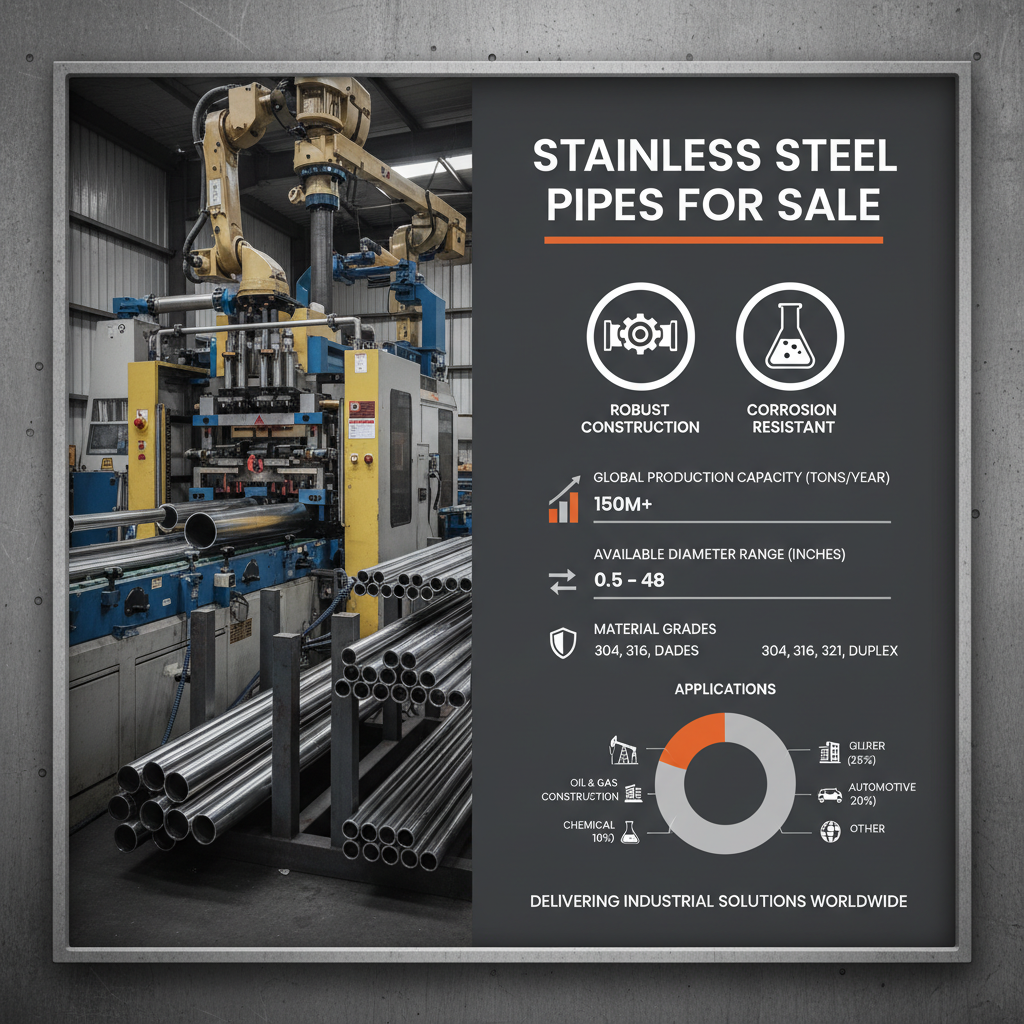
Stainless steel pipes for sale find application across a remarkably diverse range of industries. In the oil and gas sector, they are crucial for transporting corrosive fluids safely and reliably. The chemical processing industry utilizes stainless steel pipes for their resistance to aggressive chemicals and high temperatures.
The food and beverage industry heavily relies on stainless steel pipes due to their hygienic properties and ease of cleaning, ensuring product purity and safety. Hospitals and medical facilities utilize them for their corrosion resistance and ability to maintain sterile environments. In construction, they are used for water supply, drainage, and structural support.
Geographically, demand is strong in rapidly industrializing regions like Asia-Pacific, where large-scale infrastructure projects are underway. Developed nations continue to invest in upgrading aging infrastructure, further fueling the demand for stainless steel pipes for sale. Even in remote areas, stainless steel pipes are favored for their longevity and minimal maintenance requirements.
Stainless Steel Pipe Application Breakdown
Advantages and Long-Term Value
The initial cost of stainless steel pipes for sale may be higher than other materials, but the long-term benefits significantly outweigh the upfront investment. Reduced maintenance costs, extended lifespan, and minimized downtime due to corrosion or failure all contribute to substantial savings over the lifecycle of the system.
From a sustainability perspective, the recyclability of stainless steel aligns with environmental goals and reduces the demand for virgin materials. Its durability reduces the frequency of replacements, lessening the environmental impact associated with manufacturing and disposal. Investing in stainless steel pipes demonstrates a commitment to responsible resource management and a lower carbon footprint.
Future Trends in Stainless Steel Pipe Technology
Ongoing research and development are focused on enhancing the properties of stainless steel and exploring new applications. Innovations in alloy composition are leading to even greater corrosion resistance, higher strength-to-weight ratios, and improved weldability.
The integration of digital technologies, such as sensor-embedded pipes for real-time monitoring of pressure, temperature, and corrosion levels, is gaining traction. This predictive maintenance capability allows for proactive interventions, preventing costly failures and optimizing system performance. Furthermore, advancements in manufacturing techniques, like additive manufacturing (3D printing), are enabling the creation of customized stainless steel pipe solutions.
Challenges and Solutions in Stainless Steel Pipe Procurement
One of the main challenges in procuring stainless steel pipes for sale is ensuring quality control and verifying the authenticity of the material. Counterfeit or substandard pipes can compromise system integrity and lead to costly failures.
Another challenge is navigating fluctuating raw material prices, which can impact the cost of stainless steel pipes. Establishing strong relationships with reputable suppliers, implementing robust quality assurance protocols, and utilizing price hedging strategies can help mitigate these risks.
Addressing supply chain disruptions, particularly in times of geopolitical instability, is also crucial. Diversifying sourcing options and maintaining strategic inventory levels can enhance resilience and ensure a consistent supply of stainless steel pipes for sale.
Summary of Challenges and Solutions in Stainless Steel Pipe Procurement
| Challenge |
Impact |
Solution |
Implementation Cost (1-10) |
| Quality Control |
System Failure, Safety Hazards |
Supplier Audits, Material Testing |
7 |
| Price Volatility |
Budget Overruns, Reduced Profit Margins |
Price Hedging, Long-Term Contracts |
6 |
| Supply Chain Disruptions |
Project Delays, Material Shortages |
Diversified Sourcing, Inventory Management |
8 |
| Counterfeit Products |
Compromised Safety, Reduced Lifespan |
Verification of Certificates, Independent Testing |
9 |
| Lead Times |
Project Schedule Delays |
Early Ordering, Strategic Partnerships |
5 |
| Lack of Specification Clarity |
Incorrect Pipe Selection, Performance Issues |
Detailed Technical Specifications, Expert Consultation |
4 |
FAQS
304 stainless steel is a versatile, general-purpose grade, offering excellent corrosion resistance in most environments. 316, however, contains molybdenum, which significantly enhances its resistance to chlorides and other harsh chemicals, making it ideal for marine environments and applications involving corrosive salts. While 304 is generally more affordable, 316 provides superior corrosion protection where needed. When selecting stainless steel pipes for sale, consider the specific application and potential exposure to corrosive agents.
Determining the correct wall thickness depends on several factors, including the operating pressure, temperature, and the fluid being transported. Higher pressures and temperatures require thicker walls to withstand the stress. Also, consider the potential for erosion or corrosion, which can thin the pipe walls over time. Consulting with a qualified engineer or piping specialist is recommended to ensure you select a wall thickness that meets safety and performance requirements. They can perform calculations based on your specific application.
Look for certifications like ISO 9001, which indicates the manufacturer has a quality management system in place. Material test reports (MTRs) are crucial, as they verify the chemical composition and mechanical properties of the steel. For pressure vessel applications, look for ASME certifications. Compliance with relevant industry standards ensures the stainless steel pipes for sale meet required specifications and quality standards.
Lead times can vary significantly depending on the size, grade, and quantity of the pipes ordered. Standard sizes and grades typically have shorter lead times (a few days to a week). Custom sizes or special alloys may require longer lead times (several weeks or even months). It's essential to plan ahead and communicate your requirements to the supplier well in advance to avoid delays. Also consider current market conditions and supply chain dynamics.
Stainless steel pipes should be stored in a dry, well-ventilated area, protected from moisture and direct contact with corrosive substances. If storing outdoors, cover the pipes with a waterproof tarp or store them under a shelter. Avoid stacking pipes directly on the ground, as this can lead to corrosion. Proper storage practices ensure the integrity of the pipes and prevent premature degradation.
Stainless steel is inherently eco-friendly due to its 100% recyclability. Many suppliers offer take-back programs or can direct you to scrap metal recyclers. Choosing stainless steel over other materials with shorter lifespans or less recyclability contributes to sustainable building practices. Furthermore, advancements in manufacturing processes are minimizing waste and energy consumption in the production of stainless steel pipes.
Conclusion
Stainless steel pipes for sale represent a critical component of modern infrastructure, offering a unique combination of durability, corrosion resistance, and hygienic properties. Their wide range of applications, from industrial processes to potable water systems, underscores their essential role in supporting a sustainable and reliable world. Understanding the nuances of different grades, specifications, and sourcing options is crucial for maximizing the long-term value of these investments.
Looking ahead, continued innovation in alloy composition, manufacturing techniques, and digital monitoring will further enhance the performance and sustainability of stainless steel pipes. By embracing these advancements and prioritizing quality control, industries can ensure the continued reliability and longevity of their critical infrastructure. For high-quality stainless steel pipes for sale, visit our website at stainless steel pipes for sale.