tel
Email
to top
0%

Table of Contents

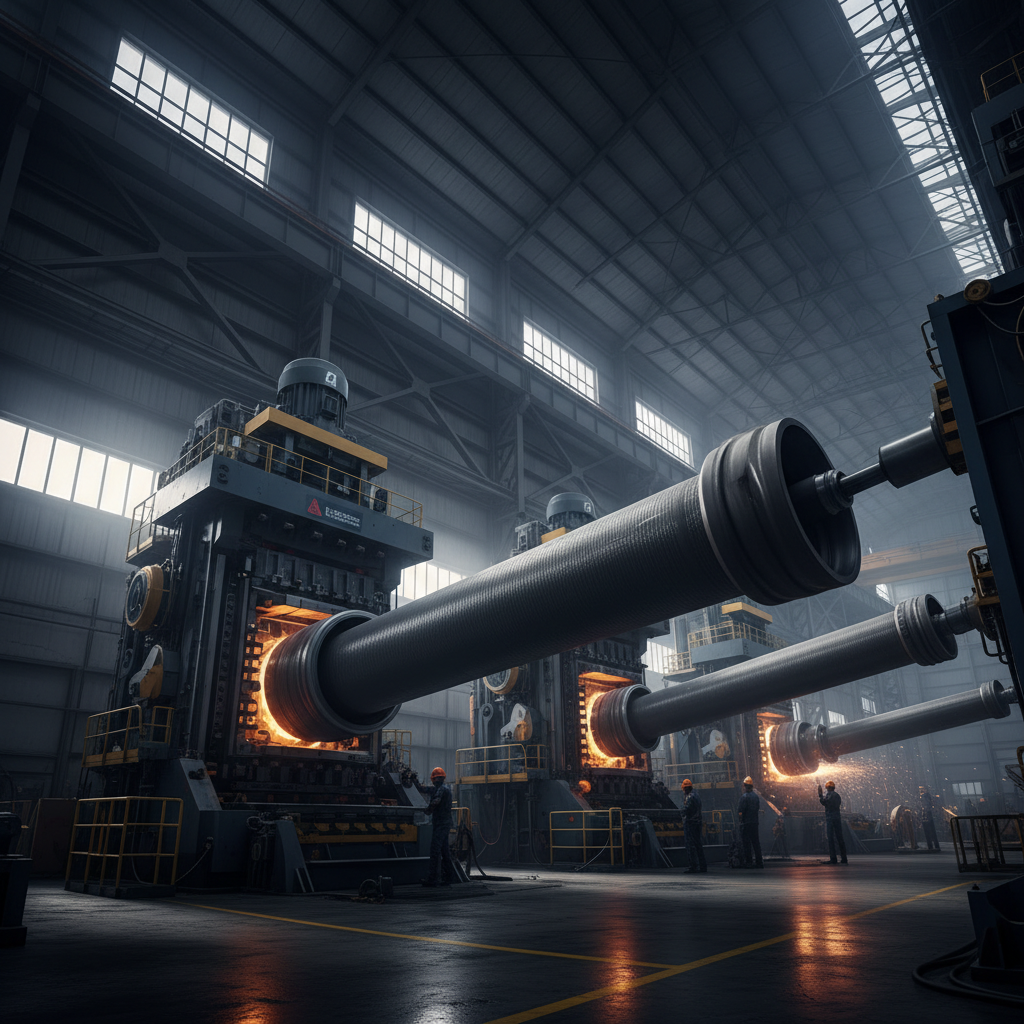
Large steel pipe for sale plays a critical role in modern infrastructure development globally. From oil and gas pipelines transporting vital energy resources to water conveyance systems delivering essential supplies to communities, the demand for durable and reliable steel pipe continues to grow. Understanding the specifications, applications, and market trends surrounding large steel pipe is essential for engineers, project managers, and procurement professionals involved in large-scale construction and industrial projects. The global market is constantly evolving, driven by factors like urbanization, industrialization, and a growing focus on sustainable infrastructure.

The significance of readily available large steel pipe for sale extends beyond simple construction. It impacts economic growth by facilitating trade and resource distribution, enhances public safety through reliable utility networks, and contributes to improved quality of life by ensuring access to essential resources. Recent challenges like supply chain disruptions and fluctuating material costs have underscored the importance of strategic sourcing and reliable suppliers in this sector. The ability to efficiently source high-quality large steel pipe is paramount to project success.

Furthermore, advancements in manufacturing techniques and materials science are continually improving the performance and lifespan of large steel pipes. This translates into lower lifecycle costs, reduced maintenance requirements, and a smaller environmental footprint. A thorough understanding of these advancements is crucial for making informed decisions and optimizing project outcomes when considering large steel pipe for sale.
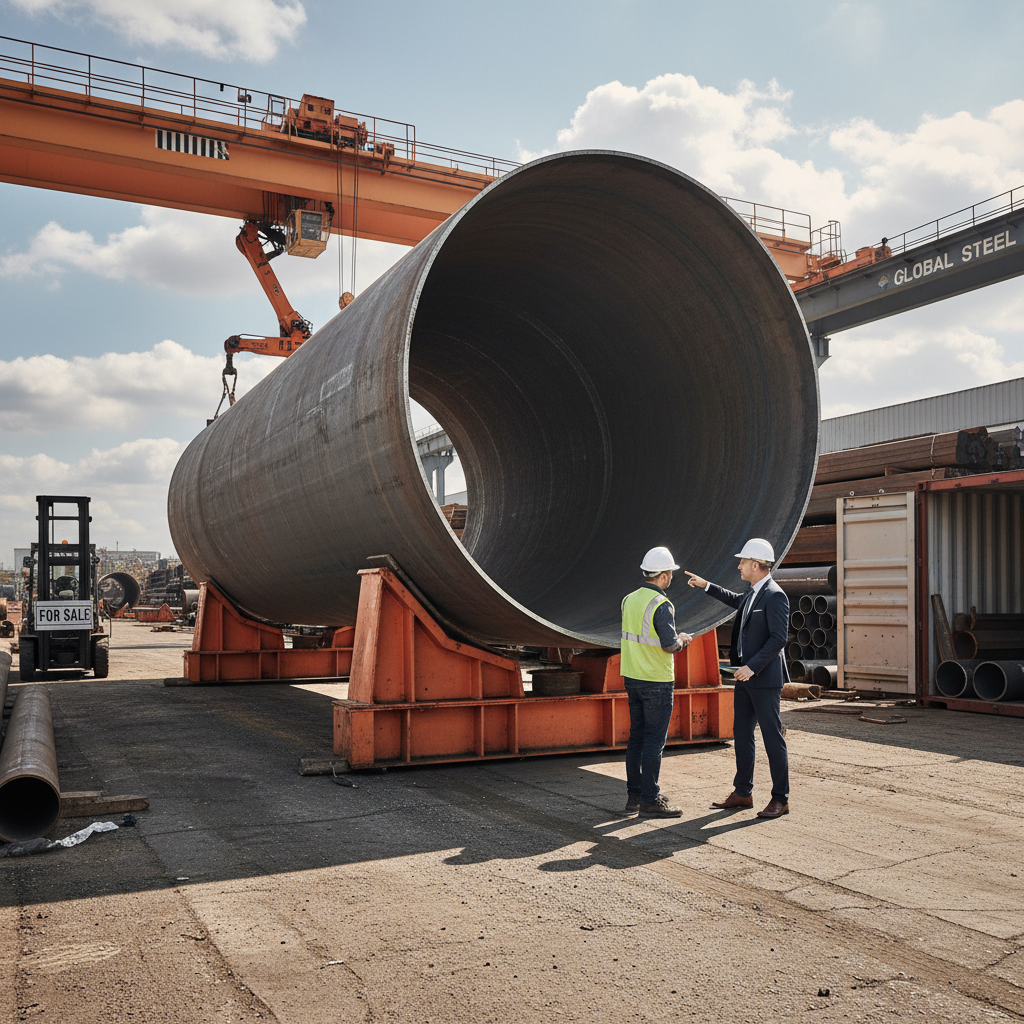
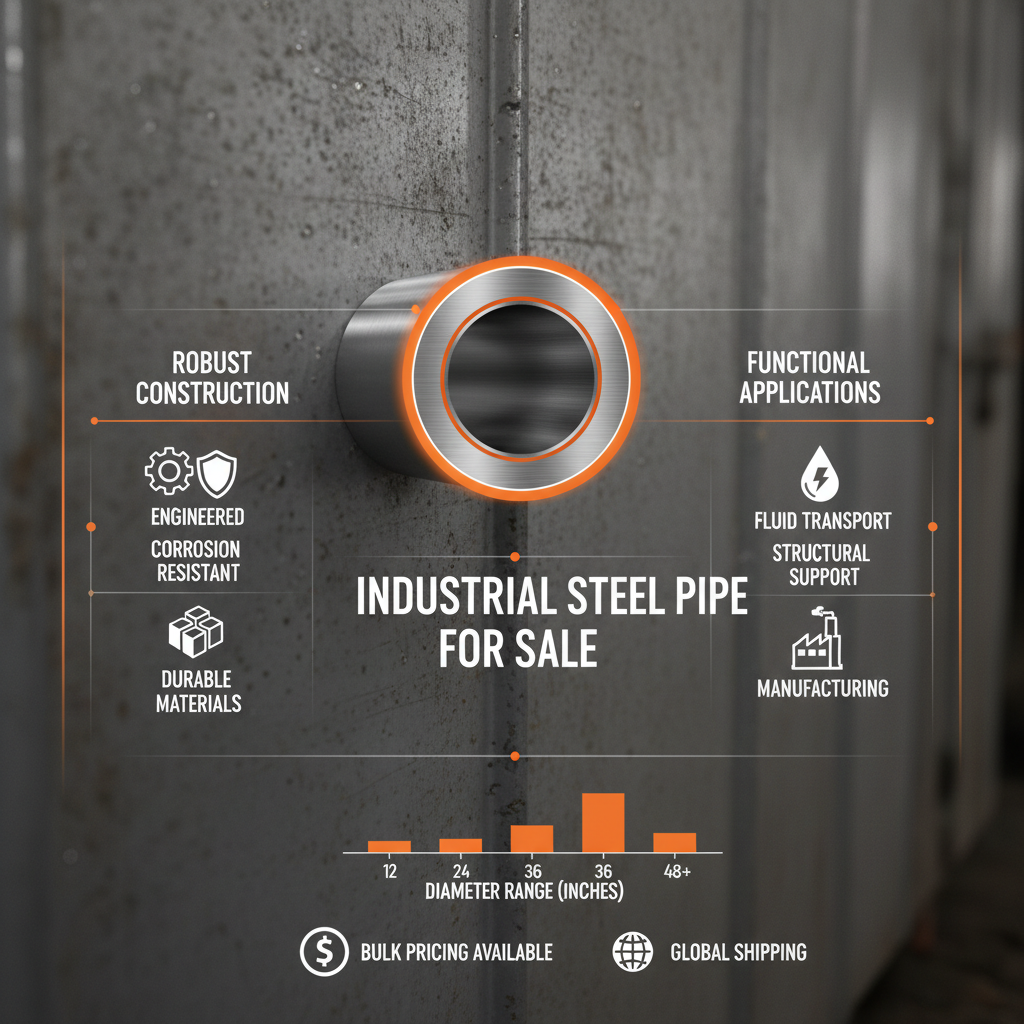
Comprehensive Guide to Large Steel Pipe for Sale and Industry Applications

The Foundation of Large Steel Pipe for Sale

Comprehensive Guide to Large Steel Pipe for Sale and Industry Applications

The market for large steel pipe for sale is driven by significant infrastructure projects worldwide. Demand arises from energy transmission, water management, and industrial construction, creating a consistently robust need for these essential materials. Supply and demand dynamics, coupled with raw material costs, heavily influence pricing and availability.

Understanding the different grades and standards of large steel pipe is crucial for buyers. API 5L, ASTM A53, and other industry specifications define the material composition, mechanical properties, and manufacturing processes that ensure quality and safety. Proper specification selection is vital for the intended application to maximize performance and lifespan.

Understanding Large Steel Pipe Specifications

When considering large steel pipe for sale, a thorough understanding of specifications is paramount. Key factors include diameter, wall thickness, material grade (such as carbon steel, alloy steel, or stainless steel), and coating type. Each specification is tailored to specific applications and environmental conditions.

For instance, pipelines transporting corrosive fluids require specialized coatings and higher-grade materials to prevent degradation. Water conveyance systems demand pipes that meet stringent hygiene standards and resist internal corrosion. Careful consideration of these factors will ensure the long-term reliability of any large steel pipe purchase.

Furthermore, the manufacturing process (seamless or welded) also impacts the pipe’s strength and suitability for high-pressure applications. Seamless pipes, created from a single billet of steel, generally offer superior strength, while welded pipes are often more cost-effective for lower-pressure scenarios.

Core Properties of Large Steel Pipe

The core properties that define the performance of large steel pipe for sale are durability, strength, corrosion resistance, and weldability. Durability ensures a long service life with minimal maintenance, while strength dictates the pipe’s ability to withstand internal and external pressures.

Corrosion resistance is especially crucial in harsh environments, preventing costly repairs and ensuring the safety of transported substances. Weldability is important for installation and repairs, allowing for seamless integration into larger pipeline systems. These properties are all heavily influenced by the steel’s composition and manufacturing process.

Additionally, factors like yield strength, tensile strength, and elongation contribute to the overall mechanical performance of the large steel pipe. Suppliers typically provide detailed material certificates verifying these properties and ensuring compliance with relevant industry standards.

Key Applications Across Industries

Large steel pipe for sale finds extensive use across diverse industries. In the oil and gas sector, it's fundamental for transporting crude oil and natural gas over long distances. The water treatment industry utilizes it for conveying potable water and wastewater.

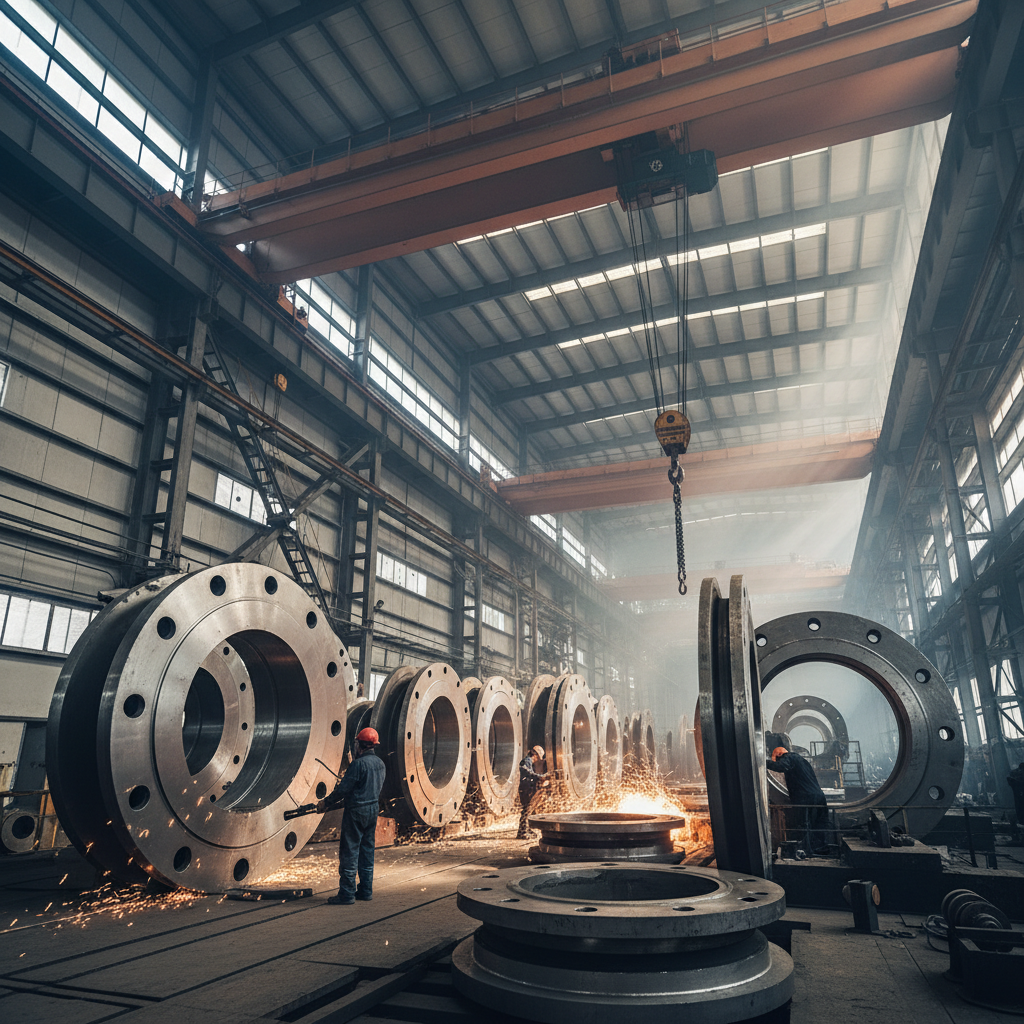
Construction projects employ large steel pipe for structural support, foundations, and utility conduits. Power generation plants rely on it for steam lines and cooling water systems. In remote industrial zones, reliable access to large steel pipe is critical for efficient operations.

Application Demand for Large Steel Pipe for Sale


Advantages and Economic Considerations

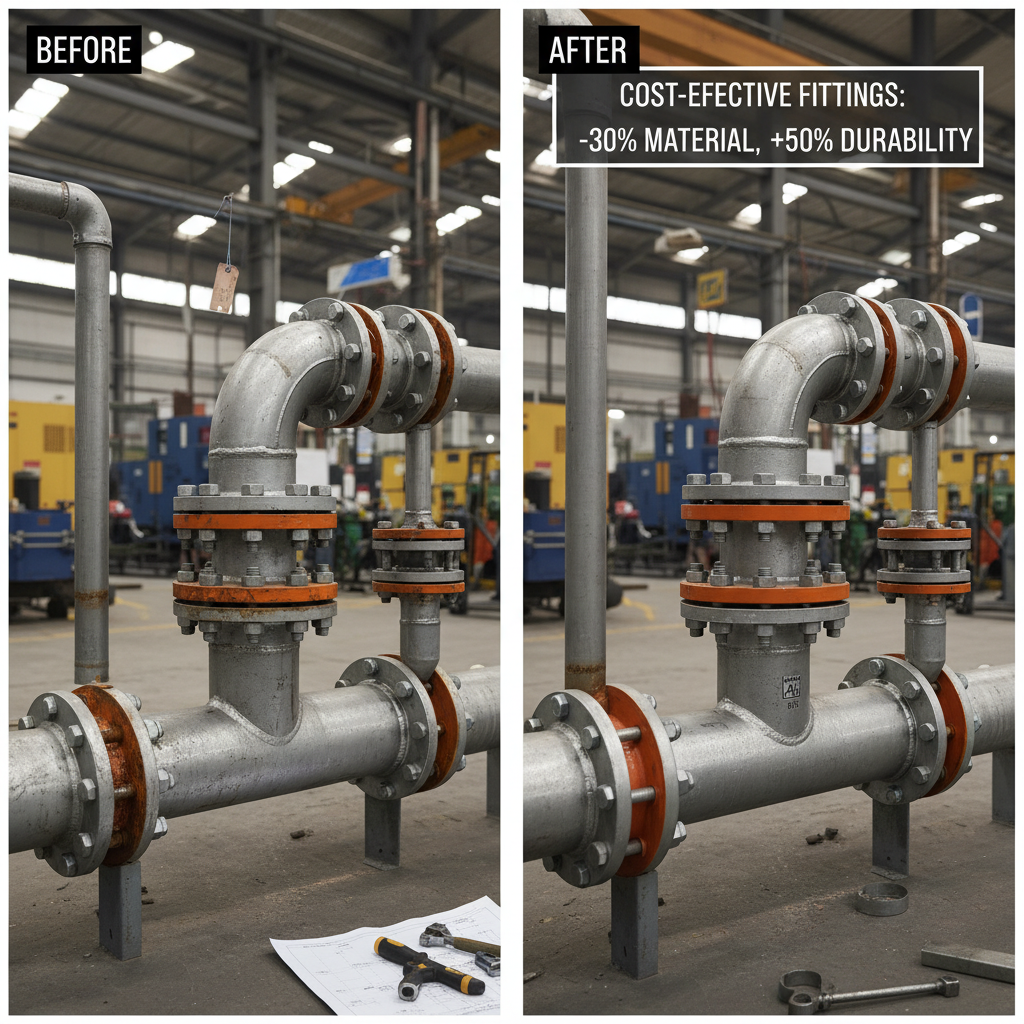
Choosing large steel pipe for sale offers numerous advantages. Steel provides exceptional strength and durability, ensuring a long service life and reducing the need for frequent replacements. The relatively low cost compared to alternative materials like titanium or specialized alloys makes it an economically attractive option.

Moreover, steel is a readily available material with a well-established supply chain, ensuring consistent availability and competitive pricing. Investment in high-quality large steel pipe also minimizes the risk of costly failures and disruptions, leading to long-term cost savings.

Future Trends in Steel Pipe Technology

The future of large steel pipe for sale is shaped by evolving technologies and sustainability initiatives. Advanced coating technologies are enhancing corrosion resistance and extending service life. The development of high-strength, low-alloy (HSLA) steels is reducing weight and improving performance.

Digitalization and smart pipeline technologies, including sensors and data analytics, are enabling predictive maintenance and optimizing operational efficiency. Furthermore, there's a growing focus on using recycled steel and adopting environmentally friendly manufacturing processes to minimize the carbon footprint.

The integration of automation in the manufacturing process will also improve precision and reduce production costs. As the demand for sustainable infrastructure increases, expect further innovations aimed at maximizing the lifespan and minimizing the environmental impact of large steel pipe.

Challenges and Mitigation Strategies

Despite its benefits, sourcing large steel pipe for sale presents certain challenges. Supply chain disruptions, fluctuating raw material prices, and stringent quality control requirements can pose obstacles. Ensuring consistent quality and adherence to industry standards is crucial.

Mitigation strategies include diversifying suppliers, establishing long-term contracts, and conducting thorough quality inspections. Implementing robust inventory management systems can also buffer against supply chain volatility.

Addressing the environmental impact of steel production is another key challenge. Investing in sustainable manufacturing processes and promoting the use of recycled steel can help reduce the carbon footprint of large steel pipe.

Summary of Challenges and Mitigation Strategies for Large Steel Pipe for Sale

Challenge Impact Mitigation Strategy Implementation Cost (1-10)
Supply Chain Disruptions Project Delays, Increased Costs Diversify Suppliers, Long-Term Contracts 6
Fluctuating Raw Material Prices Increased Pipe Costs Hedging Strategies, Volume Discounts 5
Quality Control Issues Pipeline Failures, Safety Risks Rigorous Inspections, Certification Verification 7
Environmental Impact Carbon Footprint, Sustainability Concerns Recycled Steel, Eco-Friendly Manufacturing 8
Logistics and Transportation High Shipping Costs, Delivery Delays Optimize Shipping Routes, Local Sourcing 4
Stringent Regulatory Compliance Legal Risks, Project Approvals Expert Consultation, Thorough Documentation 9

FAQS

What are the key differences between seamless and welded large steel pipe?

Seamless pipes are formed from a single billet of steel, offering superior strength and resistance to pressure. Welded pipes are created by rolling and welding steel plates together, typically being more cost-effective but potentially having slightly lower strength. The choice depends on the application's pressure requirements and budget constraints. For high-pressure applications, seamless pipes are generally preferred while welded pipes are suitable for lower pressure systems. Careful consideration of project specifications is essential.

How does coating affect the lifespan of large steel pipe?

Coatings play a vital role in protecting large steel pipe from corrosion and environmental degradation, significantly extending its lifespan. Common coatings include epoxy, polyurethane, and polyethylene. The appropriate coating depends on the operating environment and the substances being transported. Regular inspection and maintenance of the coating are crucial for preventing corrosion and ensuring long-term reliability. Selecting the correct coating can potentially double or triple the pipe's service life.

What industry standards are most important when purchasing large steel pipe?

Key industry standards include API 5L (for pipeline applications), ASTM A53 (for general purpose piping), and ISO 3183 (for high-pressure pipelines). Adherence to these standards ensures the pipe meets specific requirements for material composition, mechanical properties, and manufacturing processes. Always verify that the supplier provides material certificates and documentation confirming compliance with the relevant standards to guarantee quality and safety.

How do fluctuating steel prices impact the cost of large steel pipe?

Steel prices are subject to market volatility, influenced by factors like global demand, raw material costs, and geopolitical events. These fluctuations directly impact the cost of large steel pipe. Mitigation strategies include negotiating long-term contracts with suppliers, utilizing hedging instruments, and carefully monitoring market trends. Proactive planning and risk management are essential for managing price volatility and controlling project costs.

What is the role of non-destructive testing (NDT) in quality control?

Non-destructive testing (NDT) methods, such as ultrasonic testing, radiographic testing, and magnetic particle inspection, are used to evaluate the integrity of large steel pipe without causing damage. NDT helps identify defects like cracks, corrosion, and weld imperfections. It's a crucial step in quality control, ensuring the pipe meets safety and performance requirements before installation. Proper NDT procedures are essential for preventing failures and ensuring a long service life.

How can I minimize the environmental impact of my steel pipe purchase?

You can minimize the environmental impact by selecting suppliers who utilize recycled steel in their manufacturing processes. Look for pipes with eco-friendly coatings and consider the transportation distance to reduce carbon emissions. Supporting suppliers committed to sustainable practices and responsible sourcing is crucial. Implementing efficient pipeline designs to minimize material usage and reduce energy consumption during operation also contribute to a smaller environmental footprint.

Conclusion

Large steel pipe for sale remains a cornerstone of modern infrastructure, vital for transporting essential resources and supporting industrial growth. Understanding its specifications, applications, and future trends is critical for project success and long-term sustainability. Investing in high-quality pipe, coupled with responsible sourcing and maintenance practices, yields significant economic and environmental benefits.

Looking ahead, innovation in materials science, coating technologies, and digitalization will continue to shape the future of this industry. Embracing these advancements will enable more efficient, reliable, and sustainable infrastructure solutions. For a comprehensive range of large steel pipe options and expert advice, visit our website: large steel pipe for sale.

Brian Wilson

Brian Wilson

Brian Wilson is a Production Supervisor at Cangzhou Lion Technology, overseeing the manufacturing of bimetallic clad steel pipes and pressure piping components. He’s responsible for managing a team of skilled technicians and ensuring efficient operation of our state-of-the-art equipment, including the 6000T hydraulic press and large-scale heat treatment furnaces. Brian
Previous Comprehensive Guide to Stainless Steel Pipes for Sale and Their Applications
Next Comprehensive Guide to 4 inch steel pipe for sale and Industrial Applications
tel email tel top

If you are interested in our products, you can choose to leave your information here, and we will be in touch with you shortly.