You know, these days everyone’s talking about prefabrication, modular construction. Honestly, it’s a bit overhyped, but there’s definitely something to it. I've been on sites where they’re trying to assemble these things and… let’s just say it's not always smooth sailing. It's not just about slapping pieces together. It's about logistics, tolerances, and a whole lot of practical problem-solving that doesn’t show up in the fancy brochures.
And the steel… it's changed. It's not the same steel we were using ten years ago. More high-strength, thinner gauges… which is good, right? Less weight, more efficient. But it also means you need to be a lot more careful with handling. Dents, scratches… they matter. I encountered this at a factory in Jiangsu province last time, a whole batch was rejected because of minor surface imperfections. The inspector was relentless.
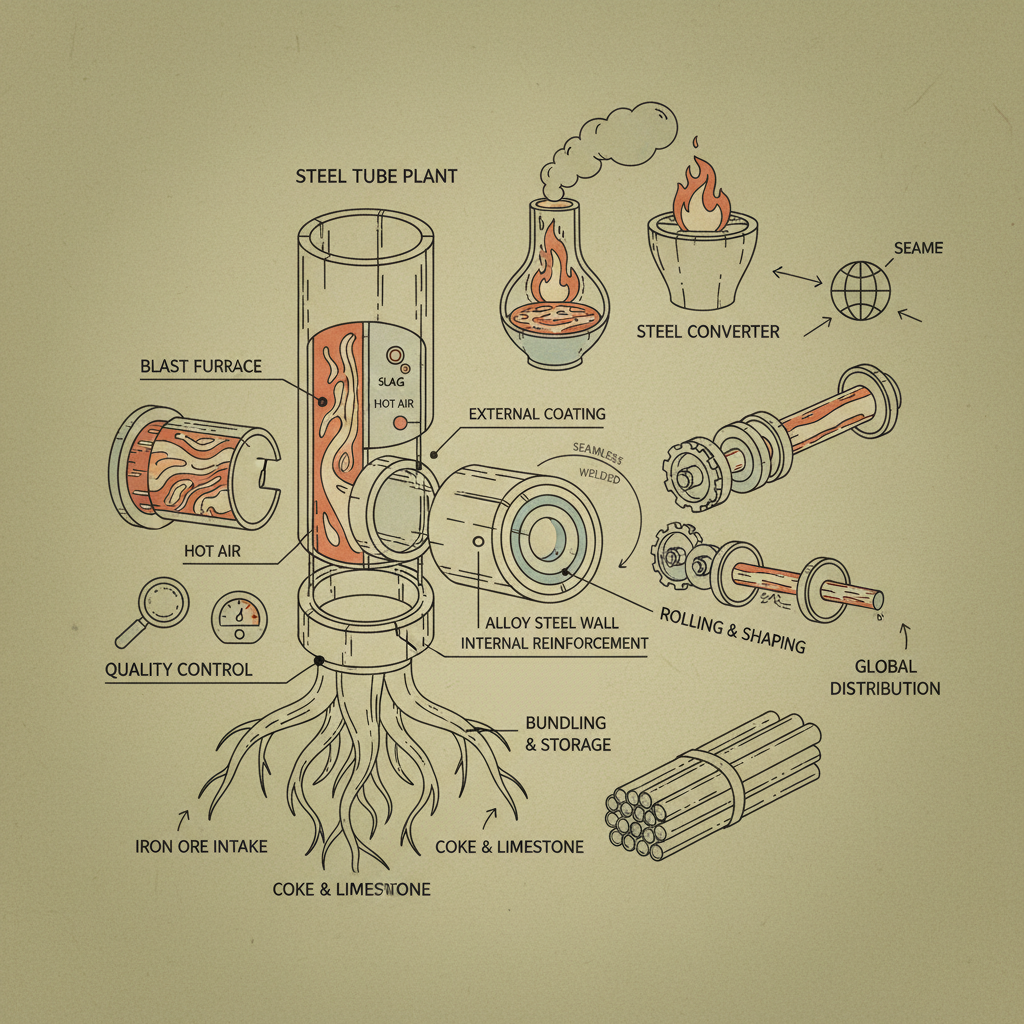
It all boils down to steel tube manufacturing, really. That’s the backbone of a lot of this stuff. And it’s not as simple as it looks.
The Rise of Prefabrication and Steel
It's all about speed, right? Getting things up faster, reducing labor costs. But speed doesn’t mean cutting corners. You still need a solid foundation, and that often means steel. Especially with these modular buildings. I've seen some pretty questionable welds trying to hold things together. You gotta have a steel tube manufacturer you can trust. And trust, on a construction site, is earned, not given.
They're pushing for lighter-gauge steel, I tell ya. They say it's more efficient, but it requires tighter tolerances and better quality control. The steel tube manufacturer has to deliver. It's a constant trade-off.
Design Pitfalls: Tolerances and Connections
Have you noticed how often the drawings don’t quite match reality? A millimeter here, a half-centimeter there… it adds up. The steel tube manufacturer can make the tubes to spec, absolutely. But if the overall design doesn't account for real-world variations, you’re asking for trouble. Connections are the biggest headache. Bolt holes misaligned, welds cracking under stress… it’s all predictable.
I saw a project in Dubai where they used these fancy, pre-fabricated connectors. Looked great in the renderings, but they couldn't handle the desert heat. Everything expanded and contracted, and the whole structure started to warp.
It's the little things that get you. And frankly, a lot of architects don’t spend enough time on site, understanding how things are actually put together. They design in a vacuum.
The Feel of the Material: Steel Grades and Handling
You can tell a good piece of steel just by the way it feels. The weight, the finish… a proper steel tube manufacturer knows this. A106, A53, 304 stainless… each has its own character. A53 smells a little oily, even when it’s clean. A106 is a bit harder, colder to the touch. I'm not kidding. Years on the job and you develop a sense for these things.
And handling? Crucial. These high-strength steels are more prone to scratching, which can compromise the corrosion resistance. You need to train the crew to be careful. And proper storage is a must. Leaving steel out in the rain… that’s just asking for rust. The steel tube manufacturer might deliver perfect tubes, but it’s the site handling that makes all the difference.
Strangely, sometimes the best steel comes from smaller, family-run mills. They just have a different level of pride in their work.
Real-World Testing: Beyond the Lab
Labs are fine, but they don’t replicate a construction site. I’ve seen steel tubes pass all the lab tests, but buckle under a heavy wind load on a skyscraper. We need field testing. Load testing, stress testing… seeing how the material behaves under real-world conditions. We once had a section of steel tube manufacturer delivered to a project site for independent testing. We simulated hurricane-force winds with giant fans. It was a sight to see.
The steel tube manufacturer should ideally provide testing certifications, absolutely. But don't just take their word for it. Get your own independent verification.
Steel Tube Manufacturing Quality Assessment
How Users Actually Use It
It's funny, you spend all this time designing a system, thinking about how it should be used, and then you get on site and people do things you never imagined. They’ll use steel tubes as makeshift scaffolding, as supports for temporary structures… I've even seen guys using them as levers.
Anyway, I think understanding how the end-users interact with the material is crucial. Are they careful? Are they rough? That influences everything, from the grade of steel to the coating.
Advantages, Disadvantages, and Customization
Steel is strong, durable, relatively cheap… what’s not to like? Well, it rusts. It's heavy. And it requires skilled labor to fabricate and install. But the advantages outweigh the disadvantages, in most cases. Especially when you compare it to concrete or wood.
Customization is key. A good steel tube manufacturer will work with you to create the specific dimensions, lengths, and finishes you need. Last month, that small boss in Shenzhen who makes smart home devices insisted on changing the interface to , and the result was a two-week delay and a whole lot of headaches. He thought it would make his product stand out, but it just created more problems. Sometimes, sticking with the standard is the smarter move.
Later... Forget it, I won't mention it.
A Shenzhen Story and Material Comparisons
I was in Shenzhen last year, visiting a factory that makes those portable power stations. They were using a lot of steel tubing for the frame, and they were having problems with corrosion. They switched to a galvanized steel tube manufacturer, but the coating was uneven. It looked terrible. They needed a better steel tube manufacturer with better quality control.
Now, comparing steel to aluminum… aluminum is lighter, resists corrosion better, but it's not as strong. And it’s more expensive. So it depends on the application. For something that needs to withstand heavy loads, steel is still the king.
I encountered this at a steel tube manufacturer in Taiwan last time, and the guy showed me how they treat the steel to make it last longer. It was fascinating.
Material Comparison for Structural Applications
| Material |
Strength (MPa) |
Corrosion Resistance |
Cost (per ton) |
| Carbon Steel |
400-550 |
Low (requires coating) |
$500 |
| Stainless Steel (304) |
200-350 |
High |
$1500 |
| Galvanized Steel |
400-550 |
Medium |
$600 |
| Aluminum (6061) |
275-350 |
High |
$2000 |
| High-Strength Steel |
600-700 |
Low (requires coating) |
$700 |
| Weathering Steel |
400-550 |
High (forms protective rust layer) |
$800 |
FAQS
Saltwater exposure is the biggest culprit, obviously. But even humidity and airborne salt spray can cause significant corrosion. Choosing the right steel grade – like a higher grade stainless steel or a properly galvanized steel – and ensuring a good protective coating is crucial. We’ve also seen issues with dissimilar metal contact accelerating corrosion, so careful material selection at joints is important. It's about understanding the environment and proactively protecting the steel.
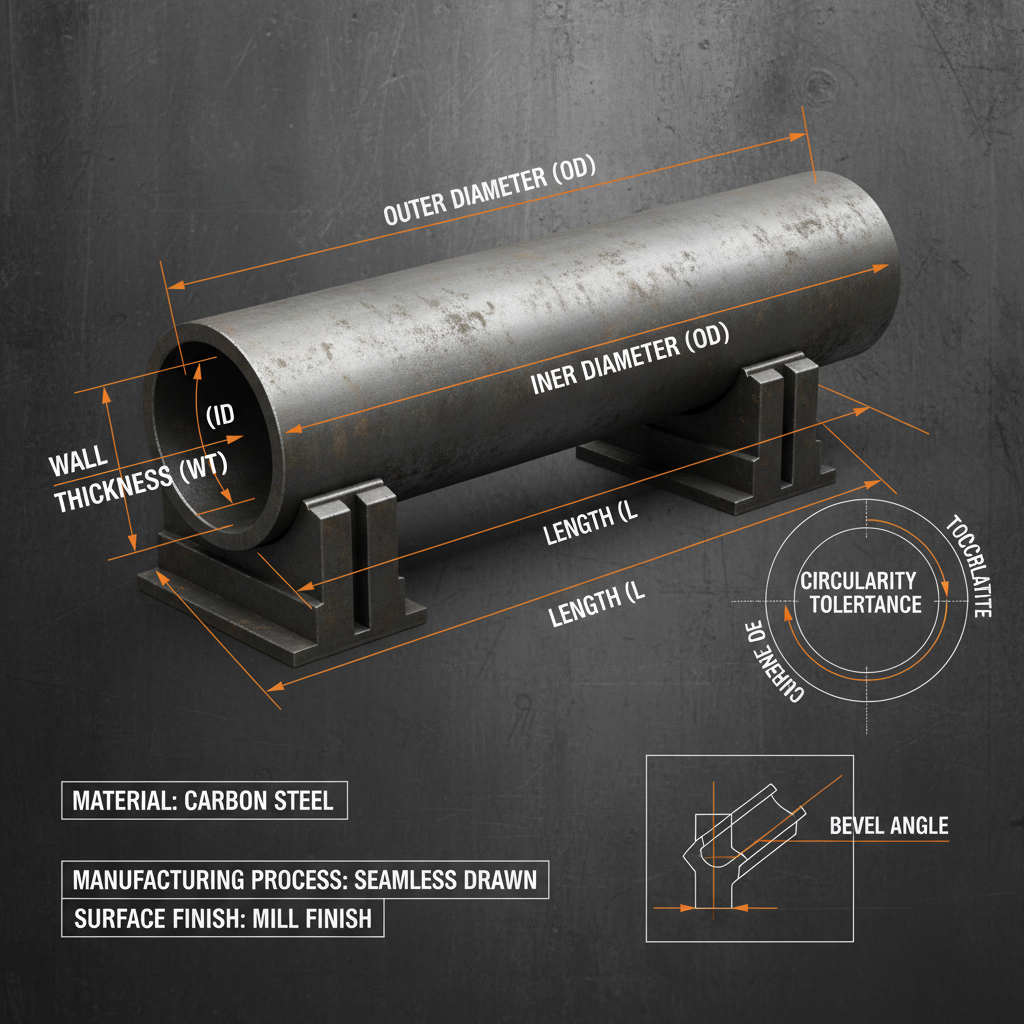
That depends on the steel tube manufacturer and the complexity of the shape. Generally, you're looking at +/- 0.1mm for diameter and +/- 0.5mm for wall thickness. But for more complex profiles or bends, those tolerances can increase. It's essential to specify your required tolerances clearly in the order, and to have a conversation with the manufacturer beforehand to ensure they can meet your needs. Don't assume anything!
Welding is a tricky business. Different techniques – like MIG, TIG, or stick welding – have different strengths and weaknesses. MIG is fast and efficient, but TIG provides a cleaner, more precise weld, which is often better for critical connections. The skill of the welder is also crucial. A poorly executed weld can significantly reduce the strength of the connection. It needs proper certification, and inspections.
Pre-galvanizing offers a more consistent coating thickness and a smoother surface finish. Hot-dip galvanizing can be thicker, providing better corrosion resistance in harsh environments, but it can also be prone to uneven coating and a rougher surface. The choice depends on the specific application and the level of corrosion protection required. Pre-galvanized is often preferred for aesthetic applications.
Lead times vary wildly depending on the size of the order, the complexity of the requirements, and the steel tube manufacturer's current workload. You can generally expect anywhere from 2 to 8 weeks for standard orders, and longer for highly customized or large-volume orders. It’s always best to plan ahead and get a quote with a firm delivery date.
Request a Material Test Report (MTR) from the steel tube manufacturer. This document details the chemical composition and mechanical properties of the steel. Also, conduct your own visual inspection upon delivery, looking for any signs of damage or defects. For critical applications, consider independent third-party inspection and testing.
Conclusion
Ultimately, whether you’re building skyscrapers or garden sheds, the quality of the steel tubes matters. It impacts the strength, durability, and longevity of the structure. It’s about more than just meeting specifications; it's about understanding the material, the manufacturing process, and the real-world conditions it will face.
And honestly, a good steel tube manufacturer isn’t just a supplier; they’re a partner. They should be willing to offer advice, answer your questions, and work with you to find the best solution for your project. Because ultimately, whether this thing works or not, the worker will know the moment he tightens the screw.