Look, I’ve been crawling around construction sites for fifteen years, and let me tell you, things are moving. Everyone’s talking about prefabrication, modular builds, you name it. It’s not just about speed anymore, it's about getting qualified hands on site, which, frankly, is getting harder by the day. The demand for steel tube suppliers who can deliver consistently, on time, and to spec is insane. It's funny, you spend all this time designing something beautiful in the office, but it means nothing if the guys in the field can’t actually build it.
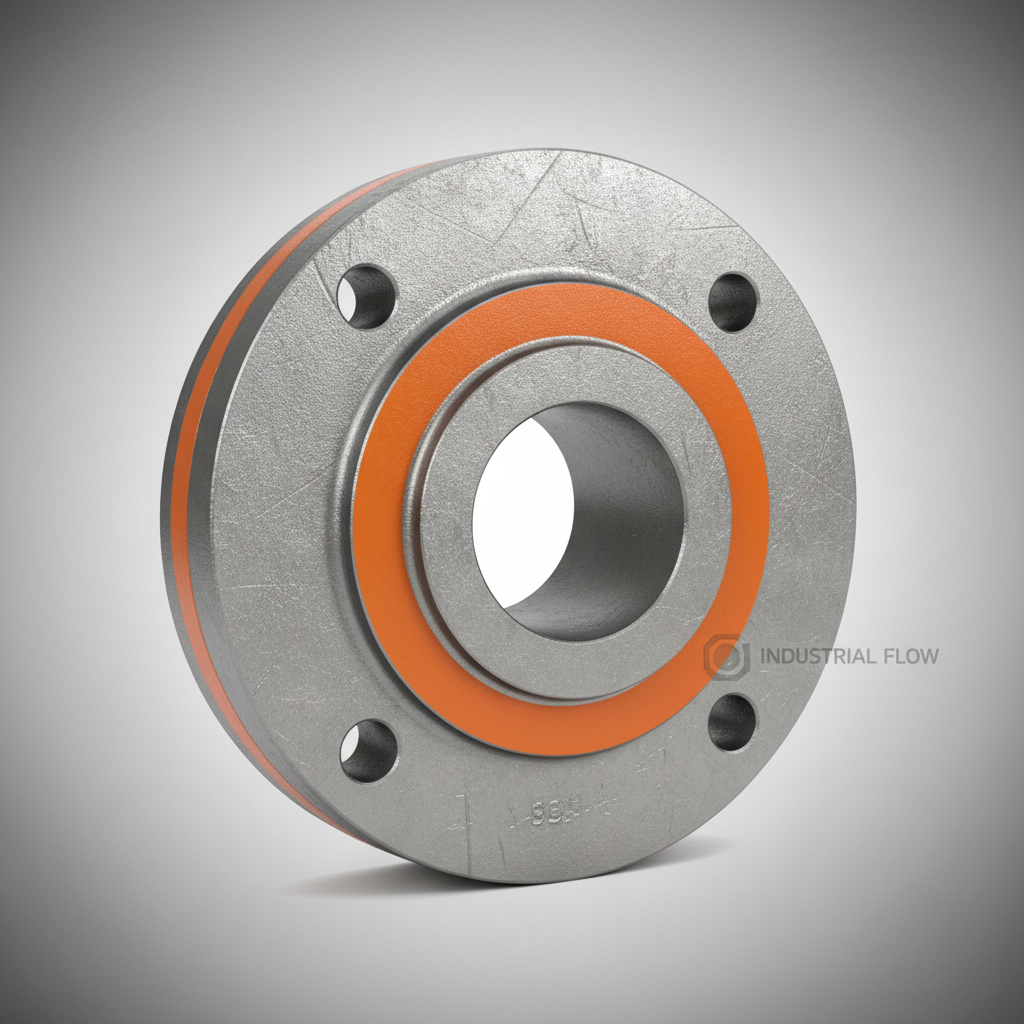
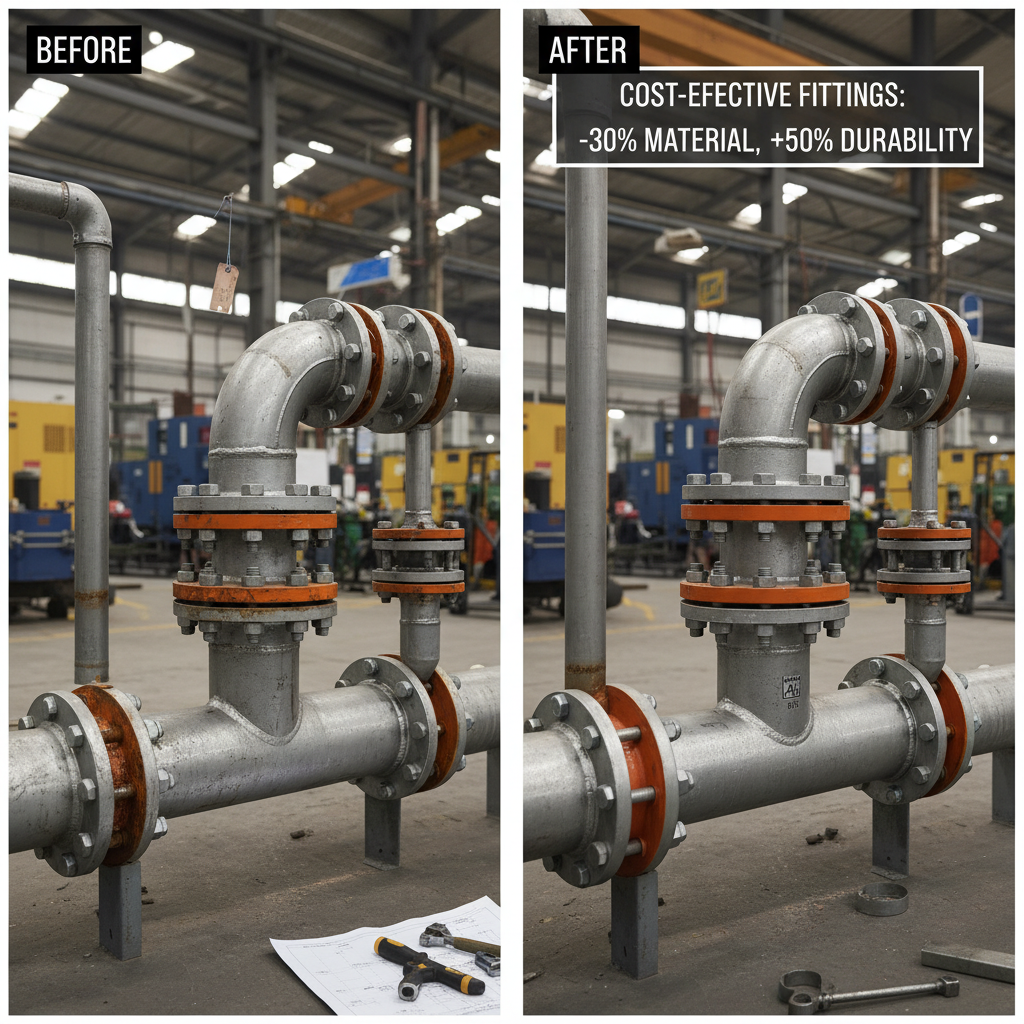
Seriously, you wouldn't believe the amount of trouble we have with seemingly simple things. Like, flanges. People over-engineer flanges. They add extra material, extra welding… thinking they’re making it stronger. To be honest, it often just makes it harder to align, harder to work with. Then you’ve got the whole issue of coatings. Everyone wants the most durable coating, right? But some of those super-durable coatings are a nightmare to weld to.
It's a constant trade-off. And that's where finding a reliable steel tube supplier makes all the difference. You need someone who understands the field, not just the metallurgy.
The Current Landscape of steel tube supplier
Have you noticed how everyone's scrambling for supply these days? It’s not just a pandemic thing anymore. The whole global supply chain is… fragile, to put it mildly. I encountered a situation last time at a factory in Tianjin – they were seriously behind on deliveries because of a shortage of high-strength steel. Honestly, it was a mess. The steel tube supplier market is flooded with options, sure, but finding a reliable one – one that can consistently deliver the quality you need, on the schedule you need – is becoming increasingly difficult. The demand is driving up prices, lengthening lead times, and forcing us to be more strategic about our sourcing.
The growth in infrastructure projects worldwide, particularly in emerging economies, is a huge driver. But it’s not just big projects. The prefab housing market is booming, too, and that relies heavily on consistent, high-quality steel tubing.
Common Pitfalls in Design & Specification
Strangely, a lot of designers don't understand the limitations of fabrication. They’ll spec something that looks great on paper but is a complete pain to assemble in the real world. Like, they’ll call for incredibly tight tolerances on a complex weld, knowing full well the thermal expansion and contraction will throw everything off. Then we get the blame when it doesn’t fit. It's infuriating! The biggest issue is a lack of communication between the design team and the fabrication team.
Another thing: people underestimate the importance of surface preparation. A poorly prepped surface will compromise the coating, and the corrosion will start almost immediately. It seems basic, but you’d be surprised how often it’s overlooked. I saw a whole batch of pipes rejected because of this last month... it wasn't pretty.
And don’t even get me started on specifying the wrong grade of steel for the application. Choosing the cheapest option might save a few bucks upfront, but it could cost you dearly in the long run if it fails prematurely.
Material Deep Dive: It's Not Just Steel
It’s easy to think of "steel" as just… steel. But there's a huge difference between, say, A53 Grade B and A36. A53 is tougher, more resistant to corrosion, but it's also harder to weld. A36 is easier to work with, but it's less durable. And then you have things like galvanized steel – it smells awful when you cut it, but it provides excellent corrosion protection. You’ve also got stainless steel, of course. But even stainless steel comes in dozens of different grades. 304 is good for general-purpose applications, but 316 is better for corrosive environments.
To be honest, I can tell a lot about the quality of the steel just by looking at it. The surface finish, the way it bends, the sound it makes when you tap it. It's a feel thing, you know? Years of experience. But even then, we always run tests to confirm. We’re looking for things like tensile strength, yield strength, elongation, and impact resistance.
Then there’s the whole question of coatings. Epoxy, polyurethane, galvanizing, powder coating… each has its pros and cons. Epoxy is tough, but it can chalk and fade in sunlight. Polyurethane is more UV-resistant, but it's more expensive. Anyway, I think choosing the right coating is just as important as choosing the right grade of steel.
Real-World Testing & Performance
Forget the lab tests. I want to see how this thing performs in the field. I want to see it exposed to the elements, subjected to vibration, loaded with weight. We’ve got a testing yard on site where we put our steel tube suppliers through the wringer. We bend it, we weld it, we coat it, we bury it, we expose it to salt spray… you name it.
I remember one time, a supplier swore their coating was impervious to corrosion. We buried a section of their tubing in the ground for six months. Six months! It was rusted through. Total failure. You can't trust marketing hype, you gotta test it yourself.
Steel Tube Supplier Performance Metrics
How Users Actually Utilize Steel Tubing
You design something for a specific purpose, but then the guys in the field find a different way to use it. It's always the case. We designed a support structure for solar panels, thinking it would be bolted together. Turns out, the installers started welding it together because it was faster.
I've seen steel tubing used as scaffolding, as temporary bracing, as impromptu repair parts… you name it. It's versatile stuff. The key is understanding how people are actually using it, not just how you think they’re using it. That means spending time on-site, talking to the workers, and observing their workflow.
Advantages & Disadvantages: The Honest Truth
Steel tubing is strong, relatively lightweight, and easy to work with. It's also cost-effective, especially when you compare it to other materials like aluminum or titanium. That said, it's prone to corrosion if it's not properly protected. And welding can be tricky, especially with certain grades of steel.
I'll tell you what, one of the biggest advantages is the sheer availability of steel tube suppliers. You can find them everywhere. But that also means you have to do your homework and find a reliable one. Don't just go with the cheapest option. You'll regret it. It's the same old story: you get what you pay for.
Another downside? It can be heavy. Transporting large quantities of steel tubing can add significant costs to a project.
Customization Capabilities & Case Studies
Most steel tube suppliers will offer some level of customization. Cutting to length, bending to specific angles, adding holes or slots… that’s pretty standard. But the real value comes from suppliers who can handle more complex requests. Like, last month, that small boss in Shenzhen who makes smart home devices insisted on changing the interface to , and the result was a two-week delay in his production schedule because none of his existing tooling worked!
We had a customer who needed a very specific type of tubing for a medical device. It had to be made from a specialized stainless steel alloy, with extremely tight tolerances, and a highly polished surface. It wasn’t easy, but we found a supplier who could deliver. It required a lot of back-and-forth, a lot of testing, and a lot of patience, but it was worth it in the end.
You need a steel tube supplier who is willing to work with you, to understand your needs, and to go the extra mile to deliver a solution.
Summary of Steel Tube Supplier Customization Options
| Customization Type |
Complexity Level (1-5) |
Typical Lead Time |
Cost Impact |
| Cutting to Length |
1 |
1-3 days |
Low |
| Bending |
2 |
3-7 days |
Medium |
| Welding |
3 |
5-10 days |
Medium-High |
| Surface Coating |
2 |
3-7 days |
Medium |
| Special Alloy |
4 |
2-4 weeks |
High |
| Tight Tolerances |
5 |
2-6 weeks |
Very High |
FAQS
Honestly? Underestimating the corrosive effects of the environment. Salt spray, acid rain, even just constant exposure to moisture can wreak havoc on unprotected steel. You have to specify the right coating and regularly inspect it. Galvanizing is good, but it's not foolproof. Powder coating is better, but it can scratch and chip. It all depends on the specific application and the severity of the environment.
Crucial. Absolutely crucial. Those reports are your proof that the steel meets the specified requirements. You need to verify the chemical composition, the mechanical properties, and the dimensions. Don’t just take the supplier’s word for it. If something doesn’t look right, ask for further clarification. If they can’t provide it, find another supplier.
ERW, or Electric Resistance Welded, is made by rolling a sheet of steel and welding the seam using electricity. Seamless tubing is made from a solid billet that's pierced to create a hollow tube. Seamless is generally stronger and more reliable, especially for high-pressure applications. But it’s also more expensive. ERW is fine for a lot of general-purpose applications, but you need to be careful about the weld quality.
Preheating the tubing can help. Also, using the right welding technique and minimizing the heat input are key. You want to use a low-hydrogen process and avoid excessive weaving. And don't forget to clamp the tubing securely to prevent it from moving during welding. It’s a skill, honestly, takes practice.
Laser cutting is becoming more and more common. It's incredibly precise and can create complex shapes with ease. Also, there's a growing focus on sustainable manufacturing practices. Suppliers are looking for ways to reduce their carbon footprint and minimize waste. It's good to see.
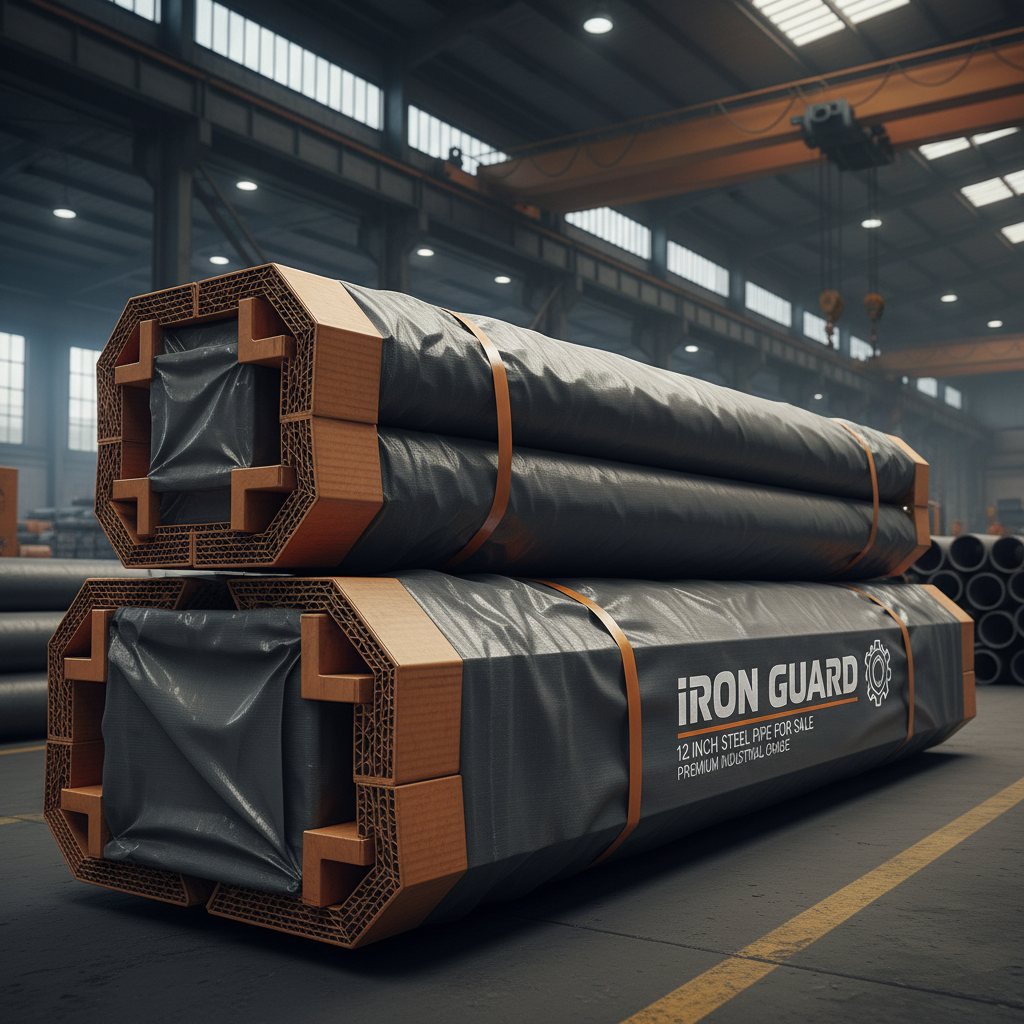
Store it indoors if possible, or at least under a covered area. If you have to store it outside, cover it with a tarp and elevate it off the ground. And make sure it's dry. Moisture is the enemy. You can also apply a temporary corrosion inhibitor.
Conclusion
Look, at the end of the day, steel tubing is a fundamental building block of a lot of what we do. Choosing the right steel tube supplier, understanding the materials, and paying attention to the details can make or break a project. It’s not glamorous work, but it's essential. We talk a lot about innovation and new technologies, but sometimes the most important thing is just getting the basics right.
Ultimately, whether this thing works or not, the worker will know the moment he tightens the screw. And a good steel tube supplier makes sure that screw tightens smoothly, every time. Check out our steel tube options.