tel
Email
to top
0%

Table of Contents

Steel pipe fittings manufacturers are integral to modern infrastructure, providing essential components for the safe and efficient transport of fluids and gases across various industries. Their importance extends from municipal water systems and oil & gas pipelines to chemical processing plants and residential plumbing. The demand for these fittings is consistently high due to ongoing infrastructure development, population growth, and the need for reliable fluid handling solutions. steel pipe fittings manufacturers play a crucial role in ensuring the structural integrity and longevity of these systems.

Globally, the market for steel pipe fittings is experiencing steady growth, driven by factors such as increased investment in energy infrastructure, particularly in emerging economies. According to recent reports, the global pipeline construction market is projected to reach substantial figures in the coming years, directly impacting the demand for high-quality fittings. This growth is coupled with increasing regulatory scrutiny regarding safety and environmental protection, necessitating the use of certified and reliable products from reputable steel pipe fittings manufacturers.

Understanding the nuances of steel pipe fitting manufacturing – the materials used, the manufacturing processes, the quality control standards – is paramount for engineers, project managers, and procurement professionals. A robust supply chain of dependable steel pipe fittings manufacturers is fundamental to the success of any large-scale infrastructure project.
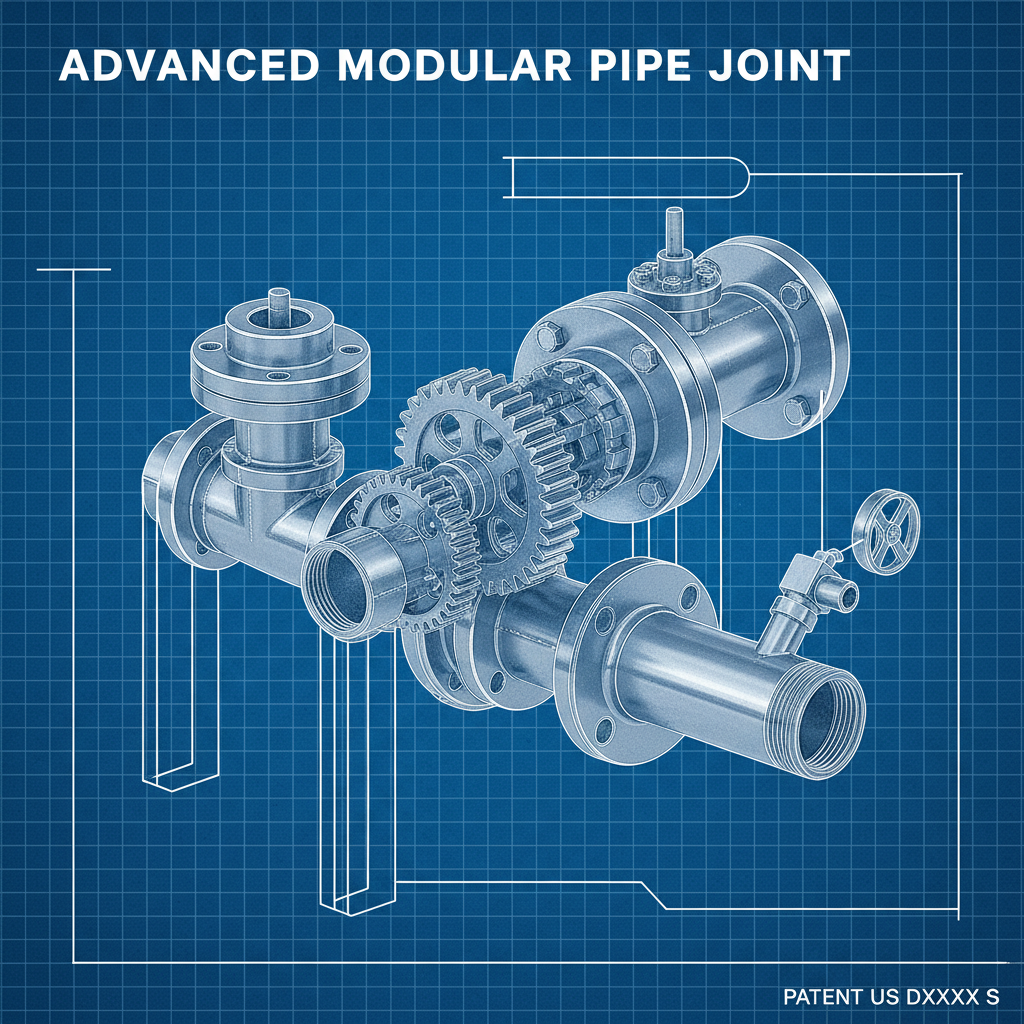
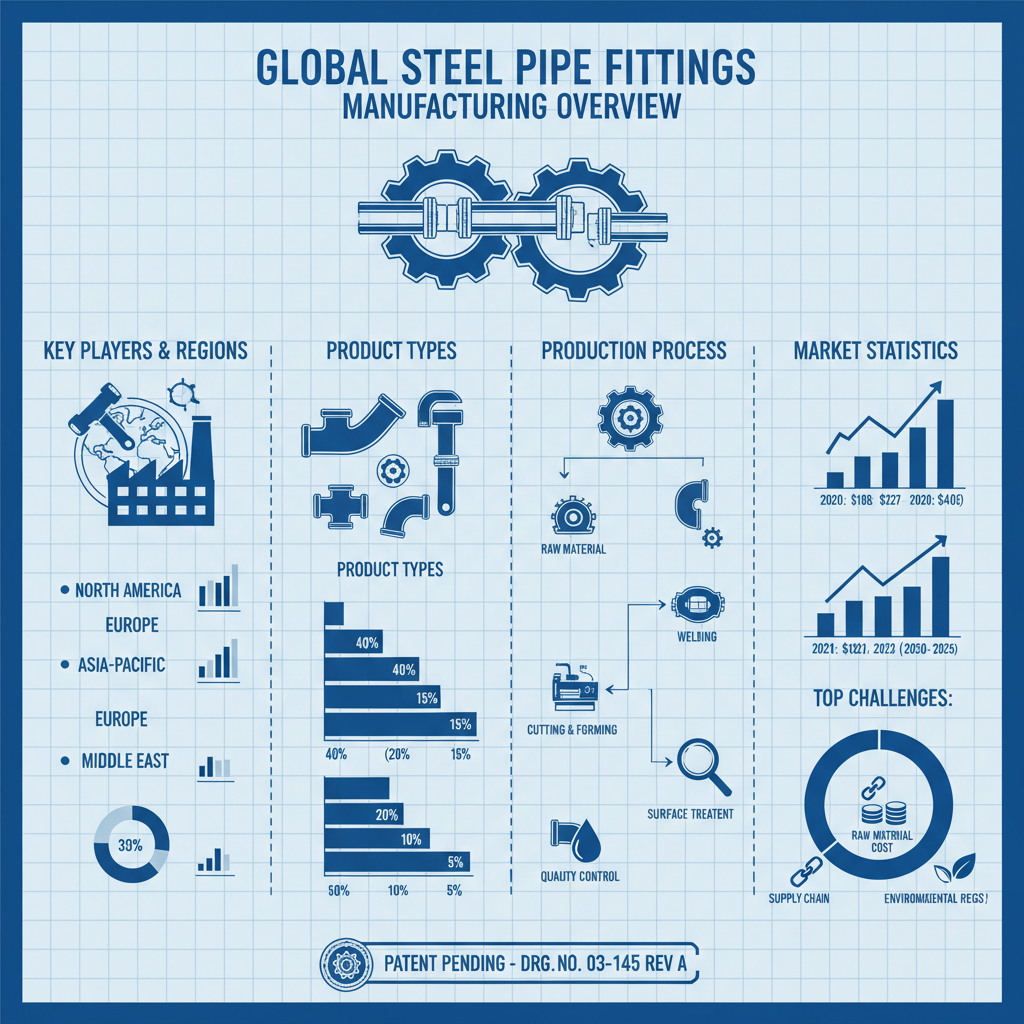
Leading Steel Pipe Fittings Manufacturers for Infrastructure and Industrial Solutions

The Significance of Steel Pipe Fittings Manufacturers

Leading Steel Pipe Fittings Manufacturers for Infrastructure and Industrial Solutions

The role of steel pipe fittings manufacturers extends far beyond simply producing components. They are critical partners in ensuring the safety, reliability, and sustainability of countless vital systems. The quality of these fittings directly impacts the lifespan and performance of entire pipelines and fluid handling networks. Investing in high-quality fittings from trusted manufacturers reduces the risk of leaks, failures, and costly repairs.

Moreover, responsible steel pipe fittings manufacturers prioritize environmental stewardship, employing sustainable manufacturing practices and using materials that minimize environmental impact. Their commitment to innovation drives the development of new alloys and coatings that enhance corrosion resistance and extend the service life of piping systems.

Defining Steel Pipe Fittings Manufacturers

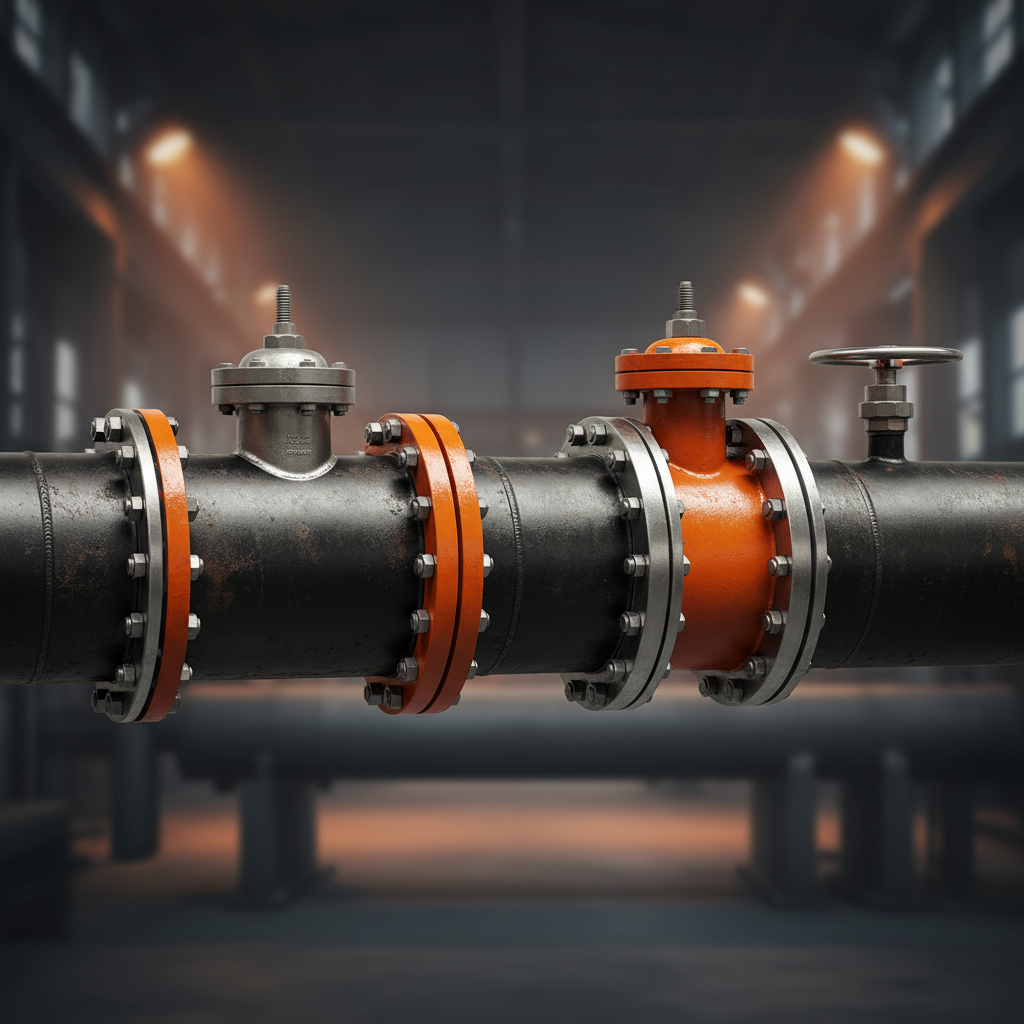
Steel pipe fittings manufacturers are companies specializing in the creation of components used to connect sections of steel piping. These fittings facilitate changes in direction, branching, and the sealing of connections within piping systems. They produce a diverse range of fittings, including elbows, tees, reducers, couplings, flanges, and valves.

These manufacturers typically employ various processes, such as forging, casting, machining, and welding, to shape steel into the desired fitting configurations. The steel itself can range from carbon steel to stainless steel and alloy steels, depending on the application's specific requirements. Steel pipe fittings manufacturers play a vital role in modern industrial and residential life.

The connection to modern industry and humanitarian needs is undeniable. From providing clean water to communities to supporting energy production and facilitating industrial processes, steel pipe fittings are essential for a functioning society. Their reliable performance is a cornerstone of modern civilization.

Core Characteristics of Reputable Manufacturers

Reputable steel pipe fittings manufacturers distinguish themselves through a commitment to stringent quality control measures. This includes rigorous testing of raw materials, in-process inspections, and final product verification to ensure adherence to industry standards such as ANSI, ASME, and API.

Another key characteristic is their ability to provide comprehensive documentation and traceability. This allows customers to verify the origin, material composition, and manufacturing history of each fitting, ensuring compliance with project specifications and regulatory requirements. Furthermore, effective manufacturers offer a wide range of sizes, materials, and configurations.

Finally, responsiveness to customer needs and a dedication to continuous improvement are hallmarks of leading manufacturers. This includes providing technical support, custom fabrication services, and a proactive approach to addressing evolving industry challenges.

Key Performance Indicators for Steel Pipe Fittings Manufacturers

Evaluating steel pipe fittings manufacturers requires considering several key performance indicators (KPIs). These metrics help determine a manufacturer’s overall efficiency, product quality, and customer satisfaction.

One critical KPI is the defect rate, which measures the percentage of fittings that fail to meet quality standards. A low defect rate indicates a robust quality control system and skilled manufacturing processes. Another essential metric is on-time delivery, reflecting the manufacturer’s ability to meet customer deadlines and maintain a reliable supply chain.

KPIs for Assessing Steel Pipe Fittings Manufacturers


Global Applications and Industry Impacts

The applications of steel pipe fittings are incredibly diverse, spanning across numerous industries. In the oil and gas sector, they are crucial for constructing pipelines that transport crude oil and natural gas across vast distances. In water treatment facilities, they ensure the safe and efficient delivery of potable water.

Furthermore, steel pipe fittings manufacturers supply components for chemical processing plants, power generation facilities, and even residential plumbing systems. In post-disaster relief operations, rapidly deployable piping systems utilizing these fittings provide immediate access to clean water and sanitation.

Long-Term Value and Advantages

Investing in high-quality steel pipe fittings from reputable manufacturers offers significant long-term value. The superior durability and corrosion resistance of these fittings reduce the need for frequent replacements, lowering maintenance costs and minimizing downtime. This translates into substantial savings over the lifespan of a project.

Beyond cost savings, choosing reliable fittings enhances safety and minimizes the risk of environmental damage caused by leaks or failures. This commitment to quality fosters trust and reinforces a company's reputation for responsible operations.

Future Trends and Innovation in Manufacturing

The steel pipe fittings manufacturers industry is undergoing a period of rapid innovation. Advanced materials, such as duplex stainless steels and superalloys, are gaining popularity due to their enhanced corrosion resistance and strength. Digital technologies, including 3D printing and robotic welding, are streamlining manufacturing processes and improving precision.

Sustainability is another key driver of innovation. Manufacturers are increasingly adopting eco-friendly manufacturing practices and exploring the use of recycled materials to minimize their environmental footprint. Furthermore, the integration of IoT sensors into fittings enables real-time monitoring of pipeline health, facilitating proactive maintenance and preventing costly failures.

Automation and data analytics will play a larger role in optimizing manufacturing processes and ensuring consistent product quality.

FAQS

What certifications should I look for when selecting a steel pipe fittings manufacturer?

When choosing a steel pipe fittings manufacturer, look for certifications like ISO 9001 (quality management), API 5L (pipeline specifications), and ASME (boiler and pressure vessel code). These certifications demonstrate adherence to industry standards and ensure the reliability and safety of the products. Verification of material test reports (MTRs) is also crucial. A reputable steel pipe fittings manufacturers will readily provide these documents.

What are the common steel grades used in pipe fitting manufacturing?

Common steel grades include carbon steel (A53, A106), stainless steel (304, 316), and alloy steel (A335). Carbon steel is widely used for general applications, while stainless steel offers superior corrosion resistance. Alloy steels provide increased strength and toughness for high-pressure or high-temperature applications. The appropriate grade depends on the fluid being transported, the operating conditions, and regulatory requirements.

How important is material traceability in steel pipe fittings?

Material traceability is extremely important. It allows you to verify the origin and composition of the steel used in the fittings, ensuring it meets specified standards. Full traceability is essential for maintaining the integrity of critical piping systems, especially in industries like oil & gas, pharmaceuticals, and nuclear power. It aids in identifying and resolving potential quality issues quickly and effectively.

What are the typical lead times for custom-made steel pipe fittings?

Lead times for custom-made fittings vary depending on the complexity of the design, the quantity required, and the manufacturer’s production schedule. Typically, lead times range from 4 to 12 weeks. It’s best to discuss your specific requirements with the steel pipe fittings manufacturers early in the project planning phase to ensure timely delivery.

How do I determine the correct fitting size and type for my application?

Determining the correct fitting size and type requires careful consideration of the pipe dimensions, flow rate, pressure requirements, and the fluid being transported. Consult with a qualified engineer or the steel pipe fittings manufacturers' technical team to ensure proper selection. Incorrect sizing or type can lead to leaks, reduced flow efficiency, or even catastrophic failure.

What is the role of non-destructive testing (NDT) in quality control?

Non-destructive testing (NDT) methods, such as radiography, ultrasonic testing, and liquid penetrant inspection, are crucial for detecting flaws or defects in fittings without damaging them. These tests verify the integrity of the material and welds, ensuring the fitting meets required quality standards. NDT is an integral part of a comprehensive quality control program implemented by reputable steel pipe fittings manufacturers.

Conclusion

In conclusion, steel pipe fittings manufacturers are foundational to a vast array of industries, providing the essential components for safe, reliable, and efficient fluid handling systems. Their commitment to quality, innovation, and sustainability is paramount for addressing the evolving challenges of modern infrastructure. Prioritizing partnerships with reputable manufacturers ensures long-term performance, reduced maintenance costs, and minimized environmental impact.

Looking ahead, continued advancements in materials, manufacturing processes, and digital technologies will further enhance the capabilities of these vital components. By embracing innovation and adopting sustainable practices, steel pipe fittings manufacturers will play an increasingly important role in shaping a more resilient and sustainable future. Visit our website at www.lion-pipeline.com to learn more.

Richard Harrison

Richard Harrison

Richard Harrison is a Senior Materials Engineer at Cangzhou Lion Technology, specializing in clad steel pipe applications for the oil and gas industry. With over 15 years of experience, Richard focuses on ensuring the integrity and longevity of our products in demanding environments. He’s instrumental in collaborating with PetroChina and
Previous Comprehensive Guide to Steel Pipe for Sale and Industry Applications
Next Understanding Flange Factories and Their Critical Role in Industrial Infrastructure
tel email tel top

If you are interested in our products, you can choose to leave your information here, and we will be in touch with you shortly.