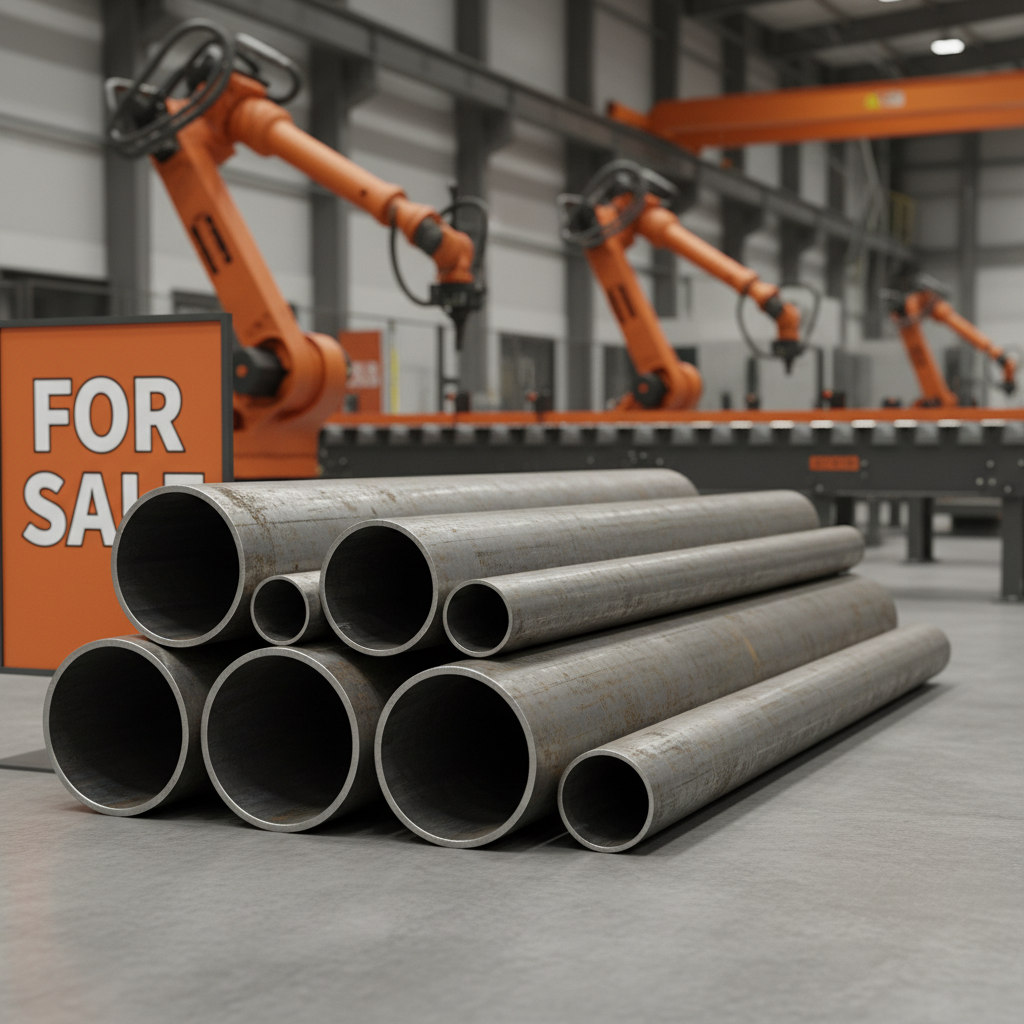
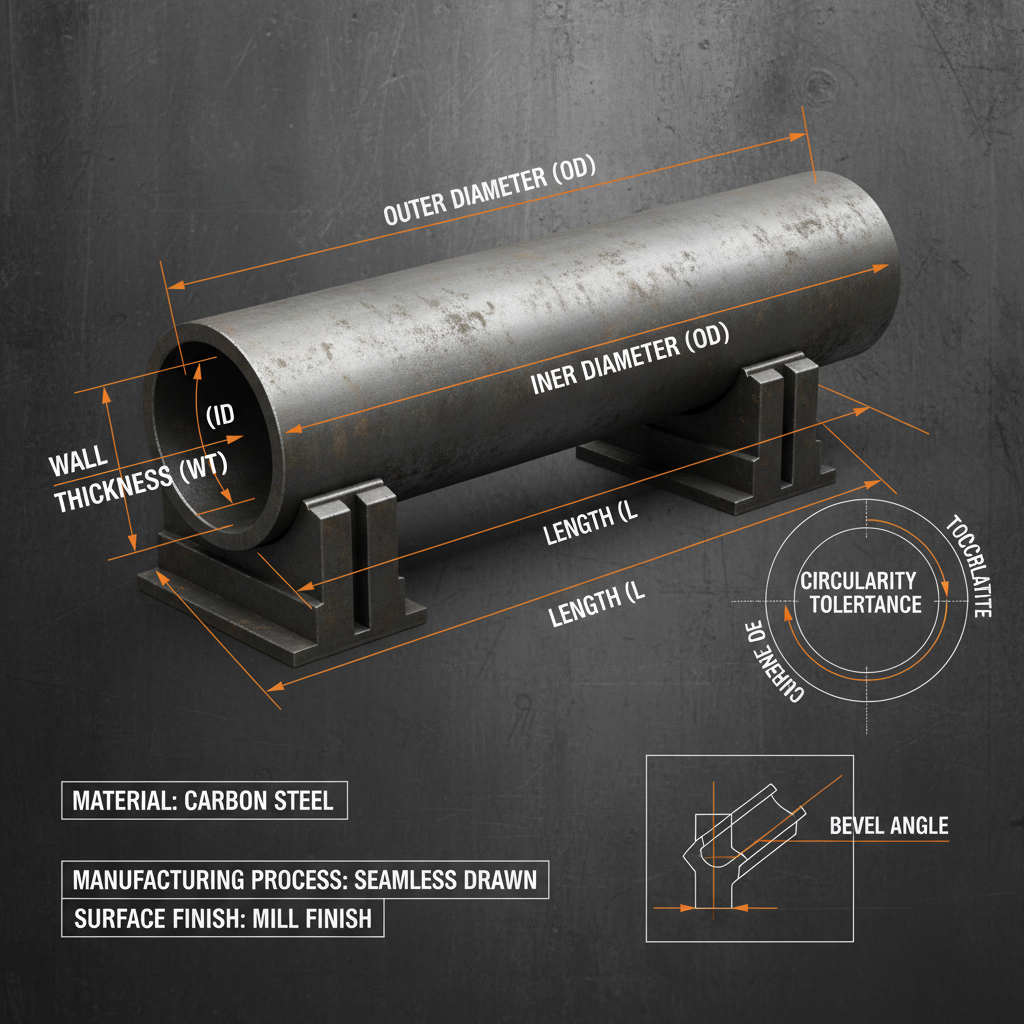
Alloy steel tubes are foundational components in numerous critical industries, offering a unique blend of strength, corrosion resistance, and versatility. Their widespread application stems from their ability to withstand extreme pressures, temperatures, and corrosive environments, making them indispensable in sectors like oil and gas, chemical processing, and power generation. Understanding the nuances of alloy steel tube composition and fabrication is crucial for ensuring the safety, efficiency, and longevity of complex engineering projects.
Globally, the demand for high-performance alloy steel tubes is steadily increasing, driven by infrastructure development, energy exploration, and the need for more durable and reliable piping systems. This demand presents both opportunities and challenges for manufacturers, requiring continuous innovation in materials science and production techniques. The quality and certification of these tubes are paramount, impacting project success and environmental responsibility.
From transporting vital resources to enabling cutting-edge technologies, alloy steel tubes play a silent but essential role in modern life. Their importance extends beyond simply containing fluids; they are integral to maintaining the integrity and safety of critical infrastructure worldwide. Effective specification, careful selection, and proper installation of these tubes are paramount.
The Importance of Alloy Steel Tubes in Modern Industry
Alloy steel tubes are the workhorses of numerous industries, providing a reliable and robust solution for fluid transport and structural support. Their significance is particularly pronounced in sectors demanding high performance under demanding conditions. The ability to tailor the alloy composition to specific application needs makes them incredibly versatile.
These tubes are crucial for maintaining the integrity of systems handling corrosive substances, high-pressure gases, or extreme temperatures. Their strength and durability reduce the risk of failures, ensuring operational safety and minimizing costly downtime. A properly selected alloy steel tube is a long-term investment in system reliability.
Defining Alloy Steel Tubes: Composition and Characteristics
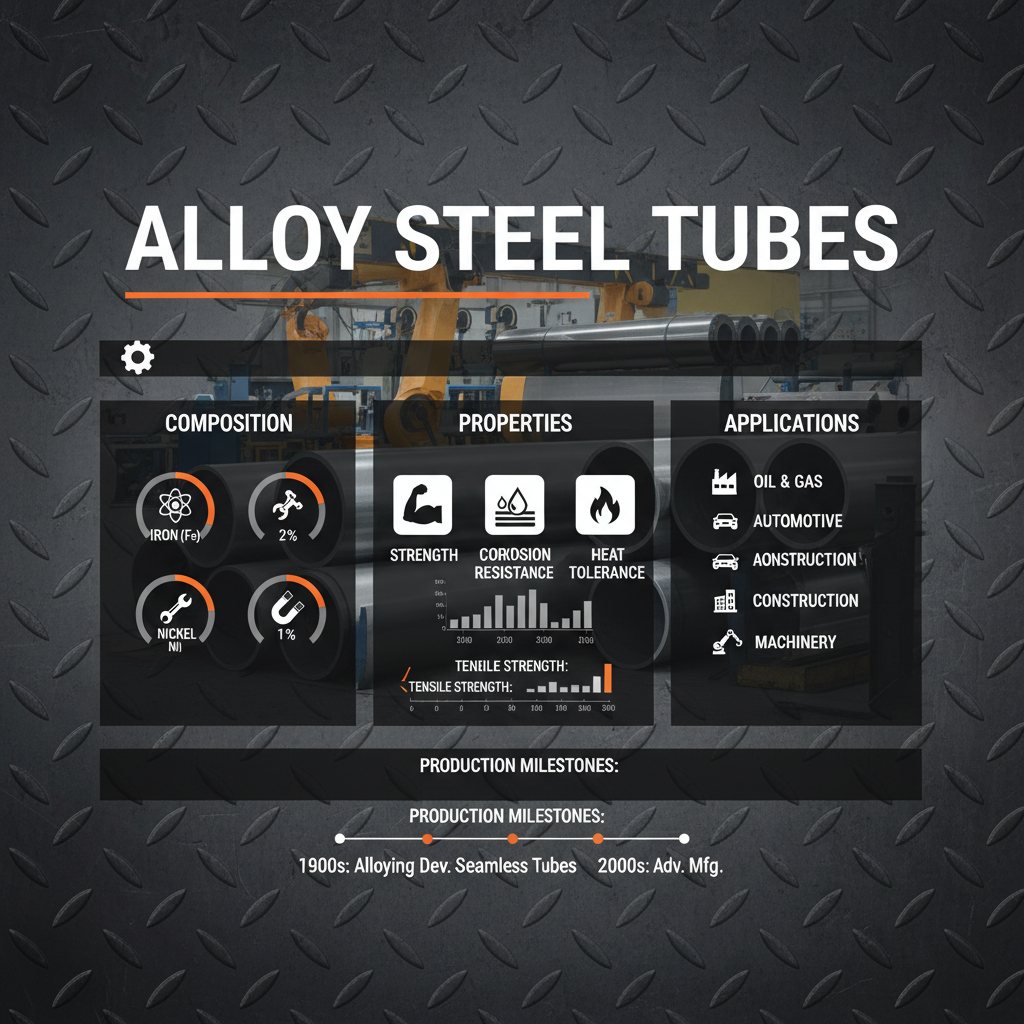
An alloy steel tube is fundamentally a steel tube that contains one or more alloying elements – such as chromium, molybdenum, nickel, or vanadium – added to the base iron and carbon composition. These alloying elements are strategically chosen to enhance specific properties of the steel, like strength, toughness, corrosion resistance, and weldability.
The resulting material offers superior performance compared to standard carbon steel tubes, particularly in challenging environments. The specific composition dictates the tube's suitability for different applications; for instance, adding chromium increases corrosion resistance, while molybdenum enhances high-temperature strength.
The manufacturing process also plays a critical role. Seamless alloy steel tubes, produced through processes like extrusion or piercing, offer exceptional strength and uniformity, making them ideal for high-pressure applications. Welded alloy steel tubes, created by joining steel plates and subsequently welding the seam, provide a more cost-effective option for less demanding applications.
Key Properties of Alloy Steel Tubes
Several key properties distinguish alloy steel tubes from their carbon steel counterparts. Perhaps the most significant is enhanced corrosion resistance, thanks to the addition of elements like chromium and nickel. This extends the lifespan of the tubes, reducing maintenance costs and minimizing the risk of leaks or failures.
High tensile strength and yield strength are also crucial characteristics. Alloy steel tubes can withstand significantly higher pressures and stresses without deformation or rupture. This is particularly important in applications like pipelines, pressure vessels, and boiler systems. The precise alloy selection directly influences these strength parameters.
Furthermore, alloy steel tubes exhibit improved weldability, allowing for easier fabrication and installation. Many alloys are designed to minimize the formation of brittle microstructures during welding, ensuring the integrity of the joined sections. Understanding the specific weldability requirements of each alloy is essential for successful project completion.
Real-World Applications of Alloy Steel Tubes
The diverse properties of alloy steel tubes make them essential across a wide spectrum of industries. In the oil and gas sector, they are vital for transporting crude oil, natural gas, and refined products, often under high pressure and in corrosive environments. alloy steel tube are utilized extensively in offshore platforms, pipelines, and refineries.
The chemical processing industry relies heavily on these tubes for handling corrosive chemicals and high-temperature fluids. Their resistance to chemical attack prevents leaks and ensures process safety. Power generation plants use alloy steel tubes in boilers, heat exchangers, and steam lines.
Alloy Steel Tube Applications by Industry
Advantages and Long-Term Value Proposition
Investing in alloy steel tubes translates to significant long-term benefits. The extended lifespan due to superior corrosion resistance minimizes replacement costs and reduces downtime. This enhanced durability directly impacts the bottom line, providing a substantial return on investment.
Moreover, the increased safety and reliability of alloy steel tubes reduce the risk of catastrophic failures, protecting personnel and the environment. This fosters a culture of safety and demonstrates a commitment to responsible operations. Their consistent performance minimizes operational disruptions, contributing to greater efficiency and productivity.
Future Trends in Alloy Steel Tube Technology
The future of alloy steel tube technology is centered around innovation in materials science and manufacturing processes. Research is focused on developing new alloys with even greater strength, corrosion resistance, and weldability. Additive manufacturing (3D printing) is also emerging as a potential method for producing complex tube geometries with customized properties.
The increasing emphasis on sustainability is driving the development of more eco-friendly alloy compositions and production techniques. The integration of digital technologies, such as sensors and data analytics, is enabling predictive maintenance and optimized performance monitoring of alloy steel tube systems.
Furthermore, advancements in non-destructive testing (NDT) methods are improving the accuracy and efficiency of quality control, ensuring the integrity of alloy steel tubes throughout their service life. These developments will contribute to even more reliable and cost-effective solutions for a wide range of applications.
Challenges and Solutions in Alloy Steel Tube Implementation
Despite their numerous advantages, implementing alloy steel tubes can present certain challenges. One common issue is the higher initial cost compared to carbon steel tubes. However, this cost is often offset by the extended lifespan and reduced maintenance requirements. Careful life-cycle cost analysis is crucial for justifying the investment.
Another challenge is the availability of qualified welders and fabricators experienced in working with specific alloy compositions. Investing in training and certification programs can address this skill gap. Proper material selection is also critical; choosing the wrong alloy for a given application can lead to premature failure.
Finally, ensuring traceability and quality control throughout the supply chain is paramount. Implementing robust quality management systems and conducting thorough inspections can mitigate the risk of substandard materials. Partnering with reputable alloy steel tube manufacturers is key to overcoming these challenges.
Summary of Challenges and Solutions for Alloy Steel Tube Implementation
| Challenge |
Impact on Project |
Mitigation Strategy |
Cost of Implementation |
| Higher Initial Cost |
Increased upfront investment |
Life-cycle cost analysis demonstrating long-term savings |
Low (Analysis cost) |
| Skilled Labor Shortage |
Reduced welding quality, project delays |
Investing in welder training and certification |
Medium (Training costs) |
| Incorrect Material Selection |
Premature failure, system downtime |
Comprehensive material assessment based on application requirements |
Medium (Engineering and testing costs) |
| Supply Chain Issues |
Delays, potential quality inconsistencies |
Robust supplier qualification and quality control processes |
Low-Medium (Audit and inspection costs) |
| Corrosion Concerns |
Reduced tube lifespan, potential for leaks |
Careful alloy selection based on exposure environment |
Low (Material selection analysis) |
| Quality Control Gaps |
Potential defects, reduced reliability |
Rigorous NDT procedures and documentation |
Medium (NDT equipment and personnel) |
FAQS
Alloy steel tubes, particularly those containing chromium, nickel, and molybdenum, exhibit significantly higher corrosion resistance compared to carbon steel. These alloying elements form a passive layer on the tube surface, protecting it from attack by corrosive substances. This extended lifespan reduces maintenance costs and minimizes the risk of leaks or failures, making alloy steel the preferred choice for applications involving harsh chemicals, saltwater, or acidic environments.
Seamless alloy steel tubes are generally stronger and more reliable than welded tubes because they lack a weld seam, which can be a potential point of failure. Seamless tubes are produced by piercing a solid billet, resulting in a uniform structure throughout the tube wall. Welded tubes, created by joining steel plates, require careful welding procedures and inspection to ensure the weld seam meets the required strength and integrity standards. However, advances in welding technology have significantly improved the quality of welded alloy steel tubes.
Selecting the correct alloy composition requires careful consideration of the operating environment, temperature, pressure, and the fluids being transported. Factors to consider include the type and concentration of corrosive substances, the required strength and toughness, and the desired weldability. Consulting with materials engineers and manufacturers is crucial to ensure the selected alloy meets the specific application requirements.
Alloy steel tubes are extensively used in the oil and gas industry for a wide range of applications, including pipelines for transporting crude oil and natural gas, casing and tubing in oil wells, and components in refineries and offshore platforms. Their high strength, corrosion resistance, and ability to withstand high pressures make them ideal for these demanding environments. Specific alloys are selected based on the composition of the transported fluids and the operating conditions.
Ensuring quality and traceability involves verifying the supplier’s certifications (e.g., ISO 9001) and requesting material test reports (MTRs) for each batch of tubes. MTRs provide detailed information about the chemical composition, mechanical properties, and dimensions of the tubes. Conducting independent inspections and requiring traceability markings on the tubes are also essential steps.
Non-destructive testing (NDT) methods, such as ultrasonic testing, radiographic testing, and eddy current testing, are used to detect defects or imperfections in alloy steel tubes without damaging the material. These inspections are crucial for ensuring the tubes meet the required quality standards and are safe for use in critical applications. Regular NDT inspections throughout the tube’s service life can also help identify potential issues before they lead to failures.
Conclusion
Alloy steel tubes are indispensable components across numerous industries, offering a compelling combination of strength, corrosion resistance, and reliability. Understanding their properties, applications, and future trends is crucial for engineers, designers, and procurement professionals alike. The careful selection and implementation of these tubes contribute to safer, more efficient, and more sustainable operations.
Looking ahead, continued innovation in materials science and manufacturing processes will further enhance the performance and versatility of alloy steel tubes. Embracing these advancements and prioritizing quality control will ensure that these essential materials continue to play a vital role in powering progress and shaping the future. For high-quality alloy steel tube solutions, visit our website today.