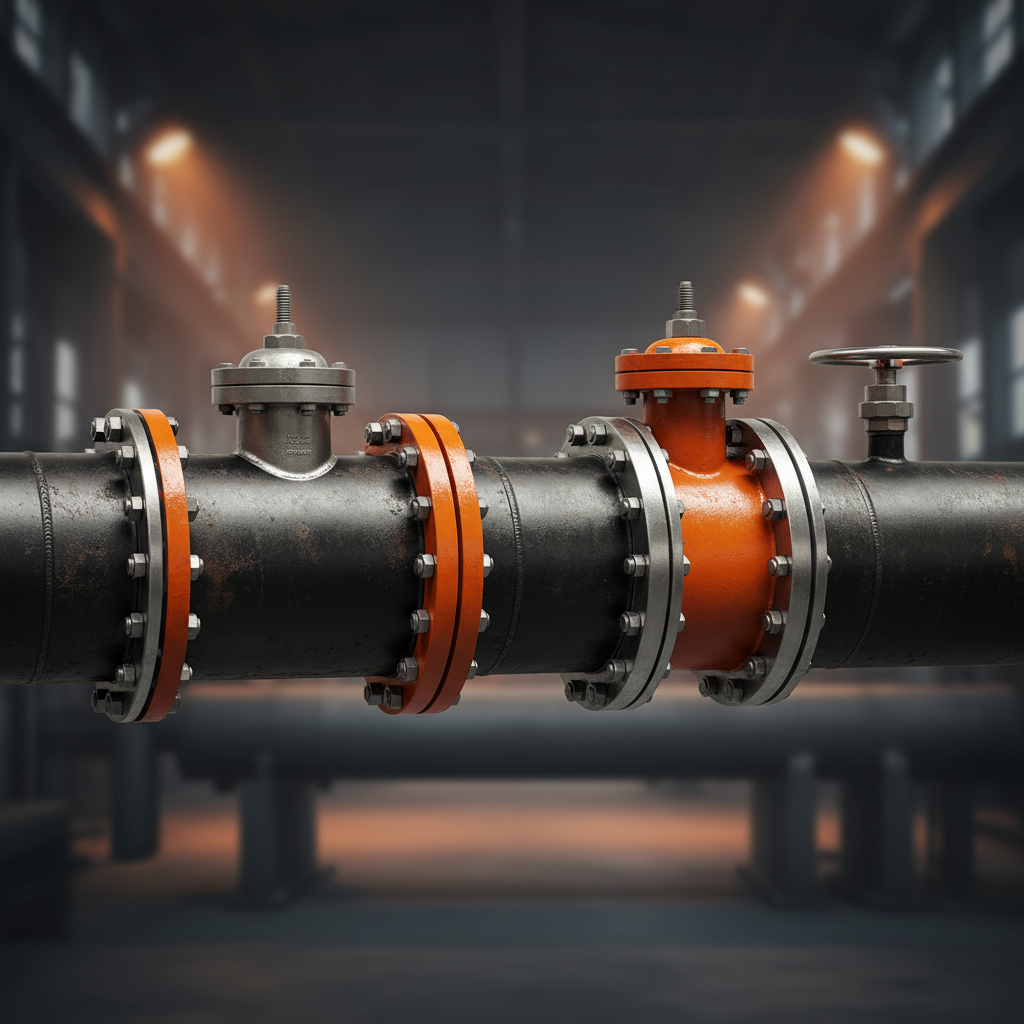
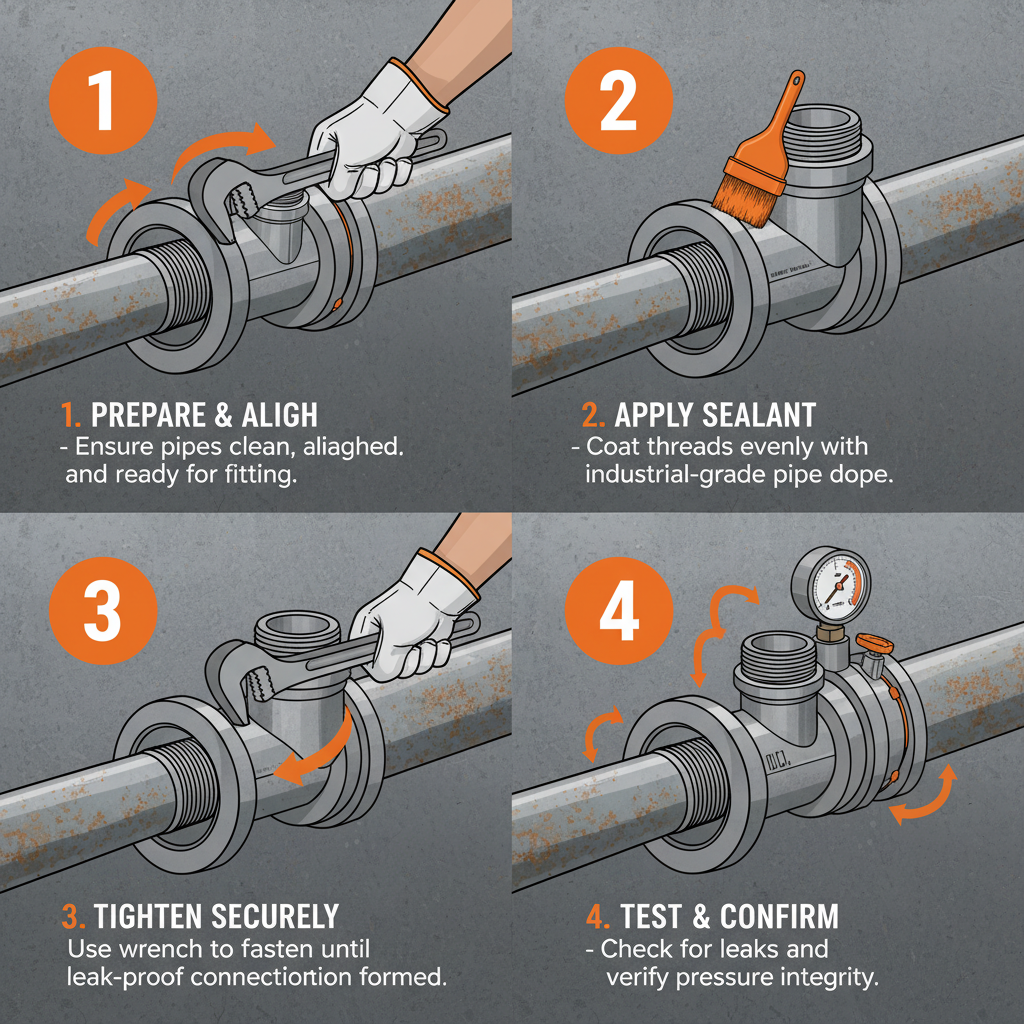
Black steel gas pipe is a fundamental component in numerous industrial and commercial applications, representing a robust and reliable solution for fluid conveyance. Its widespread use stems from a combination of cost-effectiveness, durability, and established installation practices. Understanding the nuances of black steel gas pipe—from its manufacturing processes to its applications and potential challenges—is crucial for engineers, project managers, and anyone involved in industries reliant on safe and efficient gas distribution.
Globally, the demand for safe and efficient gas distribution infrastructure continues to rise, driven by growing energy needs and stricter safety regulations. Black steel gas pipe remains a popular choice, particularly where high pressure and temperature resistance are paramount. However, evolving industry standards and environmental concerns are driving innovation in materials and coatings to enhance longevity and reduce corrosion risks, making a comprehensive understanding of this material more vital than ever.
The significance of black steel gas pipe lies not just in its functionality but also in its contribution to public safety and industrial efficiency. Proper selection, installation, and maintenance are essential to prevent leaks, ensure reliable operation, and minimize environmental impact.
The Importance of Black Steel Gas Pipe
Black steel gas pipe remains a critical infrastructure component despite advances in polymer and composite piping. Its enduring appeal stems from its inherent strength and capacity to withstand high pressures and temperatures commonly encountered in gas transmission and distribution systems. The ability to seamlessly weld connections contributes to the overall integrity of the pipeline network, minimizing the risk of leaks and ensuring long-term operational reliability.
The cost-effectiveness of black steel gas pipe compared to some alternative materials also plays a significant role in its continued popularity, particularly for large-scale projects. While corrosion is a concern, effective protective coatings and regular inspection programs can substantially extend the service life of these pipelines, maximizing their return on investment.
Defining Black Steel Gas Pipe
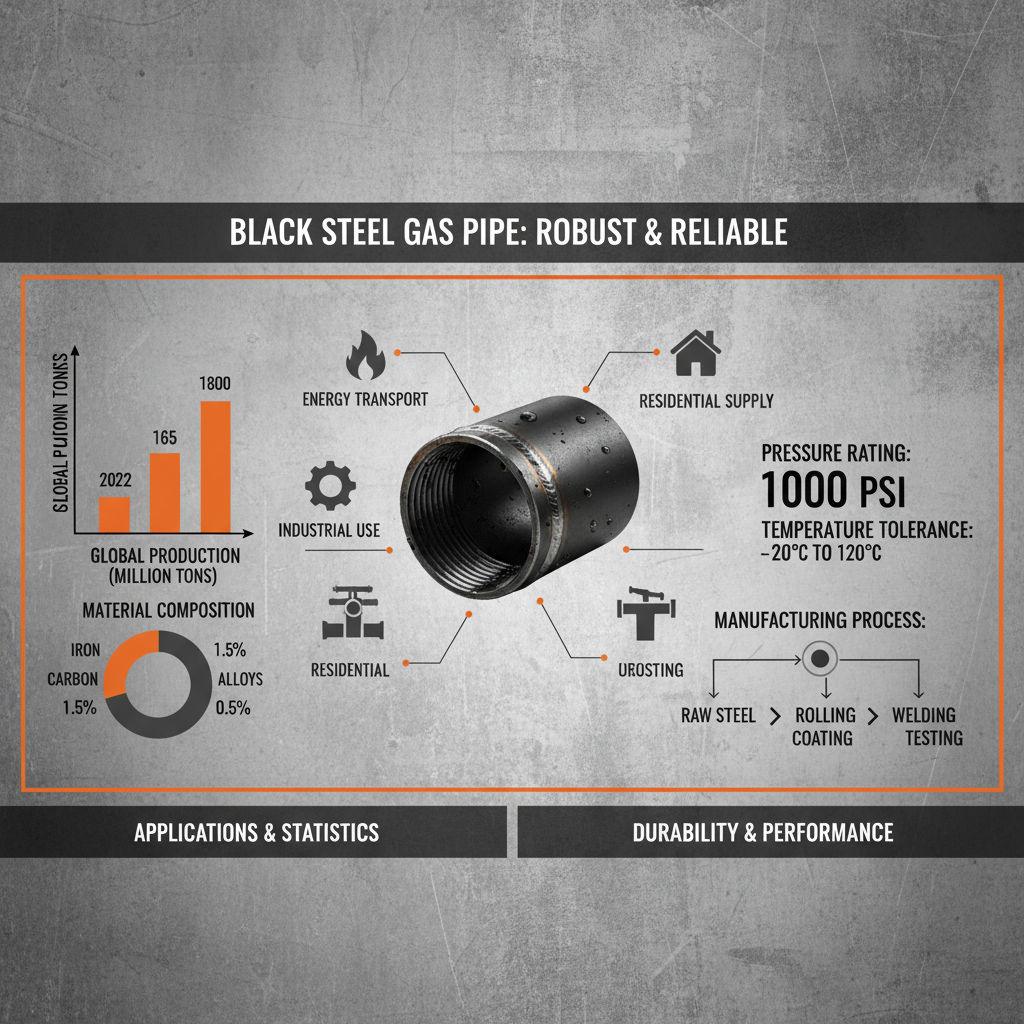
Black steel gas pipe refers to carbon steel piping that has not undergone any significant surface treatment, leaving it with a dark, blackish appearance—hence the name. The 'black' finish is a result of the oxidation that occurs during the manufacturing process. Crucially, it's intended for conveying combustible gases such as natural gas, propane, and butane. It differs from galvanized steel pipe, which is coated with zinc for corrosion resistance, and is specifically designed to handle the pressures and temperatures associated with gas transmission.
The use of black steel in gas piping is deeply rooted in industrial history, evolving from early iron pipe to the more robust carbon steel alloys used today. Its connection to modern industry is undeniable, forming the backbone of gas distribution networks in residential, commercial, and industrial settings globally. Understanding its specifications—such as wall thickness, diameter, and grade—is vital for ensuring compliance with safety standards.
Importantly, using the correct type of pipe and fittings is essential for gas applications. Black steel gas pipe, meeting relevant ASTM standards (e.g., ASTM A53, ASTM A106), offers the necessary strength and durability for secure gas transport, protecting both property and lives.
Key Properties of Black Steel Gas Pipe
Several key properties contribute to the effectiveness of black steel gas pipe. First, its high tensile strength ensures it can withstand significant internal pressure without deformation or rupture. Second, its excellent weldability allows for the creation of robust, leak-proof joints, critical for safe gas transmission. The ability to be easily fabricated and installed is a huge benefit.
Another crucial property is its relatively high thermal conductivity. While this can lead to heat loss in certain applications, it also allows the pipe to effectively dissipate heat generated by friction within the gas stream. This is particularly relevant in high-flow situations. Furthermore, black steel's inherent rigidity provides structural support, minimizing the need for additional bracing in many installations.
However, it’s important to acknowledge that black steel is susceptible to corrosion, particularly in humid or corrosive environments. This necessitates the application of protective coatings, such as epoxy or polyethylene, or the implementation of cathodic protection systems to mitigate the risk of rust and maintain the pipe's structural integrity over time. Understanding these properties is key to responsible engineering and long-term asset management.
Applications Across Industries
Black steel gas pipe finds extensive use in a wide array of industries. In the oil and gas sector, it’s a mainstay for transporting natural gas from production sites to processing plants and ultimately to end-users. The residential and commercial construction industries rely on it for gas distribution within buildings, powering appliances and heating systems.
Beyond these core sectors, black steel gas pipe is also used in industrial processes requiring compressed air or other gases. Manufacturing plants utilize it for delivering gases to machinery, while chemical processing facilities employ it in sophisticated piping systems. Even in agricultural settings, it can be found in irrigation systems that utilize gas-powered pumps.
Application of Black Steel Gas Pipe by Sector
Advantages and Long-Term Value
The primary advantage of utilizing black steel gas pipe lies in its cost-effectiveness. Compared to more specialized materials like stainless steel or certain polymers, black steel represents a budget-friendly option, particularly for large-diameter pipelines. Its established installation base also translates to readily available expertise and lower labor costs.
Beyond initial cost savings, black steel offers significant long-term value through its durability and repairability. When properly maintained, these pipes can provide decades of reliable service. Furthermore, in the event of damage, repairs are often straightforward, requiring only welding or patching, minimizing downtime and associated costs.
Future Trends and Innovations
The future of black steel gas pipe is intertwined with evolving industry demands for sustainability and enhanced safety. Innovations in coating technologies are aimed at improving corrosion resistance and extending pipeline lifespan. Research into alternative alloys with increased strength and ductility is ongoing, seeking to optimize performance in challenging environments.
The integration of digital technologies, such as smart sensors and data analytics, is also poised to transform pipeline management. Real-time monitoring of pressure, temperature, and corrosion levels will enable proactive maintenance, minimizing the risk of failures and maximizing operational efficiency. These advancements will solidify black steel's role in a modern, sustainable energy infrastructure.
Challenges and Mitigation Strategies
The most significant challenge associated with black steel gas pipe is its susceptibility to corrosion. This can lead to leaks, compromising safety and causing environmental damage. Mitigation strategies include applying protective coatings, implementing cathodic protection systems, and conducting regular inspections using non-destructive testing methods.
Another challenge is the potential for internal scale buildup, which can reduce flow capacity and increase pressure drop. Periodic pigging—the process of inserting a cleaning tool through the pipeline—can remove these deposits and maintain optimal performance. Addressing these challenges proactively is crucial for ensuring the long-term reliability and safety of black steel gas infrastructure.
Finally, compliance with evolving safety regulations and environmental standards requires ongoing investment in training and technology. Staying abreast of these changes is essential for pipeline operators to maintain their licenses and operate responsibly.
Summary of Black Steel Gas Pipe Challenges and Mitigation Techniques
| Challenge |
Severity (1-10) |
Mitigation Technique |
Cost (Low/Medium/High) |
| External Corrosion |
8 |
Protective Coatings & Cathodic Protection |
Medium |
| Internal Scale Buildup |
6 |
Periodic Pigging |
Low |
| Joint Integrity |
7 |
Regular Welding Inspections |
Medium |
| Regulatory Compliance |
9 |
Training & Documentation Updates |
Medium |
| Ground Movement |
5 |
Pipeline Flexibility & Stress Analysis |
High |
| Third-Party Damage |
7 |
Pipeline Marking & Public Awareness |
Low |
FAQS
The lifespan of a black steel gas pipe varies significantly depending on environmental conditions, the quality of initial installation, and the effectiveness of ongoing maintenance. With proper coating and regular inspection, a well-maintained black steel gas pipe can reliably serve for 50-100 years. However, in highly corrosive environments without adequate protection, its service life can be considerably shorter, requiring more frequent replacement or repair. Monitoring for corrosion is essential for maximizing its longevity.
The frequency of inspection depends on the environmental conditions and the criticality of the pipeline. As a general guideline, black steel gas pipes should be visually inspected annually. More thorough inspections, utilizing non-destructive testing methods like ultrasonic testing or radiographic testing, should be conducted every 3-5 years, or more frequently in areas with known corrosion issues. Detailed records of inspections should be maintained to track changes over time.
Several coating options are available, each with its own advantages and disadvantages. Epoxy coatings are widely used due to their excellent adhesion and chemical resistance. Polyethylene coatings offer superior impact resistance and are often applied in underground applications. Fusion-bonded epoxy (FBE) coatings provide a durable, seamless barrier against corrosion. The choice of coating depends on the specific environment and the pipeline’s operating conditions.
Yes, black steel gas pipe is frequently used for high-pressure gas transmission. However, it’s crucial to select the appropriate pipe grade and wall thickness to withstand the expected operating pressure. Pipe specifications must adhere to relevant industry standards, such as those established by the American Petroleum Institute (API) and ASTM International. Proper installation and regular pressure testing are also essential to ensure safe operation.
A leak in a black steel gas pipe can have serious consequences, including fire, explosion, and asphyxiation. Gas leaks also contribute to greenhouse gas emissions, impacting the environment. Prompt detection and repair of leaks are crucial to mitigate these risks. Regular leak surveys utilizing gas detectors are an essential part of pipeline integrity management programs.
Small areas of corrosion can often be repaired by cleaning the affected area, applying a corrosion inhibitor, and reinforcing the pipe with a repair sleeve or clamp. However, if the corrosion is extensive or has significantly weakened the pipe wall, replacement of the affected section is generally recommended. A qualified welding inspector should assess the integrity of any repairs to ensure they meet safety standards.
Conclusion
Black steel gas pipe remains a vital component of global energy infrastructure, offering a blend of cost-effectiveness, durability, and established installation practices. While challenges related to corrosion require diligent mitigation strategies, advancements in coating technologies and monitoring systems are enhancing its long-term reliability and sustainability. Understanding its properties, applications, and potential pitfalls is essential for ensuring safe and efficient gas distribution.
Looking ahead, the integration of digital technologies and a continued focus on proactive maintenance will be key to maximizing the lifespan and minimizing the environmental impact of black steel gas pipelines. By embracing innovation and adhering to stringent safety standards, we can ensure this material continues to play a critical role in meeting the world’s growing energy needs. For quality black steel gas pipe solutions, visit our website today.