If you’re involved in any sort of industrial pipeline, automotive, or structural project, chances are you’ve bumped into the term chrome moly pipe. But what is it really, and why does it matter so much on a global scale? Simply put, chrome moly pipe (chromium-molybdenum steel pipe) is a high-strength alloy steel pipe that delivers exceptional durability and heat resistance — making it a backbone material in industries where safety and toughness are non-negotiable.
Worldwide demand for chrome moly pipes has surged due to expanding oil and gas infrastructure, increased manufacturing standards, and the global push for longer-lasting, safer materials. According to a recent ISO steel standards analysis, alloy steel pipes, chrome moly included, see a compound annual growth rate close to 5% internationally. This isn’t surprising given the growing need to handle extreme temperatures and pressures reliably. But beyond numbers, understanding chrome moly pipes means recognizing their role in building safer bridges, pipelines, and power plants. So yes, it’s kind of a big deal.
If you glance at statistics about global industrial output, you’ll see that sectors like oil & gas, automotive, and power generation rely heavily on specialized materials. For instance, the World Bank reports show that global energy consumption has been escalating steadily, and with it, the demand for pipelines that can withstand high pressure and corrosive environments.
The problem? Many traditional steel pipes can’t hold up in complex environments that combine thermal stress and chemical corrosion. Enter the chrome moly pipe — an engineered alloy perfected to cut through those challenges. It solves common headaches like premature failure, costly maintenance, and safety hazards by delivering a clever blend of chromium and molybdenum added to steel to boost strength and heat resistance.
It’s no coincidence that oil rigs in harsh climates, high-performance sportscar exhausts, and even nuclear power plants swear by this material — it’s about resilience when it matters most.
In simple terms, a chrome moly pipe is a tubular product made from chromium-molybdenum steel alloy, designed to offer greater strength, toughness, and resistance to heat and corrosion compared to regular carbon steel pipes. The chromium adds hardness and oxidation resistance, while the molybdenum improves toughness and wear resistance.
This type of steel is standardized in grades like ASTM A335 P11, P22, etc., specifying the exact chemistry and strength levels. It’s widely recognized across industrial standards and certifications for critical applications, making it a trusted material in heavy-duty contexts.
Modern industry needs materials that can last decades under stress without degrading. Chrome moly pipes meet that demand, underpinning everything from manufacturing plants to humanitarian infrastructure projects in challenging environments.
Chrome moly pipes handle higher pressures than conventional steel due to their alloying elements. This means fewer bursting incidents and better safety margins—critical when your pipeline transports flammable gas or dangerous liquids.
They withstand temperatures reaching 600°C or more without losing mechanical integrity. For anyone designing power plant boilers or vehicle exhausts, this resistance is non-negotiable.
Thanks largely to chromium, these pipes resist rust and chemical attack better than plain carbon steel. This ability extends lifespan and reduces maintenance cycles.
Though upfront costs may be higher than typical steels, longer service life and less downtime make chrome moly pipes economically smart choices, especially in harsh environments.
They can be welded and formed with industry-standard practices, supporting complex designs and retrofitting needs without specialized processes.
Look around, and you’ll find these pipes in action globally:
Take the North Sea oil fields — where corrosion and pressure are daily challenges — chrome moly pipes have significantly reduced maintenance downtime. Oddly enough, many NGOs have found modular piping kits made from chrome moly steel crucial for rebuilding efforts where infrastructure had been wiped out by natural disasters.
| Specification | Typical Value |
|---|---|
| Material Grade | ASTM A335 P22 |
| Tensile Strength | 485 MPa (min) |
| Yield Strength | 310 MPa (min) |
| Max Operating Temp | 600°C |
| Corrosion Resistance | Good in oxidizing & mildly corrosive environments |
| Typical Wall Thickness | 6–25 mm |
| Vendor | Product Range | Certifications | Lead Times | Typical Pricing |
|---|---|---|---|---|
| SteelCo International | Wide: ASTM A335 P11–P91 | ISO 9001, PED | 4 weeks | Mid-range |
| AlloyMakers Inc. | Specialized on P22, P91 grades | ISO 14001, API 5L | 3 weeks | Premium |
| Prime Pipes Ltd. | Standard grades only | API Q1, ISO 9001 | 6 weeks | Budget friendly |
Put simply, they pay off in extended service life and less headache. Many engineers I’ve talked to remark on how specifying chrome moly pipe upfront dramatically reduces unplanned downtime and boosts safety margins — which frankly translates into money and peace of mind.
It's a bit like choosing between a cheap umbrella and a storm-proof one: the latter costs more but saves you from getting soaked and damaging your investment.
Advanced metallurgy is pushing the boundaries. Expect emerging chrome moly alloys to become lighter yet stronger, dovetailing with sustainability goals by requiring less raw material but offering the same or better performance.
Similarly, digital manufacturing and AI-driven quality control are starting to shape production consistency—a vital factor when you’re trusting pipes to contain hazardous materials.
Green energy projects, such as hydrogen pipelines, are also spotlighting chrome moly steel due to its ability to resist hydrogen embrittlement when properly treated.
Despite their many perks, chrome moly pipes do face challenges. For example, complex welding procedures can introduce brittleness if not done carefully, and they can be sensitive to certain corrosive chemicals over long periods.
Experts recommend thorough preheat/postheat treatments and routine inspections to mitigate these risks. Choosing suppliers with robust quality certifications is also key — don’t skimp here.
Every industry faces choices between upfront cost and long-term durability. Chrome moly pipe sits comfortably on the smart side of that equation — it’s tough, dependable, and widely trusted globally. Whether you’re building heavy industry infrastructure, emergency water lines, or next-gen energy projects, it makes a compelling case.
Ready to see the difference for yourself? Visit chrome moly pipe supplier websites to get detailed specs, request samples, or arrange a consultation. Good materials are the foundation of great projects — and your peace of mind.

Ultimate Guide to 4130 Tubing Strength Performance and Applications
Properties and Industrial Applications of 4130 steel tubing
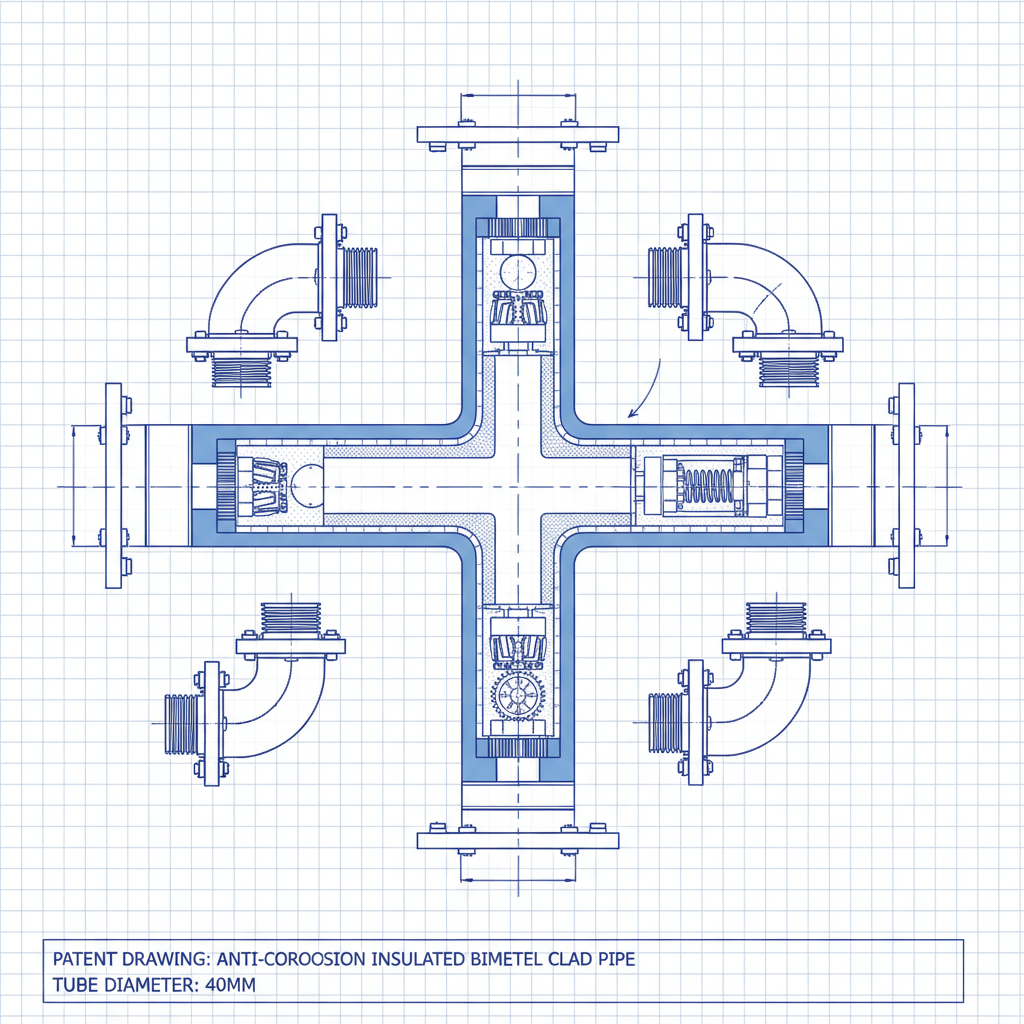
Comprehensive Guide to 40mm Steel Tube Applications and Material Selection
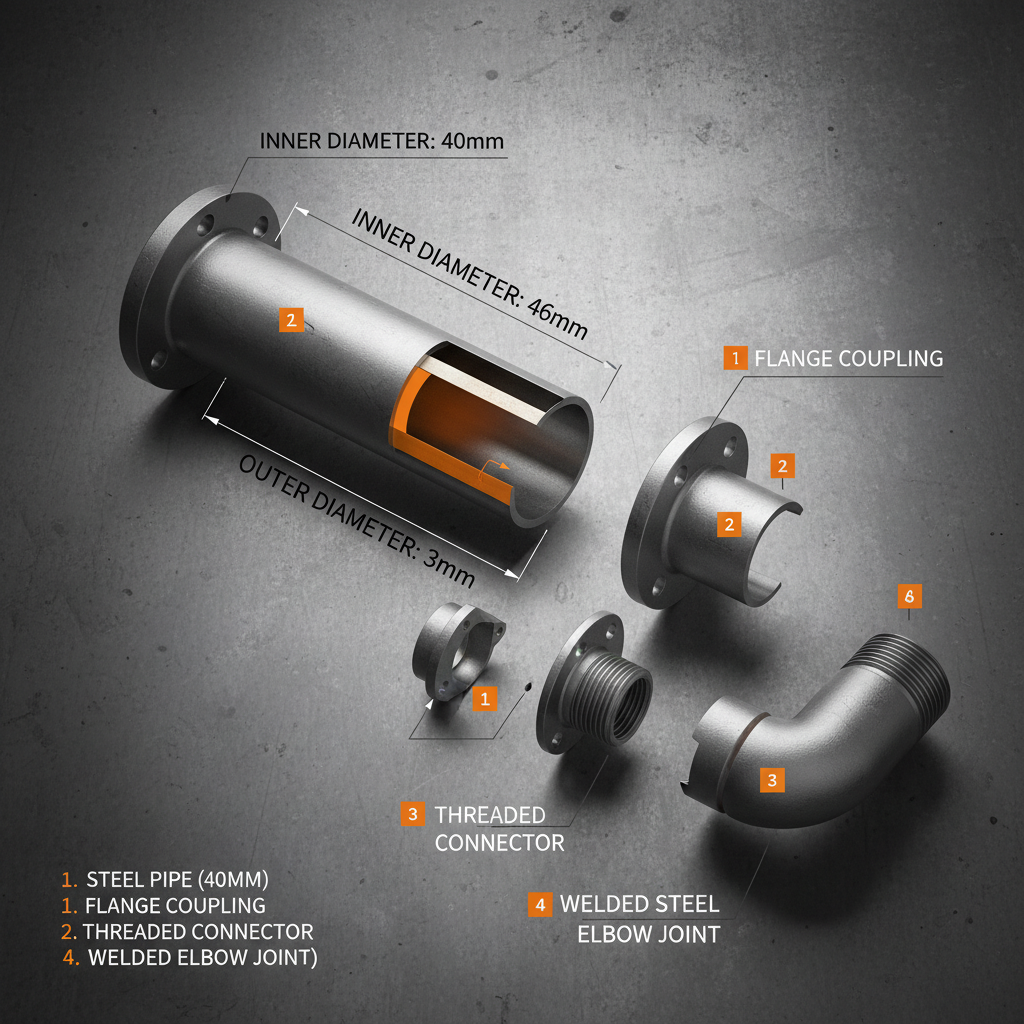
Comprehensive Guide to 40mm Steel Pipe Applications and Considerations
Comprehensive Guide to 40mm Metal Pipe Applications and Sourcing
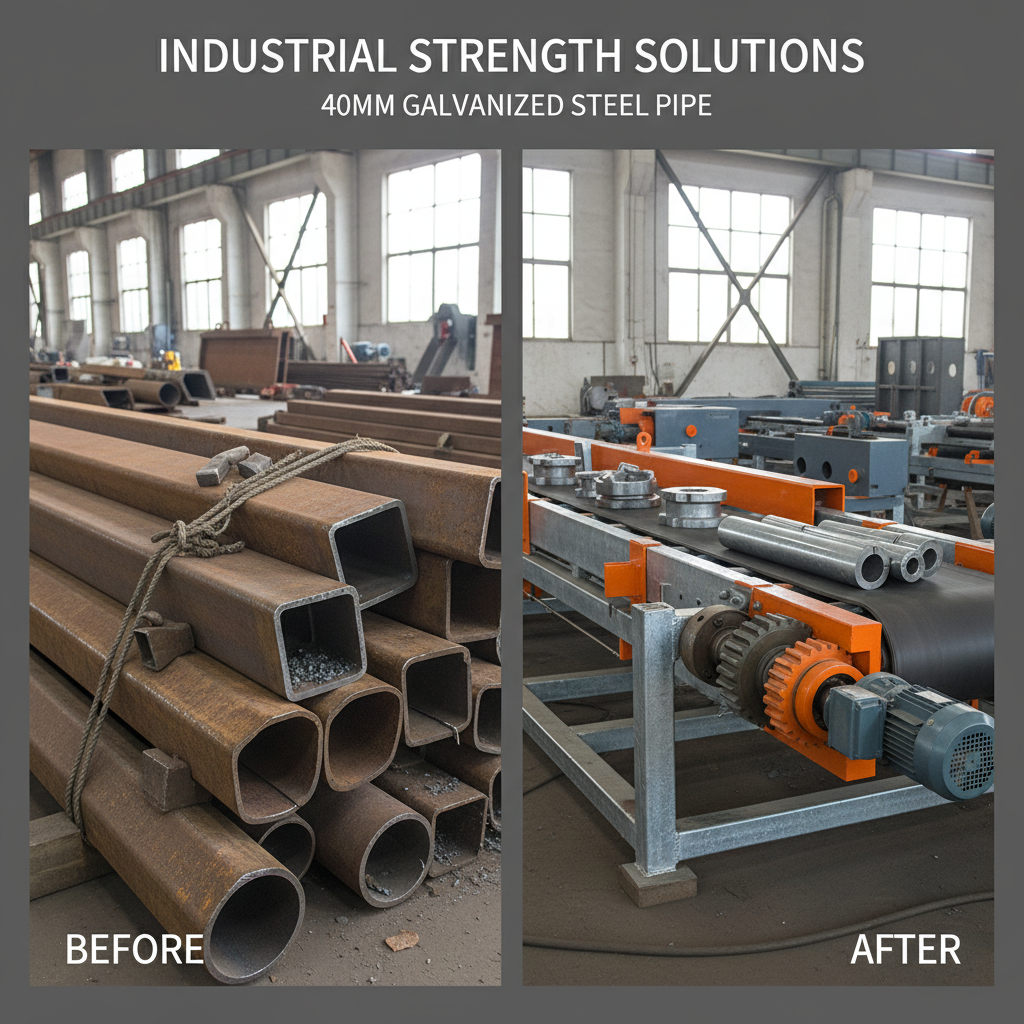
Comprehensive Guide to 40mm Galvanised Pipe Applications and Specifications