40mm steel pipe is a widely used material in various industries due to its strength, durability, and cost-effectiveness. From construction and infrastructure projects to industrial applications and fluid transportation, this pipe size offers a versatile solution. This article will delve into the properties, applications, standards, and key considerations when selecting 40mm steel pipe, helping you make informed decisions for your specific needs. Lion Pipeline provides high-quality steel pipes suitable for a range of applications.
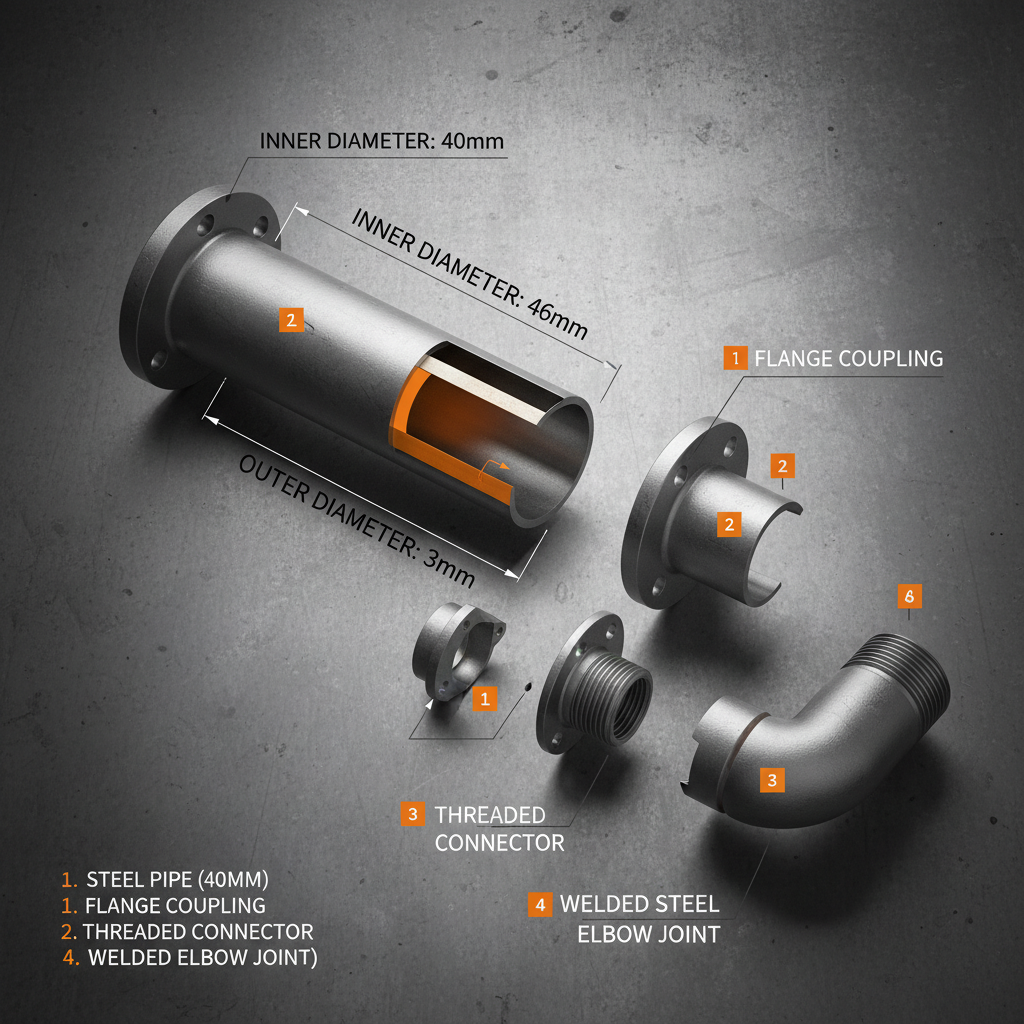
The properties of 40mm steel pipe dictate its suitability for various applications. The most common material is carbon steel, offering excellent strength and weldability. However, stainless steel options are also available for corrosive environments. Key properties include tensile strength, yield strength, and corrosion resistance. Wall thickness is another critical factor, affecting the pipe’s pressure rating and structural integrity. A thicker wall provides greater strength but also increases weight and cost. Choosing the right grade of steel and wall thickness is crucial for ensuring the pipe’s long-term performance and safety. Lion Pipeline offers a comprehensive range of steel grades and thicknesses to meet your requirements.
Key Highlights: Excellent strength, weldability, and cost-effectiveness make 40mm steel pipe a versatile choice. Stainless steel options provide corrosion resistance for demanding applications.
The 40mm steel pipe finds application in a diverse range of industries. In the construction sector, it's used for structural supports, handrails, and scaffolding. Within the oil and gas industry, it's essential for transporting fluids like water, oil, and gas. It’s also common in irrigation systems, plumbing, and fire protection systems. The versatility of 40mm steel pipe arises from its ability to handle various pressures and temperatures, making it suitable for both indoor and outdoor use. Selecting the appropriate coating or treatment is important based on the operational environment, for instance galvanized steel pipes are popular in outdoor environments.
Application Benefits:
• Structural supports in construction
• Fluid transportation in oil & gas
• Irrigation and plumbing systems
• Fire protection systems
Choosing the right material grade for your 40mm steel pipe is critical. Carbon steel is the most common and cost-effective choice, suitable for general applications. However, for corrosive environments or high-temperature applications, stainless steel is preferable. Different stainless steel grades (e.g., 304, 316) offer varying levels of corrosion resistance. The following table provides a comparison of common material grades.
Several standards govern the manufacturing and performance of 40mm steel pipe. ASTM A53 covers carbon steel pipe, while ASTM A312 addresses stainless steel pipe. API 5L is commonly used for pipeline applications. These standards specify requirements for chemical composition, mechanical properties, dimensions, and testing procedures. Compliance with these standards ensures the pipe meets industry requirements for safety and reliability. Lion Pipeline ensures all its 40mm steel pipe products adhere to relevant international standards.
When sourcing 40mm steel pipe, consider several factors. First, identify the application and the required material grade. Next, determine the appropriate wall thickness based on pressure and structural requirements. Evaluate the supplier’s reputation and ensure they comply with relevant standards. Price is important, but prioritize quality and reliability. Finally, consider delivery times and any additional services offered, such as cutting or threading. Choosing a reputable supplier like Lion Pipeline will ensure you receive high-quality products and excellent customer support.
Selecting the appropriate 40mm steel pipe requires careful consideration of material grade, wall thickness, industry standards, and supplier reliability. By understanding these factors and partnering with a trusted provider like Lion Pipeline, you can ensure optimal performance, safety, and longevity for your project.
The wall thickness for 40mm steel pipe varies depending on the application. Common thicknesses range from Schedule 40 (2.77mm) to Schedule 80 (4.22mm). Schedule 40 is suitable for lower-pressure applications, while Schedule 80 provides greater strength for higher-pressure systems. For critical applications, heavier wall thicknesses may be required. It's crucial to consult engineering specifications and relevant standards to determine the appropriate wall thickness for your specific needs.
Yes, but only if the pipe is specifically designed and certified for potable water applications. This typically means using stainless steel or carbon steel pipe with an internal coating approved for drinking water contact. It's essential to ensure the pipe meets relevant regulations and standards for water quality. Galvanized steel pipe may also be used, but concerns regarding lead content have led to its decreased use in potable water systems.
Common joining methods for 40mm steel pipe include welding, threading, and flanging. Welding provides a strong, permanent connection but requires skilled welders and appropriate safety precautions. Threading is suitable for smaller-diameter pipes and allows for easy assembly and disassembly. Flanging creates a robust connection ideal for high-pressure applications. The choice of joining method depends on the application, pressure requirements, and cost considerations.
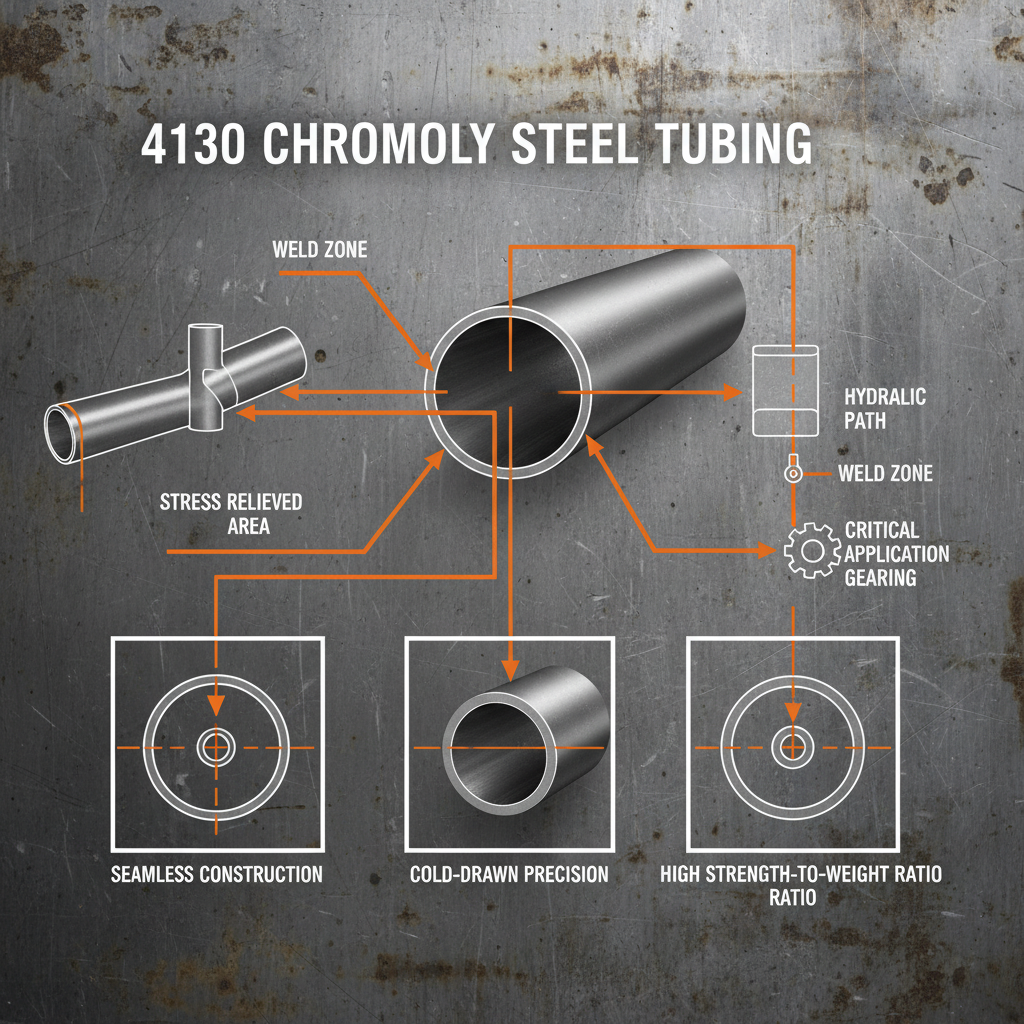
Ultimate Guide to 4130 Tubing Strength Performance and Applications
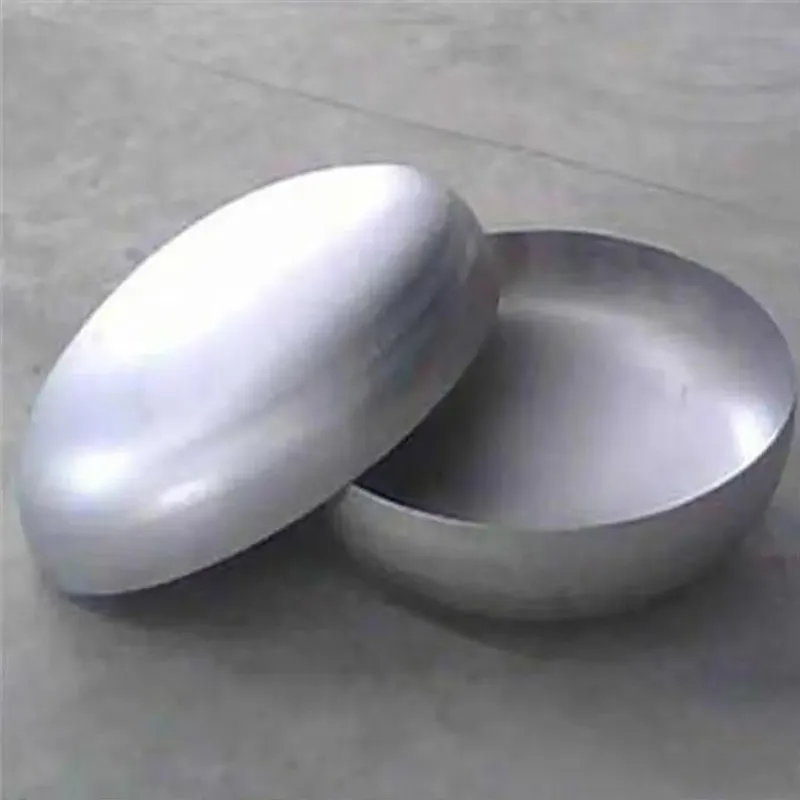
Pipe Cap-Cangzhou Lion Technology Co., Ltd.|Enhancing System Efficiency&Durability
Pipe Cap-Cangzhou Lion Technology Co., Ltd.|Enhancing System Efficiency&Durability
Pipe Cap-Cangzhou Lion Technology Co., Ltd.|Enhancing System Efficiency&Durability
Pipe Cap-Cangzhou Lion Technology Co., Ltd.|Enhancing System Efficiency&Durability
Pipe Cap-Cangzhou Lion Technology Co., Ltd.|Enhancing System Efficiency&Durability