40mm steel tube is a versatile and widely used material in various industries, from construction and manufacturing to automotive and beyond. Its strength, durability, and cost-effectiveness make it an ideal choice for numerous applications. This article will delve into the characteristics, applications, benefits, and considerations when working with 40mm steel tube, providing a comprehensive overview for professionals and anyone interested in this essential material. Understanding the specifics of this tubing is crucial for ensuring project success and long-term performance.
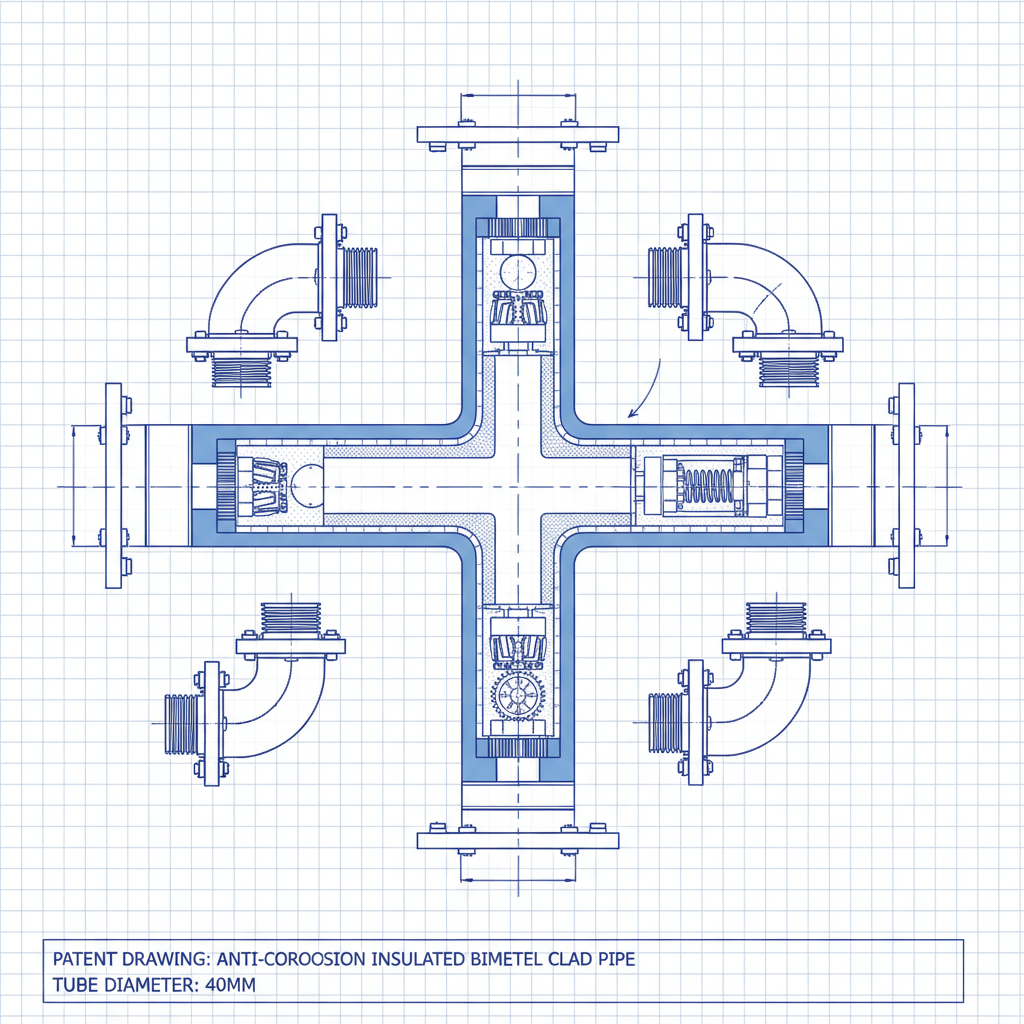
40mm steel tube refers to a hollow steel section with an outer diameter of 40 millimeters. These tubes are typically manufactured from various grades of steel, including carbon steel, stainless steel, and alloy steel, each offering different properties in terms of strength, corrosion resistance, and weldability. The manufacturing process often involves seamless or welded construction, impacting the tube's overall integrity and suitability for specific applications. The wall thickness can vary depending on the intended use, influencing the tube’s strength and weight. Lion Pipeline specializes in high-quality steel tubing solutions.
Key Highlights: 40mm steel tube provides a balance of strength, weight, and cost, making it a preferred material in a wide range of engineering and construction applications.
The applications for 40mm steel tube are incredibly diverse. In construction, it's commonly used for scaffolding, handrails, and structural supports. The automotive industry utilizes it for chassis components and roll cages. Manufacturing relies on it for creating frames, supports, and machinery components. It is also widely employed in furniture fabrication, exercise equipment, and even artistic installations. Its ability to be easily welded, bent, and machined further expands its usability. Choosing the correct steel grade is critical for maximizing performance and safety in each specific application.
Application Areas:
• Construction: Scaffolding, handrails, supports
• Automotive: Chassis, roll cages
• Manufacturing: Frames, machinery components
• Furniture: Chair frames, table legs
Different steel grades offer varying properties, impacting the suitability of 40mm steel tube for specific applications. Carbon steel is the most common and affordable option, offering good strength but limited corrosion resistance. Stainless steel provides excellent corrosion resistance but comes at a higher cost. Alloy steel combines the benefits of both, offering enhanced strength and corrosion resistance. Selecting the appropriate grade depends on the environmental conditions, load requirements, and budget constraints. Consider consulting with a materials engineer to determine the optimal steel grade for your project.
Several factors should influence your purchasing decision. Wall thickness is critical, as it directly impacts the tube’s strength and weight capacity. Ensure the steel grade meets the requirements of your application and environment. Consider the manufacturing process – seamless tubes generally offer higher strength and are preferred for high-pressure applications, while welded tubes are more cost-effective for general use. Finally, choose a reputable supplier like Lion Pipeline to ensure quality and consistency.
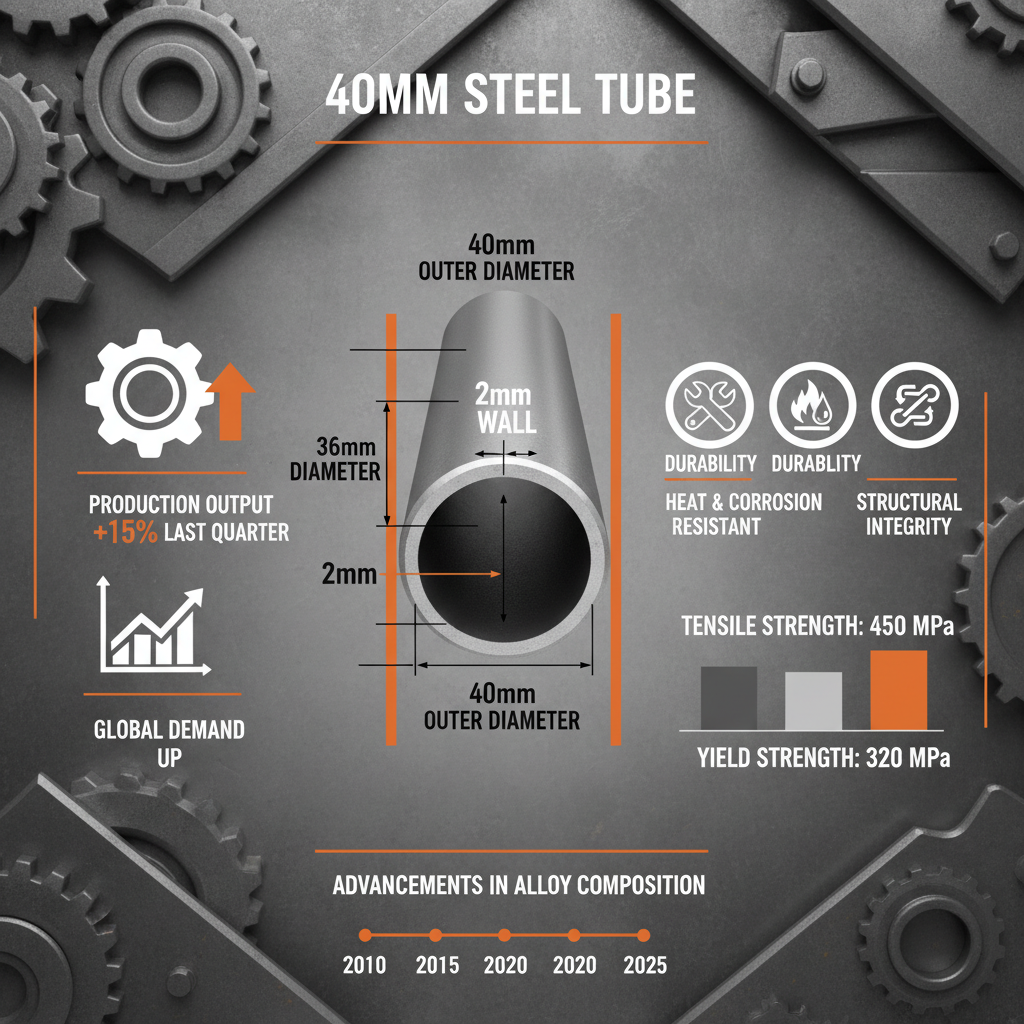
Understanding product specifications is vital for successful implementation. Common specifications include outer diameter (40mm), wall thickness (ranging from 2mm to 10mm depending on application), length (customizable), and material grade (e.g., ASTM A53 Grade B, 304 Stainless Steel). Tolerances on diameter and wall thickness must be considered for precision applications. Proper documentation and adherence to industry standards are crucial for ensuring the quality and reliability of the 40mm steel tube.
Selecting the appropriate 40mm steel tube requires careful consideration of application requirements, material properties, and supplier reliability. By understanding the different steel grades, manufacturing processes, and critical specifications, you can ensure optimal performance, durability, and cost-effectiveness. Lion Pipeline provides a wide range of high-quality 40mm steel tubes to meet your specific needs. Investing in quality steel tubing is an investment in the long-term success and safety of your projects.
Lead times can vary depending on the quantity, steel grade, and current production schedule. Generally, standard orders for readily available materials can be fulfilled within 5-7 business days. For custom orders or larger quantities, lead times may extend to 2-4 weeks. It’s always best to contact a supplier like Lion Pipeline to get an accurate quote and estimated delivery date based on your specific requirements.
Yes, 40mm steel tube can be easily cut to custom lengths using various methods, including sawing, laser cutting, and plasma cutting. Many suppliers offer cutting services as part of their offerings, ensuring precise and clean cuts. When specifying custom lengths, be sure to indicate the required tolerance to ensure accurate fitting and assembly.
Common surface finishes include black, galvanized, and polished. Black finish is the standard for carbon steel, providing minimal corrosion protection. Galvanizing offers excellent corrosion resistance, making it suitable for outdoor applications. Polishing provides a smooth, aesthetically pleasing finish and is often used for decorative purposes. The choice of finish depends on the intended use and environmental conditions.
Determining the appropriate wall thickness depends on several factors, including the load-bearing requirements, the operating pressure, and the environmental conditions. Generally, higher loads and pressures require thicker walls. Consult with a structural engineer or a steel tube supplier to calculate the optimal wall thickness for your specific application. They can assess the stress factors and recommend a suitable grade and thickness to ensure safety and reliability.
Factory Prefabricated Products
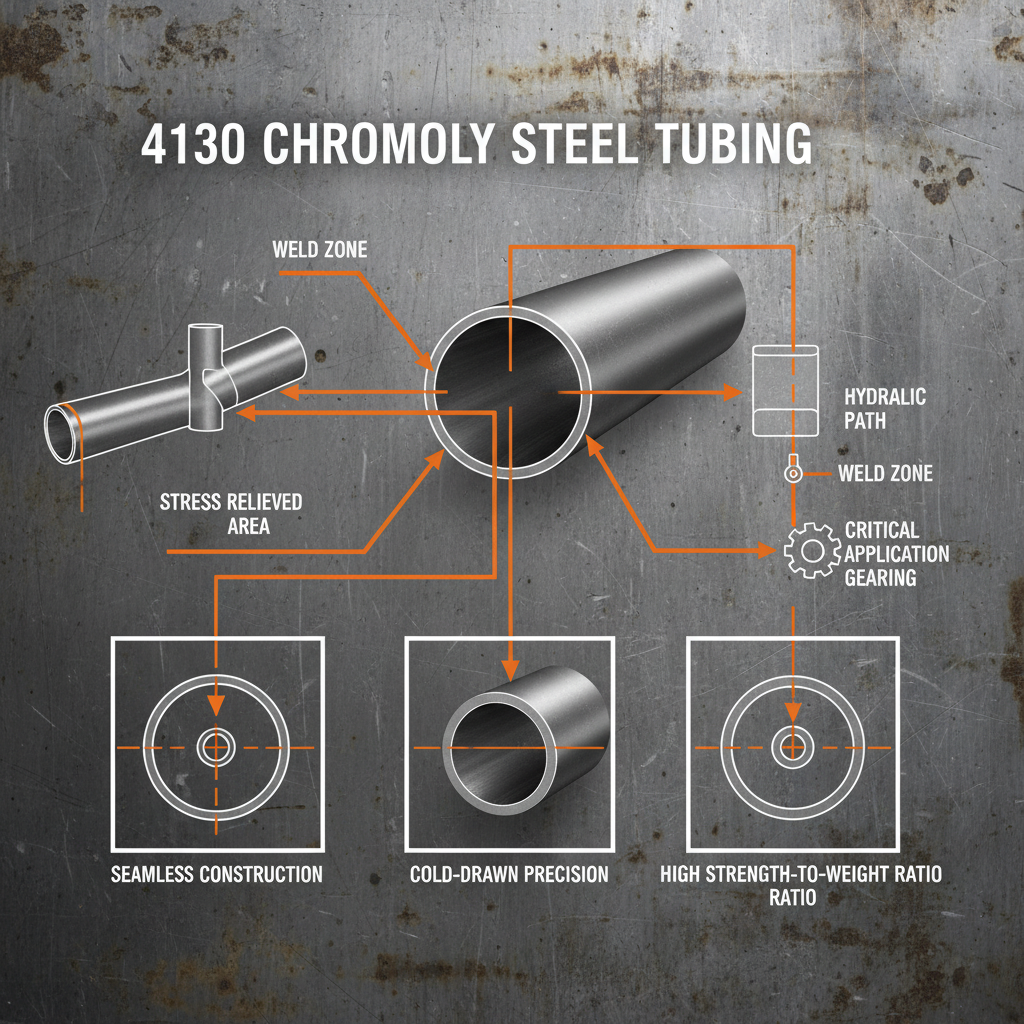
Ultimate Guide to 4130 Tubing Strength Performance and Applications
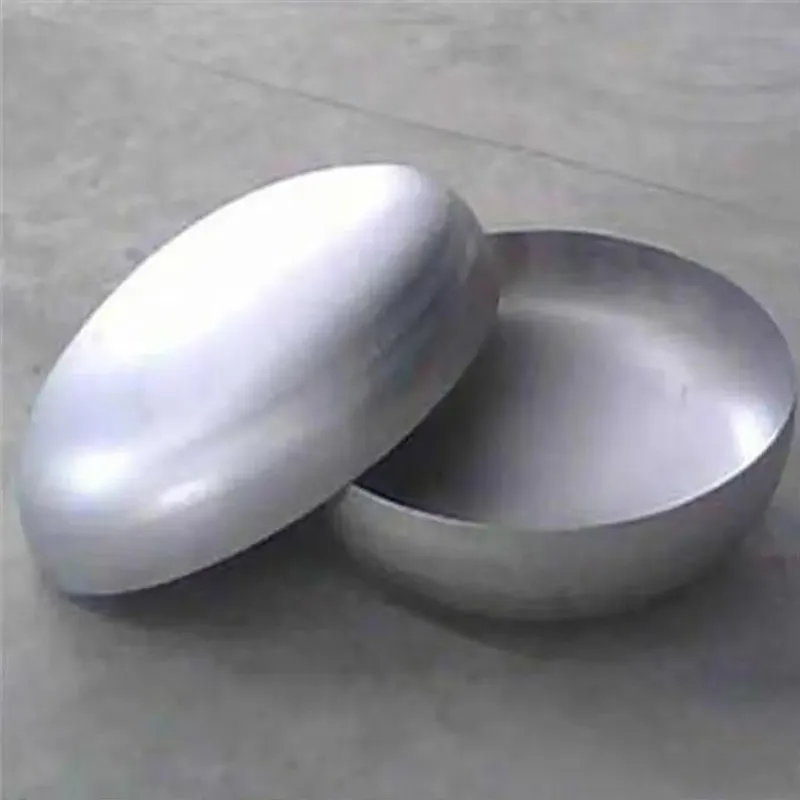
Pipe Cap-Cangzhou Lion Technology Co., Ltd.|Enhancing System Efficiency&Durability
Pipe Cap-Cangzhou Lion Technology Co., Ltd.|Enhancing System Efficiency&Durability
Pipe Cap-Cangzhou Lion Technology Co., Ltd.|Enhancing System Efficiency&Durability
Pipe Cap-Cangzhou Lion Technology Co., Ltd.|Enhancing System Efficiency&Durability
Pipe Cap-Cangzhou Lion Technology Co., Ltd.|Enhancing System Efficiency&Durability