Chrome tubes are more than just metal pipes with a shiny surface — they’re a crucial component in countless industrial and commercial applications worldwide. At first glance, they appear to be simple tubes plated with chromium to enhance durability and resistance to corrosion. But in reality, these tubes play a vital role in sectors ranging from automotive to oil and gas, delivering strength and longevity under harsh conditions.
Globally, the demand for chrome tubes is growing as industries face the twin pressures of higher performance expectations and sustainability goals. Understanding what chrome tubes are, how they function, and why they matter can save companies significant costs while pushing technical boundaries. Plus, given chromium-plating’s environmental implications, it’s an area ripe for innovation and eco-friendly improvements.
According to the International Chromium Development Association (ICDA), chromium plating has seen an annual growth of around 3-5%, fueled by expanding industrial infrastructure in Asia and the Americas. The World Bank cites that steel and related product exports, which include chrome-plated items, represent a multi-billion dollar market crucial to developing economies. And the automotive, aerospace, and oil extraction sectors all depend on chrome tubes to deliver lasting performance even under intense stress and temperature swings.
The challenge? Industries face corrosion, wear, and fatigue — processes that slowly erode equipment and cause costly downtime. Chrome tubes tackle many of these issues with their hardened, corrosion-resistant surfaces, extending asset lifecycles and reducing maintenance demands. Still, the technology isn’t perfect, and evolving environmental regulations push manufacturers to rethink materials and processes. But the promise of chrome tubes remains strong.
Simply put, chrome tubes are steel or alloy pipes coated with a thin layer of chromium metal, creating a protective barrier against rust and physical wear. The chromium plating method can vary — from electroplating to more advanced methods like electroless plating — but the goal is consistent: improve resistance to corrosion, increase surface hardness, and deliver a reflective, mirror-like finish.
In modern industry, these tubes find purpose wherever reliability and durability are paramount — whether transporting fluids in chemical plants or forming part of hydraulic and pneumatic systems in heavy machinery. Oddly enough, chrome tubes also trickle down into consumer products, like bicycle frames or fitness equipment, where resilience and aesthetic quality both matter.
Chromium’s natural resistance to oxidization means chrome tubes rarely rust even after long-term exposure to moisture or chemicals. Many engineers say that hard chrome plating can improve surface hardness up to 65 HRC (Rockwell hardness scale), a level that stops abrasion dead in its tracks.
Whether you need several meters of piping for industrial-scale operations or smaller diameter tubes for machinery, chrome tubes can be custom-ordered with exact wall thicknesses and lengths. Scalability paired with strict quality control is what makes them so desirable across highly technical projects.
Although chrome tubes cost more upfront than plain steel tubes, they ultimately cut down replacement frequency and maintenance costs by significant margins. It’s a classic case of paying a bit more today to avoid expensive failures tomorrow.
Chrome tubes can handle temperature extremes, chemical exposure, and high pressure environments, making them ideal for oil rigs, chemical plants, or even aerospace systems where failure is simply not an option.
Let’s not overlook the reflective, mirror-like finish that chrome plating provides — this often adds value in consumer-facing products, from decorative elements to sports equipment.
Mini Takeaway: Chrome tubes’ combination of strength, appearance, and resistance makes them indispensable for industries requiring high-performance piping solutions.
Chrome tubes’ applications are surprisingly diverse. In the Middle East, petrochemical plants rely heavily on chrome tubes to prevent corrosion in exposure to aggressive chemicals. Southeast Asian manufacturing hubs integrate them into conveyor and robotic systems for a mix of durability and precision.
In post-disaster relief scenarios, quick-deploy frameworks and temporary infrastructure sometimes use chrome tubes for lightweight structural supports — their corrosion resistance helping tremendously in humid or salty environments. And don’t forget automotive: almost every car engine has various chrome-plated components that increase internal efficiency and lifespan.
chrome tubes often pop up in real-world engineering challenges, and many firms appreciate the balance of long-term reliability and moderate cost they strike.
| Specification | Value/Range | Notes |
|---|---|---|
| Material Base | Steel Alloy (AISI 1018, 4140) | Common industrial grades |
| Chromium Plating Thickness | 5-30 microns | Variable based on use case |
| Surface Hardness | 50-65 HRC | Resists mechanical wear |
| Diameter Range | 5 mm – 300 mm | Customizable per project |
| Max Operating Temp. | 250°C (482°F) | Above this, degrade risks rise |
| Features | Vendor A | Vendor B | Vendor C |
|---|---|---|---|
| Lead Time | 2-3 weeks | 1 week | 4 weeks |
| Customization Options | High | Moderate | High |
| Certifications (ISO) | ISO 9001, ISO 14001 | ISO 9001 only | None |
| Sustainability Practices | Uses eco-friendly plating | Standard process | No info |
| Pricing | $$$ (premium) | $$ (mid-range) | $ (budget) |
Investing in chrome tubes is really about peace of mind, combined with smart economics. Equipment failures due to corrosion cost global industries billions each year. Chrome tubes reduce those risks substantially — meaning fewer shutdowns, fewer spills, less downtime, and fewer safety incidents.
Beyond just dollars, there’s a social impact angle. Reliable infrastructure means workers operate safely and confidently. It means less environmental contamination and a smaller carbon footprint, particularly when manufacturers adopt greener plating technologies.
And at the emotional level, designers and engineers take pride in specifying products that perform under fire — literally or figuratively — and that build trust with clients and stakeholders. Chrome tubes, oddly enough, are a quiet kind of hero.
The trends shaping the chrome tubes industry are fascinating. Green chemistry is pushing chromium plating into less toxic, less energy-hungry formats. Digital manufacturing and automation now allow ultra-precise coatings and rapid quality testing.
Imagine chrome tubes embedded with sensors that monitor wear in real time, transmitting data for predictive maintenance — that's not sci-fi anymore. The integration of smart technology promises to elevate chrome tubes from passive parts to active participants in the industrial internet of things (IIoT).
Despite their strengths, chrome tubes face hurdles. The chromium plating process uses chemicals that pose environmental and health risks if not managed properly. Also, not every project has budget room for premium plating.
The good news? Advances in non-toxic plating alternatives and recycling programs minimize waste streams. Some suppliers now offer hybrid tubes combining chrome plating with polymer layers to cut costs without sacrificing performance.
Yes, chrome tubes are excellent for underwater use because chromium plating provides strong corrosion resistance against moisture and saltwater. However, for extremely long-term marine exposure, special composites or additional coatings might be required to enhance durability.
The chromium plating adds only a very thin layer (typically 5-30 microns), so weight increase is negligible for most applications. The base steel material determines the tube’s overall weight, so specifying the right alloy is more critical if weight is a concern.
Yes, worn chrome tubes can often be re-plated, restoring surface hardness and corrosion resistance. It requires cleaning, sanding, and reapplying the chromium layer, usually via electroplating. This process extends tube life significantly.
The tubes themselves are safe during use, but the plating process involves chemicals that need proper handling and disposal. Many certified suppliers follow ISO environmental standards to ensure plating is done responsibly.
Very customizable — vendors can adjust diameter, wall thickness, plating thickness, and finish quality. Some suppliers also offer heat treatment and bending services to meet precise application criteria.
Chrome tubes might just look like bright, shiny tubes — but behind their surface is a wealth of engineering finesse, global economic importance, and ongoing technological development. Their role in enhancing durability, safety, and efficiency means industries can push forward with confidence.
Interested in upgrading your project with high-quality chrome tubes? Visit our website today to explore the full range of technical specs, customization options, and expert advice to help you shine in your next industrial venture.
Mini takeaway: Chrome tubes are a smart, sustainable investment backed by evolving innovation and proven real-world results.
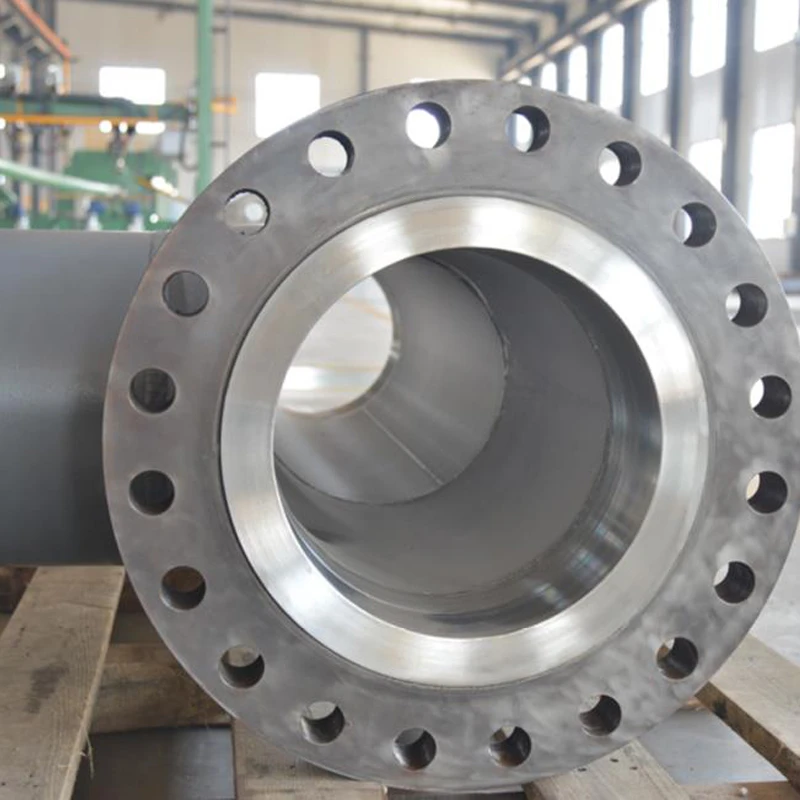
Factory Prefabricated Products
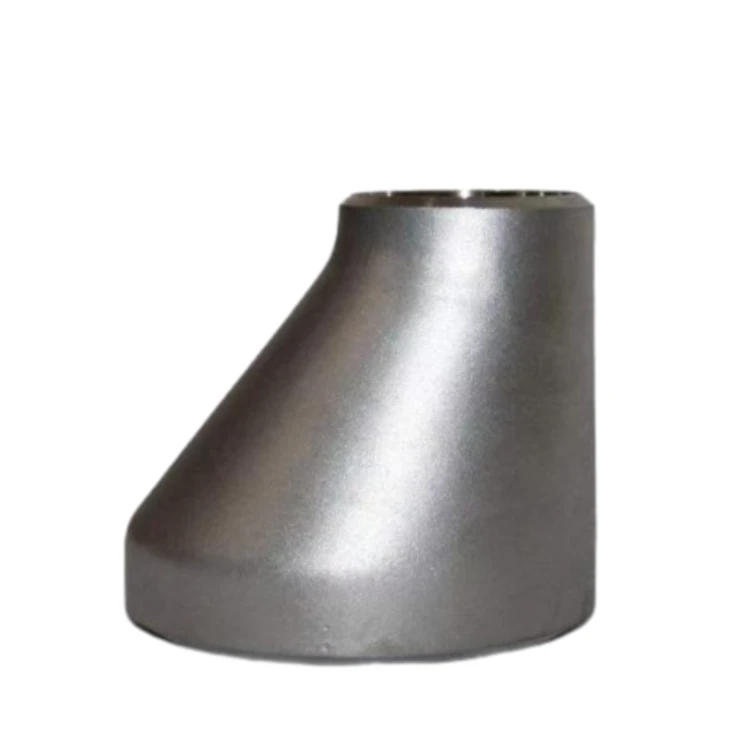
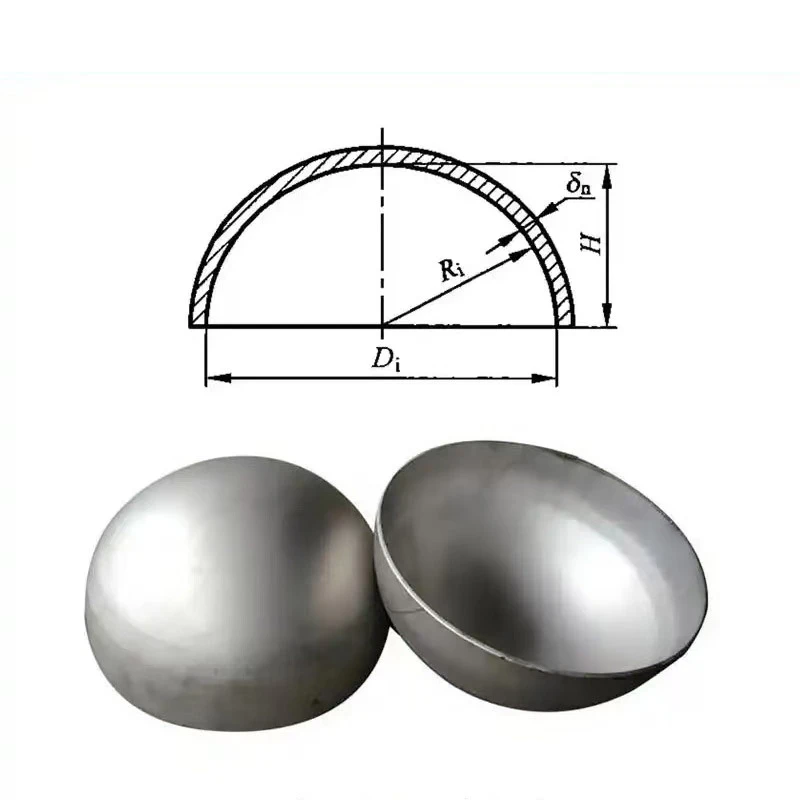

Ultimate Guide to 4130 Tubing Strength Performance and Applications
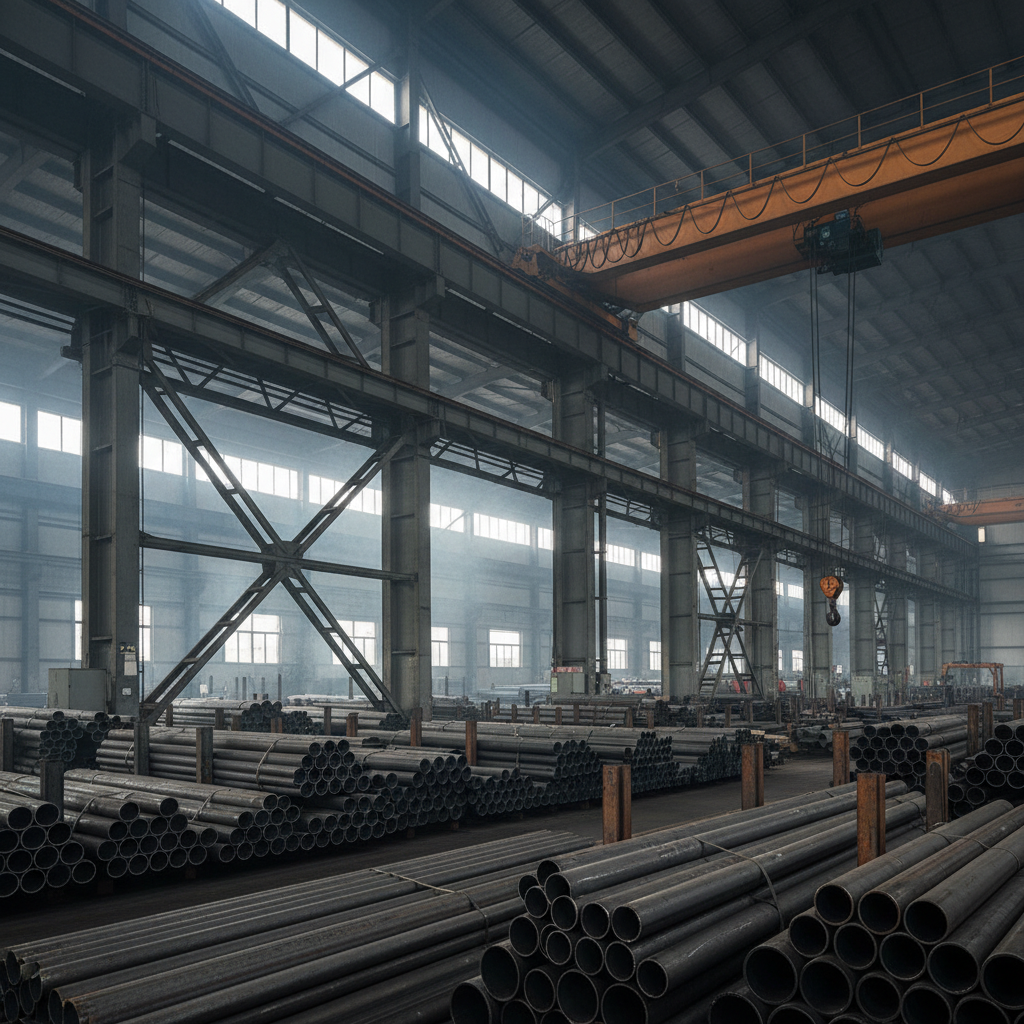
Properties and Industrial Applications of 4130 steel tubing
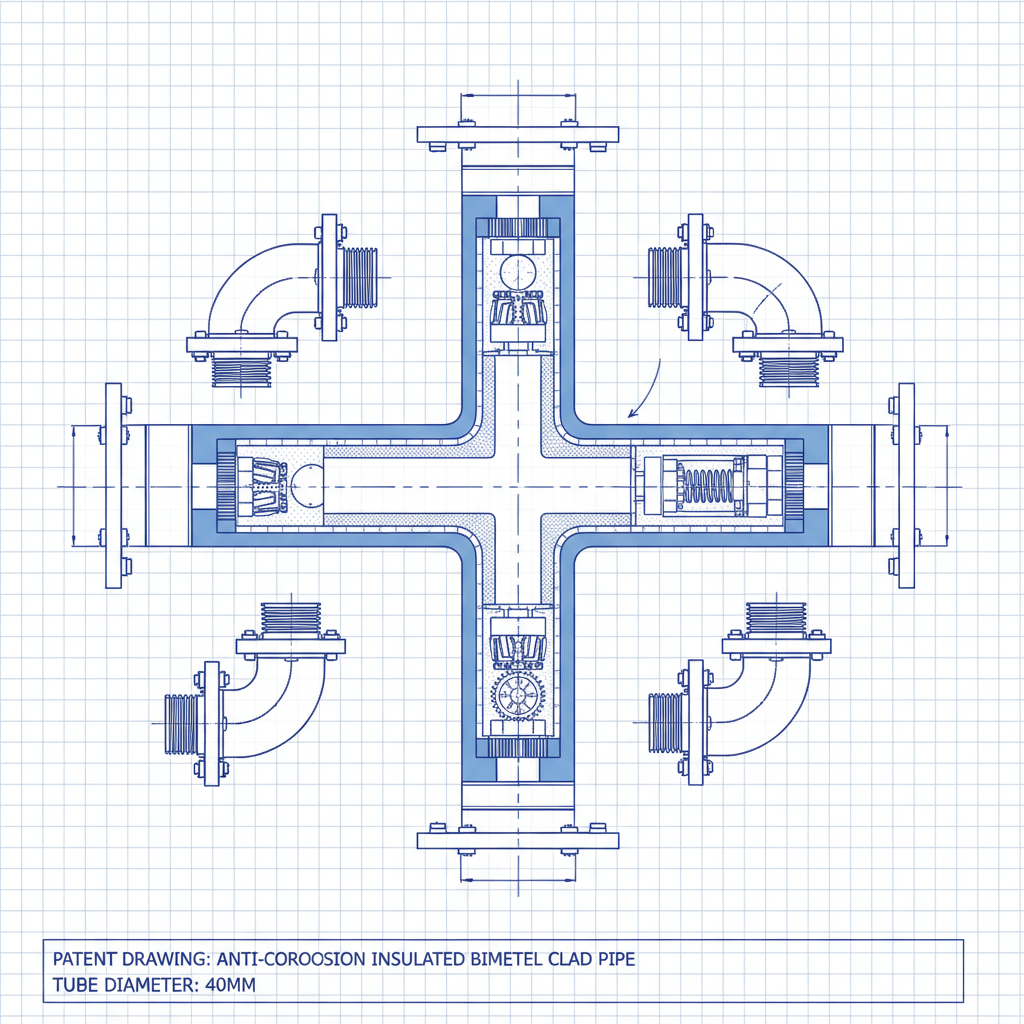
Comprehensive Guide to 40mm Steel Tube Applications and Material Selection
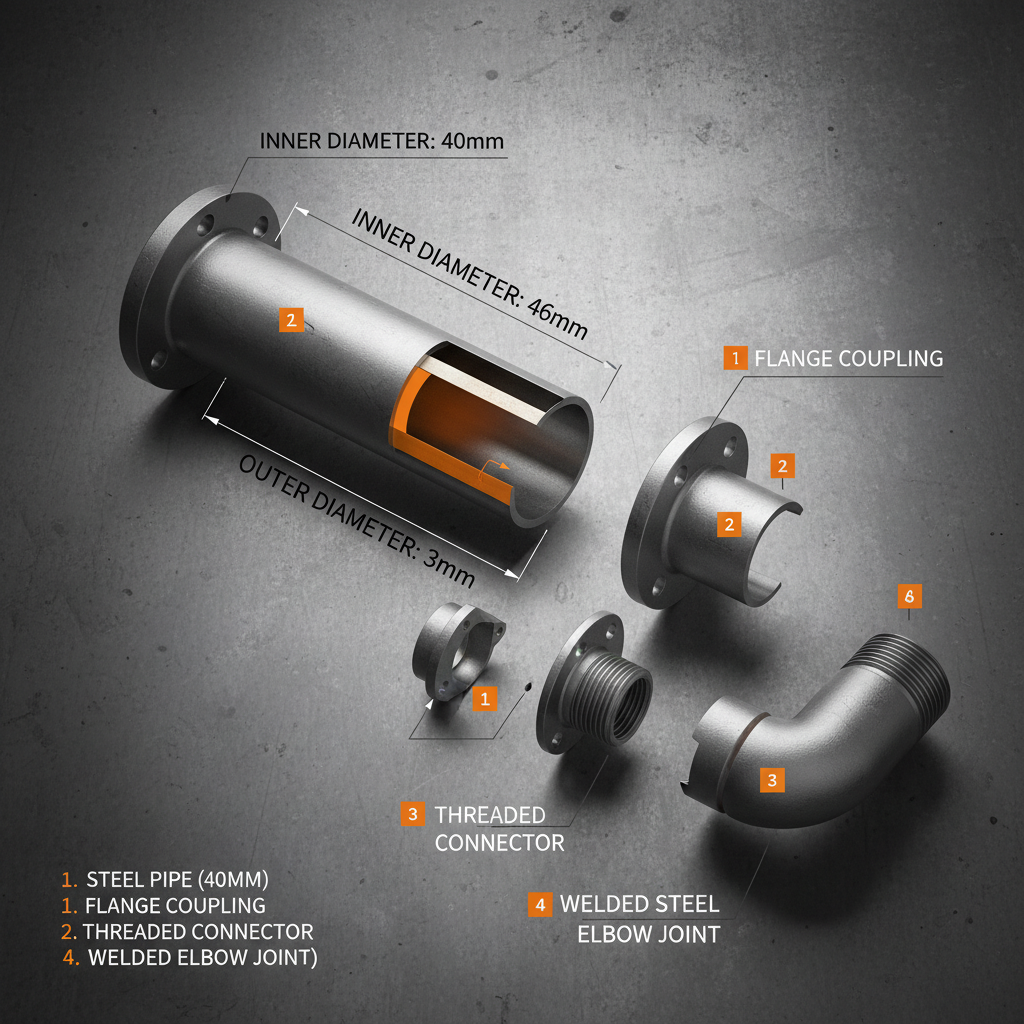
Comprehensive Guide to 40mm Steel Pipe Applications and Considerations
Comprehensive Guide to 40mm Metal Pipe Applications and Sourcing
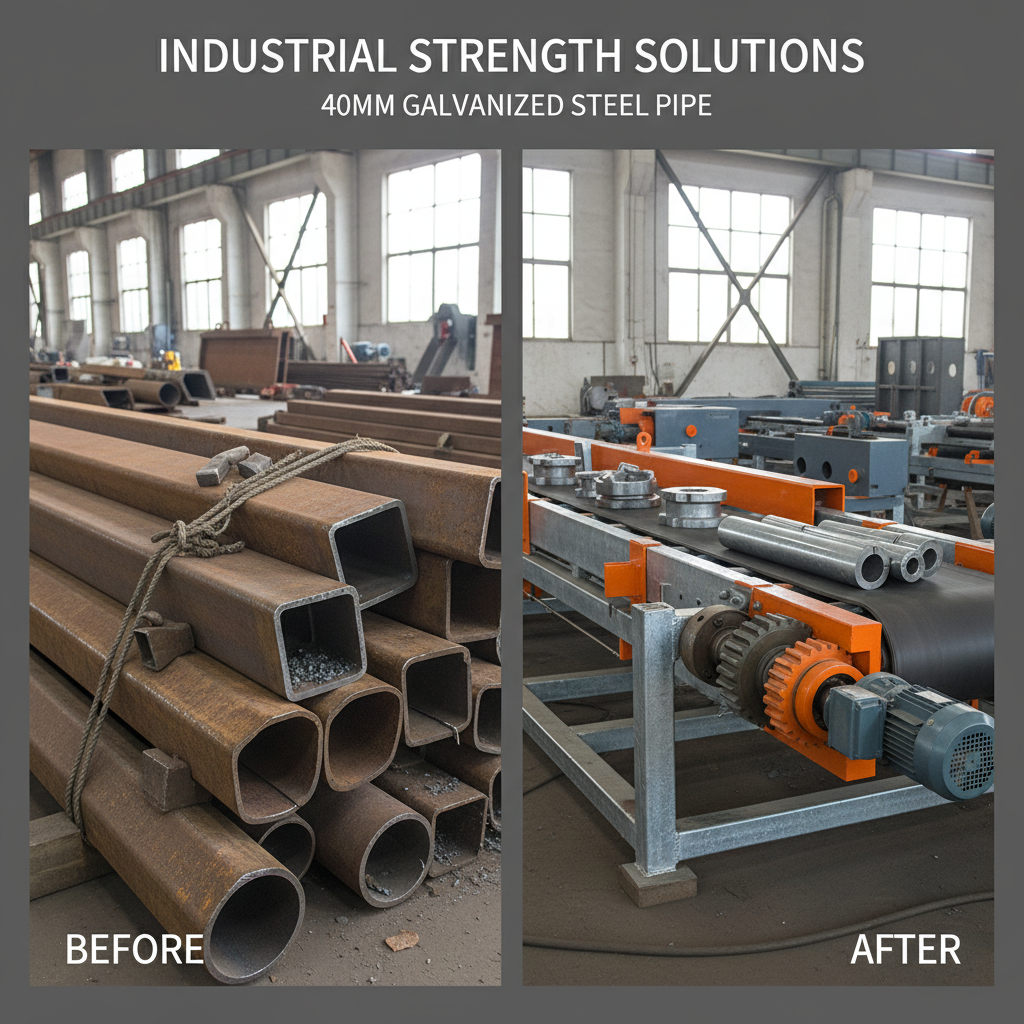
Comprehensive Guide to 40mm Galvanised Pipe Applications and Specifications