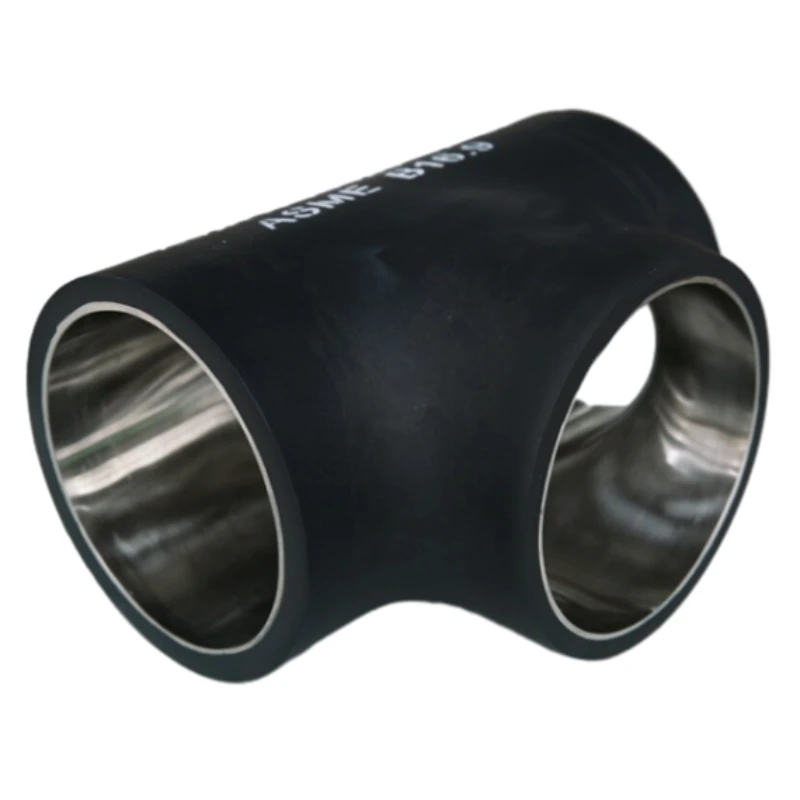
At first glance, chromoly pipe might just seem like another metal tube among the millions out there—but it's really far more than that. This particular alloy pipe is a quiet workhorse across industries and continents, offering a unique combination of strength, weight, and durability that modern infrastructure depends on. From handling intense pressures in oil fields to forming the skeletons of aircraft components, understanding what chromoly pipes bring to the table means appreciating a vital backbone of global industry, innovation, and sustainability.
Why does this matter now? Well, with growing urbanization, infrastructure demands, and climate considerations, using materials that deliver long-term reliability with less environmental impact is becoming non-negotiable. Chromoly pipe hits that sweet spot.
Around the world, steel production is a massive driver of industrial activity. According to the World Steel Association, global crude steel output topped 1.9 billion metric tons in recent years, showcasing the sheer scale of demand for durable materials. Within this mammoth number, specialized alloys like those based on chromium-molybdenum—hence “chromoly”—play an outsized role.
Industry research reports (like those indexed by ISO standards on steel grades) highlight chromoly pipe’s increased tolerance to corrosion and tensile stress compared to regular carbon steel, making it ideal for rugged, long-term use. In fact, regions with tough environmental or industrial conditions, like Middle Eastern oil fields or Northern European chemical plants, often rely heavily on these pipes to reduce failures and costly downtime.
However, challenges like rising raw material costs and supply chain bottlenecks have pushed engineers and purchasers to rethink their approach to chromoly piping solutions. It’s a balancing act between quality, quantity, and affordability.
Put simply, chromoly pipe is a type of steel pipe alloyed primarily with chromium and molybdenum. These two elements enhance strength, heat resistance, and corrosion protection. The term “chromoly” itself is a shorthand for this chromium-molybdenum steel. It’s important to note it’s not just one grade; chromoly steel comes in several grades with different percentages of these alloys.
This pipe’s strength-to-weight ratio is one of its key advantages —think stronger than standard steel at a fraction of the weight. That kind of efficiency supports everything from aerospace to humanitarian infrastructure—where light, durable components save cost, space, and effort.
Chromoly pipes are built to last under heavy stress, offering high tensile strength and excellent fatigue resistance. This means pipelines endure fluctuating pressures without cracking—a must-have in gas or chemical transport.
Thanks to chromium, chromoly pipes resist rust and oxidation better than plain steel. In coastal or chemically aggressive environments, this property significantly lengthens pipe life, reducing maintenance.
Oddly enough, these pipes weigh far less than you'd guess for the strength they hold. This characteristic simplifies installation logistics—fewer cranes, less fuel—helping remote projects tremendously.
While chromoly pipe can come at a premium initially, over their lifespan they often save money by cutting down repairs, replacements, and unexpected failures. Some suppliers even offer custom-cut lengths and finishes to minimize waste.
Industries that operate under extreme temperatures or pressure swings—like power plants—depend on chromoly pipe’s superior performance under stress. They rarely deform or fail unexpectedly.
| Specification | Typical Range | Notes |
|---|---|---|
| Chemical Composition | Chromium 0.8-1.25%, Molybdenum 0.15-0.25% | Varies by grade (e.g., 4130 vs. 4140) |
| Tensile Strength | 560 - 700 MPa | High strength alloys |
| Yield Strength | 460 - 620 MPa | Dependent on heat treatment |
| Hardness (Brinell) | 197-235 HB | Varies with tempering |
| Wall Thickness | 1.5 - 10 mm | Customizable for durability needs |
Mini takeaway: Chromoly pipe is not just stronger steel—it’s the outcome of thoughtful alloying and engineering to meet harsh, demanding environments with minimal fuss.
Chromoly pipe’s versatility shines across the globe. In the oil-rich deserts of the Middle East, it carries hydrocarbons safely over long distances, resisting corrosion from heat and sand. In steel and chemical plants of Europe and Asia, it forms the arteries of supply networks where failure is not an option.
Take humanitarian aid: post-disaster relief teams often rely on rugged temporary water and fuel pipelines made of chromoly pipe. The lightweight nature allows quick setup, while durability ensures no sudden leakages. It’s one less thing for aid workers to worry about in chaotic environments.
Even in aerospace, this material forms parts of fuselage and landing gear, where every pound saved means huge fuel savings and safety margins.
Industries in regions like North America, Southeast Asia, and Northern Europe systematically prefer chromoly alloy piping because it balances rigorous regulation compliance with durability and cost-effectiveness.
The future here is exciting—combining materials science with digital tools. Advanced coatings, nano-layer technologies, and 3D laser scanning for flaw detection are on the rise. Plus, as green energy initiatives push pipelines for hydrogen and carbon capture, chromoly pipe adapts to these new chemical environments.
Innovations like automated welding robots with real-time quality monitoring promise better consistency and faster deployment. It feels like the combination of chemistry and technology could reinvent even this century-old material.
It isn’t all roses, though. A few hiccups include its sensitivity to improper heat treatment, which can cause brittleness, and the premium price compared to carbon steel. Also, availability fluctuates with chromium and molybdenum market swings.
The good news? Many manufacturers now offer better heat-treatment controls and mix alloy grades cleverly to optimize costs without sacrificing strength. Regional sourcing strategies reduce dependency on volatile supply lines.
| Vendor | Specialty | Typical Lead Time | Custom Order Flexibility | Price Range |
|---|---|---|---|---|
| GlobalSteel Corp. | High-grade aerospace alloy | 6-8 weeks | High | $$$ |
| MidEast Metals | Oilfield-grade chromoly pipes | 4-6 weeks | Medium | $$ |
| EcoPipe Solutions | Sustainable coatings, green tech | 8-12 weeks | High | $$$ |
| QuickPipe Inc. | Fast delivery, custom sizes | 2-3 weeks | Low | $ |
A1: Chromoly pipe offers significantly higher strength and corrosion resistance compared to standard carbon steel. This means it can handle more pressure and last longer in challenging environments, justifying its higher upfront cost.
A2: Key industries include oil and gas, aerospace, automotive, chemical processing, and infrastructure projects. Its properties suit any application needing lightweight, strong, and resilient piping.
A3: Yes, but welding requires expertise to avoid issues like brittleness or cracking. Specific welding techniques and post-weld heat treatment are recommended for optimal results.
A4: With proper selection and maintenance, chromoly pipes can last 20 to 30 years or more in demanding conditions, far surpassing many standard steel pipes.
A5: Absolutely. Vendors are increasingly offering chromoly pipes with sustainable coatings or sourced from more responsible steelmaking practices, reflecting the push for greener industrial materials.
To sum it up, chromoly pipe offers a reliable, durable, and efficient solution to the varied demands facing industries worldwide today. From cutting costs in maintenance to enabling innovative engineering designs, it holds a special place in modern industrial supply chains and infrastructure initiatives. Whether you're in heavy industry, transport, or humanitarian projects, understanding chromoly pipe’s properties and sourcing right can make a big difference.
Ready to explore reliable chromoly pipe options? Visit our website: https://www.lion-pipeline.com for specs, custom options, and expert support.

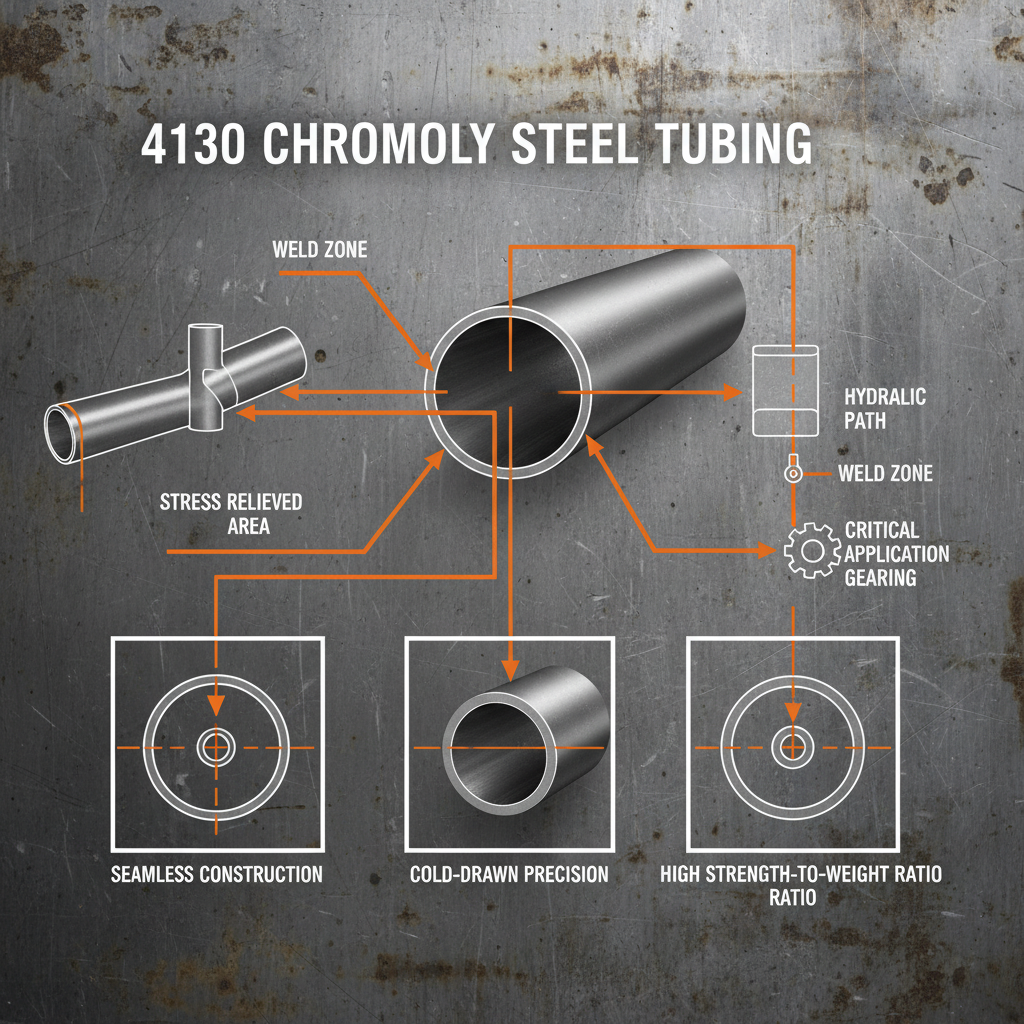
Ultimate Guide to 4130 Tubing Strength Performance and Applications
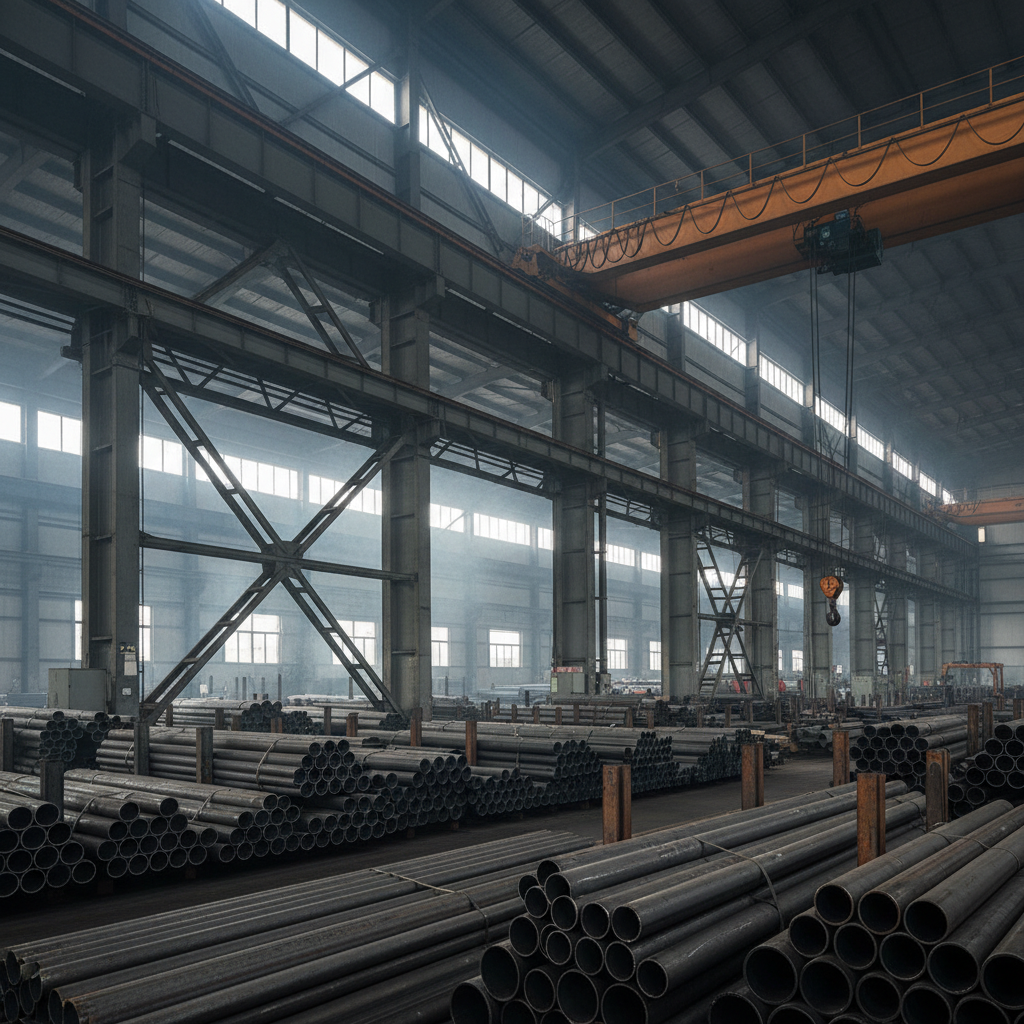
Properties and Industrial Applications of 4130 steel tubing
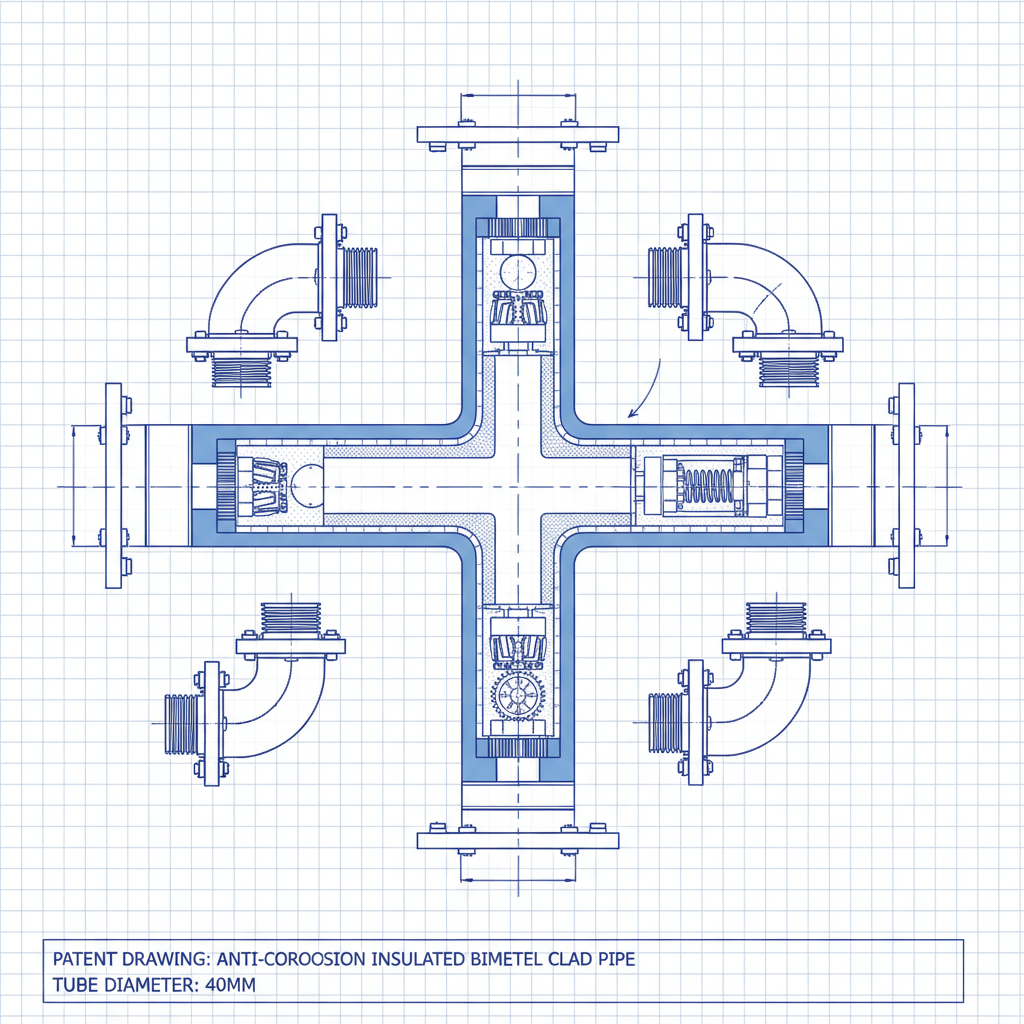
Comprehensive Guide to 40mm Steel Tube Applications and Material Selection
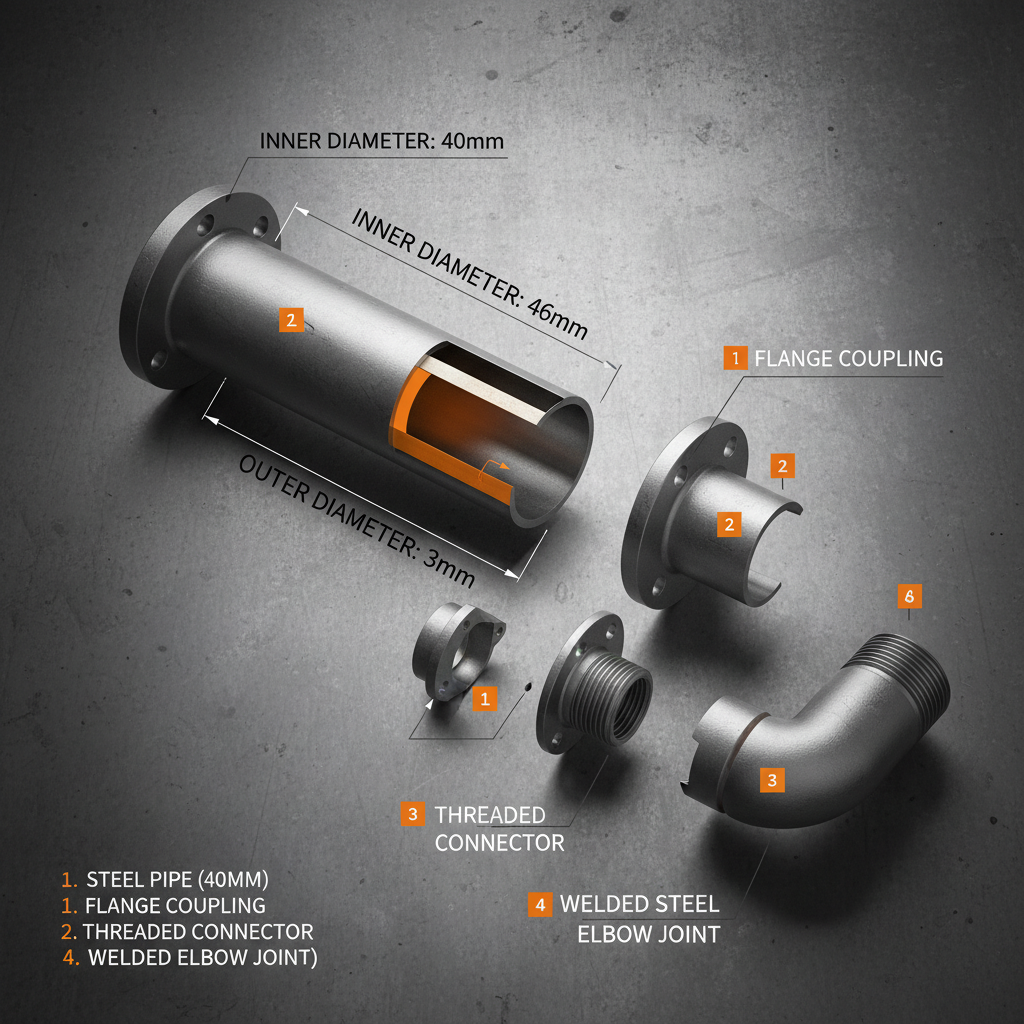
Comprehensive Guide to 40mm Steel Pipe Applications and Considerations
Comprehensive Guide to 40mm Metal Pipe Applications and Sourcing
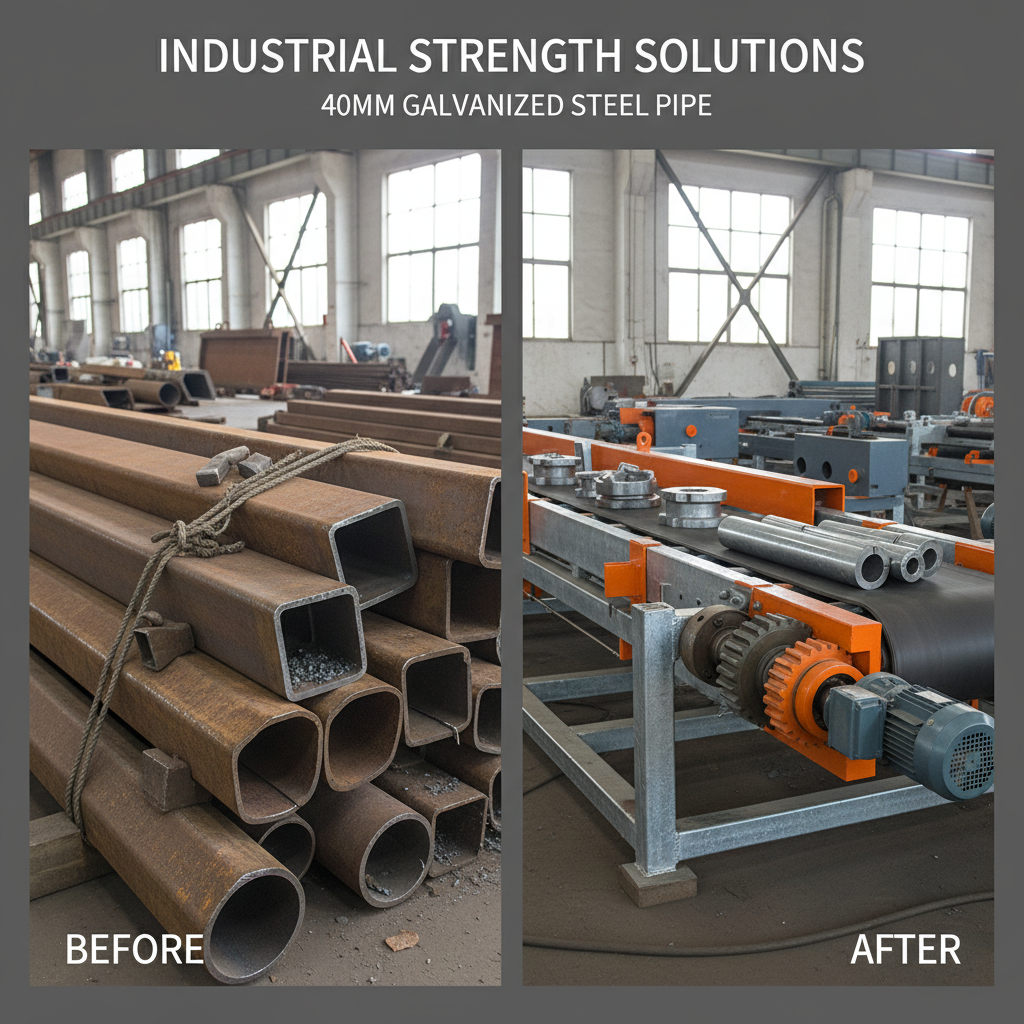
Comprehensive Guide to 40mm Galvanised Pipe Applications and Specifications