If you’ve ever considered the backbone of sturdy, lightweight metal frameworks used worldwide — say, in automotive chassis, aerospace, or even humanitarian shelters — chromoly square tubing is probably in those conversations. But what exactly is it, and why are industries from Asia to America investing heavily in it? Simply put, chromoly steel is a blend of chromium and molybdenum added to steel, creating an alloy that balances remarkable strength with lighter weight. When formed into square tubing, it becomes a workhorse material for many demanding applications.
This article digs deep into chromoly square tubing’s global relevance — it’s a quiet hero, helping build everything from rugged mountain bike frames to emergency shelter structures in disaster zones. Understanding it isn’t just industrial trivia; it’s about appreciating how innovation in materials can deliver safety, cost-efficiency, and sustainability worldwide.
Globally, steel remains one of the most crucial construction and manufacturing materials. According to World Steel Association, roughly 1.9 billion metric tons of steel were produced worldwide in 2022. Materials like chromoly square tubing, which offer superior strength-to-weight ratios, are gaining traction due to factors such as rising transportation costs, environmental concerns, and the ongoing push for safer, more durable infrastructure.
Moreover, organizations like the International Organization for Standardization (ISO) highlight the crucial role of advanced steel alloys in achieving sustainable development goals (SDGs) through longer-lasting, recyclable materials. In disaster response scenarios, for instance, the rapid deployment of robust, lightweight structures is a matter of lives saved, and chromoly tubing often fits the bill perfectly.
Still, the challenge remains—balancing cost with performance. Chromoly square tubing answers this challenge by being both strong and surprisingly economical, especially compared to custom alloys or composites used elsewhere.
At its core, chromoly square tubing is a tubular steel product made from an alloy containing chromium (Cr) and molybdenum (Mo) along with iron, carbon, and other elements. The term 'chromoly' comes from these two alloying components, which provide enhanced durability and resistance to corrosion and heat.
Unlike plain carbon steel tubing, chromoly's alloy matrix allows it to bear stresses without bending or breaking easily. When shaped into square tubing, it’s ideal for applications requiring well-defined edges, easy joining, and structural integrity. Think of it as the “Swiss Army knife” of tubing — reliable in automotive roll cages, bicycle frames, and rapidly manufactured shelters, especially where strength matters most but weight must stay low.
Chromium and molybdenum fortify the steel matrix, giving chromoly tubing superior tensile strength and toughness. This means it can withstand more stress, shock, or vibration without failing — a crucial factor for high-stress frameworks such as racing vehicle chassis or earthquake-resistant modular buildings.
Compared with traditional mild steel tubing of the same size, chromoly square tubing offers comparable or better strength at a fraction of the weight. This weight savings translates directly to enhanced fuel efficiency in vehicles and ease of transport in construction projects, especially remote or temporary sites.
While not stainless steel, the chromium content enhances surface resistance to rust and oxidation, extending the lifespan and reducing maintenance in outdoor or humid environments.
It’s worth noting that chromoly square tubing can be welded, bent, and machined relatively easily with the right techniques — an important feature for custom fabrication. Not all steel alloys allow this kind of flexible manipulation, and for many manufacturers, this is a decisive practical advantage.
Though more expensive than plain carbon steel, chromoly’s long-term value outshines initial costs. It balances performance and lifecycle costs — especially when factoring maintenance and replacement — making it more affordable for many industrial and humanitarian uses.
Chromoly square tubing’s versatility is evident across many regions and industries. Here are a few snapshots:
In each case, chromoly square tubing enables solutions that are reliable, sustainable, and efficient — a triple win in any industry.
Whether keeping cyclists safe on rough trails or providing shelter after a hurricane, chromoly square tubing actively supports global demands for lightweight strength.
Beyond basic engineering specs, the appeal of chromoly tubing is tied to tangible benefits:
| Property | Typical Value | Unit |
|---|---|---|
| Chemical Composition | 0.28-0.33% C, 0.8-1.1% Cr, 0.15-0.25% Mo | % |
| Yield Strength | 75,000–90,000 | psi |
| Tensile Strength | 95,000–110,000 | psi |
| Density | 7.85 | g/cm³ |
| Typical Dimensions (square tubing) | 0.5"–4" width/thickness | inches |
| Vendor | Available Grades | Customization | Typical Lead Time | Price Range |
|---|---|---|---|---|
| SteelPro Ltd. | 4130, 4140, custom alloys | Cut-to-length, custom thickness | 2–4 weeks | $$ |
| Global Metals Inc. | Standard 4130 | Limited | 1–2 weeks | $ |
| Custom Tube Masters | Wide range of chromoly alloys | Highly customizable; bends & welds | 3–5 weeks | $$$ |
We’re seeing rapid movement around greener production methods and improved alloy recipes. The push for sustainable materials means chromoly square tubing makers are innovating with lower-carbon steel feeds and exploring coatings that further prolong lifespan without toxic chemicals.
On the digital front, automated welding and robotic tube bending improve precision and scalability — a huge boost for custom building projects and rapid prototyping.
Also fascinating are developments in IoT (Internet of Things) sensors embedded in structural tubing to monitor stress and fatigue in real time, perhaps a game changer for safety inspections, especially in critical infrastructure or emergency shelters.
As great as chromoly square tubing is, it does come with challenges. Cost remains a hurdle for some small-scale users. Also, welding requires skill—an untrained technician might introduce fractures or weak welds. For corrosion, while better than mild steel, it’s no match for stainless in certain harsh marine environments.
Possible fixes: Educating fabricators on proper welding techniques and investing in protective coatings or powder coatings can mitigate corrosion. For cost, pooling orders or working with suppliers offering custom small-batch production helps smaller users access this alloy.
It almost feels like every engineer has a soft spot for chromoly square tubing — it’s one of those materials that almost effortlessly balances performance, cost, and sustainability. From rugged race cars to emergency shelters in disaster zones, it quietly underpins projects that matter globally.
If you’re looking to boost your next project with reliable, lightweight, and strong materials, chromoly square tubing might just be your secret weapon. Worth a closer look, I’d say.

Ultimate Guide to 4130 Tubing Strength Performance and Applications
Properties and Industrial Applications of 4130 steel tubing
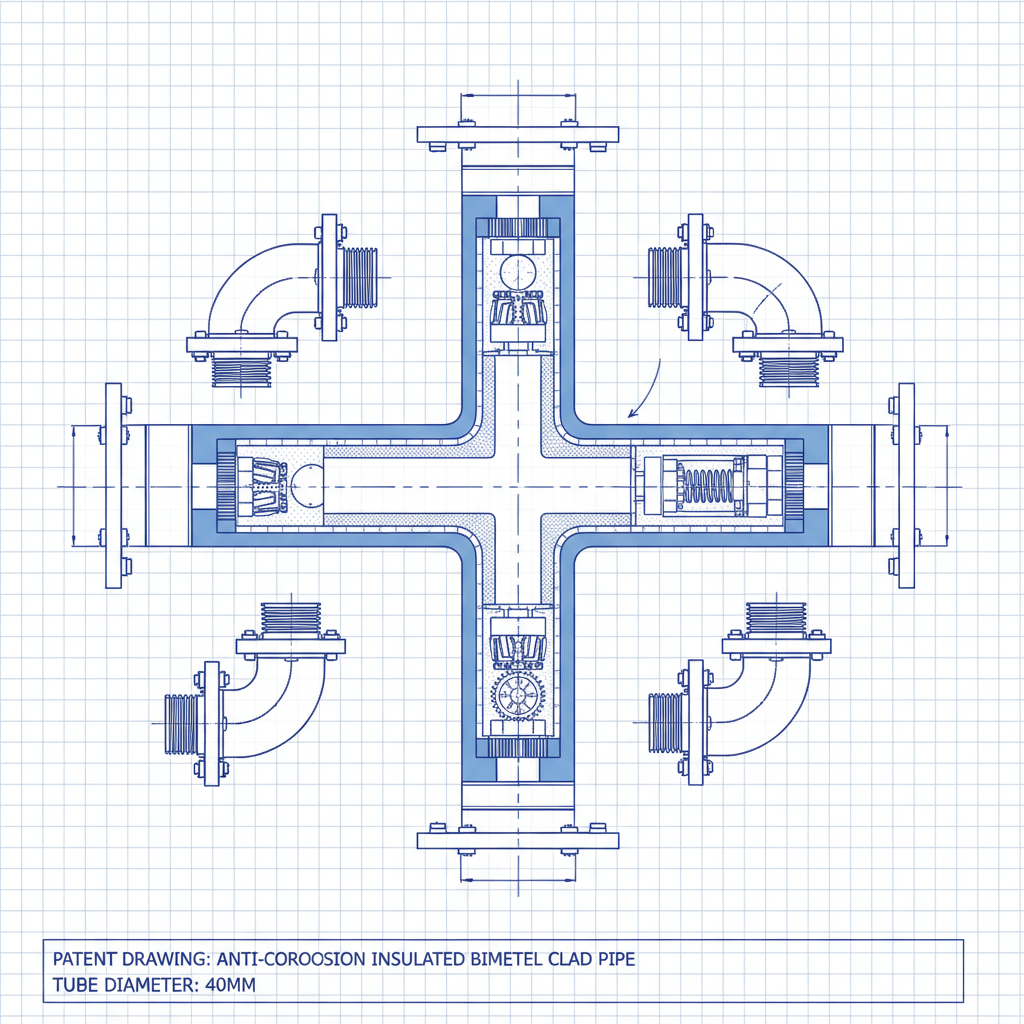
Comprehensive Guide to 40mm Steel Tube Applications and Material Selection
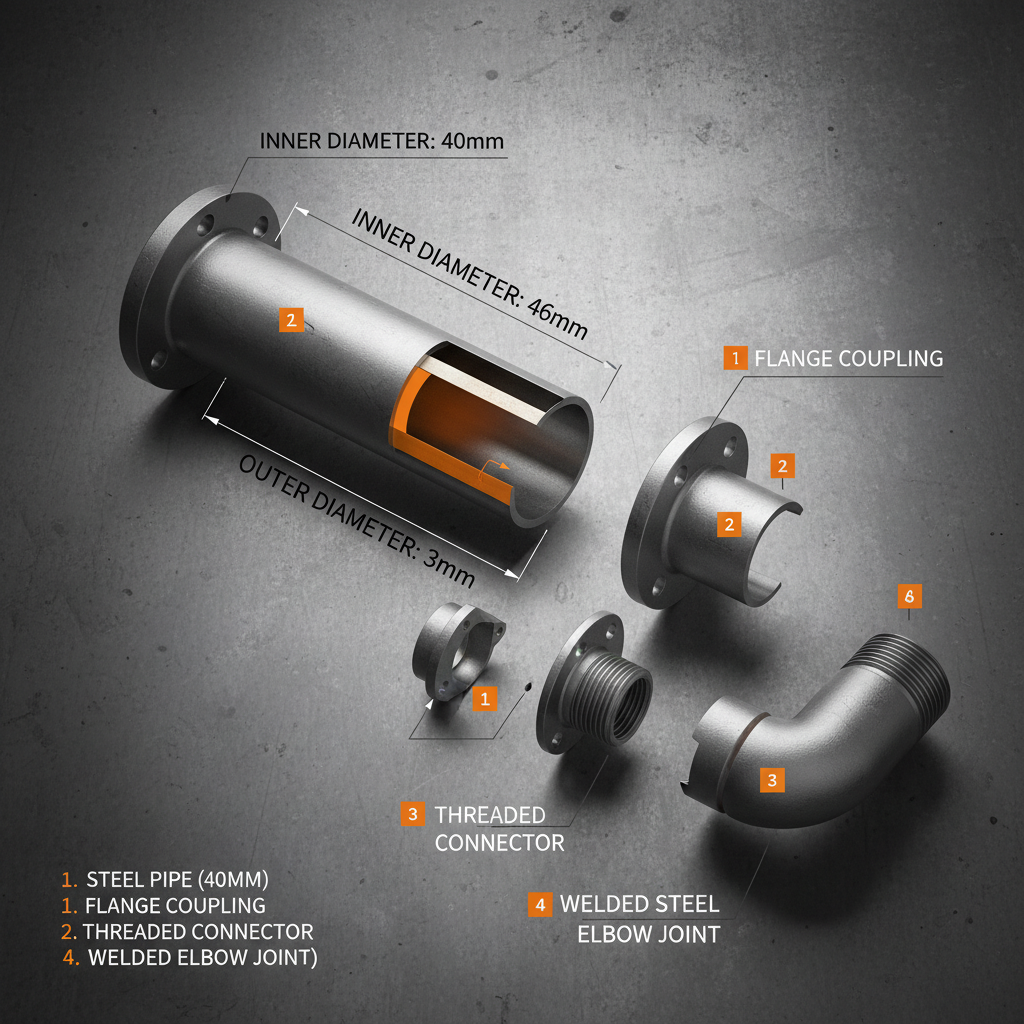
Comprehensive Guide to 40mm Steel Pipe Applications and Considerations
Comprehensive Guide to 40mm Metal Pipe Applications and Sourcing
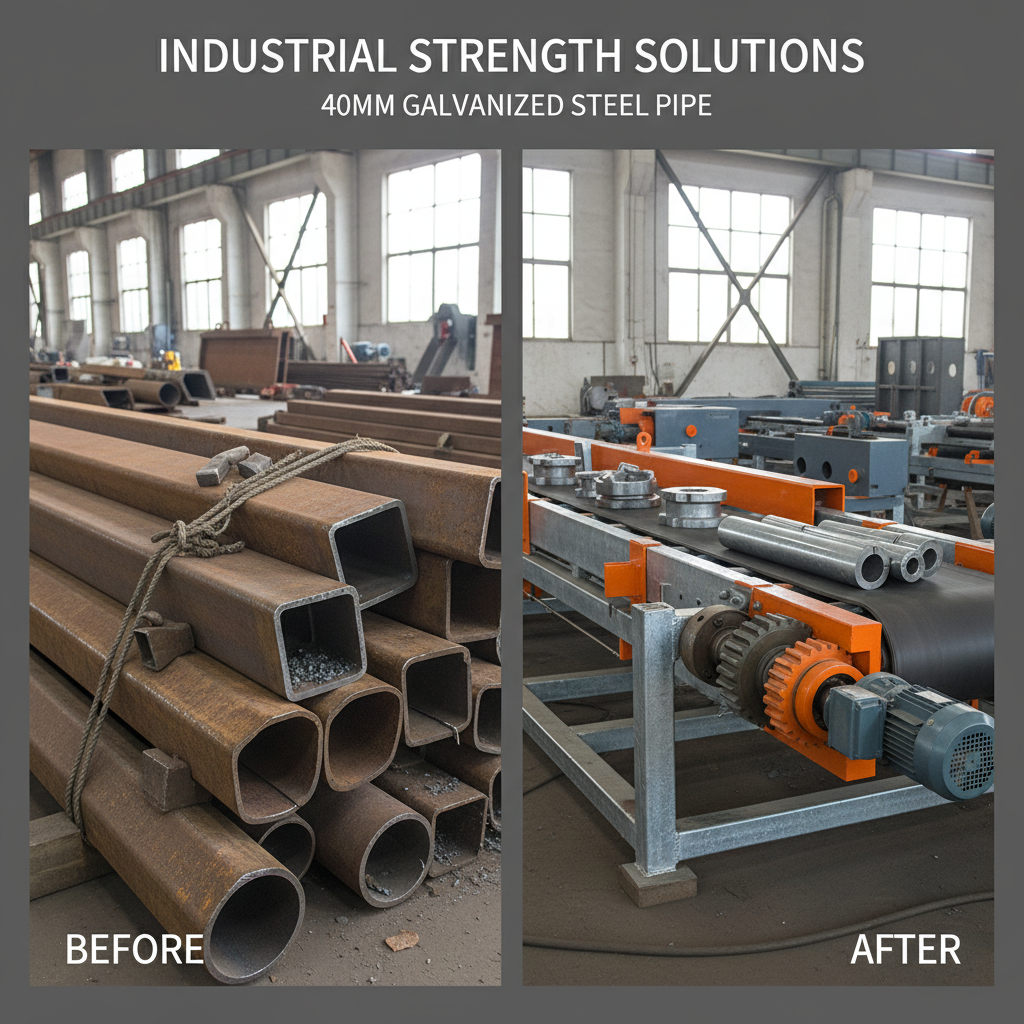
Comprehensive Guide to 40mm Galvanised Pipe Applications and Specifications