If you’ve ever paused to think about the tubes supporting your urban infrastructure or the frames in automotive industries, you might not have realized the humble flat sided oval tube plays a surprisingly important role. Globally, these uniquely shaped tubes contribute to diverse sectors—from construction to transportation, and even humanitarian engineering. It matters because their design optimizes strength, weight, and cost, helping projects worldwide become more efficient and sustainable — something that’s increasingly critical as industries look for smarter, greener solutions.
Understanding flat sided oval tubes isn’t just for engineers or product designers anymore; their influence touches our everyday lives, whether through safer buildings or more reliable industrial machinery.
According to the International Organization for Standardization and engineering bodies like the American Society for Testing and Materials (ASTM), the profile and shape of tubes have a measurable impact on structural integrity and resource efficiency. The flat sided oval tube, unlike the traditional round or rectangular tubes, offers a clever middle ground—improving load distribution while consuming less material.
Globally, infrastructure development is on the rise, especially in emerging markets where rapid urbanization demands cost-effective yet durable building materials. The World Bank estimates that infrastructure investments will target over $90 trillion globally by 2030, hinting at huge demand for construction components that can be easily manufactured and customized. The flat sided oval tube addresses these challenges head-on, solving problems related to weight loading and material fatigue — a real headache in industrial and humanitarian projects alike.
Simply put, a flat sided oval tube is a steel or metal tube featuring an oval cross-section with at least two flattened sides instead of being perfectly rounded. This design is not only visually distinct but functionally clever. The flattened portions allow for better fixture with flat panels or mounting brackets, which is why they’re popular in automotive chassis, conveyor frames, and modular construction units.
In a humanitarian setting, such tubes form part of fast-deployment shelters or temporary medical units, where ease of assembly, strength, and versatility are paramount. Their form combines rigidity with flexibility, crucial in disaster zones or remote regions where materials must be both reliable and easy to handle.
Flat sided oval tubes are engineered to resist bending and twisting better than simple round tubes of the same weight. The geometry increases moment of inertia along critical axes, meaning structures stay stable under load — key when these tubes form scaffolding or vehicle frames.
Thanks to their shape, fewer raw materials are needed to achieve the same structural strength compared to bulky rectangular tubes. This leads to lower transportation costs and less environmental impact — a small win for sustainability that adds up globally.
The flat sides make it easier to weld or bolt alongside other flat components, creating more reliable joints and reducing assembly times. Many engineers attest to smoother manufacturing workflows with flat sided profiles.
Because these tubes optimize material usage without sacrificing performance, they tend to be more economical. This is important in markets sensitive to budget restrictions but unwilling to compromise quality.
Depending on the application, flat sided oval tubes are often galvanized or powder-coated for outdoor or humid environments, extending their lifespan and reducing maintenance needs.
Mini takeaway: Flat sided oval tubes strike a clever balance of strength, efficiency, and adaptability. It’s no wonder they’re increasingly favored across industries.
Their practical applications are all over—but here are a few that stand out:
Oddly enough, some aerospace startups are even experimenting with alloy variations of these tubes to optimize drone frames or lightweight transport pods!
There’s a practical elegance here. The tubes reduce total project costs by minimizing waste and transportation burdens while offering superior structural benefits. This isn’t just about dollars, though — it’s about building safer environments that stand the test of time.
On the emotional front, knowing that an emergency shelter or safe vehicle frame depends on such thoughtfully engineered components adds a layer of trust and dignity to engineering projects: the promise that people and goods are protected.
Looking ahead, material science innovations like carbon-fiber reinforced versions or smart coatings that change color to indicate structural fatigue could revolutionize these tubes. Green energy infrastructure is starting to adopt these tubes for modular wind turbine supports, capitalizing on lighter weight and ease of assembly.
Digitization is also pushing manufacturers to use CAD-integrated processes that tailor flat sided oval tubes to almost any specification, cutting downtime and stock waste. It’s fascinating — the simple tube’s complexity grows quietly.
While these tubes are tremendously useful, their complex shapes can sometimes challenge automated bending systems designed for round tubes. Moreover, standardizing sizes across different vendors remains tricky and can slow procurement or increase costs.
Innovations in robotic welding and flexible manufacturing cells are helping to ease these pain points. Plus, industry efforts to harmonize flat sided oval tube standards (ISO is on it) promise more streamlined supply chains soon.
| Vendor | Material Options | Custom Sizes | Lead Time | Typical Applications | Price Level |
|---|---|---|---|---|---|
| SteelPro Tubes Inc. | Carbon Steel, Galvanized | Yes, up to 5m length | 2-3 weeks | Construction, Automotive | Mid-Range |
| OvalTech Solutions | Stainless Steel, Powder Coated | Custom extrusion available | 3-4 weeks | Humanitarian, Industrial Machinery | Premium |
| FlexiMetals Co. | Alloy Steel | Limited sizes | 1-2 weeks | Transport, Energy | Budget |
| Specification | Value / Range |
|---|---|
| Material | Carbon Steel, Stainless Steel, Alloy Steel |
| Wall Thickness | 1.5 mm – 6 mm |
| Width (Flat Side) | 20 mm – 150 mm |
| Height (Oval Axis) | 30 mm – 300 mm |
| Standard Length | Up to 6 meters (custom available) |
| Surface Treatment | Galvanized, Powder Coated, Painted |
So, there you have it — the flat sided oval tube: an unassuming yet incredibly adaptable hero in the realm of industrial design and infrastructure development. Its ingenious geometry and material efficiency help tackle some of today’s most pressing engineering challenges, from cutting costs to boosting sustainability.
If you’re in the market or just curious about integrating robust, versatile tubing solutions into your projects, don’t hesitate to explore more about flat sided oval tube options. The future of efficient, smart design probably starts with something as simple — yet as complex — as this.
Takeaway: Small design shifts in materials like flat sided oval tubes can ripple out to touch global sustainability, safety, and innovation goals in big ways.
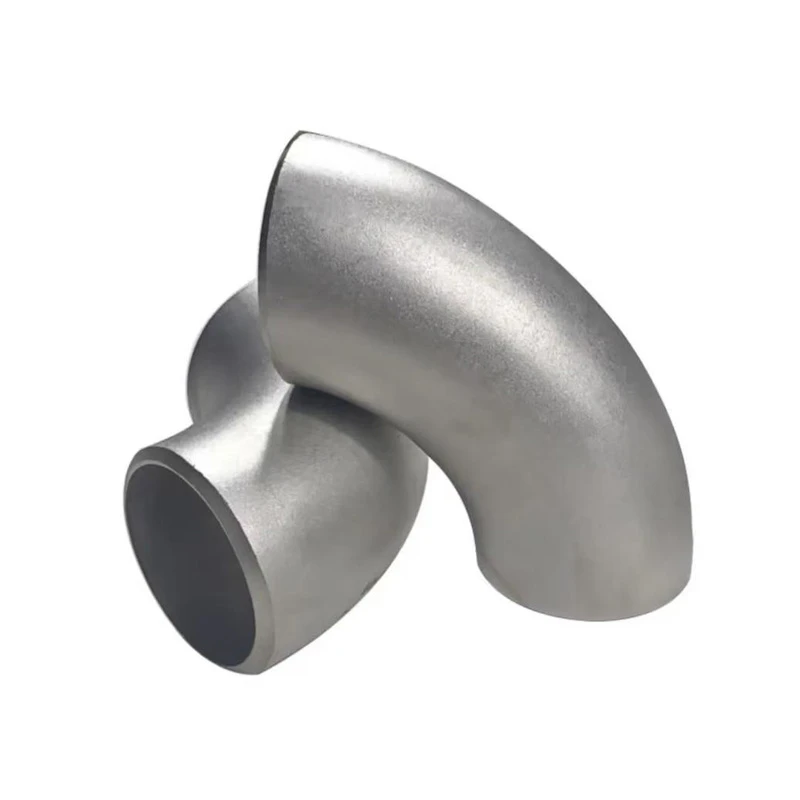
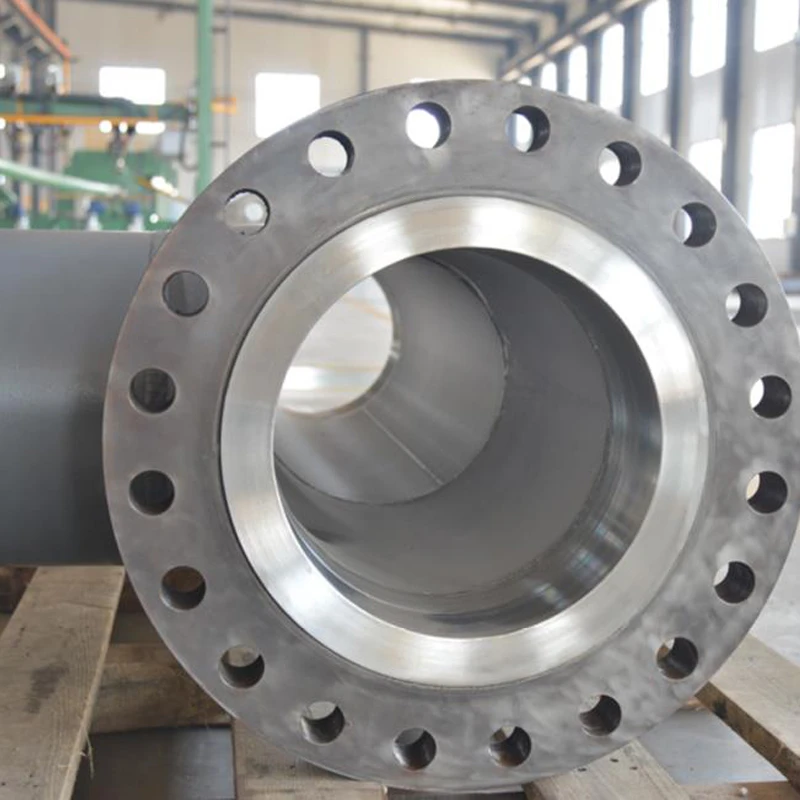
Factory Prefabricated Products
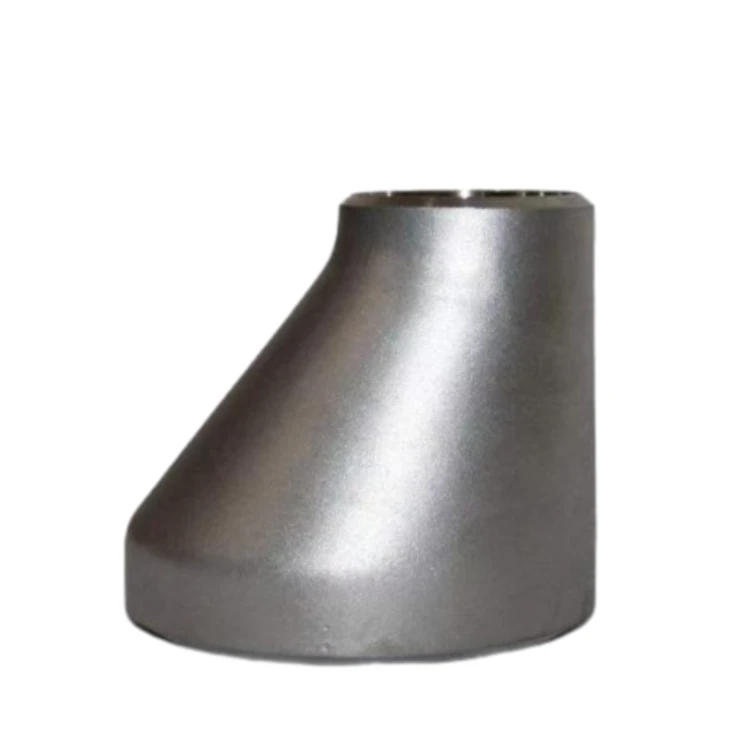
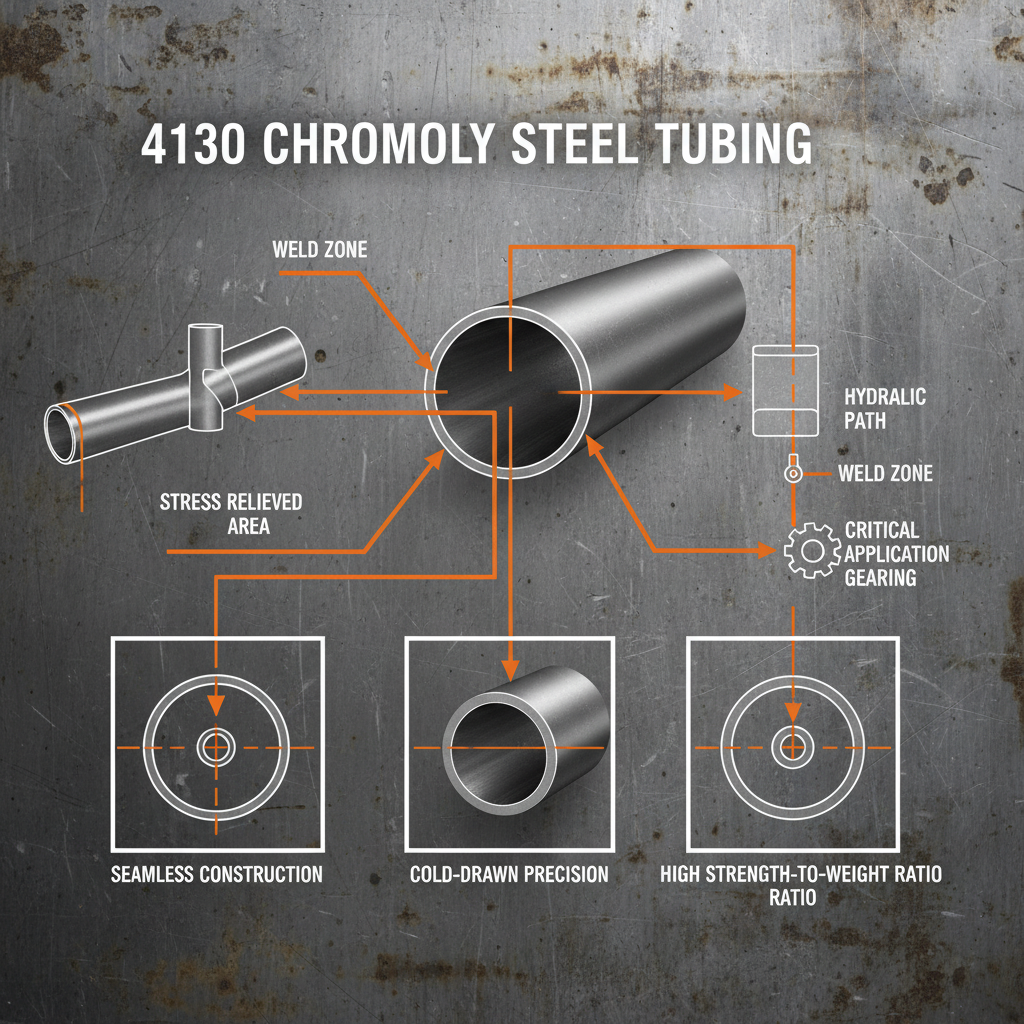
Ultimate Guide to 4130 Tubing Strength Performance and Applications
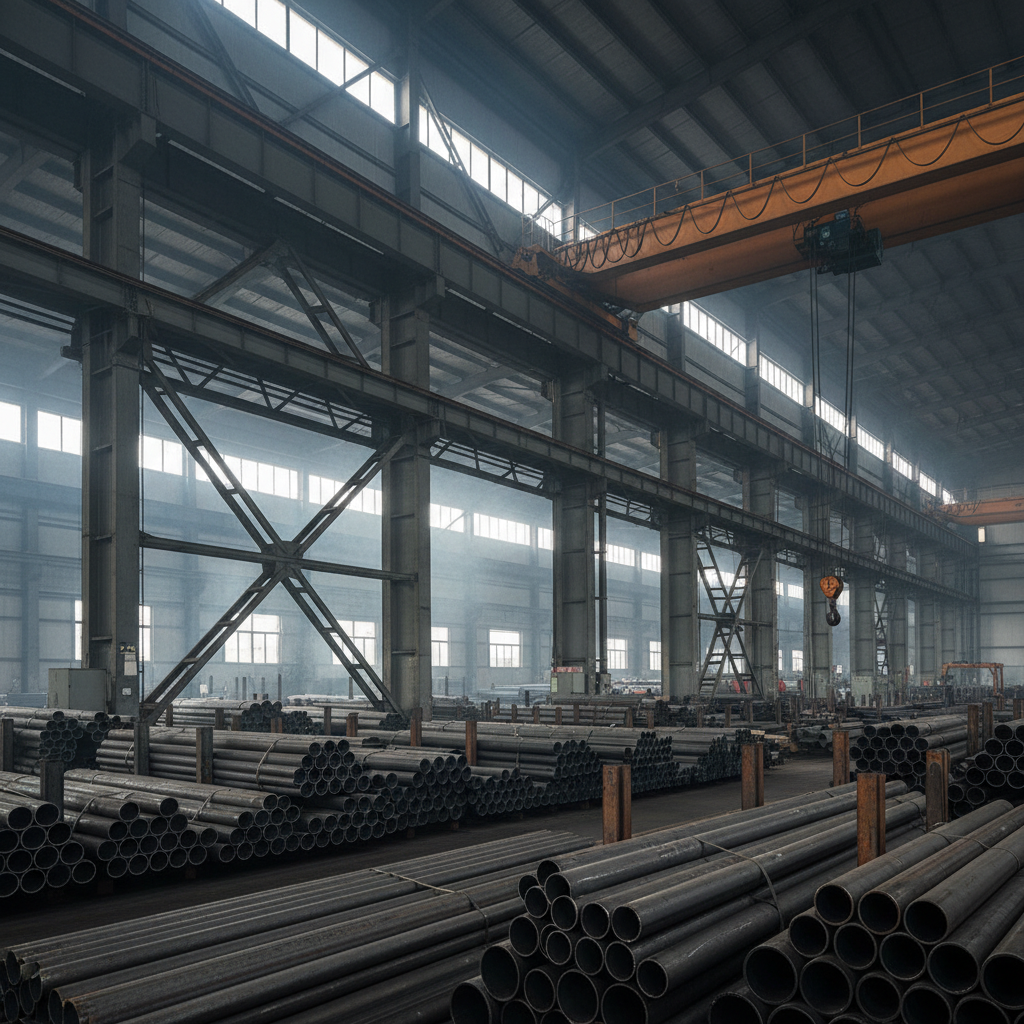
Properties and Industrial Applications of 4130 steel tubing
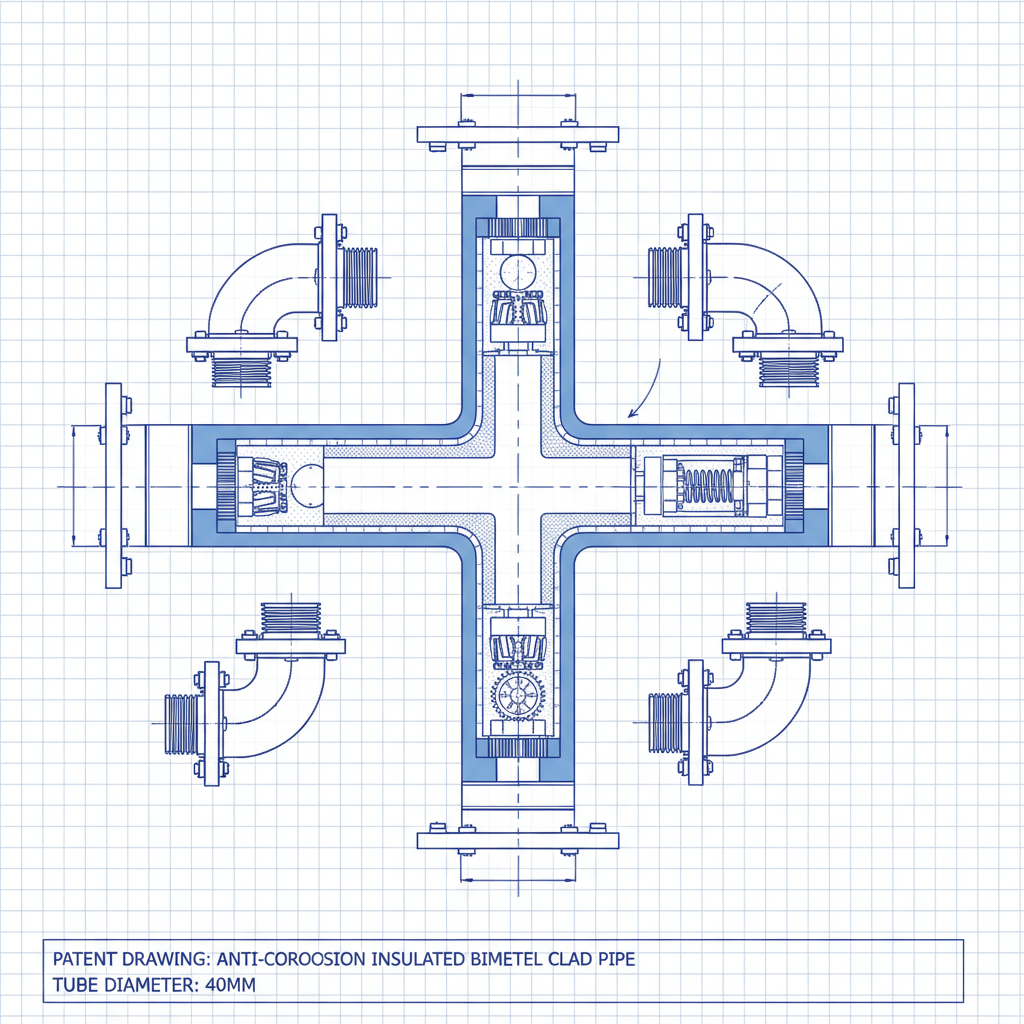
Comprehensive Guide to 40mm Steel Tube Applications and Material Selection
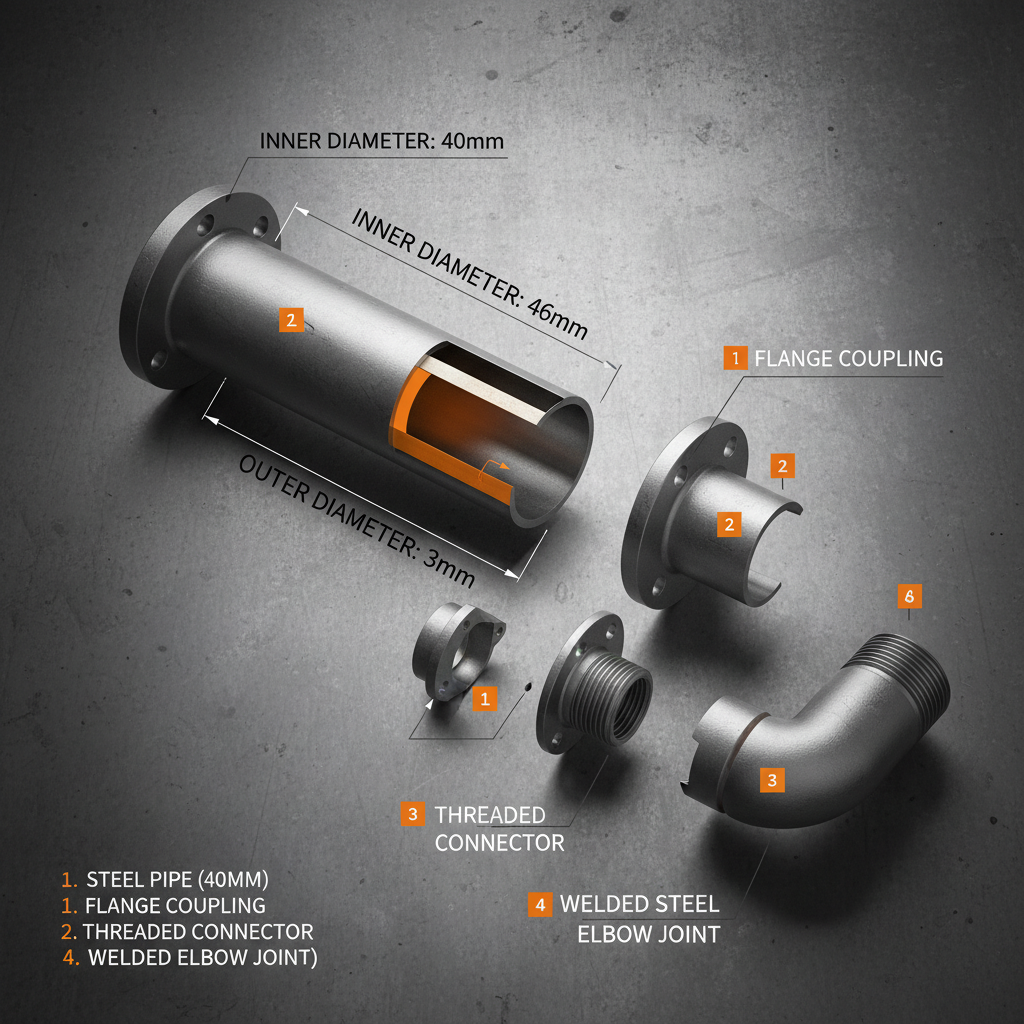
Comprehensive Guide to 40mm Steel Pipe Applications and Considerations
Comprehensive Guide to 40mm Metal Pipe Applications and Sourcing
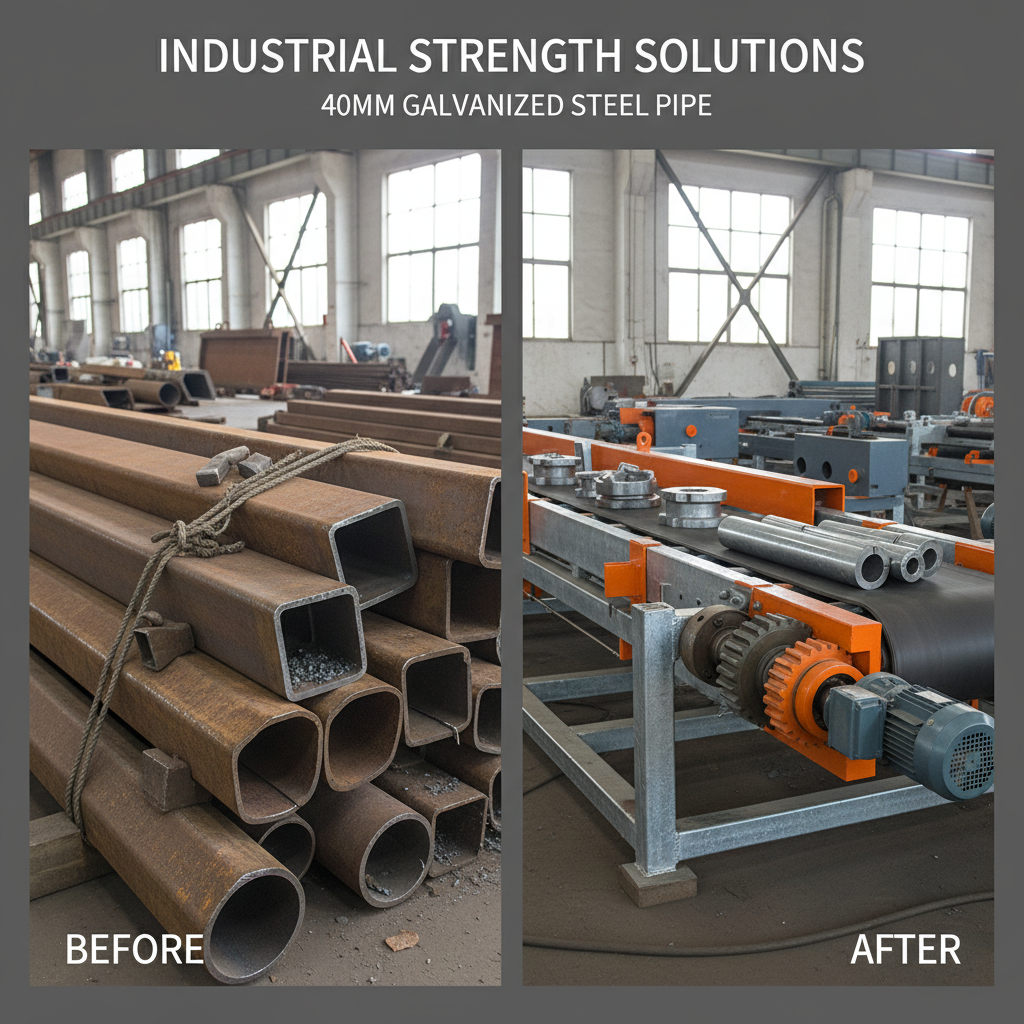
Comprehensive Guide to 40mm Galvanised Pipe Applications and Specifications