tel
Email
to top

Comprehensive Guide to Flaring Stainless Steel Tubing | Industry Applications & Innovations

Nov 29 2025
share:

What is Flaring Stainless Steel Tubing and Why Does It Matter?

Flaring stainless steel tubing might sound niche, but if you work in piping, fluid transport, or industrial construction, you know it’s a bit of a quiet hero. Globally, industries from oil and gas to pharmaceuticals rely on these tough, corrosion-resistant tubes that have been "flared" at the ends to create leak-proof, secure joints without welding. The technique makes assembly faster and safer—something crucial in emergencies and industrial setups alike.

Understanding these tubes isn’t about just bragging rights at a networking event, either. It’s about efficiency, safety, and sustainability on a global scale—a trifecta that industries and NGOs care about deeply. Plus, the advancement of flaring stainless steel tubing ties into bigger trends like reducing hazardous material leaks and enabling rapid deployment solutions, especially in harsh environments.

Why Flaring Stainless Steel Tubing Is a Global Industry Staple

The world’s dependence on stainless steel tubing is staggering. According to the International Organization for Standardization (ISO), stainless steel piping systems contribute significantly to safe water and chemical transport worldwide [1]. The flaring technique adds a layer of versatility that welding or glue simply can't match, particularly in remote industrial zones or disaster relief.

Consider the statistics: the UN reports over 60% of industrial accidents are connected to pipe failures, often from poor jointing. That’s a big enough problem for global supply chains to demand better, faster, safer solutions. Flaring stainless steel tubing answers that call. It helps avoid welds, thus preventing heat-affected zone weaknesses and reducing installation time dramatically—sometimes by more than 50% in field conditions.

So the challenge? How to combine robust jointing with easy assembly and long-term reliability, especially for projects in ecologically or politically sensitive areas. Flaring stainless steel tubing has positioned itself as something of a global standard-bearer here.

Mini Takeaway:

  • Flaring stainless steel tubing enhances joint safety and efficiency.
  • Its global use stems from a need for durable, quick, and leak-proof connections.
  • Key driver: reducing industrial accidents and enabling rapid, reliable infrastructure deployment.

Defining Flaring Stainless Steel Tubing: What’s Going On?

Alright, let’s break it down without jargon. Stainless steel tubing is precisely what it says: long, hollow cylindrical pieces made from steel mixed with elements like chromium and nickel to resist rust and stains. "Flaring" means the tubing’s end is widened or flanged out — like gently opening a flower petal — to fit snugly into fittings or connectors. This enlarged end seals tightly when clamped, creating a leak-free joint without needing complex welding or adhesives.

This approach caters perfectly to industries where reliability and speed are essential, like chemical plants or even humanitarian water supply setups. Rather than risking heat damage or complicated welds on-site, field engineers just flare and clamp, and it’s ready to run.

Core Components of Successful Flaring Stainless Steel Tubing

Durability Under Pressure

Flaring stainless steel tubing is made for tough environments — think extreme temperatures, corrosive chemicals, or physical abrasion. Thanks to the composition of stainless steel and the integrity of the flare joint, these tubes hold up well without cracking or leaking for decades. In fact, many industrial setups expect these joints to last 30+ years with minimal maintenance.

Ease of Assembly & Maintenance

One prime advantage is how quick it is to flare and assemble tubing onsite versus welding. This means fewer skill-intensive operations and less downtime — a huge plus in time-sensitive industries like oil drilling or emergency water distribution. Maintenance teams also love it because if a section needs replacing, it’s simply unclamped and swapped out.

Cost Efficiency Over the Long Term

Although stainless steel tubing is an upfront premium material, the flaring technique cuts labor and safety costs dramatically. This pays off especially on large-scale projects or remote sites where every hour counts. Plus, less costly downtime and leaks mean the investment keeps returning value over time.

Scalability and Compatibility

Flaring works with a range of tube diameters and thicknesses, letting engineers design everything from tiny laboratory fluid delivery lines to giant industrial pipelines. This adaptability complements modular construction trends and aligns with sustainability goals by reducing waste and rework.

Corrosion Resistance

The flared joint itself, when paired with high-grade stainless steel (types like 304 or 316), maintains a sealed barrier to moisture and chemicals, helping prevent corrosion both inside and out. This extends pipeline life and mitigates environmental risks.

Mini Takeaway:

  • Strength, speed, and flexibility are the pillars of flaring stainless steel tubing.
  • Reduced maintenance and long service life add up to sensible capital investment.

Real-World Uses: Where Does Flaring Stainless Steel Tubing Shine?

The versatility of flaring stainless steel tubing shows in its widespread adoption. Globally, it’s heavily favored by:

  • Oil & Gas: For safe transport of hydrocarbons in harsh environments, especially offshore and desert rigs.
  • Chemical Processing Plants: Quick-to-assemble pipelines with extremely resistant joints.
  • Humanitarian Water Projects: Rapid deployment of clean water pipelines in disaster zones or remote villages.
  • Renewable Energy: Solar thermal plants and biofuel facilities requiring adaptable piping.
  • Pharmaceutical and Food Industries: Sanitary tubing that withstands rigorous cleaning and sterilization.

For example, in post-disaster relief after the 2010 Haiti earthquake, organizations like the UN used flaring stainless steel tubing assemblies to rapidly restore potable water supply lines. In remote industrial zones, flaring reduced both installation time and environmental footprint compared to welding-dependent setups.

Product Specification Table

Specification Typical Value Notes
Material Grade 304, 316, 316L Depends on corrosion resistance needed
Outer Diameter Range 6mm – 150mm Varies by application
Wall Thickness 0.5mm – 4mm Tailored for pressure rating
Pressure Rating Up to 250 bar (approx.) Depends on flare quality & size
Temperature Range -196°C to 600°C Varies by steel grade

Comparing Leading Vendors of Flaring Stainless Steel Tubing

Vendor Product Range Global Reach Custom Solutions Lead Time Price Level
Lion Pipeline Standard & Custom Tubes North America, Europe, Asia Yes, engineered projects 2–4 weeks Mid-range
SteelFlare Inc. Specialty Alloys Europe, Middle East Limited 3–6 weeks High
Global Tube Solutions Wide Diameter Range Global Yes, custom alloys 4 weeks+ Mid to High

Advantages and Long-Term Impact of Using Flaring Stainless Steel Tubing

Why do so many engineers, architects, and project managers swear by flaring stainless steel tubing? You get a safety net and reliability that’s tough to match. Safety-wise, the flare joint creates a ductile seal that handles vibrations and pressure changes better than rigid welds. That means fewer emergency repairs.

Emotionally, clients gain peace of mind knowing their piping won’t suddenly fail—especially critical in chemical plants or food processing, where contamination risks run high. For socially conscious projects, the ease of repair and reduced downtime help preserve community dignity by maintaining consistent utility services.

Environmentally, stainless steel’s longevity reduces material consumption and landfill waste, tying into larger corporate sustainability goals. Lastly, the innovation angle: the flaring method fits snugly with automated assembly machinery and digital inspection technologies, future-proofing infrastructure investments.

What’s Next? Trends in Flaring Stainless Steel Tubing

Looking ahead, several exciting developments shape the future of flaring stainless steel tubing:

  • Advanced Alloys: New materials with enhanced corrosion resistance and lower carbon footprints.
  • Automation: Robotics that flare and attach tubes perfectly every time, speeding up factory and fieldwork.
  • Digital Quality Control: Smart sensors inspect flare integrity, enabling predictive maintenance.
  • Green Policies: Regulations pushing for cleaner manufacturing and longer-lasting infrastructure.

Adding to this, NGOs and governments are increasingly mandating flaring tubing solutions in water and energy projects to enhance safety and reduce environmental hazards. It feels like the technology is only accelerating in importance.

Common Challenges and Their Solutions

Of course, it’s not all sunshine. Some issues crop up in practice:

  • Skill Requirements: Proper flare quality depends on training and the right tooling. Poor flaring means leaks.
  • Material Cost: Stainless steel isn’t cheap, so budget constraints sometimes limit usage.
  • Compatibility: Ensuring fittings perfectly match tube sizes and grades can be tricky in field scenarios.

Luckily, many vendors offer training programs, easy-to-use flaring kits, and high-precision fittings to bridge these gaps. Plus, performance gains tend to offset initial costs in medium-to-large projects.

FAQ: Frequently Asked Questions About Flaring Stainless Steel Tubing

What size tubing can be flared?
Most flaring systems accommodate sizes from 6mm up to around 150mm in diameter, depending on the tooling and application. Custom sizes can often be handled by specialized vendors like flaring stainless steel tubing suppliers.
Is flaring tubing suitable for high-pressure applications?
Yes, when done correctly with quality materials, flared tubing joints can handle pressures upwards of 250 bar, although exact ratings depend on the design, wall thickness, and steel grade.
Can the tubing be reused after disassembly?
Typically, yes. Flaring creates a mechanical seal, not a permanent weld. The tubing can often be unflared and reused if no damage is done, making field maintenance easier.
How does flaring tubing compare to welded joints?
Flaring reduces installation time and onsite hazards without sacrificing strength, but welds might still be preferred for extremely high-pressure or temperature scenarios. Flaring is often a smart middle ground.
Are flared joints leak-proof in corrosive environments?
Yes, provided you use the right stainless steel grade (like 316L) and maintain proper flare technique, these joints resist leaks—even with aggressive chemicals present.

Final Thoughts

Flaring stainless steel tubing marries industrial strength with deployment agility in one sleek package. Whether it’s powering a remote refinery or delivering clean water in crisis zones, its ability to ensure fast, secure, and long-lasting connections is huge. As we've seen, the benefits ripple across economic, environmental, and social domains — all wrapped in a technology that’s continually evolving to meet tomorrow’s challenges.

Curious to see the latest in flaring stainless steel tubing solutions? Visit our website at https://www.lion-pipeline.com to explore products tailored for your project’s unique demands.

References

  1. ISO 15590 - Stainless steel piping
  2. United Nations Office for the Coordination of Humanitarian Affairs (OCHA)
  3. Stainless Steel - Wikipedia
  • Carbon Semless Steel Pipes

    Carbon Semless Steel Pipes

    Carbon Seamless Steel Pipes are made from high-quality carbon steel and manufactured without welded seams, offering exceptional strength, durability, and resistance to pressure. These pipes are ideal for a wide range of applications, including oil and gas pipelines, construction, automotive, and fluid transportation systems. The seamless design ensures uniformity, higher structural integrity, and improved performance under high pressure and temperature conditions.
    VIEW ALL
  • Laser Clad  Pipe

    Laser Clad Pipe

    Laser clad steel pipes are manufactured using laser cladding technology. This technology involves adding cladding material to the surface of ordinary steel pipe base material, using high-energy-density laser beams to fuse the cladding material with the steel pipe surface, forming a metallurgically bonded cladding layer. These pipes are generally used in compressed air energy storage projects as underground deep well transportation pipes or casings, as well as in oil, natural gas, and geothermal well extraction.
    VIEW ALL
  • Bend Pipe

    Bend Pipe

    Bend is a crucial pipe fitting used to change the direction of flow in a piping system. It allows for smooth transitions between sections of pipe, accommodating layout constraints, avoiding obstacles, and optimizing flow paths. Bends are designed to maintain the fluid's velocity and minimize pressure loss while providing the necessary angle of deviation. They are commonly used in various industries, including oil and gas, petrochemicals, water supply, and HVAC systems.
    VIEW ALL
To create value for customers!
Cangzhou Leo Technology Co., Ltd. is located in Mengcun County Economic Development Zone, Cangzhou City, Hebei Province. It is a specialized high-tech enterprise that integrates the research and development, production, and sales of composite pipes and fittings.
News
The company regards product quality as the life of the enterprise, establishes a sound quality management system in accordance with the requirements of industry and national standards, controls all aspects of input and output in the whole process, pays attention to every detail, and ensures that the product delivery pass rate is 100%.
Ultimate Guide to 4130 Tubing Strength Performance and Applications
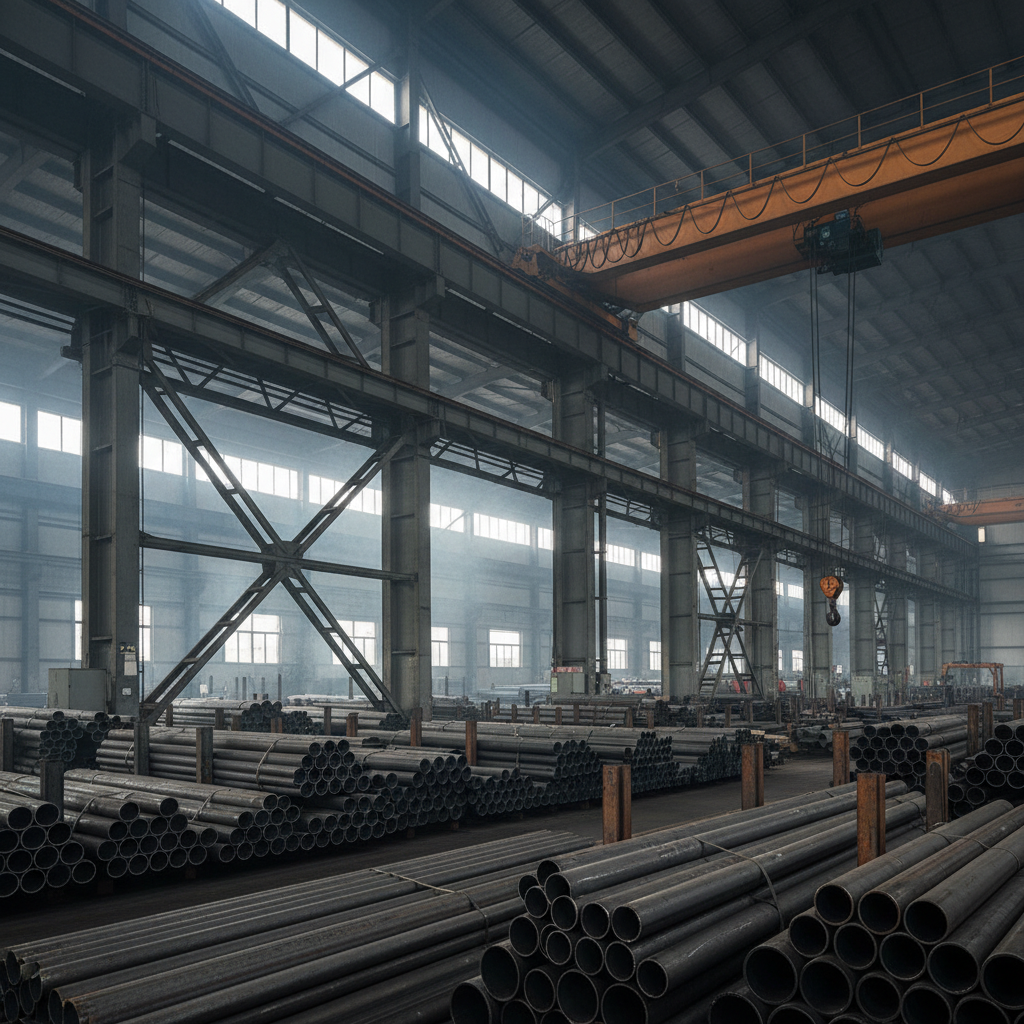
Ultimate Guide to 4130 Tubing Strength Performance and Applications

In the world of high-performance engineering, material selection is the foundation of safety and efficiency. 4130 tubing is widely regarded as the gold standard for applications requiring an exceptional strength-to-weight ratio. This chrome-molybdenum alloy steel is engineered to withstand extreme stress while remaining lightweight enough for aerospace and automotive use. Whether you are designing a roll cage, a bicycle frame, or a critical industrial component, understanding the nuances of this material is essential. In this comprehensive guide, we will explore why this specific alloy is preferred by engineers worldwide and how to choose the right specifications for your project.
Properties and Industrial Applications of 4130 steel tubing
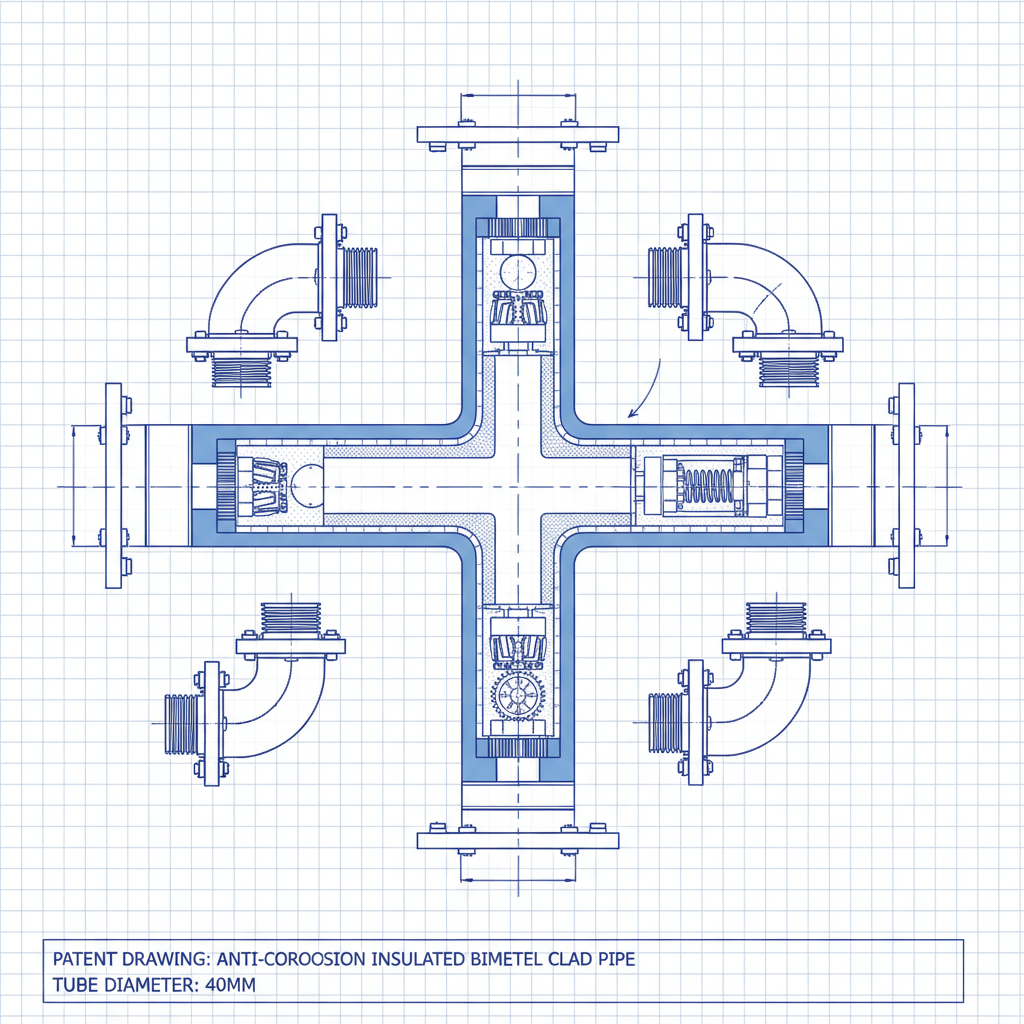
Properties and Industrial Applications of 4130 steel tubing

In the world of high-performance engineering, material selection is the foundation of safety and efficiency. 4130 steel tubing is widely recognized as the gold standard for applications requiring an exceptional strength-to-weight ratio. Known for its versatility and reliability, this chromium-molybdenum alloy is the preferred choice for everything from aircraft frames to professional roll cages. Understanding the nuances of this material allows engineers to optimize structural integrity without adding unnecessary bulk. In this comprehensive guide, we will explore why this specific alloy remains a top choice for critical industrial and aerospace components.
Comprehensive Guide to 40mm Steel Tube Applications and Material Selection
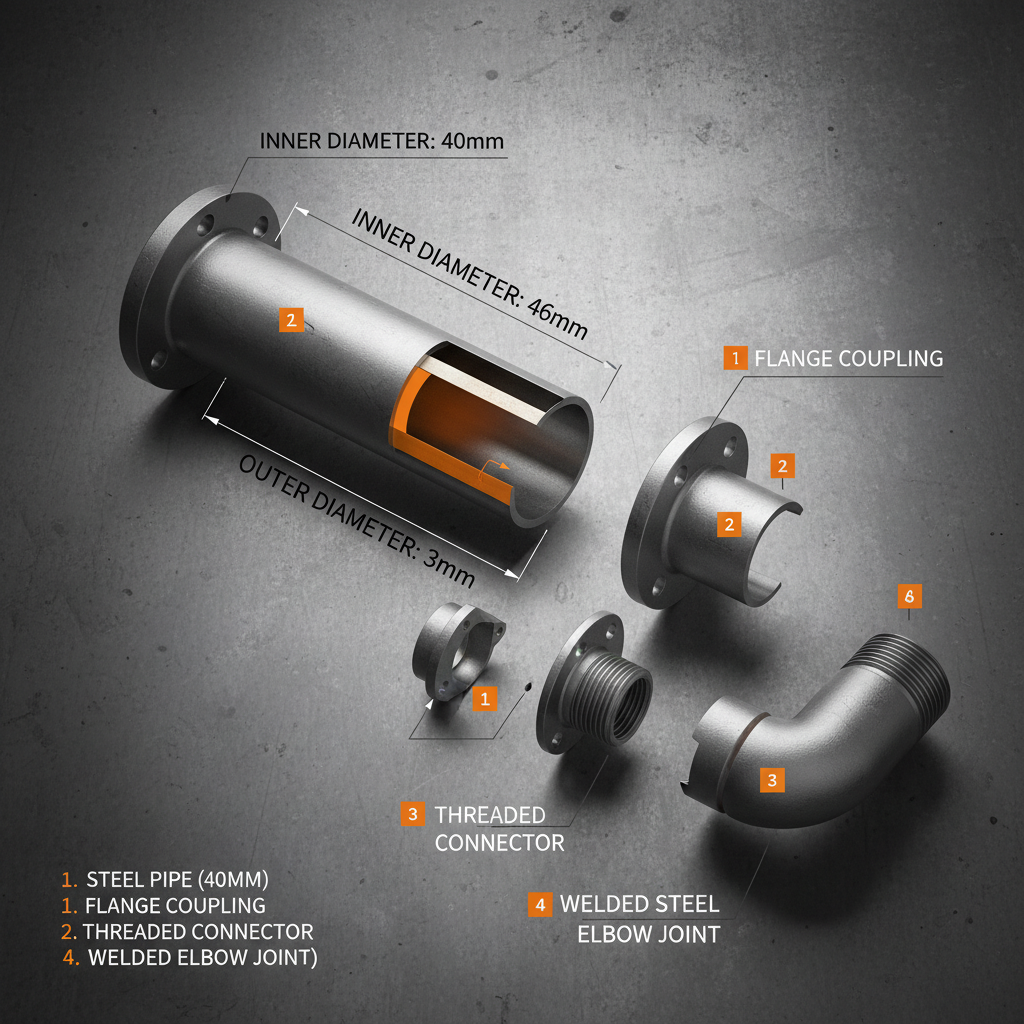
Comprehensive Guide to 40mm Steel Tube Applications and Material Selection

40mm steel tube is a versatile and widely used material in various industries, from construction and manufacturing to automotive and beyond. Its strength, durability, and cost-effectiveness make it an ideal choice for numerous applications. This article will delve into the characteristics, applications, benefits, and considerations when working with 40mm steel tube, providing a comprehensive overview for professionals and anyone interested in this essential material.
Comprehensive Guide to 40mm Steel Pipe Applications and Considerations
Comprehensive Guide to 40mm Steel Pipe Applications and Considerations

40mm steel pipe is a widely used material in various industries due to its strength, durability, and cost-effectiveness. From construction and infrastructure projects to industrial applications and fluid transportation, this pipe size offers a versatile solution. This article will delve into the properties, applications, standards, and key considerations when selecting 40mm steel pipe, helping you make informed decisions for your specific needs.
Comprehensive Guide to 40mm Metal Pipe Applications and Sourcing
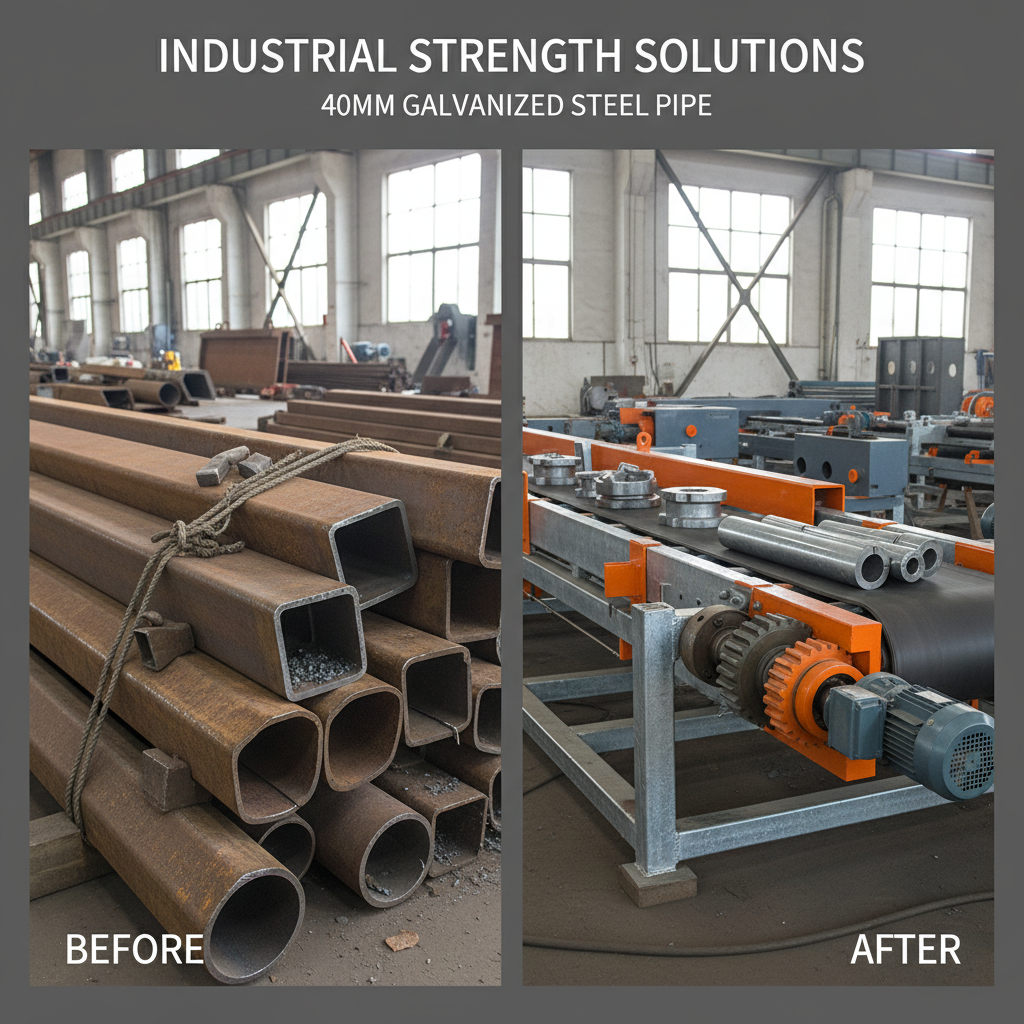
Comprehensive Guide to 40mm Metal Pipe Applications and Sourcing

40mm metal pipe is a crucial component in a wide array of industries, from construction and plumbing to industrial manufacturing and fluid transport. Its strength, durability, and versatility make it a preferred material for countless applications. This article will delve into the specifics of 40mm metal pipe, exploring its various types, common uses, benefits, and where to source high-quality piping solutions.
Comprehensive Guide to 40mm Galvanised Pipe Applications and Specifications

Comprehensive Guide to 40mm Galvanised Pipe Applications and Specifications

When planning a plumbing, structural, or industrial project, selecting the right piping material is crucial. 40mm galvanised pipe is a widely used option known for its strength, durability, and corrosion resistance. This article provides a detailed overview of 40mm galvanised pipes, exploring their applications, benefits, specifications, and considerations for optimal usage. We'll cover everything from what galvanisation is to how to choose the right pipe for your specific needs.
tel email tel top

If you are interested in our products, you can choose to leave your information here, and we will be in touch with you shortly.