tel
Email
to top

Flexible Pipe Metal Solutions: Durable, Adaptable, and Efficient Piping for Modern Infrastructure

Nov 29 2025
share:

The Growing Importance of Flexible Pipe Metal in Modern Industry

At first glance, “flexible pipe metal” might sound like a niche phrase — a bit technical and dry. But the reality is much more fascinating. These flexible metal pipes are quietly integral to a world reliant on speedy infrastructure deployment, demanding industrial environments, and humanitarian logistics. In a global landscape challenged by climate change, urban expansion, and resource scarcity, understanding flexible pipe metal isn’t just an engineering exercise. It uncovers solutions that keep water flowing, energy pumping, and emergency aid delivered efficiently.

Briefly put, flexible pipe metals combine durability with adaptability, allowing industries—and aid agencies—to access and transport fluids or gases where rigid pipes would be cumbersome or vulnerable to damage. Understanding this technology reveals how modern projects push boundaries: from remote oil fields to disaster zones, offering real-world benefits like cost reduction, rapid installation, and longevity that can’t be overlooked.

Why Flexible Pipe Metal Matters Globally

Global infrastructure is under immense pressure. According to the United Nations, by 2050, nearly 70% of the world’s population will live in urban areas, demanding smarter, more resilient utilities. Meanwhile, organizations like the International Organization for Standardization (ISO) highlight the crucial role of materials that combine strength and flexibility to meet growing industrial demands.

Flexible pipe metal addresses several persistent challenges: how do you transport oil across shifting seabeds? How can post-disaster water supply be restored quickly? Or how to ensure pipelines in harsh environments don’t crack or corrode prematurely? These are big questions, and flexible metallic pipes offer cunning solutions.

What Exactly Is Flexible Pipe Metal?

Flexible pipe metal typically refers to metallic piping systems engineered to flex without compromising strength or integrity. Unlike rigid pipes (think: standard steel or PVC tubes), these pipes are designed with multiple layers — often combining corrugated metal, wire armoring, polymers, or composite wraps — to withstand bending, pressure changes, and diverse environmental challenges.

For industries like oil and gas, water treatment, and even emergency relief, these flexible solutions mean pipelines can snake around obstacles, absorb vibrations, or endure ground movements without failure. It's a subtle kind of engineering magic making life easier and safer.

Mini Takeaway:

  • Flexible pipe metal blends strength and adaptability, opening new horizons for pipeline deployment.
  • It’s vital where traditional rigid piping falls short due to terrain or urgency.

The Key Characteristics of Flexible Pipe Metal

1. Durability

Flexible pipe metals must resist corrosion, abrasion, and fatigue. High-quality alloys like stainless steel or duplex steel often serve as base materials. Additionally, specialized coatings or internal linings extend service life in acidic or salty environments.

2. Scalability and Customizability

From a few meters for local repairs to hundreds of kilometers in offshore projects, flexible pipe metals can be customized in diameter, wall thickness, and layering technology to fit precise needs.

3. Pressure and Temperature Resistance

They handle stresses from fluctuating internal pressures and temperatures—from cryogenic liquid gases to hot water lines—ensuring no leaks or bursts.

4. Ease and Speed of Installation

Because they bend and flex, these pipes reduce the need for complicated fittings or welding onsite, saving time and labor.

5. Cost Efficiency

While sometimes pricier upfront, the reduced installation time and longer lifespan often make flexible pipe metal systems more economically viable in the long run.

Mini Takeaway:

  • Flexible pipe metals balance strength, customization, and adaptability.
  • These traits make them indispensable for complex projects demanding resilience and reliability.

Real-World Applications: Where Flexible Pipe Metal Truly Shines

Flexible pipe metal’s range of uses is broader than most expect:

  • Offshore Oil & Gas: Moving hydrocarbons on shifting seabeds; flexible pipe metal technology helps pipelines adjust to undersea movements.
  • Water Supply & Drainage: Rapid deployment of potable water lines in remote or disaster-stricken areas.
  • Industrial Manufacturing: Transferring chemicals or gases in factories where equipment vibrations or spatial layouts require pipe flexibility.
  • Emergency Relief Operations: NGOs rely on flexible piping to quickly establish sanitation and water systems during crises.
  • Renewable Energy Installations: Flexible metal pipes accommodate movement in geothermal and solar thermal systems.

For instance, after the 2015 Nepal earthquake, flexible pipe systems facilitated swift water restoration efforts in areas where rigid pipelines would have been too fragile or slow to install.

Product Specification Table: Typical Flexible Pipe Metal Features

Specification Typical Range / Value Notes
Outer Diameter 20 mm - 600 mm Varies by application
Max Operating Pressure Up to 1000 bar Depends on pipe construction
Temperature Range -196°C to +400°C Cryogenic to high heat tolerant
Material Stainless Steel, Duplex Steel, Monel Selected for corrosion resistance
Bend Radius 3x to 15x pipe diameter Minimizes stress during flexing

Vendor Comparison for Flexible Pipe Metal

Vendor Material Options Customization Level Lead Time Typical Industries
AlphaFlex Pipes SS304, Duplex 2205 High (size & coating) 4-6 weeks Oil & Gas, Chemical Plants
FlexiMetal Solutions Monel, Inconel, SS316L Medium (standard sizes) 3-5 weeks Marine, Power Generation
MetroPipes LLC SS304, Carbon Steel Low (catalog items) 2-3 weeks Construction, HVAC

The Long-Term Value and Advantages of Flexible Pipe Metals

Why are industries so keen on flexible pipe metal beyond the obvious? Cost is one — installation and maintenance expenses plummet when pipes bend instead of breaking or needing numerous welds and joints. But it’s also about reliability and safety. Think of pipelines transporting drinking water or fuel. Failure here isn’t merely a financial setback but a profound social risk.

Flexible pipe metal imbues infrastructure with a sense of trustworthiness. For humanitarian groups, this reliability translates to quicker aid, preserved dignity, and enhanced safety during crises. For industrial players, it embodies innovation — making facilities smarter, less prone to downtime, and greener over time.

Innovation & The Road Ahead

Innovation in this field is quite exciting. New alloys incorporating nanomaterials or bio-based polymer linings are on the horizon to improve corrosion resistance and reduce environmental footprints. Some companies are piloting smart flexible piping equipped with sensors for real-time monitoring — a game-changer for preventive maintenance.

And then there’s sustainability. With mounting pressure on industries to reduce carbon footprints, flexible pipe metals produced with recycled materials or designed for easier recycling will see rising demand.

Facing Challenges Head-On

Yet it’s not all smooth sailing. Common issues include balancing flexibility with tensile strength or ensuring compatibility with aggressive chemicals. Additionally, supply chain hiccups or quality variability sometimes slow widespread adoption.

Solutions? Industry standards like ISO 18225 and rigorous third-party testing go a long way. Plus, vendor partnerships emphasizing customization and support can mitigate many problems.

Frequently Asked Questions on Flexible Pipe Metal

Q: How do flexible pipe metals differ from traditional rigid pipes?
A: Flexible pipe metals are engineered to bend and move with minimal stress, featuring multilayered construction, while traditional pipes remain fixed and rigid, often requiring many joints and fittings.
Q: Are flexible pipe metals suitable for high-pressure industrial applications?
A: Yes. Many flexible pipes are rated for pressures up to 1000 bar, thanks to advanced materials and layering techniques that maintain strength under stress.
Q: Can flexible pipe metal be installed quickly in emergency situations?
A: Absolutely. Their lightweight, bendable nature allows fast deployment without complex welding, making them ideal for disaster relief or temporary setups.
Q: What maintenance do flexible pipe metal systems require?
A: Routine inspections for corrosion, leaks, and mechanical damage are essential, but advanced coatings significantly extend intervals between maintenance.
Q: Are flexible metal pipes environmentally friendly?
A: Increasingly so. Modern manufacturing focuses on recyclable alloys and reduced waste, plus emerging sensors improve efficiency by minimizing leaks and failures.

Conclusion: Embracing Flexibility for a Better Future

Flexible pipe metal isn't just a technical marvel; it carries the promise of more resilient, adaptable, and humane infrastructure worldwide. Whether you're an engineer planning offshore pipelines, a relief worker rushing clean water to displaced communities, or an industrialist seeking cost-effective, longer-lasting piping, the benefits are clear and compelling.

If you want to dig deeper or explore specific products designed for your needs, visit our website to discover how flexible pipe metal can transform your projects.

Final Thoughts

To me, flexible pipe metal is one of those unnoticed heroes of today's infrastructure — quiet, reliable, and surprisingly versatile. Its growth mirrors a world demanding faster solutions that don't compromise quality or safety.
References

  1. United Nations: Urbanization and Infrastructure
  2. ISO 18225 - Flexible Metal Pipe Standards
  3. Wikipedia: Piping (Engineering)
  • Elbow

    Elbow

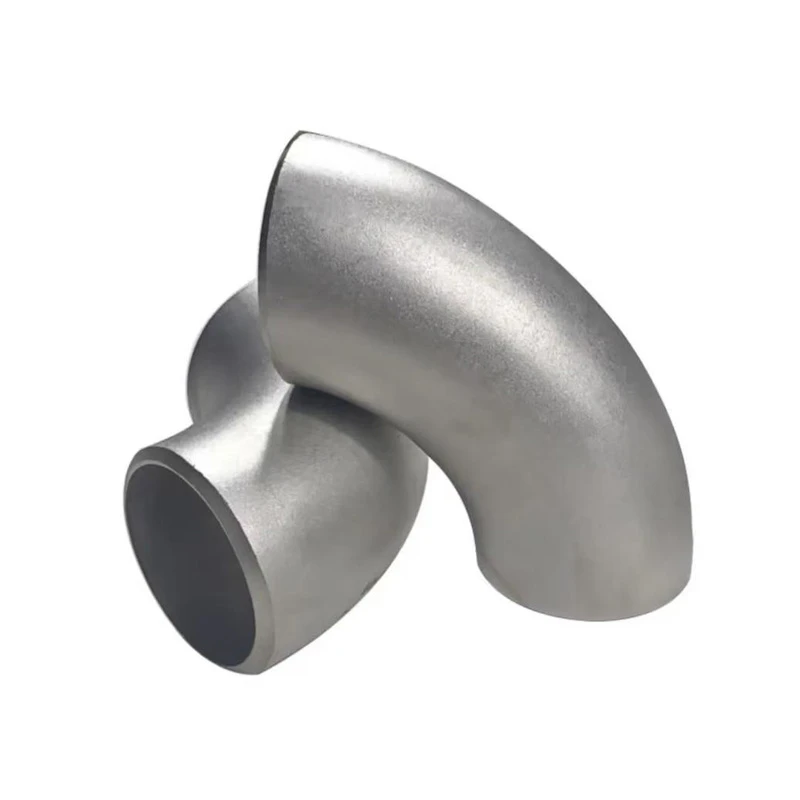
    Carbon Steel &stainless Steel Elbow Elbows are pipe fittings used to change the direction of pipelines in piping systems, commonly employed at pipeline bends. They are widely used in industries such as petroleum, chemical, and power. The common size range for elbows is DN15-DN2000, and typical angles include 45°, 90°, and 180°.
    VIEW ALL
  • Reducer

    Reducer

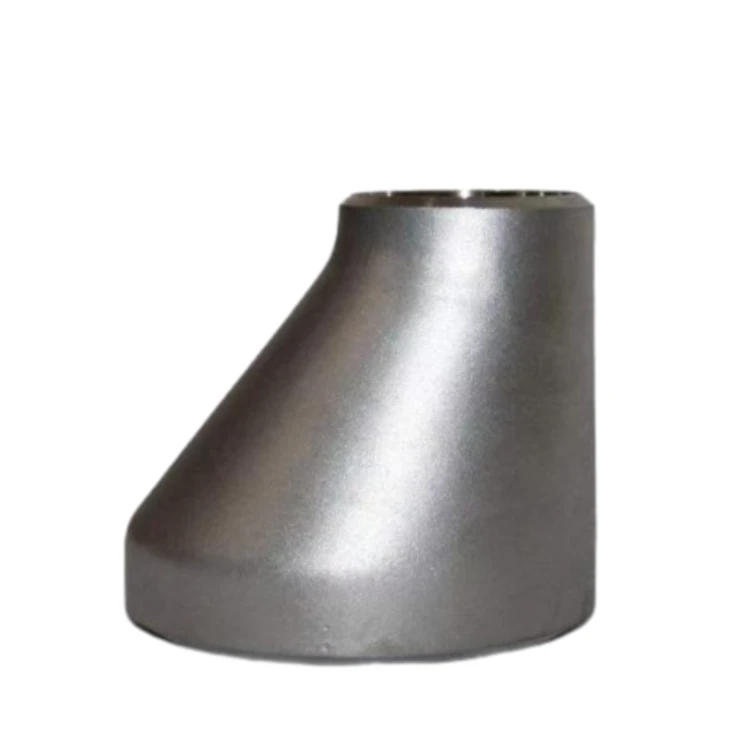
    Reducer is a pipe fitting used to connect pipes of different diameters, facilitating smooth transitions between varying flow capacities in piping systems. Available in concentric and eccentric designs, reducers help maintain optimal flow efficiency while minimizing pressure loss and turbulence.
    VIEW ALL
  • Factory Prefabricated Products

    Factory Prefabricated Products

    In modern industrial construction, the quality and supply efficiency of pipe fittings directly affect the success or failure of the project. With advanced production concept and strong technical strength, we focus on the factory prefabrication of products, and provide all-round pipe fitting solutions for many key fields such as petrochemical industry and coal chemical industry.
    VIEW ALL
To create value for customers!
Cangzhou Leo Technology Co., Ltd. is located in Mengcun County Economic Development Zone, Cangzhou City, Hebei Province. It is a specialized high-tech enterprise that integrates the research and development, production, and sales of composite pipes and fittings.
News
The company regards product quality as the life of the enterprise, establishes a sound quality management system in accordance with the requirements of industry and national standards, controls all aspects of input and output in the whole process, pays attention to every detail, and ensures that the product delivery pass rate is 100%.
Ultimate Guide to 4130 Tubing Strength Performance and Applications
Ultimate Guide to 4130 Tubing Strength Performance and Applications

In the world of high-performance engineering, material selection is the foundation of safety and efficiency. 4130 tubing is widely regarded as the gold standard for applications requiring an exceptional strength-to-weight ratio. This chrome-molybdenum alloy steel is engineered to withstand extreme stress while remaining lightweight enough for aerospace and automotive use. Whether you are designing a roll cage, a bicycle frame, or a critical industrial component, understanding the nuances of this material is essential. In this comprehensive guide, we will explore why this specific alloy is preferred by engineers worldwide and how to choose the right specifications for your project.
Properties and Industrial Applications of 4130 steel tubing
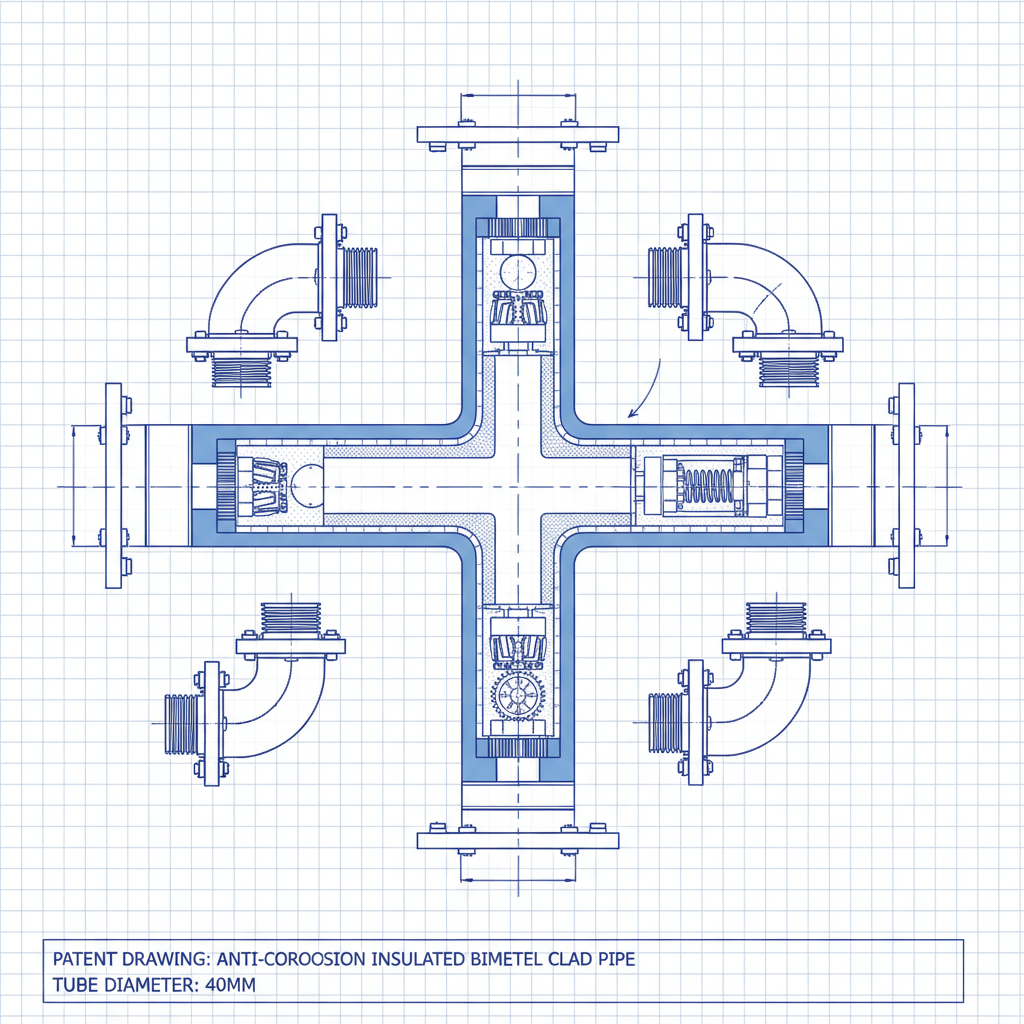
Properties and Industrial Applications of 4130 steel tubing

In the world of high-performance engineering, material selection is the foundation of safety and efficiency. 4130 steel tubing is widely recognized as the gold standard for applications requiring an exceptional strength-to-weight ratio. Known for its versatility and reliability, this chromium-molybdenum alloy is the preferred choice for everything from aircraft frames to professional roll cages. Understanding the nuances of this material allows engineers to optimize structural integrity without adding unnecessary bulk. In this comprehensive guide, we will explore why this specific alloy remains a top choice for critical industrial and aerospace components.
Comprehensive Guide to 40mm Steel Tube Applications and Material Selection
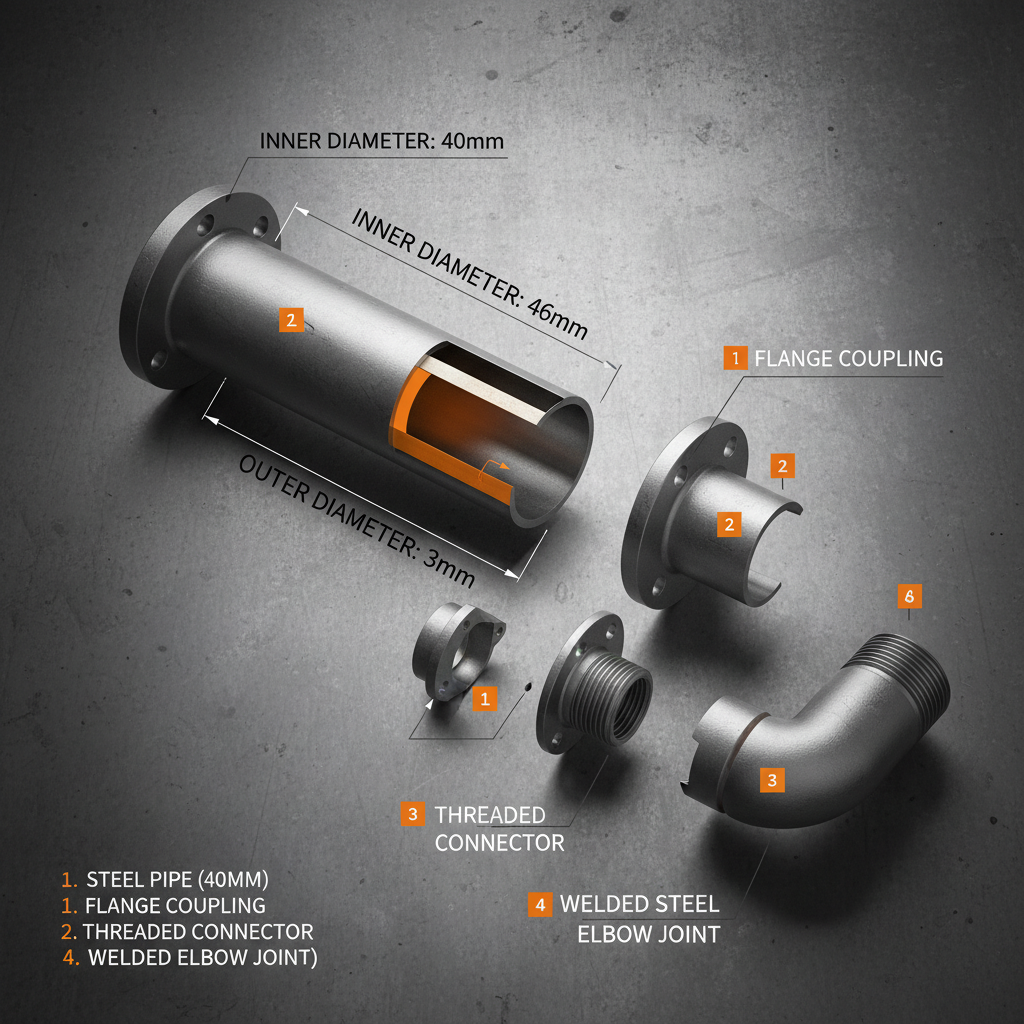
Comprehensive Guide to 40mm Steel Tube Applications and Material Selection

40mm steel tube is a versatile and widely used material in various industries, from construction and manufacturing to automotive and beyond. Its strength, durability, and cost-effectiveness make it an ideal choice for numerous applications. This article will delve into the characteristics, applications, benefits, and considerations when working with 40mm steel tube, providing a comprehensive overview for professionals and anyone interested in this essential material.
Comprehensive Guide to 40mm Steel Pipe Applications and Considerations
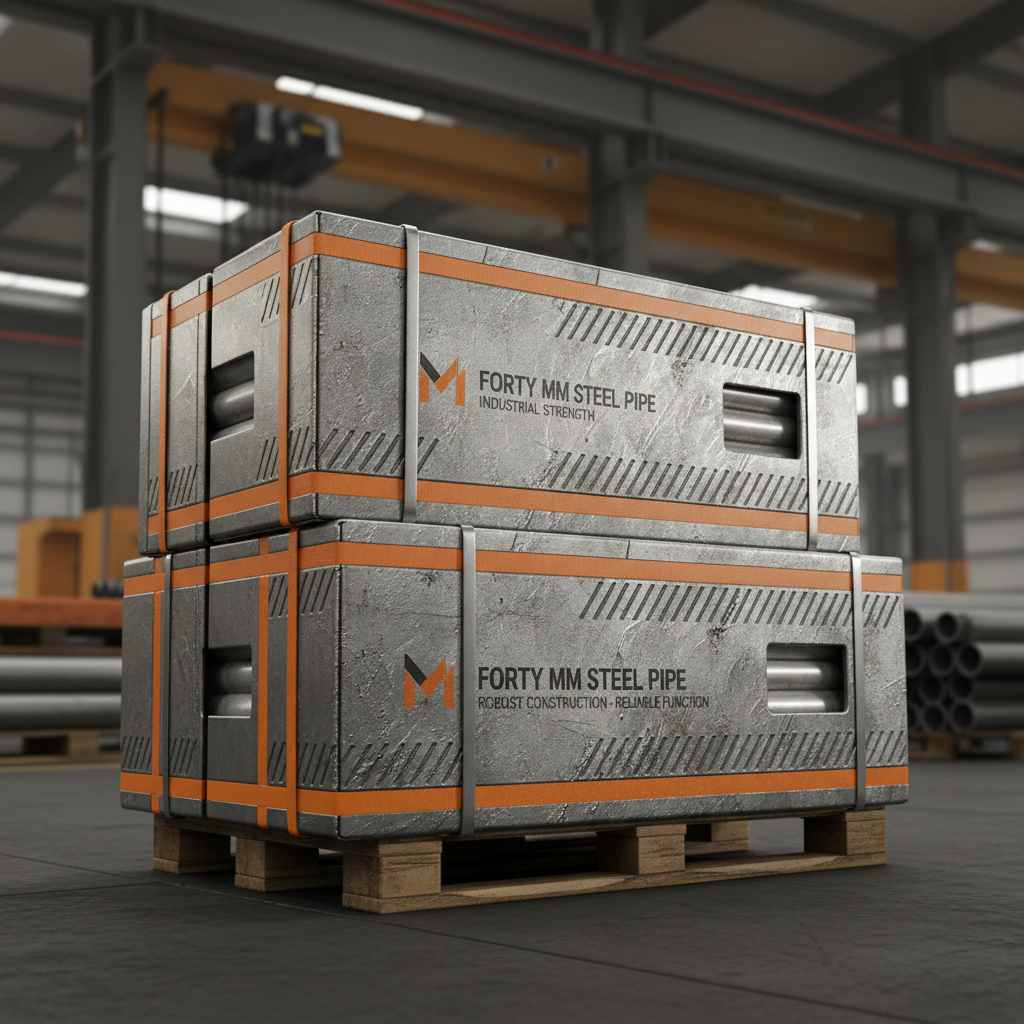
Comprehensive Guide to 40mm Steel Pipe Applications and Considerations

40mm steel pipe is a widely used material in various industries due to its strength, durability, and cost-effectiveness. From construction and infrastructure projects to industrial applications and fluid transportation, this pipe size offers a versatile solution. This article will delve into the properties, applications, standards, and key considerations when selecting 40mm steel pipe, helping you make informed decisions for your specific needs.
Comprehensive Guide to 40mm Metal Pipe Applications and Sourcing
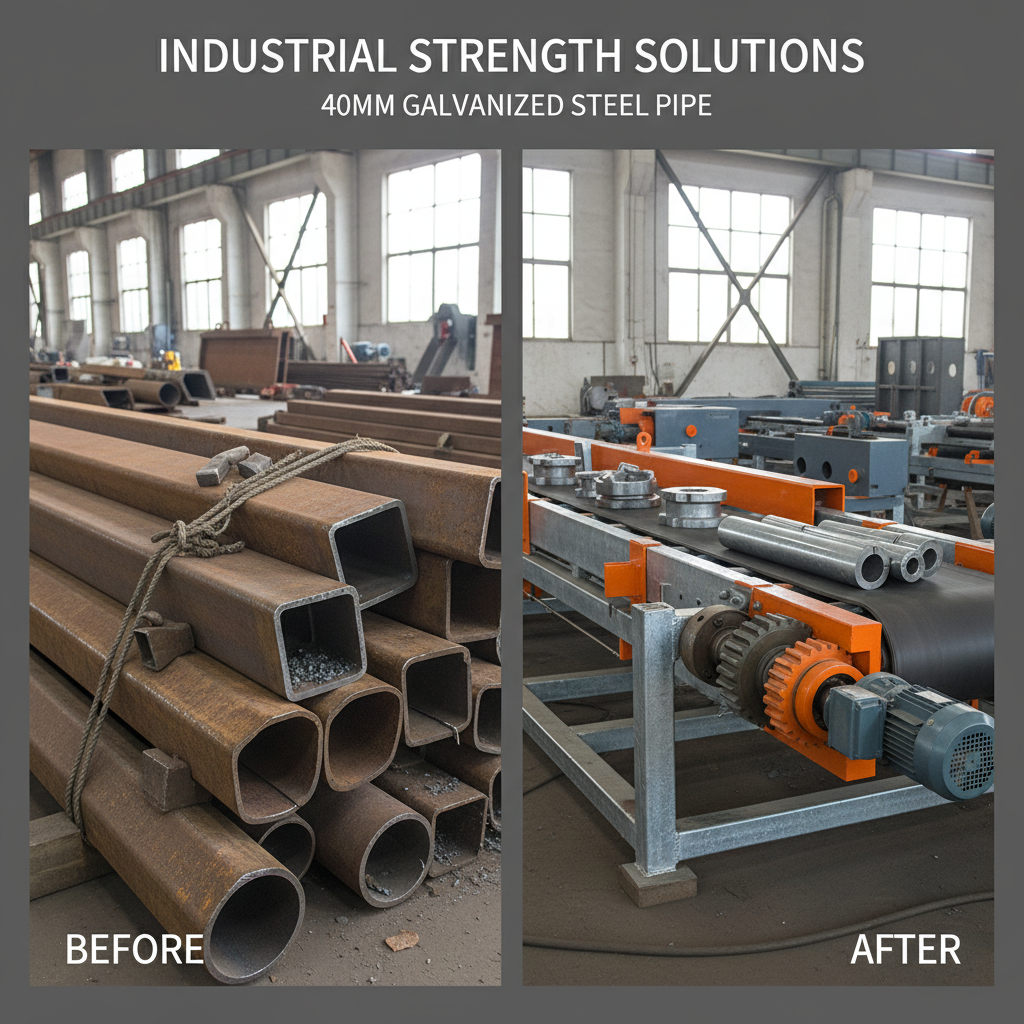
Comprehensive Guide to 40mm Metal Pipe Applications and Sourcing

40mm metal pipe is a crucial component in a wide array of industries, from construction and plumbing to industrial manufacturing and fluid transport. Its strength, durability, and versatility make it a preferred material for countless applications. This article will delve into the specifics of 40mm metal pipe, exploring its various types, common uses, benefits, and where to source high-quality piping solutions.
Comprehensive Guide to 40mm Galvanised Pipe Applications and Specifications

Comprehensive Guide to 40mm Galvanised Pipe Applications and Specifications

When planning a plumbing, structural, or industrial project, selecting the right piping material is crucial. 40mm galvanised pipe is a widely used option known for its strength, durability, and corrosion resistance. This article provides a detailed overview of 40mm galvanised pipes, exploring their applications, benefits, specifications, and considerations for optimal usage. We'll cover everything from what galvanisation is to how to choose the right pipe for your specific needs.
tel email tel top

If you are interested in our products, you can choose to leave your information here, and we will be in touch with you shortly.