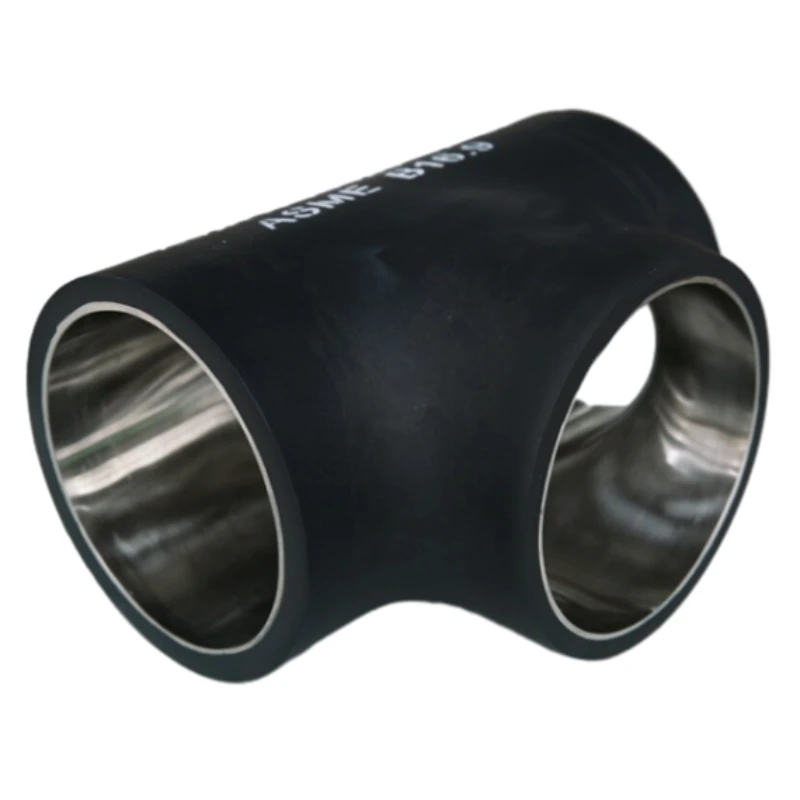
At first glance, flexible steel tubing might sound like a very niche or technical topic, but its implications ripple across industries and regions worldwide—from energy to humanitarian aid. Understanding what flexible steel tubing is, why it’s relied upon, and where its real-world benefits lie is increasingly important in a time when adaptable, reliable infrastructure can mean the difference between success and failure in many challenging environments.
In the global market alone, products that emphasize flexibility and durability are growing steadily. According to a recent ISO report, demand for robust yet flexible piping solutions has increased by nearly 12% year-over-year in industrial sectors like oil & gas, construction, and disaster relief. This trend highlights not only global economic growth but also the drive to meet harsh conditions with smarter, safer materials.
So, what exactly is flexible steel tubing? Simply put, it’s a tubular product made from steel alloys designed to bend and twist without breaking, unlike rigid pipes. This flexibility allows for easier installation, especially in tight spaces where straight pipes just won’t work. Notably, the tubing maintains strength and corrosion resistance — essential qualities for industrial, commercial, and humanitarian applications alike.
Flexible steel tubing today powers everything from industrial machinery to emergency water distribution networks in flood-prone regions. It’s no exaggeration to say that it’s part of the invisible backbone supporting modern infrastructure and aid efforts.
One of the key draws of flexible steel tubing is its impressive resistance to corrosion, high pressure, and temperature fluctuations. Unlike some plastics or composite alternatives, steel can take a real beating and keep performing reliably. It’s easy to overlook just how crucial this is in remote or harsh environments where replacement options are limited.
The tubing can be produced in various diameters and thicknesses, adapting to different flow rates and pressure requirements. This scalability is a tremendous advantage for projects varying from small-scale irrigation to large-scale energy pipelines. Engineers often mention the sheer versatility of flexible steel tubing as a critical factor in their design decisions.
Initial costs might be higher than plastic piping, but flexible steel tubing usually wins on lifecycle economics. Its durability cuts down maintenance and replacement costs. Frankly, many facility managers say investing upfront pays off, especially for infrastructure expected to last decades.
Installation speed is another factor. The tubing can be bent on-site, drastically cutting down labor and fitting costs. This is particularly valuable when working in confined or hard-to-access areas—a benefit that’s often overlooked until you’ve tried to fit pipes around a maze of obstacles.
The steel alloys used often resist UV damage, chemicals, and impact—an important fact when pipelines are exposed outdoors or in aggressive industrial settings. For humanitarian projects where ruggedness means safety, this makes all the difference.
Flexible steel tubing’s benefits aren’t just theoretical — the applications are all around us, often quietly operating behind the scenes.
Regions such as the Middle East, Southeast Asia, and parts of Africa, where infrastructure projects grow rapidly under often tough environmental conditions, represent some of the most vibrant markets for this tubing.
What’s really interesting is how flexible steel tubing combines emotional and logical benefits. There’s a comforting reliability to knowing your facility or relief effort relies on material that won’t fail unexpectedly. This translates into better safety, fewer disruptions, and a stronger trust between stakeholders, be they engineers, facility managers, or aid coordinators.
The cost benefits paired with sustainability make flexible steel tubing a compelling choice. Steel is recyclable, and many manufacturers now offer tubing made from recycled materials, aligning with growing corporate responsibility and environmental goals. So you can feel good about choosing a product that’s not only practical but green.
| Specification | Typical Values |
|---|---|
| Material | Stainless Steel 304 / 316 |
| Outer Diameter Range | 6 mm to 100 mm |
| Wall Thickness | 0.5 mm to 3 mm |
| Bending Radius Minimum | 3 x Outer Diameter |
| Maximum Operating Pressure | Up to 250 bar |
| Temperature Range | -196°C to 400°C |
| Vendor | Material Quality | Customization Options | Lead Time | Price Range |
|---|---|---|---|---|
| SteelFlex Co. | High (304/316 L grades) | Diameter, thickness, coatings | 2-3 weeks | $$$ |
| PipeFlex Solutions | Medium (Standard SS) | Limited customization | 1-2 weeks | $$ |
| NexGen Tubing | Premium (advanced alloy blends) | Full bespoke capabilities | 4-6 weeks | $$$$ |
Looking ahead, developments are rolling out at the intersection of materials science and digital tech. Smart coatings that resist biofouling or self-heal scratches are entering early markets. Manufacturers also experiment with lighter alloys that maintain strength but reduce carbon footprints. These advances speak directly to the green energy push and sustainability goals outlined by the UN and ISO frameworks.
Digital transformation means flexible steel tubing is not just a passive product anymore — embedded sensors can monitor pressure, stress, and leaks in real time, offering predictive maintenance and operational safety like never before.
Despite its many advantages, flexible steel tubing doesn’t come without hurdles. Some customers worry about corrosion over time, despite stainless steel's resistance. In coastal or chemical-heavy environments, additional protective coatings or cathodic protection systems may be necessary.
Installation errors, like exceeding recommended bending radius, can cause premature failures. Proper training and clear specifications can mitigate these risks.
Fortunately, ongoing R&D focuses on extending lifecycle and simplifying installation, ensuring that flexible steel tubing keeps adapting alongside modern needs.
A1: Absolutely. When made from food-grade stainless steel alloys like 316L, flexible steel tubing is hygienic, corrosion-resistant, and safe for potable water. Many municipal water systems use it, especially where bends and spatial constraints are involved.
A2: Flexible steel tubing typically withstands temperatures as low as -196°C up to about 400°C without loss of integrity, depending on the alloy and wall thickness, making it ideal for cryogenic to high-heat applications.
A3: Yes, one of its most valued features is rapid, on-site bending and installation, which allows aid organizations to quickly restore vital services like water and fuel flows in disaster-stricken areas.
A4: Initial costs may be higher, but flexible steel tubing often results in savings through reduced installation time, fewer fittings, and lower maintenance needs.
A5: Definitely. Many manufacturers now use recycled steel, and their products are fully recyclable at end-of-life, aligning with circular economy principles.
In the end, the rising demand for flexible steel tubing makes perfect sense. It’s a product that balances strength, adaptability, and longevity — all vital in today’s unpredictable world. Industries from construction to humanitarian aid rely on it not just for what it does but for the trust it builds. Curious to explore the best solutions? Visit our website at flexible steel tubing for more info, product options, and expert advice.
Mini takeaway: Flexible steel tubing is more than just metal piping — it’s a versatile, forward-thinking solution shaping resilient infrastructure globally.
References:
Factory Prefabricated Products
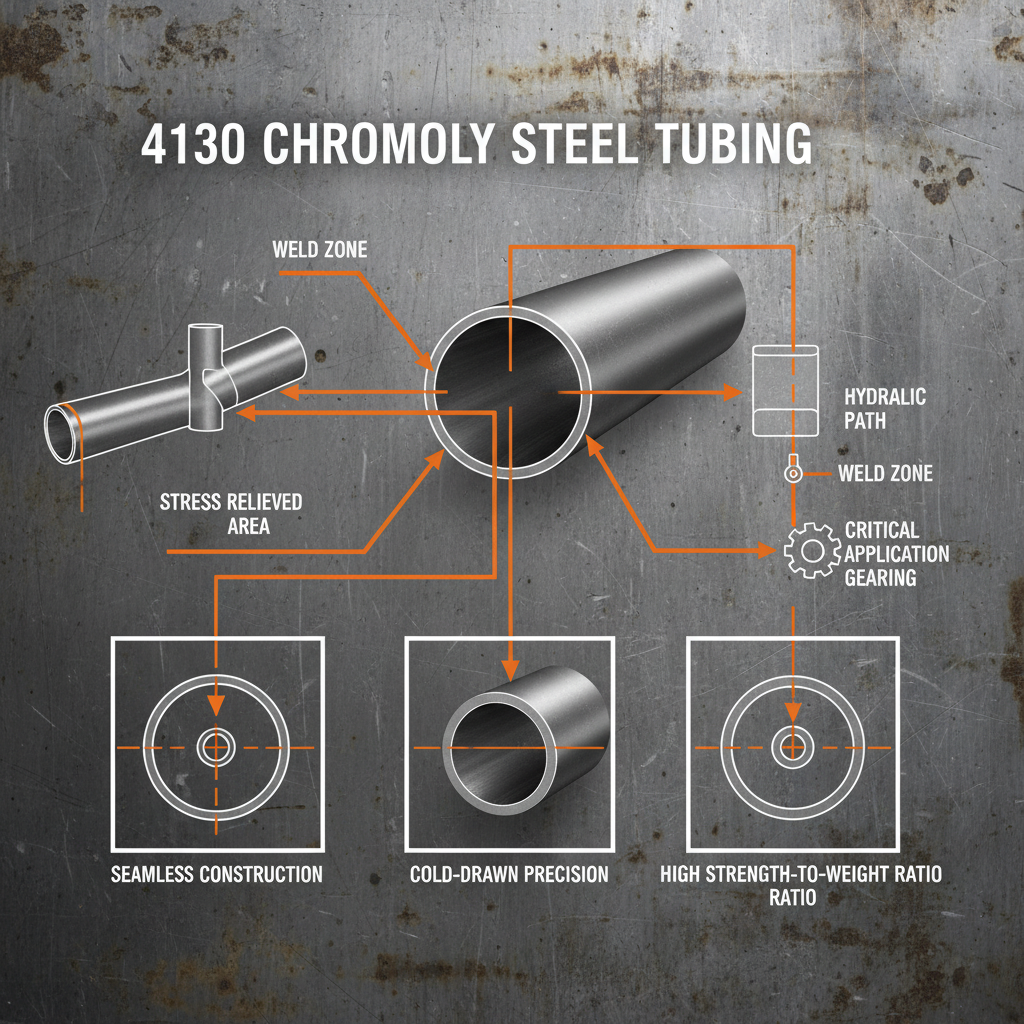
Ultimate Guide to 4130 Tubing Strength Performance and Applications
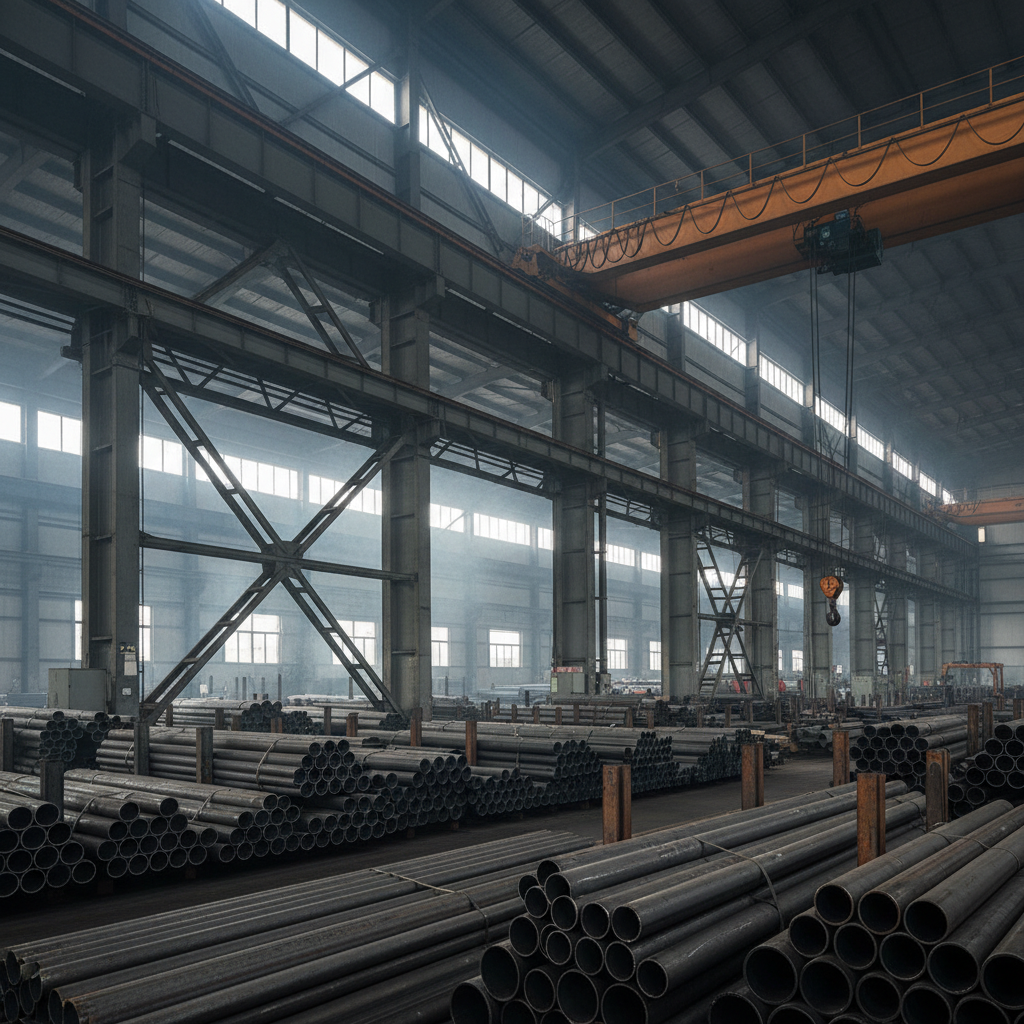
Properties and Industrial Applications of 4130 steel tubing
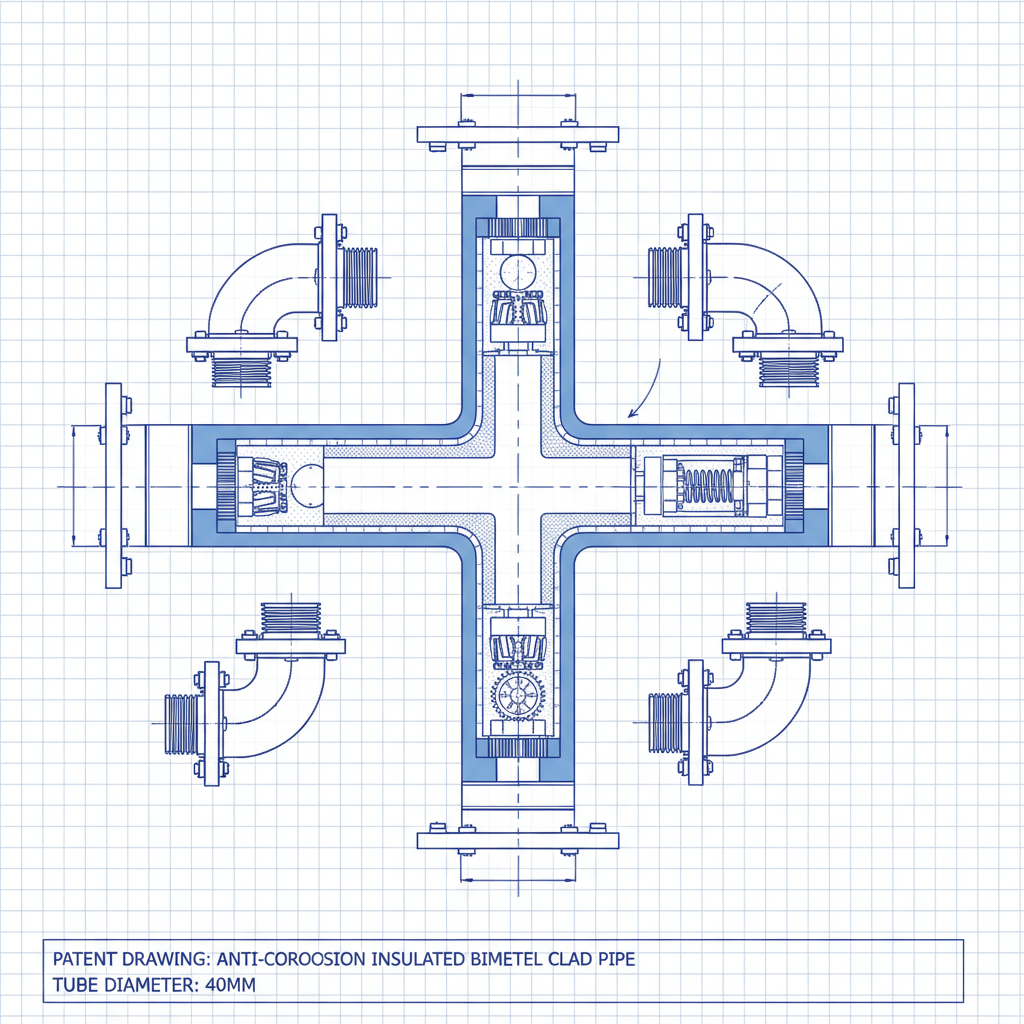
Comprehensive Guide to 40mm Steel Tube Applications and Material Selection
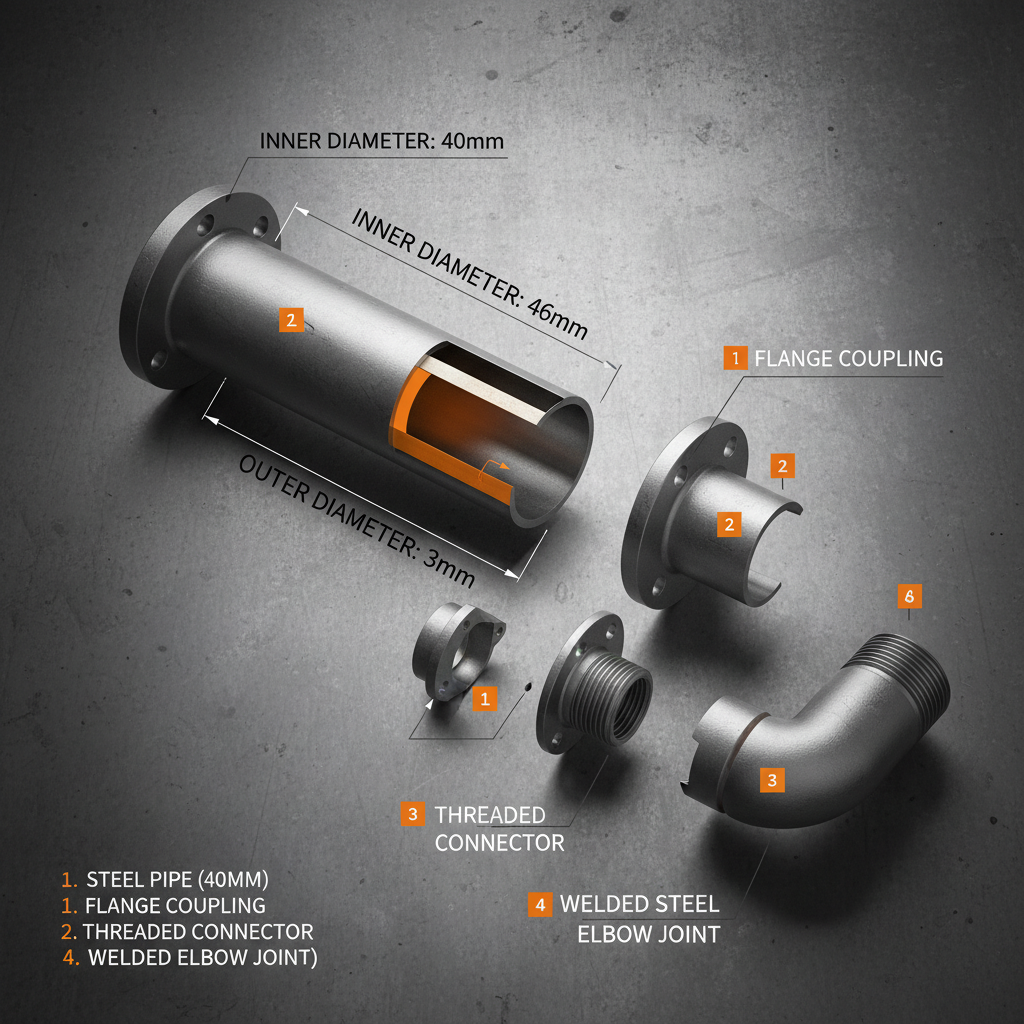
Comprehensive Guide to 40mm Steel Pipe Applications and Considerations
Comprehensive Guide to 40mm Metal Pipe Applications and Sourcing
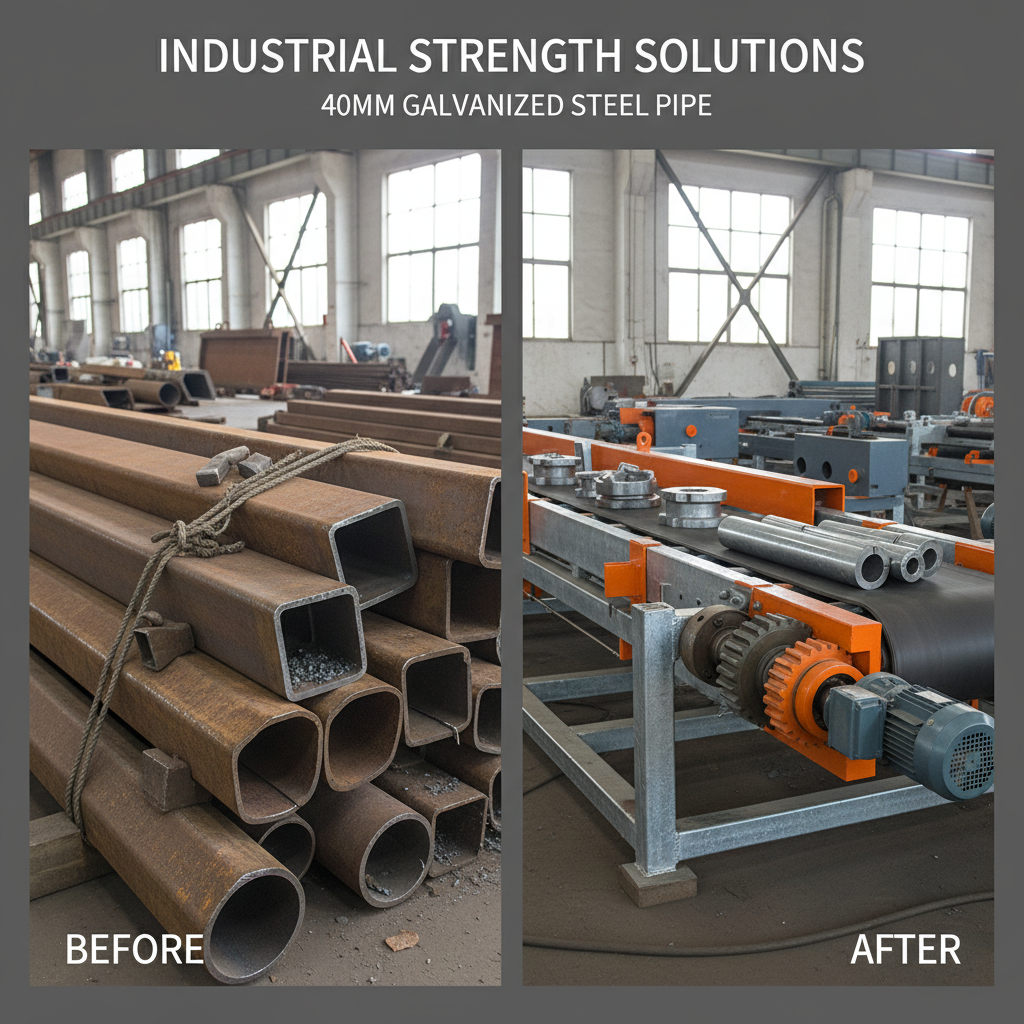
Comprehensive Guide to 40mm Galvanised Pipe Applications and Specifications