tel
Email
to top

Durable and Cost-Effective Galv Tubes | Global Galvanized Steel Solutions

Nov 29 2025
share:

Understanding Galv Tubes: The Backbone of Modern Infrastructure

In today’s world where infrastructure durability, cost efficiency, and sustainability are paramount, the humble galv tube plays a vital role. But what exactly is a galv tube, and why does it matter beyond construction blueprints and engineering specs? At its core, the galv (galvanized) tube is a steel pipe coated with zinc, designed to resist corrosion and extend lifetime in harsh environments. This seemingly simple innovation quietly underpins countless projects worldwide — from plumbing and scaffolding to telecommunication towers.

With increasing demand for resilient, low-maintenance materials globally — especially in developing regions grappling with climate challenges — galv tubes have become critical. They’re pivotal not just for engineers but for humanitarian aid groups, urban planners, and manufacturers, who rely on these tubes to deliver safety and durability in a cost-effective manner.

Global Context: Why Galv Tube Still Matters

According to the International Organization for Standardization (ISO), galvanized steel products are integral to sustainable construction, especially in regions vulnerable to high humidity and industrial pollution. The World Bank estimates that over 2 billion people worldwide lack access to infrastructure robust enough to withstand environmental stresses — an issue galv tubes help mitigate. For instance, in Southeast Asia and Sub-Saharan Africa, widespread use of galvanized tubes ensures water delivery systems and temporary shelters stand firm against corrosion and wear.

Yet, the challenge remains: How to balance affordability with longevity? Non-galvanized steel corrodes rapidly in exposed conditions, leading to costly repairs or unsafe structures. Galv tubes address this by offering an economical shield, enabling infrastructure projects to succeed where budgets are tight and timeframes short.

What Is a Galv Tube? Breaking It Down

Simply put, a galv tube is a steel pipe coated with a layer of zinc through a process called galvanization. This zinc coating prevents rust and corrosion by forming a protective barrier. You might think it’s just another pipe, but here’s the catch: this metallic armor allows the tube to endure mechanical stress, water exposure, and industrial gases far better than plain steel.

Galv tubes come in various sizes and thicknesses, tailored for applications from lightweight fencing to heavy-duty oil pipelines. This versatility is why many industries—including construction, agriculture, and telecommunications—depend heavily on them.

Core Features That Make Galv Tubes Essential

1. Durability and Corrosion Resistance

The zinc layer actively protects the steel from oxidizing, which is especially crucial in wet or chemically aggressive environments. Studies show galvanized steel can last 20 to 50 years with minimal maintenance — a huge plus for infrastructure managers who dread constant repairs.

2. Cost Efficiency Over Time

While the initial price of galv tubes might be higher than untreated steel, the long-term savings are significant. Less frequent replacements and reduced downtime offer compelling ROI for projects spanning decades.

3. Versatility in Industrial Applications

Galv tubes are not shrink-wrapped into just one niche. They’re crucial in water supply (think rural waterworks), construction scaffolds, electrical conduits, and even temporary shelters post-disaster. Their adaptability is a defining trait.

4. Ease of Maintenance and Handling

Amazingly, galv tubes require minimal upkeep. Unlike painted steel, which chips and rusts, the galvanization is self-healing on minor scratches. Plus, handling on-site is safer thanks to their resistance to rust and degradation.

5. Environmental Resistance

From seaside salt sprays to industrial chemicals, the protective zinc offers resilience that plain steel lacks. This makes galv tubes particularly relevant in coastal infrastructure and factories.

Typical Galv Tube Specifications
Specification Details
Material Mild Steel with Zinc Coating
Diameter Range 15mm – 150mm
Wall Thickness 1.2mm – 6.35mm
Zinc Coating Thickness 40 – 80 microns
Length 6 m (Standard)
Standards Compliance ISO 1461, ASTM A53/A123

Seeing Galv Tubes at Work Worldwide

Think about the bridges spanning waterways in remote parts of Asia or factories sprouting on the edges of Africa’s industrial zones. Galv tubes are there, silently doing their job. For example, after the 2015 Nepal earthquake, aid organizations deployed galvanized tubular scaffolding extensively for rebuilding efforts — the corrosion resistance making a strong case for long-term reconstruction rather than quick fixes.

Similarly, telecommunications providers in coastal Brazil use galv tubes for antenna masts, ensuring signal towers resist salty air — crucial for both emergencies and everyday connectivity. These tubes’ low maintenance needs also cut operational costs hugely in such remote environments.

What Makes Galv Tubes Advantageous Over Alternatives?

  • Cost-Effectiveness: Lower total lifecycle costs, from purchase to disposal.
  • Environmental Sustainability: Zinc is recyclable and the tubes last much longer, reducing waste.
  • Health & Safety: Strong, reliable tubes mean safer structures and less frequent maintenance hazards.
  • Innovation Friendly: Galv tubes integrate well with modern smart infrastructure projects needing conduit protections and sturdy frameworks.

In a way, these tubes provide a kind of quiet reassurance — knowing your infrastructure won’t crumble under pressure, rain, or time.

Innovations Steering the Future of Galv Tubes

Roughly speaking, the future is bright for galv tubes. Manufacturers are experimenting with advanced coatings that combine zinc with other metals, offering improved corrosion resistance while cutting weight. Nanotechnology-enhanced coatings promise self-cleaning surfaces that repel dirt and moisture, ideal for renewable energy installations like wind turbines.

Digital integration is another frontier: sensors embedded in tubes can now monitor structural health in real-time, allowing preemptive maintenance long before issues become dangerous. Plus, increasing regulations encouraging sustainability means manufacturers must push zinc sourcing to environmentally responsible levels, promoting a greener supply chain.

Tackling Challenges: What Holds Galv Tube Back?

Not all is rosy. Galv tubes face challenges like zinc depletion in extremely harsh chemical environments, which can undermine protection prematurely. Also, welding galvanized steel needs caution because zinc vapor can be hazardous if not ventilated properly. Finally, some budgets just don’t stretch far enough upfront to accommodate premium galvanized products.

Experts suggest hybrid approaches: combining galvanization with periodic protective paint or powder coating; using thicker zinc layers strategically; and scaling production to reduce costs. Organizations like ISO are continually updating standards to address some of these issues too.

Vendor Comparison: Galv Tube Suppliers
Supplier Zinc Coating Quality Price Range (USD per meter) Delivery Time Certifications
Lion Pipeline (https://www.lion-pipeline.com) 50-70 microns (Hot-Dip) $5.00 – $7.00 2-3 weeks ISO 1461, ASTM A123
SteelMaster Co. 40-60 microns (Electro-Galv) $4.50 – $6.50 3-4 weeks ISO 1461
Global Tubes Inc. Up to 80 microns (Hot-Dip) $6.00 – $8.00 1-2 weeks ISO 1461, ASTM A53

Frequently Asked Questions About Galv Tube

  • Q: How long can a galvanized tube typically last in outdoor conditions?
    A: Depending on the environment, a quality galv tube can last 20 to 50 years outdoors. Coastal or industrial exposures shorten this lifespan, but zinc coating thickness and maintenance can extend it significantly.
  • Q: Is galvanization better than painting for protecting steel tubes?
    A: Generally, galvanization offers longer-lasting corrosion resistance, especially against scratches and abrasions. Paint may chip or blister, requiring more frequent upkeep.
  • Q: Can galv tubes be welded on-site during construction?
    A: Yes, but precautions are essential to ventilate zinc fumes and prevent exposure to welders. Using appropriate techniques helps maintain coating integrity.
  • Q: Are galv tubes environmentally friendly?
    A: Zinc is recyclable and the long service life of galv tubes reduces replacement frequency, lowering overall environmental impact.
  • Q: How to ensure quality when importing galv tubes?
    A: Look for suppliers complying with ISO standards (like ISO 1461) and request coating thickness certificates. Partnering with reputed vendors, such as Lion Pipeline, also helps.

Wrapping Up: Why Galv Tubes Will Keep Shaping Our World

To sum it up, galvanized (galv) tubes are quietly essential, showing strength in extending infrastructure longevity across the planet. They marry industrial savvy with practical durability, making them ideal for everything from rural water systems to digital infrastructure poles. When you weigh cost, sustainability, and ease of use, it becomes clear why galv tubes continue to be a go-to choice for engineers and planners alike.

Curious to explore the latest in galv tube solutions? Feel free to visit Lion Pipeline — a trusted supplier with top-tier galvanized steel products ready to meet your project’s needs.

Mini takeaway: Galv tubes combine resilience and cost efficiency in a world needing infrastructure that lasts without draining budgets or harming the planet. Their quiet impact will only grow as innovation meets real-world demand.
References

  1. Wikipedia: Galvanization
  2. ISO 1461: Hot-dip galvanized coatings on fabricated iron and steel articles
  3. The World Bank: Infrastructure Overview
  • Pipe Cap

    Pipe Cap

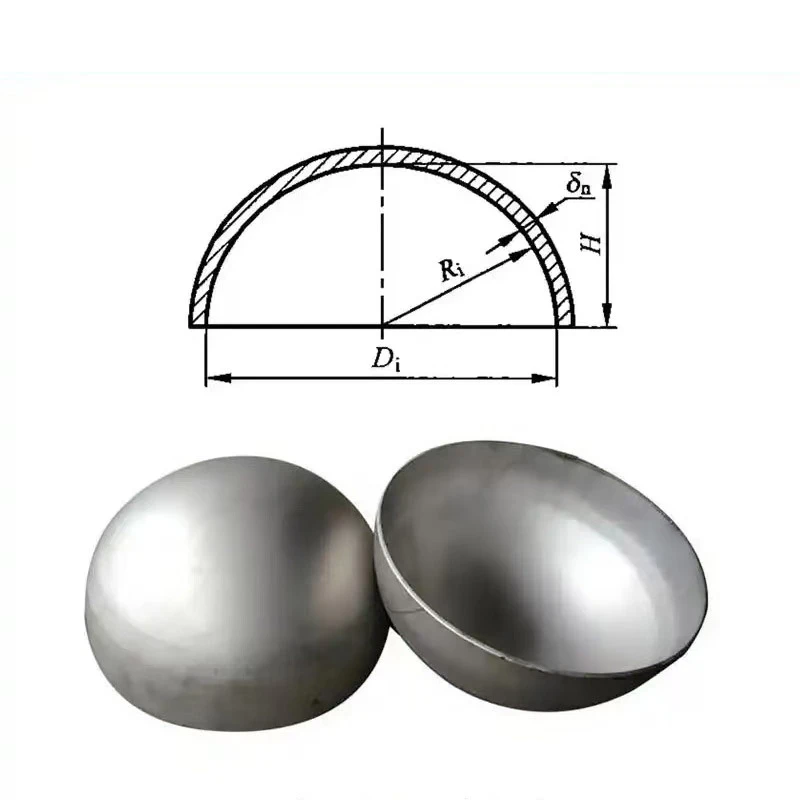
    Pipe caps come in different shapes, including round, square, and oval, and can be designed for both threaded and welded connections. They ensure the integrity of piping systems during transportation, storage, and installation by protecting the pipe ends from dirt, debris, and environmental factors. Durable and easy to install, pipe caps are critical for maintaining system efficiency and safety.
    VIEW ALL
  • Flange

    Flange

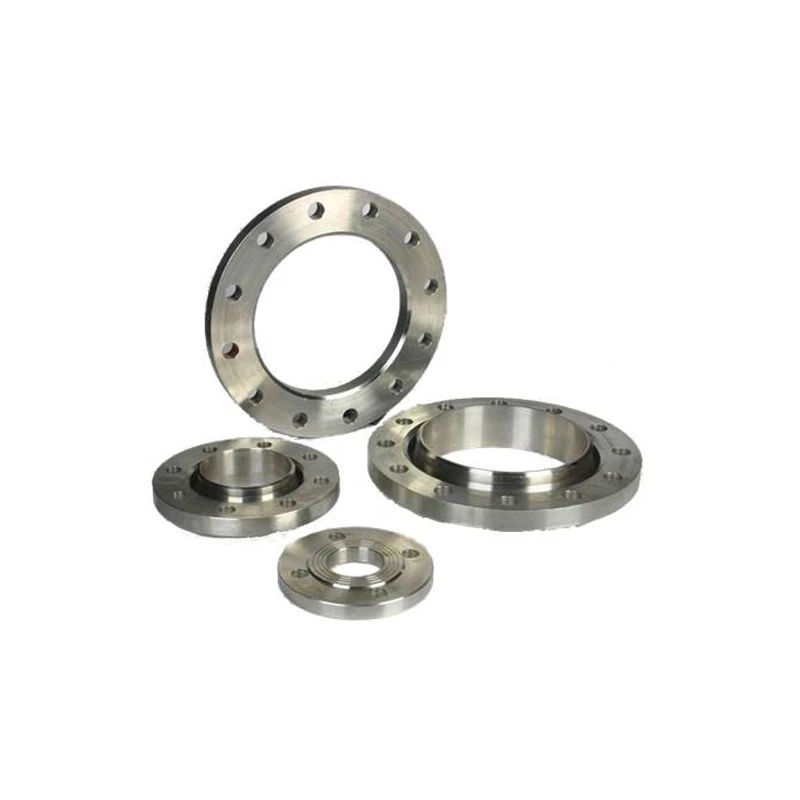
    Flange Product Introduction Flanges are used to connect pipes to pipes or pipes to equipment, ensuring a sealed and stable connection. They prevent fluid leakage and can withstand certain pressures and stresses, ensuring reliable connections. Flange nominal diameters range from DN15-DN2000 and beyond, covering various pipeline connection needs. Flanges primarily adhere to international standards such as ASME B16.5-2020, ASME B16.47-2020, and API 6A-2018.
    VIEW ALL
  • Overlay Welding Clad Steel Pipe

    Overlay Welding Clad Steel Pipe

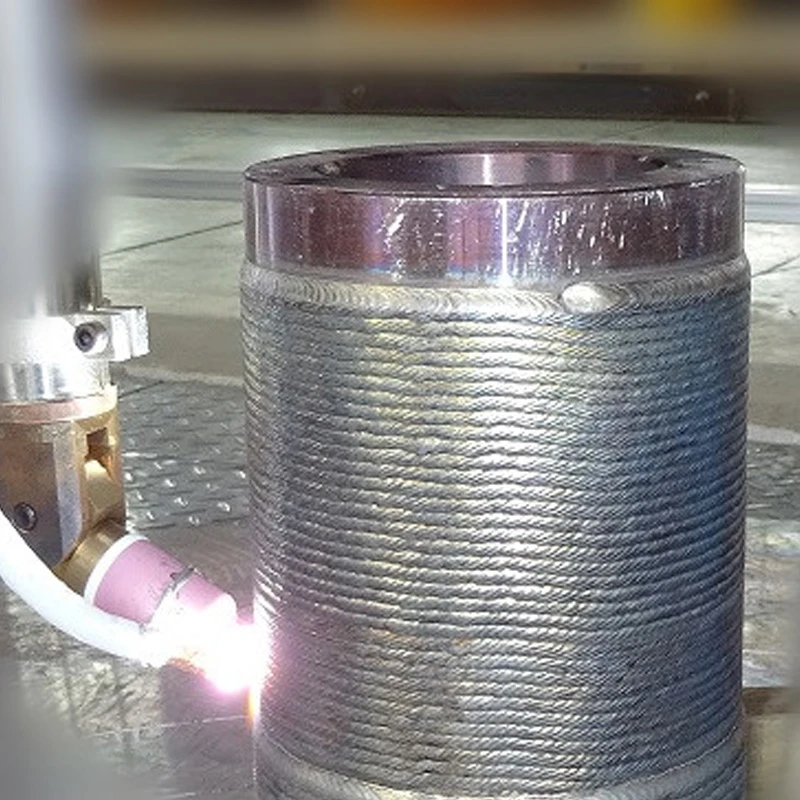
    Overlay Welding clad Steel Pipe features a high-performance welded overlay that enhances the pipe’s surface properties, providing superior resistance to corrosion, erosion, and wear. This process involves applying a wear-resistant alloy layer over a strong steel base, making it ideal for industries such as oil and gas, mining, and chemical processing, where pipes are exposed to harsh conditions. The overlay ensures extended service life, reduced maintenance costs, and reliable performance even in extreme environments. With its combination of strength, durability, and corrosion resistance, the Overlay Welding Steel Pipe is a trusted solution for critical applications.
    VIEW ALL
To create value for customers!
Cangzhou Leo Technology Co., Ltd. is located in Mengcun County Economic Development Zone, Cangzhou City, Hebei Province. It is a specialized high-tech enterprise that integrates the research and development, production, and sales of composite pipes and fittings.
News
The company regards product quality as the life of the enterprise, establishes a sound quality management system in accordance with the requirements of industry and national standards, controls all aspects of input and output in the whole process, pays attention to every detail, and ensures that the product delivery pass rate is 100%.
Ultimate Guide to 4130 Tubing Strength Performance and Applications
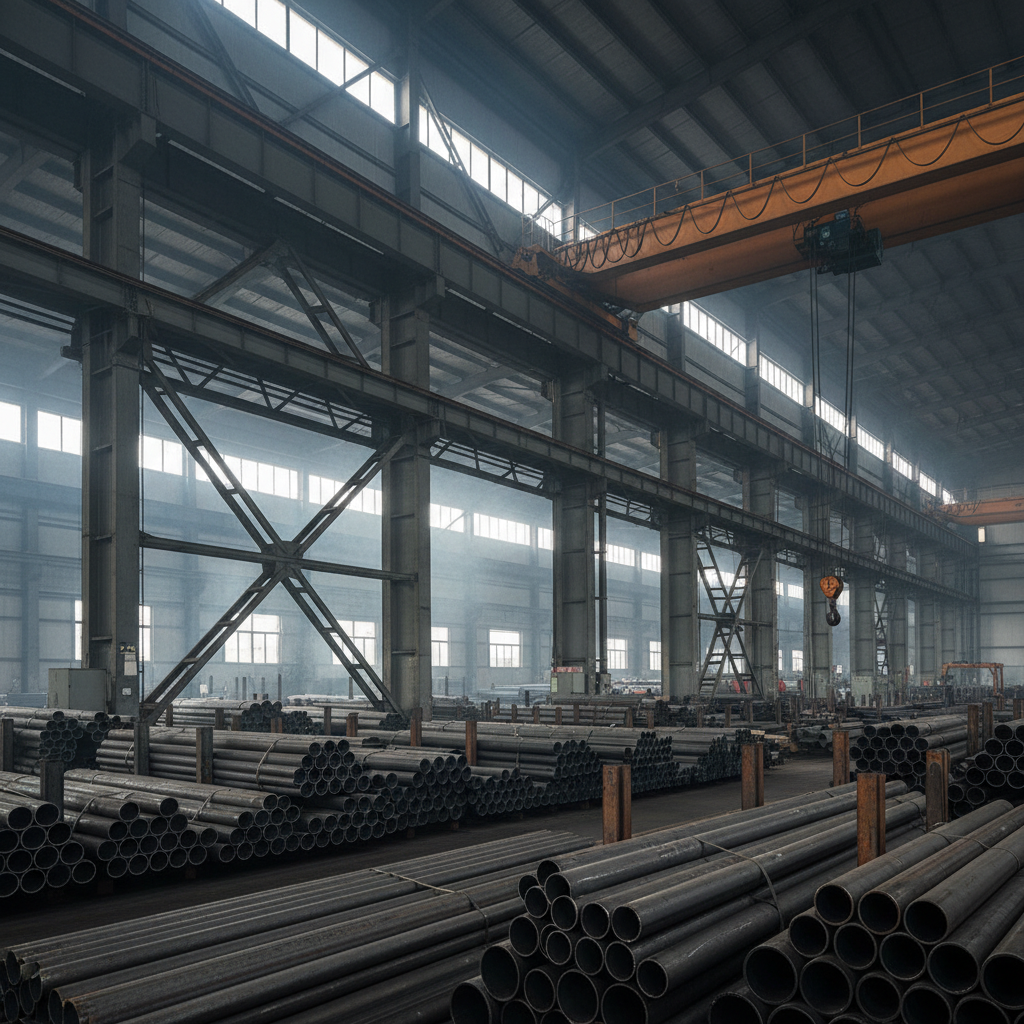
Ultimate Guide to 4130 Tubing Strength Performance and Applications

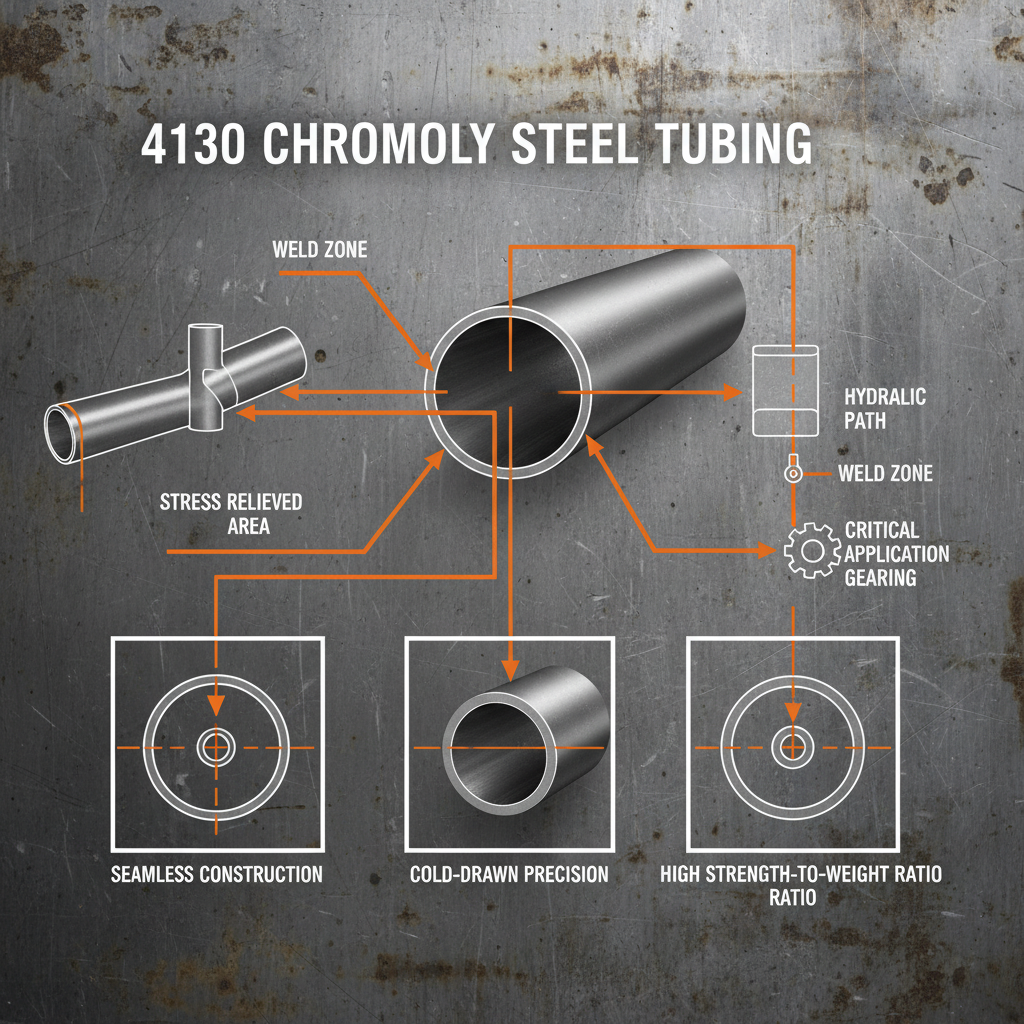
In the world of high-performance engineering, material selection is the foundation of safety and efficiency. 4130 tubing is widely regarded as the gold standard for applications requiring an exceptional strength-to-weight ratio. This chrome-molybdenum alloy steel is engineered to withstand extreme stress while remaining lightweight enough for aerospace and automotive use. Whether you are designing a roll cage, a bicycle frame, or a critical industrial component, understanding the nuances of this material is essential. In this comprehensive guide, we will explore why this specific alloy is preferred by engineers worldwide and how to choose the right specifications for your project.
Properties and Industrial Applications of 4130 steel tubing
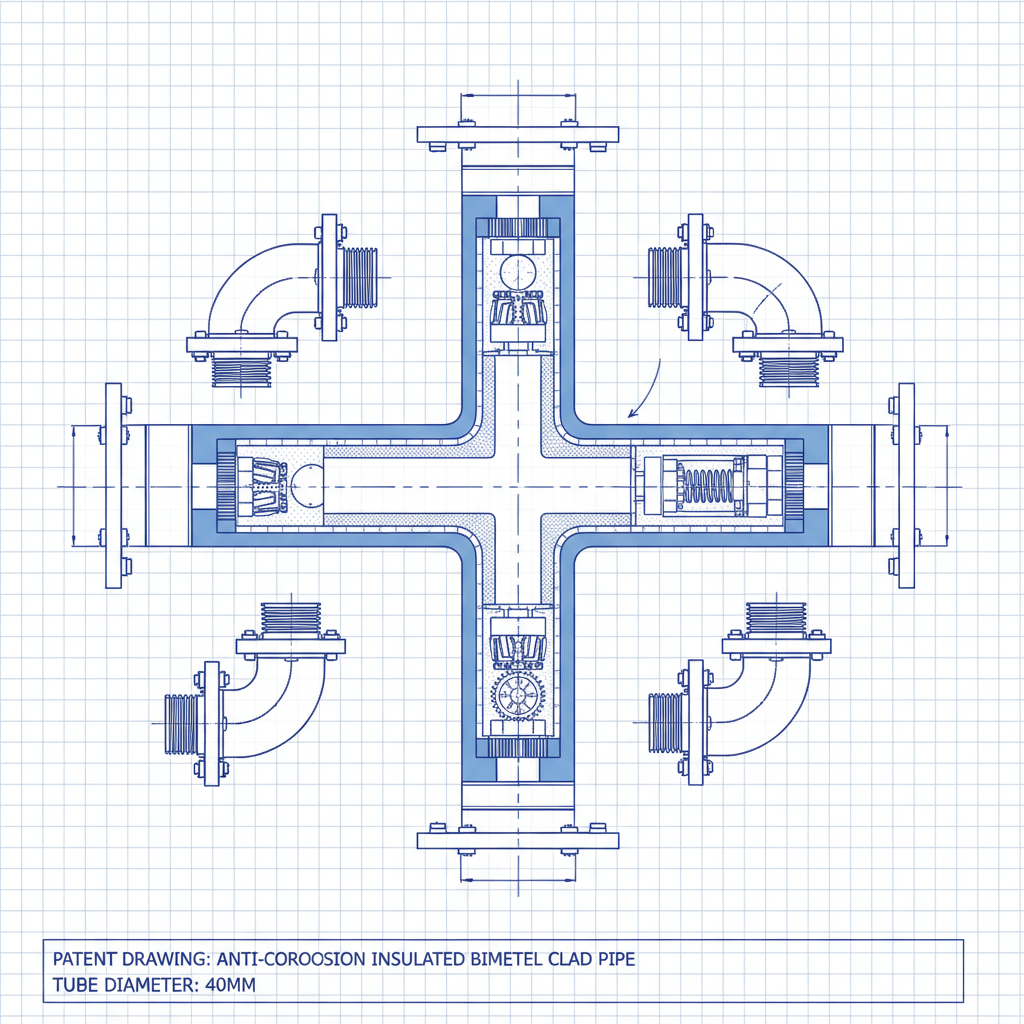
Properties and Industrial Applications of 4130 steel tubing

In the world of high-performance engineering, material selection is the foundation of safety and efficiency. 4130 steel tubing is widely recognized as the gold standard for applications requiring an exceptional strength-to-weight ratio. Known for its versatility and reliability, this chromium-molybdenum alloy is the preferred choice for everything from aircraft frames to professional roll cages. Understanding the nuances of this material allows engineers to optimize structural integrity without adding unnecessary bulk. In this comprehensive guide, we will explore why this specific alloy remains a top choice for critical industrial and aerospace components.
Comprehensive Guide to 40mm Steel Tube Applications and Material Selection
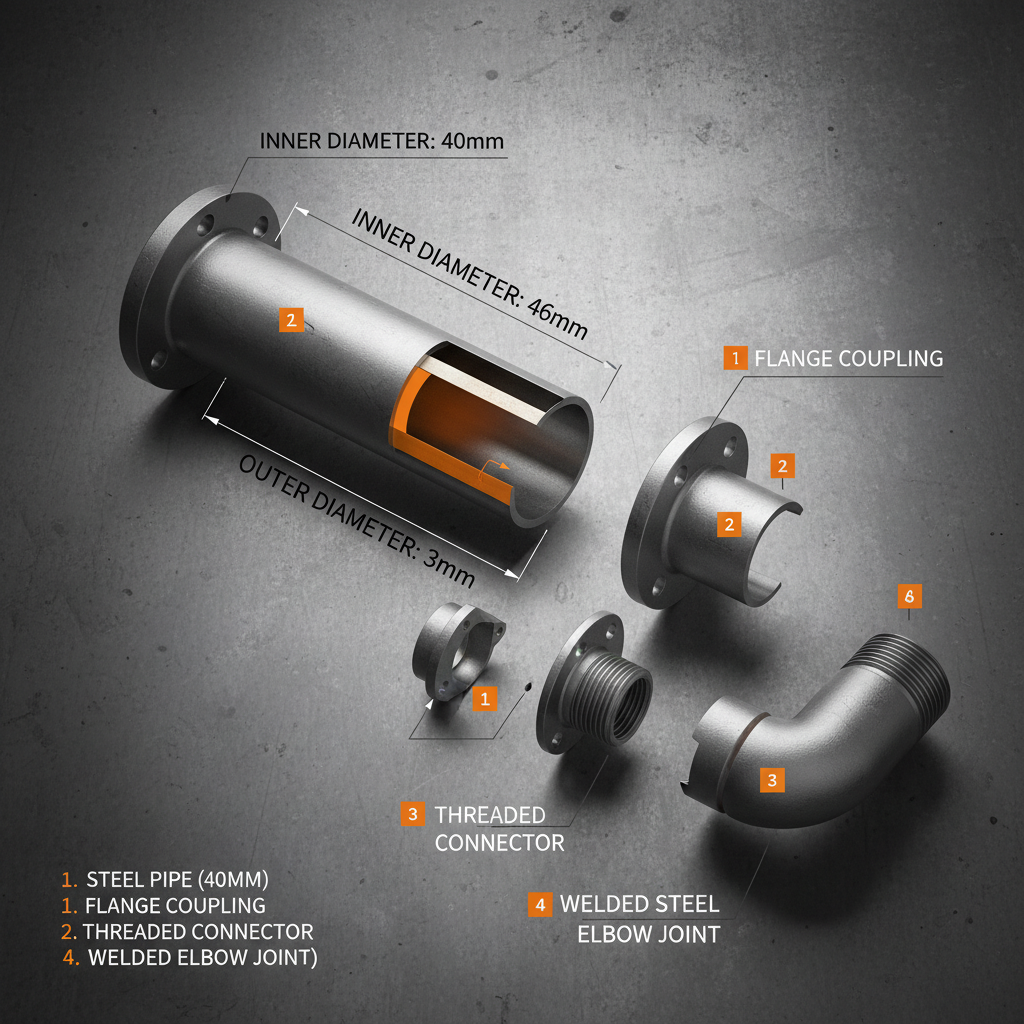
Comprehensive Guide to 40mm Steel Tube Applications and Material Selection

40mm steel tube is a versatile and widely used material in various industries, from construction and manufacturing to automotive and beyond. Its strength, durability, and cost-effectiveness make it an ideal choice for numerous applications. This article will delve into the characteristics, applications, benefits, and considerations when working with 40mm steel tube, providing a comprehensive overview for professionals and anyone interested in this essential material.
Comprehensive Guide to 40mm Steel Pipe Applications and Considerations
Comprehensive Guide to 40mm Steel Pipe Applications and Considerations

40mm steel pipe is a widely used material in various industries due to its strength, durability, and cost-effectiveness. From construction and infrastructure projects to industrial applications and fluid transportation, this pipe size offers a versatile solution. This article will delve into the properties, applications, standards, and key considerations when selecting 40mm steel pipe, helping you make informed decisions for your specific needs.
Comprehensive Guide to 40mm Metal Pipe Applications and Sourcing
Comprehensive Guide to 40mm Metal Pipe Applications and Sourcing

40mm metal pipe is a crucial component in a wide array of industries, from construction and plumbing to industrial manufacturing and fluid transport. Its strength, durability, and versatility make it a preferred material for countless applications. This article will delve into the specifics of 40mm metal pipe, exploring its various types, common uses, benefits, and where to source high-quality piping solutions.
Comprehensive Guide to 40mm Galvanised Pipe Applications and Specifications

Comprehensive Guide to 40mm Galvanised Pipe Applications and Specifications

When planning a plumbing, structural, or industrial project, selecting the right piping material is crucial. 40mm galvanised pipe is a widely used option known for its strength, durability, and corrosion resistance. This article provides a detailed overview of 40mm galvanised pipes, exploring their applications, benefits, specifications, and considerations for optimal usage. We'll cover everything from what galvanisation is to how to choose the right pipe for your specific needs.
tel email tel top

If you are interested in our products, you can choose to leave your information here, and we will be in touch with you shortly.