Galvanized metal tubing might not be the glamorous topic of your next dinner conversation, but it’s silently everywhere — from skyscraper skeletons to irrigation systems and disaster relief shelters. Basically, it’s steel or iron tube that's been coated with zinc to protect it from rust and corrosion. Why does that matter? Well, when you consider that the global construction and manufacturing sectors keep growing year after year (the UN reports a steady 3-4% annual increase in construction material demand1), durable, cost-effective building materials become vital to sustainable development. Galvanized tubing answers that need by offering longevity and resilience, especially in harsh environments.
Understanding galvanized metal tubing not only helps industries select smarter materials but also directly impacts economies and humanitarian efforts—making it a quiet hero on the global stage.
Have you ever wondered how infrastructure withstands tropical rains or frozen tundra? It’s no accident. Worldwide, galvanized metal tubing forms backbone components in everything from water supply systems to electrical conduits. According to the World Bank, infrastructure investment reached $3.7 trillion in 20232, emphasizing the importance of strong, weather-resistant materials. Especially with climate change throwing unpredictable weather patterns at us, galvanized piping systems prevent costly failures.
But here’s the kicker: traditional untreated steel pipes rust quickly in moist or saline conditions, leading to failures that cost governments and private firms billions yearly. Galvanization steps in as a protective shield. Frankly, without galvanized metal tubing, many developing regions would struggle to build lasting infrastructure to support growing populations.
Galvanized metal tubing is steel or iron tubing that has been dipped or coated in molten zinc. This zinc layer acts as a corrosion barrier and also provides a sacrificial anode effect, meaning it corrodes before the underlying metal does. This process extends the life of the tubing dramatically.
In industries ranging from agriculture to energy, these tubes allow for reliable conduits — plumbing, wiring, or structural elements — without the frequent toll of rust. Oddly enough, the technique is centuries old, but we've refined it to meet modern-day engineering complexities.
The zinc coating isn’t just a thin paint; it’s a fusion of zinc metallurgically bonded to steel. This gives the tubing toughness against scratches and dents, key when moving materials through construction sites or industrial zones. For example, pipelines in coastal areas benefit hugely, resisting salty air and water.
While galvanized tubing may cost a bit more upfront compared to untreated steel, its lifespan often quadruples in outdoor or exposed conditions. That means fewer replacements and less downtime — huge wins in remote work sites where fixing or replacing pipes can mean days of lost productivity.
Thanks to advances in manufacturing, galvanized tubing comes in various diameters, thicknesses, and shapes (round, square, rectangular). So engineers can tailor it easily whether they’re building a fire suppression system or temporary shelters. This adaptability is why many NGOs prefer galvanized materials for rapid deployment housing, supporting urgent humanitarian needs.
Galvanized metal tubing can be 100% recyclable and reused, fitting well within circular economy models. The coating process itself has improved, reducing hazardous waste and emissions, aligning with global efforts led by agencies like the International Organization for Standardization (ISO)3.
For instance, after the 2010 Haiti earthquake, NGOs implemented galvanized metal tubing-based shelters to withstand tropical storms that followed — a tangible example of its humanitarian relevance.
Galvanized metal tubing isn’t just about metal pipes; it’s a practical solution shaping how infrastructure withstands time, weather, and human needs worldwide.
Aside from obvious benefits like weather resistance and cost savings, galvanized tubes foster innovation by enabling architects and engineers to design safer, more efficient structures. Emotionally, it gives communities confidence—shelters won’t falter, irrigation systems won’t fail, and utilities remain steady.
It’s common for project managers to say that galvanized tubing provides “peace of mind” because it cuts down on emergency repairs and unexpected failures, which, frankly, feel like ticking time bombs on large projects.
| Specification | Value | Unit |
|---|---|---|
| Material | Carbon Steel | - |
| Coating Type | Hot-dip Galvanized | - |
| Diameter Range | 10 - 100 | mm |
| Length Range | 6 - 12 | meters |
| Coating Thickness | 55 - 85 | microns |
| Tensile Strength | 400 - 550 | MPa |
| Vendor | Coating Quality | Price per meter | Lead Time | Sustainability Certification |
|---|---|---|---|---|
| Lion Pipeline | Excellent (85 microns avg) | $12.50 | 2 weeks | ISO 14001 |
| SteelWorks Co. | Good (65 microns avg) | $11.00 | 3-4 weeks | None |
| Global Tubing | Fair (55 microns avg) | $10.75 | 1 week | ISO 9001 |
Manufacturers aren’t resting on their laurels. Right now, there’s research targeting galvanized metal tubing with improved zinc alloys that offer longer corrosion protection plus self-healing properties. Then there’s the merging of digital tech with manufacturing — sensors embedded in pipelines to monitor corrosion from inside. In terms of sustainability, greener zinc recovery methods and coating recycling promise to reduce environmental impact.
The rise of automated fabrication lines and AI-powered quality control means tubing will become more consistent and tailored, reducing waste and enhancing reliability. Kind of exciting to think that what once was a simple dipped pipe is now becoming a smart, eco-conscious product.
Like anything, galvanized tubing has pitfalls. One challenge is zinc coating wear in harsh abrasion environments, like mining. Another is complexity in bending tubing without cracking the zinc layer. Yet, experts suggest using thicker coatings in problem zones and adopting precision bending tools to maintain integrity.
There’s also the ongoing issue of ensuring suppliers meet sustainable standards, especially in developing markets. The best way forward? Certification verification and transparent supply chains — which galvanized metal tubing manufacturers like Lion Pipeline are increasingly embracing.
To sum it up, galvanized metal tubing delivers robust, adaptable, and sustainable solutions to a wide range of industries around the globe. Whether you’re deploying shelters in disaster zones or building life-sustaining irrigation in remote fields, galvanized tubing combines durability and cost-efficiency with environmental responsibility.
For those ready to explore superior-quality galvanized metal tubing options, check out Lion Pipeline—they offer tested, reliable tubing you can trust for your next project.
It feels like in a world craving both resilience and sustainability, galvanized metal tubing perfectly slots in — old school meets new tech in a quietly impressive marriage.
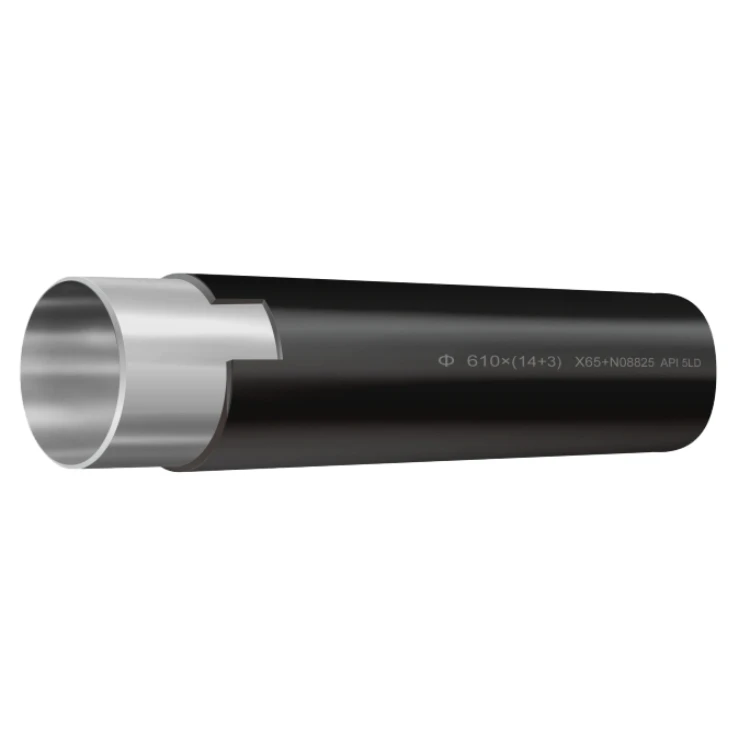
Anti Corrosion And Thermal Insulation Products

Ultimate Guide to 4130 Tubing Strength Performance and Applications
Properties and Industrial Applications of 4130 steel tubing
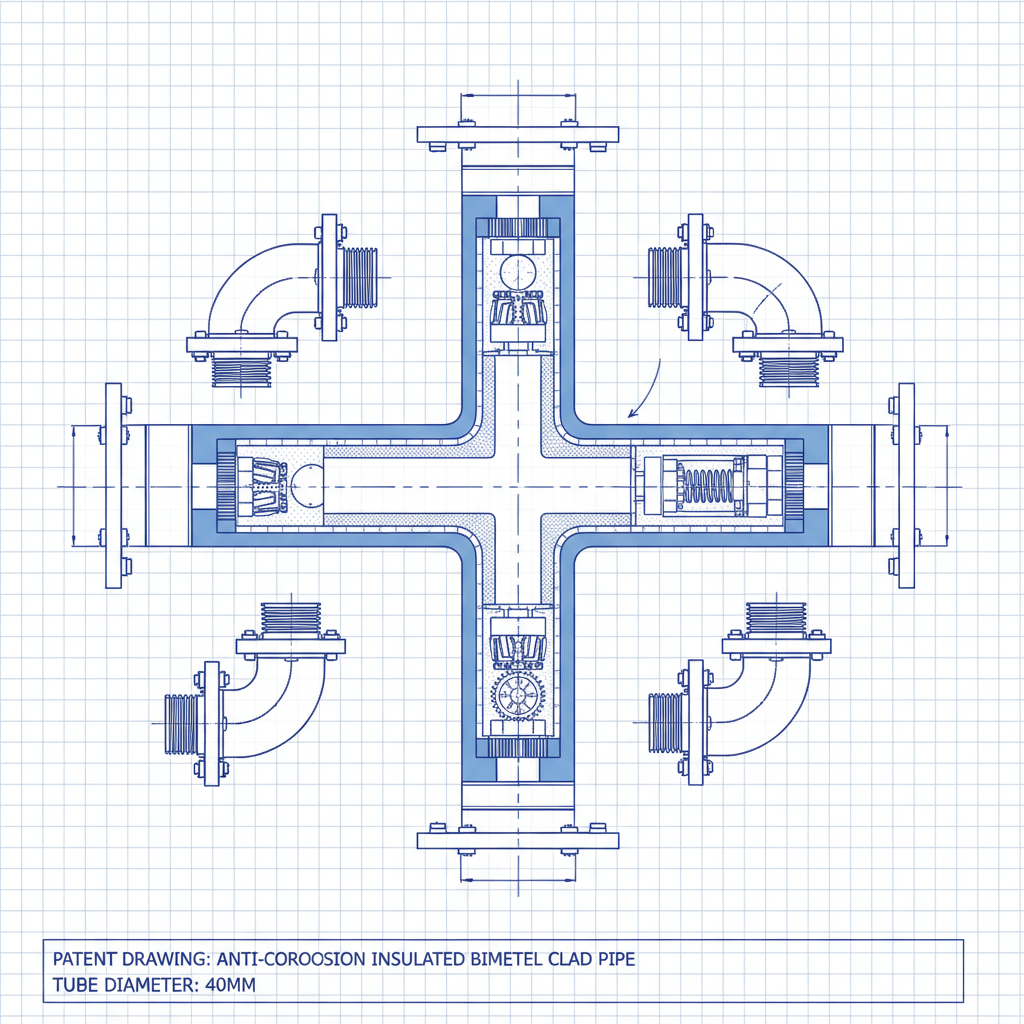
Comprehensive Guide to 40mm Steel Tube Applications and Material Selection
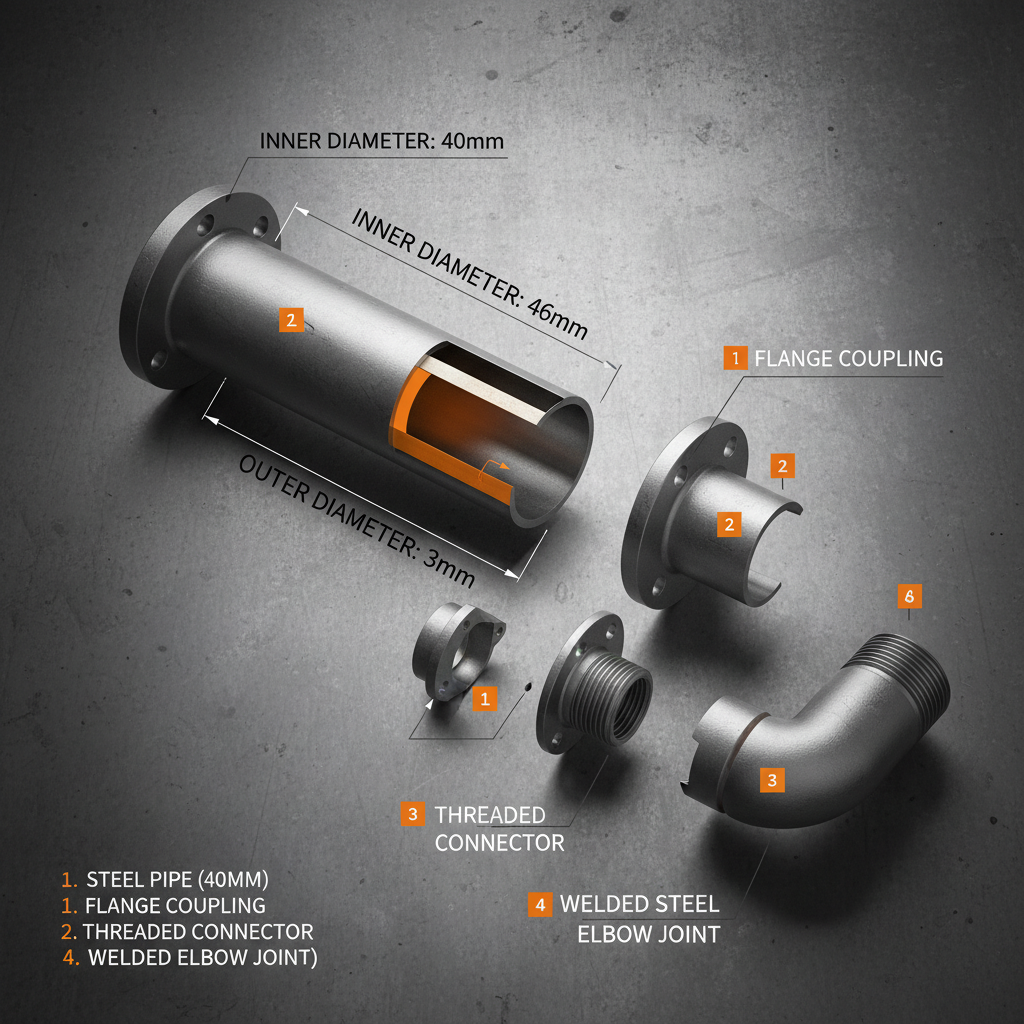
Comprehensive Guide to 40mm Steel Pipe Applications and Considerations
Comprehensive Guide to 40mm Metal Pipe Applications and Sourcing
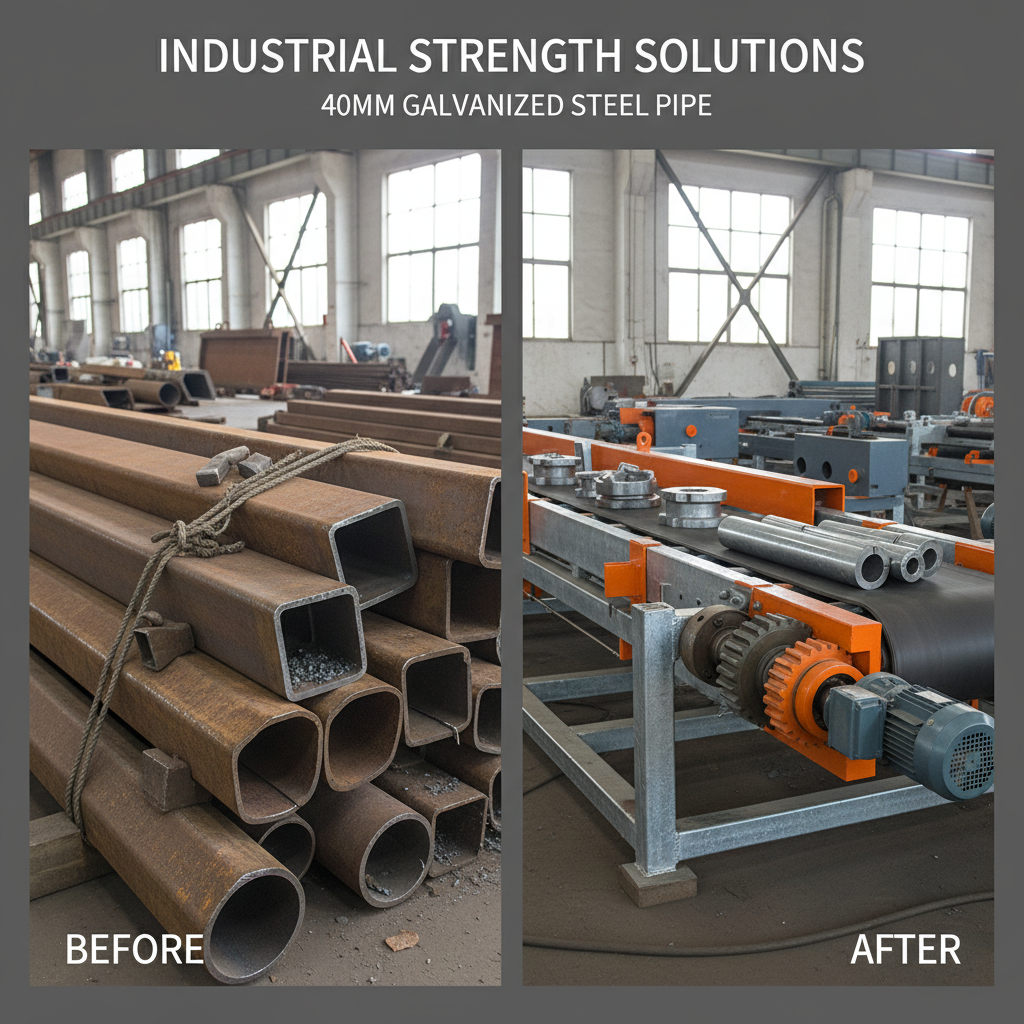
Comprehensive Guide to 40mm Galvanised Pipe Applications and Specifications