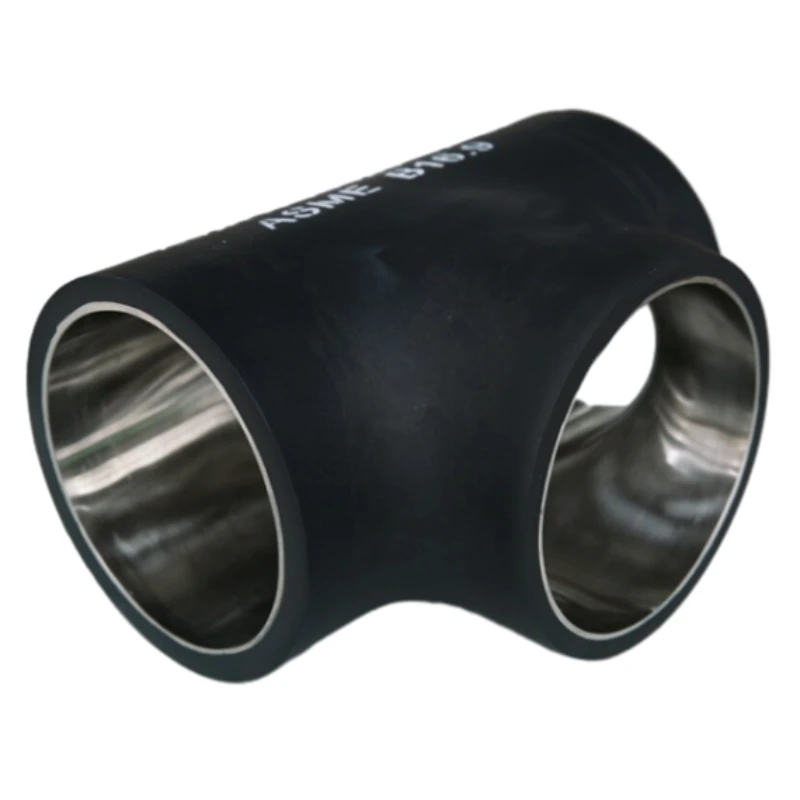
At first glance, a mild steel square tube might seem like just another piece of metal — but it’s so much more. It’s a quietly versatile material shaping everything from skyscrapers in bustling urban centers to the lightweight frames of humanitarian aid shelters in remote regions. Understanding this product and its global relevance uncovers why it matters for industries, engineers, and even emergency responders worldwide.
Mild steel square tubes are pivotal in the global construction and manufacturing sectors. According to recent reports by the International Organization for Standardization (ISO) and the World Steel Association, flat steel products like square tubing constitute a significant portion of global steel consumption — estimated at over 1.8 billion metric tons per year worldwide. This steel, known for its strength and affordability, addresses critical infrastructure needs, especially as urban areas swell and industrial projects expand rapidly across developing and developed countries alike.
One pressing challenge is balancing cost efficiency with durability and sustainability. Here, mild steel square tubes provide a compelling answer, offering a reliable building block for structures expected to last decades without requiring exorbitant material or maintenance costs.
Simply put, a mild steel square tube is a hollow section of steel, shaped with four even sides forming a square cross-section. “Mild steel” refers to steel with a low carbon content (typically 0.05% to 0.25%), which makes it easier to weld, form, and machine. Because of these properties, it finds frequent use where strength needs to be balanced with workability.
In modern industries, from automotive to construction, these tubes serve as skeletons for robust frameworks. Oddly enough, they also play a critical role in humanitarian efforts — providing structured yet lightweight frameworks for temporary shelters in disaster zones.
Mild steel’s tensile strength may not rival that of high-carbon steels, but its flexibility and resistance to impact make it excellent for structural applications. The square tube shape distributes loads evenly, helping to resist buckling under compression and bending stresses.
One of the main attractions is its affordability. Mild steel is cheaper than galvanized or stainless steel alternatives, making it a go-to for cost-conscious projects without a compromise on core strength.
Because of its low carbon content, mild steel square tubes can be welded, cut, drilled, and bent with relative ease. This adaptability speeds up construction timelines and enables custom solutions in the field.
Untreated mild steel is vulnerable to rust, but with proper coatings like powder coating, painting, or galvanization, the lifespan of these tubes can be extended notably. This is vital in outdoor or humid environments.
Mild steel is one of the most recycled materials globally, helping reduce environmental footprints for manufacturers and builders. This sustainability edge aligns with the increasing demand for greener building products.
These tubes come in standard sizes but can be custom-ordered to suit specific load and design requirements, facilitating scalability from small DIY projects to large industrial facilities.
Mini takeaway: Mild steel square tubes balance strength, cost, and versatility, making them foundational in many sectors.For example, after the 2015 Nepal earthquake, NGOs distributed prefabricated shelter kits built around mild steel square tubing—light enough to transport via helicopter but sturdy enough for harsh mountain winds.
Mini takeaway: From remote disaster zones to urban skylines, mild steel square tubes enable solutions across environments and needs.Beyond price and performance, the long-term benefits are compelling. Structures built with mild steel square tubes can withstand changing weather conditions and moderate seismic activity, bringing emotional reassurance and physical safety. Investors and builders appreciate its predictability — they know how it performs and can trust its structural integrity.
Importantly, its recyclability enhances social responsibility. Choosing these tubes lets businesses reduce waste — a small but meaningful step toward sustainability that customers increasingly expect.
Lastly, the material fosters innovation. Designers use cutting-edge CAD tools and robotic fabrication to push the limits of mild steel square tube applications — from modular housing to intricate architectural façades.
| Specification | Value / Range |
|---|---|
| Material Grade | A36, EN 10305-5 |
| Carbon Content | 0.05% - 0.25% |
| Wall Thickness | 1.5 mm – 12 mm |
| Width x Height (Outer Dimensions) | 10 mm x 10 mm to 200 mm x 200 mm |
| Yield Strength | 250 MPa (approx.) |
| Weight (per meter) | Varies by size (e.g., 0.9 kg to 22 kg) |
| Vendor | Price Range (USD/meter) | Standard Sizes Available | Lead Time | Value-Adds |
|---|---|---|---|---|
| SteelCo Global | $2.50 - $15 | 10x10 mm – 100x100 mm | 2-3 weeks | Custom cutting & coatings |
| IronWorks Solutions | $3 - $13 | 20x20 mm – 150x150 mm | 1 week | Technical support, fast shipping |
| L&P Steel | $2.80 - $16 | 10x10 mm – 200x200 mm | 3-4 weeks | Bulk discounts, eco certifications |
The evolution of mild steel square tubes is quietly accelerating with advances in metallurgical processes and digital fabrication. “Green steel” production using hydrogen instead of coal is on the horizon, promising to slash carbon emissions. This shift would make mild steel tubes even more attractive for eco-conscious builders.
Furthermore, integration with Industry 4.0 means laser-cutting, robotic welding, and real-time quality control are raising the bar for precision and consistency. Some manufacturers are even exploring light but durable composite coatings for rust protection that reduce the need for heavy chemical treatments.
Sure, mild steel square tubes aren’t perfect. Without coating, corrosion is a persistent challenge, especially in marine or extreme weather conditions. Also, their weight, although lighter than solid bars, is still heavier than aluminum or composites, which can limit their use in ultra-light structures.
Experts recommend combined protective strategies — zinc galvanizing, advanced paints, and even smart sensors embedded in structures to monitor stress or corrosion signs. These innovations help extend life cycles and reduce surprises during inspections.
Q1: What makes mild steel square tubes preferable to round pipes in construction?
A: Mild steel square tubes offer a greater moment of inertia around their axes, giving them better resistance to bending compared to round pipes of similar weight. Their flat surfaces make joining and fastening easier, which is why many welders and fabricators prefer them for frames and supports.
Q2: How long do mild steel square tube structures last outdoors?
A: With proper anti-corrosion treatment (like galvanization or powder coating), structures can last 20-50 years depending on environmental exposure and maintenance. Untreated, their lifespan shortens drastically, especially in humid or salty conditions.
Q3: Are mild steel square tubes recyclable?
A: Absolutely. Mild steel is one of the most recycled materials globally, and nearly 85-90% of steel scrap gets reused. Recycling reduces mining demand and lowers environmental waste.
Q4: Can NGOs source mild steel square tubes internationally for rapid deployment?
A: Yes, many international steel suppliers offer standardized sizes with shipping options tailored for quick delivery. NGOs often partner with vendors who provide customization and on-site technical support.
Ultimately, the mild steel square tube is a quiet hero of modern manufacturing and construction — blending affordability, adaptability, and strength. Whether you’re erecting an urban skyscraper or a relief shelter in a distant region, this humble structural element provides reliable support and long-term value.
Curious to explore options or get a quote? Visit our website at https://www.lion-pipeline.com to discover premium mild steel square tube products tailored for your project’s needs.
Reflecting on mild steel square tube, it seems the simplest forms often carry the greatest weight in industry and human progress alike...
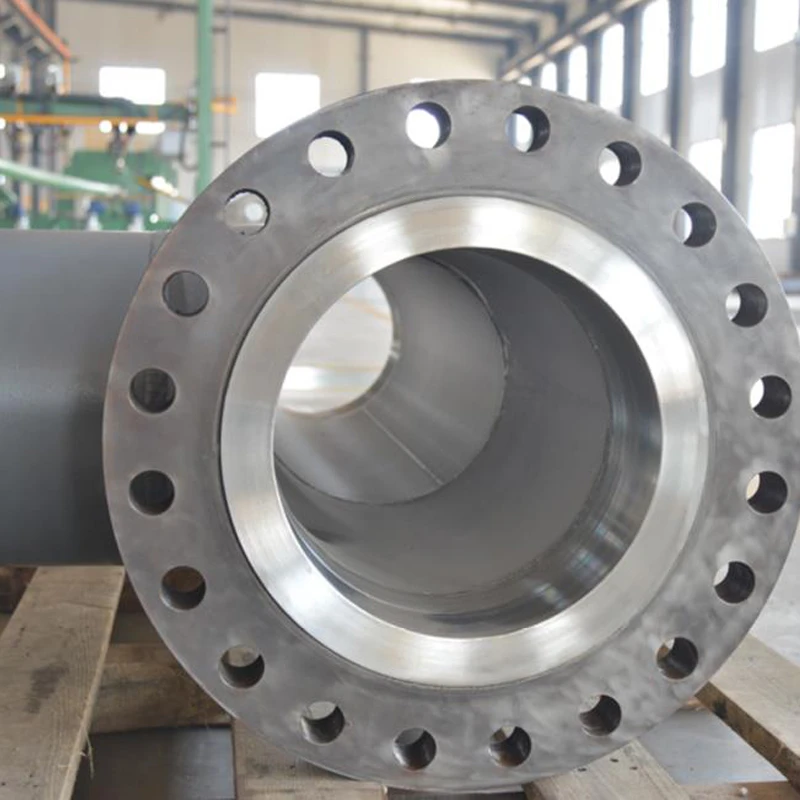
Factory Prefabricated Products
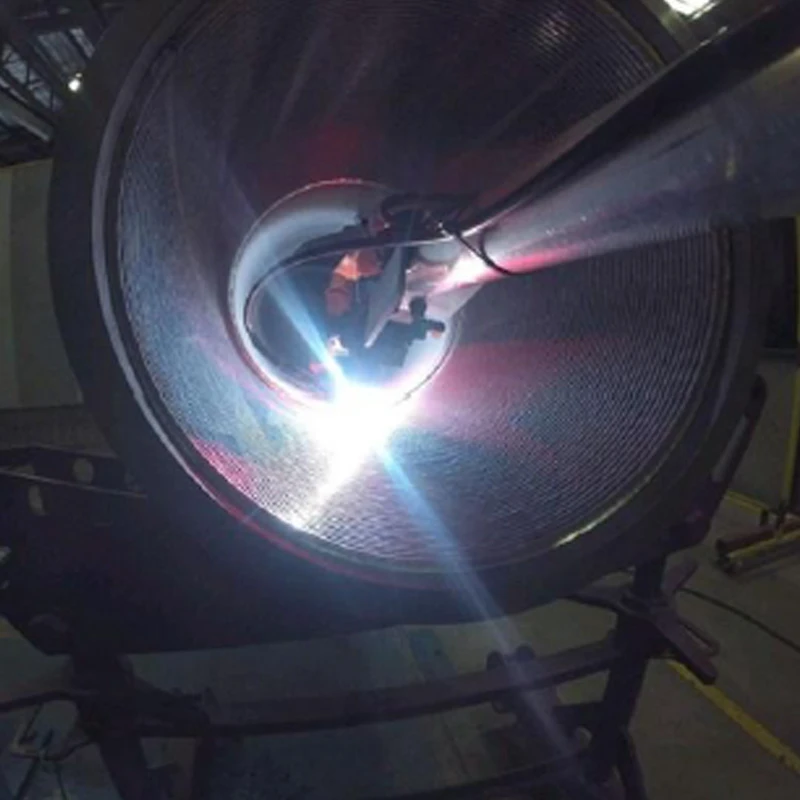
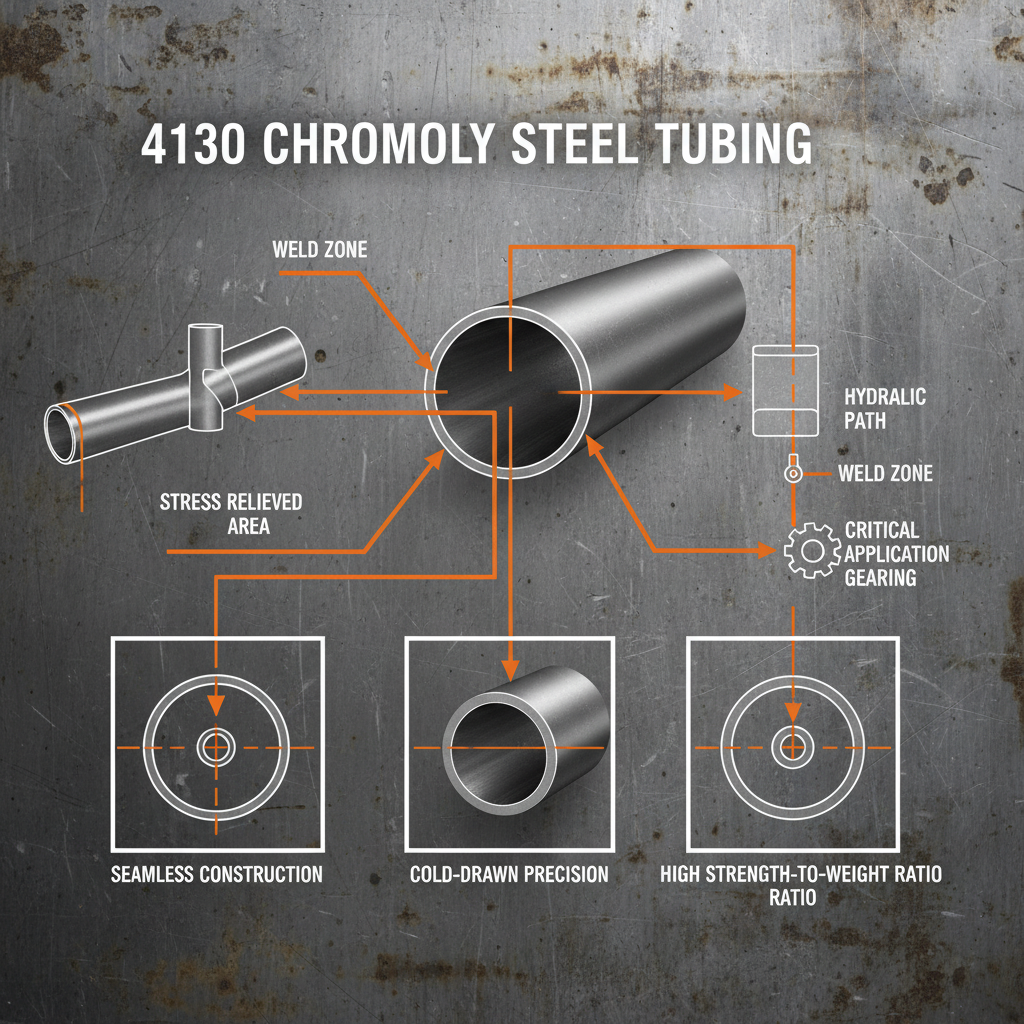
Ultimate Guide to 4130 Tubing Strength Performance and Applications
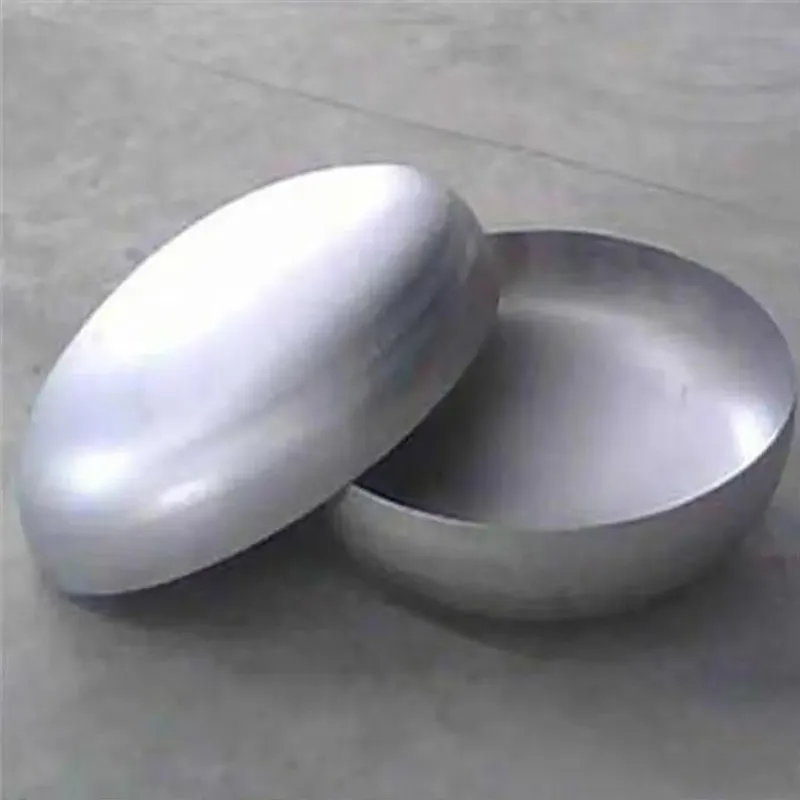
Pipe Cap-Cangzhou Lion Technology Co., Ltd.|Enhancing System Efficiency&Durability
Pipe Cap-Cangzhou Lion Technology Co., Ltd.|Enhancing System Efficiency&Durability
Pipe Cap-Cangzhou Lion Technology Co., Ltd.|Enhancing System Efficiency&Durability
Pipe Cap-Cangzhou Lion Technology Co., Ltd.|Enhancing System Efficiency&Durability
Pipe Cap-Cangzhou Lion Technology Co., Ltd.|Enhancing System Efficiency&Durability