If you’ve ever paused to admire a sturdy handrail, a supportive frame, or a towering scaffold, chances are mild steel round tube was involved. It’s a deceptively simple product, but understanding the mild steel round tube and its role is key to grasping how construction, manufacturing, and even humanitarian efforts worldwide get their strength and structure. Mild steel round tubes are everywhere — from skyscrapers in Dubai to rural bridges in South America — thanks to their versatility, cost-effectiveness, and durability.
Globally, industrial expansion and urbanization are pushing infrastructure needs like never before. According to the World Steel Association, about 1.8 billion metric tons of steel were produced in 2023 — a significant chunk of that shaped into pipes and tubes. Mild steel round tubes, with their blend of flexibility and strength, address challenges in construction such as scalability, safety, and budget adherence. Frankly, without products like these, modern engineering marvels would be far harder to achieve.
This tube style also plays a role in humanitarian aid: think post-disaster shelters or water pipelines in remote areas — mild steel round tubes provide practical support when and where it counts.
Simply put, a mild steel round tube is a hollow pipe made from mild steel, a low-carbon steel variant. The carbon content (usually 0.05%-0.25%) keeps it ductile and easy to weld, yet strong enough to manage structural load. This makes it suitable for applications ranging from automotive parts to architectural frameworks.
Because of their circular cross-section, these tubes distribute stress evenly across the surface — which is crucial in structural integrity. The technology behind their manufacturing generally involves cold forming and welding processes, keeping precision and strength high.
Mild steel’s moderate carbon content grants these tubes enough tensile strength to resist bending or buckling under load, while their round shape helps resist torsion and compression forces. This makes them ideal, for example, in scaffolding and construction pillars.
Compared to stainless steel or alloy tubes, mild steel is significantly cheaper while still meeting most structural needs. Its abundant supply globally also helps keep costs down — a crucial factor for large-scale industrial projects and NGOs.
One nice thing engineers often mention is that mild steel round tubes can be easily cut, welded, drilled, or bent, enabling customized designs or rapid on-site modifications without complicated machinery.
Though mild steel can rust if exposed to moisture without protection, coatings such as galvanization or powder coating extend lifespan substantially — a must for outdoor or marine applications.
Mild steel round tubes come in various diameters, thicknesses, and lengths, readily available worldwide, making them a go-to for projects big or small.
| Specification | Typical Range | Notes |
|---|---|---|
| Diameter | 10 mm - 300 mm | Customized on demand |
| Wall Thickness | 1.2 mm - 12 mm | Affects load capacity |
| Material Grade | ASTM A500 Grade B | Common structural grade |
| Surface Finish | Galvanized, Painted, Raw | Depends on usage environment |
| Length | 6 m standard (customizable) | Available in cut-to-size |
Where to start? Construction is the obvious one — pipes for handrails, frames, fencing, and supports. Then there’s the automotive sector, which uses these tubes in chassis components, exhausts, and suspension parts. In regions like Southeast Asia and Africa, mild steel round tube pipelines serve fundamental infrastructure for water distribution in rural communities, supporting both health and agriculture.
One humanitarian story I recall was from a NGO’s relief mission after a tropical cyclone, where pre-cut mild steel round tubes were used to assemble temporary shelters quickly. The durability and ease of onsite welding cut their setup time dramatically.
| Vendor | Price ($/ton) | Lead Time (days) | Custom Sizes | Quality Certifications |
|---|---|---|---|---|
| GlobalSteel Inc. | $850 | 7-10 | Yes | ISO 9001, ASTM |
| SteelWorks Ltd. | $920 | 5-7 | Limited | ASTM, EN 10219 |
| Liona Steel | $860 | 10-14 | Yes | ISO 9001, ASTM |
The value here isn’t just in upfront savings, though that helps a lot. Mild steel round tubes also score on sustainability: steel is highly recyclable, and mild steel can be melted down and repurposed with minimal quality loss. This aligns with current environmental goals, especially under pressure from global entities like the ISO.1
From the human side of things, durability evokes trust and safety. Building engineers I've spoken with underline how predictable performance leads to peace of mind, whether for a playground or a hospital frame. It quietly supports dignity and security, which frankly should never be underestimated.
It’s fascinating how even such a traditional product is evolving. New coating technologies promise to reduce corrosion-related downtime dramatically. Smart manufacturing techniques, including AI-driven quality control, are improving consistency and reducing waste.
Then there’s the push toward “green steel” — produced using hydrogen instead of coal — which could revolutionize steel manufacturing, cutting CO2 emissions radically. For mild steel round tube, this means future availability with a lower carbon footprint, marrying tradition with tech-driven sustainability.2
Mild steel’s vulnerability to rust remains a downside, especially in harsh environments. However, advances in galvanizing and protective coatings mitigate this substantially. Another challenge is supply chain fluctuations, which can cause price volatility. Manufacturers now increasingly use smart inventory management to maintain stability.
Oddly enough, adopting modular design principles can also reduce waste and speed assembly, addressing efficiency challenges.
Mild steel round tubes quietly undergird much of the world’s infrastructure. Their blend of ease, strength, and affordability makes them indispensable across industries and geographies. Whether you’re building a bridge, a shelter, or a pipeline, understanding these tubes’ capabilities and limitations can save you time, money, and headaches down the line.
For reliable, high-quality mild steel round tube products, visit our site: https://www.lion-pipeline.com.
Hope this gives you a solid grounding. It’s always worth diving deeper — after all, steel is both ancient and cutting-edge technology at once.
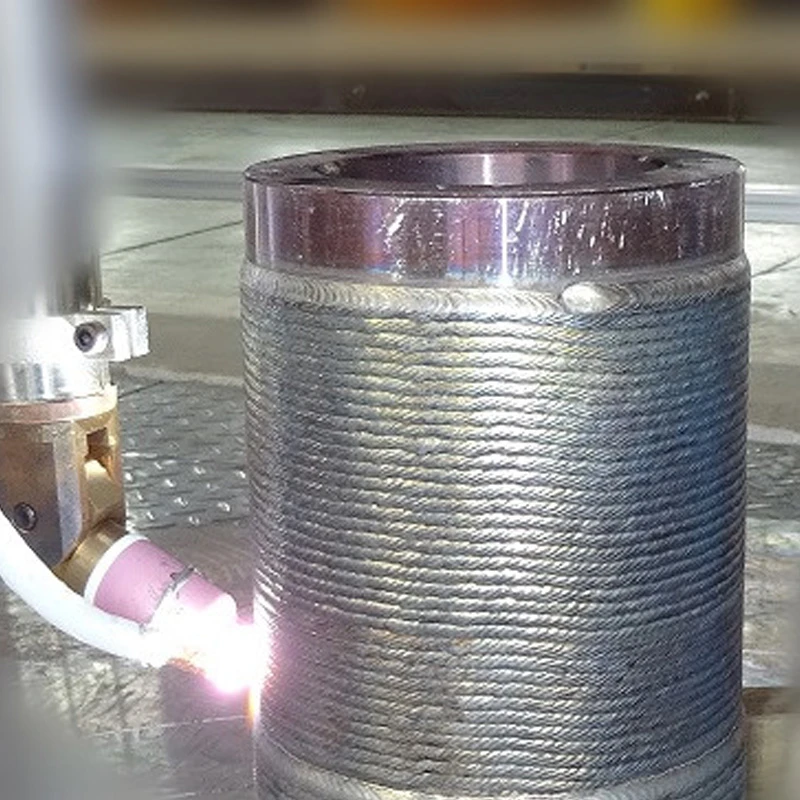
Overlay Welding Clad Steel Pipe
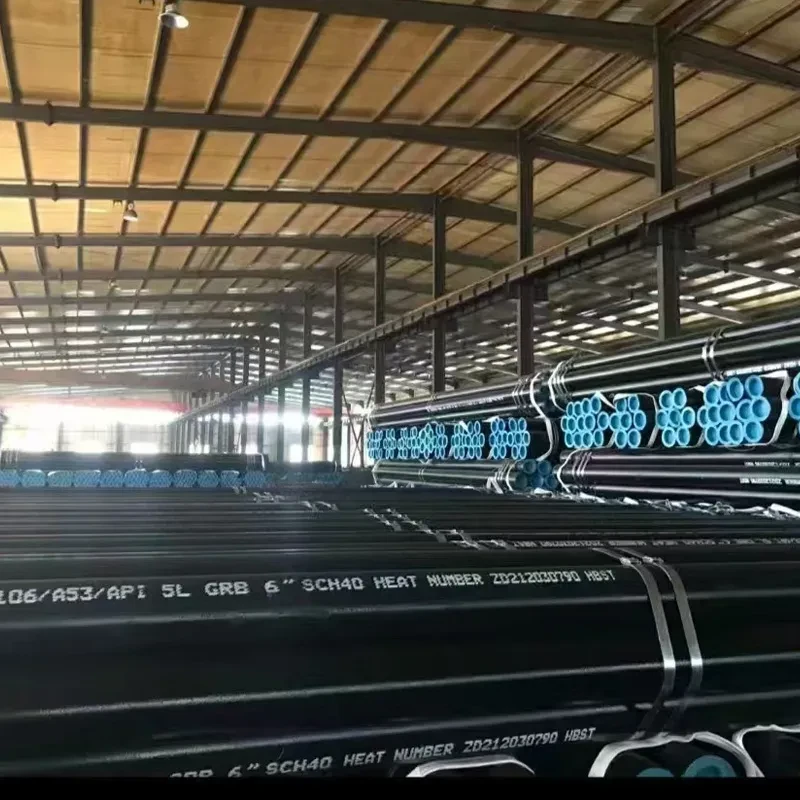
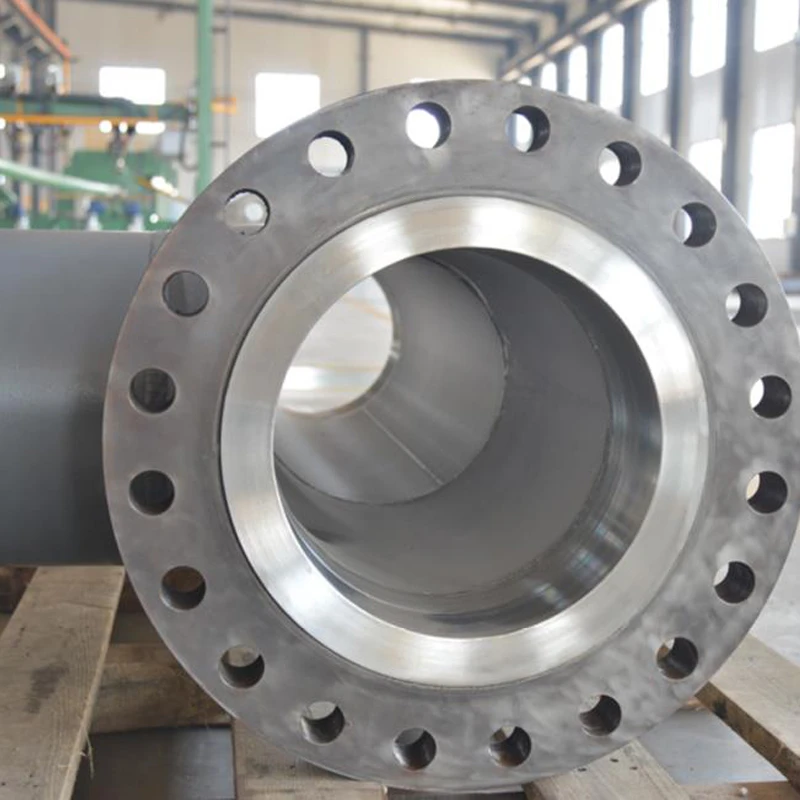
Factory Prefabricated Products

How to Select a Prefabricated Pipe for Process Service

SS Pipe Cap FAQ: Fit, Connections, Materials and Uses

Mechanical Steel Pipe Comparison: Materials, Standards and Supplier Documentation

Choosing an SS Bend Pipe: Application Fit and Specification Checks

High Performance Sink Pipe Steel Guide for Industrial Piping

Ultimate Guide to Industrial Seamless Steel Pipe for Piping