tel
Email
to top

The Comprehensive Guide to Perforated Metal Tube: Applications, Benefits & Trends

Dec 02 2025
share:

Understanding the Perforated Metal Tube: A Global Industrial Staple

If you've ever wondered how industries worldwide manage airflow, filtration, or structural aesthetics with a durable touch, then the perforated metal tube is probably behind that subtle magic. Oddly enough, despite its humble appearance, this product plays a quiet yet crucial role across multiple sectors — from water treatment plants in Europe to mining sites in Australia, and even in humanitarian aid projects in Asia.

Why should we care about something as seemingly niche as perforated metal tubes? Well, for starters, they’re central to improving efficiency and sustainability on a broad scale. Plus, grasping their multifaceted benefits can help industries and policymakers optimize resources while tackling pressing global challenges related to infrastructure and environmental management.

Global Context: Why Perforated Metal Tubes Matter

Globally, the demand for efficient filtration and robust structural components is skyrocketing. According to the International Organization for Standardization (ISO), the filtration and separation industry is expected to grow by roughly 7% annually through 2028 — a clear indicator of increasing reliance on components like perforated tubes. Moreover, the United Nations highlights the critical need for sustainable industrial solutions in developing regions, where infrastructure resilience spells the difference between safety and catastrophe.

But here’s the rub — many industries face challenges related to material durability vs. cost, structural flexibility, and environmental impact. This is where perforated metal tubes genuinely shine, offering practical answers to these issues.

What Is a Perforated Metal Tube?

Simply put, a perforated metal tube is a hollow cylindrical structure made from metal sheets that have been punched with a pattern of holes or slots. These perforations control flow, provide ventilation, or reduce weight without compromising strength. They're crafted from various metals including stainless steel, aluminum, and carbon steel, tailored to the needs of different applications.

In modern industry, these tubes serve as filters, protective casings, or decorative facades. Interestingly, humanitarian projects have also adopted them — for water purification systems or temporary shelters — revealing the unexpected versatility of this everyday marvel.

Key Features of Perforated Metal Tubes

Durability

Perforated metal tubes withstand harsh environments — think corrosive chemicals or extreme temperatures — which is why materials like stainless steel or galvanized steel are often chosen. This resilience ensures long service life, reducing replacement costs and downtime.

Customizability

The hole size, pattern, and metal thickness can be tailored precisely. This flexibility lets engineers optimize airflow versus strength, making tubes suitable for everything from fine particulate filtration in air handling to large-scale drainage applications.

Cost Efficiency

Thanks to advances in metalworking, producing perforated tubes can be economical at scale. They offer an excellent price-to-performance ratio, especially when factoring in their lifespan and low maintenance needs.

Eco-Friendliness

Often recyclable and used in systems that save energy (like noise reduction panels or water filtration), perforated tubes indirectly contribute to sustainability goals. ISO’s environmental management standards increasingly encourage using such materials to minimize carbon footprints.

Scalability

Whether a small-scale laboratory setup or an enormous industrial plant, the design of perforated metal tubes can be scaled up or down. This makes them indispensable across industries and geographies.

Product Specifications: Typical Perforated Metal Tube

Specification Details
Material Stainless Steel 304 / Aluminum / Galvanized Steel
Diameter Range 10 mm – 1000 mm
Wall Thickness 0.5 mm – 5 mm
Hole Size 0.5 mm – 20 mm
Common Hole Patterns Round, Slotted, Square
Finish Options Polished, Matte, Powder-Coated

Global Applications & Use Cases

  • Environmental Engineering: Used in wastewater treatment plants worldwide to filter solids while allowing liquid flow.
  • Construction and Architecture: Metal tubes serve as aesthetic cladding with airflow advantages in European urban buildings.
  • Oil and Gas: In remote extraction sites in the Middle East and Canada, perforated tubes constitute key elements in filtration and safety systems.
  • Humanitarian Relief: Emergency water purification projects in Southeast Asia employ these tubes for robust, portable filter units.

Given the global push for resilient infrastructure—illustrated by UN sustainable development goals—these practical applications are just the beginning.

Mini takeaway:

Perforated metal tubes may appear 'simple,' but their design caters to an impressive range of industries worldwide, solving complex problems from filtration to aesthetics.

The Advantages & Long-Term Value of Perforated Metal Tubes

Functionality meets longevity in these tubes. They reduce operating costs with less frequent replacements, enhance safety by filtering contaminants effectively, and inspire trust by enduring tough conditions without compromising performance. Emotionally, knowing the materials handling your environment are reliable brings peace of mind — a non-negotiable in critical industries.

From a sustainability perspective, they support circular economy principles as most metals used are recyclable. Their modular nature also facilitates maintenance, minimizing waste over time.

Future Trends & Innovations

The future looks bright for perforated metal tube technology. Emerging trends include:

  • Advanced Materials: Integration of composite metals and corrosion-resistant alloys.
  • Smart Tubes: Incorporating sensors for real-time flow or pressure monitoring, critical in automation.
  • Eco-friendly Manufacturing: Cleaner production processes and use of recycled metals becoming mainstream.
  • Customization via Digital Fabrication: 3D perforation patterns tailored by AI to optimize strength and efficiency.

Challenges & Solutions

Of course, there are hurdles. Producing highly durable yet lightweight tubes at competitive costs remains tricky. Also, sourcing sustainable raw materials isn't always straightforward globally.

Experts suggest collaborations with local suppliers and continuous R&D investment can mitigate these issues. Some vendors now offer end-of-life tube recycling programs, addressing waste concerns. On-site modular repair kits also help extend operational life without requiring full tube replacement.

Vendor Comparison: Popular Perforated Metal Tube Suppliers

Supplier Material Range Customization Lead Time Sustainability Initiatives
MetalTec Solutions Steel, Aluminum, Copper High – Custom hole sizes and patterns 3-4 weeks Recycling program, low-emission processing
Global Tube Works Stainless Steel Only Medium – Standard patterns 2 weeks Limited recycling, emphasis on durability
EcoPerforate Ltd. Recycled Steel Mix Low – Predefined sizes only 4-6 weeks 100% recycled material, green manufacturing

FAQs About Perforated Metal Tubes

What industries benefit most from perforated metal tubes?
Primarily, environmental engineering, oil and gas, automotive, and architectural sectors use these tubes for filtration, ventilation, and protection. Their adaptability makes them suitable across many fields.
How do hole size and pattern affect performance?
The hole size impacts flow rate and filtration effectiveness, while patterns influence structural integrity. Customizing these parameters helps balance strength with operational needs.
Are perforated metal tubes environmentally friendly?
Yes, especially when produced from recyclable metals and integrated into systems that enhance energy efficiency or water purification. Sustainability certifications are increasingly common among suppliers.
Can I order custom sizes internationally?
Most reputable vendors support international shipping and customization. Always check for compliance with local import regulations and certifications.
What’s the typical lifespan of these tubes?
Lifespan varies by material and environment but generally ranges from 10 to 30 years with proper maintenance.

Conclusion & Call to Action

In real terms, perforated metal tubes are more than holes in metal; they’re foundational components that help industries stay efficient, sustainable, and resilient. Understanding their benefits can spark innovation and help meet global challenges — from environmental protection to industrial growth.

To explore quality options, customization, or expert advice on perforated metal tubes, feel free to visit our website: https://www.lion-pipeline.com.
Reflecting on it all, it feels like these tubes quietly promise a future where human ingenuity meets sustainable design — which is, frankly, pretty inspiring.

References
  1. ISO Standards on Filtration Systems
  2. United Nations Sustainable Industrialization Goals
  3. Wikipedia: Perforated Metal
  • Anti Corrosion And Thermal Insulation Products
    Anti Corrosion And Thermal Insulation Products
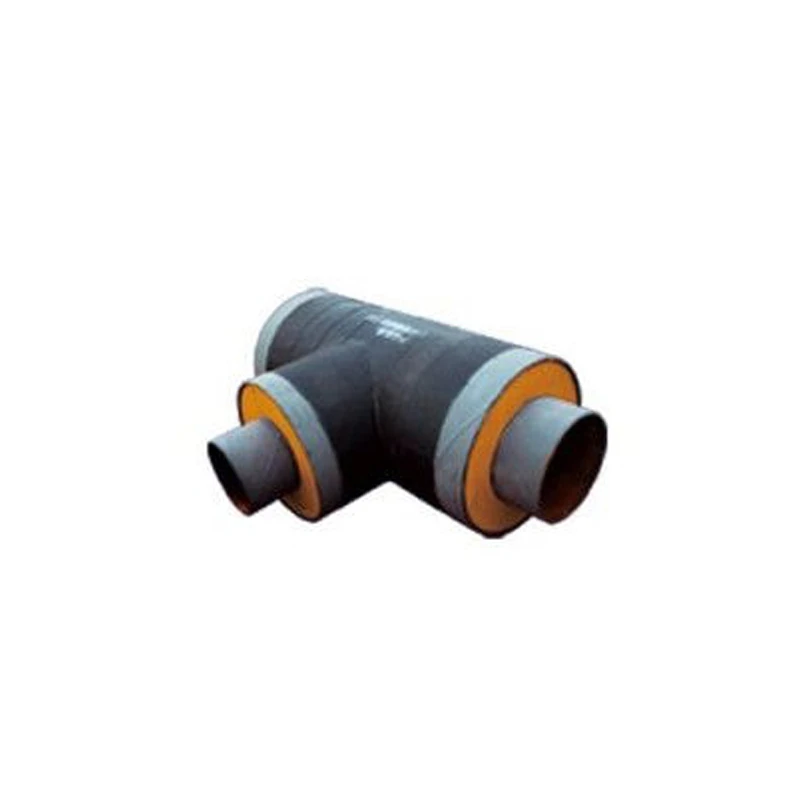
    The anti-corrosion and thermal insulation products we focus on produce play a key role in the industrial pipeline system, especially the thermal insulation pipe fittings and steel pipes. Thermal insulation pipe fittings cover elbows, tees, reducers and pipe supports, with specifications ranging from DN15 to DN1800, and are made of carbon steel, alloy steel, stainless steel, bimetallic composite, nickel-based alloy and other materials.
    VIEW ALL
  • Carbon Semless Steel Pipes

    Carbon Semless Steel Pipes

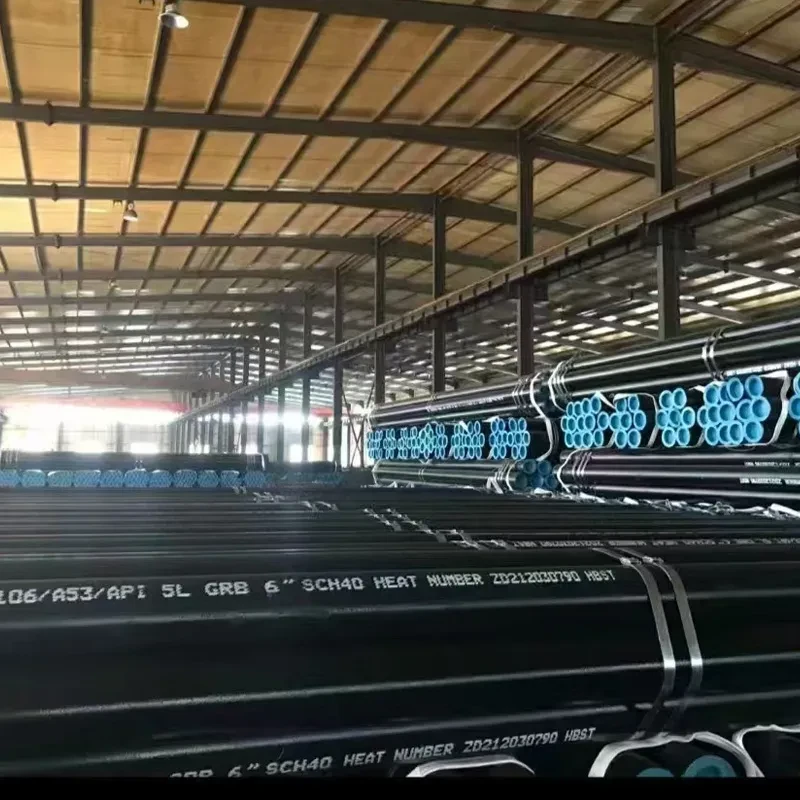
    Carbon Seamless Steel Pipes are made from high-quality carbon steel and manufactured without welded seams, offering exceptional strength, durability, and resistance to pressure. These pipes are ideal for a wide range of applications, including oil and gas pipelines, construction, automotive, and fluid transportation systems. The seamless design ensures uniformity, higher structural integrity, and improved performance under high pressure and temperature conditions.
    VIEW ALL
  • Bend Pipe

    Bend Pipe

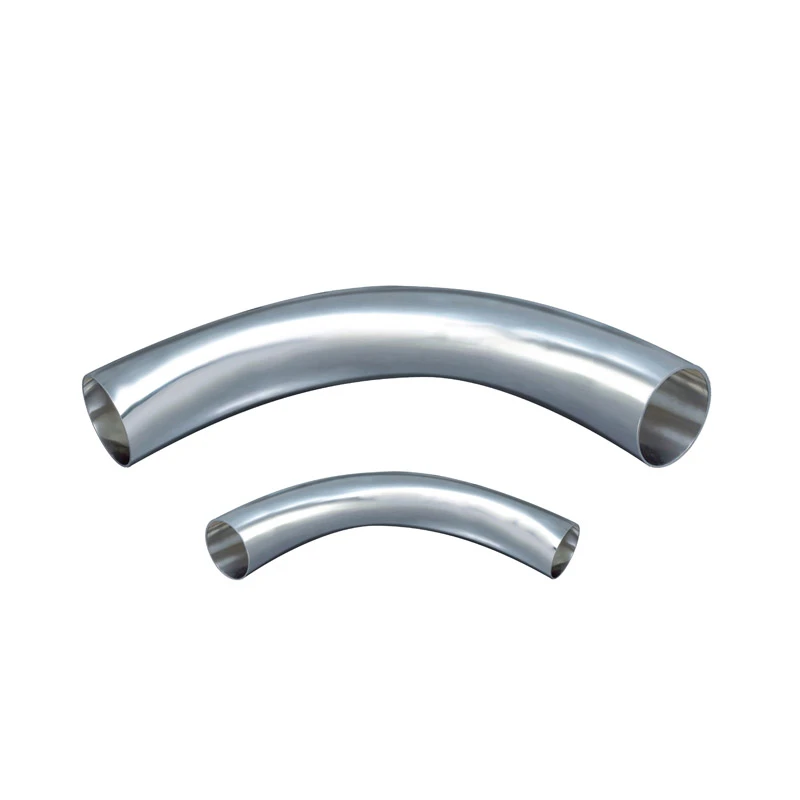
    Bend is a crucial pipe fitting used to change the direction of flow in a piping system. It allows for smooth transitions between sections of pipe, accommodating layout constraints, avoiding obstacles, and optimizing flow paths. Bends are designed to maintain the fluid's velocity and minimize pressure loss while providing the necessary angle of deviation. They are commonly used in various industries, including oil and gas, petrochemicals, water supply, and HVAC systems.
    VIEW ALL
To create value for customers!
Cangzhou Leo Technology Co., Ltd. is located in Mengcun County Economic Development Zone, Cangzhou City, Hebei Province. It is a specialized high-tech enterprise that integrates the research and development, production, and sales of composite pipes and fittings.
News
The company regards product quality as the life of the enterprise, establishes a sound quality management system in accordance with the requirements of industry and national standards, controls all aspects of input and output in the whole process, pays attention to every detail, and ensures that the product delivery pass rate is 100%.
How to Select a Prefabricated Pipe for Process Service

How to Select a Prefabricated Pipe for Process Service

Select prefabricated pipe by process conditions, material route, DN15 to DN1800 size coverage, and factory assembly requirements.
SS Pipe Cap FAQ: Fit, Connections, Materials and Uses

SS Pipe Cap FAQ: Fit, Connections, Materials and Uses

Get direct answers about ss pipe cap materials, threaded or welded connections, shapes, DN and NPS sizes, schedules, uses, and associated standards.
Mechanical Steel Pipe Comparison: Materials, Standards and Supplier Documentation

Mechanical Steel Pipe Comparison: Materials, Standards and Supplier Documentation

Compare two mechanical steel pipe options by materials, API 5LD and DNV OS F101 references, applications, bonding descriptions and supplier documentation.
Choosing an SS Bend Pipe: Application Fit and Specification Checks

Choosing an SS Bend Pipe: Application Fit and Specification Checks

Learn how to choose the right ss bend pipe for your piping system. This guide covers material grade, bend angle, radius, pressure rating, and applicable standards to help procurement teams specify stainless steel bend pipes with confidence.
High Performance Sink Pipe Steel Guide for Industrial Piping

High Performance Sink Pipe Steel Guide for Industrial Piping

High-Performance Sink Pipe Steel: The Ultimate Guide to Industrial Piping In the demanding world of industrial manufacturing and pressure vessel construction, the selection of materials for piping systems is critical. Utilizing high-quality sink pipe steel ensures that systems can withstand extreme pressures, corrosive media, and mechanical stress. Whether it is for chemical processing, oil and gas, or construction, the right steel grade and fitting geometry can mean the difference between seamless operation and costly system failure. This guide explores the technical nuances of steel elbows and specialized clad materials designed for the most rigorous environments.
Ultimate Guide to Industrial Seamless Steel Pipe for Piping

Ultimate Guide to Industrial Seamless Steel Pipe for Piping

In the realm of modern industrial infrastructure, the integrity of piping systems is non-negotiable. The seamless steel pipe stands as the gold standard for transporting high-pressure fluids and gases. Unlike welded alternatives, seamless pipes are manufactured without a longitudinal seam, eliminating the most common point of failure and ensuring superior structural consistency. This makes them indispensable in sectors where safety and reliability are paramount, such as petroleum, nuclear power, and thermal energy. In this comprehensive guide, we will explore the technical advantages, material specifications, and critical applications of these high-performance components to help you make an informed procurement decision.
tel email tel top

If you are interested in our products, you can choose to leave your information here, and we will be in touch with you shortly.