When you hear about hollow section pipe, it might just sound like another piece of industrial jargon. But really, these pipes — think of them as strong, lightweight steel tubes with a hollow inside — are quietly shaping everything from skyscrapers to bridges, pipelines to humanitarian shelters. They matter globally because they’re the backbone of resilient infrastructure that communities rely on, especially where resources and space are limited.
Understanding hollow section pipes means grasping how modern society builds smarter and safer, often while minimizing waste and costs. So, even if you’re not an engineer, you’re probably benefiting from them every day — not to mention the environment. Let's dive in.
The UN estimated that by 2050, around 68% of the world population will be urban. This swelling urban demand pressures construction and infrastructure industries to innovate. Lightweight, durable materials like hollow section pipes meet this challenge head-on. The World Steel Association reports that global steel production surpassed 1.9 billion metric tons in 2023, highlighting steel’s crucial role — and within that, hollow sections carry a hefty share.
But here’s a problem worth noting: traditional solid steel components add unwanted weight and cost to projects. Hollow section pipes solve this by providing excellent strength-to-weight ratios. This reduces transportation cost, simplifies installation, and lowers environmental footprints. They are everywhere — from the skeletons of stadiums to oil & gas rigs, even scaffolding for disaster relief shelters.
Simply put, a hollow section pipe is a tube with empty space inside — circular, square, or rectangular — made from steel or sometimes aluminum. It’s also called a structural hollow section (SHS). The hollow core means it uses less material than a solid rod but still resists bending and compression effectively.
In practical terms, these pipes support the weight and forces in buildings, mechanical systems, and pipelines. They’re vital not just for industry but also for humanitarian designs like quick-assembly shelters, where lightness and strength can save lives during emergencies.
Steel hollow section pipes boast high tensile strength and resistance to corrosion when properly coated. Many engineers say they outperform traditional open sections like I-beams under similar loads. The closed shape gives excellent torsion stability — meaning they don’t twist easily. This is crucial in earthquake-prone regions or heavy industrial use.
Because of their hollow structure, these pipes are significantly lighter than solid rods or concrete columns with equivalent strength. This makes handling, transport, and installation faster and less energy-intensive. In remote areas or disaster zones, this advantage can be a game-changer.
Less material equals lower costs, but there’s more: reduced labor time from ease of assembly and fewer supporting components also cut expenses. Many project managers point out that using hollow section pipes allows for modular design, speeding up construction cycles — a real boon when deadlines loom.
You can find hollow section pipes in sizes ranging from tiny tubes used in furniture frames to massive pipes forming transmission towers. They’re customizable too — welded or seamless, coated for outdoors, or adapted for specific stress conditions.
Steel is infinitely recyclable, and hollow section pipes help reduce carbon footprints through efficient use of material and lower transportation loads. Sustainable construction standards worldwide increasingly recommend them as part of eco-friendly frameworks.
Mini Takeaway: Hollow pipes aren’t just hollow; they’re cleverly designed solutions that bring together strength, lightness, and cost savings — a triple win that's hard to beat in construction.
Look around, and you’ll find hollow section pipes playing starring roles across continents and industries.
For example, in a recent post-disaster operation in Southeast Asia, aid groups used hollow section pipe shelters to provide quick, safe housing that resisted heavy rains and winds — dramatically improving the quality of life for thousands.
| Specification | Typical Range | Units |
|---|---|---|
| Outer Diameter | 10 - 610 | mm |
| Wall Thickness | 1.5 - 20 | mm |
| Length | 6/12 meters (standard) | meters |
| Material Grade | ASTM A500 Grade B/C | - |
| Tensile Strength | 420 - 520 | MPa |
| Vendor | Material Quality | Customization | Lead Time | Pricing |
|---|---|---|---|---|
| SteelTech Inc. | High (ASTM certified) | Wide range | 4-6 weeks | Mid-High |
| GreenPipe Solutions | Medium (Eco certified) | Limited | 2-3 weeks | Competitive |
| Global Hollow Tubes | High (ISO 9001) | Extensive, bespoke | 6-8 weeks | High |
It’s not just about price tags. The real value lies in sustainability and resilience. These pipes reduce raw material demand, cut carbon emissions through easier transport, and last longer under harsh conditions. They provide safety to occupants of buildings and workers around them, offering a sense of security that's hard to quantify but deeply felt.
Moreover, they support innovation — architects and engineers can push design limits while being confident their structure will hold. On a social level, this means communities get better housing, clinics, schools — infrastructure that promotes dignity and trust.
There’s a growing emphasis on "green steel" — steel produced with renewable energy and lower emissions. Couple that with digital twins and automated quality control, and hollow pipes are becoming smarter and greener.
New materials, like composite hybrid pipes combining steel with carbon fiber layers, promise even lighter, stronger, and more corrosion-resistant solutions. Policymakers globally encourage construction with modular, recyclable components — hollow sections fit right in.
One persistent issue is corrosion, especially in high-salinity or acidic environments. Experts recommend advanced coatings and periodic maintenance, plus alloying steel with corrosion inhibitors. Another challenge is standardization — global projects sometimes struggle with differing specs and certifications. However, international standards ISO 3183 and ASTM provide frameworks that vendors increasingly align with.
From a logistical angle, getting large pipes to remote sites can be tricky, but companies are innovating with foldable modular structures or local mini-fabrication centers.
Hollow section pipes offer a much better strength-to-weight ratio. They provide comparable structural integrity while using less material, reducing cost and making installation easier. This efficiency helps in lighter constructions and faster project completion.
Yes, but they need protective coatings such as galvanization or powder coating. Additionally, special alloys designed to resist rust are used in harsher conditions like marine infrastructure.
Highly customizable. They come in various shapes (circular, square, rectangular), sizes, wall thicknesses, and steel grades. Vendors also offer cutting, welding, and coating services to match project requirements.
Relatively so. Steel can be recycled repeatedly without losing quality. Plus, hollow sections reduce raw material use and emissions in transport due to lighter weight — contributing to more sustainable construction.
Choosing ISO or ASTM-certified products is key. Work with reputable vendors who provide quality documentation and shipping support. Customs brokers and freight forwarders experienced in industrial goods help ensure smooth delivery.
From skyscraper skeletons in New York to temporary shelters in Africa, hollow section pipe plays a quiet yet vital role in building a better future. Their blend of strength, lightness, and sustainability keeps the world moving. If you’re planning your next project or just curious about modern construction magic, these pipes are worth considering.
Interested in learning more or sourcing top-quality hollow section pipes? Visit us at https://www.lion-pipeline.com – we’re here to help.
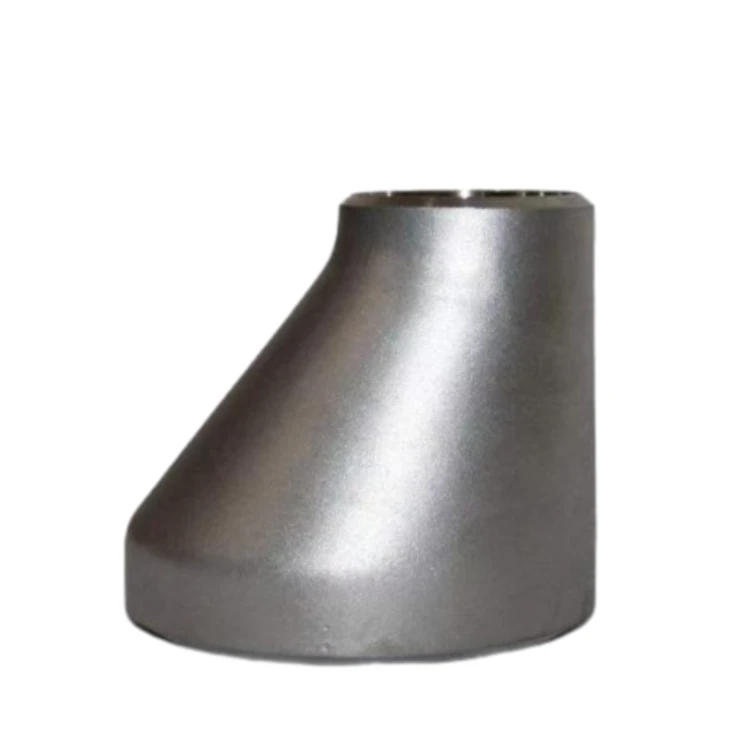
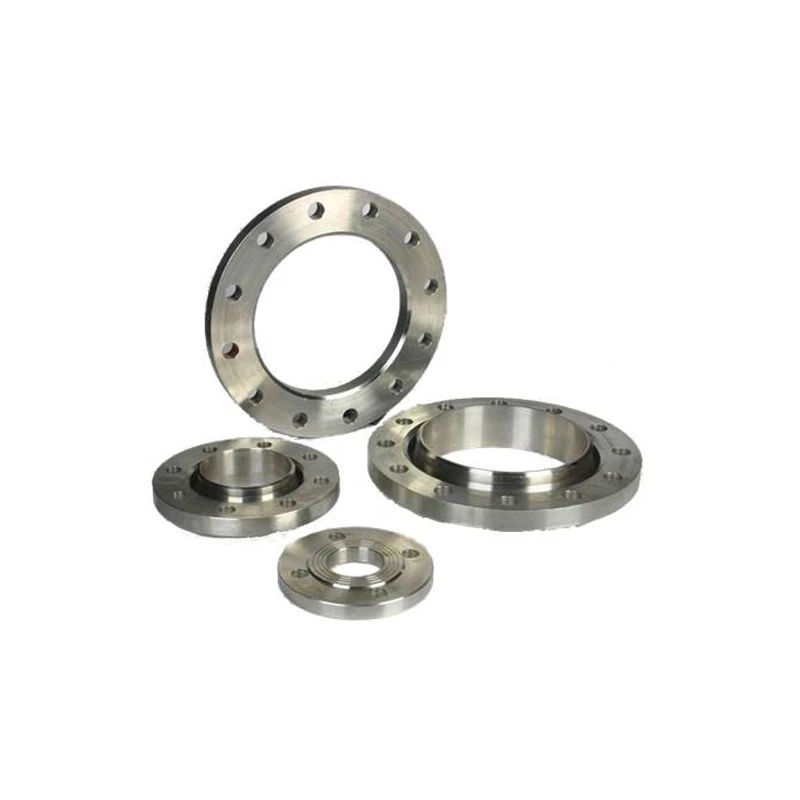
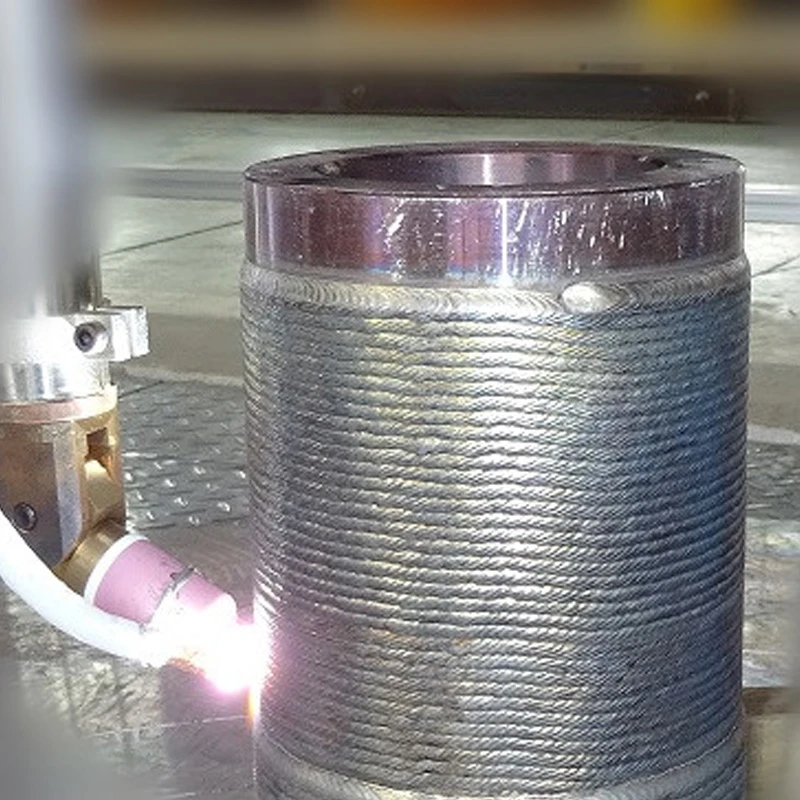
Overlay Welding Clad Steel Pipe
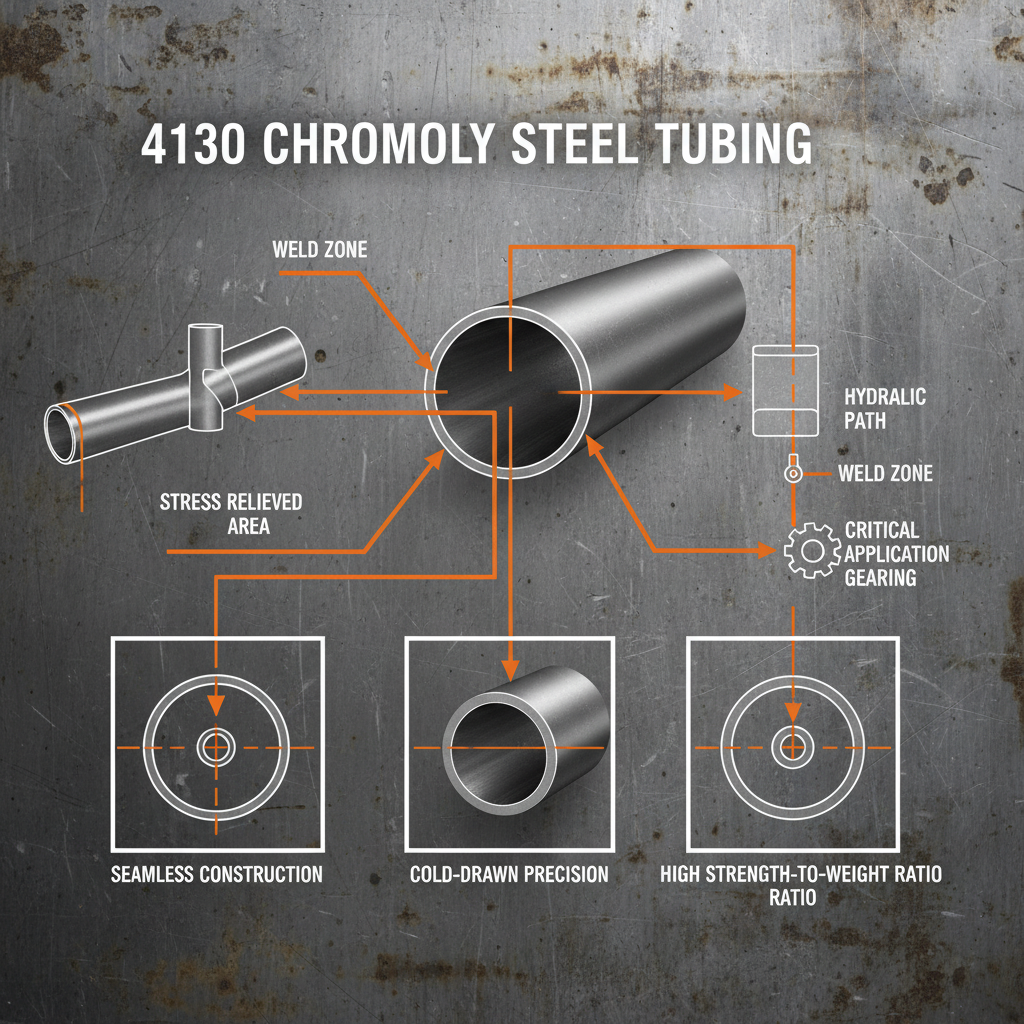
Ultimate Guide to 4130 Tubing Strength Performance and Applications
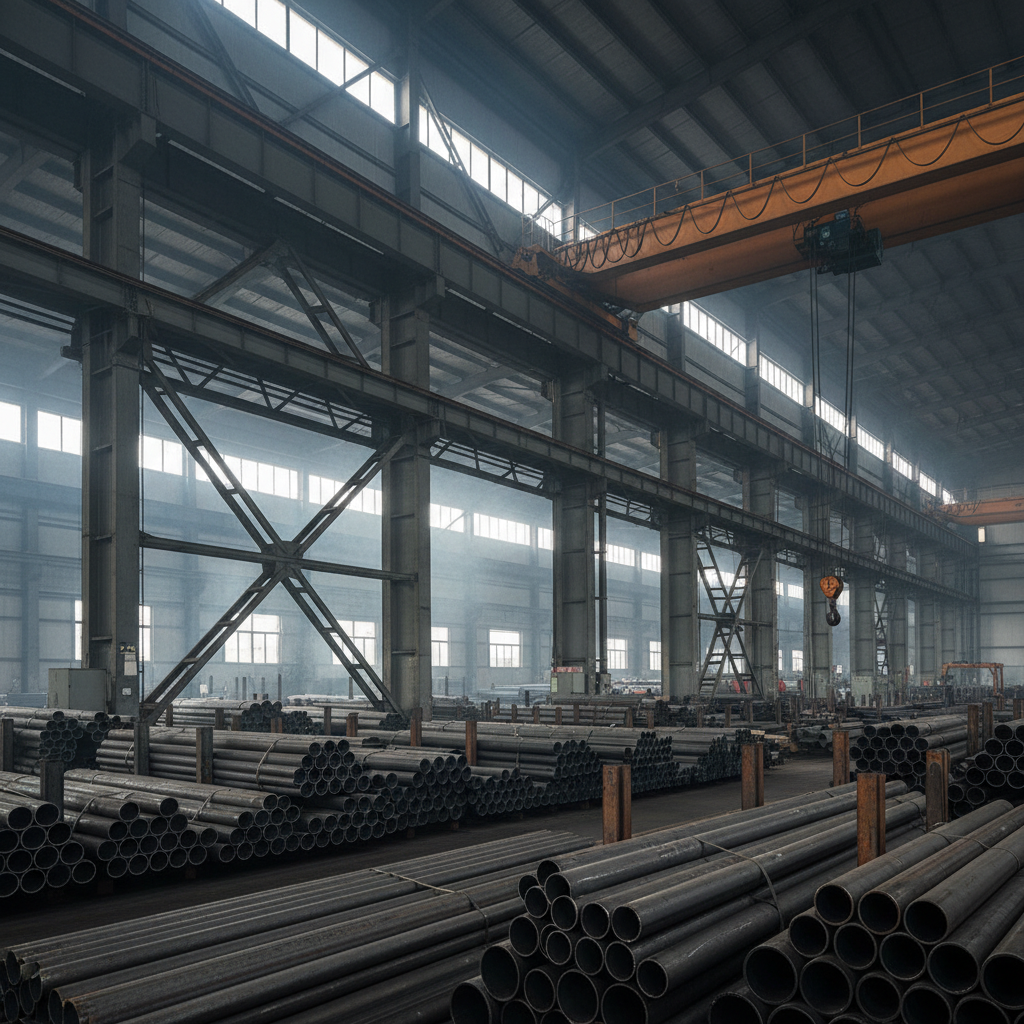
Properties and Industrial Applications of 4130 steel tubing
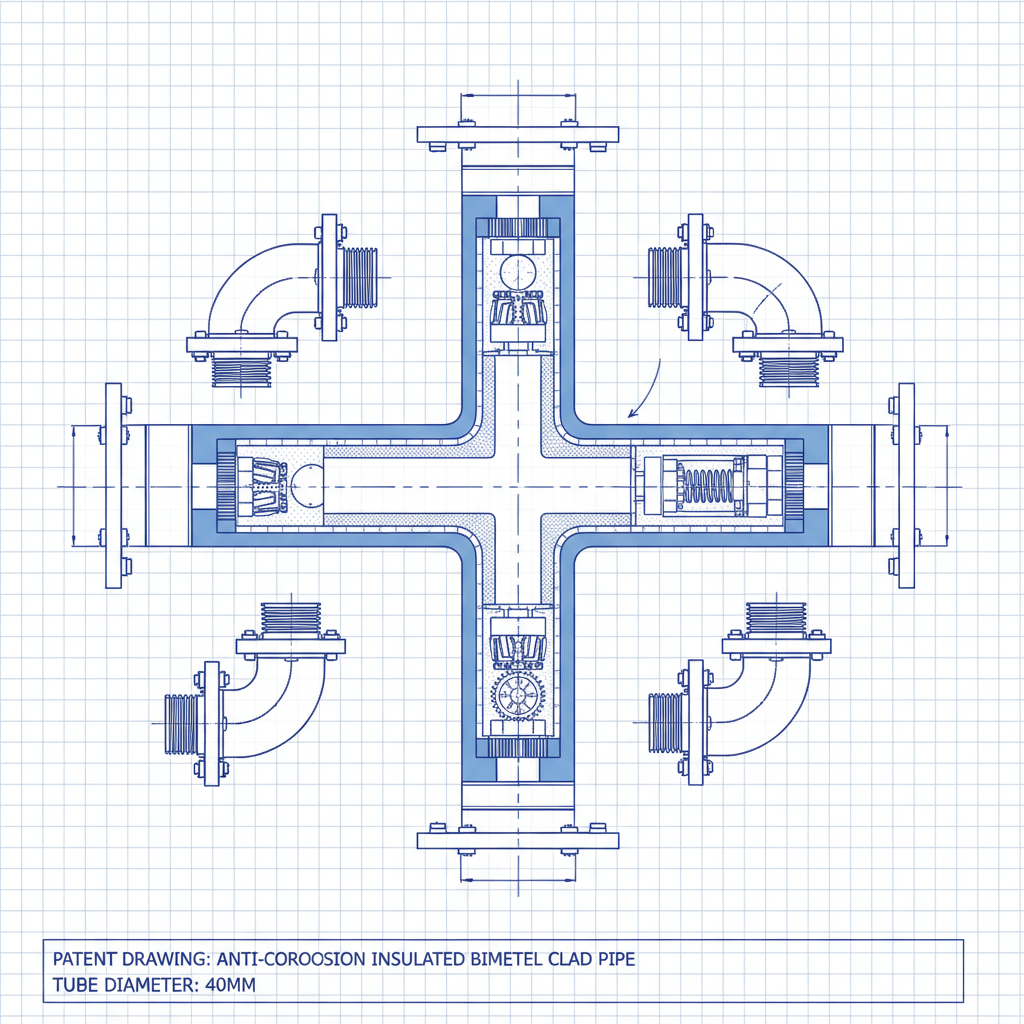
Comprehensive Guide to 40mm Steel Tube Applications and Material Selection
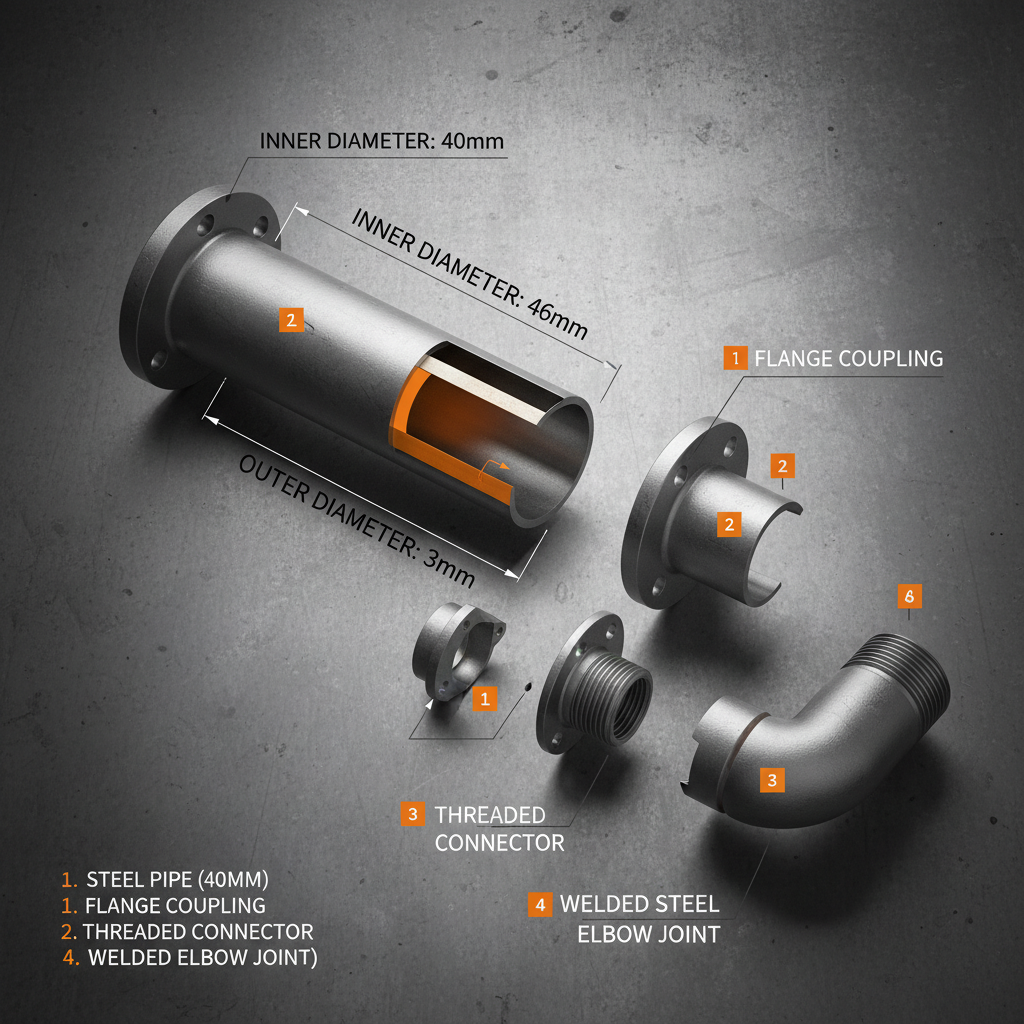
Comprehensive Guide to 40mm Steel Pipe Applications and Considerations
Comprehensive Guide to 40mm Metal Pipe Applications and Sourcing
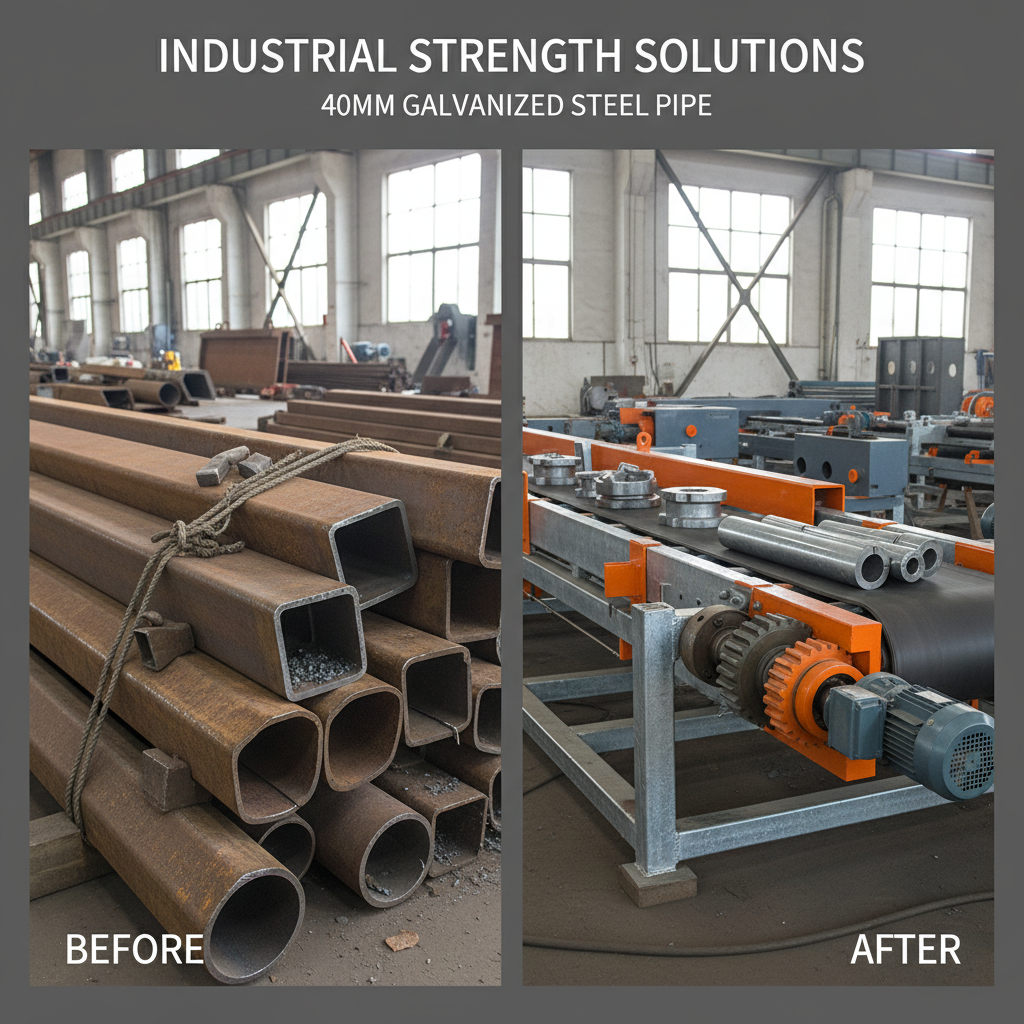
Comprehensive Guide to 40mm Galvanised Pipe Applications and Specifications