Let’s start by just unpacking the idea in simple terms: a hollow metal tube is exactly what it sounds like—a metal cylinder with an empty core. But don’t let that straightforward image fool you; these tubes are quietly holding up the backbone of everything from skyscrapers to disaster relief shelters and even the framework of renewable energy infrastructures. Globally, understanding this component isn’t just an academic exercise. It’s vital for industries that push boundaries in construction, manufacturing, and humanitarian logistics, especially in regions where sustainable and efficient materials are critical to long-term success.
In a world striving for rapid industrial growth and sustainable development, metal tubing has quietly become a star player. Did you know that the global steel tubing market is projected to grow steadily by 5-7% annually, according to recent ISO and World Bank analyses? Countries across Asia, Europe, and North America depend heavily on this item not just for building stuff but also for modern infrastructure, HVAC systems, and transport frameworks.
Yet here’s the snag—traditional materials often don’t make the cut when you factor in ease of transportation, cost efficiency, and environmental concerns. Hollow metal tubes step into this gap, bringing lightweight durability and better integration possibilities, especially for constructing modular systems and rapid-deployment shelters. That means they’re not just structural elements but also solutions to some stubborn challenges in global development.
In layman’s terms, a hollow metal tube is a cylindrical, typically seamless or welded pipe made from metal — commonly steel, aluminum, or sometimes copper alloys — that’s formed to create an empty center. Its design serves both structural and practical purposes, reducing weight but maintaining strength.
Industrially, it’s not just a pipe. It can be a crucial framework for holding buildings, vehicles, machines, even turn-key humanitarian shelters together. For humanitarian efforts, this means rapidly deployable shelters that survive the elements and can be shipped easily. It’s almost poetic how the hollow center—the “empty space”—is what makes the whole thing so useful and efficient.
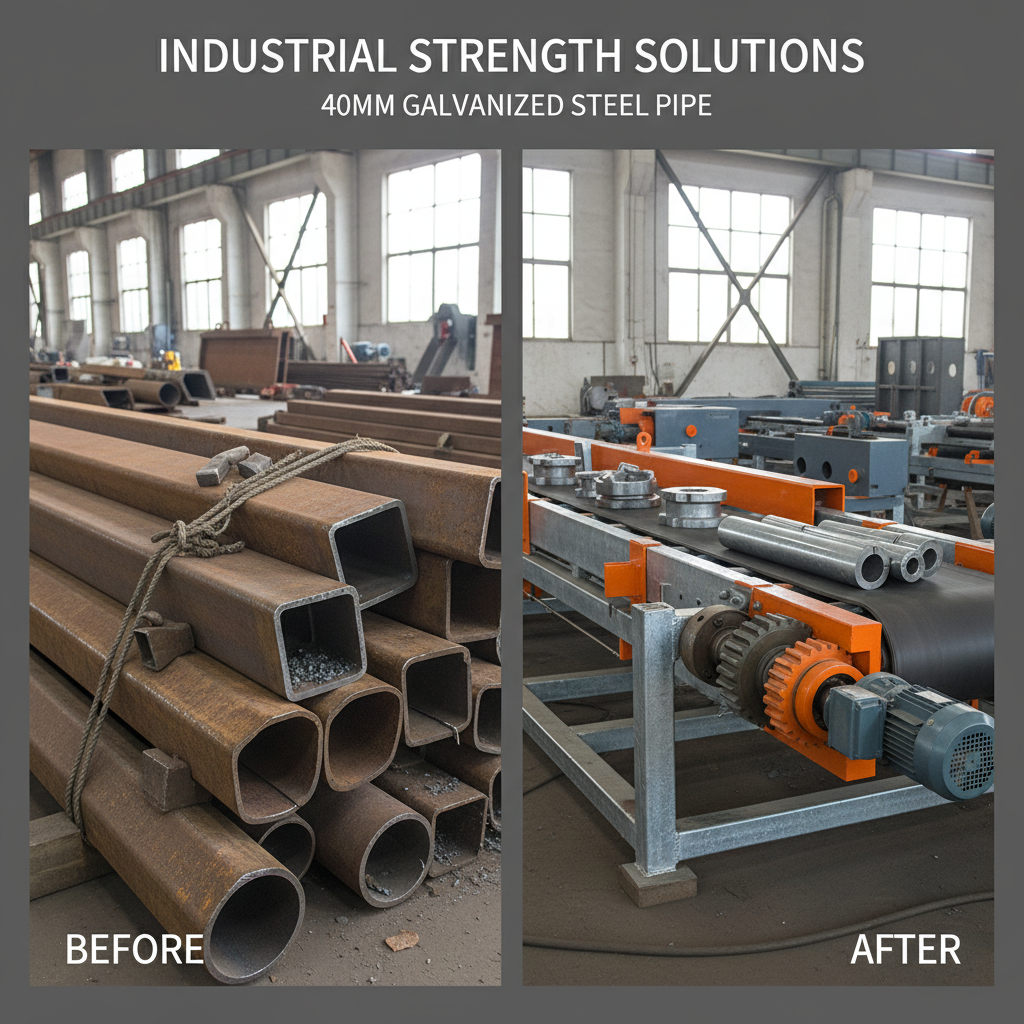
One of the reasons these tubes are favored is because steel and other metals used offer exceptional tensile strength and corrosion resistance, especially when galvanized or treated. So they don’t just hold up under normal circumstances—they endure harsh environmental conditions, making them suitable for coastal developments, offshore rigs, or even rugged, post-disaster zones.
They’re surprisingly affordable once you consider the longevity and reduced maintenance requirements. Hollow metal tubes use less raw material than solid rods but deliver comparable, often superior, load-bearing capacity. For contractors and NGOs working in budget-sensitive projects, that’s a godsend.
Because of standard sizing and adaptability, these tubes can be easily integrated into modular designs, from simple piping systems to complex frameworks in prefabricated buildings and infrastructure projects. Modularity also means parts can be swapped or replaced in the field, saving time and money.
Hollow sections cut down on weight without compromising stability, and this matters a lot when transporting materials to remote or disaster-stricken locations where every extra kilo is a logistical headache.
Many manufacturers now use recycled steel and eco-conscious processes, supporting green building certifications and sustainable supply chains.
In Asia, the rise of urbanization has intensified the demand for hollow metal tubes in skyscraper construction and mass transit systems. Meanwhile, in Africa and parts of Latin America, NGOs use hollow metal tubes as the skeleton of emergency shelters in post-disaster relief efforts—think earthquakes or floods. Not only do these structures go up quickly, but they also endure long enough to provide safe, comfortable refuge.
The renewable energy sector—a fast-growing user—is another fascinating arena. Towers for wind turbines or support frameworks for solar panels often rely on hollow steel tubes for their strength-to-weight ratio. Here, there’s an intersection of technology and sustainability that’s truly exciting.
There’s something oddly reassuring about a structure made from hollow metal tubes. It’s sturdy, yes, but it also speaks of innovation and trust. For communities relying on these materials, the promise is more than physical safety—it’s about dignity and the confidence to rebuild.
Practically speaking, such tubes reduce building times, lower costs, and improve sustainability. From a business perspective, they offer scalable solutions that match growth trajectories, supporting both emerging markets and established economies. Emotions aside, these tangible benefits explain why they’re central to future-facing infrastructure strategies.
| Specification | Details |
|---|---|
| Material | Galvanized Steel, Aluminum alloys |
| Diameter Range | 10 mm – 200 mm |
| Wall Thickness | 0.8 mm – 12 mm |
| Length Options | 3 m, 6 m, custom cuts available |
| Finish | Powder coated, zinc-plated, bare metal |
| Standards | ISO 9001, ASTM A500 |
| Vendor | Product Range | Pricing | Lead Time | Sustainability |
|---|---|---|---|---|
| SteelCo | Wide (10-200mm diameter) | Mid-range | 2-4 weeks | ISO 14001 certified, recycled steel |
| MetalWorks Ltd. | Focused on custom lengths | Premium | 1-3 weeks | Limited certifications |
| EcoSteel Supplies | Narrow range (up to 100mm) | Budget | 3-5 weeks | Certified green processes |
Innovation doesn’t stop with just shaping metal, right? There’s ongoing research into ultra-lightweight alloys and composites that keep all the strength but cut down on weight even further. Plus, digital transformation is introducing automated quality testing and computer-aided cutting to reduce waste.
Environmental policies around the world are nudging manufacturers toward greener supply chains, making recycled materials and lower-emission processes the norm rather than the exception. For companies looking to stay ahead, investing in hollow metal tubes with recycled content and eco-friendly finishes is becoming a first step, especially in the green energy sector where these tubes help create wind turbines and solar racks.
Truth be told, hollow metal tubes aren’t without their bumps. Corrosion in aggressive environments, inconsistencies in wall thickness, and transportation damages are real concerns. What’s refreshing, however, is the collaborative approach many vendors take—think advanced coatings, better packaging for transport, and tighter manufacturing tolerances verified by AI-driven inspections.
In some developing regions, lack of local suppliers can slow projects down, but a rise in standardized tube sizes helps NGOs and businesses import globally without a headache.
To wrap things up, hollow metal tubes might not be the flashiest headline in engineering, but their impact is quietly formidable. They stitch together the skeletons of modern cities, life-saving shelters, and the green grids of tomorrow. Thanks to their durability, cost-effectiveness, and adaptability, they’re set to remain an anchor in global industrial and humanitarian progress.
If you’re thinking about integrating hollow metal tubes into your next project or simply want to explore product options and certifications, don’t hesitate to visit our site at https://www.lion-pipeline.com. It’s a good place to start, and frankly, it might save you some headache.
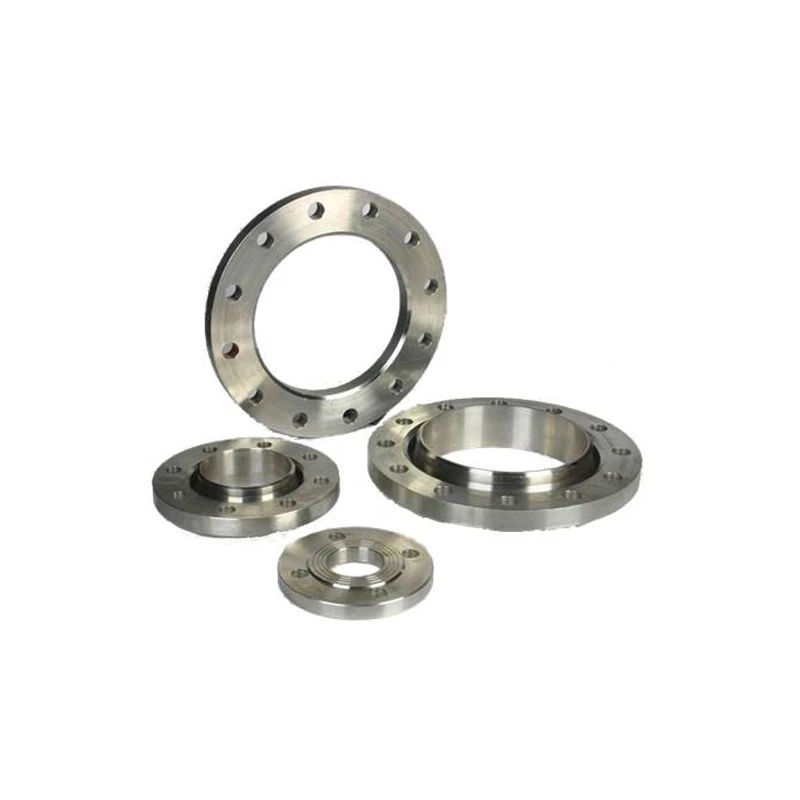
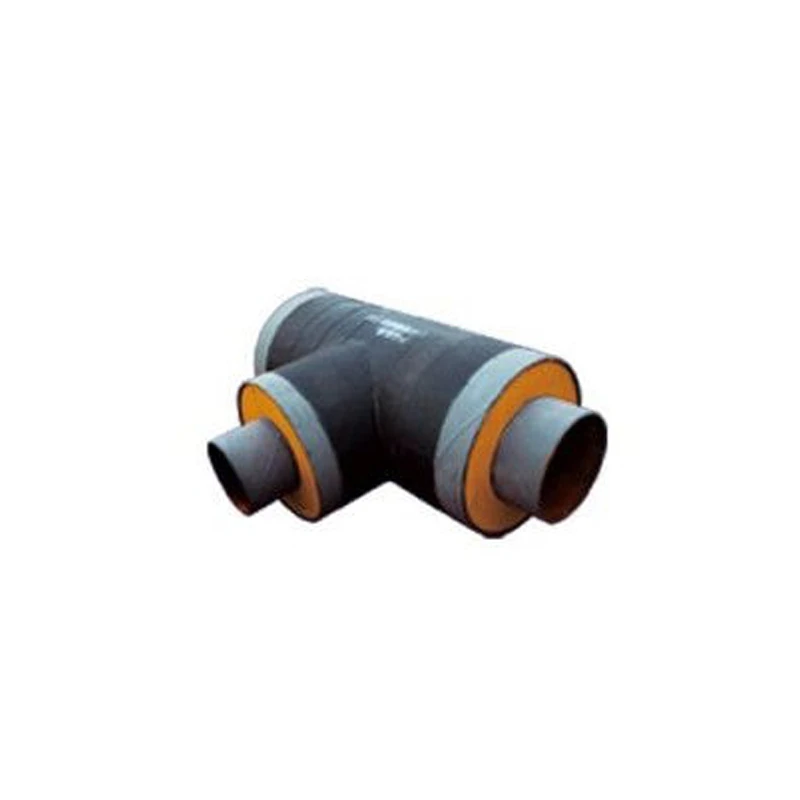
Anti Corrosion And Thermal Insulation Products
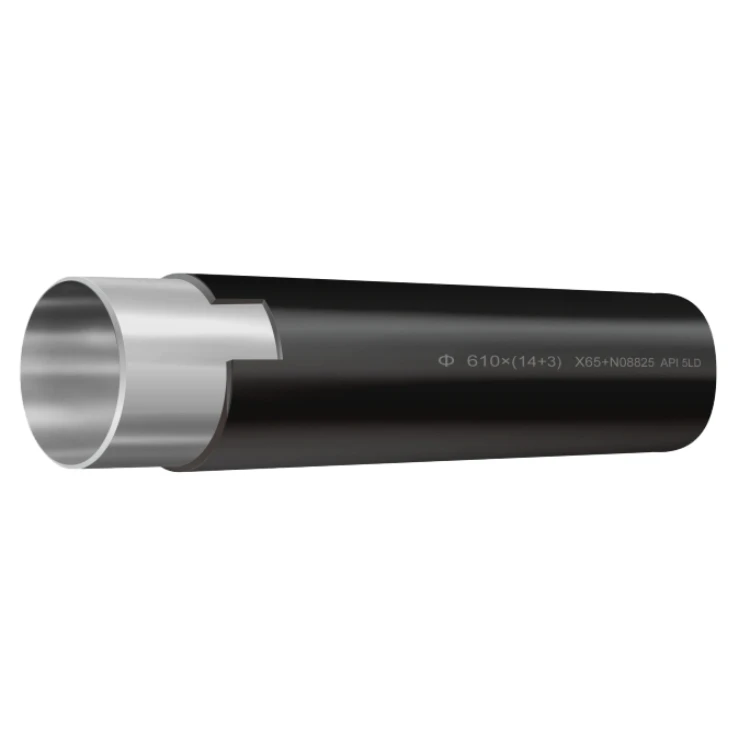
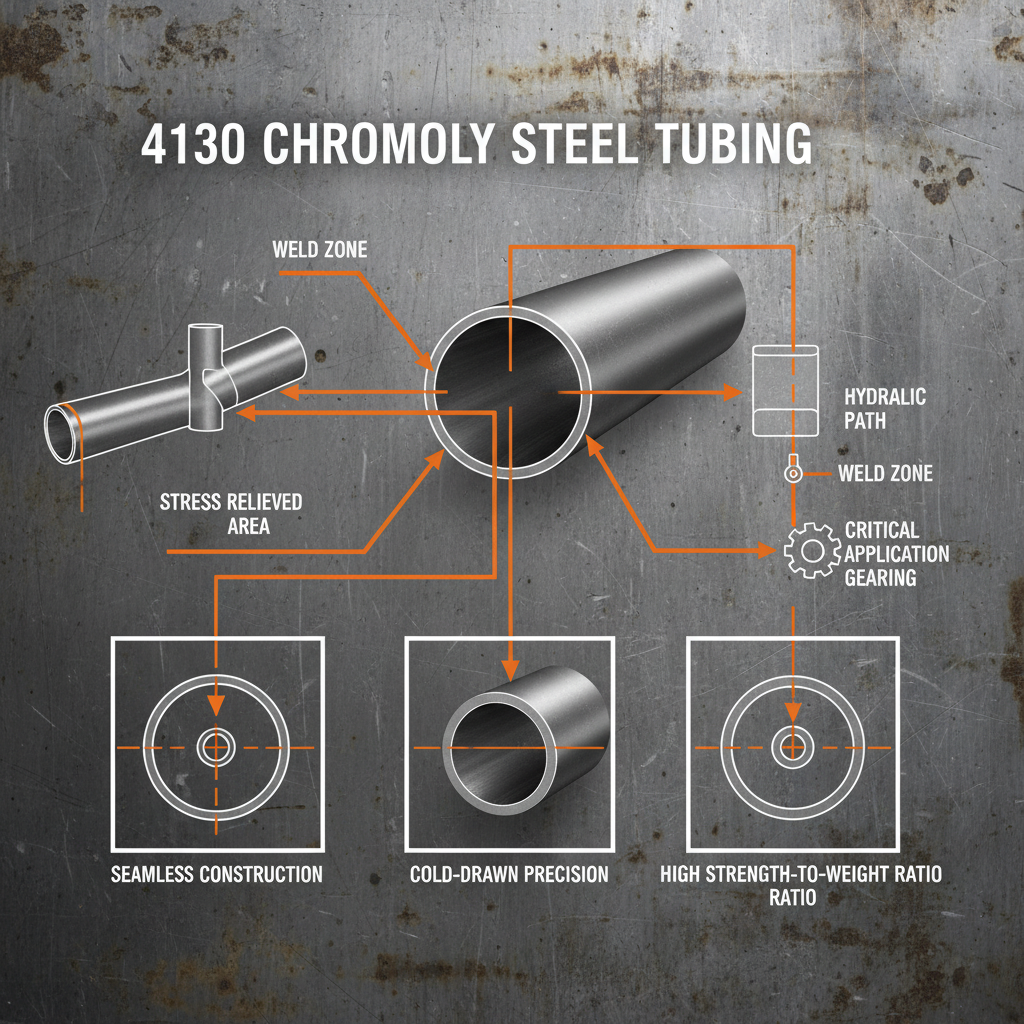
Ultimate Guide to 4130 Tubing Strength Performance and Applications
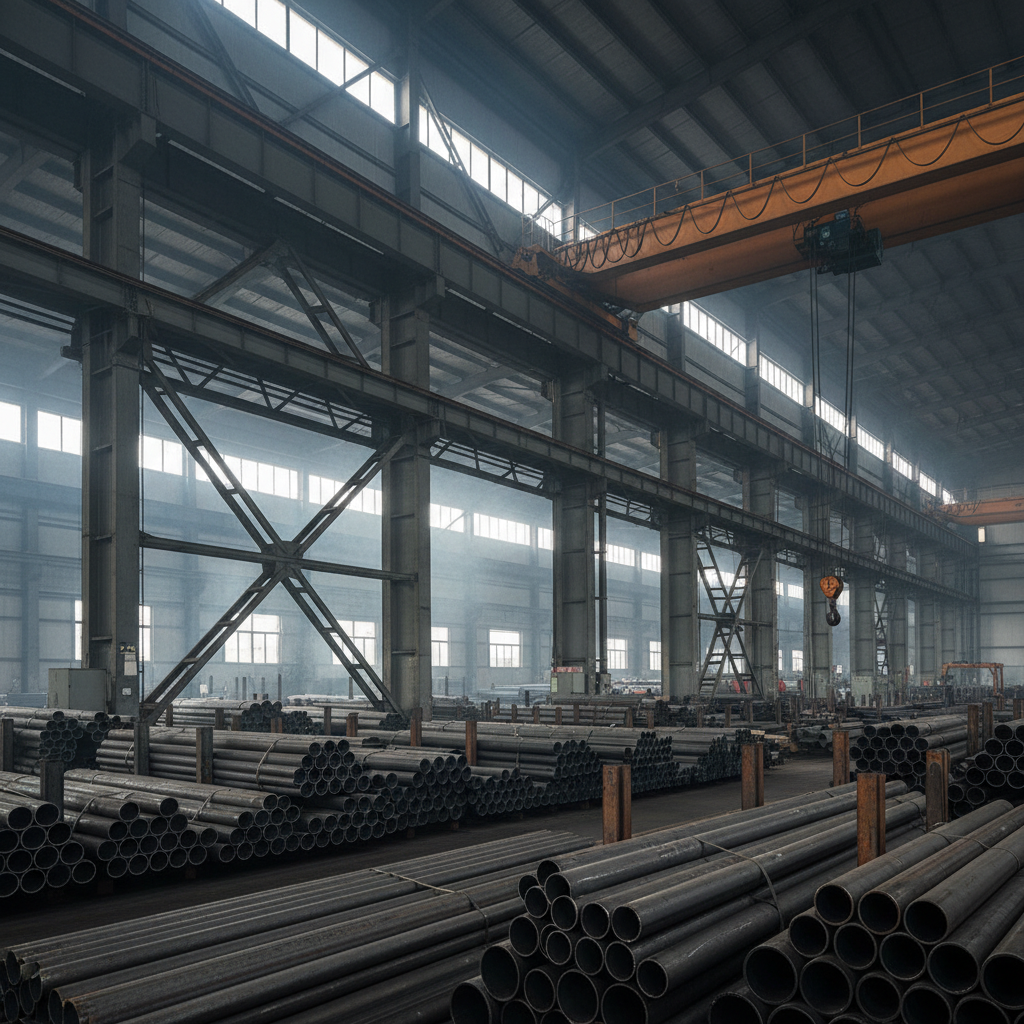
Properties and Industrial Applications of 4130 steel tubing
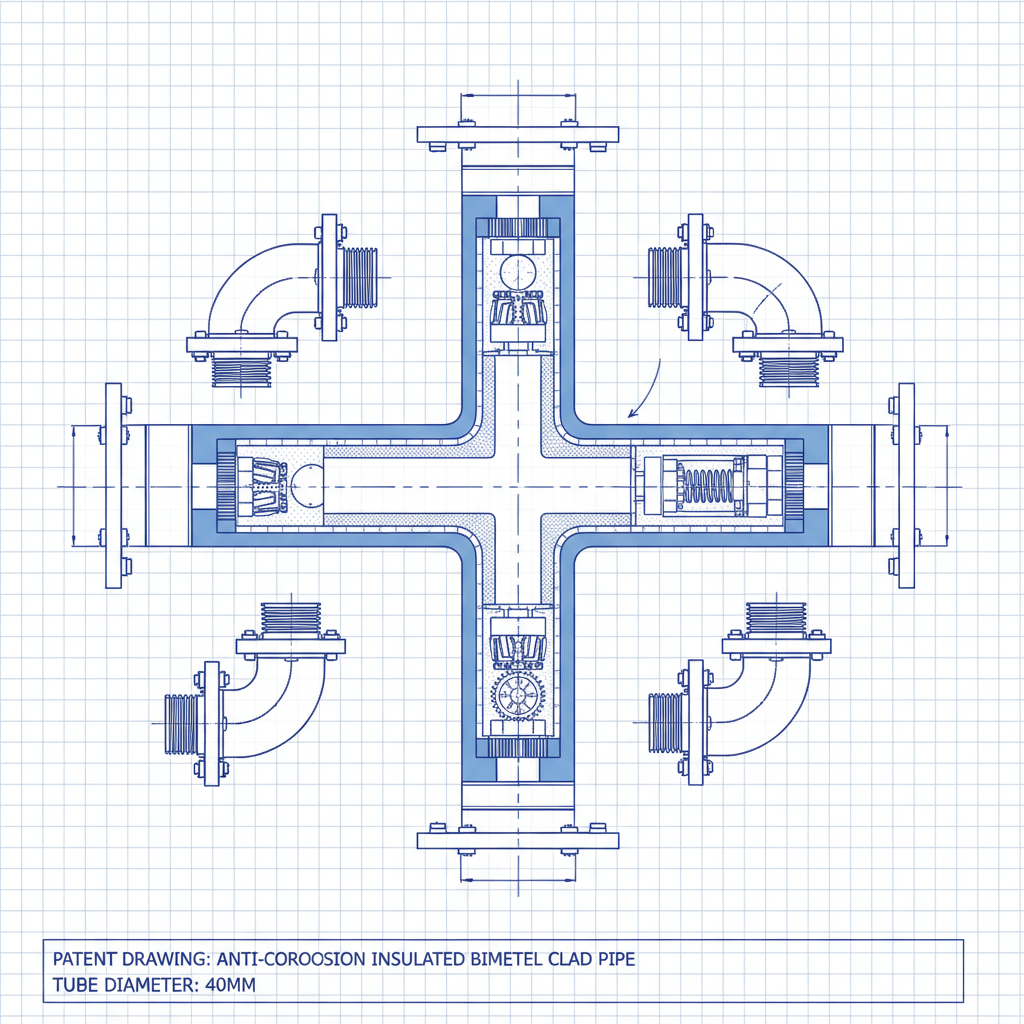
Comprehensive Guide to 40mm Steel Tube Applications and Material Selection
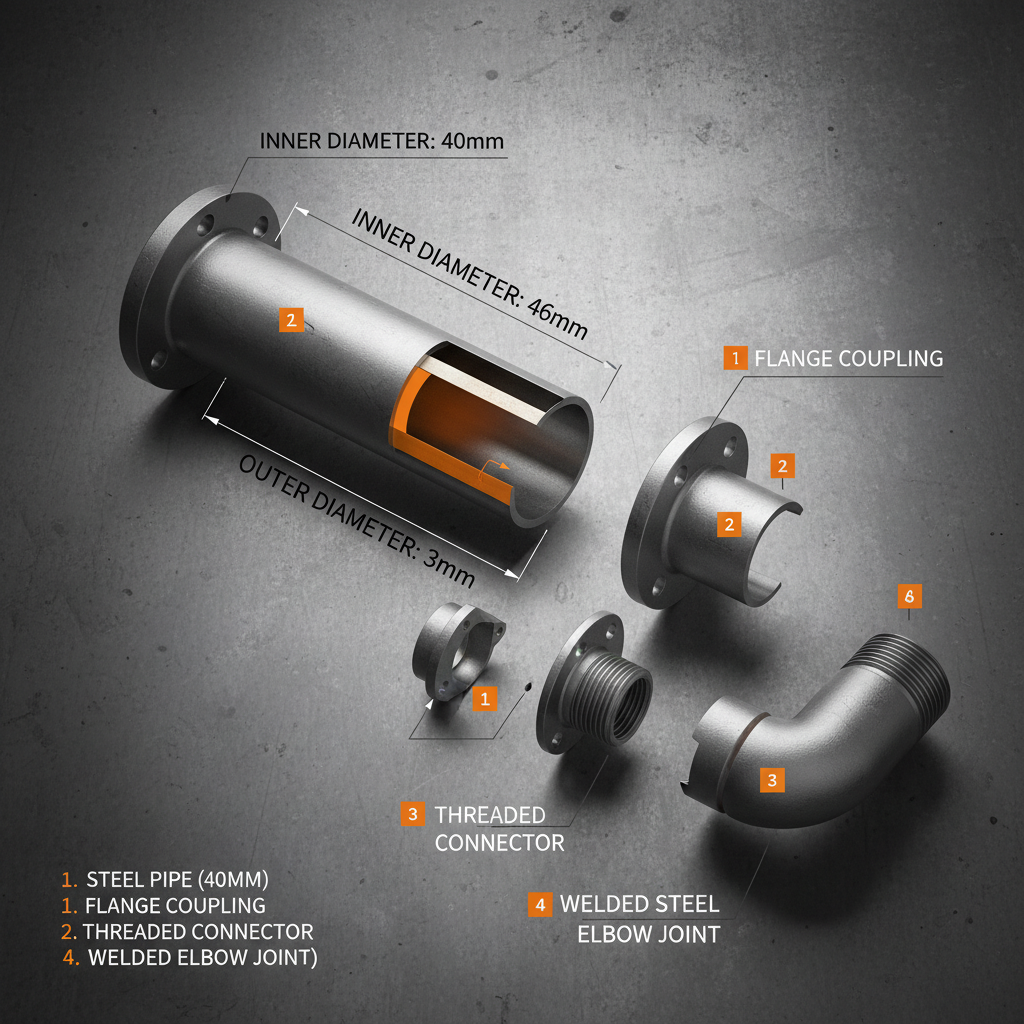
Comprehensive Guide to 40mm Steel Pipe Applications and Considerations
Comprehensive Guide to 40mm Metal Pipe Applications and Sourcing
Comprehensive Guide to 40mm Galvanised Pipe Applications and Specifications