When you hear “hollow sections,” you might think of simple steel tubes or boxes. But in real terms, these structural elements play a much bigger role in shaping the world’s built environment, from skyscrapers to bridges, and even post-disaster shelters. Globally, their efficient strength-to-weight ratio and versatility have become critical to sustainable construction and rapid deployment — topics deeply relevant to policymakers, engineers, and humanitarian agencies alike.
In fact, knowing what hollow sections are and how we use them can unlock smarter design choices that save materials, reduce costs, and ultimately bring safer, more durable solutions to communities worldwide.
Let’s set the scene: The construction sector accounts for roughly 38% of global carbon emissions according to the United Nations Sustainable Development Goals framework. That alone puts pressure on architects and engineers to innovate with materials that maximize strength but minimize waste and environmental impact. Hollow sections are rising to that challenge.
Their inherent efficiency supports everything from massive construction projects in Asia’s booming urban centers to modular housing initiatives in disaster-prone regions like the Caribbean. Yet the challenge remains: How to ensure these sections are accessible and adaptable enough for both high-tech industries and immediate humanitarian needs.
In simple terms, hollow sections are steel or aluminum structural elements shaped like tubes or boxes with empty centers — basically “hollow.” They come mainly in circular, square, or rectangular cross-sections. Think of them as the “bones” of modern structures — lightweight, strong, and resistant to bending or buckling.
These shapes have their roots in industrial manufacturing but have now expanded their footprint far beyond, linking closely to our needs for rapid yet resilient construction. For example, when NGOs are setting up emergency shelters after earthquakes, hollow sections form frames that are both portable and strong enough to withstand natural disasters.
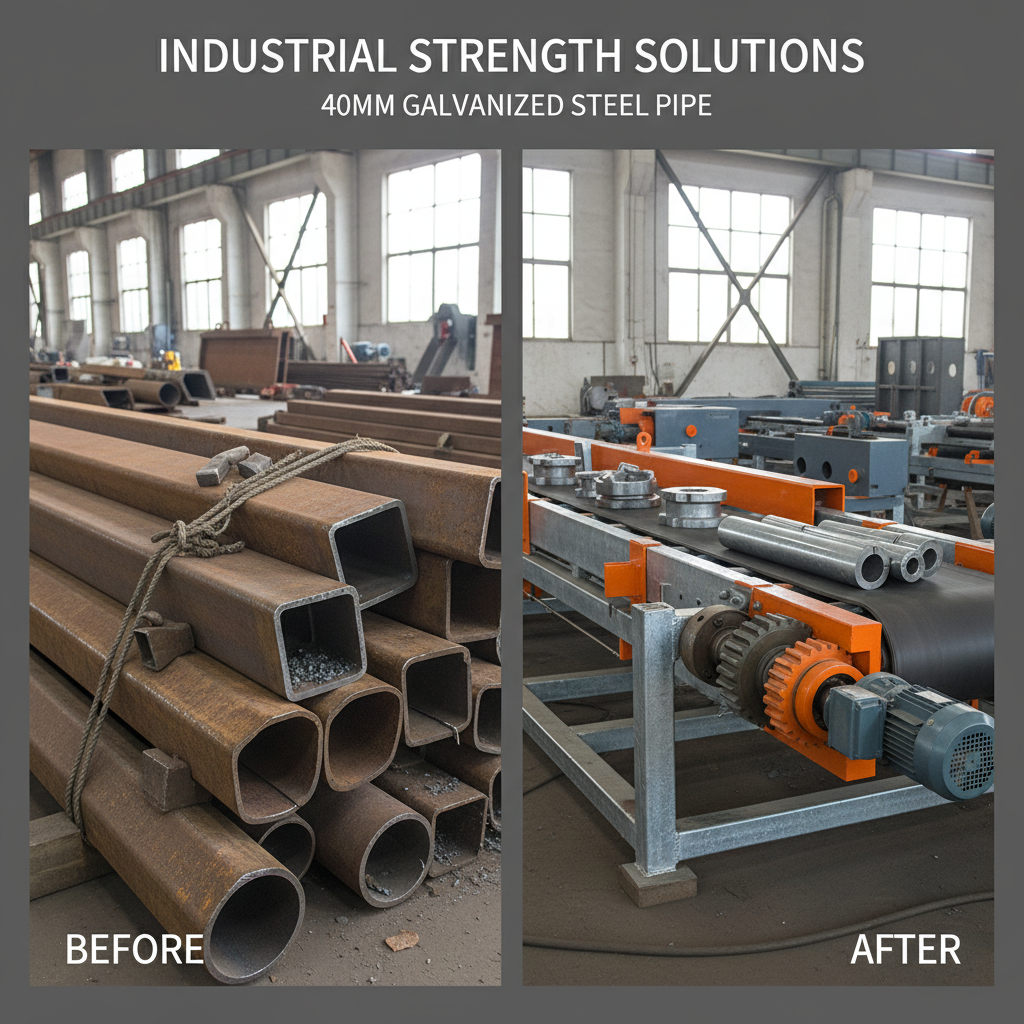
One of the most praised features — hollow sections resist corrosion and fatigue better than many solid alternatives. Manufacturers often treat them with coatings or galvanize the steel, making them suitable for harsh climates and long-term use.
Whether you need a tiny frame for a garden gazebo or a massive column for a stadium, hollow sections come in a range of standardized sizes and thicknesses. This scalability means they can be customized easily without reinventing the manufacturing wheel.
Using hollow sections means you reduce material spend—less steel for the same stiffness—leading to savings not just in material costs but also transport and lifting equipment. And frankly, for many companies, that’s a big deal.
These sections align well with circular economy principles. Their recyclability and lightness cut down carbon footprints, especially when compared to solid steel counterparts. Something ISO standards have started to spotlight in their environmental assessment guidelines.
With pre-fabricated hollow sections, on-site installation speeds up, often requiring less skilled labor, which can be a game-changer in remote or resource-limited zones.
Across Asia’s skyscraper-packed skylines, hollow sections form vital components of frameworks optimized for seismic activity, thanks to their resilience and lightweight nature. South America’s expanding railways use these sections for tunnel reinforcements and bridges that demand quick assembly.
In humanitarian contexts—say, after hurricanes hit the Caribbean—these sections help erect temporary shelters within days, providing safety and dignity in the aftermath.
Many engineers note that industries like oil and gas, mining, and telecommunications — especially in remote regions — depend heavily on hollow sections for sturdy yet transportable towers and equipment supports.
Hollow sections aren't just standardized steel bits; they’re fundamental to sustainable, efficient construction worldwide, with practical advantages that stretch from luxury towers to emergency housing.
| Specification | Square Hollow Section (SHS) | Rectangular Hollow Section (RHS) | Circular Hollow Section (CHS) |
|---|---|---|---|
| Material | Carbon Steel | Galvanized Steel | Stainless Steel |
| Size Range (mm) | 20x20 – 300x300 | 40x20 – 300x150 | 10mm Ø – 600mm Ø |
| Wall Thickness | 1.5–12 mm | 2.0–14 mm | 1.0–15 mm |
| Typical Use | Structural frames, furniture | Building columns, transport frames | Scaffolding, pipelines |
Imagine it — structures that instinctively optimize themselves to require fewer raw materials but deliver equal or greater strength. That simple fact cascades into so many benefits:
The emotional comfort from knowing your building won't fail under stress especially stands out. Safety isn’t just a checkbox; it’s a feeling of trust.
We’re seeing exciting shifts in materials science. High-strength, corrosion-resistant alloys and composite hybrids promise even lighter yet tougher hollow sections. Pair that with digital fabrication methods like 3D printing and automated welding — odd to think about but coming soon — and you get a glimpse of the next-gen structural elements.
Plus, regulations are tightening around energy efficiency and material sourcing, nudging producers to innovate greener processes. It’s no coincidence that the circular economy is increasingly influencing design specs.
Nothing comes perfect, right? Hollow sections can sometimes face issues like local buckling or welding inconsistencies, especially if specs are ignored or onsite handling is bad. Also, limited supplier availability in certain regions can delay projects.
Expert engineers recommend thorough quality-control processes, proper storage and transport, and exploring local manufacturing hubs to reduce lead times. Additionally, training for onsite staff on proper assembly ensures these versatile sections deliver long-term value.
| Supplier | Product Range | Average Lead Time | Sustainability Certifications | Global Presence |
|---|---|---|---|---|
| SteelCore Ltd. | Full SHS, RHS, CHS sizes | 3-5 weeks | ISO 14001, LEED | North America, Europe |
| Global Hollow Works | Specialized lightweight alloys | 6-8 weeks | ISO 9001, Green Product | Asia, Middle East |
| Atlas Metalworks | Standard and custom profiles | 2-4 weeks | ISO 45001, Cradle to Cradle | Global |
In wrapping up, hollow sections prove time and again they’re more than just metal tubes. Their strength, adaptability, and sustainability make them indispensable in everything from towering urban developments to emergency relief efforts. Their proven long-term value speaks not just to engineers but to societies seeking safer, greener, and smarter ways to build.
If you want to explore versatile, trusted hollow section solutions for your next project, I encourage you to visit https://www.lion-pipeline.com. They offer an impressive range tailored to modern demands.
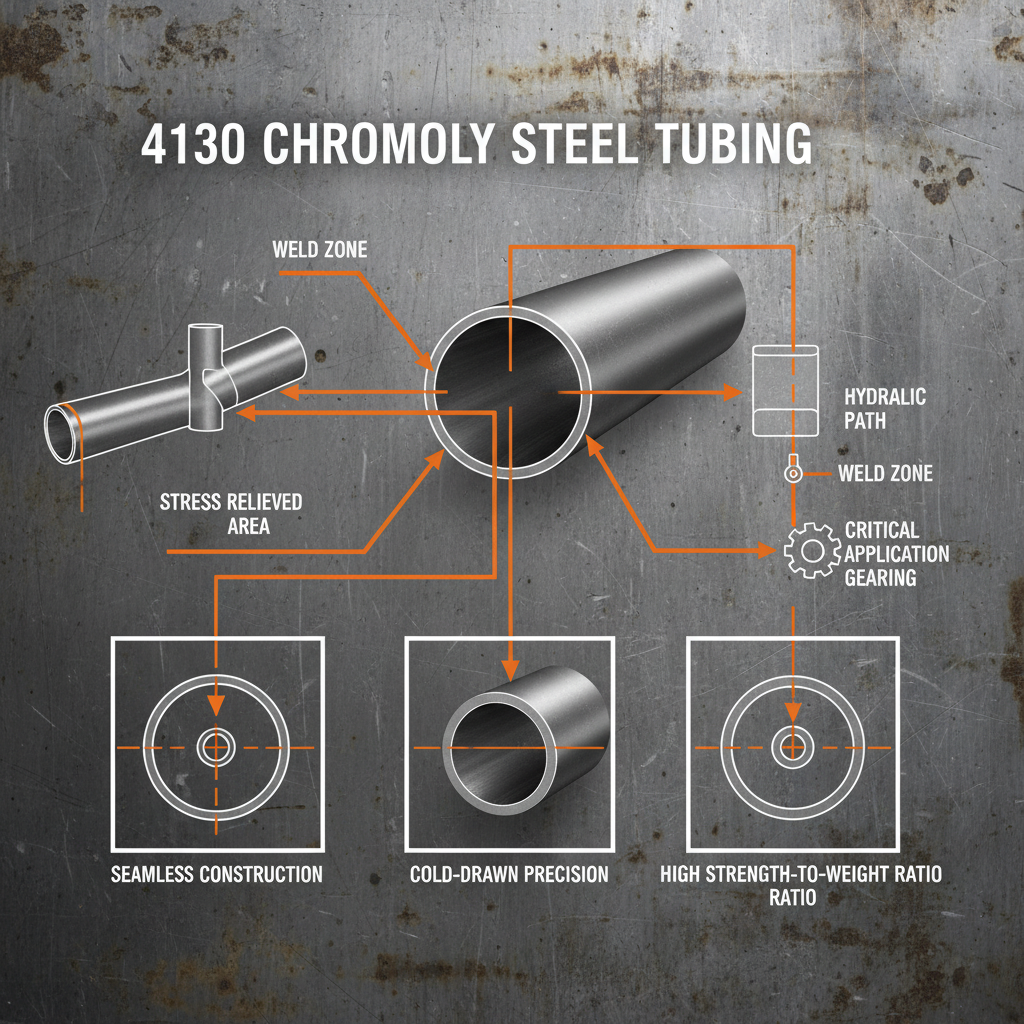
Ultimate Guide to 4130 Tubing Strength Performance and Applications
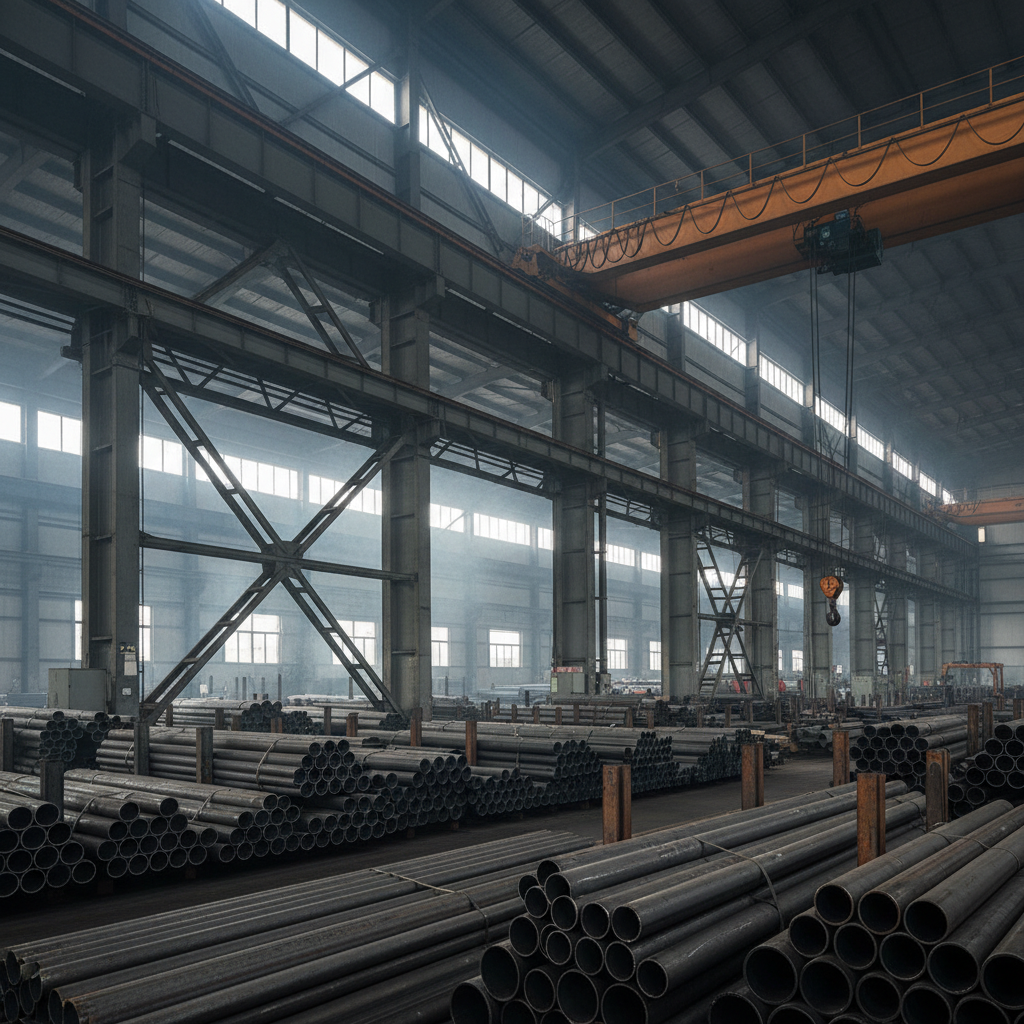
Properties and Industrial Applications of 4130 steel tubing
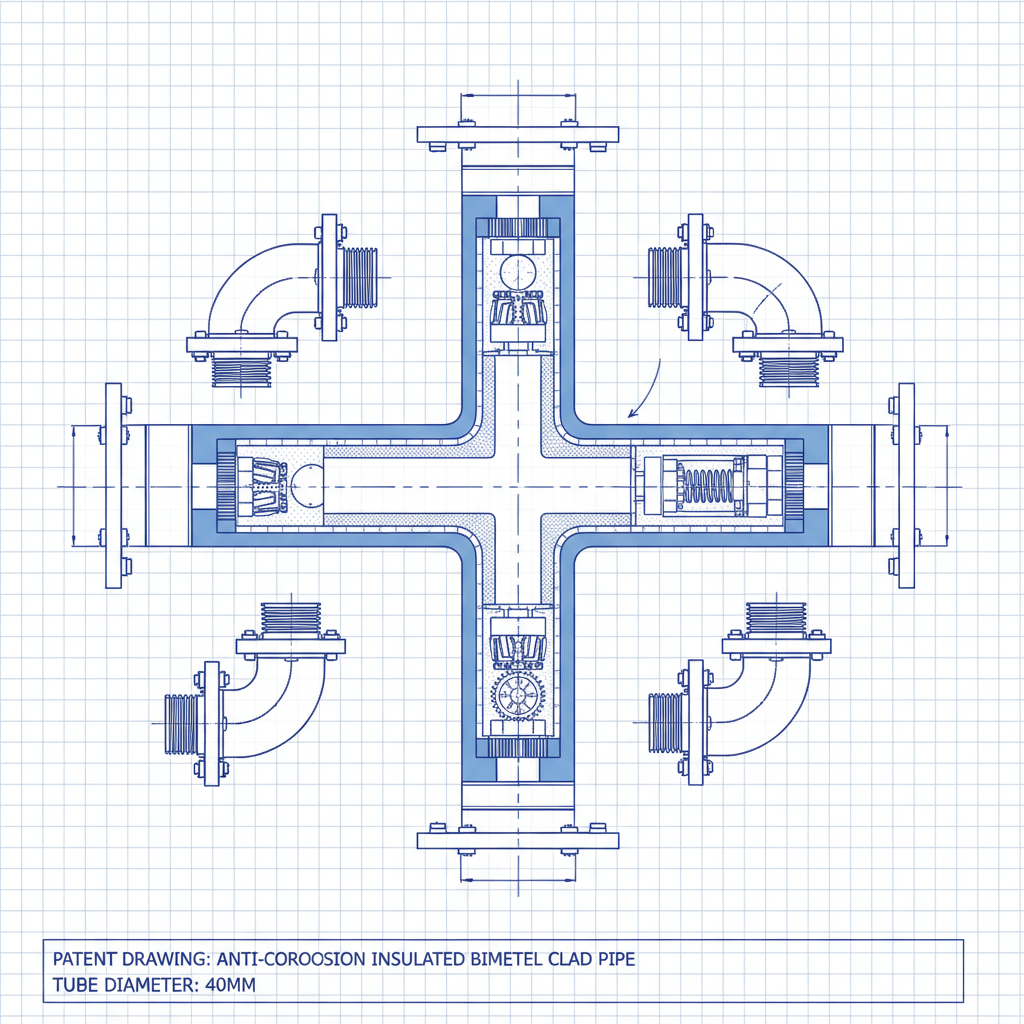
Comprehensive Guide to 40mm Steel Tube Applications and Material Selection
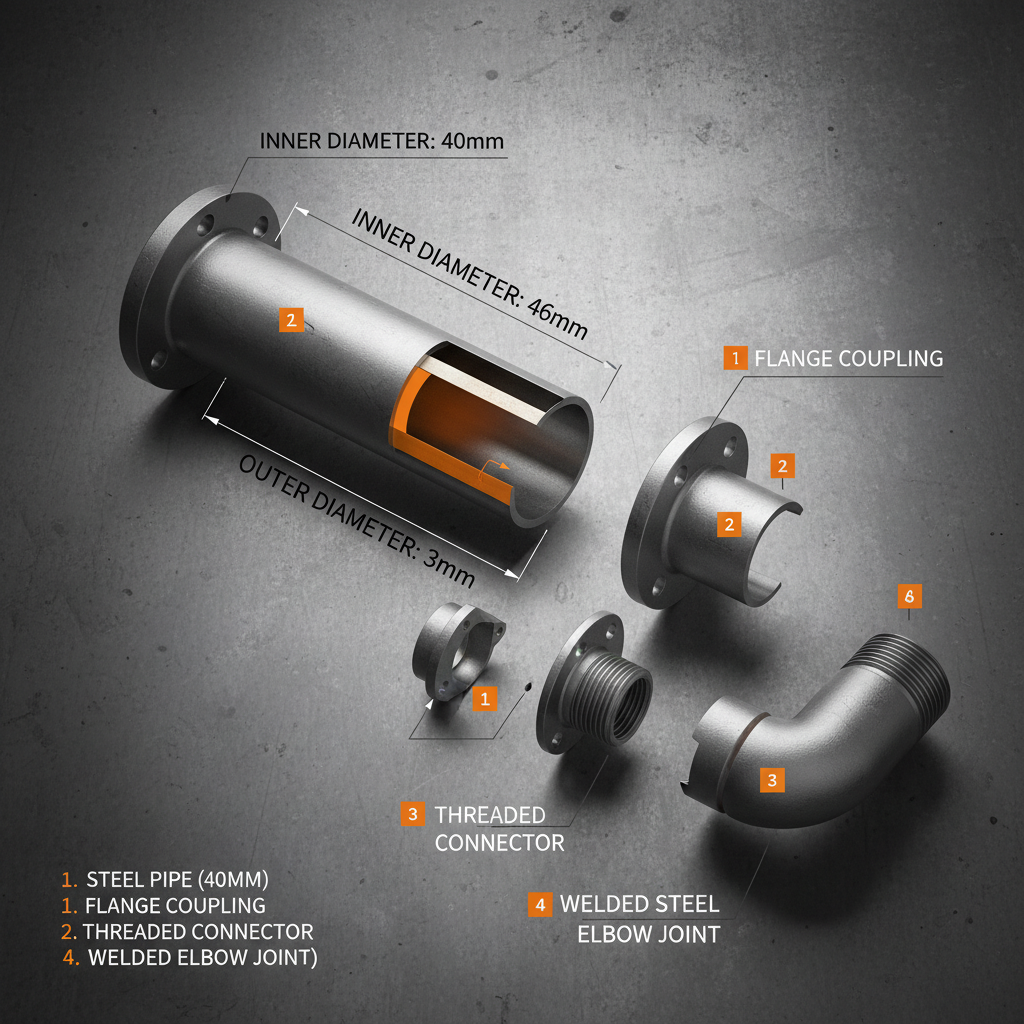
Comprehensive Guide to 40mm Steel Pipe Applications and Considerations
Comprehensive Guide to 40mm Metal Pipe Applications and Sourcing
Comprehensive Guide to 40mm Galvanised Pipe Applications and Specifications