tel
Email
to top

High-Quality Cold Drawn Tube Solutions | Durable & Precision Engineered

Nov 28 2025
share:

Understanding Cold Drawn Tube: A Vital Industrial Staple

Cold drawn tubes might not be a household name, but they underpin countless industries worldwide — from automotive manufacturing to infrastructure and energy. These precision-engineered tubes offer exceptional strength, durability, and reliability that modern applications demand. Whether it’s constructing high-performance machinery or ensuring safe fluid transport, understanding cold drawn tube technology is more than just a niche technical matter; it’s a doorway into how global development and engineering progress hand in hand.

Mini takeaway: Cold drawn tubes are quietly critical, shaping the backbone of many infrastructures worldwide.

The Global Impact of Cold Drawn Tube Production

Globally, the market for cold drawn tubes is expected to grow steadily, driven by expanding industrial sectors in Asia-Pacific, Europe, and North America. According to the International Organization for Standardization (ISO), precision tubes like these often follow stringent dimensional tolerances and material standards to meet diverse application requirements. Over 65% of steel tubes produced worldwide fall under the cold drawn or cold finished category — highlighting their global relevance.

In real terms, the challenge cold drawn tubes address is one of efficiency and safety. Raw steel often needs post-processing to achieve the mechanical properties and surface finishes necessary for high-performance use. Cold drawing solves this by enabling tight tolerances, improved surface roughness, and enhanced yield strength, reducing waste and improving longevity.

Mini takeaway: Cold drawn tubes meet global industrial demands by enhancing efficiency and mechanical performance.

What Exactly is a Cold Drawn Tube?

At its core, a cold drawn tube is a hollow metal tube pulled through a die or over a mandrel at room temperature. This cold working process reduces the tube’s diameter and wall thickness while increasing its strength and straightness without the need for reheating.

Unlike hot rolled tubes, cold drawn tubes boast better dimensional accuracy, improved surface finish, and superior mechanical properties — essential for industries where precision and reliability aren't negotiable. In humanitarian efforts, this precision translates into safer pipelines, stronger medical devices, and reliable transportation frameworks, helping maintain dignity and stability in communities around the world.

Mini takeaway: Cold drawn tubes are strengthened and refined metal tubes made without heat to achieve precision and durability.

Key Attributes of Cold Drawn Tubes

1. Durability

One of the first things engineers notice is the remarkable durability cold drawn tubes provide. Cold working introduces strain hardening — meaning the material’s tensile strength can be significantly higher than in hot rolled counterparts. This improves its resistance to wear, deformation, and fatigue, particularly important in automotive or aerospace applications.

2. Dimensional Accuracy

Cold drawing produces tubes with superior tolerances, often within the range of just microns. This precision enables seamless integration into high-tech assemblies, where even slight deviations can cause failures or inefficiencies.

3. Cost Efficiency

Though the initial production costs can be higher due to specialized machinery and processes, cold drawn tubes reduce waste downstream. Less machining or finishing is necessary, and the longer lifespan decreases replacement frequency — savings that quickly add up.

4. Versatility

Cold drawn tubes come in various alloys and sizes, adapting easily for uses in oil and gas pipelines, medical equipment, furniture, and beyond. This flexibility is a game-changer, especially in remote industrial zones where material supplies can be unpredictable.

5. Surface Quality

The smooth surface finish reduces friction in fluid transport applications and contributes to corrosion resistance with proper coatings, making these tubes ideal for critical infrastructure.

Mini takeaway: Durability, precision, cost-effectiveness, versatility, and surface quality make cold drawn tubes invaluable.

Global Applications and Real-World Use Cases

Cold drawn tubes are a silent workhorse in many sectors:

  • Automotive Industry: Fuel lines, steering components, and suspension parts require tubes that withstand constant stress and exposure to elements.
  • Energy Sector: Pipelines for oil, gas, and renewables use cold drawn tubes for transport efficiency and leak prevention. Many projects in the Middle East and North America have adopted such tubes to meet stringent safety standards.
  • Medical Devices: Surgical instruments and medical tubing rely on the smooth surfaces and precision diameters cold drawing provides.
  • Construction and Infrastructure: In post-disaster relief operations, quickly deployable infrastructure depending on durable piping often incorporates cold drawn tubes, ensuring reliable water and power distribution under harsh conditions.
Mini takeaway: Cold drawn tubes support diverse industries—from medical care to disaster recovery—with precise, durable components.

Advantages & Long-Term Value in Cold Drawn Tubes

From a practical standpoint, the benefits are easy to list: improved strength-to-weight ratios, consistent quality, and lower maintenance. But beyond numbers, these tubes provide emotional assurance to engineers, architects, and even end-users, instilling trust in the safety and longevity of their products and facilities.

Sustainability-wise, cold drawing often uses existing steel billets with less energy than remelting or hot rolling cycles, producing less carbon emissions. The enhanced lifespan means fewer replacements, aligning with long-term environmental goals — a benefit many industries now factor heavily.

Specifications Table: Typical Cold Drawn Tube Characteristics

Property Range / Typical Value Notes
Material Carbon steel, stainless steel alloys (304, 316) Depends on application requirements
Outer Diameter 5 mm – 150 mm Custom sizes available
Wall Thickness 0.5 mm – 10 mm Precision tolerances ±0.01 mm
Tensile Strength 350 MPa to 800 MPa Higher values with alloy steel
Surface Finish Ra 0.2 – 0.6 μm (achievable) Reduces friction and corrosion risk

Comparing Leading Cold Drawn Tube Vendors

Vendor Material Range Customization Lead Time Typical Industries Served
Lion Pipeline Co. Carbon, Stainless High (custom OD, length) 2-4 weeks Oil & Gas, Automotive, Construction
SteelWorks Global Carbon, Alloy Steels Medium 3-5 weeks Heavy Machinery, Aerospace
Precision Tubes Ltd. Stainless, Duplex High 4 weeks Medical, Food Processing

What’s Next? Future Trends in Cold Drawn Tube Technology

The trajectory for cold drawn tubes is pointing towards greater sustainability and smart manufacturing. For instance, automation in drawing processes is reducing human error and increasing output uniformity. Advanced materials, like high-strength stainless alloys and even composites, are being explored for better corrosion resistance and lighter weight.

In addition, environmental policies pushing for greener supply chains mean manufacturers are investing in energy-efficient drawing machinery and recycled steel feedstock. There are even efforts to integrate digital tracking (Industry 4.0 concepts) to monitor lots, ensure traceability, and optimize maintenance scheduling.

Mini takeaway: The future lies in smarter, greener production methods and advanced materials enhancing tube performance.

Common Challenges and Ways to Overcome Them

Cold drawn tube manufacturing is not without its hurdles. Tolerancing at very small scales can lead to higher rejection rates if the equipment isn’t finely tuned. Surface cracks caused by cold working stress require robust quality control measures.

To solve these, many producers use real-time process monitoring and ultrasonic testing to catch defects early. Some apply post-processing heat treatments to relieve internal stresses while balancing strength retention. It’s a constant dance between precision and production speed — a challenge that keeps engineers sharp.

FAQ: Frequently Asked Questions About Cold Drawn Tubes

What advantages do cold drawn tubes have over hot rolled tubes?
Cold drawn tubes offer superior surface finish, tighter dimensional tolerances, and higher tensile strength due to strain hardening — making them ideal for precision applications.
How long can cold drawn tubes last in industrial settings?
With proper material choice and maintenance, these tubes can last decades, outperforming other tubes due to their durability and corrosion resistance.
Are cold drawn tubes more expensive initially?
They typically cost more upfront because of processing, but their longevity and reduced finishing work often lead to lower total lifecycle costs.
Can cold drawn tubes be customized in size and alloy?
Yes, many suppliers, including cold drawn tube specialists, offer custom diameters, wall thicknesses, and a variety of alloys to meet client needs.
How do industries ensure quality in cold drawn tubing?
Manufacturers often follow standards like ISO 9328 and perform non-destructive testing methods such as ultrasonic and eddy current inspections to maintain stringent quality.

Wrapping Up: Why Cold Drawn Tubes Matter Long-Term

Cold drawn tubes play a quiet but fundamental role in modern industry and infrastructure. Their unmatched precision, strength, and reliability make them indispensable across sectors from medical to energy. In the bigger picture, they help build safer, longer-lasting systems — contributing to sustainability and innovation worldwide.

If you want to explore how cold drawn tube solutions can optimize your projects, practical expertise and trusted quality suppliers like Lion Pipeline Co. are a great place to start.

So, next time you see a polished metal pipe or a precision machine, consider the cold drawn tube inside — where technology, craftsmanship, and global demand converge daily.
References

  1. Wikipedia: Cold Drawing
  2. ISO 9328-1: Steel tubes for precision applications
  3. World Bank: Manufacturing, value added (% of GDP)
  • Overlay Welding Clad Steel Pipe

    Overlay Welding Clad Steel Pipe

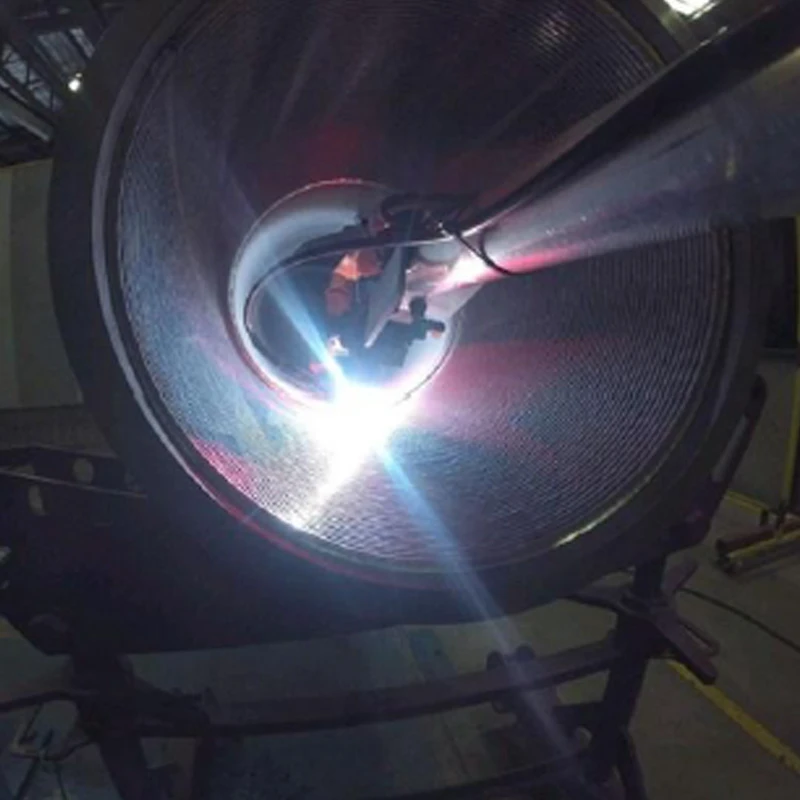
    Overlay Welding clad Steel Pipe features a high-performance welded overlay that enhances the pipe’s surface properties, providing superior resistance to corrosion, erosion, and wear. This process involves applying a wear-resistant alloy layer over a strong steel base, making it ideal for industries such as oil and gas, mining, and chemical processing, where pipes are exposed to harsh conditions. The overlay ensures extended service life, reduced maintenance costs, and reliable performance even in extreme environments. With its combination of strength, durability, and corrosion resistance, the Overlay Welding Steel Pipe is a trusted solution for critical applications.
    VIEW ALL
  • Laser Clad  Pipe

    Laser Clad Pipe

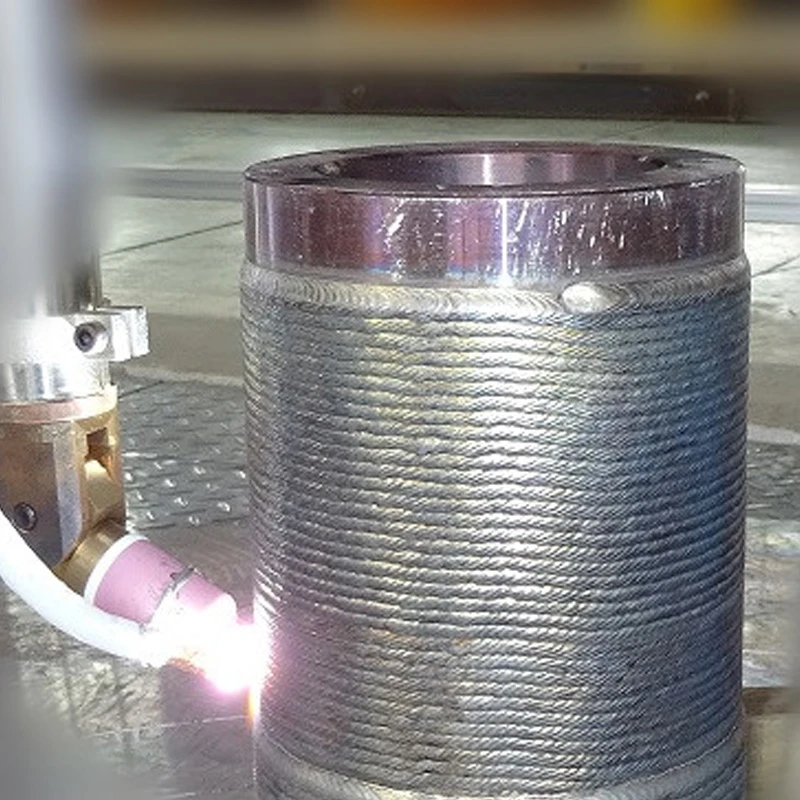
    Laser clad steel pipes are manufactured using laser cladding technology. This technology involves adding cladding material to the surface of ordinary steel pipe base material, using high-energy-density laser beams to fuse the cladding material with the steel pipe surface, forming a metallurgically bonded cladding layer. These pipes are generally used in compressed air energy storage projects as underground deep well transportation pipes or casings, as well as in oil, natural gas, and geothermal well extraction.
    VIEW ALL
  • Pipe Cap

    Pipe Cap

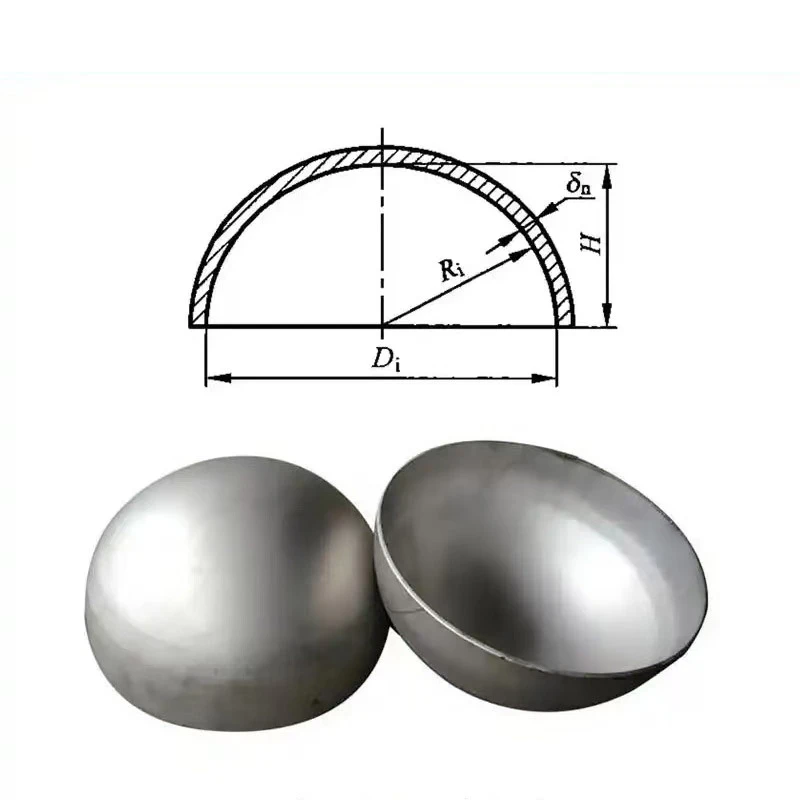
    Pipe caps come in different shapes, including round, square, and oval, and can be designed for both threaded and welded connections. They ensure the integrity of piping systems during transportation, storage, and installation by protecting the pipe ends from dirt, debris, and environmental factors. Durable and easy to install, pipe caps are critical for maintaining system efficiency and safety.
    VIEW ALL
To create value for customers!
Cangzhou Leo Technology Co., Ltd. is located in Mengcun County Economic Development Zone, Cangzhou City, Hebei Province. It is a specialized high-tech enterprise that integrates the research and development, production, and sales of composite pipes and fittings.
News
The company regards product quality as the life of the enterprise, establishes a sound quality management system in accordance with the requirements of industry and national standards, controls all aspects of input and output in the whole process, pays attention to every detail, and ensures that the product delivery pass rate is 100%.
Ultimate Guide to 4130 Tubing Strength Performance and Applications
Ultimate Guide to 4130 Tubing Strength Performance and Applications

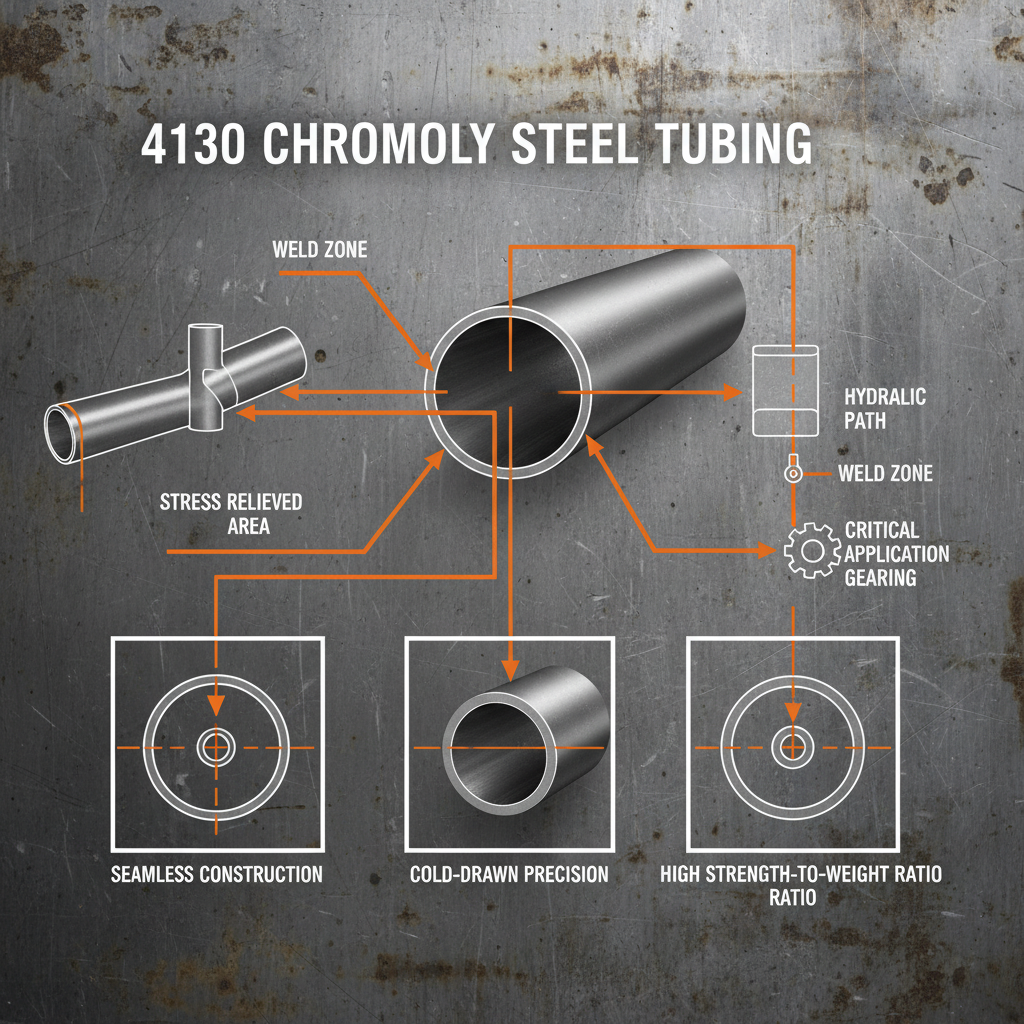
In the world of high-performance engineering, material selection is the foundation of safety and efficiency. 4130 tubing is widely regarded as the gold standard for applications requiring an exceptional strength-to-weight ratio. This chrome-molybdenum alloy steel is engineered to withstand extreme stress while remaining lightweight enough for aerospace and automotive use. Whether you are designing a roll cage, a bicycle frame, or a critical industrial component, understanding the nuances of this material is essential. In this comprehensive guide, we will explore why this specific alloy is preferred by engineers worldwide and how to choose the right specifications for your project.
Properties and Industrial Applications of 4130 steel tubing
Properties and Industrial Applications of 4130 steel tubing

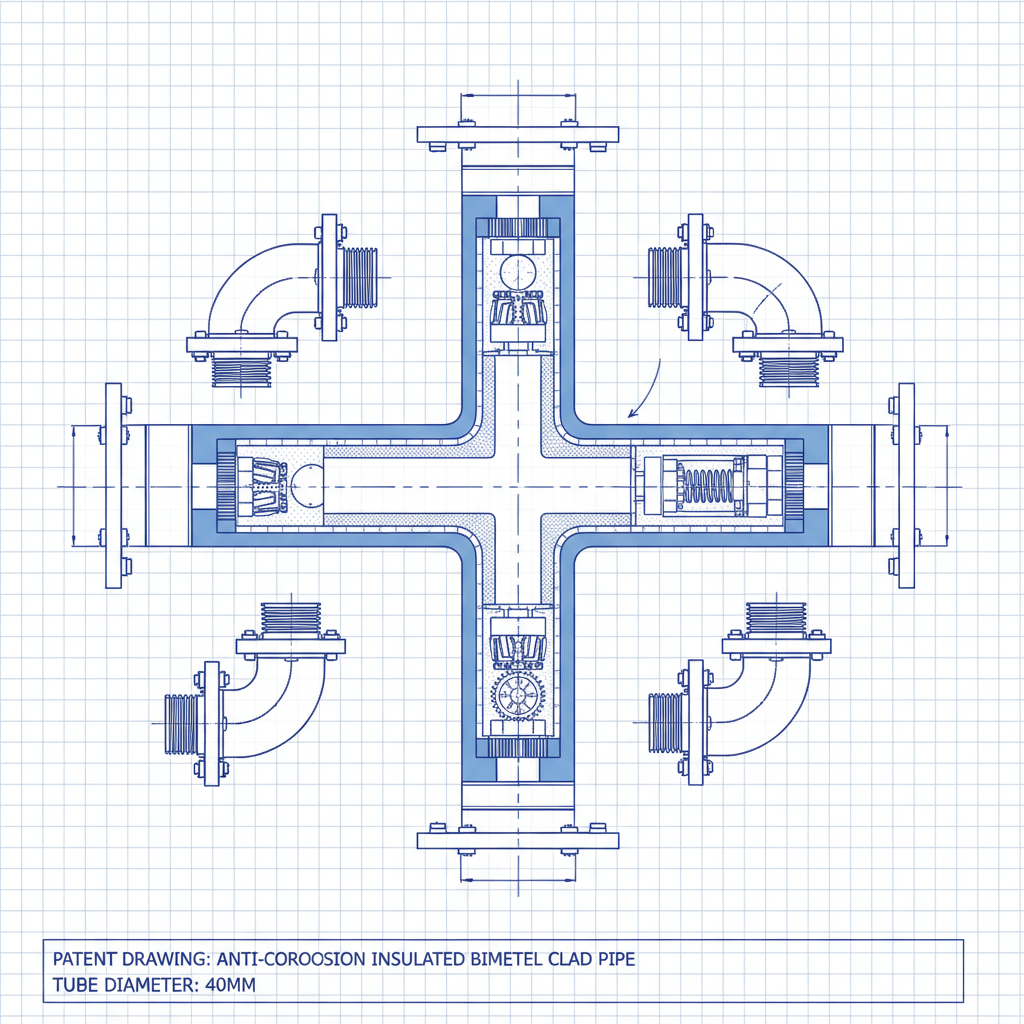
In the world of high-performance engineering, material selection is the foundation of safety and efficiency. 4130 steel tubing is widely recognized as the gold standard for applications requiring an exceptional strength-to-weight ratio. Known for its versatility and reliability, this chromium-molybdenum alloy is the preferred choice for everything from aircraft frames to professional roll cages. Understanding the nuances of this material allows engineers to optimize structural integrity without adding unnecessary bulk. In this comprehensive guide, we will explore why this specific alloy remains a top choice for critical industrial and aerospace components.
Comprehensive Guide to 40mm Steel Tube Applications and Material Selection
Comprehensive Guide to 40mm Steel Tube Applications and Material Selection

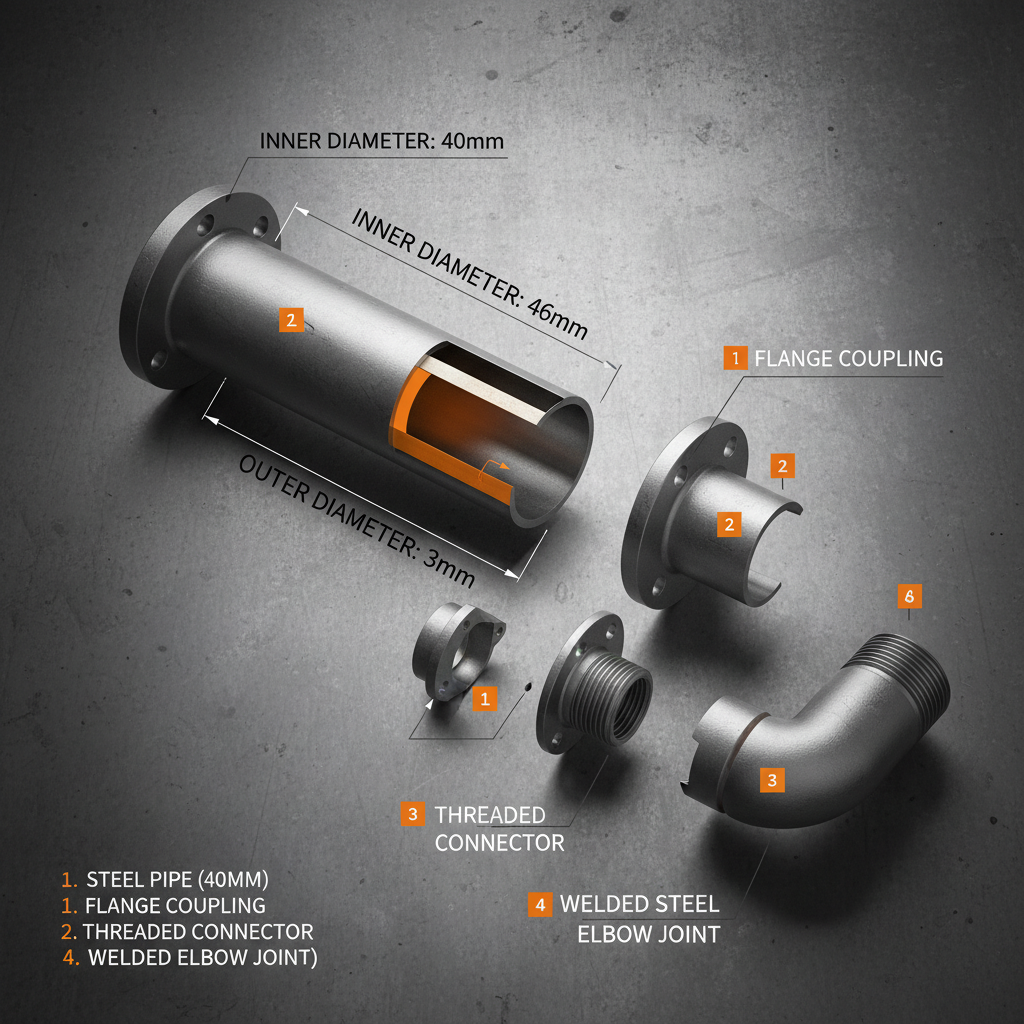
40mm steel tube is a versatile and widely used material in various industries, from construction and manufacturing to automotive and beyond. Its strength, durability, and cost-effectiveness make it an ideal choice for numerous applications. This article will delve into the characteristics, applications, benefits, and considerations when working with 40mm steel tube, providing a comprehensive overview for professionals and anyone interested in this essential material.
Comprehensive Guide to 40mm Steel Pipe Applications and Considerations
Comprehensive Guide to 40mm Steel Pipe Applications and Considerations

40mm steel pipe is a widely used material in various industries due to its strength, durability, and cost-effectiveness. From construction and infrastructure projects to industrial applications and fluid transportation, this pipe size offers a versatile solution. This article will delve into the properties, applications, standards, and key considerations when selecting 40mm steel pipe, helping you make informed decisions for your specific needs.
Comprehensive Guide to 40mm Metal Pipe Applications and Sourcing
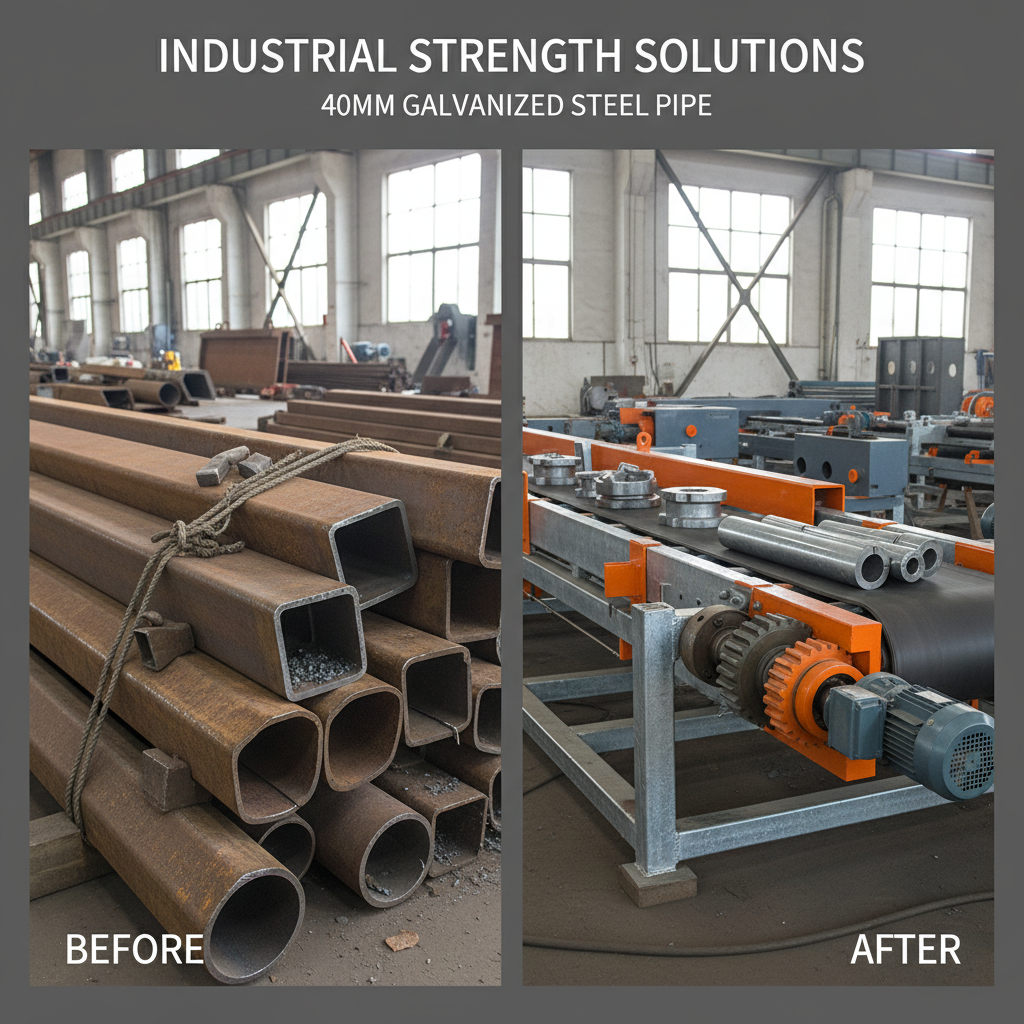
Comprehensive Guide to 40mm Metal Pipe Applications and Sourcing

40mm metal pipe is a crucial component in a wide array of industries, from construction and plumbing to industrial manufacturing and fluid transport. Its strength, durability, and versatility make it a preferred material for countless applications. This article will delve into the specifics of 40mm metal pipe, exploring its various types, common uses, benefits, and where to source high-quality piping solutions.
Comprehensive Guide to 40mm Galvanised Pipe Applications and Specifications

Comprehensive Guide to 40mm Galvanised Pipe Applications and Specifications

When planning a plumbing, structural, or industrial project, selecting the right piping material is crucial. 40mm galvanised pipe is a widely used option known for its strength, durability, and corrosion resistance. This article provides a detailed overview of 40mm galvanised pipes, exploring their applications, benefits, specifications, and considerations for optimal usage. We'll cover everything from what galvanisation is to how to choose the right pipe for your specific needs.
tel email tel top

If you are interested in our products, you can choose to leave your information here, and we will be in touch with you shortly.