Cold rolled steel pipe is a staple in industries ranging from construction and infrastructure to automotive and even humanitarian aid. But beyond the familiar metallic sheen lies a product that—frankly—keeps our modern world standing. It matters globally because this pipe blends strength, precision, and cost-efficiency in a way warm-rolled pipes often can’t match. Understanding cold rolled steel pipe is not just for engineers or procurement officers; it shapes how countries build safer bridges, faster pipelines, or even emergency housing frames.
If you ever paused to admire a skyscraper or took a long road trip along a newly paved highway, chances are cold rolled steel pipes played a quiet but critical role. Knowing its benefits can mean smarter purchasing, better design choices, and ultimately more sustainable projects.
On a macroscopic scale, the steel pipe industry reflects the pulse of global development. According to the World Steel Association, global steel pipe and tube production topped 150 million metric tons in 2023 and is expected to rise steadily. Within this sector, cold rolled steel pipes are increasingly preferred for their dimensional accuracy and surface finish. You might wonder why this matters—well, standardized, precision-engineered pipes reduce waste, cut installation time, and enhance longevity, especially in harsh environments.
Despite industrial growth, the world faces dual challenges: aging infrastructure in developed countries and rapid urbanization in developing regions. Cold rolled steel pipes offer solutions by being adaptable, durable, and compliant with tightening environmental regulations driven by bodies like the ISO.
However, there’s also the sustainability angle—steel production accounts for around 7-9% of global CO2 emissions (Wikipedia). That means innovations in cold rolled steel pipes aren’t just a technical curiosity but a vital piece of the climate puzzle.
So, what exactly is a cold rolled steel pipe? Simply put, it’s a hollow cylindrical steel product shaped by rolling steel sheets or strips at room temperature—hence the “cold rolled.” This process refines surface finish and dimensional precision without heating, resulting in tighter tolerances and stronger mechanical properties compared to hot rolled alternatives.
I like to think of it as the difference between freshly baked bread (warm rolled) and a finely pressed cracker (cold rolled) — one rough and flexible, the other crisp, exact, and firm. In industry terms, cold rolling increases strength by inducing strain hardening and improves surface qualities, which is why it’s indispensable in applications where accuracy matters.
In humanitarian projects—say, rapidly deploying modular shelters or water infrastructure in disaster zones—those precise specs translate to safer, faster assembly.
Cold rolled steel pipe tends to have better tensile strength and hardness than its hot rolled cousins. From what many engineers say, this translates into longer service life, especially when exposed to pressure or mechanical stress — like in gas pipelines or structural frames.
The cold rolling process controls thickness and diameter to tight tolerances (sometimes within fractions of a millimeter), essential for precision building, automotive chassis, or machinery parts.
Unlike rough hot rolled pipes, cold rolled steel pipes typically boast smoother, cleaner surfaces—less scale, fewer defects — reducing corrosion risks and paint or coating prep time.
While the initial manufacturing cost can be higher due to additional processing, the overall lifecycle cost is often lower. Why? Because better weldability, less rework, and longer maintenance intervals add up.
Cold rolled steel pipe can be customized into various diameters, thicknesses, and shapes for everything from tiny instrument tubes to large civil engineering components.
In a nutshell, cold rolled steel pipe delivers strength with finesse. You get better precision, finished quality, and long-haul reliability — the perfect trifecta for modern projects.
The real charm of cold rolled steel pipe shines in how many industries rely on it:
Take the post-earthquake reconstruction in Japan: cold rolled steel pipes were pivotal to rapidly deploying temporary housing and restoring critical water lines with minimal downtime.
| Specification | Value | Notes |
|---|---|---|
| Diameter Range | 6 mm – 200 mm | Standard sizes for structural use |
| Wall Thickness | 0.5 mm – 15 mm | Varies with project demands |
| Tensile Strength | 350 - 550 MPa | Grades vary by alloy and treatment |
| Surface Finish | Smooth, bright, no scale | Reduced need for finishing |
| Standard Compliance | ISO 630, ASTM A513 | Industry benchmarks |
| Vendor | Price Range (USD/ton) | Lead Time | Customization Level | Sustainability Practices |
|---|---|---|---|---|
| Lion Steel Corp | $850 - $950 | 2-3 weeks | High (custom diameters, alloys) | ISO 14001 certified, carbon offset programs |
| Global Pipe Solutions | $900 - $1000 | 4-6 weeks | Medium (standard products only) | Some recycling initiatives |
| Atlas Metalworks | $820 - $870 | 1-2 weeks | Low (off-the-shelf models) | Not disclosed |
First, the clear financial upside: less material wastage and faster installation reduce project costs. Then there’s the sustainability note—by using cold rolled pipes, you’re often opting for less energy consumption during manufacturing compared to hot rolled methods. That’s a win for those green policies sweeping the globe.
On the social front, higher reliability means fewer failures, leaks, or hazardous incidents, directly impacting public safety and dignity. Especially in critical infrastructure—think hospitals, schools, and water distribution—the trust placed in this material resonates strongly.
Emotionally, engineers and planners take pride in specifying a product with known performance, visible quality, and tangible long-term value. To me, there’s a certain satisfaction in “getting it right” the first time.
Frankly, the future looks exciting. Developments in high-strength low-alloy (HSLA) steel formulations are leading to pipes that weigh less but perform better. Combine that with Industry 4.0 smart manufacturing—automated quality control and real-time dimension tracking—and you get pipes that are near-perfect out of the gate.
Sustainability will continue driving R&D, especially recycling closed loops and reducing embodied carbon. Some companies are experimenting with hydrogen-resistant coatings, anticipating a hydrogen economy’s demands for pipe reliability.
Digital technologies like IoT-enabled pipe monitoring are also emerging, fulfilling the dream of predictive maintenance and safer infrastructure management.
Not everything is rosy, however. Cold rolling process limitations include size constraints—very large diameters or thick walls can be problematic. Also, some customers hesitate because of perception about higher costs or lead times.
Innovative solutions include hybrid manufacturing techniques that combine hot and cold rolling benefits or modular pipe designs tailored for quick assembly to mitigate supply lag.
Companies like Lion Steel Corp are investing heavily in R&D to tackle those exact issues.
Cold rolled steel pipe is manufactured at room temperature, resulting in higher tensile strength, better surface finish, and tighter dimensional tolerances than hot rolled pipe, which is formed at high temperatures. The tradeoff is generally a higher manufacturing cost but improved performance and durability.
Yes, when properly coated or galvanized, cold rolled steel pipes perform well outdoors. Their smooth surface makes coating adhesion better, enhancing corrosion resistance — a key benefit in marine or chemical applications.
Absolutely. They are highly flexible in terms of diameter, wall thickness, shape, and alloy composition, which makes them ideal for industries needing specialized components, such as aerospace or medical device manufacturing.
Lead times vary depending on vendor and customization but typically range from 1 to 6 weeks. Vendors offering larger inventories or modular designs tend to deliver faster.
It’s hard to overstate the role cold rolled steel pipe plays in our global industrial ecosystem. With unmatched strength, precision, and adaptability, it supports both cutting-edge innovation and vital humanitarian efforts. If you want projects that last longer, cost less in the long run, and contribute to sustainability goals, this pipe deserves a close look.
For expert guidance, quality materials, and customized solutions, visit https://www.lion-pipeline.com to explore your options.
Cold rolled steel pipe is the unsung hero connecting tradition and innovation—with a strong future ahead.
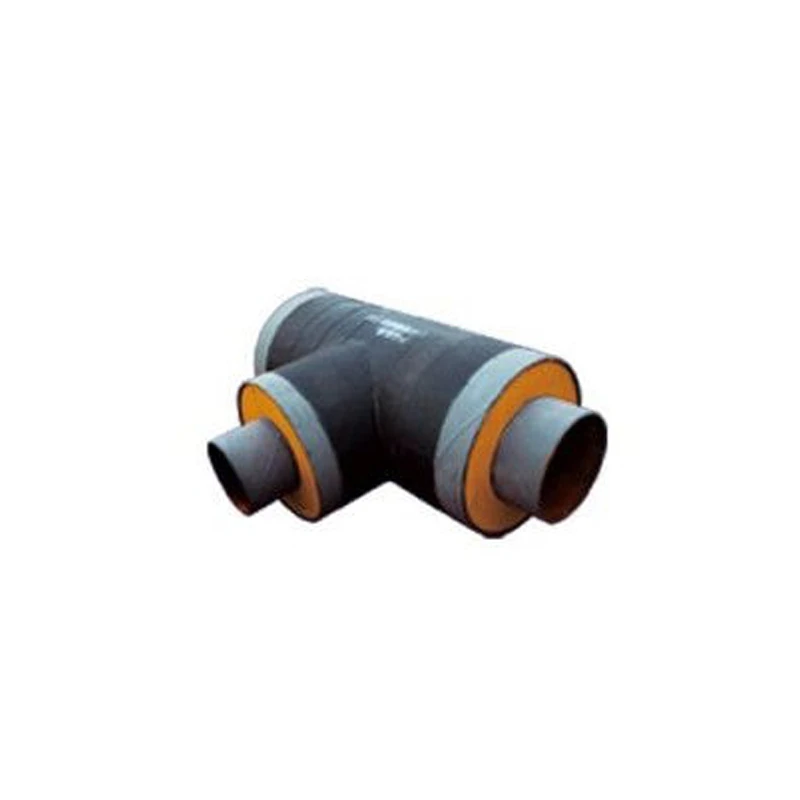
Anti Corrosion And Thermal Insulation Products
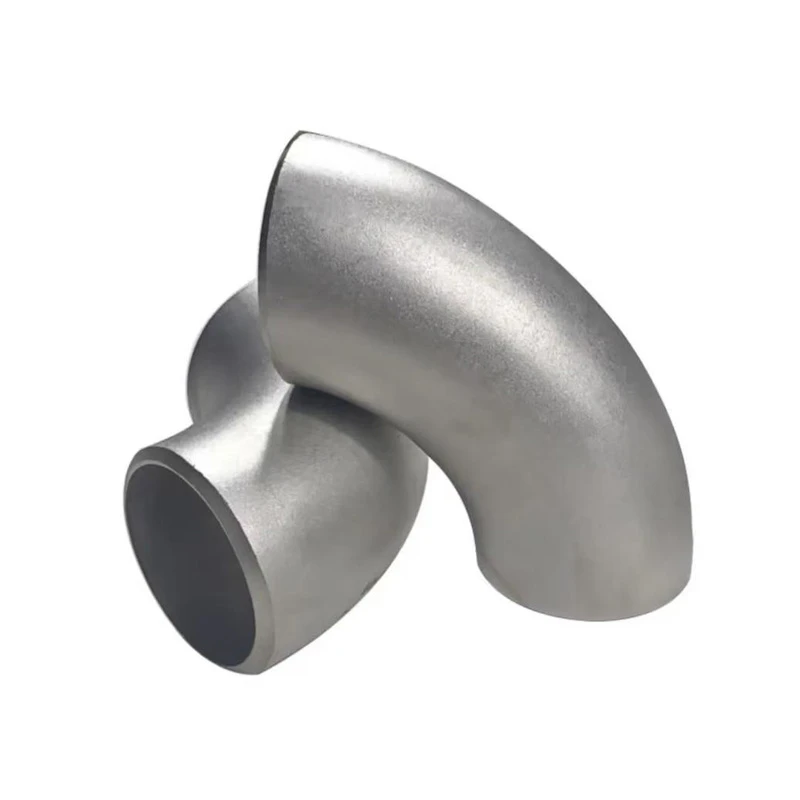
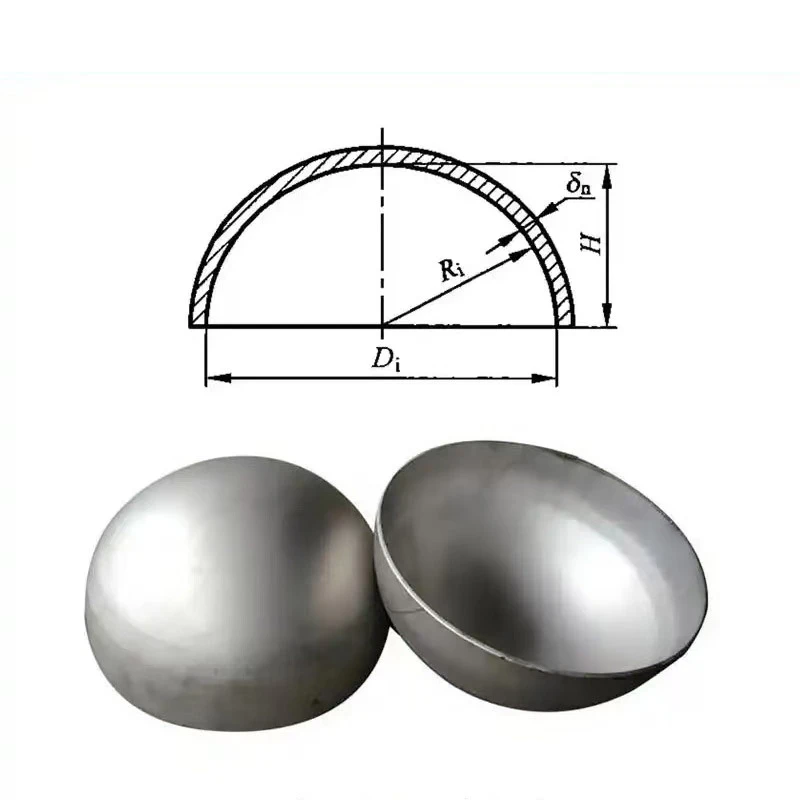

Ultimate Guide to 4130 Tubing Strength Performance and Applications
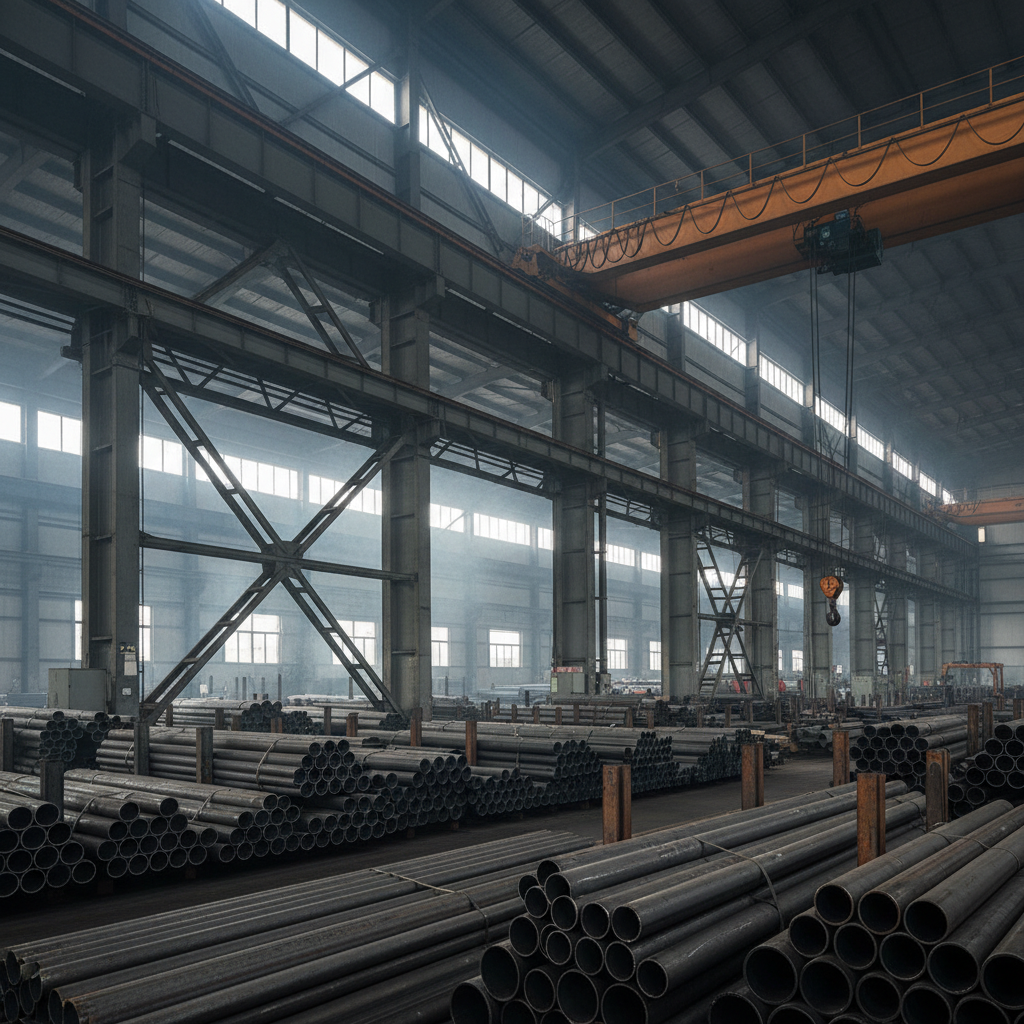
Properties and Industrial Applications of 4130 steel tubing
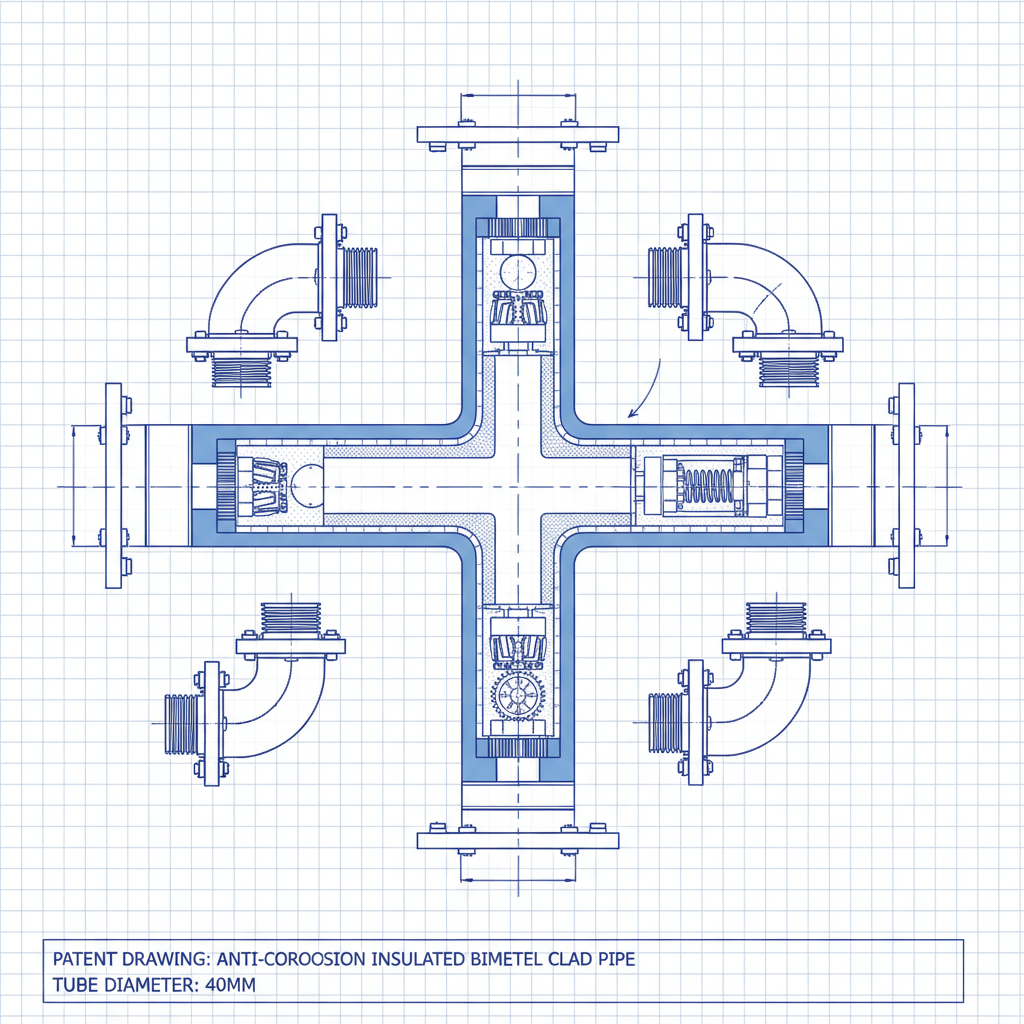
Comprehensive Guide to 40mm Steel Tube Applications and Material Selection
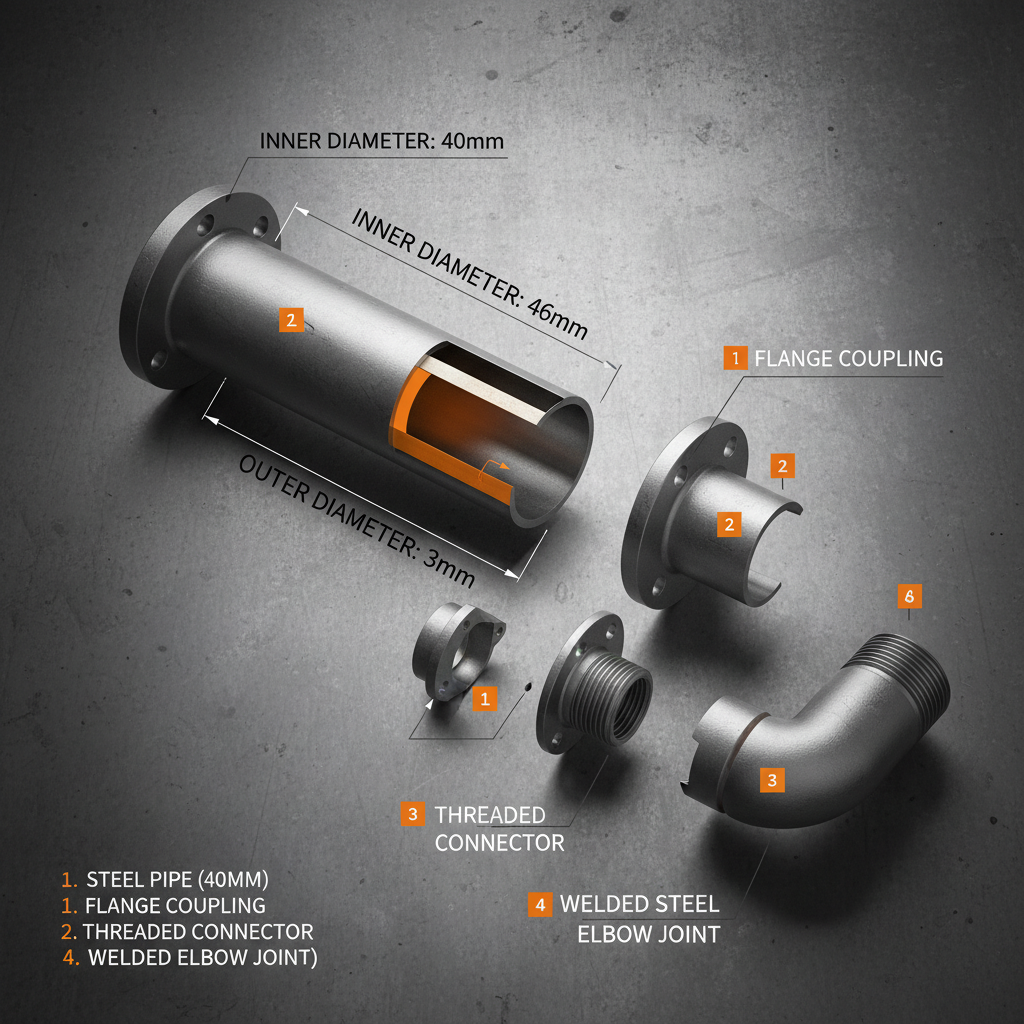
Comprehensive Guide to 40mm Steel Pipe Applications and Considerations
Comprehensive Guide to 40mm Metal Pipe Applications and Sourcing
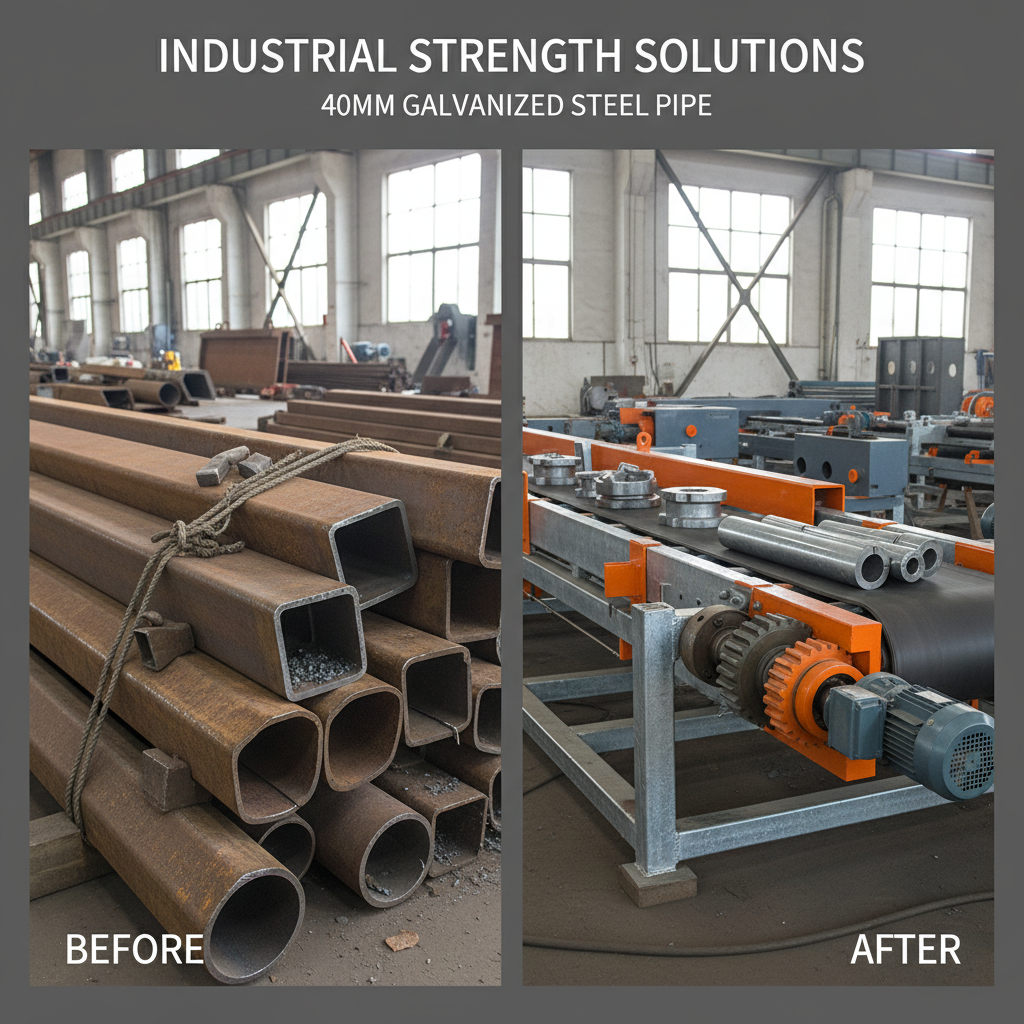
Comprehensive Guide to 40mm Galvanised Pipe Applications and Specifications