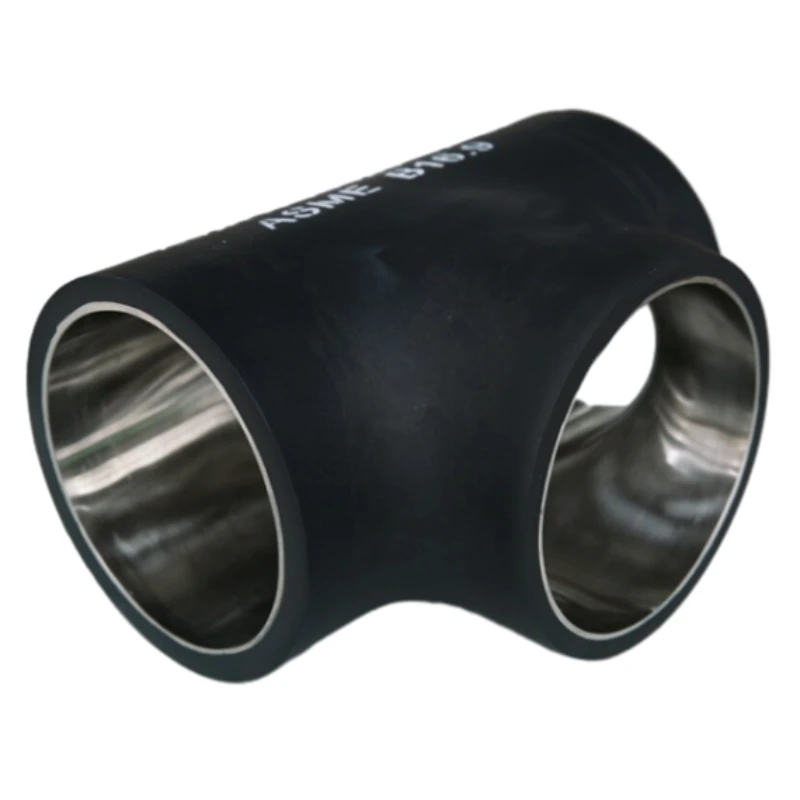
If you glance around, you might not realize it, but cold rolled steel tube is quietly working behind the scenes, holding up everything from skyscrapers to bicycle frames. It's one of those unsung heroes of manufacturing that keeps the wheels turning—literally and figuratively. But why should you care? Well, apart from its undeniable strength, cold rolled steel tubes offer unmatched precision and quality that make them indispensable across varied sectors. Getting a grip on what they are and why they're crucial isn’t just for engineers or designers, but for anyone interested in how our modern infrastructure ticks.
Globally, the steel industry drives vast swathes of economic activity. According to the International Organization for Standardization (ISO), steel production was around 1.8 billion tonnes in 2022, with cold rolled steel products accounting for a significant slice due to their critical applications. The cold rolled steel tube market alone has seen steady growth, fueled by expanding manufacturing and construction sectors.
The challenge? Quality and precision. To meet stringent global standards, industries need steel tubes with exact dimensions and surface finish – qualities cold rolled steel tubes deliver efficiently. This precision solves problems like weak joints, structural failures, or expensive post-production corrections.
Put simply, a cold rolled steel tube is a hollow cylindrical steel product that is manufactured by rolling steel strips at room temperature. Unlike hot rolled tubes, which are made at high temperatures and somewhat rougher finishes, cold rolled tubes undergo further processing to enhance their mechanical properties and surface finish.
Why does this matter? Well, in industries where tight tolerances and durability are critical, cold rolled tubes provide stronger, smoother, and more uniform products. This makes them essential in everything from automotive parts to humanitarian infrastructure such as shelters or water conduits.
Cold rolling increases steel’s yield strength through strain hardening. This makes such tubes ideal for structures that don’t just hold weight but stand the test of time and sometimes harsh environmental conditions.
Cold rolled tubes boast tighter dimensional tolerances and smoother surfaces than hot rolled alternatives, allowing easier assembly and better fit in machinery or construction joints.
Though upfront costs can be slightly higher due to the extra processing, the long-term savings in reduced waste, less need for machining, and increased lifespan more than compensate.
The tubes' adaptability means they appear everywhere—from furniture legs to oil pipelines, lending them widespread uses.
Many producers now focus on recyclability and energy-efficient processing methods, reducing the carbon footprint associated with cold rolled steel tubes.
From the bustling factories of East Asia to the sprawling infrastructure projects in Europe and North America, cold rolled steel tubes have a global footprint. In developing regions, NGOs deploying fast, durable water distribution networks often depend on these tubes for safer sanitation projects.
In the Middle East, oil and gas pipelines rely heavily on the corrosion resistance and tensile strength offered. In Europe, they’re pivotal in automotive engineering, where weight reduction and durability matter.
Even in disaster zones, rapid-deployment housing often employs framing using cold rolled steel tubes for its blend of rapid production and transportability.
| Specification | Detail |
|---|---|
| Material Grade | SPCC, SPHC, E235, AISI 1010 |
| Outer Diameter Range | 10mm – 150mm |
| Wall Thickness | 0.5mm – 5.0mm |
| Length | Up to 6m standard (custom lengths available) |
| Tolerances | ±0.02mm (diameter), ±0.01mm (wall thickness) |
| Surface Finish | Smooth, cold rolled matte or polished options |
| Vendor | Product Range | Customization | Lead Time | Sustainability |
|---|---|---|---|---|
| SteelCo Ltd. | Wide, up to 150mm diameter | High (custom alloys, finishes) | 3-4 weeks | ISO 14001 certified |
| Global Tubes | Narrower range (max 100mm) | Medium (standard grades only) | 2-3 weeks | Energy reduction initiatives |
| IronForge Group | Specialized in thin-wall tubes | Custom lengths and treatments | 4-5 weeks | Full lifecycle recycling program |
Many engineers swear by cold rolled steel tubes because they strike a sweet spot between robustness and precision. They also reduce material waste, thanks to tighter tolerances, and their superior surface finish improves corrosion resistance. There’s also a psychological comfort in knowing that your infrastructure components won’t suddenly fail because of uneven thickness or hidden inconsistencies.
Moreover, these tubes empower sustainable innovation — their recyclability and production efficiency align well with global green goals. On a social level, projects using such reliable components foster safety and community trust, whether that’s in city bridges or emergency housing.
Looking forward, the industry is integrating automation and AI-driven quality controls to boost consistency. New alloy formulations promise enhanced corrosion resistance and lighter weights, which opens more doors for electric vehicles and renewable energy equipment.
Eco-conscious manufacturing is no fad; it’s becoming business as usual. Several plants are experimenting with hydrogen-based reduction technologies to slash carbon emissions.
Cold rolled steel tubes are great, but they aren't without challenges. For instance, the rolling process can induce internal stresses, risking tube distortion during fabrication. Surface imperfections, though less than in hot rolled tubes, still require vigilant quality control.
Experts tackle these issues by incorporating stress-relief annealing and advanced surface treatments post-rolling. Custom tooling and feedback loops in manufacturing further reduce variability, making modern cold rolled steel tubes more reliable than ever.
A1: Cold rolled tubes offer superior dimensional accuracy, a smoother surface finish, and higher mechanical strength due to strain hardening. These factors make them preferable for applications requiring precision and aesthetic quality.
A2: With proper surface treatments like galvanization or powder coating, cold rolled steel tubes can last 20-50 years or more outdoors, resisting corrosion and maintaining structural integrity.
A3: Absolutely. Steel is one of the most recycled materials globally. Cold rolled steel tubes can be melted down and reused without losing quality, supporting sustainable manufacturing cycles.
A4: Most vendors offer customization options including length, diameter, wall thickness, and surface finish to meet specific project needs.
A5: Their strength and lightweight nature make them ideal for quick-assembly shelters, water pipelines, and medical facility frameworks in disaster response, ensuring durability and rapid deployment.
Cold rolled steel tubes are more than just industrial staples; they’re a subtle force shaping safer, smarter, and greener infrastructure worldwide. For engineers, designers, and project managers, understanding their properties and benefits can mean the difference between a project that thrives and one that struggles.
Want to explore premium-grade cold rolled steel tubes? Visit our website: https://www.lion-pipeline.com for detailed product options and expert support.
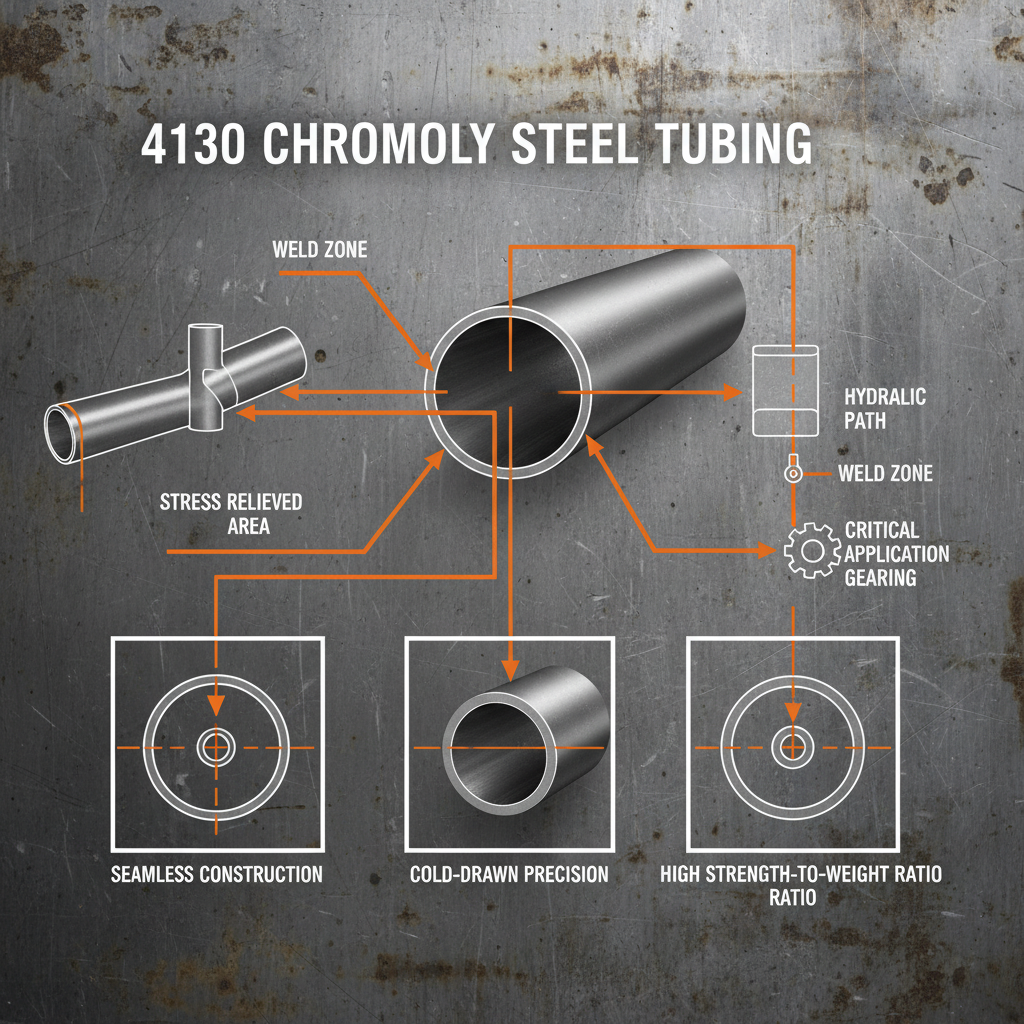
Ultimate Guide to 4130 Tubing Strength Performance and Applications
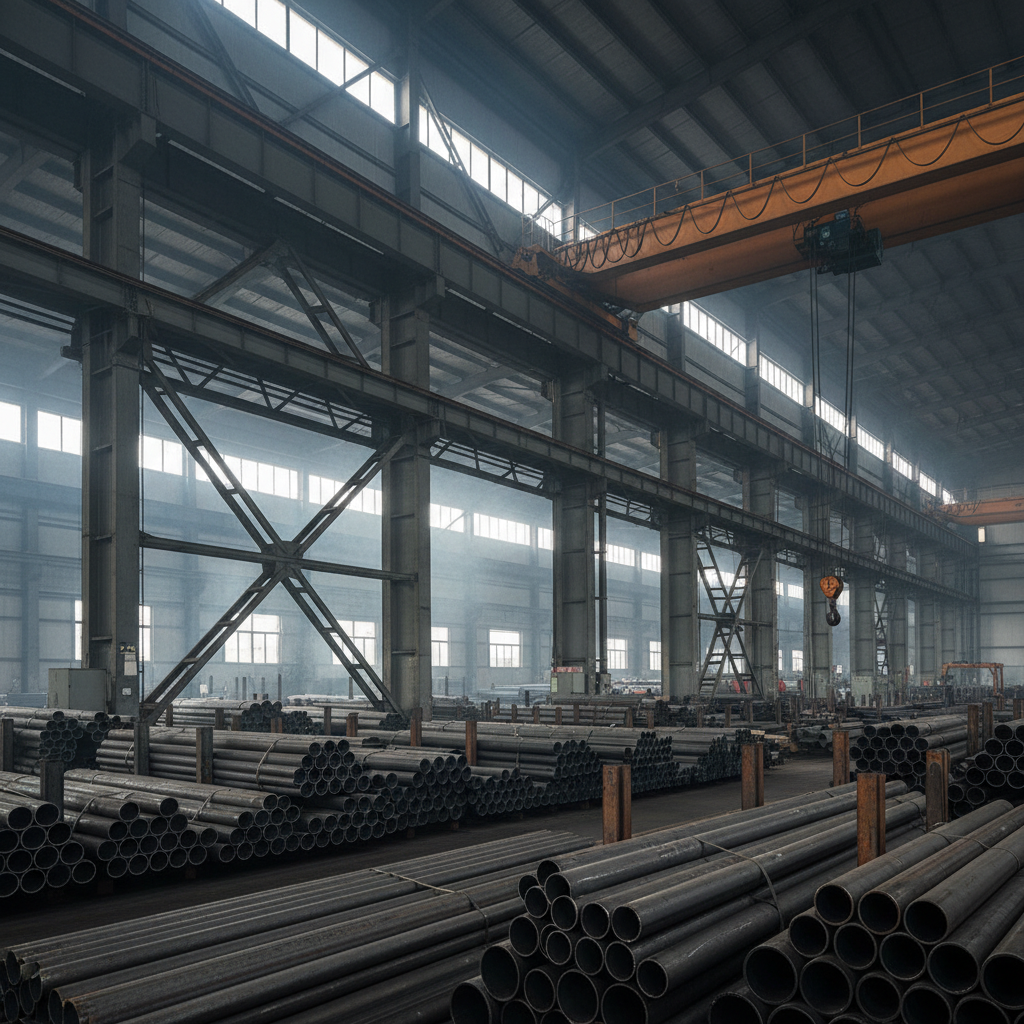
Properties and Industrial Applications of 4130 steel tubing
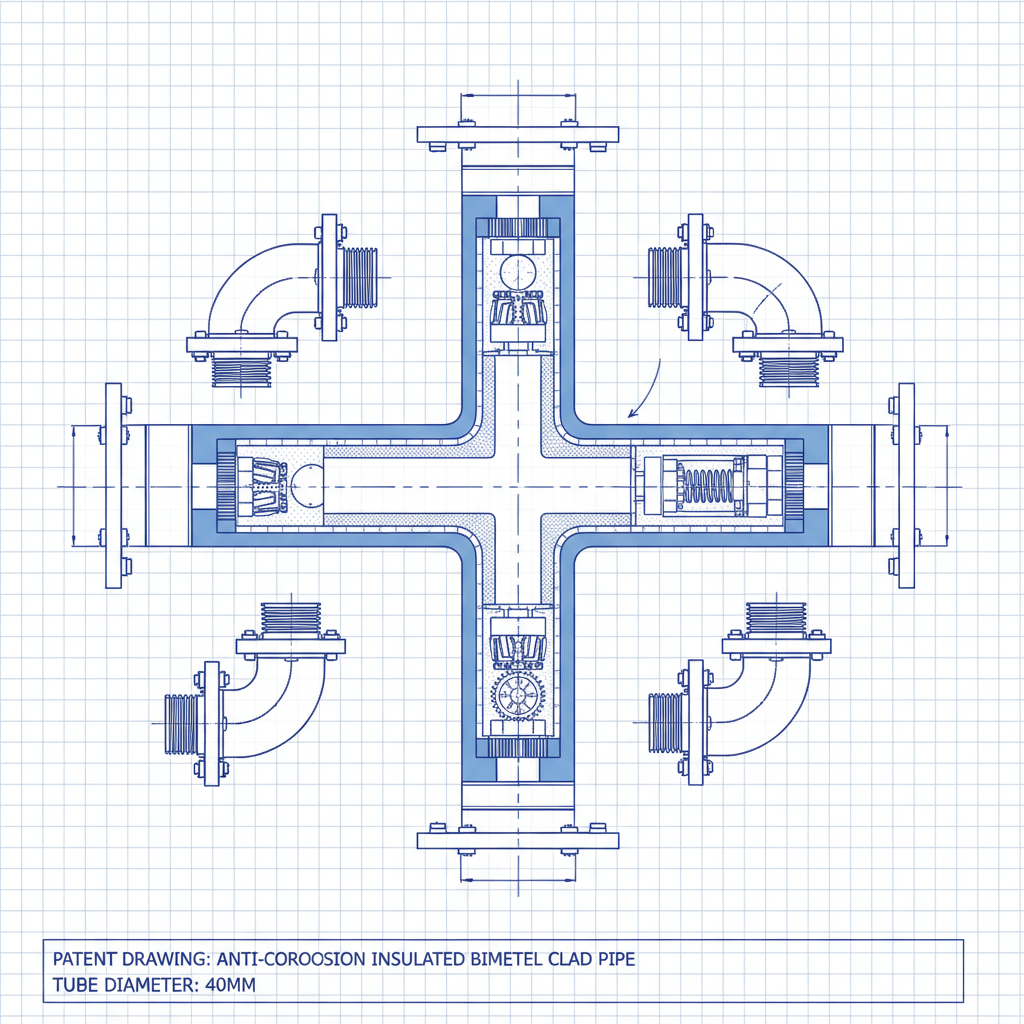
Comprehensive Guide to 40mm Steel Tube Applications and Material Selection
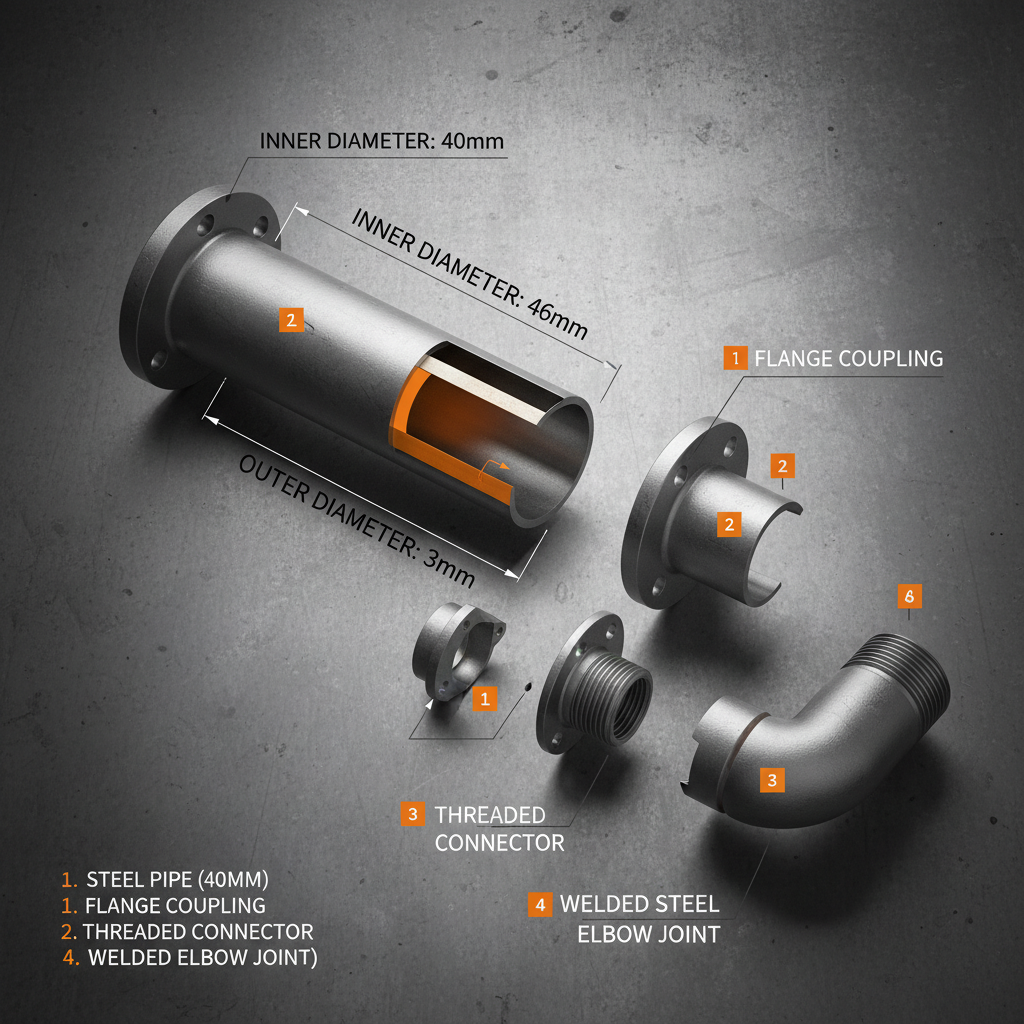
Comprehensive Guide to 40mm Steel Pipe Applications and Considerations
Comprehensive Guide to 40mm Metal Pipe Applications and Sourcing
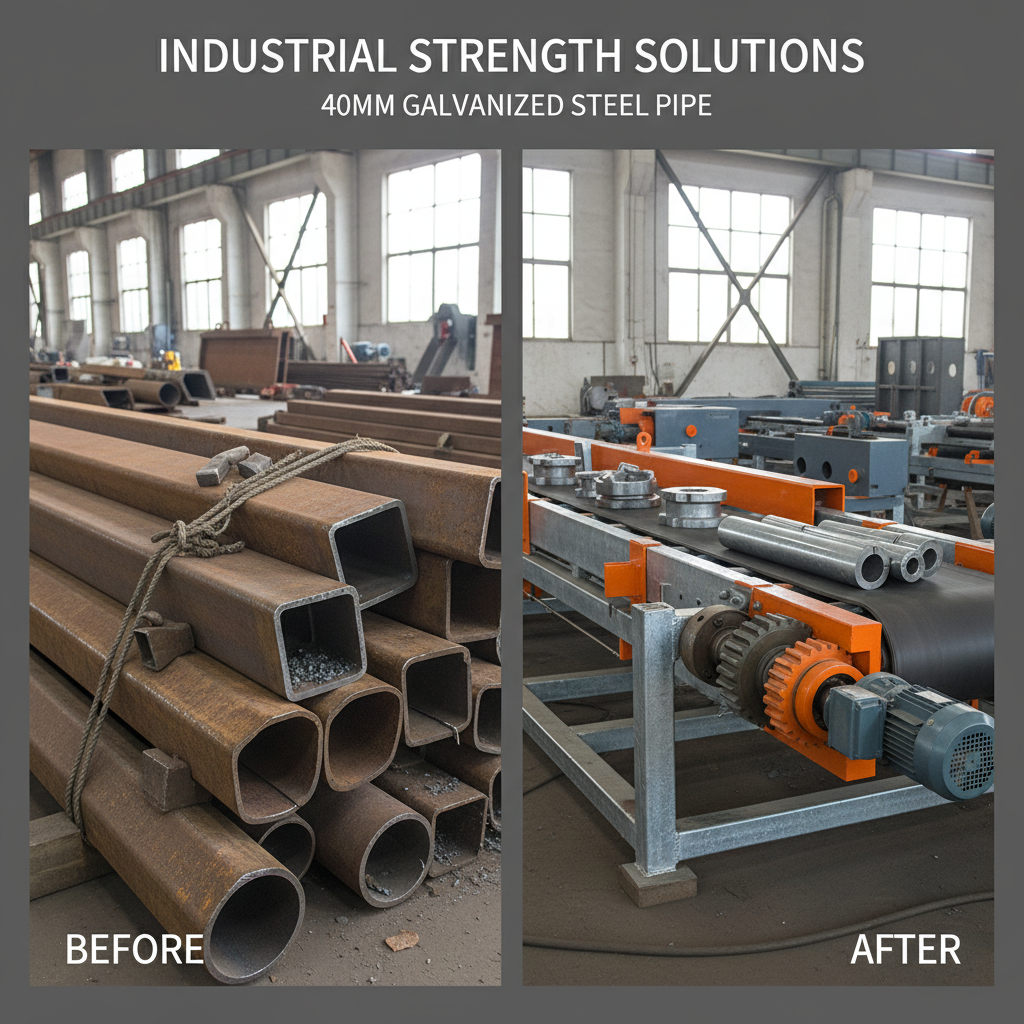
Comprehensive Guide to 40mm Galvanised Pipe Applications and Specifications