tel
Email
to top

Durable and Reliable Conduit Metal Pipe Solutions for Modern Infrastructure

Nov 28 2025
share:

Understanding Conduit Metal Pipe: Why It’s a Game-Changer for Infrastructure Worldwide

When you hear the term conduit metal pipe, it might not immediately conjure grand images of global infrastructure or humanitarian efforts, but in reality, these pipes are quietly steering the course of modern industry and sustainable development. Fundamentally, conduit metal pipes serve as protective channels for electrical wires and other cables, but their importance far exceeds just shielding cords.

Globally, with urbanization surging and industrial networks sprawling, the demand for robust, safe, and adaptable conduit systems is skyrocketing. Properly understanding conduit metal pipes means grasping a key component of infrastructure resilience, energy efficiency, and even disaster relief logistics. It’s an unassuming yet indispensable piece of the puzzle in connecting the world safely.

The Global Context: Why Conduit Metal Pipes Matter More Than Ever

Data from the International Organization for Standardization (ISO) highlights increasing industry standards for pipeline durability and safety, reflecting rising stakes around energy transmission, electrical safety, and infrastructure longevity worldwide.

Consider this: the global electrical conduit market has seen consistent growth, with the sector valued at several billion U.S. dollars and expected to grow steadily through 2028. This boom is driven by factors like expanding urban centers, stringent safety codes, and the urgent need for resilient electrical systems in both developed and emerging economies.

Yet challenges remain. In disaster-prone areas, inadequate conduit infrastructure can lead to catastrophic failures, blackouts, or even safety hazards. Conduit metal pipes have stepped in as a practical solution to enhance reliability, by preventing damage and exposure to elements — an invisible frontline for modern safety and environmental compliance.

Mini Takeaway:

Understanding the global push for safer and more durable conduit solutions explains why conduit metal pipes are more than just hardware — they’re strategic tools safeguarding critical electrical infrastructure globally.

What Exactly Is a Conduit Metal Pipe?

Simply put, a conduit metal pipe is a hollow, tubular structure made mostly from metals like galvanized steel, aluminum, or stainless steel, designed to encase and protect electrical wiring. They serve two main purposes: mechanical protection and environmental shielding of cables against moisture, chemicals, and physical damage.

From the factory floor to sprawling urban installations, these conduits provide a pathway for power or data lines that must remain undisturbed for safety and performance. Industries like oil & gas, telecommunications, and construction all depend on them — and increasingly, so do emergency relief organizations deploying quick infrastructure in disaster zones.

Mini Takeaway:

Conduit metal pipes might seem simple, but they are foundational to the secure and efficient distribution of power and communication worldwide.

Core Components of Modern Conduit Metal Pipes

Durability

One of the non-negotiables for conduit metal pipes is resilience. Steel pipes, often galvanized or stainless, resist corrosion and physical damage, lasting decades even in harsh environments. Durability translates directly into less maintenance and better safety margins.

Cost Efficiency

While there are alternatives like PVC conduits, metal pipes often win out in cost when considering lifecycle expenses. Their toughness means fewer replacements and less downtime — critical in industrial or remote contexts.

Compatibility & Scalability

The modular nature of conduit metal pipes, with standardized diameters and fittings, lets engineers design scalable systems — from single residential wiring jobs to massive industrial networks — with relative ease.

Environmental Resistance

Many metal conduits have specialized coatings to withstand chemical, moisture, and UV exposure. In some cases, pipes are designed specifically for underground or marine use, where conditions are brutal.

Fire Resistance & Safety

Metal conduits inherently resist combustion, adding a layer of safety in high-risk settings. This can be crucial in manufacturing plants, refineries, or even residential high-rises.

Mini Takeaway:

  • Choosing conduit metal pipes means balancing durability, cost, and environment — all vital for ensuring long-term reliability.

Worldwide Applications: Where and How These Pipes Make a Difference

It’s fascinating how broadly conduit metal pipes appear. In North America and Europe, they’re staples in commercial and residential building codes. In Asia, booming industrial parks rely heavily on these conduits to keep massive electronic systems online.

Oddly enough, their role becomes even more crucial in humanitarian efforts. For example, NGOs installing temporary electrification projects in post-disaster areas depend on durable, quickly assembled conduits to power hospitals or shelters. Similarly, in remote mining or oil extraction sites in Africa and South America, conduit metal pipes enable harsh-environment deployments that can otherwise be plagued by electrical failures.

Mini Takeaway:

From skyscrapers in New York to disaster response camps in Bangladesh, conduit metal pipes quietly ensure electrical networks perform reliably.

Proven Advantages & The Long-Term Value of Choosing Metal Conduits

Several concrete benefits arise from deploying conduit metal pipes:

  • Longevity: Designed to last for decades, reducing repetitive investment.
  • Safety: Metal pipes reduce fire risk and electrical hazards.
  • Environmental Friendliness: Many are recyclable, aligning with green building codes.
  • Innovation-friendly: Metal conduits adapt well to evolving tech, from fiber optics to smart grid wiring.

On a more intangible level, there’s peace of mind — knowing that systems are secure, maintenance is minimized, and catastrophic failures are less likely. Businesses and governments alike value that kind of reliability.

Emerging Trends and Innovations Shaping the Future

Looking forward, conduit metal pipes are evolving with technology. There’s a push towards:

  • Smart Conduits: Embedded sensors for temperature or stress monitoring.
  • Eco-materials: New alloys and coatings that reduce environmental footprint without sacrificing strength.
  • Integration with renewable systems: Adaptation for solar farms and electric vehicle infrastructure.
  • Modular quick-connect fittings: Making installation faster and more flexible on-site.

These advances suggest conduit metal pipes won’t remain static components but active enablers of modern infrastructure.

Challenges on the Path and How Industry Leaders Respond

No solution is perfect, and metal conduits face problems like weight (making transport and installation more demanding), susceptibility to corrosion in some environments despite coatings, and cost in highly budget-sensitive projects. Experts mitigate these issues through innovative coatings, hybrid materials combining metal and plastics, and improved logistics.

For example, some vendors now provide lightweight aluminum conduits with enhanced corrosion protection, appealing in coastal or industrial zones.

FAQ: Common Questions About Conduit Metal Pipe

What materials are commonly used to make conduit metal pipes?
Steel (often galvanized), aluminum, and stainless steel are standard choices. Each offers different levels of strength, corrosion resistance, and cost.
How long do conduit metal pipes typically last?
Under normal conditions, these pipes can last 30 to 50 years or more, especially when properly coated and maintained indoors or underground.
Can conduit metal pipes be used outdoors?
Absolutely. Many are coated or treated specifically to resist outdoor elements like moisture, UV rays, and chemical exposure.
Are conduit metal pipes recyclable or eco-friendly?
Yes. Metal conduits are recyclable, and modern manufacturing increasingly uses eco-conscious practices to reduce environmental impact.
What industries benefit most from conduit metal pipes?
Building construction, oil & gas, telecommunications, renewable energy, and humanitarian sectors all rely heavily on metal conduits.

Product Specifications: A Closer Look at Typical Conduit Metal Pipes

Feature Typical Value Unit / Notes
MaterialGalvanized SteelStandard industrial grade
Diameter1/2" – 4"Common sizes
Wall Thickness0.035 - 0.120Inches
Max Operating Temp120°C
Corrosion ProtectionHot-dip galvanizingTypical coating
Standard CompliancesANSI C80.3, UL 6US standards for steel conduit

Vendor Comparison: Choosing the Right Partner for Conduit Metal Pipes

Vendor Material Options Customization Lead Time Price Range
MetalPipe Inc. Galvanized Steel, Aluminum Standard diameters, custom lengths 2–3 weeks $$
SteelConduits Ltd. Stainless Steel, Galvanized Custom diameters, anti-corrosion finishes 3–5 weeks $$$
LightConduit Solutions Aluminum, Hybrid Metal-Plastic Pre-assembled kits and modular fittings 1–2 weeks $$

Wrapping Up: Why Investing in Conduit Metal Pipes Makes Sense

Frankly, conduit metal pipes may not be the flashiest component you think about when planning infrastructure, but their role is enormous and growing alongside the world’s demand for reliable, safe, and environmentally conscious technology. Whether you’re an engineer designing a complex grid or part of a humanitarian NGO needing fast, dependable wiring solutions, understanding and choosing the right conduit can save time, money, and possibly lives down the road.

Don’t just take my word for it — take a look at the detailed specifications and vendor options above. And when you’re ready for a practical, site-tested solution, conduit metal pipe suppliers like those listed are worth your time for the best quality and peace of mind.

Final Mini Takeaway

Reliable conduit metal pipes might seem like a small cog in the massive wheel of infrastructure — but their strength, safety, and adaptability quietly support the electrification of the future.
References

  1. ISO - International Organization for Standardization
  2. Wikipedia: Electrical Conduit
  3. World Bank: Urban Development
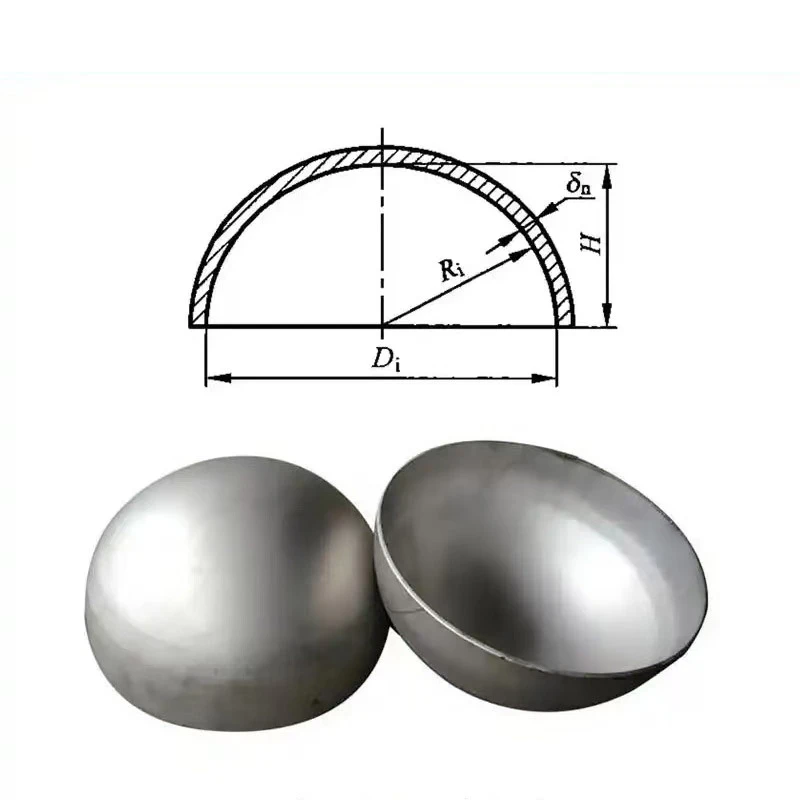
  • Pipe Cap

    Pipe Cap

    Pipe caps come in different shapes, including round, square, and oval, and can be designed for both threaded and welded connections. They ensure the integrity of piping systems during transportation, storage, and installation by protecting the pipe ends from dirt, debris, and environmental factors. Durable and easy to install, pipe caps are critical for maintaining system efficiency and safety.
    VIEW ALL
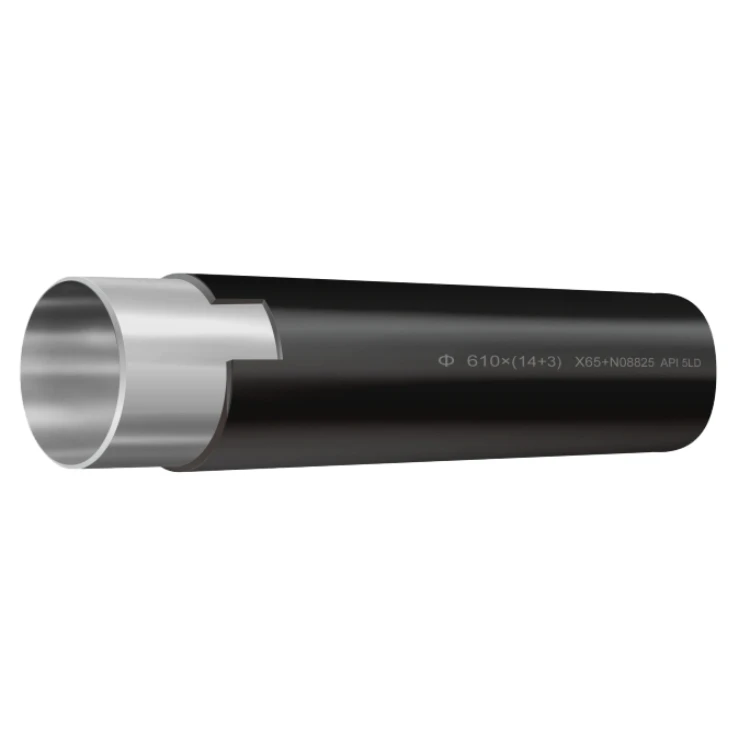
  • Mechanical Clad Steel Pipe

    Mechanical Clad Steel Pipe

    Mechanical clad steel pipe (MCSP) is a kind of high-performance pipe, which is specially designed for demanding industrial applications. Combining the durability and strength of steel with advanced composite materials, MCSP provides enhanced corrosion resistance, high pressure and extreme temperatures.
    VIEW ALL
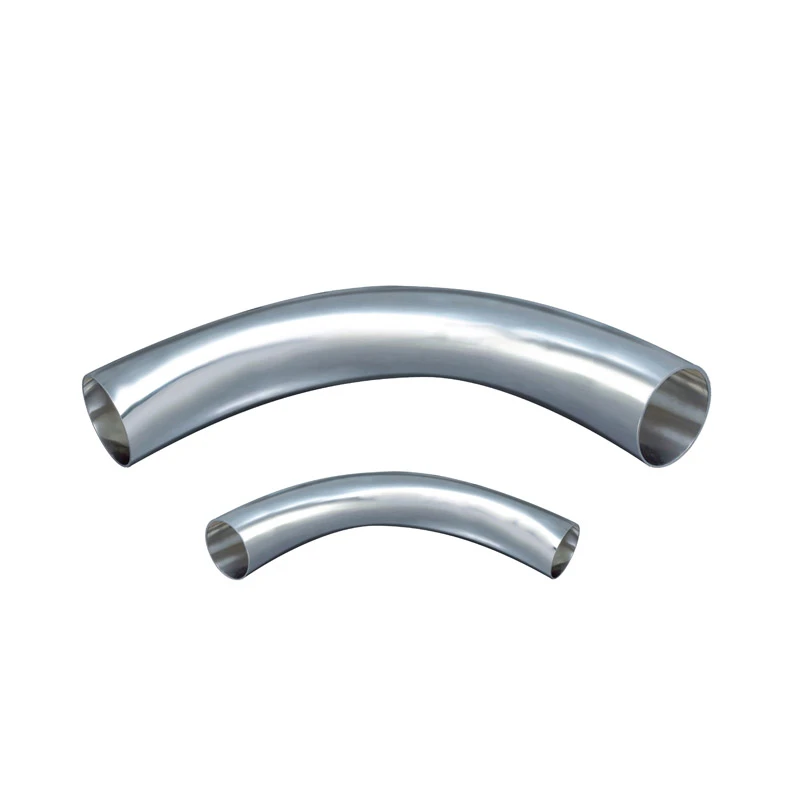
  • Bend Pipe

    Bend Pipe

    Bend is a crucial pipe fitting used to change the direction of flow in a piping system. It allows for smooth transitions between sections of pipe, accommodating layout constraints, avoiding obstacles, and optimizing flow paths. Bends are designed to maintain the fluid's velocity and minimize pressure loss while providing the necessary angle of deviation. They are commonly used in various industries, including oil and gas, petrochemicals, water supply, and HVAC systems.
    VIEW ALL
To create value for customers!
Cangzhou Leo Technology Co., Ltd. is located in Mengcun County Economic Development Zone, Cangzhou City, Hebei Province. It is a specialized high-tech enterprise that integrates the research and development, production, and sales of composite pipes and fittings.
News
The company regards product quality as the life of the enterprise, establishes a sound quality management system in accordance with the requirements of industry and national standards, controls all aspects of input and output in the whole process, pays attention to every detail, and ensures that the product delivery pass rate is 100%.
Ultimate Guide to 4130 Tubing Strength Performance and Applications
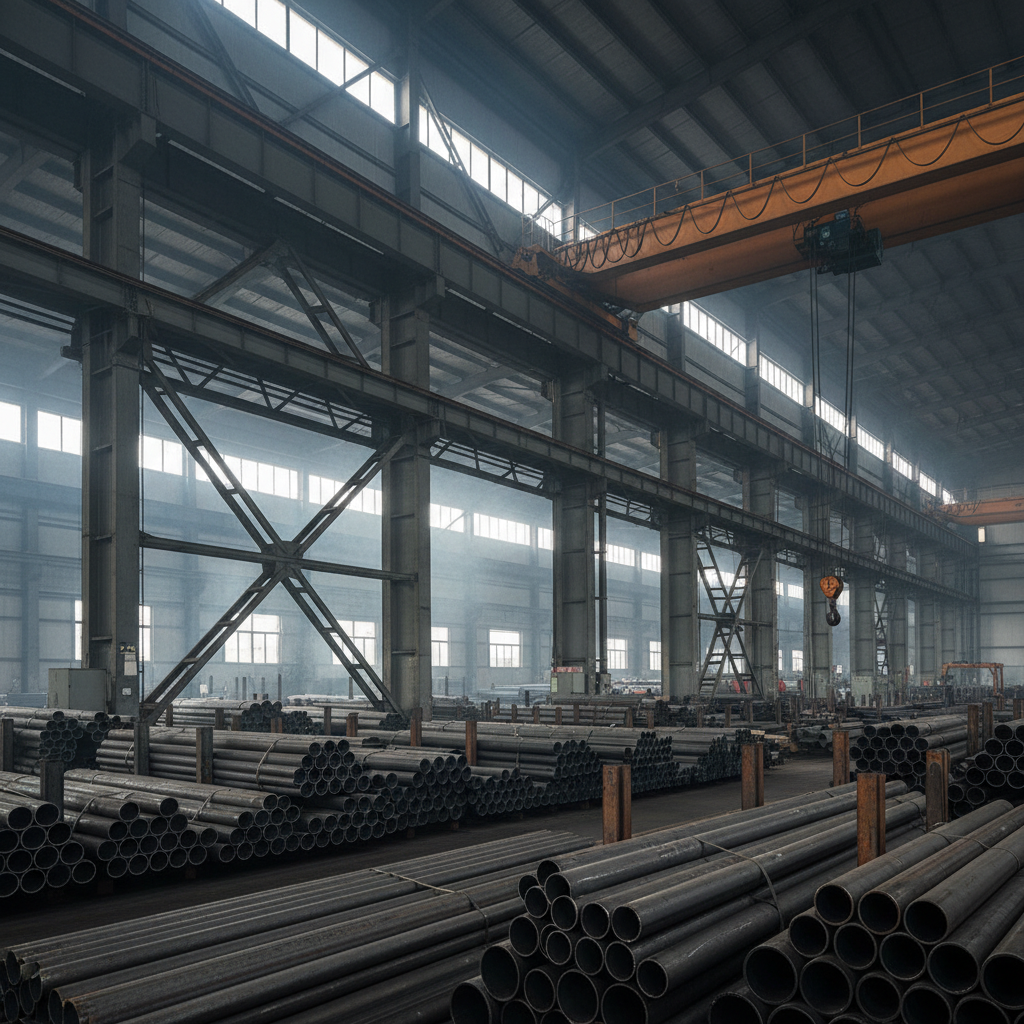
Ultimate Guide to 4130 Tubing Strength Performance and Applications

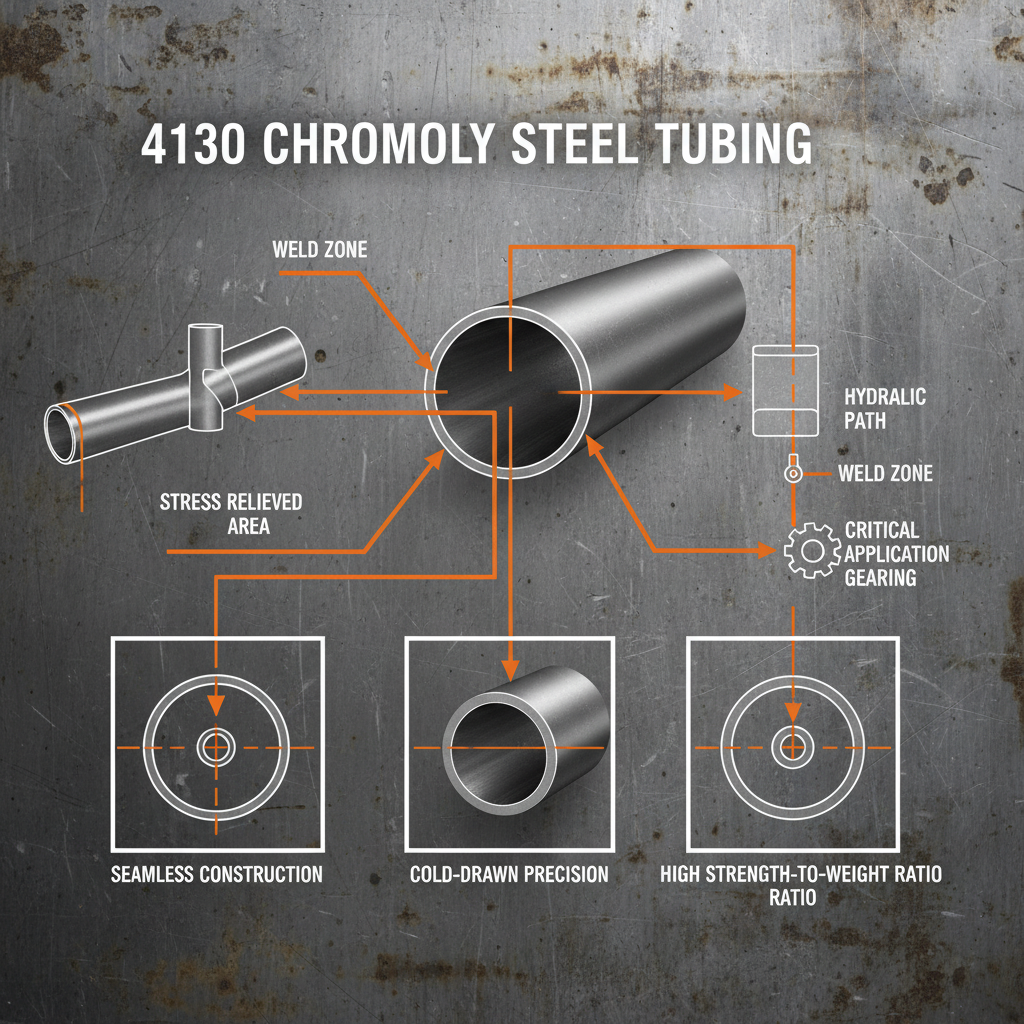
In the world of high-performance engineering, material selection is the foundation of safety and efficiency. 4130 tubing is widely regarded as the gold standard for applications requiring an exceptional strength-to-weight ratio. This chrome-molybdenum alloy steel is engineered to withstand extreme stress while remaining lightweight enough for aerospace and automotive use. Whether you are designing a roll cage, a bicycle frame, or a critical industrial component, understanding the nuances of this material is essential. In this comprehensive guide, we will explore why this specific alloy is preferred by engineers worldwide and how to choose the right specifications for your project.
Properties and Industrial Applications of 4130 steel tubing
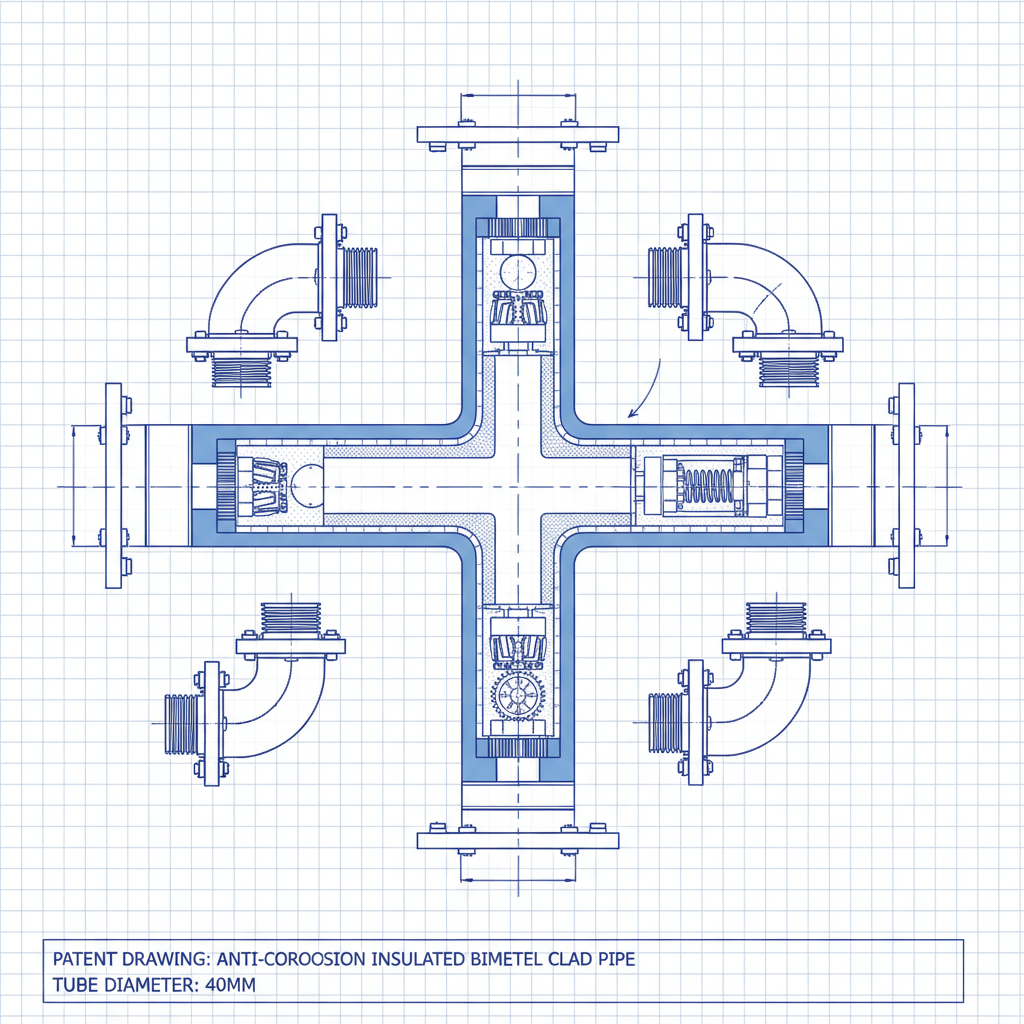
Properties and Industrial Applications of 4130 steel tubing

In the world of high-performance engineering, material selection is the foundation of safety and efficiency. 4130 steel tubing is widely recognized as the gold standard for applications requiring an exceptional strength-to-weight ratio. Known for its versatility and reliability, this chromium-molybdenum alloy is the preferred choice for everything from aircraft frames to professional roll cages. Understanding the nuances of this material allows engineers to optimize structural integrity without adding unnecessary bulk. In this comprehensive guide, we will explore why this specific alloy remains a top choice for critical industrial and aerospace components.
Comprehensive Guide to 40mm Steel Tube Applications and Material Selection
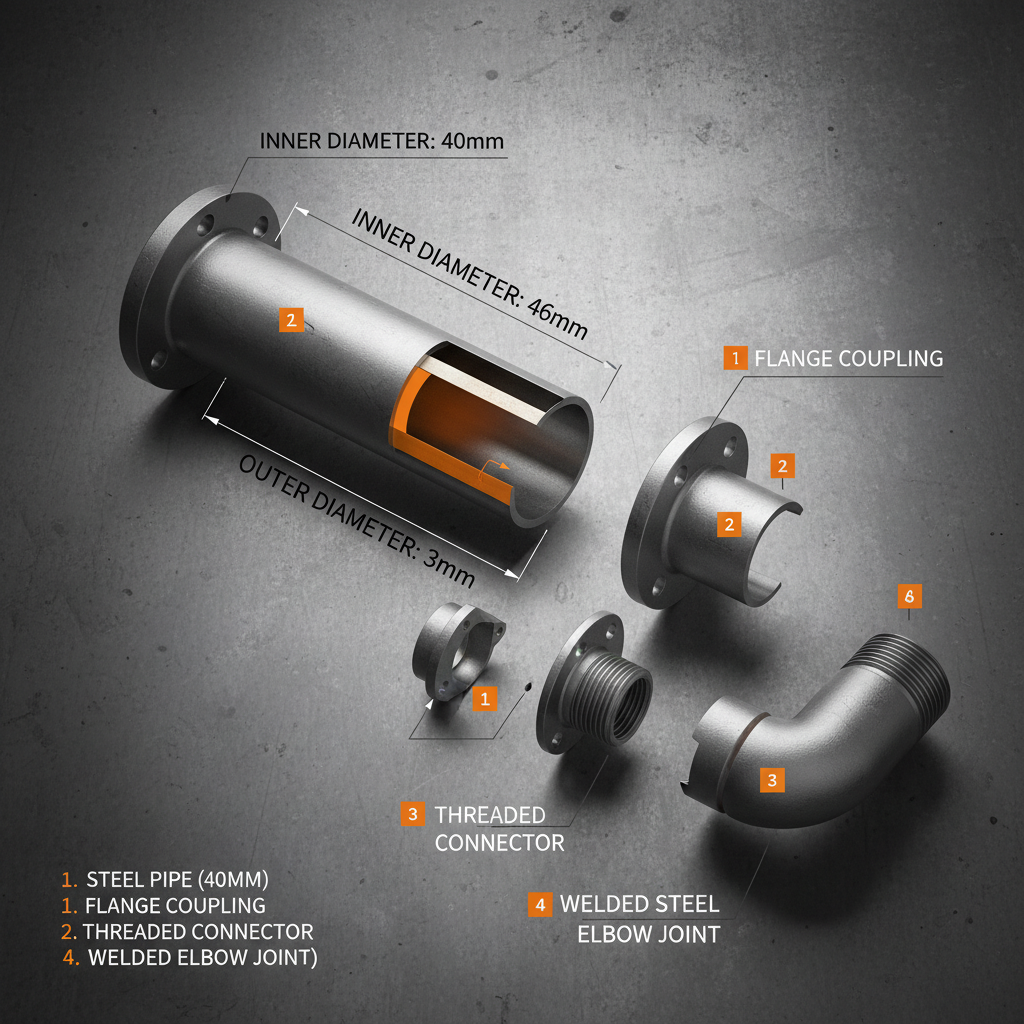
Comprehensive Guide to 40mm Steel Tube Applications and Material Selection

40mm steel tube is a versatile and widely used material in various industries, from construction and manufacturing to automotive and beyond. Its strength, durability, and cost-effectiveness make it an ideal choice for numerous applications. This article will delve into the characteristics, applications, benefits, and considerations when working with 40mm steel tube, providing a comprehensive overview for professionals and anyone interested in this essential material.
Comprehensive Guide to 40mm Steel Pipe Applications and Considerations
Comprehensive Guide to 40mm Steel Pipe Applications and Considerations

40mm steel pipe is a widely used material in various industries due to its strength, durability, and cost-effectiveness. From construction and infrastructure projects to industrial applications and fluid transportation, this pipe size offers a versatile solution. This article will delve into the properties, applications, standards, and key considerations when selecting 40mm steel pipe, helping you make informed decisions for your specific needs.
Comprehensive Guide to 40mm Metal Pipe Applications and Sourcing
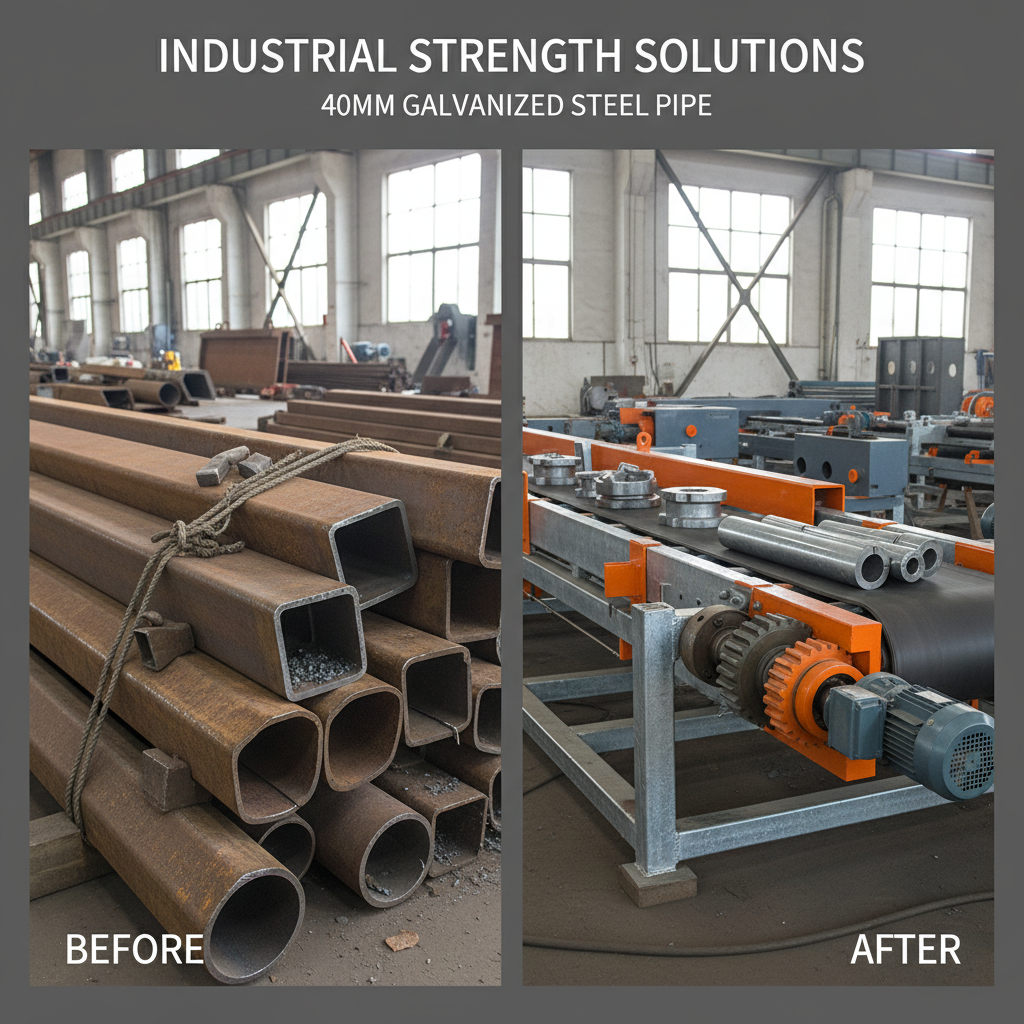
Comprehensive Guide to 40mm Metal Pipe Applications and Sourcing

40mm metal pipe is a crucial component in a wide array of industries, from construction and plumbing to industrial manufacturing and fluid transport. Its strength, durability, and versatility make it a preferred material for countless applications. This article will delve into the specifics of 40mm metal pipe, exploring its various types, common uses, benefits, and where to source high-quality piping solutions.
Comprehensive Guide to 40mm Galvanised Pipe Applications and Specifications

Comprehensive Guide to 40mm Galvanised Pipe Applications and Specifications

When planning a plumbing, structural, or industrial project, selecting the right piping material is crucial. 40mm galvanised pipe is a widely used option known for its strength, durability, and corrosion resistance. This article provides a detailed overview of 40mm galvanised pipes, exploring their applications, benefits, specifications, and considerations for optimal usage. We'll cover everything from what galvanisation is to how to choose the right pipe for your specific needs.
tel email tel top

If you are interested in our products, you can choose to leave your information here, and we will be in touch with you shortly.