If you’re new to the piping world—or even infrastructure projects—you might wonder what exactly a corrugated gas line is and why it’s suddenly everywhere. At its core, this flexible piping technology is reshaping how natural gas and other fuels safely flow to homes, factories, and even disaster zones worldwide. Globally, energy infrastructure needs to be robust and adaptable, especially with the increasing push toward efficient, safe distribution solutions. Understanding corrugated gas lines isn’t just engineering jargon; it’s a window into how our energy networks are evolving to be safer, more cost-effective, and greener.
Mini takeaway: Corrugated gas lines offer a blend of flexibility and safety crucial for modern energy delivery challenges worldwide.
The World Bank estimates that nearly 3 billion people lack access to clean cooking fuels and technologies, a number starkly highlighting infrastructure gaps.1 Corrugated gas lines play a critical role here. Their flexible, durable nature means they can be installed rapidly in diverse environments—from dense urban centers to remote villages—overcoming many traditional pipeline hurdles.
In fact, standards like ISO 21015 focus sharply on gas piping materials, underscoring how international bodies recognize the importance of such solutions. Trouble is, traditional rigid pipes often fail in seismic zones or places with shifting soils, leading to dangerous leaks and outages. Corrugated lines solve this by bending with the terrain, reducing fracture risk.
Mini takeaway: As energy access scales worldwide, flexible corrugated gas lines fill a critical gap, especially where old-school pipes fall short.
Put simply, a corrugated gas line is a pipe made from metal or composite materials featuring ridges (or corrugations) along its length. These corrugations make it flexible, allowing it to bend and flex under pressure without breaking. Designed mainly for gas delivery—natural gas, LPG, or sometimes biogas—they’re a modern alternative to rigid steel or plastic pipes.
In humanitarian relief contexts, for example, quick deployability is a must. Corrugated lines can snake around obstacles and adjust to unpredictable ground movements, fundamental in emergencies and rapidly growing urban projects alike.
Most corrugated gas lines are built from corrosion-resistant stainless steel or specialized alloys. This gives them strength against chemical degradation and mechanical wear. Considering they often run underground and must last decades, longevity isn’t just a plus — it’s mandatory.
Thanks to the corrugations, these pipes bend easily without kinking or cracking, allowing installers to maneuver them through tight spaces and difficult terrains. This flexibility often cuts installation time dramatically, reducing labor costs.
Unlike rigid pipes that may snap when stressed, corrugated gas lines adapt to movements caused by temperature fluctuations or seismic activity. This resilience means far fewer leak incidents, improving safety for communities and workers alike.
While the initial cost might be higher than a plain plastic pipe, their durability and reduced installation labor often balance that out. Plus, fewer repairs and replacements over time mean lower lifecycle costs.
They can be used in residential, commercial, and industrial setups, scaling easily from small service lines to large distribution networks.
| Specification | Details |
|---|---|
| Material | Corrugated Stainless Steel (Type 304 or 316) |
| Diameter | Typically ½ inch to 4 inches |
| Pressure Rating | Up to 150 psi (varies by model) |
| Installation Method | Buried underground, indoor, or exposed with protective coating |
| Temperature Range | -40°C to +120°C (-40°F to +248°F) |
The beauty of corrugated gas lines is how widely they’re now used. In post-disaster relief operations, where infrastructure is scrambled, corrugated lines offer speedy solutions to reconnect homes to gas supply safely and reliably. For instance, after the 2011 earthquake in Japan, many temporary housing units utilized such flexible lines due to their resilience and quick setup.
In remote industrial zones—think mining sites or offshore oil rigs—corrugated gas lines provide adaptability to tough terrain and constant motion. Urban utilities also benefit, especially where underground installations need to navigate existing infrastructure without extensive excavation.
Even environmentally focused projects, like biomass gas plants, leverage corrugated gas lines for flexible piping of bio-methane.
Mini takeaway: From disaster zones to city streets, corrugated gas piping’ adaptability makes it universally valuable.
Green energy continues to shape pipeline tech. New composite materials combine corrugation with ultra-lightweight, corrosion-resistant polymers that lower environmental footprints even further. Digitally integrated sensors embedded within corrugated lines—another frontier—offer real-time pressure and leak monitoring, helping utilities act before problems escalate.
Automation in pipeline laying machines is gradually making installation of these complex pipelines more precise and less labor-intensive. And policy focus on stricter safety and sustainability standards (like those driven by ISO and UNECE) is accelerating adoption worldwide.
Nothing’s perfect, and corrugated gas lines come with challenges. For example, their flexible nature sometimes worries engineers about long-term fatigue under constant pressure. But many manufacturers now perform rigorous cyclical testing that simulates decades of stress, ensuring durability.
Another concern is cost — initial outlay can be higher, which deters some smaller utilities. The answer, though, often lies in life-cycle costing models that reveal how much you save on repairs and emergencies.
| Vendor | Material Types | Price Range (per meter) | Global Reach | Special Features |
|---|---|---|---|---|
| FlexiPipe Co. | Stainless steel, Polymer-composite | $15 - $30 | North America, Europe, Asia | Embedded sensors for leak detection |
| GlobalGas Lines | Corrugated stainless steel | $12 - $25 | Worldwide, incl. Africa | Custom pressure rating options |
| Pipeline Innovators Ltd. | Hybrid metal-polymer | $20 - $35 | Europe, North America | Lightweight & easy handling designs |
In the grand scheme of energy infrastructure, corrugated gas lines might seem like a small piece—but a vital one. They bring a mix of flexibility, safety, and cost-effectiveness that’s hard to beat, especially as the world demands smarter, more resilient energy networks. Whether in harsh climates, bustling cities, or post-disaster zones, these lines keep homes and industries fueled without fuss. Curious to learn more or ready to upgrade your pipeline system? Visit our website at https://www.lion-pipeline.com to explore options tailored for your needs.
Mini takeaway: Corrugated gas lines are quietly revolutionizing gas delivery worldwide, blending innovation with practicality.
Ultimate Guide to 4130 Tubing Strength Performance and Applications
Properties and Industrial Applications of 4130 steel tubing
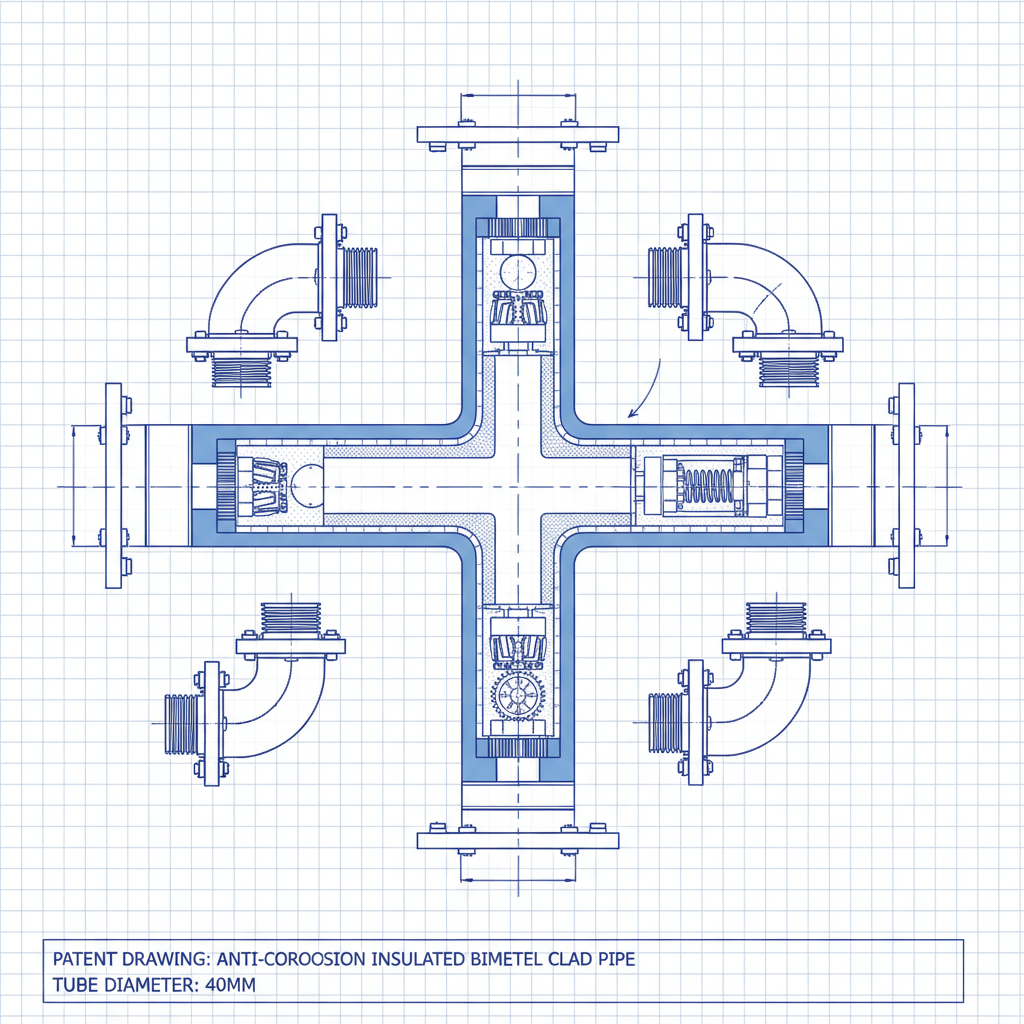
Comprehensive Guide to 40mm Steel Tube Applications and Material Selection
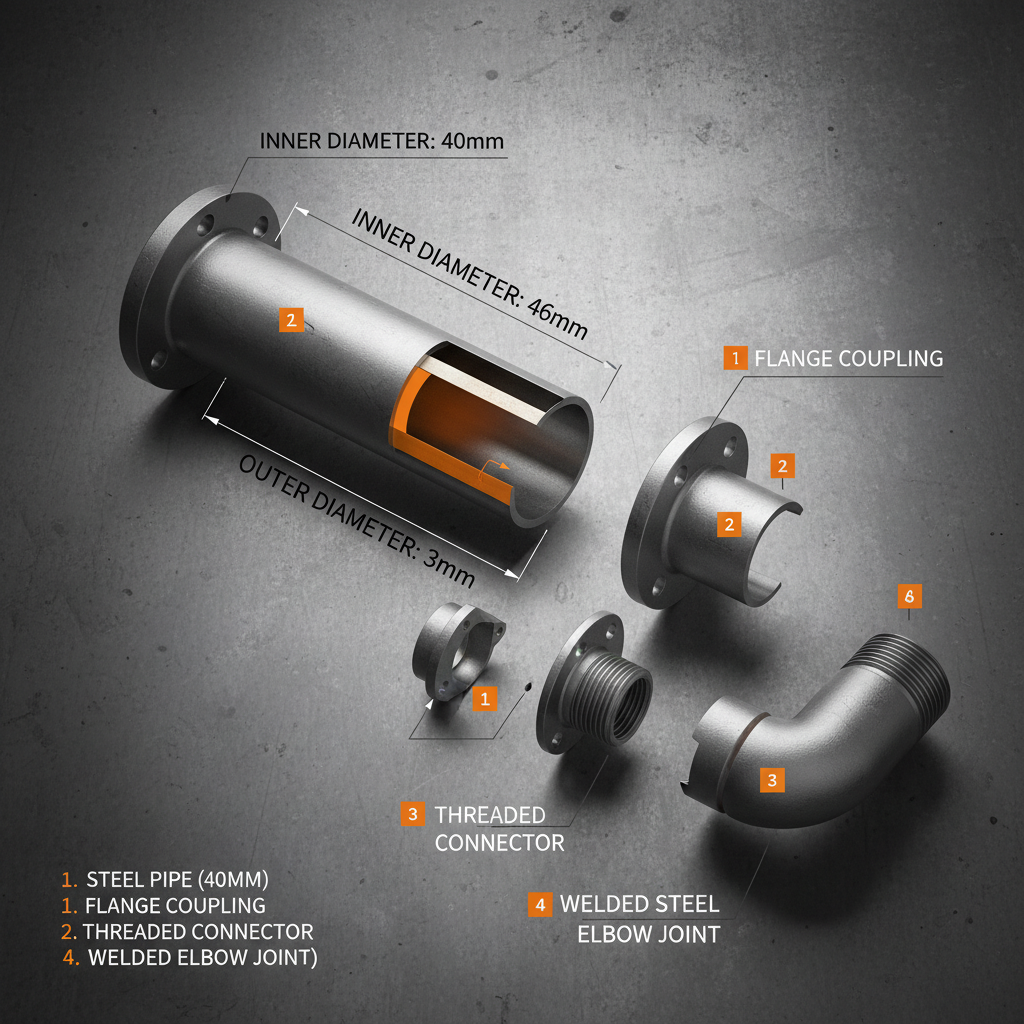
Comprehensive Guide to 40mm Steel Pipe Applications and Considerations
Comprehensive Guide to 40mm Metal Pipe Applications and Sourcing
Comprehensive Guide to 40mm Galvanised Pipe Applications and Specifications