When we talk about corrugated gas pipe, it might sound like one of those niche industrial products most people never think twice about. Yet, these pipes quietly underpin critical infrastructure worldwide, delivering natural gas safely and efficiently across cities and remote locations alike. Their unique design not only solves common issues faced by traditional piping but also helps keep billions of people connected to energy they rely on daily. Understanding corrugated gas pipe means appreciating how modern engineering adapts to global challenges like urban expansion, safety regulations, and sustainability goals.
Globally, the demand for reliable gas transport solutions is growing fast. According to the International Energy Agency, natural gas consumption rose by roughly 5% in 2023, and infrastructure must keep pace with this surge. The UN Environment Programme highlights that safer, more durable piping systems directly reduce environmental risks and accidents. But the challenge is obvious: how do you transport flammable gas safely under roads, through shifting soils, or around tricky terrain without breaking the bank — or the environment? This is where corrugated gas pipe steps in, offering flexibility and resilience that straight rigid pipes just can’t match.
Mini takeaway: The rise of corrugated gas pipe isn’t an isolated trend — it’s a solution driven by global energy transitions, urban sprawl, and the need for safer infrastructure.
Simply put, a corrugated gas pipe is a type of flexible metal tubing designed with multiple ridges (corrugations) along its length. This structure allows the pipe to bend, absorb shocks, and accommodate ground movement without cracking or leaking. Typically made from stainless steel or coated carbon steel, these pipes connect gas sources to homes, factories, or power plants and are designed to meet rigorous safety and quality standards. Think of it as a lifesaver in applications where rigid pipes would snap under pressure or movement.
Beyond industrial use, corrugated gas pipes help serve humanitarian needs, like providing temporary gas supply solutions in disaster zones or enabling quick setup of energy infrastructure in developing regions that lack rigid piping networks.
The corrugated design doesn’t just look distinctive; it vastly improves the pipe’s resistance to physical stress. That means years of reliable use without constant repairs. Many engineers note that the flexibility reduces failure points caused by soil movements or thermal expansion.
Urban or rural, sometimes pipes must navigate unpredictable routes or tight spaces. The bendable nature of corrugated gas pipe reduces installation time and costs, as heavy joints and fittings become less necessary.
Thanks to protective coatings and material selection, these pipes fare well against rust and chemical exposure. That’s crucial when buried underground or exposed to weather variables.
While the upfront cost can be slightly higher than simple rigid pipes, the lower installation, maintenance, and failure costs often result in significant savings long term.
Designed and manufactured to meet ISO and ANSI standards, corrugated gas pipe ensures safe transportation of gas, preventing leaks and minimizing risks.
Mini takeaway: Corrugated gas pipe’s design choices create a blend of attributes that make it invaluable for both everyday and extreme conditions.
Worldwide, industries from petrochemicals to residential construction benefit from corrugated gas pipes. In Japan and Europe, where space is tight and seismic activity high, flexibility and durability are must-haves. In post-disaster relief operations — say after an earthquake — humanitarian teams use corrugated gas pipes to rapidly restore energy flows and heating for displaced populations.
In remote industrial zones such as Canadian oil fields or offshore platforms, where ground shifts and weather extremes are the norm, these pipes make maintenance easier and reduce downtime — crucial when every hour counts.
corrugated gas pipe is also increasingly specified in emerging markets aiming to modernize gas distribution safely and sustainably.
| Feature | Specification |
|---|---|
| Material | Stainless Steel 316L |
| Nominal Diameter | 25 mm (1 inch) |
| Length per Coil | 50 meters |
| Operating Pressure | 10 bar (145 psi) |
| Temperature Range | -50°C to 120°C (-58°F to 248°F) |
| Coating | Polymer with anti-corrosion additives |
| Vendor | Material Quality | Pressure Rating (bar) | Delivery Time | Price Range (USD) |
|---|---|---|---|---|
| LION Pipeline | Premium stainless steel 316L | Up to 16 | 2-4 weeks | $$$ |
| SafePipe Co. | Coated carbon steel | Up to 10 | 3-6 weeks | $$ |
| FlexiGas Systems | Stainless steel 304 | Up to 12 | 1-3 weeks | $$$ |
Corrugated gas pipes present a compelling mix of durability, safety, and cost-effectiveness that makes them a sound investment for utilities and private developers alike. They lower the risk of leaks, which not only protects property but also preserves human life — and that’s priceless, frankly. Sustainability-wise, longer lifespans mean less material waste and fewer replacements. Plus, when you think about reliability, having a system that won’t suddenly fail due to ground shifts or temperature changes builds trust with end-users. And — I’d argue this often gets overlooked — when pipes can be installed faster and with fewer roadblocks, convenience translates to real savings and happier communities.
The industry is watching closely how green technologies and digital monitoring get integrated. Smart sensors inside corrugated pipes can alert operators to pressure drops or corrosion before it becomes an emergency. Advances in polymer coatings aimed at reducing carbon footprints are also in R&D pipelines. Oddly enough, automation in installation — think drones or robotic trenchers — increasingly work with flexible pipes to minimize manual labor and improve worker safety. These trends hint that corrugated gas pipes aren’t just durable relics but evolving solutions ready for future energy challenges.
No product is perfect. One challenge with corrugated gas pipes is ensuring the joints and fittings maintain integrity over decades, especially under extreme cycles of temperature and pressure. Engineers often recommend robust quality checks and the use of advanced sealing materials. Also, some regions still lack access to high-end stainless steel grades, which can limit corrosion resistance. Solutions include local coatings or hybrid metal composites. Import procedures and standardization between countries can slow supply chain flows, but coordinated efforts under ISO standards are bridging gaps increasingly.
Corrugated gas pipe might not headline your daily news, but it surely deserves a spot when considering the backbone of safe, flexible energy infrastructure. It combines innovation with practical benefits that resonate on both technical and human levels. Looking forward, as gases remain a key part of the energy mosaic worldwide, solutions like these will only gain relevance. Curious to explore specific products and tailored solutions? Visit our website at https://www.lion-pipeline.com for detailed datasheets, consultations, and more.
Mini takeaway: Trustworthy, adaptable, and ready for the future – the humble corrugated gas pipe quietly keeps our energy flowing.
Overlay Welding Clad Steel Pipe

Ultimate Guide to 4130 Tubing Strength Performance and Applications
Properties and Industrial Applications of 4130 steel tubing
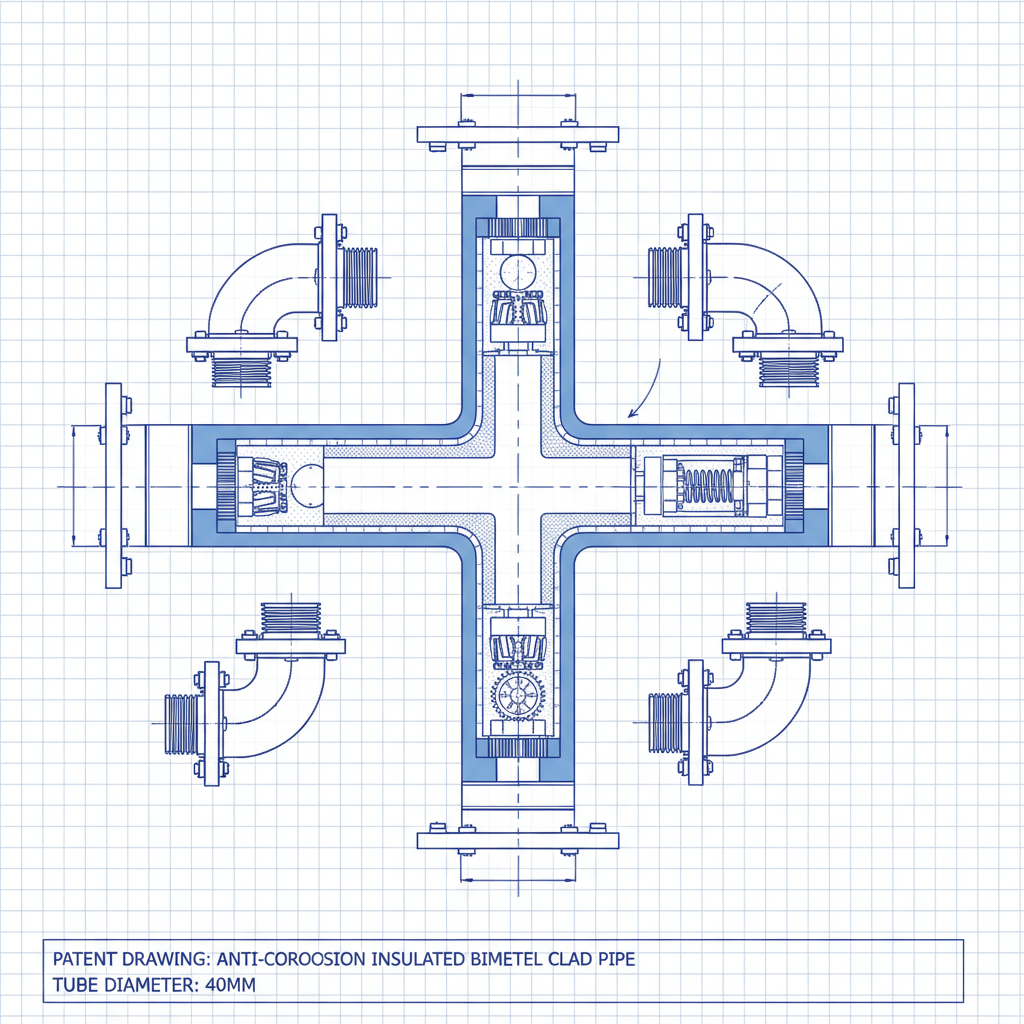
Comprehensive Guide to 40mm Steel Tube Applications and Material Selection
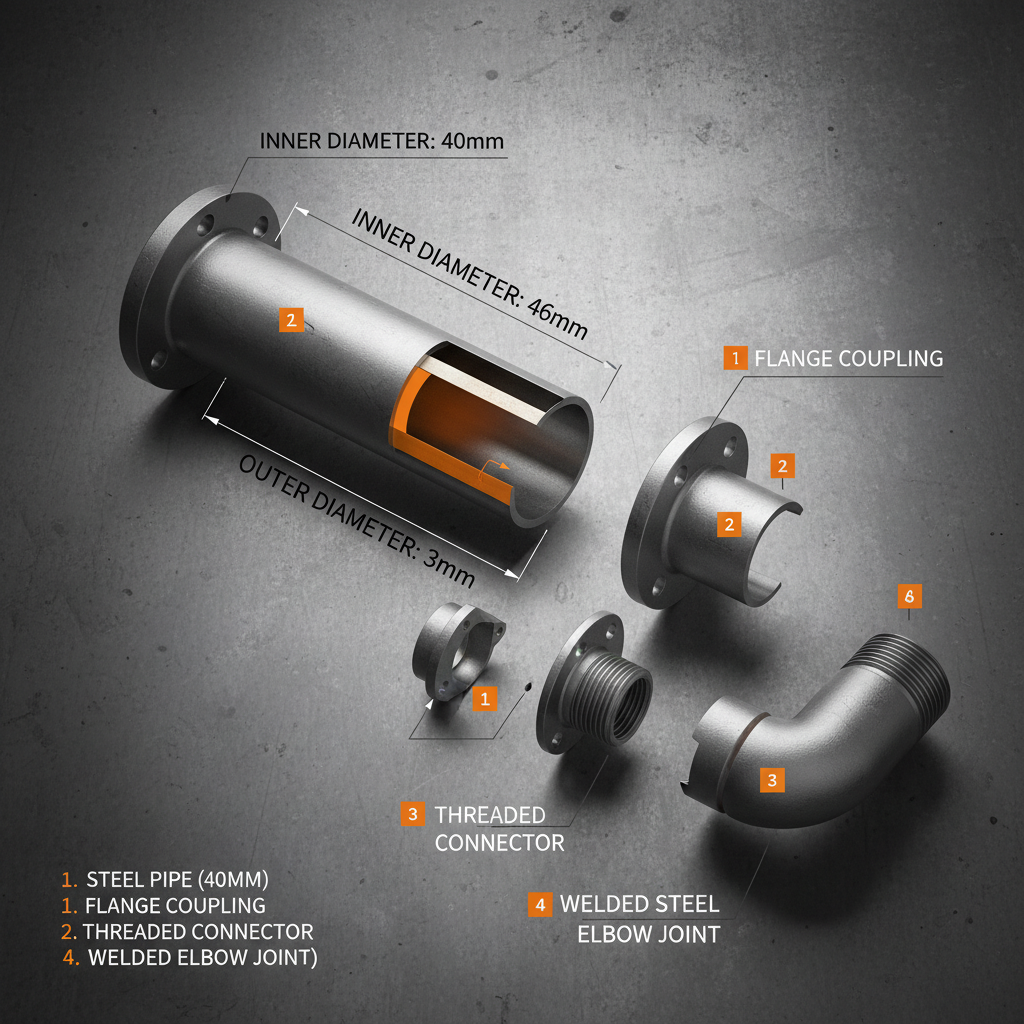
Comprehensive Guide to 40mm Steel Pipe Applications and Considerations
Comprehensive Guide to 40mm Metal Pipe Applications and Sourcing
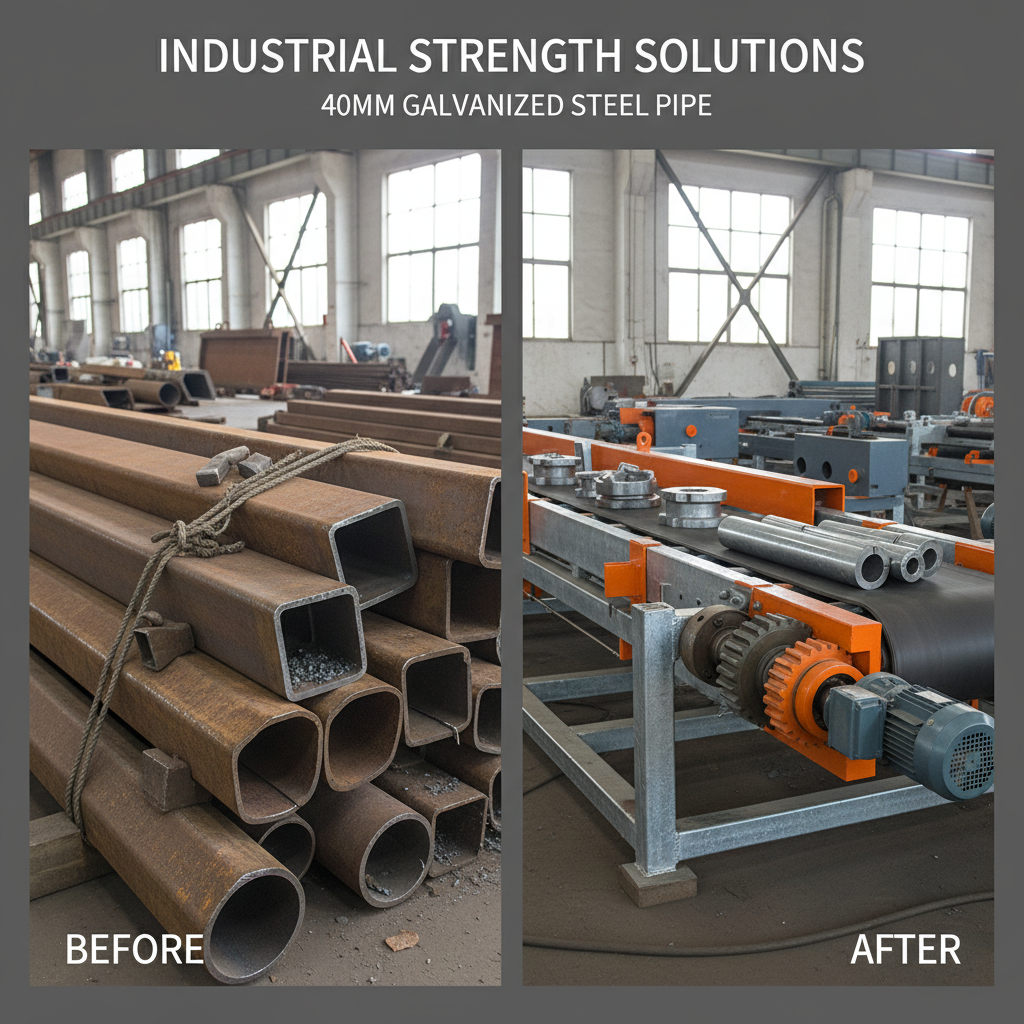
Comprehensive Guide to 40mm Galvanised Pipe Applications and Specifications