Understanding Cold Drawn Steel Tube: Why It Matters in Today’s Industry
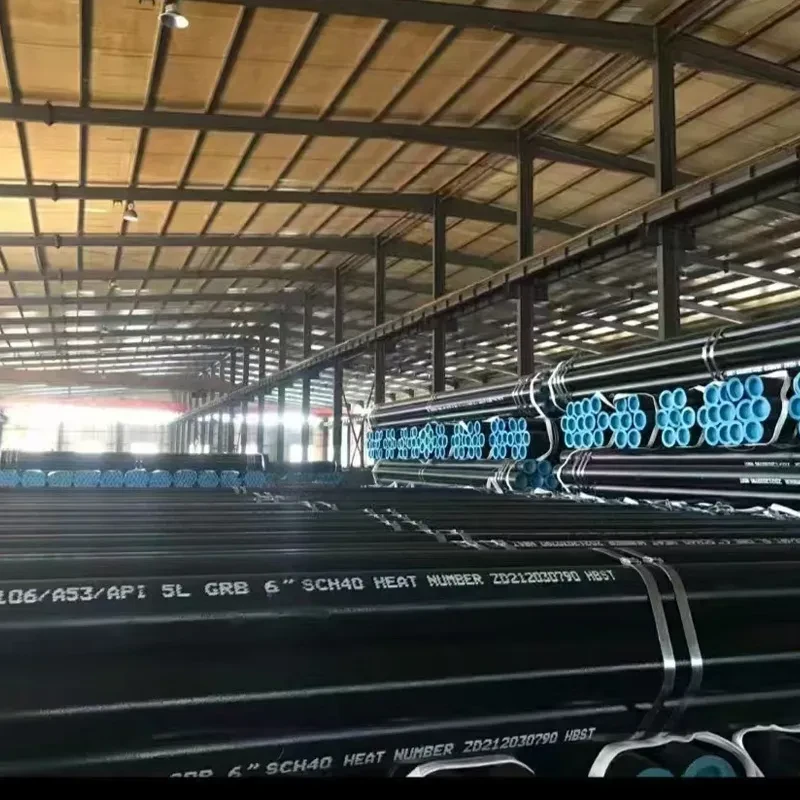
Cold drawn steel tube might sound like just another industrial term, but it’s actually a quietly essential material underlying a surprising number of products and infrastructure projects worldwide. At its core, this type of steel tube boasts enhanced precision and strength compared to its hot-rolled cousins — which in real terms means better performance, longer life spans, and a trusted backbone for everything from pipelines to automotive parts. As global industries push for stronger, lighter, and more reliable materials, cold drawn steel tube stands out as an economically savvy and technologically sound solution. Getting to know it better offers engineers, manufacturers, and even humanitarian organizations new ways to optimize quality and sustainability.
### The Global Pulse of Cold Drawn Steel Tube
Steel production, by many estimates, powers approximately 7% of global industrial CO₂ emissions, according to the International Energy Agency (IEA). With the demand for steel growing — especially in emerging economies — sourcing and processing methods that increase longevity and reduce waste are more important than ever. Cold drawn steel tubes take a slice of the spotlight here because their manufacturing process enhances mechanical properties without extra heavy alloying or excessive finishing, thus optimizing resource usage.
Plus, when infrastructure speaks to durability, say in energy pipelines sprawling thousands of miles or the super-tight specifications in modern car chassis, cold drawn steel tube emerges as the preferred option. It addresses challenges like dimensional accuracy, resistance to deformation, and surface quality — factors directly influencing safety and cost effectiveness.
So yes, behind that simple “tube” label is a material that answers real problems.
### What Exactly Is a Cold Drawn Steel Tube?
Simply put, a cold drawn steel tube is made by pulling a steel hollow billet through a die at room temperature, rather than heating it first like in hot rolling. This cold working plasticizes the steel, realigning its grain structure, reducing internal stresses, and resulting in sharper tolerances with a smoother finish.
Imagine stretching a rubber band gently instead of melting and reshaping it — the former preserves more elasticity and precision. Applied industrially, this means better strength and toughness without adding tons of weight or needing complicated heat treatments.
This process fits snugly into modern manufacturing and even humanitarian applications, where the pipes or tubes used must bear high pressures or rough handling without failure.
### Key Characteristics of Cold Drawn Steel Tube
#### 1. Durability and Strength
Cold drawing increases yield strength by compacting the steel’s crystal lattice. In concrete engineering terms, this means tubes stand up better to stress and vibrations without cracking or deforming.
#### 2. Dimensional Accuracy and Surface Finish
Because cold drawing is done at room temperature with precision tooling, the tubes come out with closer diameters, smoother inner and outer surfaces. This helps avoid nasty surprises when fitting parts or machinery — an engineer’s peace of mind.
#### 3. Cost Efficiency Over Lifespan
It might seem that the cold drawing step adds expenses initially, but oddly enough, the reduced need for finishing, rework, or premature replacement often swings the cost equation in favor.
#### 4. Versatility Across Alloys
Cold drawn tubes aren’t limited to simple carbon steel. Stainless and special alloys are often cold drawn to boost properties for specialized industries including food, pharmaceuticals, and aerospace.
#### 5. Environmental Impact
With longer life and less scrap, plus lower finishing energy requirements, cold drawn steel tubes pack less environmental punch per unit of performance — a subtle but important factor globally.
Mini Takeaway: Cold drawn steel tubes balance strength, precision, and cost-efficiency. This mix makes them a trusted choice for industries that need reliability wrapped in a steel shell.
### Real-World Applications: Cold Drawn Steel Tube at Work
From high-rise skyscrapers in Asia to oil rigs in the North Sea, cold drawn steel tubes find themselves indispensable. Here are a few notable places and industries where they shine:
- Energy & Pipelines: In regions like the Middle East and Russia, the demand for corrosion-resistant, high-pressure tubing is huge. Cold drawn tubes form the arteries of oil and gas transport, withstanding brutal conditions flawlessly.
- Automotive Industry: North American and European car manufacturers specify cold drawn steel tubes for chassis, steering columns, and suspension components due to their uniformity and resilience.
- Construction Sector: Architects and engineers gravitate toward cold drawn tubes for structural supports and scaffolding because their consistent dimensions make assembly faster and safer.
- Medical Equipment: Specialty stainless cold drawn tubes enable precise, hygienic instruments used worldwide.
- Post-Disaster Humanitarian Aid: Organizations delivering temporary shelters or water supply infrastructure after natural disasters rely on the durable, easy-to-ship nature of steel tubes. They’re easy to assemble, and last long enough to serve during reconstruction phases.
Oddly enough, despite our high-tech world, these tubes are quietly sustaining essential progress and recovery everywhere.
### Advantages & Long-Term Value
Frankly, when investing in cold drawn steel tubes, you’re buying more than just material — you’re buying reliability, innovation, and peace of mind. Consider these benefits:
- Cost-Effective Durability: Lower lifecycle maintenance cuts operational headaches.
- Environmental Sustainability: Less waste means less ecological impact, tying nicely with global green initiatives.
- Safety & Trustworthiness: Uniform quality means every batch meets strict standards.
- Enhanced Innovation: Their precise dimensions enable tighter engineering tolerances, pushing product design forward.
This emotional layer is often overlooked — it’s not just about steel, but about the confidence engineers and workers have when their pipeline won’t leak, or their scaffolding holds steady amidst gusts.
### Specifications Snapshot of a Typical Cold Drawn Steel Tube
| Specification |
Typical Range |
Comments |
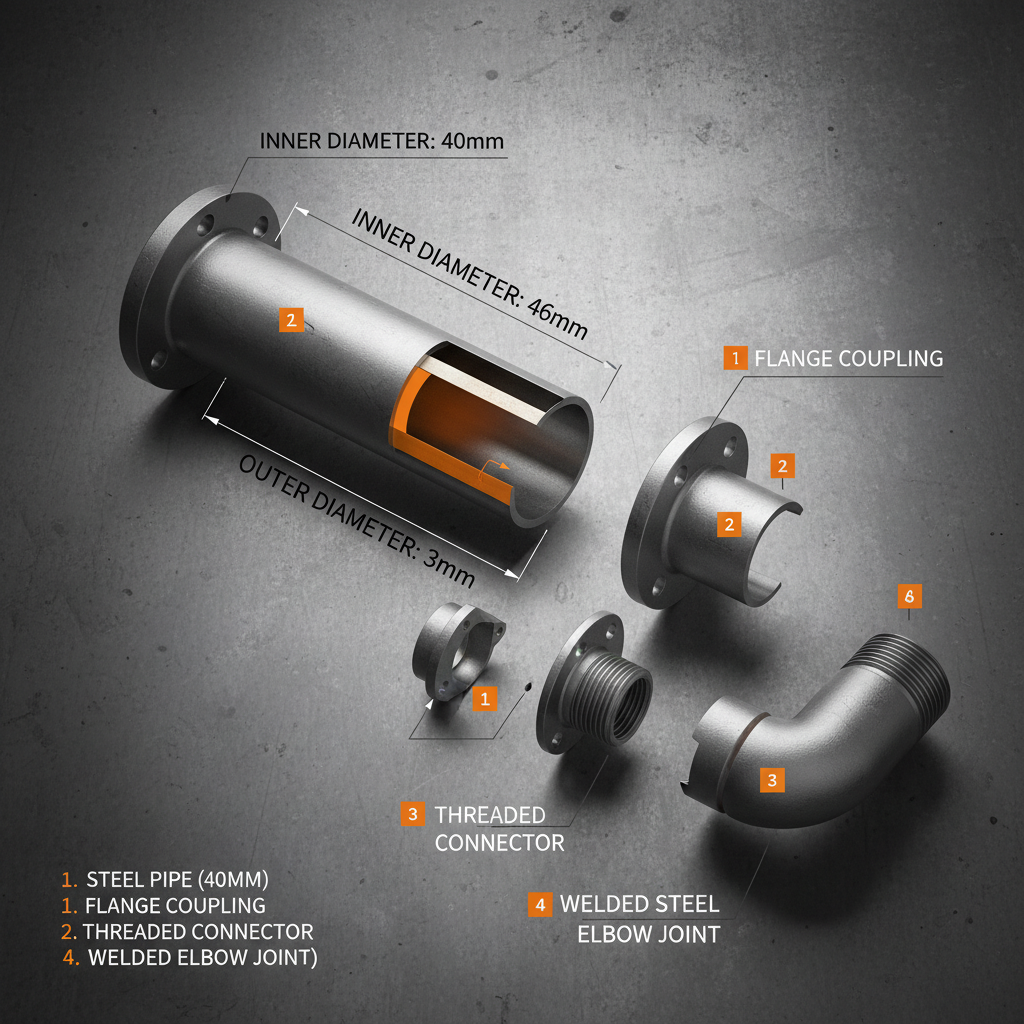
| Outer Diameter |
10 – 100 mm |
Custom sizes available, tight tolerance ±0.02mm |
| Wall Thickness |
1 – 10 mm |
Varies with application requirements |
| Material Grade |
Carbon Steel, Stainless Steel (304, 316) |
Also alloy steels upon request |
| Surface Finish |
Ra ≤ 0.8 μm (internal/external) |
Smoother finish reduces friction and corrosion risks |
| Yield Strength |
350 – 700 MPa |
Higher than hot rolled equivalents |
| Length |
6 – 12 meters |
Standard mill lengths; custom cutting services often provided |
### Comparing Leading Suppliers of Cold Drawn Steel Tube
| Supplier |
Product Range |
Lead Time |
Global Reach |
Special Services |
| Lion Pipeline Co. |
10 – 100 mm OD; Carbon & Stainless |
2 – 4 weeks |
Worldwide |
Custom machining, certification, fast quotes |
| TubeMasters Ltd. |
15 – 80 mm OD; Carbon Steel Focus |
3 – 5 weeks |
Europe, Asia |
Technical consulting, small batch orders |
| Precision Pipes Inc. |
20 – 120 mm OD; Specialty Alloys |
4 – 6 weeks |
North America |
In-house testing, surface coating options |
### How the Future Looks for Cold Drawn Steel Tube
Looking ahead, the cold drawn steel tube market is riding multiple exciting waves. Automated cold drawing lines employ AI and real-time monitoring to predict defects before they happen. Meanwhile, new alloy formulations aimed at reducing carbon footprints without sacrificing strength are catching interest.
Green energy also fuels demand — whether in wind turbine structures or solar panel mounts — where lightweight yet tough steel tubes are critical. The trend towards digital twins and Industry 4.0 means tubes will increasingly be tracked and tested digitally to ensure safety and performance over decades.
### Challenges and How Experts Are Tackling Them
Cold drawn steel tube isn’t flawless. For starters, its production demands precise tooling and skilled labor — not always easy in developing markets. Additionally, while it offers better strength, its cold working can make tubes less ductile, sometimes limiting applications.
Experts tackle these issues through hybrid processing (combining cold and heat treatments), improving tool coatings to extend die life, and ramping up workforce training. Plus, ongoing R&D into process automation promises to smooth wrinkles in quality and availability.
### FAQ: Your Questions About Cold Drawn Steel Tubing
Q1: How does cold drawn steel tube compare to hot rolled tubes in price and quality?
A1: Cold drawn tubes generally cost more upfront due to additional processing steps, but offer superior dimensional accuracy, strength, and finish. The improved quality often reduces installation and maintenance expenses, leading to better overall value.
Q2: Can cold drawn steel tubes be customized for specialized industries like medical or aerospace?
A2: Absolutely. These tubes can be manufactured with precise tolerances and from stainless or specialty alloys suited for clean, high-performance applications in medical devices or aerospace components.
Q3: What industries benefit most from cold drawn steel tubes?
A3: Key industries include automotive, construction, oil and gas pipelines, medical instruments, and energy sectors. Any application requiring strong, precise, and durable tubes finds them valuable.
Q4: Are cold drawn steel tubes environmentally sustainable?
A4: Yes, thanks to their longer lifespan, reduced scrap during production, and lower finishing energy needs compared to other steel processing methods, they tend to have a smaller environmental footprint.
Q5: What should I consider when selecting a supplier?
A5: Look at lead time, certifications, customization capabilities, and after-sales support. Consider suppliers like
Lion Pipeline Co. who combine wide product ranges with global logistics.
### Wrapping Up: The Quiet Power of Cold Drawn Steel Tube
So, it seems cold drawn steel tube may not be the flashiest material on the block, but its blend of strength, precision, and cost efficiency carves out a crucial role across sectors worldwide. From powering massive pipelines to supporting lifesaving medical tools, understanding and choosing the right steel tube helps build safer, more sustainable futures.
For those wanting to dive deeper or source high-grade cold drawn steel tube, check out
Lion Pipeline’s extensive catalog and responsive service team. Sometimes, the best engineering solutions begin with knowing the right tube.
References:
1. International Energy Agency (IEA) - Steel industry data and CO₂ emissions
2. ISO Standards on Steel Tubing (ISO 6573)
3. Wikipedia:
Cold Drawing Process