If you’ve ever wondered how urban skylines stay standing or how water safely flows from reservoirs to our faucets, galvanized GI pipes quietly make it happen. These steel pipes, coated in zinc, resist corrosion and have become a global staple in infrastructure, agriculture, and industrial projects. In fact, demand for galvanized pipes has surged in emerging markets where building durable systems quickly is vital — especially for water delivery, construction, and energy pipelines.
According to the International Steel Association, galvanized pipes make up roughly 30% of all steel pipe production worldwide, reflecting their essential role in modern economies. Their resilience and cost-effectiveness mean less maintenance, lower chances of failure, and longer service life. In practical terms, that translates to safer buildings, uninterrupted industrial operations, and better access to clean water — all critical challenges that humanity faces as populations grow and climates change.
At its simplest, a galvanized GI pipe is a steel pipe with a protective zinc coating that guards against rust. The “GI” stands for "Galvanized Iron," although today it typically refers to carbon steel pipes dipped or sprayed with zinc. Imagine the difference between bare metal left to the mercy of rain and oxidation, versus a zinc-shielded piece of metal that laughs in the face of weather and moisture.
Modern industries rely on these pipes across multiple sectors. They’re indispensable in plumbing systems, scaffolding, fencing, and even in agricultural setups where irrigation systems run through corrosive soil. Humanitarian logistics, like setting up drinking water networks post-natural disasters, often depend on the ready availability and longevity of galvanized pipes.
This is arguably the headline feature. Zinc naturally resists exposure to air, moisture, and chemicals. The zinc coating sacrifices itself, protecting the steel beneath over years, sometimes decades, depending on environment. Think coastal zones or industrial sites with acid rain — galvanized pipes stand tall where plain steel would crumble.
With steel prices fluctuating, affordability is key. Galvanized GI pipes often offer a "bang for your buck" ratio that’s hard to beat. Since they require less maintenance and fewer replacements over their lifespan, long-term costs go down substantially. Plus, installation is straightforward — no extra waterproofing steps needed.
Because steel is abundant globally, galvanized GI pipes are readily produced in vast quantities. This scalability supports big infrastructure projects but also smaller-scale applications. They come in many sizes and thicknesses, making them adaptable to everything from tiny irrigation lines to large industrial conduits.
Many galvanized pipes meet standards like ISO 14713 (corrosion protection) and ASTM A53 (pipe specification) — reassuring engineers and builders alike. This ensures consistent quality, essential in pipelines that deliver drinking water or gases where health and safety are non-negotiable.
While primarily functional, galvanized pipes are surprisingly versatile in design due to their finish. Outdoor railings, fencing, or exposed structural elements benefit from that clean, matte gray finish that ages gracefully compared to painted steel.
When it comes to real-world usage, galvanized GI pipes make appearances everywhere – from sprawling cities to remote rural areas. In construction, they form the backbone of plumbing and HVAC systems. In agriculture, they enable efficient and durable irrigation networks vital for food security — particularly in arid regions like the Middle East and parts of Africa where corrosion is a real hurdle.
Emergency relief operations from the Red Cross to Médecins Sans Frontières rely on galvanized pipes for quick setup of clean water points during floods or earthquakes, where traditional infrastructure is damaged. Industrial zones, like those in Southeast Asia’s manufacturing corridors, standardize galvanized GI pipes due to their chemical and mechanical resilience.
After the 2015 Nepal earthquake, galvanized pipes were rapidly deployed to reconstruct water delivery networks. Their corrosion resistance proved pivotal in the region’s humid environment — without them, fallback to plastic pipes might have meant less durability and more frequent repairs.
| Specification | Typical Range | Unit |
|---|---|---|
| Diameter | 15 – 200 | mm |
| Wall Thickness | 1.5 – 6.0 | mm |
| Zinc Coating Thickness | 40 – 275 | g/m² |
| Length | 6 | meters (standard) |
| Weight | 1.2 – 15 | kg/m |
| Vendor | Zinc Coating Thickness (g/m²) | Lead Time | Price Range (USD per meter) | Customization Options |
|---|---|---|---|---|
| Lion Pipeline | 85 - 275 | 2-4 weeks | $1.50 - $3.00 | Diameter, Length, Coating Thickness |
| Global Steel Inc. | 60 - 200 | 3-6 weeks | $1.40 - $2.80 | Standard Sizes Only |
| SteelPro Ltd. | 70 - 250 | 4-5 weeks | $1.60 - $3.20 | Custom Lengths & Diameters |
So next time you sip water or drive past a newly-built bridge, there's a decent chance you're witnessing galvanized GI pipes quietly doing their job — a mix of science and silent service that feels oddly reassuring.
While the core zinc coating tech has been around for decades, innovations keep bubbling up:
Despite their many benefits, galvanized GI pipes aren’t perfect. Acidic environments may gradually wear zinc off faster, and mechanical damage can expose steel underneath. Transport and installation errors can also cause premature rust. Still, engineers suggest routine inspections and combining galvanized pipes with supplementary protective coatings in harsh environments.
Some newer solutions include:
Galvanized GI pipe is more than just steel wrapped in zinc — it’s a foundational element that supports global infrastructure, from simple fences to critical water distribution networks. I’ve seen countless projects where choosing galvanized pipe not only saved money but guaranteed safety and peace of mind, especially in tough environments. If you’re considering a project that demands durability paired with cost efficiency, you really should check out galvanized gi pipe options. The long game is what counts, and galvanized pipes consistently deliver.
Explore more and see their full product range at Lion Pipeline.
References:
1. International Steel Association, Global Steel Trends, 2023.
2. ISO 14713: Zinc coatings - Guidelines and recommendations for corrosion protection of steel.
3. United Nations Water, Water and Sanitation Statistics, 2022.
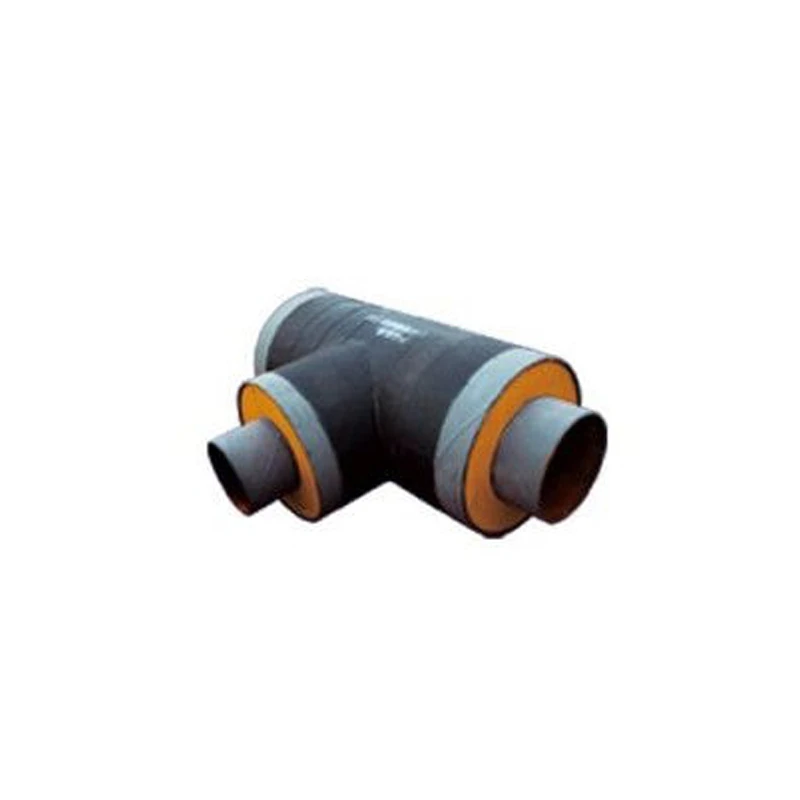
Anti Corrosion And Thermal Insulation Products
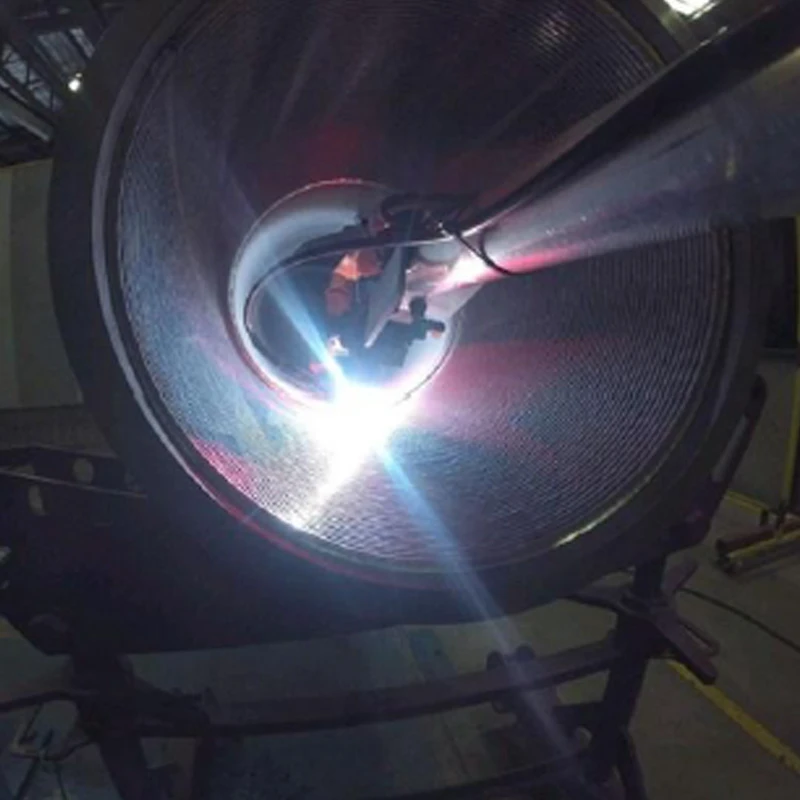
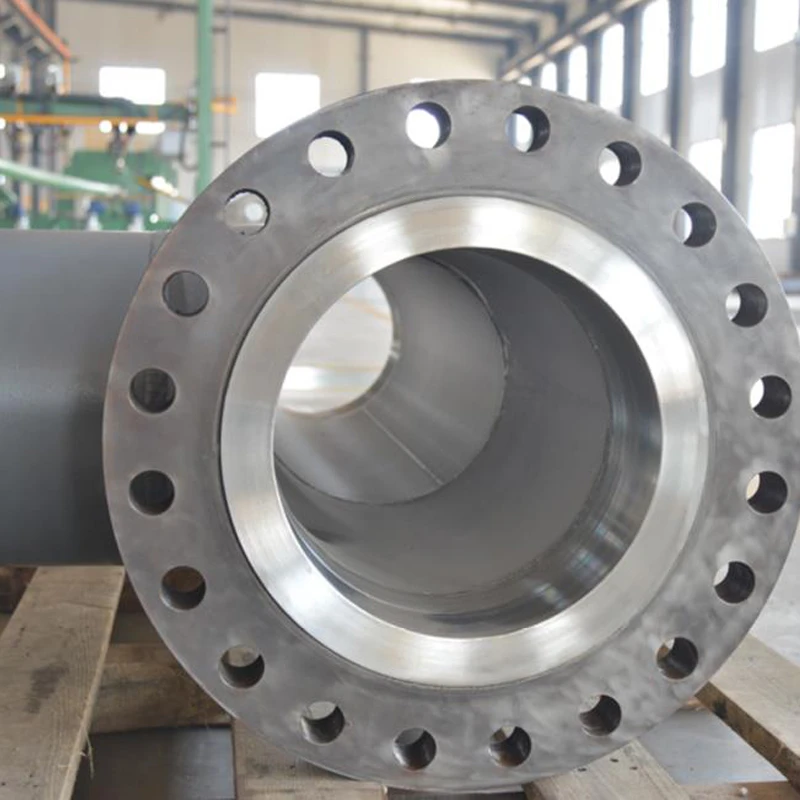
Factory Prefabricated Products
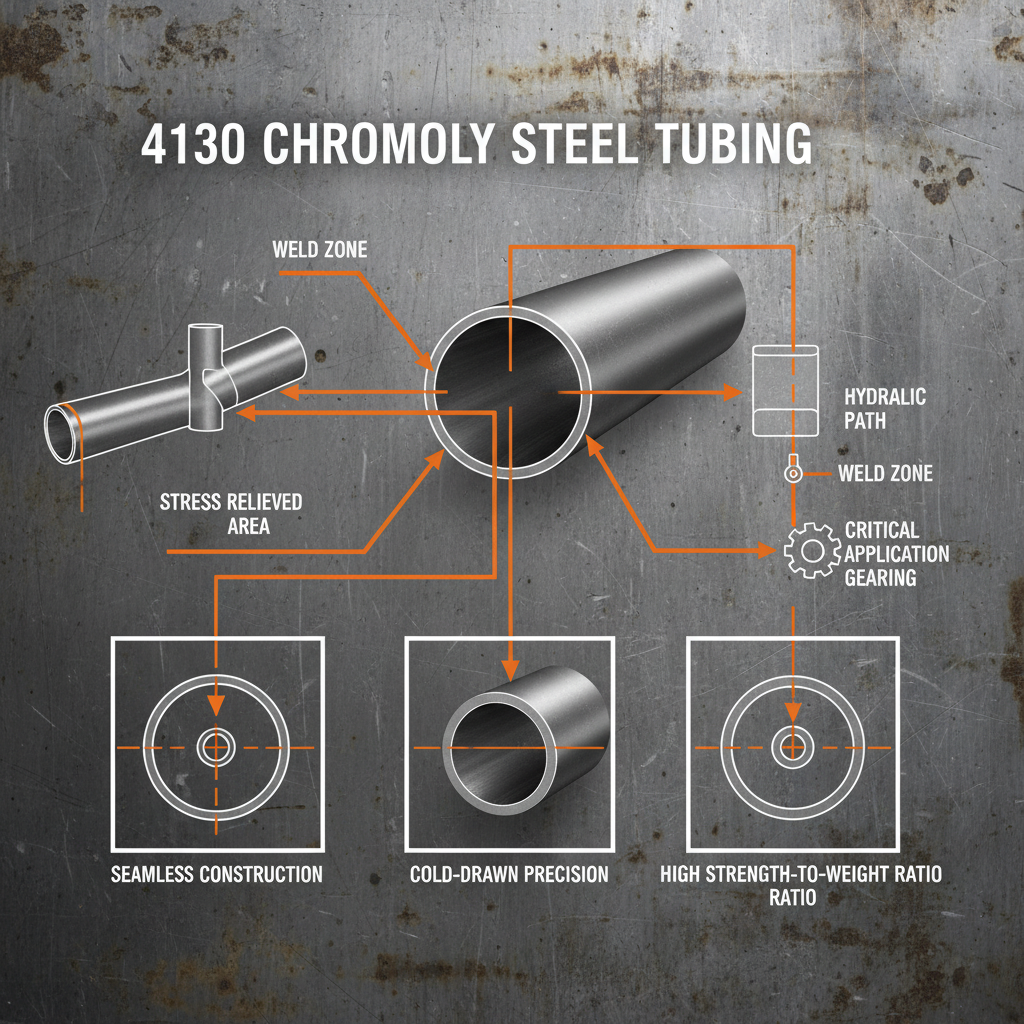
Ultimate Guide to 4130 Tubing Strength Performance and Applications
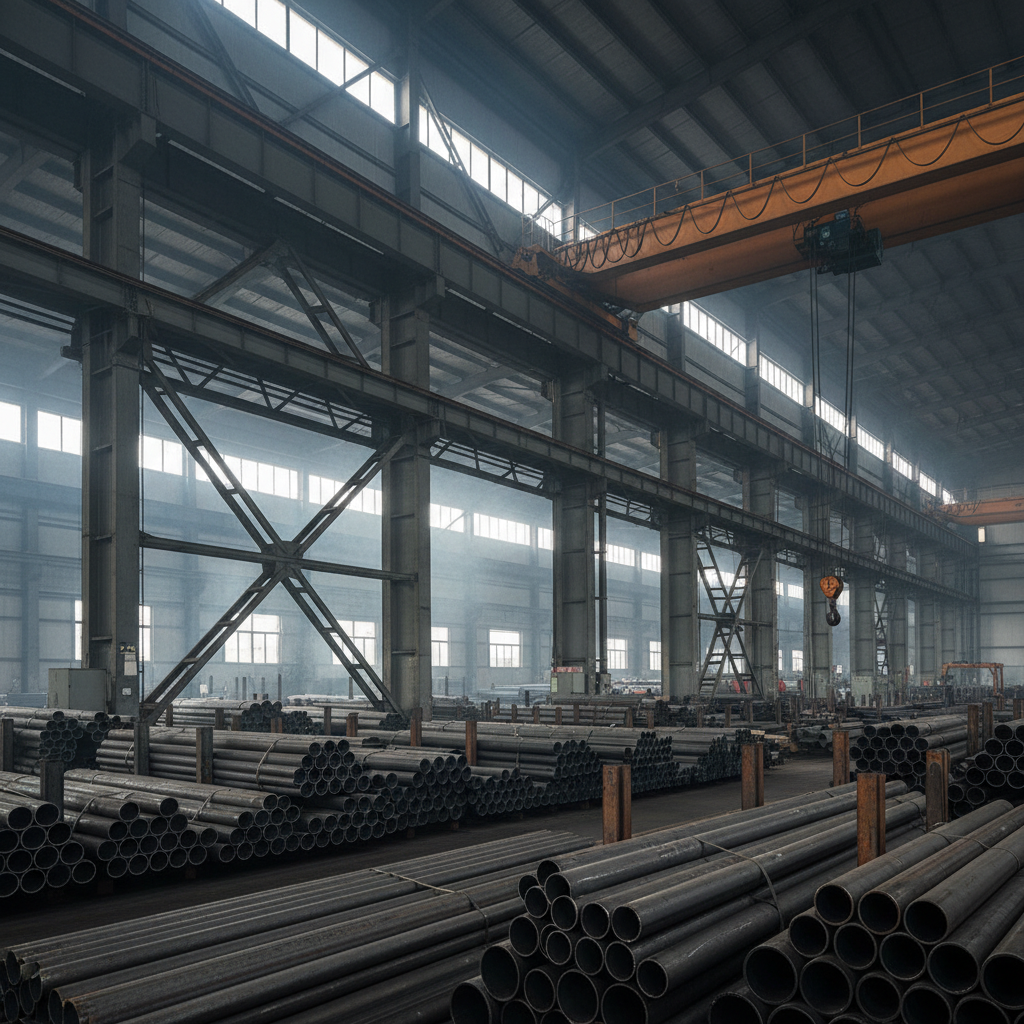
Properties and Industrial Applications of 4130 steel tubing
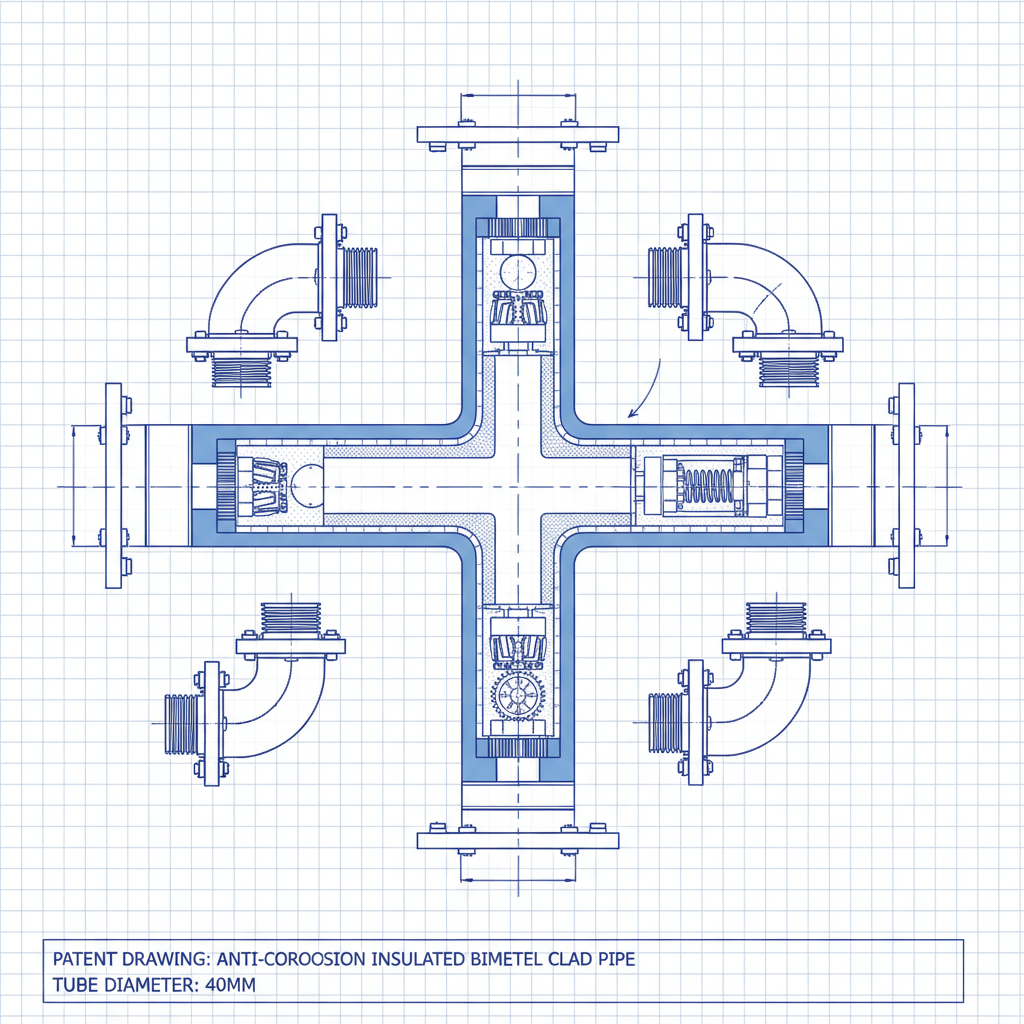
Comprehensive Guide to 40mm Steel Tube Applications and Material Selection
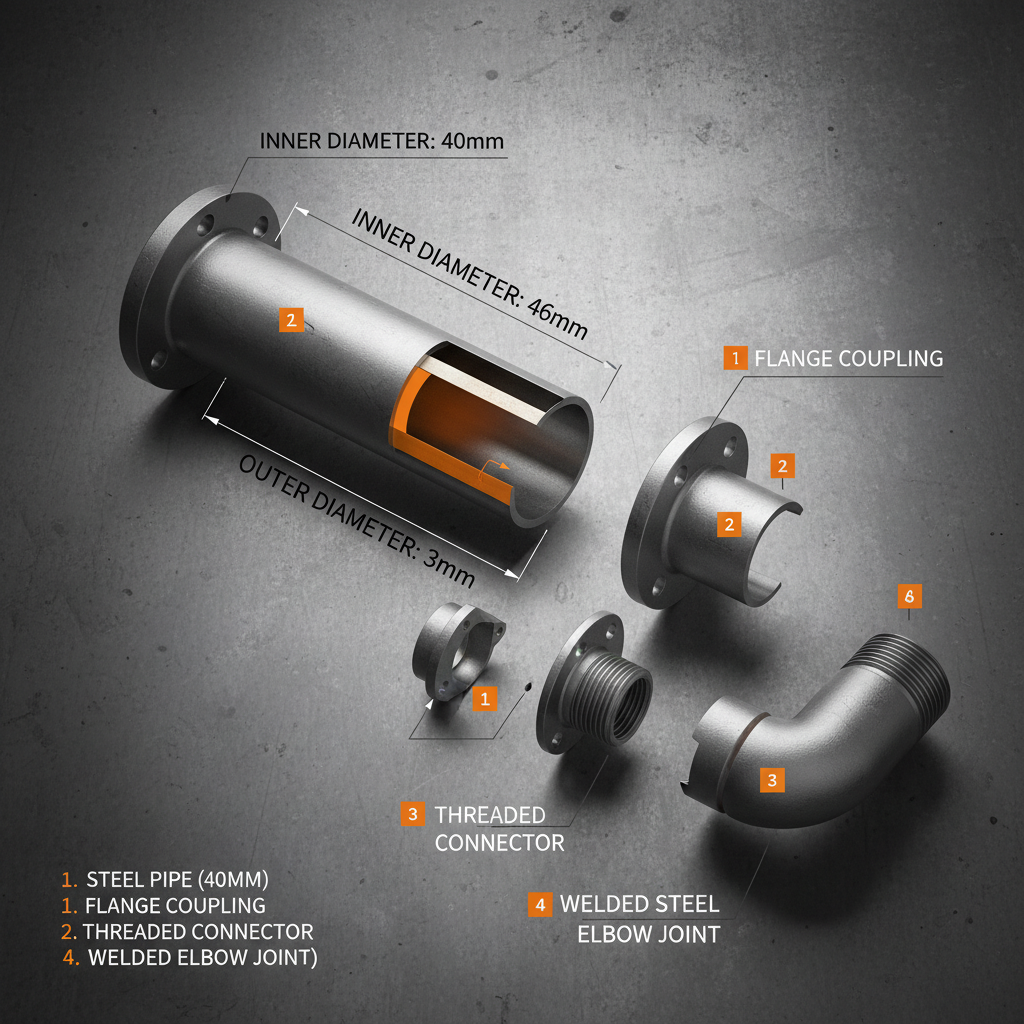
Comprehensive Guide to 40mm Steel Pipe Applications and Considerations
Comprehensive Guide to 40mm Metal Pipe Applications and Sourcing
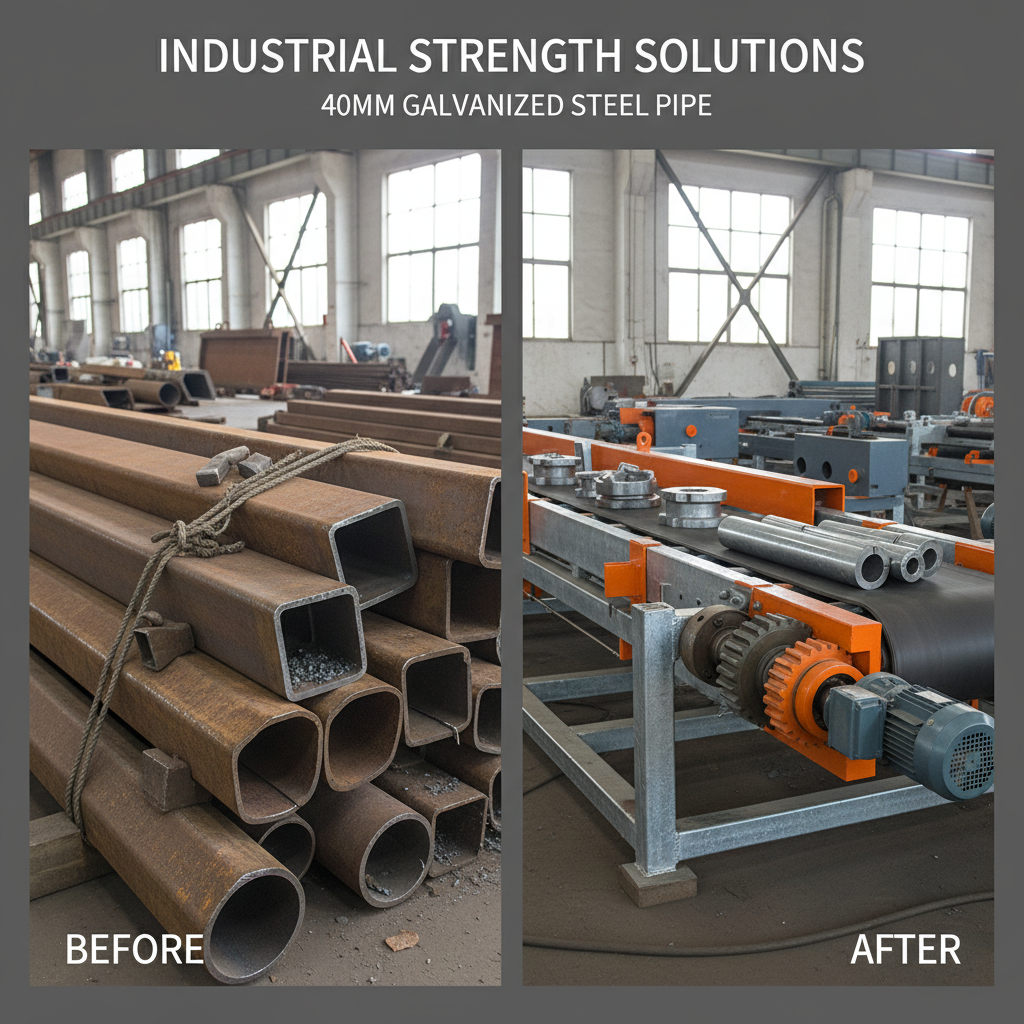
Comprehensive Guide to 40mm Galvanised Pipe Applications and Specifications