When you think about fences, you might picture just simple boundary markers or garden dividers, but there's a lot more hidden behind those poles and bars. Galvanized fence pipe plays a surprisingly pivotal role in agriculture, construction, infrastructure, and even humanitarian projects worldwide. Why does this matter? Because where you need security, stability, and longevity, these pipes are often the unsung heroes — resilient, affordable, and globally relevant.
Understanding galvanized fence pipes helps industries optimize safety and durability in environments ranging from bustling cities to remote rural areas. And oddly enough, it's not just about protection — it's about creating frameworks that stand the test of time, weather, and shifting economic pressures.
Worldwide, fencing needs continue to rise with urban expansion, agricultural modernization, and the ongoing challenges of land management. According to the International Organization for Standardization (ISO), standards for galvanized pipes ensure quality and safety across borders. Meanwhile, the World Bank reports increasing infrastructure investments, particularly in developing nations, where fencing solutions often form critical protective barriers.
But here's the problem: standard fencing materials can quickly degrade under exposure, especially in humid, coastal, or industrial areas. Corrosion undermines safety, leading to expensive replacements, or worse — security breaches. Galvanized fence pipe, covered in a protective zinc layer, tackles this head-on, reducing maintenance and improving life cycle cost — a relief to resource-strapped municipalities and NGOs working in disaster-prone regions.
Mini takeaway: The global push for sustainable, durable fencing pushes galvanized fence pipes to the forefront, combating corrosion and cutting replacement costs dramatically.
In simple terms, galvanized fence pipe is steel tubing coated with a layer of zinc, which acts as a shield against rust and wear. This coating process — called galvanization — typically involves hot-dipping the steel into molten zinc, creating a metallurgical bond that won't flake off easily.
Why does this matter? Well, think about how quickly exposed metal can succumb to weather, salt, or chemicals. This zinc protection extends the pipe's life, making it invaluable for fencing applications where strength, safety, and longevity are non-negotiable.
Moreover, galvanized fence pipes have become a staple in modern construction, ranging from residential fences to large industrial compounds, and even emergency containment setups during relief operations.
Galvanized fence pipe connects industry demands with practicality — a pretty neat intersection of old-school metalworking and modern needs.
The zinc coating resists rust and corrosion — it can withstand exposure to moisture, salt air, and pollutants much longer than uncoated steel.
Though galvanized pipes might cost slightly more upfront, their longer service life and lower maintenance often mean savings over time. It's a classic "pay more now, save later" scenario.
The base steel pipe retains excellent tensile strength, holding up well under tension without bending or breaking easily. This is key for structural fence applications.
Galvanized pipes come in standardized sizes compatible with many fittings, making installation and extension straightforward.
Beyond rust, these pipes resist impact, UV exposure, and—even to some extent—fire damage, which is critical for parking lots, industrial fences, and agricultural boundaries.
Mini takeaway: From weatherproofing to strength, galvanized fence pipe is engineered to meet tough practical demands, making it a go-to for versatile fence-building.
The appeal of galvanized fence pipes shows up all over the map.
For example, in hurricane-affected Caribbean islands, replacement of rusted fencing with galvanized options reduced repair cycles by over 60% within three years. Now that's a cost-saving many engineers love.
| Specification | Details |
|---|---|
| Material | Steel (ASTM A53 Grade B) |
| Coating Method | Hot-dip galvanization |
| Coating Thickness | Minimum 85 microns |
| Diameter Range | 25mm to 114mm |
| Length | 6m standard, customizable |
| Tensile Strength | ≥ 350 MPa |
| Weight | Varies by diameter; approx. 3-8 kg/m |
| Vendor | Coating Quality | Customization Options | Pricing (USD/m) | Lead Time |
|---|---|---|---|---|
| SteelCo Global | Premium thick zinc coating (100 microns) | Diameter & length | $12 - $15 | 4-6 weeks |
| PipeMasters Ltd. | Standard coating (85 microns) | Length only | $10 - $13 | 3-5 weeks |
| GlobalGalv Pipes | Eco-friendly zinc alloy coating | Diameter, thickness, length | $14 - $17 | 5-7 weeks |
When I first saw how galvanized fence pipe was used in a large commercial farm in Texas, I was surprised by how maintenance-free the entire fencing system was — years after installation and in harsh sun and rain, it looked almost new.
That’s the core of its long-term value:
Looking ahead, the fencing world is slowly integrating greener materials and smarter production methods. Some vendors are experimenting with zinc alloy coatings that use less zinc or incorporate recycled metals. Automation in pipe manufacturing promises tighter tolerances and better yield. Also, there’s a growing trend to pair galvanized pipes with sensors to monitor fence integrity in real-time — especially at critical security sites.
Environmental regulations, such as those following ISO 14000 standards, push manufacturers toward cleaner galvanization techniques, reducing wastewater and energy use. So yes, galvanized fence pipes aren’t just relics of the industrial past — they’re evolving for a digital, green future.
No product is perfect, right? Galvanized fence pipes can face issues with coating damage during transport or installation — scratches may expose steel underneath, starting corrosion hotspots. Some environments, highly acidic or alkaline soils, can also reduce coating lifespan.
Expert installers recommend post-installation touch-ups with zinc-rich paint or protective sleeves at vulnerable points. Also, innovative PVC-coated galvanized pipes blend metal durability with plastic protection, offering double security.
In rough climates, regular inspections and maintenance remain key — but overall, these pipes still outperform uncoated alternatives by miles.
All things considered, galvanized fence pipe represents a carefully balanced solution, blending cost, durability, and sustainability. Whether you're securing farmland, supporting critical infrastructure, or building safe housing zones after a disaster, these pipes offer reliability you can count on — year in, year out.
Want to explore quality, affordable galvanized fence pipe options? Visit https://www.lion-pipeline.com to discover custom lengths, thicknesses, and expert advice that can help transform your fencing project from good to lasting.
References:
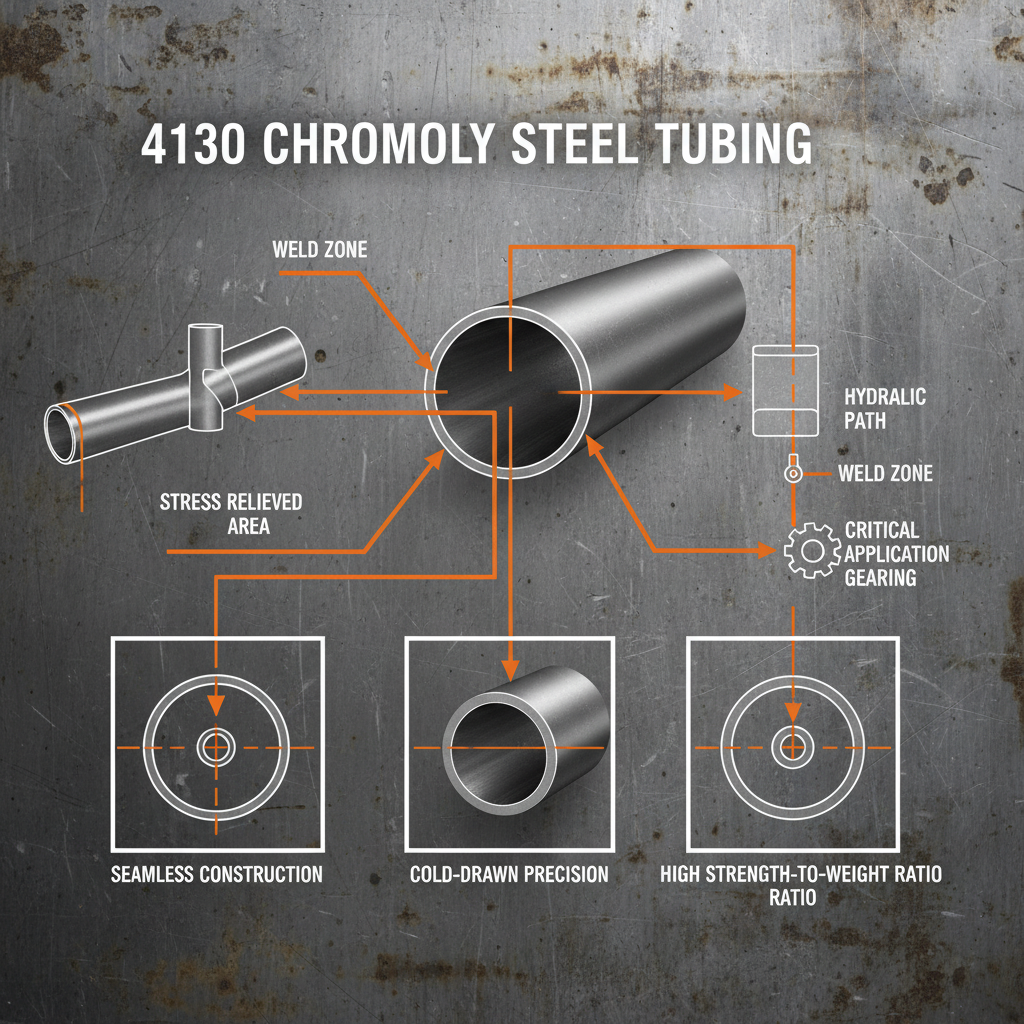
Ultimate Guide to 4130 Tubing Strength Performance and Applications
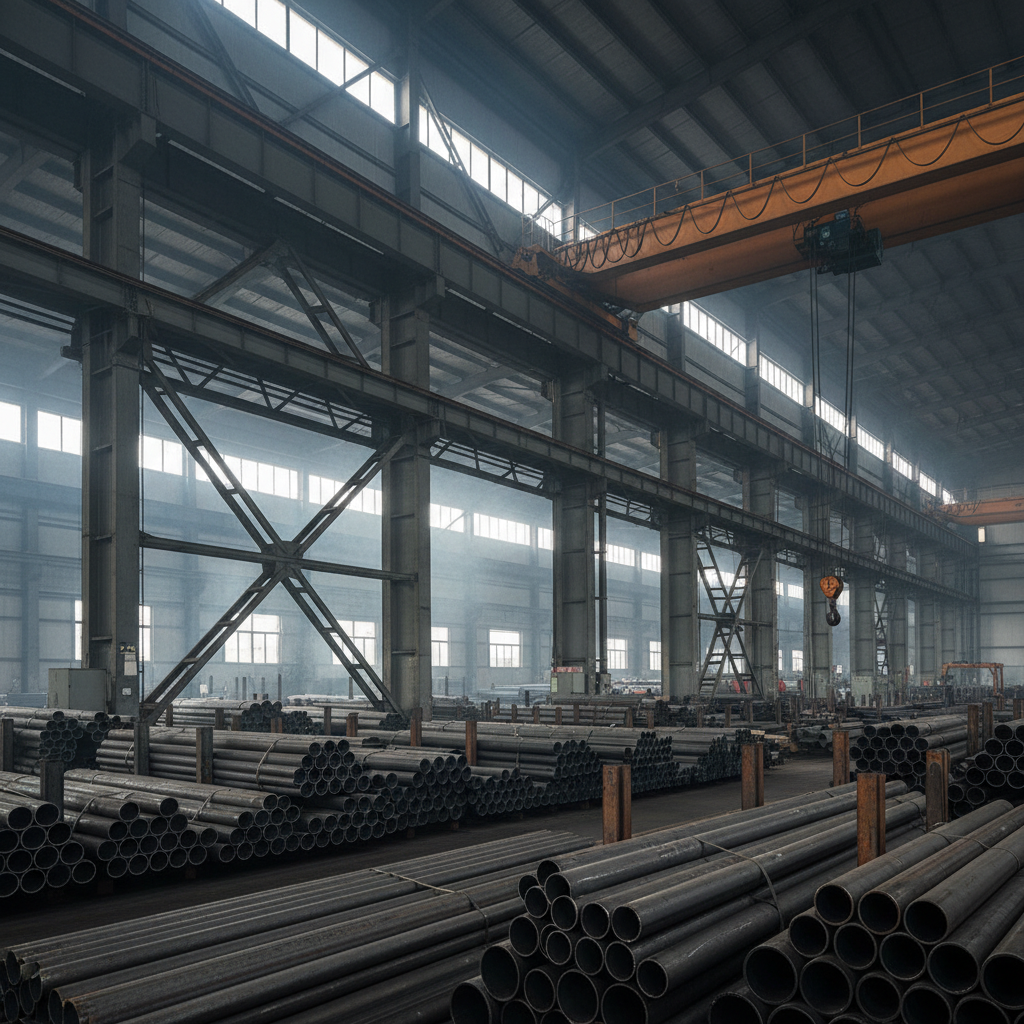
Properties and Industrial Applications of 4130 steel tubing
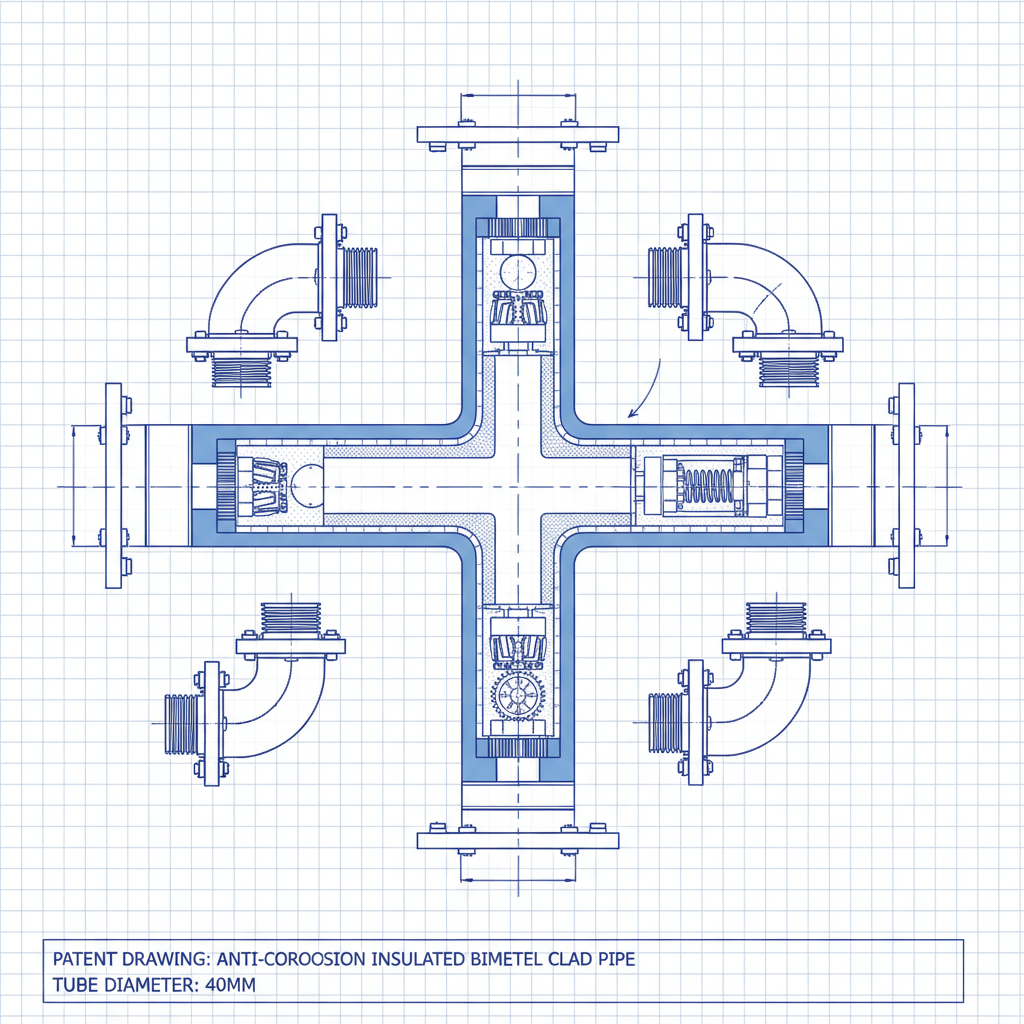
Comprehensive Guide to 40mm Steel Tube Applications and Material Selection
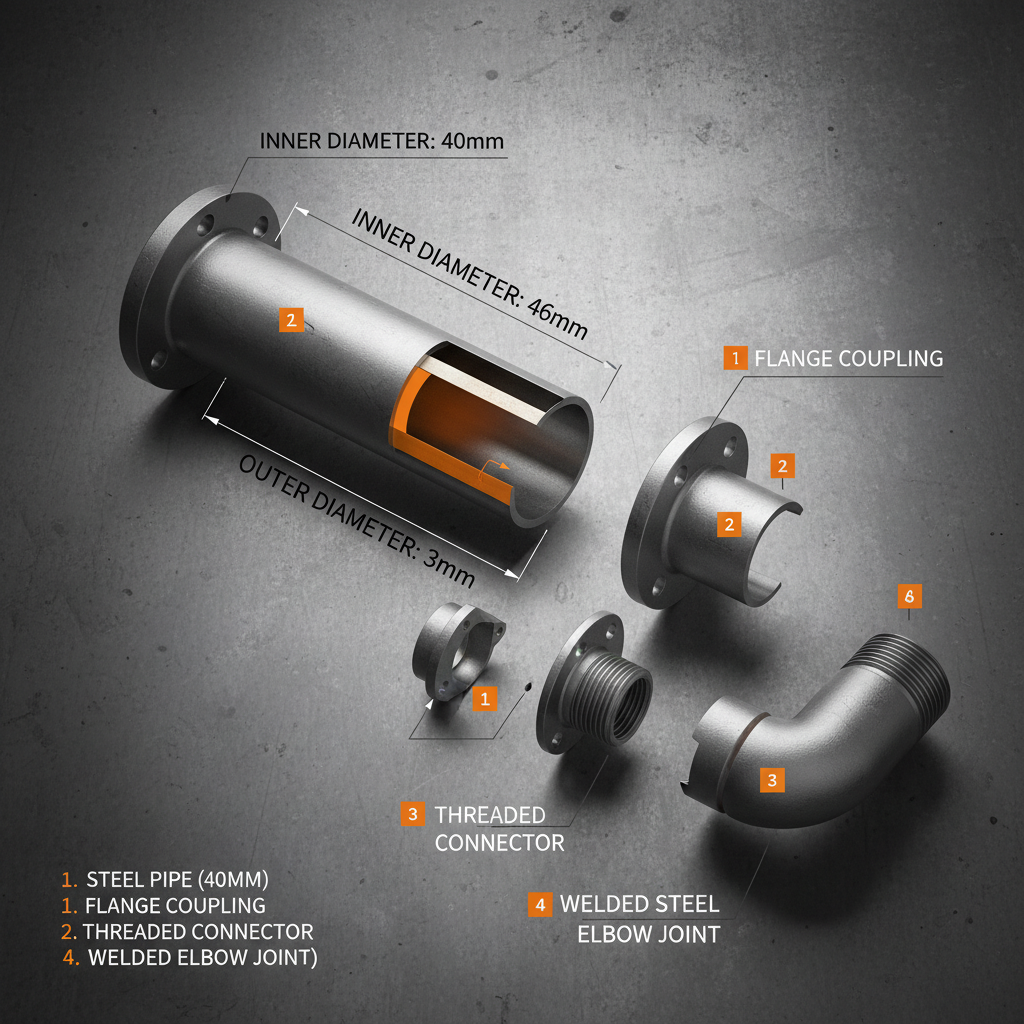
Comprehensive Guide to 40mm Steel Pipe Applications and Considerations
Comprehensive Guide to 40mm Metal Pipe Applications and Sourcing
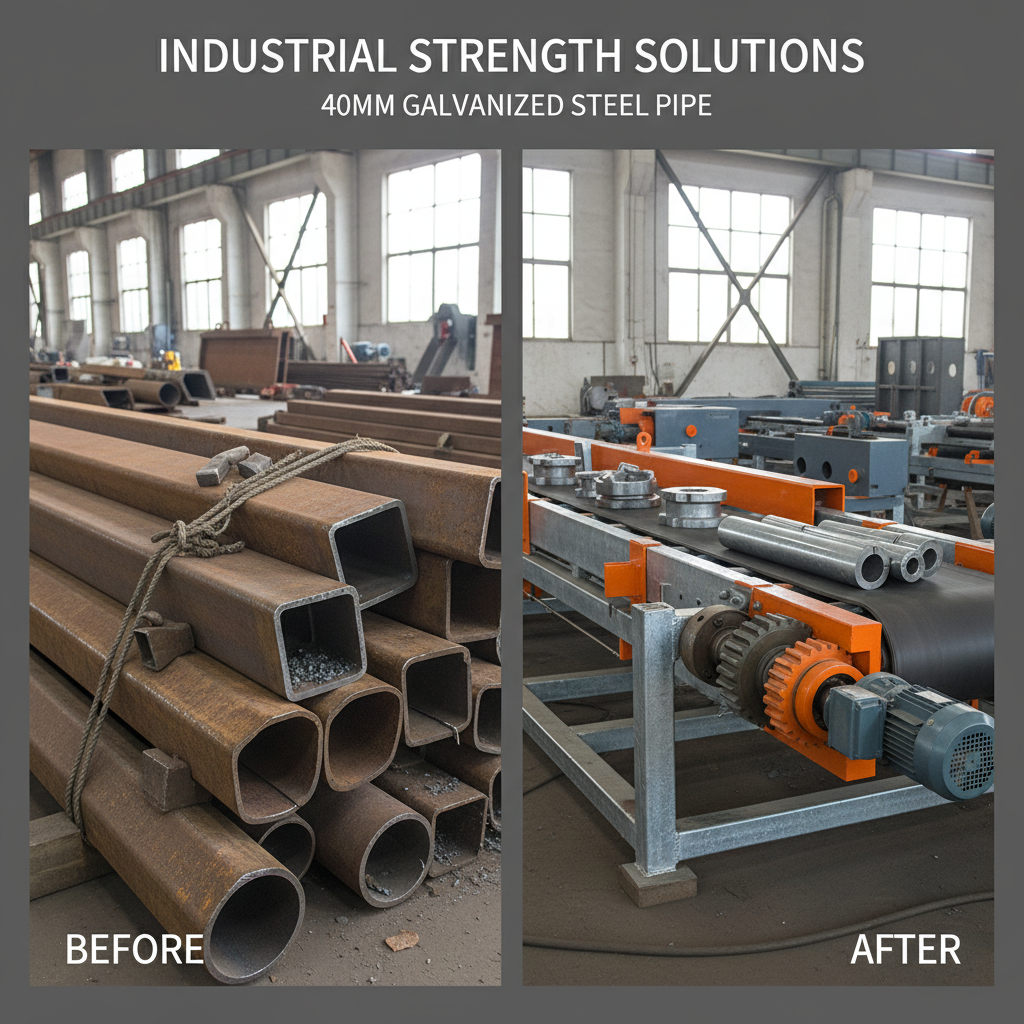
Comprehensive Guide to 40mm Galvanised Pipe Applications and Specifications