tel
Email
to top

Durable, Cost-Effective Galvanized Exhaust Pipes for Industrial and Automotive Needs

Nov 30 2025
share:

Galvanized Exhaust Pipe: Why It’s More Crucial Than You Think

At first glance, a galvanized exhaust pipe might not sound like the headline of an industrial revolution. But odd as it is, these pipes quietly underpin countless industries worldwide—from automotive manufacturing to infrastructure projects that keep cities running. Their global relevance stretches far beyond just carrying exhaust gases safely; they improve longevity, reduce environmental impact, and save money across sectors. Understanding their role can unlock smarter decisions, whether you’re an engineer, procurement lead, or even a curious enthusiast.

The Global Stage: How Galvanized Exhaust Pipes Fit In

In 2023, with over 1.4 billion vehicles globally and rapid industrial growth especially across Asia-Pacific and Europe (World Bank stats), the need for durable, corrosion-resistant exhaust components is at an all-time high. Galvanization — basically coating steel pipes with zinc — is the go-to method for tackling the pervasive problem of rust and wear caused by harsh gases and weather. Without corrosion prevention, replacement costs skyrocket, downtime intensifies, and environmental risks from leaks rise. It’s an area ISO standards (like ISO 9223) highlight for quality and safety assurance.

Oddly enough, it’s not just about longevity but also sustainability. When you think about the carbon footprint from replacing pipes repeatedly, galvanized options reduce waste and resource drain significantly. In a world chasing circular economy goals, that’s a win.

What Exactly Is a Galvanized Exhaust Pipe?

Put simply, a galvanized exhaust pipe is a steel pipe coated with a protective layer of zinc to resist corrosion. This coating happens through either hot-dip galvanizing or electro-galvanizing processes. The zinc serves as a sacrificial metal—it corrodes first, sparing the steel underneath.

These pipes mainly transport exhaust gases from engines or industrial processes and must withstand high temperatures, moisture, and chemical exposure. Beyond vehicles, you’ll find them in power plants, factories, and even humanitarian projects that require resilient yet cost-effective solutions for smoke or gas venting.

Mini takeaway:

  • Galvanized exhaust pipes improve durability, safety, and sustainability.
  • They’re essential for high-temperature, corrosive environments worldwide.

Core Components and Key Factors of Galvanized Exhaust Pipes

Durability

The zinc coating dramatically extends the lifespan of exhaust pipes. Many engineers note the lifespan can double or even triple compared to non-galvanized steel. This robustness is essential where replacement downtime leads to costly interruptions.

Heat Resistance

Because exhaust pipes must handle elevated temperatures, the galvanized layer must maintain its protective properties without flaking or spalling. Modern galvanizing techniques carefully optimize this balance, allowing pipes to remain protective even in harsh automotive or industrial settings.

Cost Efficiency

While galvanized pipes cost more upfront than plain steel, the long-term savings on maintenance and replacements far outweigh the initial outlay. In fact, some procurement teams calculate savings nearing 30% over 10 years in heavy-use environments.

Environmental Impact

Galvanization facilitates recycling by preventing premature rusting that can render steel scrap unusable. This aligns with global sustainability efforts, especially in countries pushing tighter emission and waste controls (think the EU Green Deal and China’s circular economy).

Ease of Installation

Interestingly, the corrosion protection also eases handling and storage, reducing the need for extra coatings or protective wraps on site. This means faster deployment — great news for large projects on tight schedules.

Mini takeaway:

  • Longevity and heat tolerance reduce replacement cycles.
  • Upfront costs are offset by significant maintenance savings.
  • Supports environmental initiatives globally.

Specifications At A Glance

Specification Typical Value Units
Pipe Diameter Range 25 - 150 mm
Zinc Coating Thickness 85 - 275 g/m²
Maximum Operating Temperature 300 °C
Expected Service Life 15 - 25 years
Material Steel ( galvanized zinc coating )

Where Galvanized Exhaust Pipes Make a Difference Globally

From bustling urban centers in Europe to remote mining operations in Australia, galvanized exhaust pipes find applications wherever corrosion resistance and reliability matter. Large automotive manufacturers in Germany and Japan rely heavily on these to meet stringent emission standards safely and sustainably.

In fact, post-disaster relief organizations have recently started incorporating galvanized piping as part of temporary energy generators and heating systems—because they resist weathering and reduce replacement needs, critical for fragile infrastructures. Similarly, remote industrial zones with extreme climates (think the high humidity coasts of Southeast Asia) benefit greatly.

Another interesting point: several countries with emerging automotive sectors, like India and Mexico, are seeing exponential demand for galvanized exhaust components as their vehicle fleets expand rapidly.

galvanized exhaust pipe manufacturers often customize products by region to account for local air quality controls and weather patterns—showing how versatile these pipes can be.

Mini takeaway:

  • Used globally across automotive, industrial, and humanitarian fields.
  • Adaptable to extreme climates and regulatory demands.
  • Vital in disaster relief and emerging markets’ infrastructure.

Comparing Top Galvanized Exhaust Pipe Vendors

Vendor Product Range Compliance/Certifications Global Reach Typical Lead Time
Lion Pipeline Co. 25-150mm, multiple zinc thicknesses ISO 9001, ISO 9223 Asia, Europe, Americas 2-4 weeks
CorroShield Pipes Wide range including custom diameters ISO 14001, RoHS Europe, Middle East 3-5 weeks
Zinex Industrial Standard sizes, focus on automotive TS16949, ISO 9227 Asia-Pacific 1-3 weeks

Why Investing in Galvanized Exhaust Pipes Pays Off

When you think about it, galvanized exhaust pipes offer a rare trifecta: safety, sustainability, and economy. The upfront price might nudge your budget a little, but the gains in reduced maintenance, extended service life, and environmental benefits seem to ease the conscience and the accounts department alike.

Plus, there’s an emotional side—a visible demonstration of innovation and care in design and materials. Trusting systems with galvanized components feels like a modern, smart choice, as it prioritizes reliability and a nod to eco-friendly practices.

Looking Ahead: The Future of Galvanized Exhaust Pipes

Technology keeps pushing these pipes beyond just zinc coatings. Innovations like nanotechnology zinc layers, hybrid coatings with organic additives, and even smart pipes embedded with sensors for wear monitoring are closer than you’d think. Green energy trends also hint at integration with exhaust systems in electric hybrid vehicles, where corrosion protection remains essential.

On the policy front, stricter emission standards globally mean galvanized exhaust systems must not only last longer but also enable cleaner exhaust conduits. It’s a blend of design, materials, and digital intelligence.

Common Challenges and How Experts Address Them

No solution is perfect, right? Galvanized pipes can sometimes struggle in ultra-high temperature scenarios over 300°C or extreme chemical exposures that zinc alone can't withstand. Also, environmental concerns arise about zinc runoff in certain conditions.

Experts recommend combining galvanization with additional protective layers when needed or opting for stainless steel in extreme conditions. Meanwhile, lifecycle assessments help in choosing the right product for specific projects — balancing cost, durability, and environmental impact.

Frequently Asked Questions About Galvanized Exhaust Pipes

What is the typical lifespan of a galvanized exhaust pipe in automotive use?
Generally, galvanized exhaust pipes last between 15 to 25 years under normal driving conditions. Factors like climate, road salt exposure, and maintenance can influence longevity.
Can galvanized exhaust pipes withstand high engine temperatures?
Yes, modern galvanized pipes typically tolerate temperatures up to about 300°C. Beyond that, specialized materials or coatings may be required.
How do galvanized exhaust pipes contribute to environmental sustainability?
They reduce the frequency of replacements, cutting down steel waste and associated manufacturing emissions. Plus, zinc coatings support recycling of steel scrap.
Are galvanized exhaust pipes more expensive than stainless steel?
Initially, no. Galvanized pipes are usually less expensive upfront than stainless steel, though stainless steel offers better corrosion resistance in extreme conditions.
Where can I buy quality galvanized exhaust pipes?
Many global manufacturers like Lion Pipeline Co. offer reliable products with strong certifications and fast delivery.

Wrapping It Up

Galvanized exhaust pipes matter more than ever in a world that demands durability, cost-effectiveness, and eco-consciousness in equal measure. By investing in them, you’re not just buying a pipe—you’re securing a small but crucial link in the chain of modern industry and sustainable infrastructure.

Curious to explore more or ready to source your galvanized exhaust pipe solutions? Visit our website: https://www.lion-pipeline.com and see how innovation meets reliability.
References

  1. World Bank: Number of Vehicles
  2. Wikipedia: Galvanization
  3. ISO 9223: Corrosion
  • Carbon Semless Steel Pipes

    Carbon Semless Steel Pipes

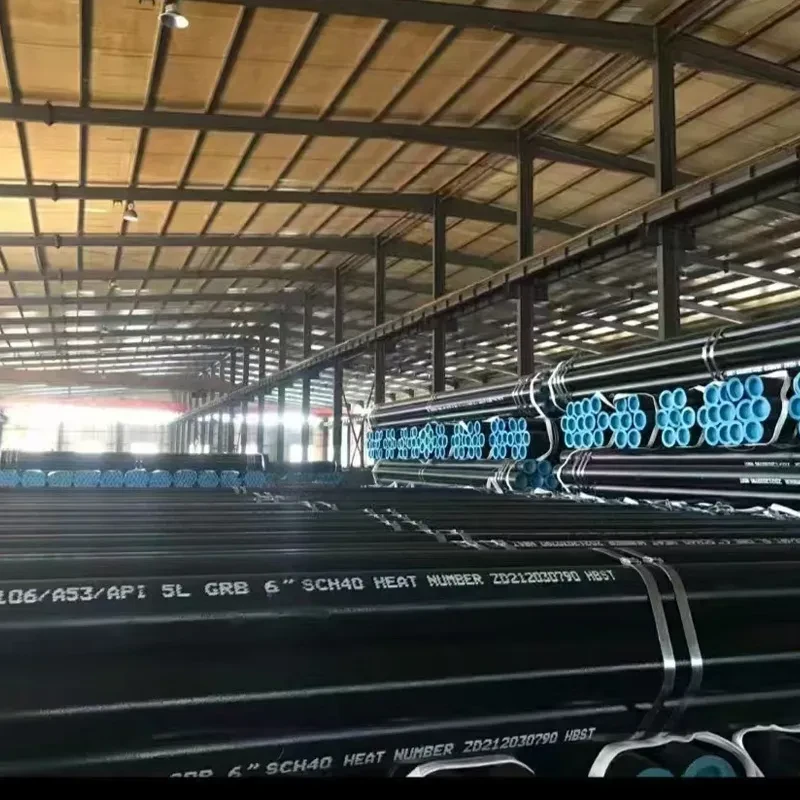
    Carbon Seamless Steel Pipes are made from high-quality carbon steel and manufactured without welded seams, offering exceptional strength, durability, and resistance to pressure. These pipes are ideal for a wide range of applications, including oil and gas pipelines, construction, automotive, and fluid transportation systems. The seamless design ensures uniformity, higher structural integrity, and improved performance under high pressure and temperature conditions.
    VIEW ALL
  • Flange

    Flange

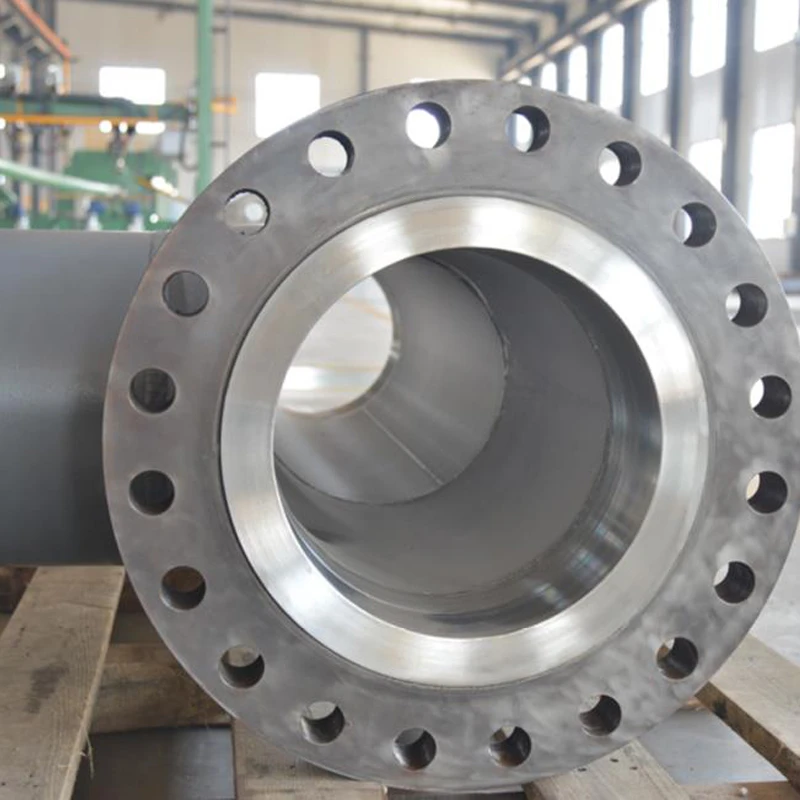
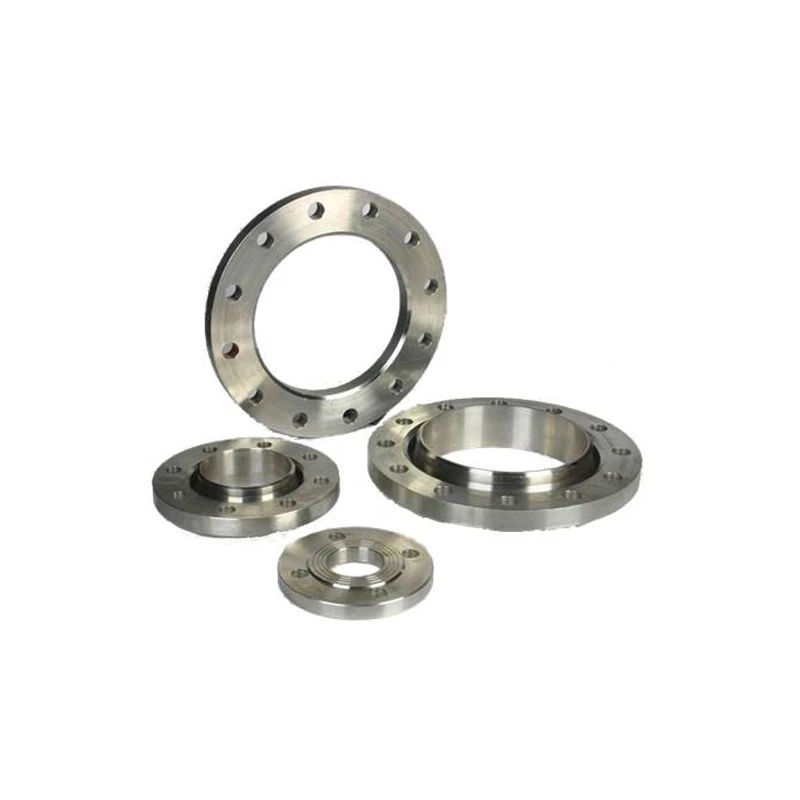
    Flange Product Introduction Flanges are used to connect pipes to pipes or pipes to equipment, ensuring a sealed and stable connection. They prevent fluid leakage and can withstand certain pressures and stresses, ensuring reliable connections. Flange nominal diameters range from DN15-DN2000 and beyond, covering various pipeline connection needs. Flanges primarily adhere to international standards such as ASME B16.5-2020, ASME B16.47-2020, and API 6A-2018.
    VIEW ALL
  • Factory Prefabricated Products

    Factory Prefabricated Products

    In modern industrial construction, the quality and supply efficiency of pipe fittings directly affect the success or failure of the project. With advanced production concept and strong technical strength, we focus on the factory prefabrication of products, and provide all-round pipe fitting solutions for many key fields such as petrochemical industry and coal chemical industry.
    VIEW ALL
To create value for customers!
Cangzhou Leo Technology Co., Ltd. is located in Mengcun County Economic Development Zone, Cangzhou City, Hebei Province. It is a specialized high-tech enterprise that integrates the research and development, production, and sales of composite pipes and fittings.
News
The company regards product quality as the life of the enterprise, establishes a sound quality management system in accordance with the requirements of industry and national standards, controls all aspects of input and output in the whole process, pays attention to every detail, and ensures that the product delivery pass rate is 100%.
Ultimate Guide to 4130 Tubing Strength Performance and Applications
Ultimate Guide to 4130 Tubing Strength Performance and Applications

In the world of high-performance engineering, material selection is the foundation of safety and efficiency. 4130 tubing is widely regarded as the gold standard for applications requiring an exceptional strength-to-weight ratio. This chrome-molybdenum alloy steel is engineered to withstand extreme stress while remaining lightweight enough for aerospace and automotive use. Whether you are designing a roll cage, a bicycle frame, or a critical industrial component, understanding the nuances of this material is essential. In this comprehensive guide, we will explore why this specific alloy is preferred by engineers worldwide and how to choose the right specifications for your project.
Properties and Industrial Applications of 4130 steel tubing
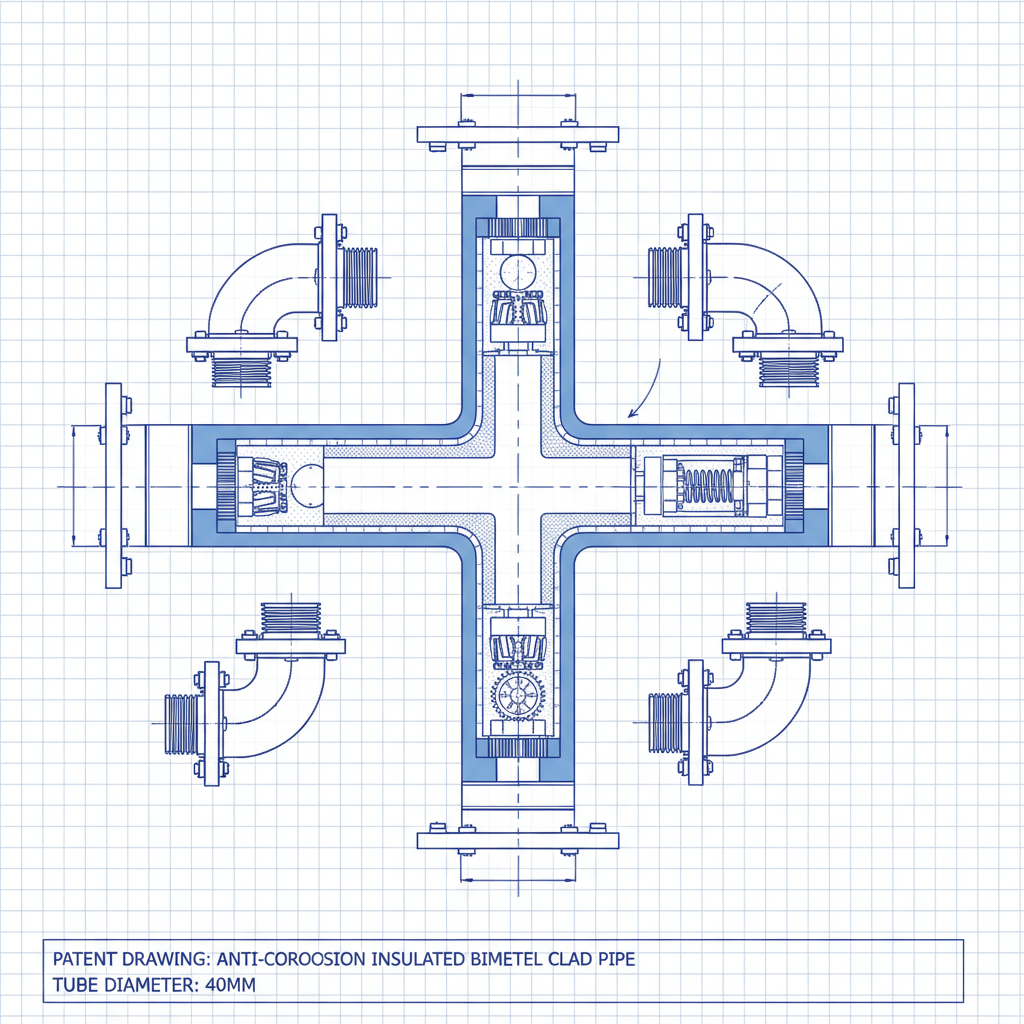
Properties and Industrial Applications of 4130 steel tubing

In the world of high-performance engineering, material selection is the foundation of safety and efficiency. 4130 steel tubing is widely recognized as the gold standard for applications requiring an exceptional strength-to-weight ratio. Known for its versatility and reliability, this chromium-molybdenum alloy is the preferred choice for everything from aircraft frames to professional roll cages. Understanding the nuances of this material allows engineers to optimize structural integrity without adding unnecessary bulk. In this comprehensive guide, we will explore why this specific alloy remains a top choice for critical industrial and aerospace components.
Comprehensive Guide to 40mm Steel Tube Applications and Material Selection
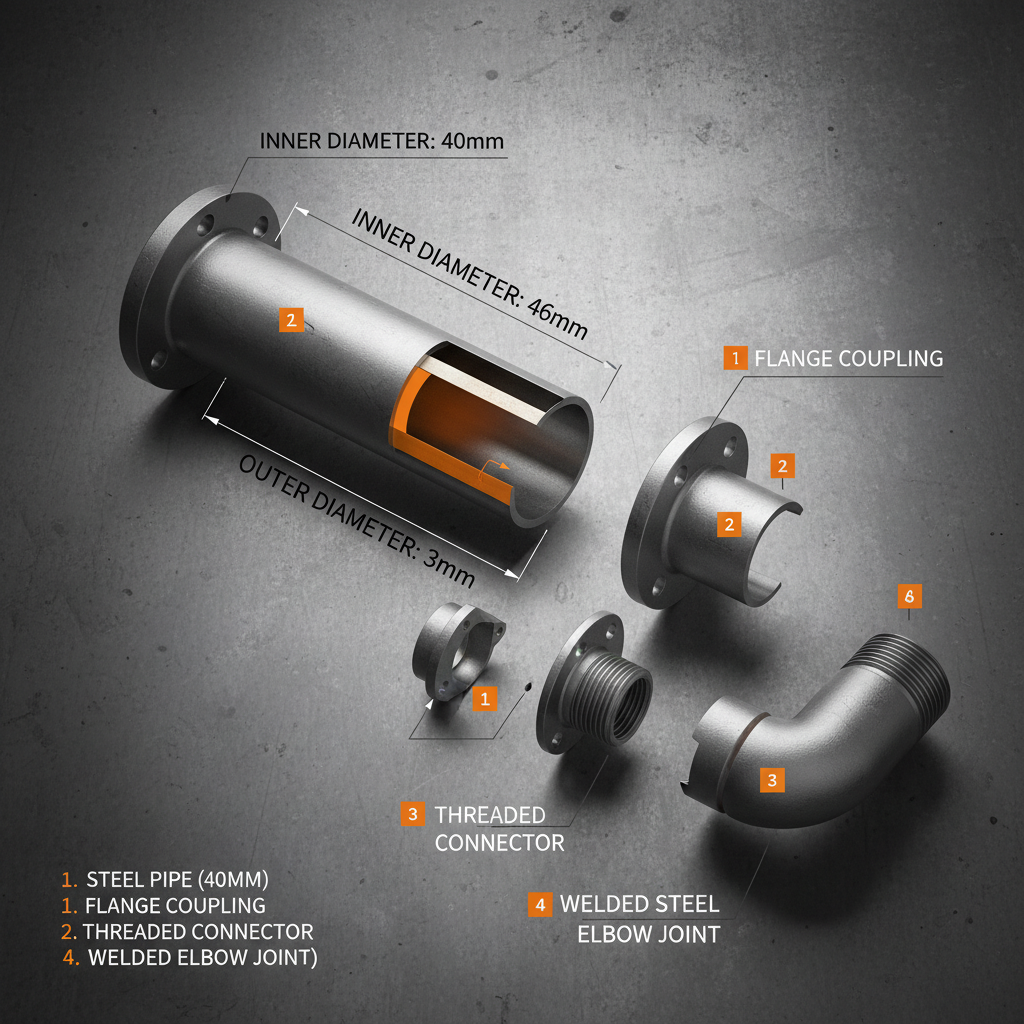
Comprehensive Guide to 40mm Steel Tube Applications and Material Selection

40mm steel tube is a versatile and widely used material in various industries, from construction and manufacturing to automotive and beyond. Its strength, durability, and cost-effectiveness make it an ideal choice for numerous applications. This article will delve into the characteristics, applications, benefits, and considerations when working with 40mm steel tube, providing a comprehensive overview for professionals and anyone interested in this essential material.
Comprehensive Guide to 40mm Steel Pipe Applications and Considerations
Comprehensive Guide to 40mm Steel Pipe Applications and Considerations

40mm steel pipe is a widely used material in various industries due to its strength, durability, and cost-effectiveness. From construction and infrastructure projects to industrial applications and fluid transportation, this pipe size offers a versatile solution. This article will delve into the properties, applications, standards, and key considerations when selecting 40mm steel pipe, helping you make informed decisions for your specific needs.
Comprehensive Guide to 40mm Metal Pipe Applications and Sourcing
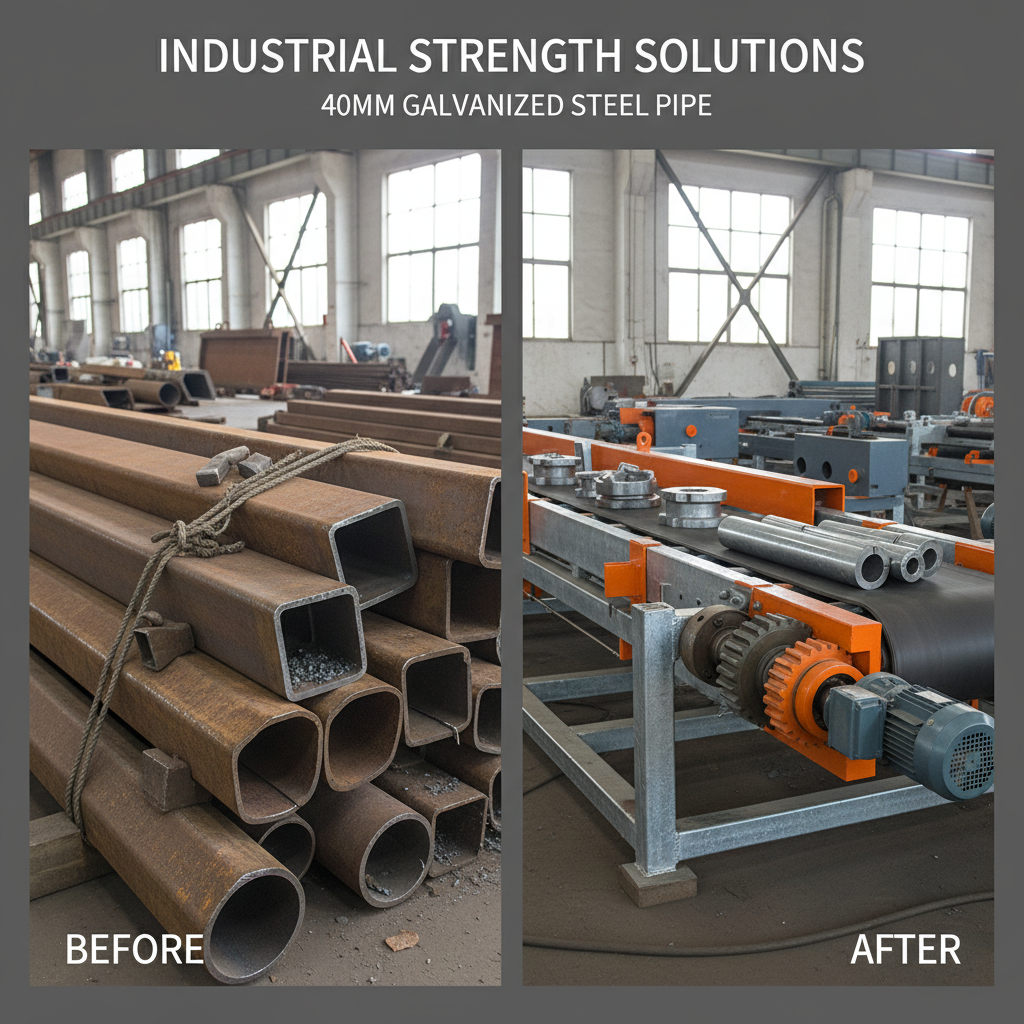
Comprehensive Guide to 40mm Metal Pipe Applications and Sourcing

40mm metal pipe is a crucial component in a wide array of industries, from construction and plumbing to industrial manufacturing and fluid transport. Its strength, durability, and versatility make it a preferred material for countless applications. This article will delve into the specifics of 40mm metal pipe, exploring its various types, common uses, benefits, and where to source high-quality piping solutions.
Comprehensive Guide to 40mm Galvanised Pipe Applications and Specifications

Comprehensive Guide to 40mm Galvanised Pipe Applications and Specifications

When planning a plumbing, structural, or industrial project, selecting the right piping material is crucial. 40mm galvanised pipe is a widely used option known for its strength, durability, and corrosion resistance. This article provides a detailed overview of 40mm galvanised pipes, exploring their applications, benefits, specifications, and considerations for optimal usage. We'll cover everything from what galvanisation is to how to choose the right pipe for your specific needs.
tel email tel top

If you are interested in our products, you can choose to leave your information here, and we will be in touch with you shortly.