When we talk about building materials that underpin global infrastructure, galvanized metal pipe stands out as one of those unassuming heroes. It’s everywhere, yet rarely gets the spotlight it deserves. From urban pipelines supplying clean water to remote regions facing harsh environments — understanding what makes galvanized pipes so reliable matters not only to engineers and construction pros but to anyone interested in sustainable development and industrial resilience.
Globally, corrosion and material degradation cost billions every year. The humble galvanized metal pipe offers a practical, cost-effective way to extend the lifespan of metal piping, addressing massive challenges related to maintenance, safety, and resource efficiency. So why does this seemingly simple product matter on such a big scale? Because, frankly, it’s the linchpin in many systems we take for granted — clean water access, industrial processing, and even humanitarian relief operations.
According to data from the International Organization for Standardization (ISO), corrosion-induced infrastructure failures cost some countries up to 3% of their GDP annually. It’s not just a local problem either. The World Bank estimates that improving pipe durability and reducing leaks can save millions of liters of water daily in urban supply systems worldwide.
And here’s the kicker — galvanized metal pipes are often the go-to solution precisely because they tackle one of the biggest headaches: rust. Rust ruins pipes, compromises safety, and leads to costly repairs or replacements. Galvanized piping dramatically mitigates this problem, ensuring the structure’s integrity for years, even under challenging conditions.
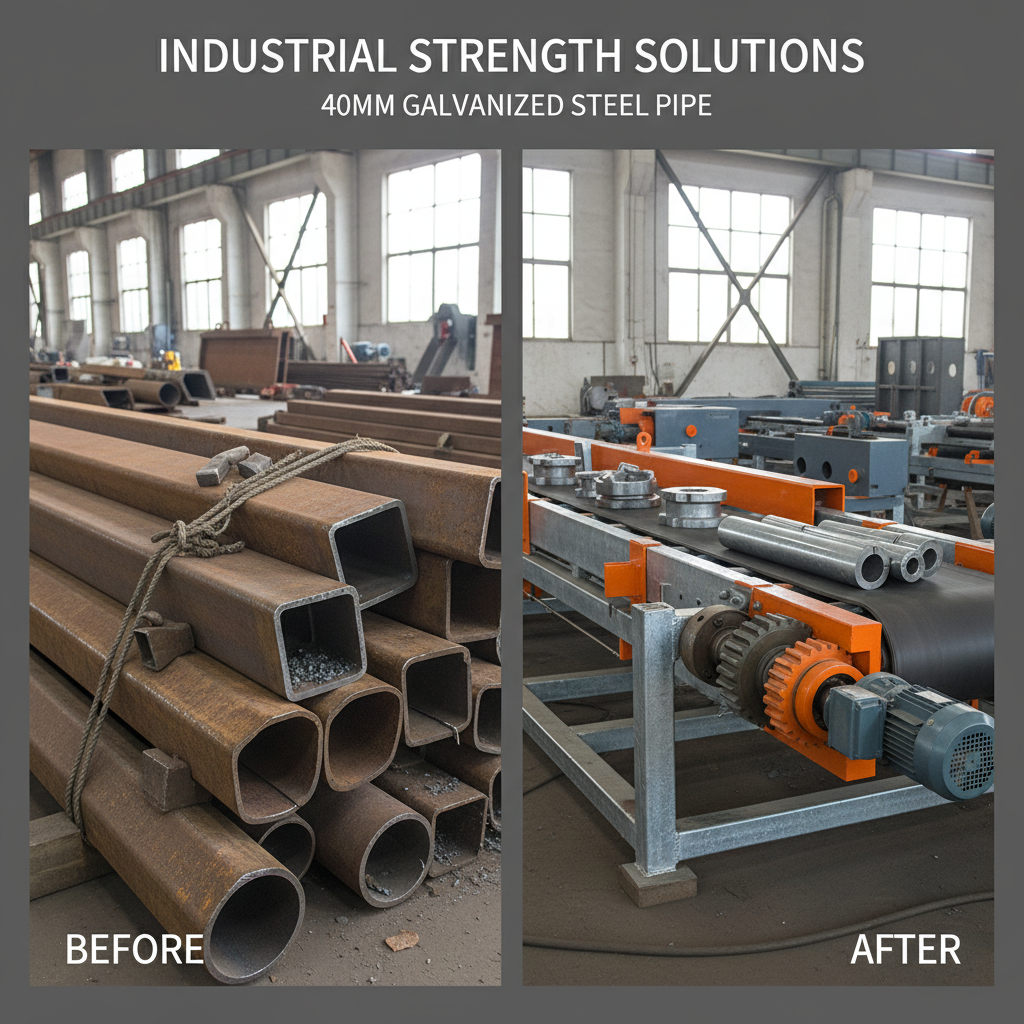
Simply put, a galvanized metal pipe is a steel or iron pipe coated with a thin layer of zinc. This zinc coating acts like armor, preventing oxidation (rust) when the pipe is exposed to moisture or harsh environments. It's like giving steel a weatherproof jacket, really.
Beyond basic tech, these pipes have become vital for modern infrastructure, ranging from residential plumbing to large-scale industrial installations. Their resistance to corrosion also makes them invaluable in humanitarian and emergency contexts where quick and reliable water or gas pipelines need to be set up under tough conditions.
One of the biggest reasons galvanized pipes are preferred is their longevity. The zinc coating naturally inhibits rust, which means you get pipes that can last 30-50 years under typical conditions — sometimes even longer if well maintained. Engineers often note this lifespan contrasts sharply with plain steel pipes that rust and fail quickly.
Galvanization adds upfront cost but significantly decreases maintenance and replacement expenses. For many infrastructure projects, this upfront investment pays off within a few years, especially when considering saved labor and downtime costs. It’s a classic example of spending a little more now to save a lot later.
Whether it’s coastal salt spray, humidity deep in rainforests, or industrial pollutants — galvanized pipes stand up better than their plain steel counterparts. This resistance expands their usability to regions with extreme or variable climates.
Available in many sizes and thicknesses, galvanized pipelines can be tailored to different industrial needs — from small residential lines to massive oil refineries in the Middle East or water supply networks in developing countries.
Compared to more exotic materials like stainless steel or composites, galvanized pipes are relatively straightforward to join, cut, and handle on-site, which speeds up project completion without sacrificing quality.
From what I’ve seen — and from industry reports — galvanized metal pipes play starring roles in:
These wide-ranging uses show how this piping quietly supports both advanced economies and areas struggling with basic infrastructure — quite the versatile product.
When selecting materials, people rightly think about sustainability. Galvanized metal pipes tick many boxes:
It’s a rare case where practical engineering advantages align so well with social benefits — making these pipes an excellent investment.
| Specification | Detail |
|---|---|
| Material | Carbon Steel with Zinc Coating |
| Diameter Range | 21.3 mm to 609.6 mm (1/2 inch to 24 inches) |
| Zinc Coating Thickness | Minimum 45 microns (varies by standard) |
| Standard Length | 6 meters (custom lengths available) |
| Weight | Depends on diameter and thickness (approx. 3–200 kg) |
| Standards | ASTM A53, ISO 1461, EN 10240 |
| Vendor | Product Range | Average Lead Time | Pricing Tier | Global Shipping |
|---|---|---|---|---|
| GlobalPipe Co. | 20 mm to 600 mm; galvanized & coated | 2-3 weeks | Mid | Yes |
| SteelShield Ltd. | Wide range; specialty zinc alloys | 3-5 weeks | High | Yes |
| EcoPipe Solutions | Standard galvanized pipes; eco-friendly packaging | 1-2 weeks | Low-Mid | Regional |
What’s next for galvanized metal pipes? Well, innovation is quietly bubbling under the surface. There’s a growing emphasis on:
Oddly enough, these pipes feel “old school,” but they’re quietly evolving to meet 21st-century demands.
No tech is perfect, and galvanized metal pipe does face some issues:
Industry specialists stress the importance of matching pipe selection to the environment and proper maintenance to beat these challenges.
In real terms, galvanized metal pipes offer a blend of durability, cost effectiveness, and environmental resilience that few materials can match. The coating technology itself may be old — zinc galvanizing dates back over a century — but its application remains relentlessly relevant. Whether it’s renewing aging urban infrastructure or rapidly deploying water lines post-disaster, these pipes continue to protect lives and investments worldwide.
If you’re looking to upgrade or design piping systems that stand the test of time and weather, explore the options at Lion Pipeline — a trusted resource with worldwide expertise and a range of galvanized metal pipes ready to meet your project demands.
Choosing galvanized metal pipe means choosing longevity, sustainability, and peace of mind — kind of like investing in reliability itself.
References:
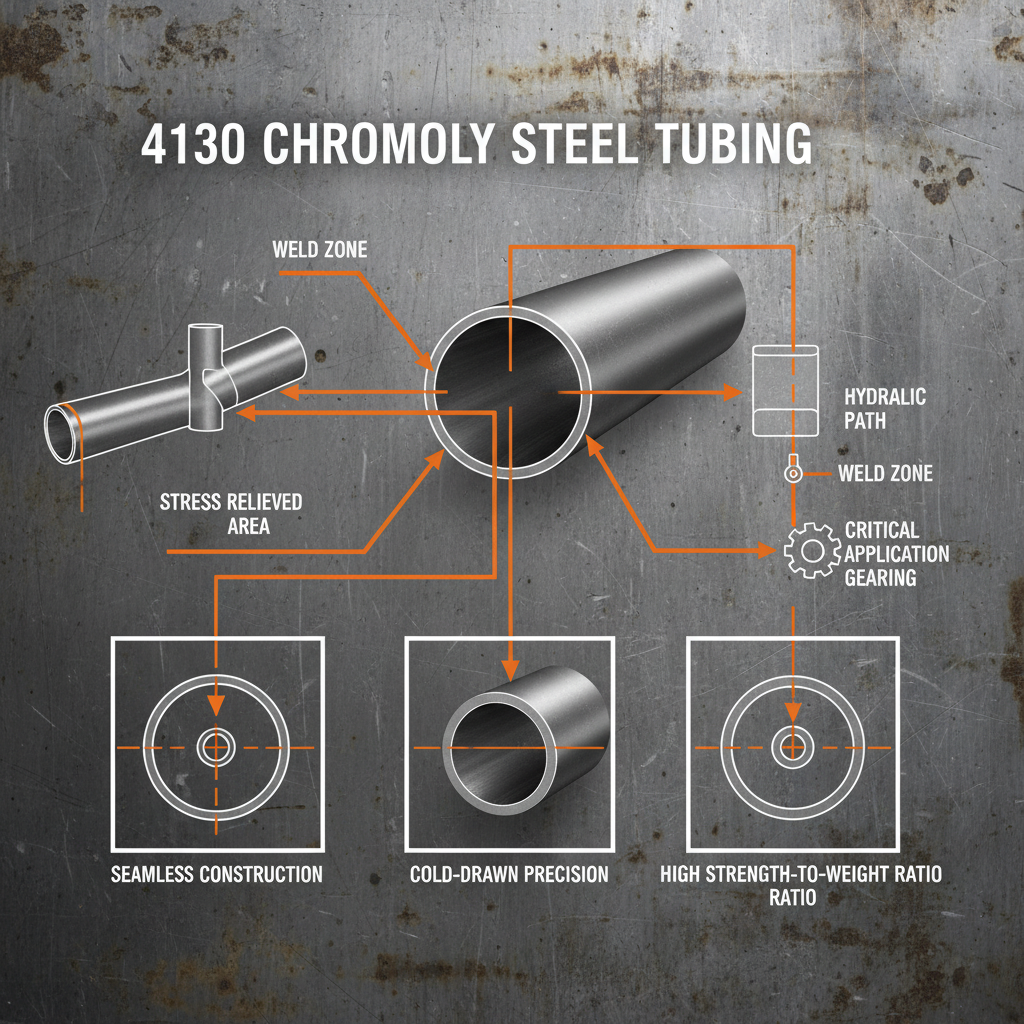
Ultimate Guide to 4130 Tubing Strength Performance and Applications
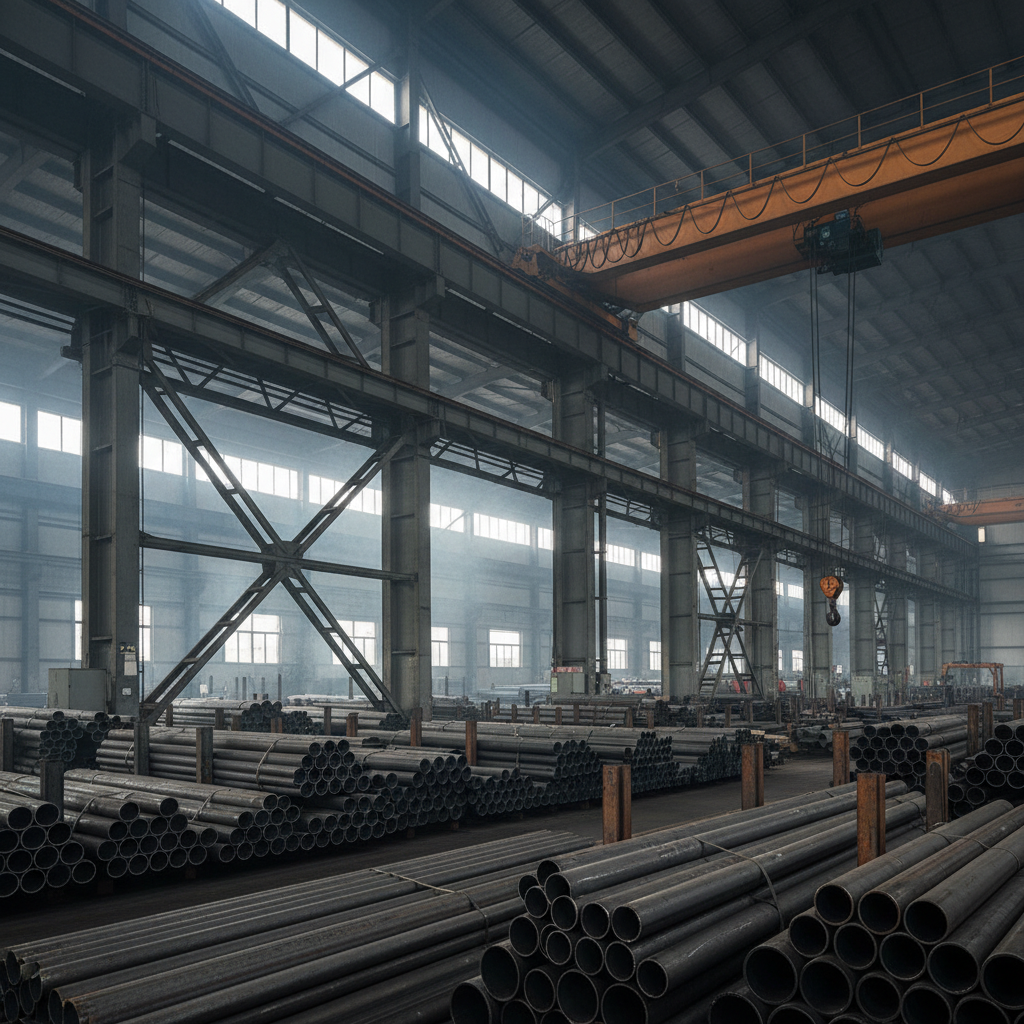
Properties and Industrial Applications of 4130 steel tubing
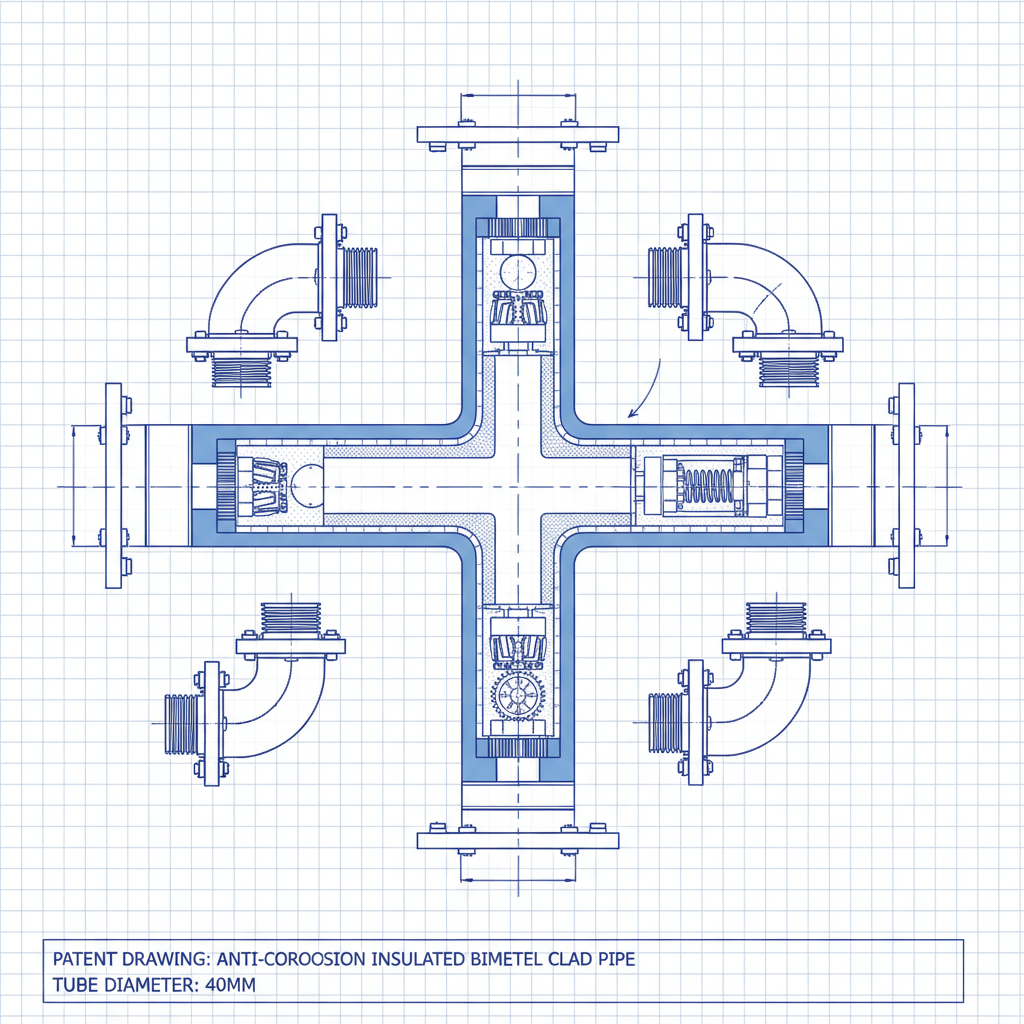
Comprehensive Guide to 40mm Steel Tube Applications and Material Selection
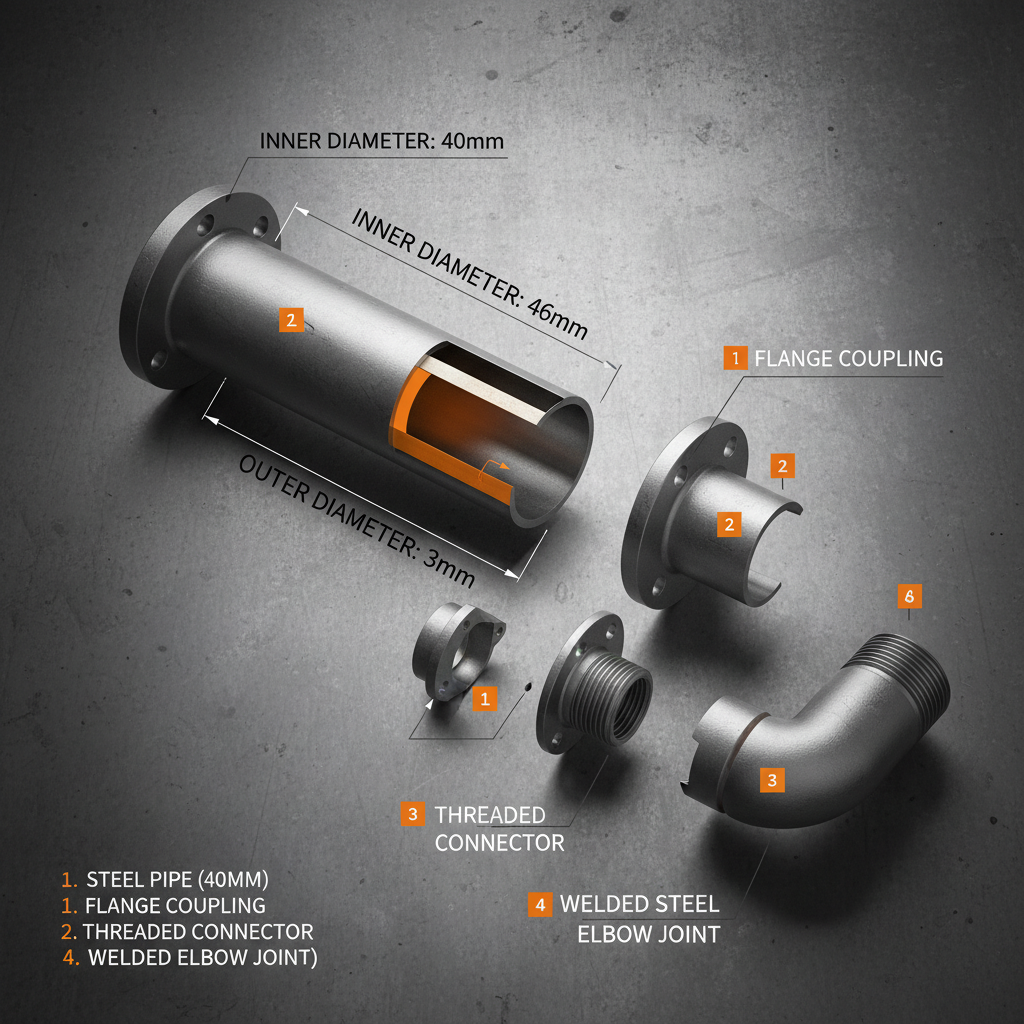
Comprehensive Guide to 40mm Steel Pipe Applications and Considerations
Comprehensive Guide to 40mm Metal Pipe Applications and Sourcing
Comprehensive Guide to 40mm Galvanised Pipe Applications and Specifications