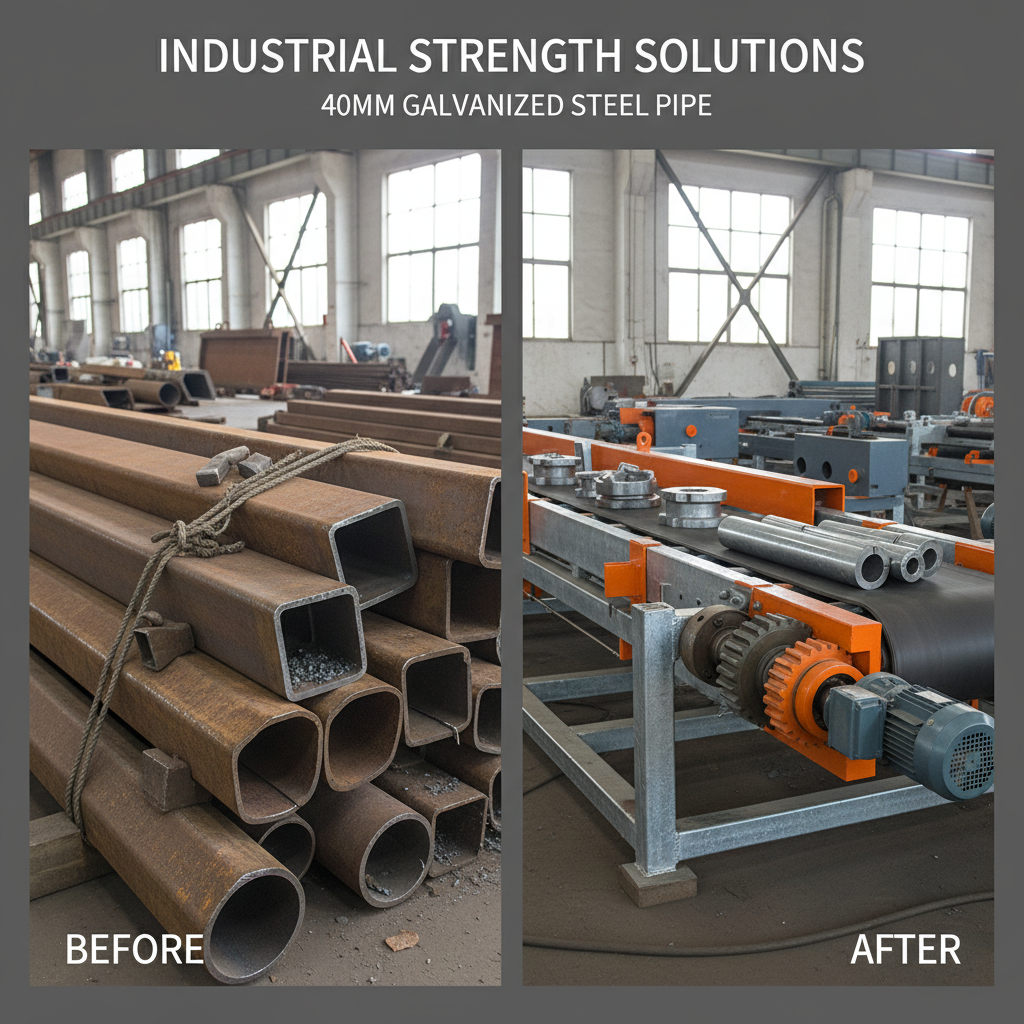
Understanding Galvanized Pipe OD: Why Outer Diameter Matters Globally
Galvanized pipe outer diameter (OD) might sound like a mundane technical spec, but it's absolutely foundational for countless infrastructure projects worldwide. Whether you’re building water supply lines in bustling cities or assembling makeshift shelters after natural disasters, knowing the galvanized pipe OD ensures compatibility, durability, and safety.
Globally, galvanized steel pipes are used extensively for plumbing, scaffolding, fencing, and more. According to ISO standards and regional regulations, precise sizing — including the outer diameter — is essential to meet mechanical and environmental demands. Faulty specs can lead to costly delays, safety hazards, or early failure.
In short: understanding galvanized pipe OD isn't just a dry measurement. It's a gateway to reliable construction, sustainable engineering, and disaster resilience.
---
The Global Landscape of Galvanized Pipe OD
Galvanized pipe OD is more than raw numbers on a datasheet — it reflects a complex global supply chain shaped by demand from emerging economies, urban expansion, and industrial modernization. To put things in perspective, the global galvanized steel pipe market was valued north of $30 billion as of 2022 with steady growth expected (source: World Bank).
Challenges arise because different countries follow varied measurement systems — like Inch Standard vs. Metric Standards — which complicates cross-border sourcing. For engineers and procurement teams, mismatches in pipe OD can cause installation headaches and increased waste.
Moreover, galvanized pipes get battered by corrosion, especially in harsh climates or industrial zones. Correct OD choice often extends the service life, averting replacement costs and downtime.
Mini takeaway: Global industry and humanitarian projects rely on consistent galvanized pipe outer diameters — small variations have outsized consequences.
---
What Exactly Is Galvanized Pipe OD?
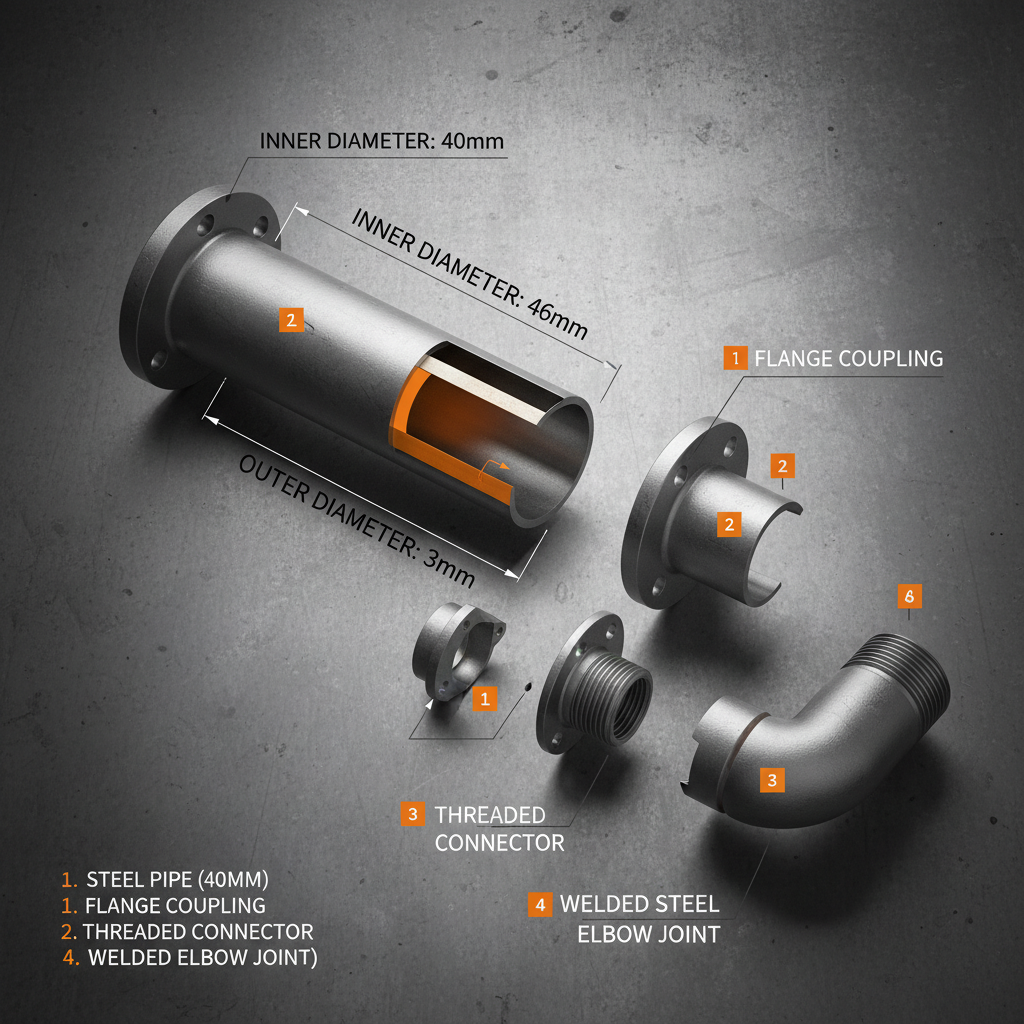
Simply put, the galvanized pipe outer diameter refers to the measurement across the outside of the pipe, usually in inches or millimeters. For instance, a 2-inch galvanized pipe OD means the pipe’s outer circumference measures roughly 2 inches in diameter.
In modern industry, galvanized pipes are steel tubes coated with zinc to ward off rust and corrosion. They're pivotal in water supply, gas lines, and structural scaffolding. The OD dimension dictates how pipes fit with connectors, valves, and other components in a system.
The humanitarian aspect? Imagine emergency shelters built from galvanized steel tubing — specified OD ensures rapid assembly without last-minute adjustments or safety compromises.
Mini takeaway: Galvanized pipe OD is less about the pipe’s wall thickness and more about fitting and function.
---
Key Factors Behind Galvanized Pipe OD
1. Durability & Corrosion Resistance
The zinc coating on pipes guards against rust — but only if you choose the right OD aligned with intended wall thickness. Heavier pipes (bigger OD) generally endure tougher pressure and last longer against chemical exposure.
2. Standardization & Compatibility
Ambiguous measurements can wreck projects. Hence international standards (like ASTM A53) regulate galvanized pipe OD. Compliance guarantees that pipes integrate smoothly with fittings and infrastructure.
3. Cost Efficiency
Larger OD means more material and higher cost. Yet undersizing can cause leaks or failures, raising long-term expenses. So, a balance is critical — typically governed by application specific codes.
4. Scalability and Modularity
In systems like temporary housing, modular pipelines benefit from uniform OD sizes for quick mass assembly. It’s a smart way to save labor and speed construction when time is short.
5. Weight and Handling
Simply put, bigger OD pipes weigh more, sometimes limiting manual handling on site. Transport logistics and machinery capabilities need to be factored in, often overlooked until the last minute.
Mini takeaway: Galvanized pipe OD directly influences strength, cost, and ease of installation — it’s an unsung hero of project success.
---
How Galvanized Pipe OD Drives Real-Life Projects
In Southeast Asia’s booming urban centers, galvanized pipe OD specs ensure water supply pipelines last decades. Meanwhile, NGOs deploying temporary clinics after floods appreciate pipes that measure identically across continents, expediting assembly.
For instance, a recent relief operation in the Philippines relied on standardized galvanized pipe OD for quickly building sanitation units — the compatibility meant hundreds of units went up in days instead of weeks.
In mining regions of South America, large-diameter galvanized pipes withstand abrasive slurry transport, while in Europe, smaller OD pipes form neat, corrosion-resistant gas lines.
Mini takeaway: The same galvanized pipe outer diameter dimension keeps projects—from disaster relief to industrial mining—running smoothly worldwide.
---
Galvanized Pipe OD Specifications At a Glance
| Nominal Pipe Size (inches) |
Outer Diameter (mm) |
Wall Thickness (mm) |
Weight (kg/m) |
Common Uses |
| 1/2" |
21.3 |
2.77 |
2.27 |
Residential plumbing |
| 1" |
33.7 |
3.38 |
4.02 |
Water supply lines |
| 2" |
60.3 |
3.91 |
7.65 |
Industrial scaffolding |
---
Advantages and Long-Lasting Benefits of Choosing the Right Galvanized Pipe Outer Diameter
On paper, correct OD specs mean better fit and less waste. But frankly, the payoff includes added safety for workers, prevention of leaks that can sour reputations, and a subtle dignity in solid workmanship. After all, nobody wants to worry if pipes will snap in freezing winters or slump in humid tropics.
Environmentally, galvanized pipes reduce replacement frequency, cutting raw material and energy use over decades—helpful in the fight against resource depletion.
Socially, reliable pipelines deliver clean water and gas, fundamental to health and economic development. It's that phrase again: infrastructure sustains lives.
Mini takeaway: The right galvanized pipe OD fosters sustainability, social wellbeing, and engineering excellence.
---
The Future: Trends Impacting Galvanized Pipe Outer Diameter
Emerging tech like advanced zinc coatings and automated measuring systems are poised to refine galvanized pipe OD quality control. Digital twins of pipeline networks now factor precise OD for predictive maintenance, minimizing downtime.
Sustainability laws in Europe and Asia increasingly push manufacturers towards eco-friendlier galvanizing methods, influencing pipe dimensions as coatings modify thickness profiles.
And oddly enough, additive manufacturing experiments with zinc-based layers may someday let engineers “print” pipes with optimal diameter and coating designs — a quirky idea, but not far-fetched.
Mini takeaway: Innovation in materials and monitoring is tightening galvanized pipe OD consistency — a trend for safer, greener pipelines.
---
Common Challenges and How Experts Solve Them
Despite standards, confusion over nominal vs. actual OD plagues field teams. Mismatched specs can infect an entire supply chain, leading to delays or costly reorders.
Experts recommend detailed pre-project reviews and adopting global standards like ISO 6708. Also, investing in field verification tools helps troubleshoot discrepancies early.
Coating thickness variance sometimes affects overall OD, so quality control at galvanizing plants is improving with inline laser scanning.
In tricky environments (like corrosive coastal zones), hybrid coatings and cathodic protection complement galvanized pipes, ensuring integrity.
Mini takeaway: Proactivity, precision, and modern QC are key to overcoming galvanized pipe OD challenges.
---
FAQ: Your Questions on Galvanized Pipe OD Answered
- Q: What is the difference between nominal pipe size and galvanized pipe OD?
A: Nominal pipe size is a standardized label for pipes; it doesn't always equal the actual outer diameter. The galvanized pipe OD refers to the exact outside measurement, which is critical for fittings and connection accuracy.
- Q: How does galvanized pipe OD impact corrosion resistance?
A: While OD itself doesn't affect corrosion, choosing a pipe with proper OD helps ensure adequate wall thickness, which contributes to durability and corrosion delay.
- Q: Can I interchange galvanized pipes with different ODs?
A: Generally, no. Different ODs mean fittings and couplers won’t match, risking leaks or mechanical failure. Always verify OD specs before substitution.
- Q: Is galvanized pipe OD standard across regions?
A: There are variations—US standards differ from metric systems used in Europe or Asia. Sourcing international projects require checking specs carefully.
- Q: Where can I find detailed specs for galvanized pipe OD?
A: Manufacturer datasheets and standards from ASTM or ISO provide precise measurements. For example, unique projects often reference galvanized pipe od.
---
Vendor Comparison: Choosing Your Galvanized Pipe Supplier
| Vendor |
Pipe OD Range (mm) |
Coating Quality |
Certification |
Lead Time |
| Lion Pipeline |
21–600 |
Hot-dip galvanized, ASTM A123 |
ISO 9001, ISO 14001 |
2–4 weeks |
| SteelCo |
15–500 |
Electro-galvanized |
ISO 9001 |
3–6 weeks |
| Global Pipes |
25–700 |
Hot-dip galvanized |
ISO 45001 |
4–8 weeks |
---
Wrapping Up: Why Galvanized Pipe OD Matters More Than You Think
Looking at the galvanized pipe OD from dozens of projects, I always find it fascinating how such a simple measurement underpins so much. It’s a quiet hero in building infrastructure that lasts, supports communities, and even saves lives.
For engineers or planners, remembering that the galvanized pipe OD affects everything from cost to installation speed can prevent headaches and empower smarter choices. If you’re sourcing pipelines or designing new systems, a thorough grasp of OD specs combined with reliable vendors — like
galvanized pipe od specialists — makes all the difference.
So, before your next project, take a moment and check that diameter. It's a small step that leads to big, lasting results.
---
References:
- ISO 6708: Pipe and tube dimensions
- World Bank on Infrastructure Development
- Wikipedia: Galvanization