You might have walked past—or even used—structures, frames, or constructions built with galvanized rectangular tubing without giving them a second thought. Yet, this seemingly humble product quietly supports a vast part of our modern world. Why does this matter? Because understanding the significance of galvanized rectangular tubing helps us appreciate its key benefits, from durability to versatility, all of which ripple across construction, infrastructure, and even humanitarian efforts across the globe.
To put it bluntly, galvanized rectangular tubing is more than just another metal profile; it’s a practical answer to pressing global needs like quick-build shelters, long-lasting infrastructure, and sustainable industrial frameworks.
Globally, construction and manufacturing industries are expected to grow by over 3.5% annually for the next decade (source: World Bank, 2023). With this constant demand, durable materials that can resist environmental wear become critical. Galvanized rectangular tubing, coated with a zinc layer to prevent rust, has carved a niche due to its resistance to corrosion — a serious problem in humid, marine, and industrial zones worldwide.
Consider regions prone to extreme weather or coastal areas where steel structures often succumb to rust and fail prematurely. Galvanized tubing offers a cost-effective solution, often doubling the life expectancy of steel components — ironic but essential given that untreated steel rusts away like old forgotten fences.
Plus, its consistent shape and sized profiles optimize assembly lines and engineering designs, reducing waste and speeding up construction times, which is crucial when responding to demands like emergency housing after natural disasters.
In simple terms, galvanized rectangular tubing is steel shaped into hollow rectangular sections and coated with a protective zinc layer, preventing rust and corrosion. This zinc coating (often done via hot-dip galvanizing) acts like an invisible armor, shielding steel even if scratched.
Why rectangular tubing? The shape offers incredible structural strength and versatility—used as framing in construction, supports in industrial racks, or frameworks in transportation.
This product connects deeply with modern industry needs—think modular housing, green energy frames, and humanitarian shelters. It’s almost like the “workhorse” of metal tubing, offering easy handling and high performance.
The zinc coating is the real game changer here. It shields tubing from moisture and chemical exposure, providing multi-decade lifespan in environments where untreated steel would rust away within a few years. This matters hugely for reducing maintenance costs and downtime in infrastructure projects.
Despite its hollow profile, rectangular tubing offers excellent mechanical strength. It supports heavy loads without the weight penalty of solid steel, which means easier transport and installation—a big plus in both industrial and remote construction.
Thanks to its extended service life and lower maintenance needs, galvanized tubing saves money in the long haul. Additionally, its uniform dimensions streamline fabrication and welding tasks, letting companies optimize resource use.
From tiny supports in furniture to large frames in warehouses, sizes and thicknesses vary widely. The tubing seamlessly adapts to different projects, including scalable solutions in modular architecture and industrial automation.
Steel is 100% recyclable, and combining it with galvanizing extends its life significantly. This reduces the demand for new raw materials and waste. In an era where green construction is more than a buzzword, galvanized rectangular tubing fits nicely.
Let’s talk applications, because that’s where all the specs meet reality. You’ll find galvanized rectangular tubing everywhere:
For example, NGOs in the Philippines deploy galvanized rectangular tubing frames for modular homes after typhoons. These units can be assembled quickly by local teams and withstand the tropical climate very well.
| Specification | Typical Range/Value | Notes |
|---|---|---|
| Material | Carbon Steel, Hot-Dip Galvanized | Standard zinc coating thickness: 85–275 g/m² |
| Dimensions (Width x Height) | 20x40 mm to 150x300 mm | Custom sizes often available |
| Wall Thickness | 1.5 mm to 6.0 mm | Thicker walls for heavy-duty uses |
| Length | 3 m, 6 m (standard) | Cut-to-size also common |
| Finish | Hot-dip galvanized (HDG) | Provides corrosion resistance |
| Feature | Vendor A | Vendor B | Vendor C |
|---|---|---|---|
| Surface Coating Quality | ISO certified HDG, 275 g/m² | Standard HDG, 150 g/m² | Double-layer galvanized |
| Range of Sizes | 20x40 mm to 150x300 mm | Limited: 40x80 mm to 100x200 mm | Full custom sizing |
| Lead Time | 1-2 weeks | 3-4 weeks | Varies by order |
| Price (per meter) | $3.45 | $2.90 | $4.10 (premium) |
| Customer Support | Technical consulting included | Standard email support | 24/7 hotline |
First off, galvanized rectangular tubing saves money over its lifecycle. How? It stays rust-free longer, meaning less repair, replacement, and downtime. Industries rely on it for that dependability — a feature that literally keeps operations running and structures standing.
Beyond dollars, there’s the emotional and social dimension. In disaster zones, strong, sturdy frameworks mean safety and dignity for displaced families. In manufacturing, it enables innovation by providing reliable building blocks for new machines and automation systems.
Plus, because steel is recyclable and the galvanizing process extends its usable life, it’s a friendlier choice in a world increasingly worried about environmental footprints.
The future looks bright and somewhat shiny. Research is pushing towards more advanced coatings that not only prevent rust but also self-heal microscopic scratches, extending life further. Other trends include integration with smart sensors for predictive maintenance—imagine tubing that signals when it’s under stress.
Digital fabrication techniques like laser cutting and robotic welding improve the precision and customization of tubing, reducing waste and accelerating builds. Meanwhile, the move towards green energy infrastructure (solar farms, wind turbine supports) increasingly relies on galvanizing to protect components in harsh environments.
Despite its many benefits, there are challenges. Hot-dip galvanizing can add weight and thickness beyond some design limits. Also, extreme mechanical loads may require thicker or specially treated tubing, which ramps costs.
Experts recommend pairing galvanized tubing with advanced composite reinforcements or using hybrid designs that balance cost and performance. On the supply side, fluctuating zinc prices can affect affordability, but growing recycling and alternative coating methods help mitigate this.
In the grand scheme, galvanized rectangular tubing quietly powers much of our built and industrial environment thanks to its durability, adaptability, and eco-friendliness. Whether in bustling cities, remote factories, or emergency shelters, this metal profile underpins safety, innovation, and sustainability.
If you’re considering incorporating galvanized rectangular tubing into your next project, or simply want to explore trusted suppliers, don’t hesitate to visit our website. It’s a small step towards making infrastructures stronger and more sustainable worldwide.
Ultimate Guide to 4130 Tubing Strength Performance and Applications
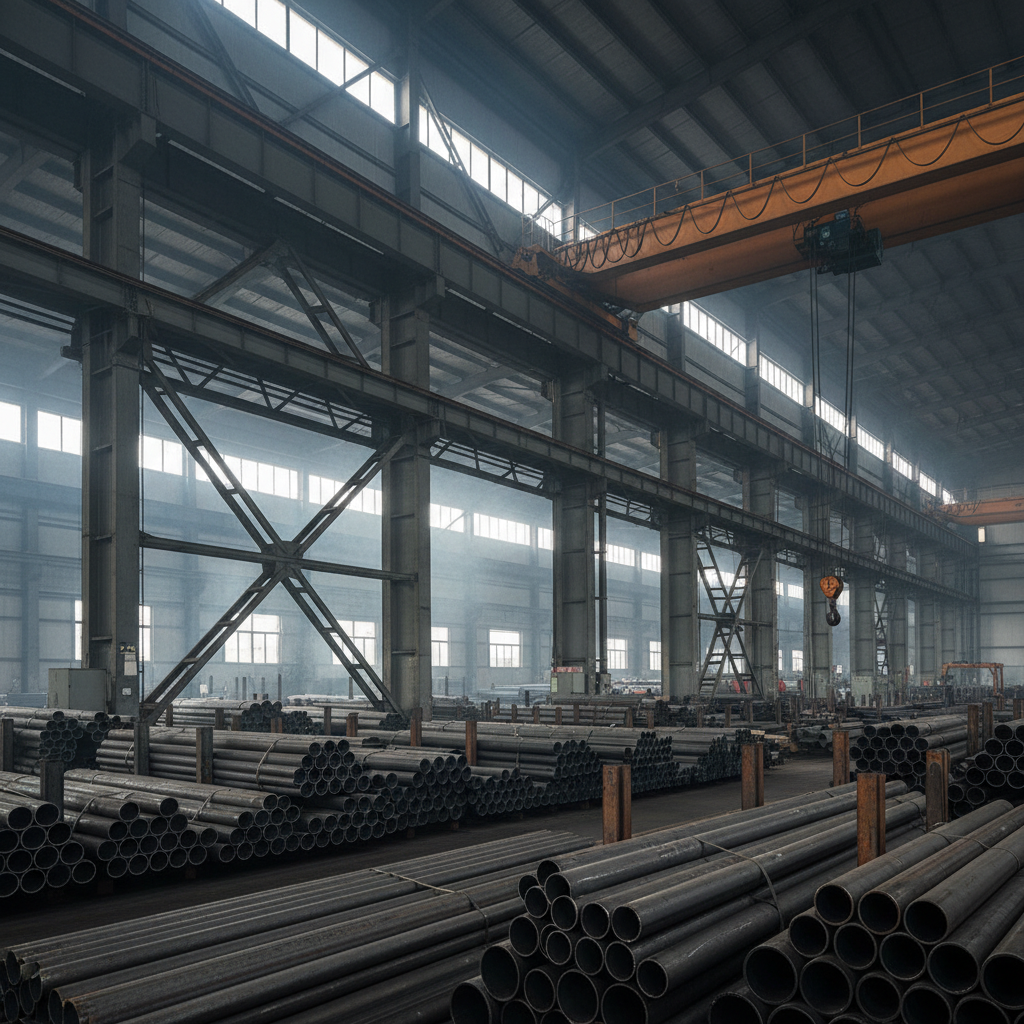
Properties and Industrial Applications of 4130 steel tubing
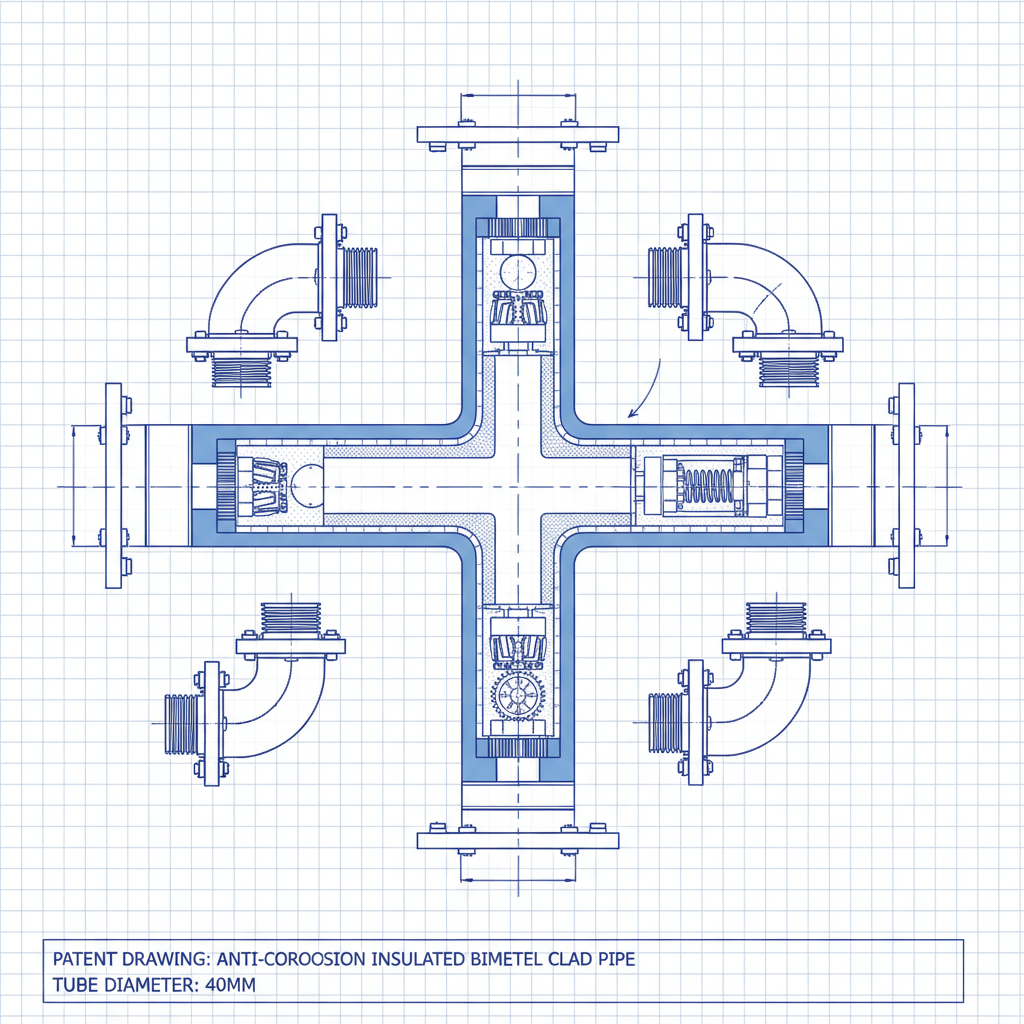
Comprehensive Guide to 40mm Steel Tube Applications and Material Selection
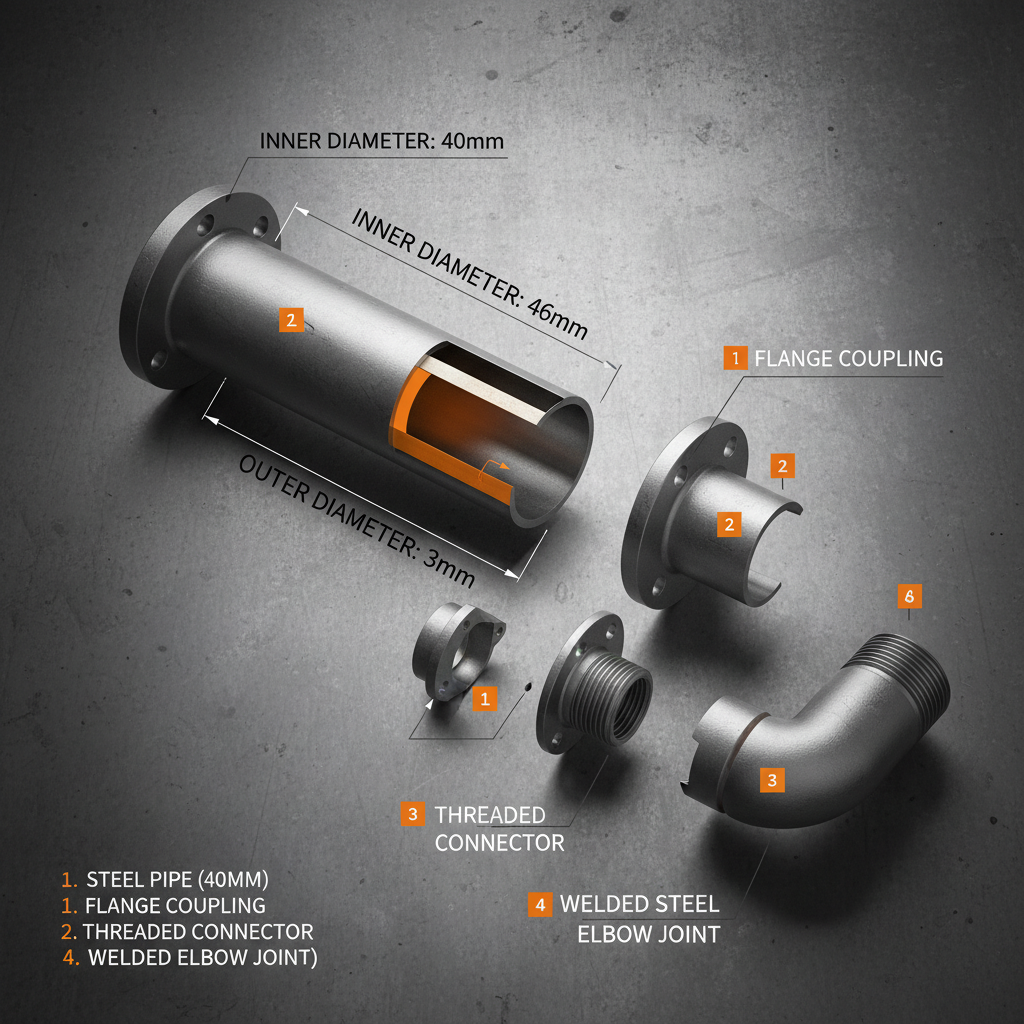
Comprehensive Guide to 40mm Steel Pipe Applications and Considerations
Comprehensive Guide to 40mm Metal Pipe Applications and Sourcing
Comprehensive Guide to 40mm Galvanised Pipe Applications and Specifications