tel
Email
to top

Expert Insights on Gas Tubing: Applications, Innovations & Vendor Comparison

Dec 01 2025
share:

Gas Tubing: The Unsung Hero of Modern Infrastructure

Gas tubing often flies under the radar in discussions about energy infrastructure and industrial systems, but it’s fundamentally critical to delivering gas safely, efficiently, and sustainably worldwide. Whether powering homes, fueling industries, or supporting emergency relief, understanding gas tubing’s role helps us grasp a vital piece of a complex global puzzle.

On a global scale, reliable gas pipelines and tubing systems underpin everything from heating in cold climates to powering factories in developing countries. According to the International Energy Agency, natural gas accounts for over 23% of the world’s energy consumption, emphasizing the sheer scale and importance of distribution methods like gas tubing to modern life.

Why Gas Tubing Matters Globally

Gas tubing systems knit together regions and industries—think remote areas where infrastructure is thin but energy demands are growing. The World Bank highlights that extending gas infrastructure can significantly boost industrial growth and public health.

Yet challenges remain: aging tubing, leak risks, environmental concerns, and installation costs can hamper efforts to expand or update networks. This is where advances in tubing design and materials become game-changers, improving safety and reducing the carbon footprint of gas transportation.

Mini Takeaway:

  • Gas tubing is essential globally for power, heat, and industry.
  • It links economies and improves living standards.
  • Challenges persist, but innovation drives solutions.

What Is Gas Tubing—Simply Put?

At its core, gas tubing is a network of pipes, usually metal or polymer-based, designed to transport natural or industrial gases under pressure from source points to end-users. Think of it as the veins of energy distribution systems. Unlike large-diameter pipelines, tubing often refers to smaller-diameter, flexible or semi-rigid piping used in residential, commercial, and industrial applications.

Industries—from food processing plants to hospitals—depend daily on precise gas delivery lines. Humanitarian efforts, like bringing clean energy to disaster zones, also lean on quick-to-deploy gas tubing solutions to restore warmth and cooking capabilities.

Mini Takeaway:

  • Gas tubing is piping meant for transporting gases.
  • It ranges from industrial-scale pipelines to smaller tubing systems.
  • Crucial for both everyday use and emergency deployment.

Core Components of Effective Gas Tubing Systems

Durability and Material Integrity

The tubing must resist corrosion, pressure fluctuations, and temperature extremes. Modern solutions often employ stainless steel, polyethylene, or composite materials to balance strength with longevity.

Ease of Installation and Scalability

Flexible tubing that’s lightweight speeds up deployment, especially in challenging terrains or urgent settings. The ability to scale systems modularly also matters, as gas needs evolve or expand.

Cost Efficiency

While robust materials provide security, balancing upfront costs with maintenance and lifecycle expenses remains a puzzle many engineers weigh carefully.

Safety Features and Leak Prevention

Continuous monitoring technologies and precision welding or jointing methods help prevent leaks that can be hazardous and costly.

Compatibility with Gas Types

The tubing often needs to handle diverse gases—from natural gas to specialized industrial mixtures—without degradation or contamination.

Mini Takeaway:

  • Material choice is key for durability and safety.
  • Flexibility and cost must be balanced.
  • Leak prevention is constantly evolving with tech.

Real-World Applications of Gas Tubing

From sprawling urban centers in Europe to remote industrial plants in Southeast Asia, gas tubing plays a starring role:

  • Residential Gas Lines: Supplying clean cooking and heating gas safely to millions of households.
  • Industrial Manufacturing: Many factories use gas tubing to feed furnaces, sterilization units, or chemical processes.
  • Disaster Relief Efforts: After earthquakes or floods, temporary gas tubing setups restore critical energy supplies swiftly.
  • Remote Energy Projects: Microgrids or off-grid communities often rely on gas tubing beneath solar or wind to back up energy needs.

For example, the UN Office for the Coordination of Humanitarian Affairs cites rapid deployment gas lines as essential for refugee camps where infrastructure is non-existent.

Mini Takeaway:

  • Gas tubing is everywhere—urban, industrial, rural, and emergency contexts.
  • Adaptability makes it ideal for diverse applications.

Gas Tubing Specification Table

Specification Typical Value Notes
Material Stainless Steel 316 / HDPE Corrosion resistant options
Diameter Range 10 mm - 500 mm Varies by application
Operating Pressure Up to 150 bar High-pressure lines for industrial uses
Temperature Range -40°C to +120°C Suitable for harsh environments
Connection Type Welded / Flanged / Compression Depends on installation needs

Comparing Leading Gas Tubing Vendors

Vendor Material Selection Customization Price Range Delivery Speed
Lion Pipeline Wide (Steel & HDPE) High – bespoke designs $$$ (mid-range) Fast (2-4 weeks)
Global Tubing Co. Steel only Moderate $$ Average (4-6 weeks)
EcoPipe Solutions HDPE & Composites Limited custom $ (budget) Fast (2-3 weeks)

Long-Term Benefits of Gas Tubing Systems

When you step back, it’s clear gas tubing offers more than just a utility role. There’s a social element: safer, cleaner energy delivery promotes dignity, well-being, and economic growth. Investors and governments look for tubing solutions that marry reliability with sustainability. After all, leaks are environmental hazards, and the industry is under growing pressure to reduce methane emissions.

From a practical standpoint, modern gas tubing assists in simplifying maintenance, reducing outages, and enabling remote monitoring — all adding to the trust communities place in their energy suppliers. Perhaps surprisingly, this sense of trust is often overlooked in technical evaluations, but any engineer or operator will tell you it’s invaluable.

Emerging Innovations in Gas Tubing Technology

Looking ahead, the future of gas tubing seems intertwined with smarter materials and digital tech:

  • Polymer-Based Tubing: Lightweight, flexible piping resists corrosion better than steel.
  • Smart Sensors & IoT Monitoring: Real-time leak detection and pressure monitoring reduce risks dramatically.
  • Hydrogen Compatibility: New tubing materials are being developed to handle hydrogen, a cleaner fuel of the future.
  • Automation in Installation: Robots and drones help speed up laying and inspecting tubing in difficult terrain.
  • Sustainability Initiatives: Bio-based coatings and recyclable tubing materials are gaining traction.

Mini Takeaway:

  • Innovation focuses on safety, environmental impact, and efficiency.
  • Digital tech increasingly integrated with traditional tubing.

Common Challenges and How to Overcome Them

Despite improvements, challenges persist. Corrosion remains a silent enemy in coastal or industrial areas, while installation in rugged terrain can be prohibitively expensive. Moreover, regulatory hurdles slow down upgrades or cross-border deployments.

Solutions include improved material science—like coated steels and composite tubing that extend lifespan—and modular installation systems that cut labor costs. Collaboration between policymakers and suppliers also helps streamline permits and safety standards.

FAQ: Your Practical Questions About Gas Tubing

Q1: How do I choose the right gas tubing material for my industrial project?

A1: It depends on several factors including gas type, pressure, environmental exposure, and budget. Stainless steel is ideal for high pressure and corrosive conditions, while polyethylene (HDPE) tubing suits low-pressure, non-corrosive settings and offers flexibility at lower cost.

Q2: What is the typical lifespan of gas tubing systems?

A2: With proper maintenance, steel tubing can last 30–50 years or more. HDPE and polymer tubing usually have lifespans of 50 years due to better corrosion resistance. Regular inspections and preventive repairs help maximize this.

Q3: Can gas tubing be used for transporting renewable gases like biogas or hydrogen?

A3: Yes, but the tubing must be compatible with the gas chemistry. Hydrogen, for example, requires tubing designed to resist embrittlement. Newer composite or polymer tubing types are increasingly being tested and approved for such uses.

Q4: How quickly can gas tubing be installed in emergency relief scenarios?

A4: Modular and flexible tubing designs enable installation within days in some cases. Pre-fabricated sections and quick-connect fittings reduce labor and technical barriers, making fast deployment viable for disaster zones or temporary camps.

Q5: Where can I find reliable suppliers for custom gas tubing solutions?

A5: Vendors like Lion Pipeline offer bespoke tubing with a good balance of speed, customization, and quality, ideal for specialized industrial or humanitarian applications.

Conclusion: Why Gas Tubing Deserves More Attention

All in all, gas tubing might not grab headlines, but it quietly fuels industries, powers homes, and saves lives every day. It stands at the intersection of engineering, sustainability, and social progress. Keeping abreast of innovations and choosing the right tubing solutions can yield dividends for safety, efficiency, and the planet.

If you want to learn more or source custom, reliable gas tubing solutions, check out Lion Pipeline’s offerings. They combine expert knowledge with practical flexibility, helping meet today’s challenges and tomorrow’s opportunities.
References

  1. International Energy Agency - World Energy Outlook 2023
  2. World Bank Energy Overview
  3. Wikipedia - Pipeline Transport
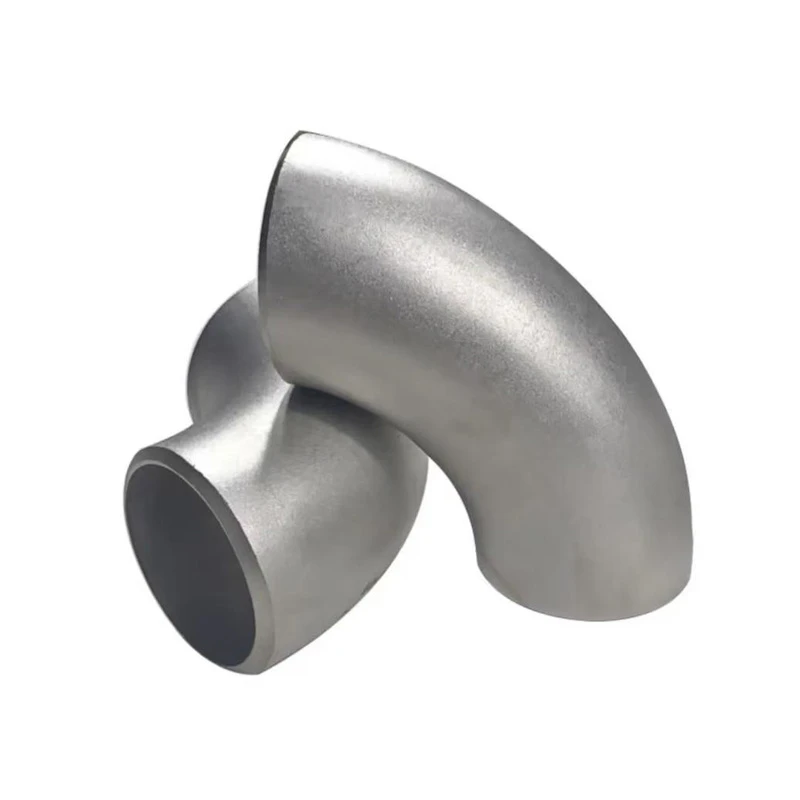
  • Elbow

    Elbow

    Carbon Steel &stainless Steel Elbow Elbows are pipe fittings used to change the direction of pipelines in piping systems, commonly employed at pipeline bends. They are widely used in industries such as petroleum, chemical, and power. The common size range for elbows is DN15-DN2000, and typical angles include 45°, 90°, and 180°.
    VIEW ALL
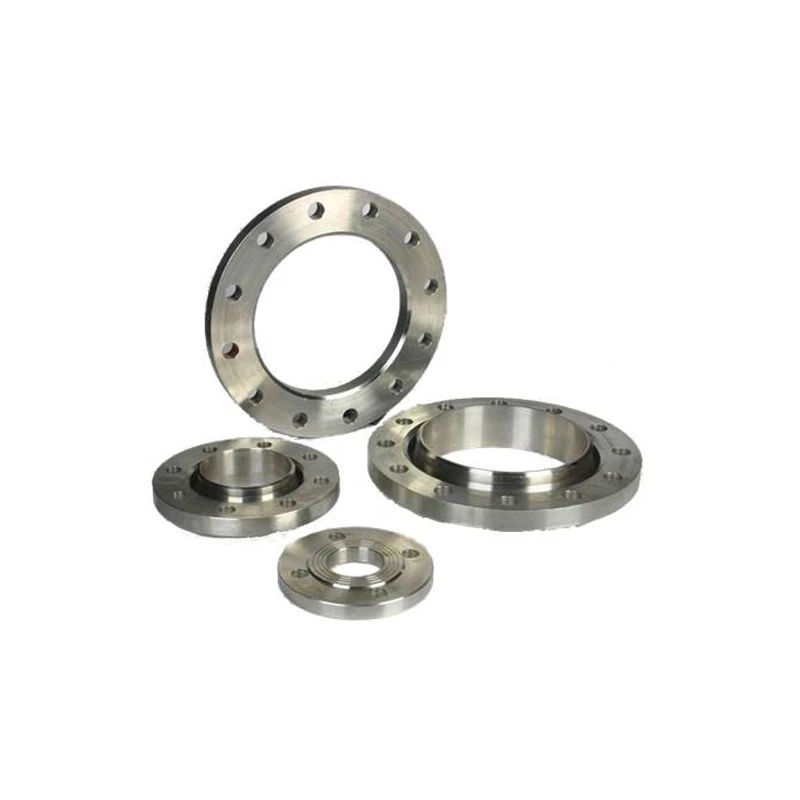
  • Flange

    Flange

    Flange Product Introduction Flanges are used to connect pipes to pipes or pipes to equipment, ensuring a sealed and stable connection. They prevent fluid leakage and can withstand certain pressures and stresses, ensuring reliable connections. Flange nominal diameters range from DN15-DN2000 and beyond, covering various pipeline connection needs. Flanges primarily adhere to international standards such as ASME B16.5-2020, ASME B16.47-2020, and API 6A-2018.
    VIEW ALL
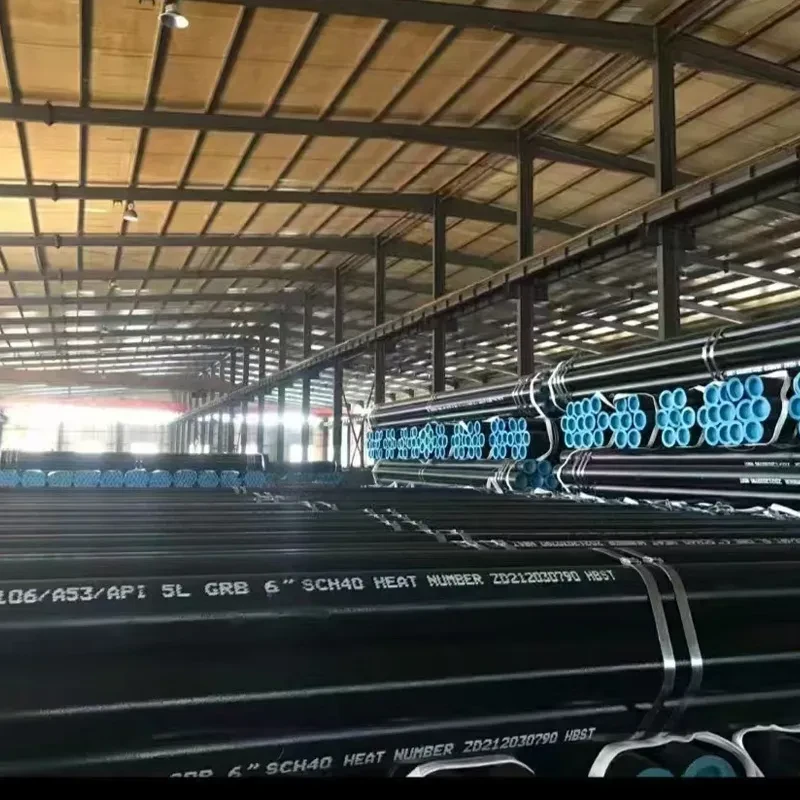
  • Carbon Semless Steel Pipes

    Carbon Semless Steel Pipes

    Carbon Seamless Steel Pipes are made from high-quality carbon steel and manufactured without welded seams, offering exceptional strength, durability, and resistance to pressure. These pipes are ideal for a wide range of applications, including oil and gas pipelines, construction, automotive, and fluid transportation systems. The seamless design ensures uniformity, higher structural integrity, and improved performance under high pressure and temperature conditions.
    VIEW ALL
To create value for customers!
Cangzhou Leo Technology Co., Ltd. is located in Mengcun County Economic Development Zone, Cangzhou City, Hebei Province. It is a specialized high-tech enterprise that integrates the research and development, production, and sales of composite pipes and fittings.
News
The company regards product quality as the life of the enterprise, establishes a sound quality management system in accordance with the requirements of industry and national standards, controls all aspects of input and output in the whole process, pays attention to every detail, and ensures that the product delivery pass rate is 100%.
Ultimate Guide to 4130 Tubing Strength Performance and Applications
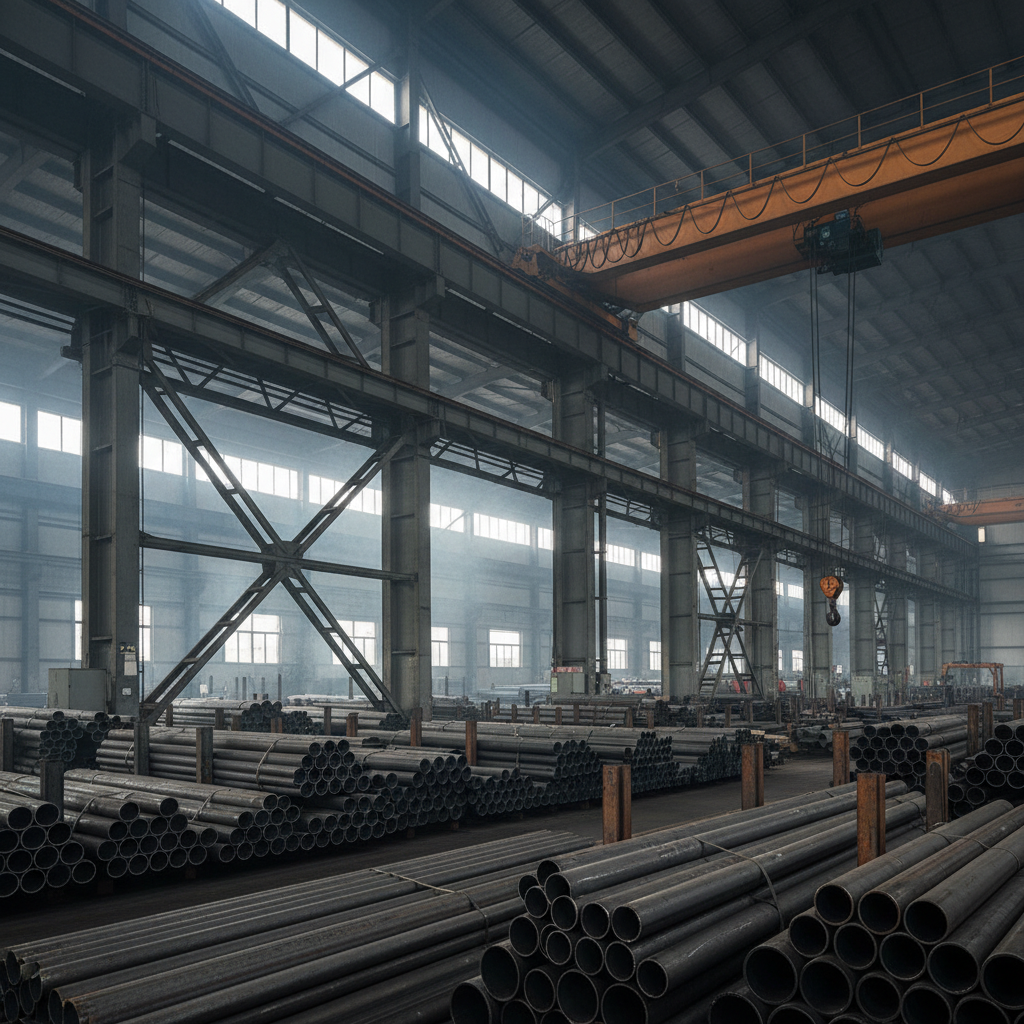
Ultimate Guide to 4130 Tubing Strength Performance and Applications

In the world of high-performance engineering, material selection is the foundation of safety and efficiency. 4130 tubing is widely regarded as the gold standard for applications requiring an exceptional strength-to-weight ratio. This chrome-molybdenum alloy steel is engineered to withstand extreme stress while remaining lightweight enough for aerospace and automotive use. Whether you are designing a roll cage, a bicycle frame, or a critical industrial component, understanding the nuances of this material is essential. In this comprehensive guide, we will explore why this specific alloy is preferred by engineers worldwide and how to choose the right specifications for your project.
Properties and Industrial Applications of 4130 steel tubing
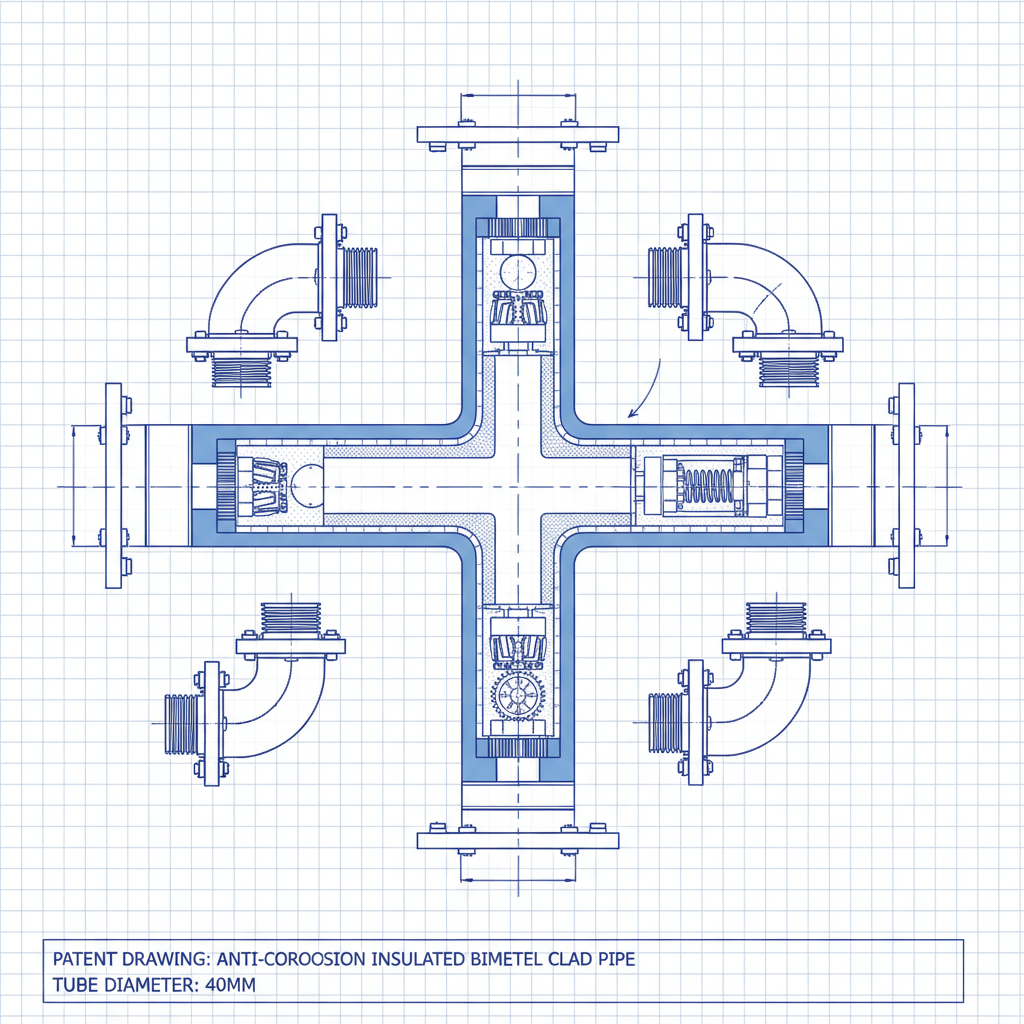
Properties and Industrial Applications of 4130 steel tubing

In the world of high-performance engineering, material selection is the foundation of safety and efficiency. 4130 steel tubing is widely recognized as the gold standard for applications requiring an exceptional strength-to-weight ratio. Known for its versatility and reliability, this chromium-molybdenum alloy is the preferred choice for everything from aircraft frames to professional roll cages. Understanding the nuances of this material allows engineers to optimize structural integrity without adding unnecessary bulk. In this comprehensive guide, we will explore why this specific alloy remains a top choice for critical industrial and aerospace components.
Comprehensive Guide to 40mm Steel Tube Applications and Material Selection
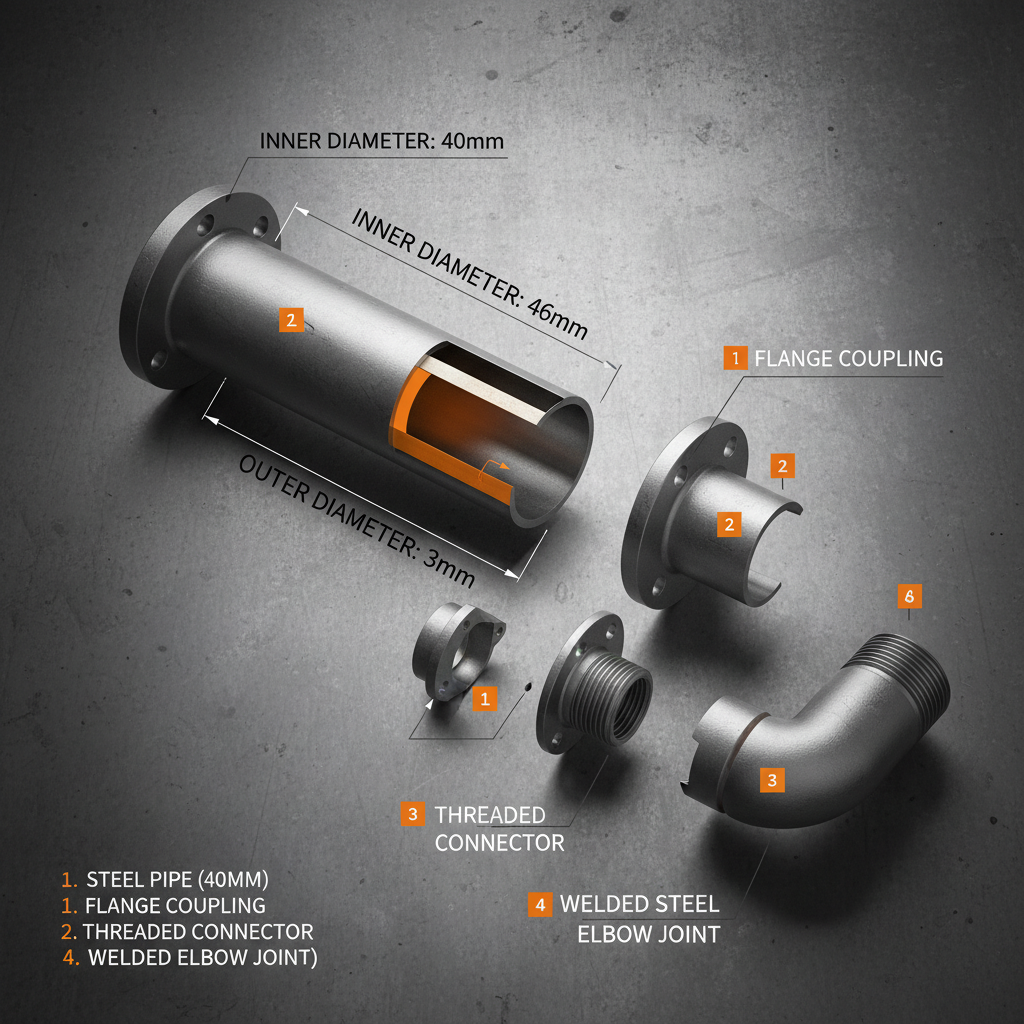
Comprehensive Guide to 40mm Steel Tube Applications and Material Selection

40mm steel tube is a versatile and widely used material in various industries, from construction and manufacturing to automotive and beyond. Its strength, durability, and cost-effectiveness make it an ideal choice for numerous applications. This article will delve into the characteristics, applications, benefits, and considerations when working with 40mm steel tube, providing a comprehensive overview for professionals and anyone interested in this essential material.
Comprehensive Guide to 40mm Steel Pipe Applications and Considerations
Comprehensive Guide to 40mm Steel Pipe Applications and Considerations

40mm steel pipe is a widely used material in various industries due to its strength, durability, and cost-effectiveness. From construction and infrastructure projects to industrial applications and fluid transportation, this pipe size offers a versatile solution. This article will delve into the properties, applications, standards, and key considerations when selecting 40mm steel pipe, helping you make informed decisions for your specific needs.
Comprehensive Guide to 40mm Metal Pipe Applications and Sourcing
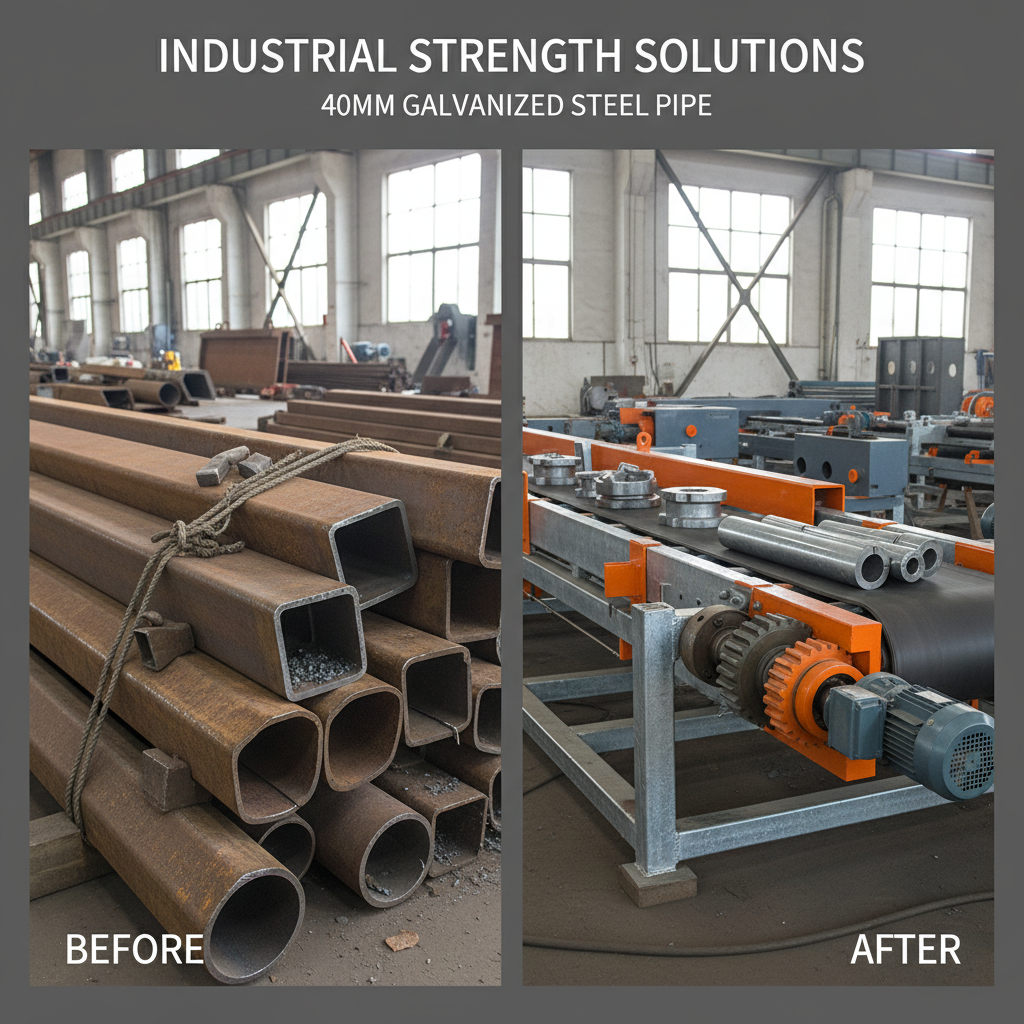
Comprehensive Guide to 40mm Metal Pipe Applications and Sourcing

40mm metal pipe is a crucial component in a wide array of industries, from construction and plumbing to industrial manufacturing and fluid transport. Its strength, durability, and versatility make it a preferred material for countless applications. This article will delve into the specifics of 40mm metal pipe, exploring its various types, common uses, benefits, and where to source high-quality piping solutions.
Comprehensive Guide to 40mm Galvanised Pipe Applications and Specifications

Comprehensive Guide to 40mm Galvanised Pipe Applications and Specifications

When planning a plumbing, structural, or industrial project, selecting the right piping material is crucial. 40mm galvanised pipe is a widely used option known for its strength, durability, and corrosion resistance. This article provides a detailed overview of 40mm galvanised pipes, exploring their applications, benefits, specifications, and considerations for optimal usage. We'll cover everything from what galvanisation is to how to choose the right pipe for your specific needs.
tel email tel top

If you are interested in our products, you can choose to leave your information here, and we will be in touch with you shortly.