At first glance, a gas stove hose pipe might seem like a simple, almost inconspicuous component in our kitchens. But think about it: this flexible connector plays a crucial role in bridging the gas supply from your home's pipeline to your stove burner. Globally, its design, durability, and safety standards impact millions of households and commercial kitchens daily. Why does this matter? Because ensuring a quality gas stove hose pipe isn't just about cooking efficiently—it's about preventing leaks, fires, and potentially deadly accidents. Plus, with the growing demands for safer, more sustainable kitchen infrastructure worldwide, understanding this humble component has become essential for manufacturers, wholesalers, and even consumers.
Fuel-based cooking remains dominant worldwide—until recently, with roughly 2.8 billion people relying on LPG or natural gas for cooking, according to the UN's 2021 energy report. But here's the catch: many regions struggle with substandard piping infrastructure, leading to leaks and accidents. ISO standards on hose pipes attempt to regulate quality, but implementation varies widely by region. For instance, in densely populated countries like India and Indonesia, the sheer volume of kitchen gas appliances has driven innovation toward safer, more heat- and pressure-resistant hose pipes. Meanwhile, in more regulated markets Europe and North America, the focus is shifting to eco-friendly materials and longer-lasting durability.
Truly, the gas stove hose pipe sits at the intersection of global energy trends, urban safety, and evolving materials science. Without it, the simple act of cooking a meal could become a risky business.
In simple terms, a gas stove hose pipe is a flexible tube designed to safely transport gas from the supply line to your gas burner. Imagine it as the final stretch in your kitchen's gas delivery chain. Often made from rubber or reinforced materials with metal fittings on both ends, this hose pipe must withstand high-pressure gas flow, heat, bending movements, and sometimes even rodents nibbling — yes, that problem exists.
Its connection to industry and humanitarian needs is more significant than most realize. In emergency shelters, refugee camps, or remote industrial zones where conventional plumbing is absent, these hose pipes become lifelines for safe cooking. NGOs and governments alike rely on certified, durable gas stove hose pipes to provide quick, reliable solutions to food preparation challenges.
Most conventional gas stove hose pipes use materials like nitrile rubber combined with braided stainless steel reinforcements. This combination ensures resilience against heat, pressure, and wear-and-tear over monthly or yearly use. Some newer models incorporate high-grade synthetic fibers for longer life cycles.
ISO 3821:2019 specifies requirements for rubber hoses and hose assemblies for LPG. Look for hoses with safety certifications, flame retardance, and anti-leak fittings. These features reduce accidents caused by gas leaks or burst hoses, which is a major concern, especially in densely populated homes.
Flexibility is crucial for easy installation. Hoses commonly range from 1 meter to 2 meters, but custom lengths are often needed in commercial settings. Overly rigid hoses risk cracking, while overly soft ones may kink and block gas flow.
Choosing a hose pipe isn’t just about upfront price. Factors like replacement frequency, warranty, and damage risk factor into the total cost of ownership. Many users find investing a little extra upfront pays off in peace of mind and fewer replacements.
In regions with high humidity or rodent presence, hoses with protective outer coatings or metal sheathes resist damage better. The hose pipe must also handle temperature fluctuations without degrading.
| Specification | Typical Value | Notes |
|---|---|---|
| Material | Nitrile rubber + braided stainless steel | Common in residential models |
| Length options | 1 m, 1.5 m, 2 m | Custom lengths available |
| Temperature resistance | -20°C to 80°C | Meets ISO standards |
| Max working pressure | 3.5 bar | Appropriate for household LPG |
| Fittings | Brass or copper connectors | Ensures secure connections |
These hoses are everywhere—from urban kitchens in skyscrapers to remote camps where underground pipelines simply don’t exist. In disaster relief operations, agencies distribute portable cooking sets that depend on quality hose pipes for reliable gas delivery. For example, after earthquakes or floods, providing safe cooking solutions is a humanitarian priority—and the hose pipe is often overlooked but critical.
Industrial plants in oil-rich regions of the Middle East sometimes use extra-heavy-duty hose pipes in temporary kitchens. Southeast Asian commercial kitchens, which operate long hours, rely heavily on heat-resistant hoses that don’t deteriorate quickly under strain.
Even households in cold climates benefit from frost-resistant hoses that won’t crack in winter. There’s a subtle but powerful regional customization trend at play here.
Honestly, you cannot put a price on the calm feeling when you flip the stove knob, knowing no leak is lurking in the shadows. Plus, suppliers offering warranties and safety seals foster trust in the product—something that’s invaluable for commercial kitchen owners.
Material science isn’t asleep. New fire-resistant polymers, anti-bacterial coatings, and integration with digital leak sensors are on the horizon. Think of smart kitchen hose pipes that alert you on your phone if a leak starts. Even greener materials, like bio-based rubbers, are entering testing. Policies driving urban safety standards and smart home automation may push faster adoption of these next-gen hoses.
It’s a slow evolution, but the gas stove hose pipe isn’t immune to the wave of tech and sustainability trends reshaping all household essentials.
Common issues? Premature wear, leaking connectors, and damage from environmental factors. Some hoses suffer from poor manufacturing controls, leading to safety breaches. Rodent damage remains surprisingly persistent, especially in rural or semiarid zones. Experts recommend better coating technologies, routine inspection protocols, and switching to metal braid reinforced hoses for vulnerable areas.
Also, many advocate for more consumer education—users sometimes install hoses incorrectly or use incompatible fittings, increasing risk.
| Vendor | Material Quality | Price Range (USD) | Warranty | Availability |
|---|---|---|---|---|
| Lion Pipeline | Nitrile rubber + stainless steel braid | 8–15 | 2 years | Global shipping |
| SafeGas Co. | EPDM rubber reinforced | 6–12 | 1 year | Regional (Europe) |
| FlexiHose Ltd. | Rubber with composite fiber braid | 7–14 | 18 months | Asia & Americas |
In the end, the gas stove hose pipe embodies a small but critical checkpoint in home and industrial kitchen safety. Its role extends beyond just piping gas: it's about trust, protection, and adapting across global environments. If you’re updating your kitchen gear or specifying for a project, don't cut corners here. Invest wisely so your cooking remains safe, efficient, and comfortable for years to come.
Curious to learn more or get the best hose pipes for your needs? Visit our website: https://www.lion-pipeline.com for reliable products backed by expertise.
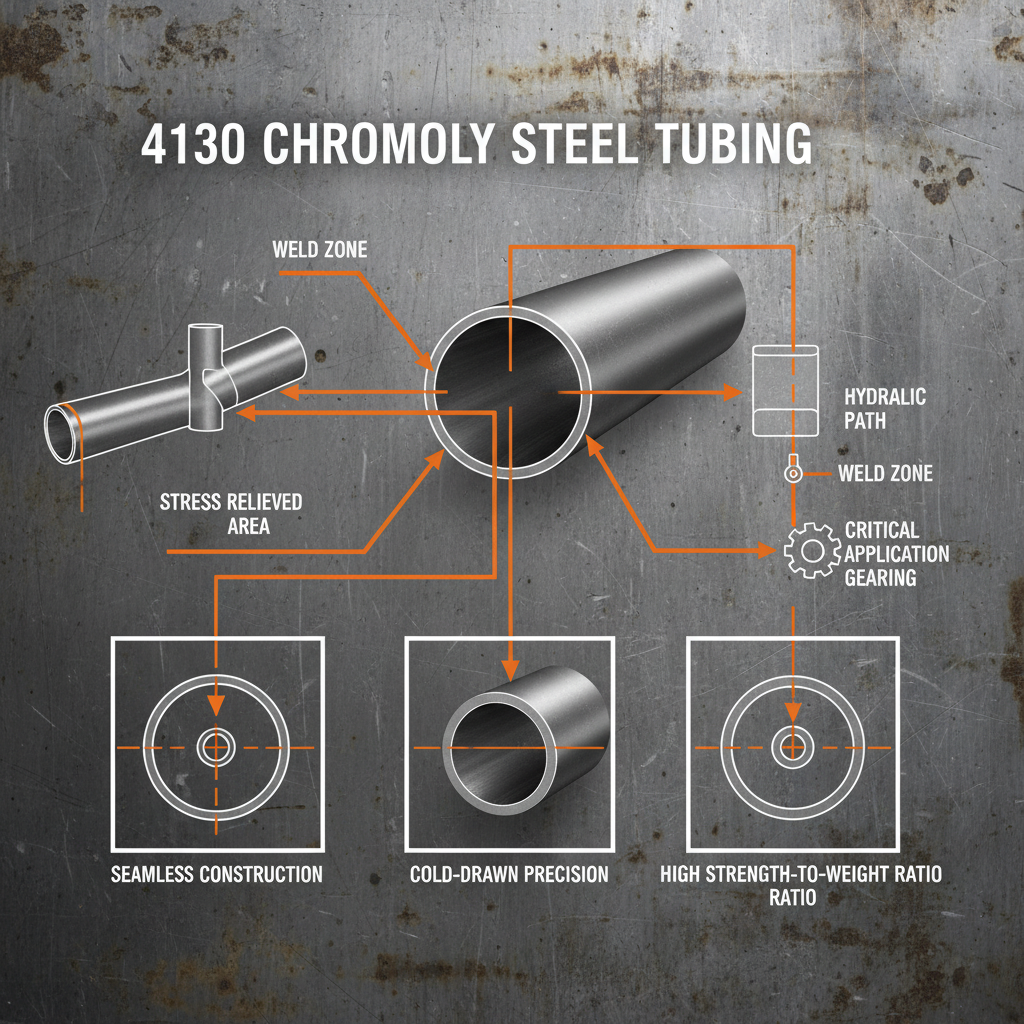
Ultimate Guide to 4130 Tubing Strength Performance and Applications
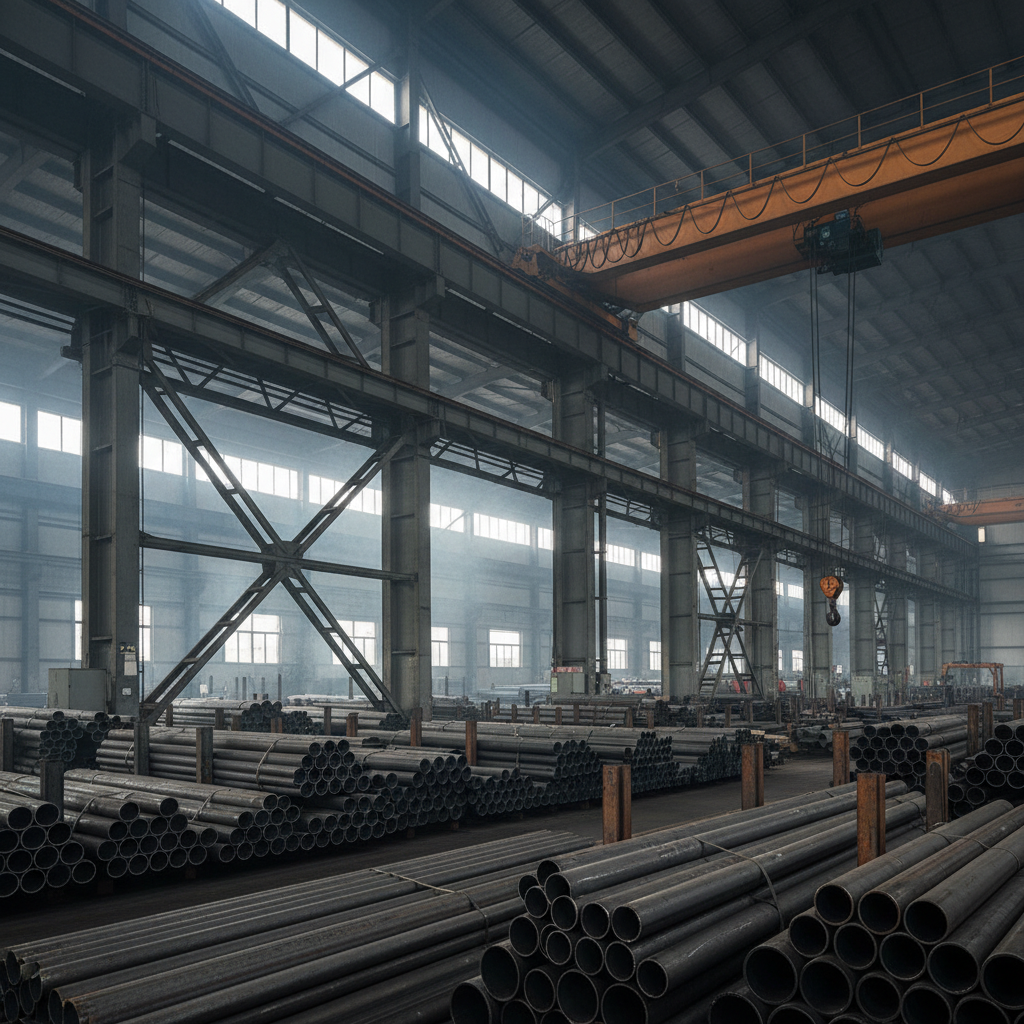
Properties and Industrial Applications of 4130 steel tubing
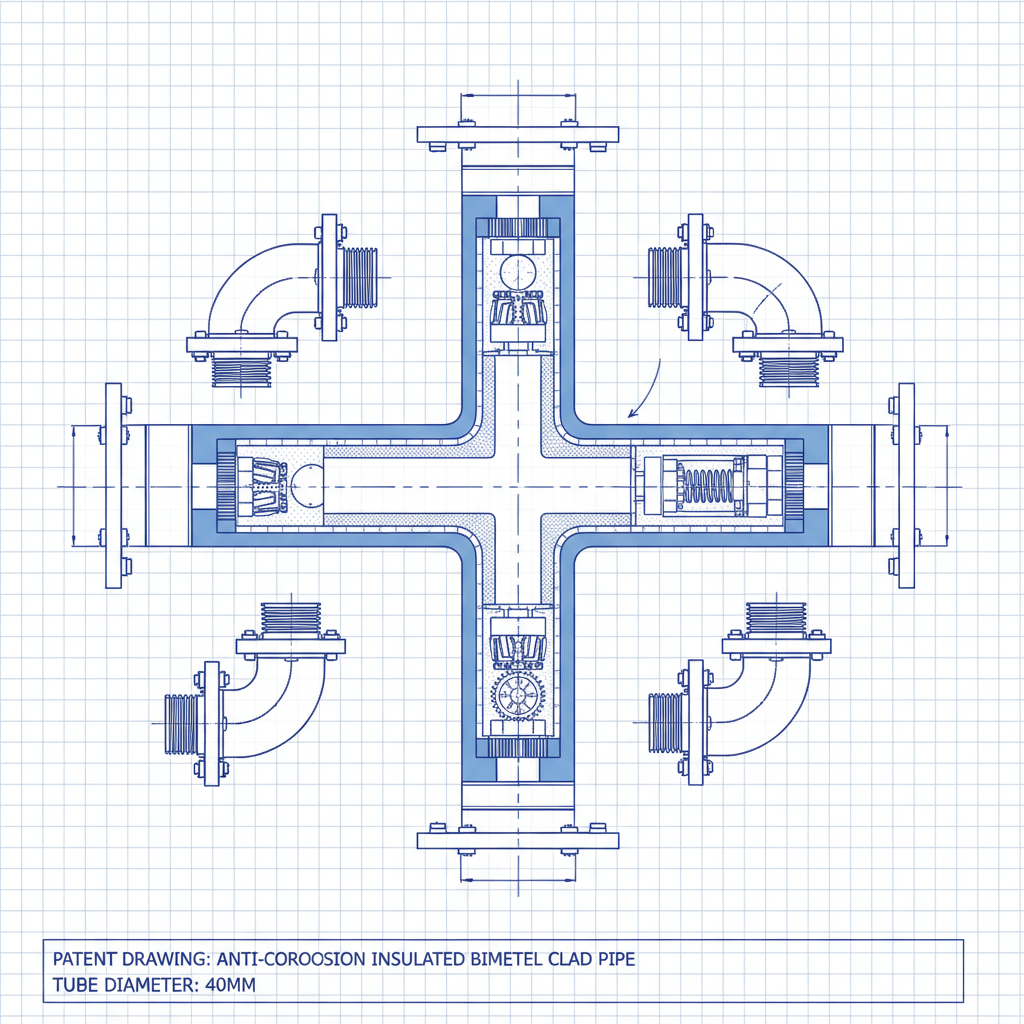
Comprehensive Guide to 40mm Steel Tube Applications and Material Selection
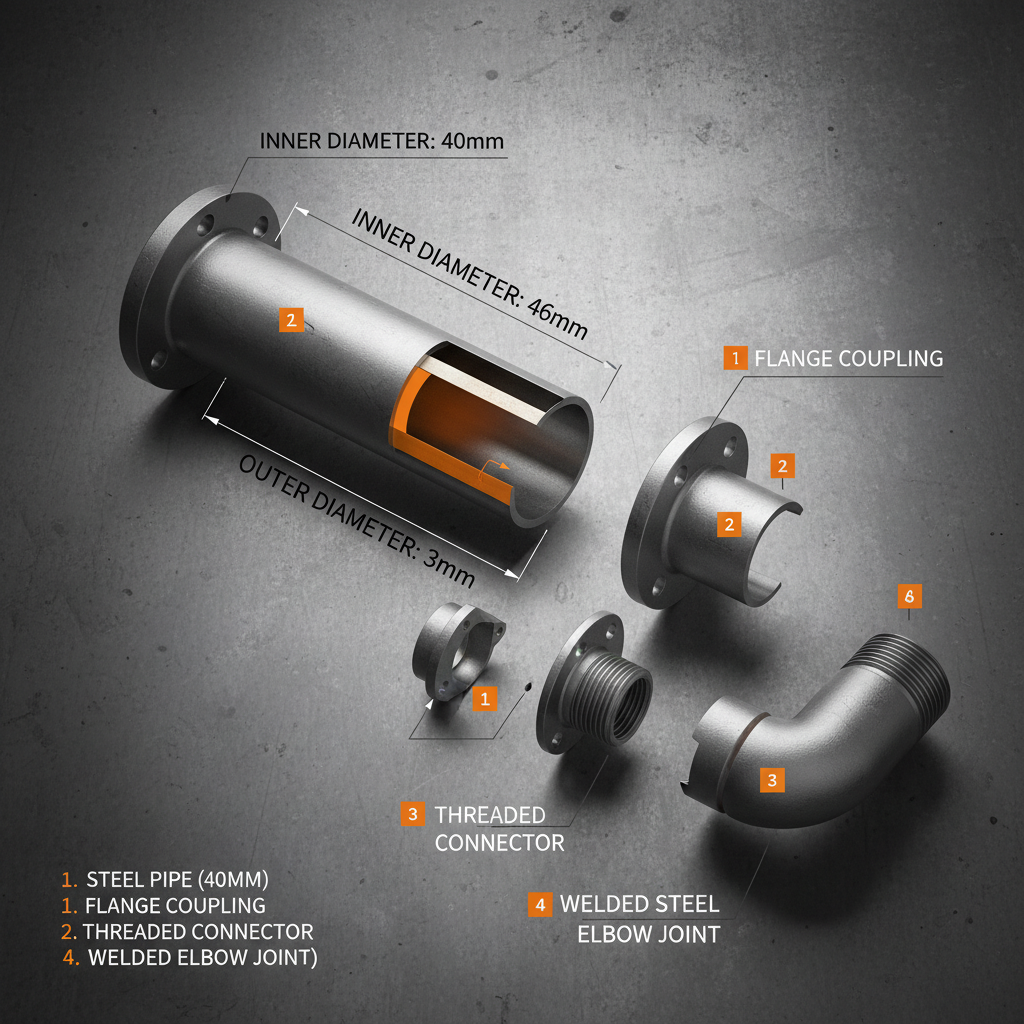
Comprehensive Guide to 40mm Steel Pipe Applications and Considerations
Comprehensive Guide to 40mm Metal Pipe Applications and Sourcing
Comprehensive Guide to 40mm Galvanised Pipe Applications and Specifications