tel
Email
to top

Gauge Tube Essentials: Precision Pressure Measurement for Global Industries

Dec 01 2025
share:

Understanding the Gauge Tube: A Small Component with a Big Global Impact

When we talk about precision and reliability in industries related to fluid and gas flow measurement, the gauge tube often plays a quietly crucial role. It might sound like a simple component—a tube, after all—but if you step back and look at how it factors into global energy systems, manufacturing lines, and even humanitarian supply chains, there’s a lot more at stake. From ensuring pressure accuracy in pipelines to supporting safety in hospitals, mastering gauge tube technology is pretty significant worldwide.

Why should anyone outside technical circles care? Because better gauge tubes mean safer infrastructure, cleaner resources, and reliable data that feed into decision-making globally. Plus, in developing regions or emergency zones, these tubes help experts quickly assess conditions and provide aid or services efficiently. So understanding their design and application isn’t just geek-level stuff — it’s a linchpin in modern industry and social welfare.

The Global Context: Why Gauge Tube Matters on a Worldwide Scale

Consider this: the global pipeline infrastructure is estimated to stretch over 8 million kilometers, according to the International Energy Agency. A massive network, no doubt, and it’s responsible for transporting everything from drinking water to natural gas. Gauge tubes are essential in measuring pressure and flow rates consistently—data vital to avoid leaks, bursts, or contamination. The ISO has even standardized testing practices to ensure tubes meet strict durability and accuracy requirements.

Yet, many regions still grapple with old or suboptimal components that cause inaccuracies, costing millions annually in losses or repairs. Developing sustainable, cost-effective gauge tubes can bridge this gap, improve infrastructure, and even prevent accidents. It’s a classic engineering challenge at global scale.

Mini takeaway: Proper gauge tubes underpin critical measurement systems worldwide, blending safety, cost-efficiency, and performance in one unassuming tool.

What Is a Gauge Tube, Anyway?

Put simply, a gauge tube is a small-diameter tube designed to connect pressure gauges or measurement instruments to a pressurized system like a pipeline, boiler, or hydraulic setup. Its job: transfer pressure safely and accurately, often under harsh conditions.

Unlike regular tubing, gauge tubes are made of specialized materials and formed to precise standards to prevent leaks, corrosion, or distortion that might skew the reading. They’re often stainless steel, brass, or high-grade copper, sometimes with intricate bends to fit tight spaces.

On a grander level, these tubes help maintain safety in industries like oil & gas, chemical processing, and even medical sectors where reliable pressure data can mean the difference between smooth operation and shutdowns—or worse.

Key Features That Define Quality Gauge Tubes

Durability and Material Strength

A gauge tube must resist corrosion, pressure shocks, and sometimes extreme temperatures. Stainless steel 316 is a favorite for this reason—it fights rust and holds up longer than alternatives. Durability reduces maintenance cycles, which is crucial for remote or hazardous environments.

Precision Bending and Fabrication

Oddly enough, the way a tube is bent can affect measurement accuracy. Too sharp a bend risks collapsing it slightly, which dampens responsiveness. Skilled fabrication maintains shape integrity—often done with CNC machinery for consistent results.

Compatibility and Scalability

Gauge tubes must fit seamlessly with gauges and devices. Compatibility with common thread standards (like NPT, BSP) is essential to avoid leaks and ensure easy replacement. Scalability matters too—whether you need a few dozen for a local plant or thousands for a multinational setup.

Cost-Efficiency

In the real world, budgets matter. Good gauge tubes strike a balance between premium materials and reasonable production costs. Using modular designs or standardized lengths sometimes helps cut procurement headaches.

Testing and Certification

Many manufacturers rigorously test tubes for pressure endurance, leak-proofing, and compliance with ISO 4126 and ASTM standards. Certification provides peace of mind for engineers and project managers alike.

Mini takeaway: Superior gauge tubes come from a blend of materials, fabrication precision, testing rigor, and practical compatibility.

Where Do Gauge Tubes Actually Get Used? Real-World Examples

If you’re picturing some industrial pipe maze, that’s correct—but gauge tubes are far more versatile than just oil pipelines. In fact, here’s where they show up:

  • Oil and Gas Pipelines: Monitoring pressure changes and detecting leaks early—especially crucial in regions like the Middle East and North America.
  • Chemical Plants: Precisely controlling processes where pressure directly affects product quality.
  • Water Treatment Facilities: Ensuring consistent pressure during filtration and pumping phases.
  • Hospitals and Laboratories: Equipment like autoclaves and gas supply systems rely on gauge tubes for safety checks.
  • Emergency Relief Operations: Quick-install modular gauge tubes are sometimes used in temporary water or medical fluid setups.
  • Renewable Energy: In geothermal or biofuel plants, they help monitor system integrity.

Mini takeaway: Gauge tubes enable dependable pressure measurement across many fields—from heavy industry to healthcare—often behind the scenes but making a big difference.

Advantages and Why Gauge Tubes Are Worth the Investment

Here’s the thing: good gauge tubes don’t just ensure measurement accuracy; they ripple into safety, cost savings, and environmental compliance. The advantages include:

  • Reduced Downtime: Reliable pressure readings help predict failures before they cause shutdowns.
  • Lower Maintenance Costs: Durable tubes mean fewer replacements and less labor.
  • Safety Boost: Accurate pressure data supports early warnings and prevents accidents.
  • Environmental Impact: Leak prevention reduces hazardous emissions and contamination risks.
  • Operational Trust: Operators rely on sound data, which builds confidence in system control.

I’d add, at some level we all benefit when the infrastructure works smoothly—from getting clean water to uninterrupted energy supply.

Looking Ahead: Innovations and Trends in Gauge Tube Technology

Technology isn’t standing still. Here’s where gauge tubes seem headed:

  • Smart Monitoring Integration: Embedding sensors inside gauge tubes for digital remote readings, cutting manual checks.
  • Advanced Materials: Experimenting with composites or coated metals for better corrosion resistance and lighter weight.
  • Sustainability Focus: Leveraging recyclable materials and reducing carbon footprints in manufacturing.
  • Customization Using 3D Printing: Rapid prototyping for complex tube shapes fitting tight installations.
  • Improved Standardization Globally: ISO initiatives to harmonize gauge tube standards for easy international deployment.

One vendor I spoke with mentioned rising demand for plug-and-play tube assemblies in emerging markets—a neat way to tackle installation delays.

Challenges Facing Gauge Tube Deployment and How to Overcome Them

Of course, nothing’s perfect. Gauge tubes do face hurdles:

  • Corrosion in Harsh Environments: Saltwater or chemical exposure still challenge materials despite improvements.
  • Installation Complexity: Tight spaces and awkward angles can require bespoke bending and fitting.
  • Cost vs Quality Balance: Lower-cost tubes sometimes lead to faster wear or leaks.
  • Global Supply Chain Issues: Lead times or inconsistencies in quality depending on manufacturer locations.

Solutions? Innovations in coatings, flexible manufacturing, and local production hubs seem promising to address these. Plus, more demand for training technicians on proper handling and testing.

Product Specification Table: Typical Gauge Tube (Model GT-200)

Specification GT-200 Gauge Tube
Material Stainless Steel 316
Outer Diameter 6 mm
Max Working Pressure 100 bar
Standard Length 500 mm (customizable)
Coupling Type 1/4” NPT Male Thread
Operating Temperature Range -40°C to +200°C
Certification ISO 4126 & ASTM A269

Vendor Comparison Table: Leading Gauge Tube Suppliers

Vendor Material Options Custom Bending Lead Time Price Range (per unit)
Lion Pipelines SS316, Brass, Copper Yes (CNC Precision) 2–4 weeks $15 - $30
FlowGuard Inc. SS304, SS316 Limited 3–5 weeks $18 - $28
TuboTech Ltd. Brass, Aluminum Yes (Manual Bending) 1–3 weeks $12 - $25

Frequently Asked Questions About Gauge Tubes

1. How does the material choice affect the lifespan of gauge tubes?

Material choice significantly impacts corrosion resistance and pressure tolerance. Stainless steel 316, for example, offers excellent durability in harsh conditions and longer operational life compared to standard brass or copper alternatives.

2. Can gauge tubes be custom shaped for unusual equipment layouts?

Yes, many manufacturers provide CNC or precision bending services to customize gauge tubes. Customized bends improve fit in tight or complex assemblies without compromising pressure readings.

3. How often should gauge tubes be inspected or replaced?

Inspection intervals depend on the application environment but generally occur annually during scheduled maintenance. Replacement is recommended if corrosion, leaks, or deformation is detected to maintain measurement accuracy.

4. Are gauge tubes compatible worldwide, or do I need region-specific versions?

Most gauge tubes adhere to international thread standards (NPT, BSP), ensuring compatibility globally. However, checking local regulations or equipment requirements is prudent to avoid mismatches.

5. Is it possible to monitor pressure remotely using gauge tubes?

Emerging technologies integrate sensors inside or alongside gauge tubes to enable remote digital pressure monitoring, which reduces manual inspections and improves data collection efficiency.

Conclusion: Why Gauge Tubes Deserve More Attention

In the grand scheme, gauge tubes might seem like small cogs, but their impact on safety, precision, and efficiency is enormous. Whether in sprawling oilfields or compact hospital equipment, choosing the right gauge tube can save money, time, and even lives. If you're interested in exploring reliable and tested gauge tube options, feel free to visit our website today for more information.

That said, thinking about something as unassuming as a gauge tube really drives home how every detail counts in engineering—and beyond.
References

  1. Wikipedia: Pressure Gauge
  2. ISO 4126: Safety devices for protection against excessive pressure
  3. International Energy Agency: Pipeline Infrastructure
  • Reducer

    Reducer

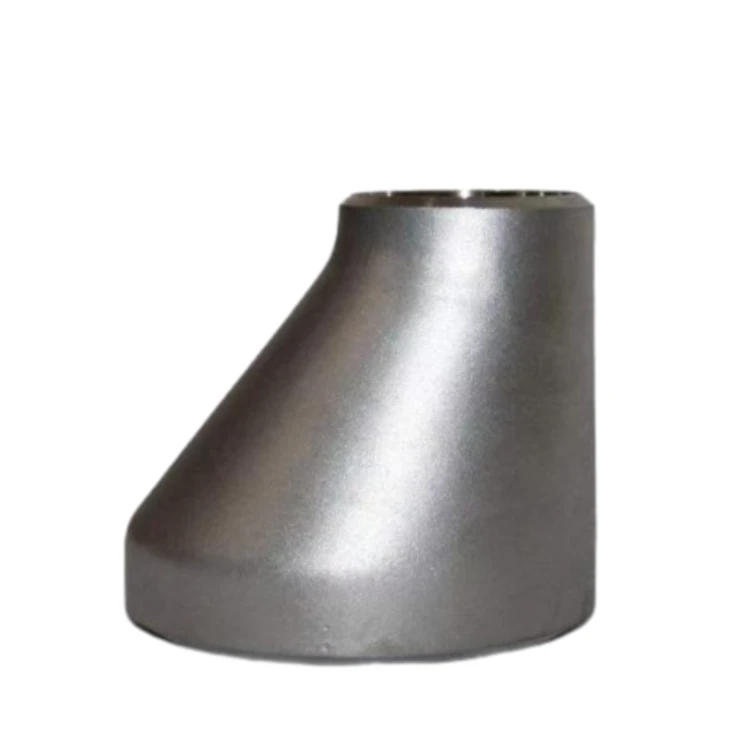
    Reducer is a pipe fitting used to connect pipes of different diameters, facilitating smooth transitions between varying flow capacities in piping systems. Available in concentric and eccentric designs, reducers help maintain optimal flow efficiency while minimizing pressure loss and turbulence.
    VIEW ALL
  • Laser Clad  Pipe

    Laser Clad Pipe

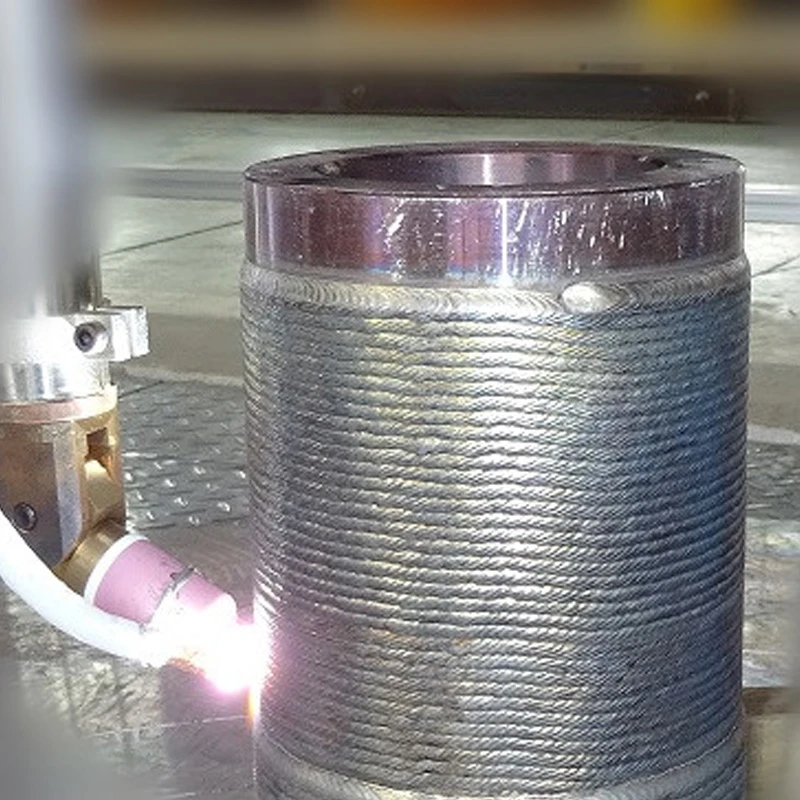
    Laser clad steel pipes are manufactured using laser cladding technology. This technology involves adding cladding material to the surface of ordinary steel pipe base material, using high-energy-density laser beams to fuse the cladding material with the steel pipe surface, forming a metallurgically bonded cladding layer. These pipes are generally used in compressed air energy storage projects as underground deep well transportation pipes or casings, as well as in oil, natural gas, and geothermal well extraction.
    VIEW ALL
  • Overlay Welding Clad Steel Pipe

    Overlay Welding Clad Steel Pipe

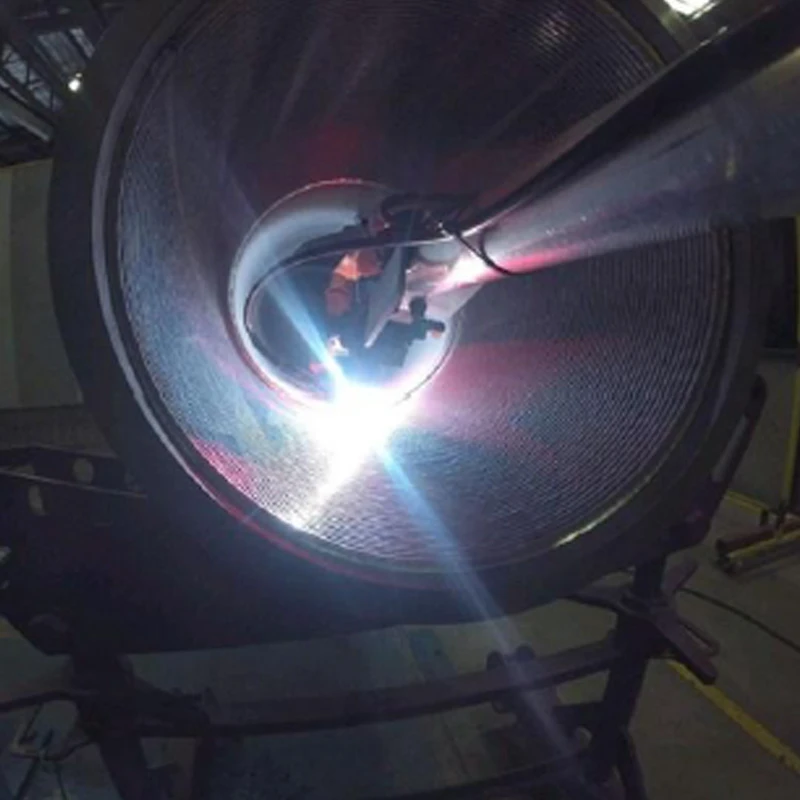
    Overlay Welding clad Steel Pipe features a high-performance welded overlay that enhances the pipe’s surface properties, providing superior resistance to corrosion, erosion, and wear. This process involves applying a wear-resistant alloy layer over a strong steel base, making it ideal for industries such as oil and gas, mining, and chemical processing, where pipes are exposed to harsh conditions. The overlay ensures extended service life, reduced maintenance costs, and reliable performance even in extreme environments. With its combination of strength, durability, and corrosion resistance, the Overlay Welding Steel Pipe is a trusted solution for critical applications.
    VIEW ALL
To create value for customers!
Cangzhou Leo Technology Co., Ltd. is located in Mengcun County Economic Development Zone, Cangzhou City, Hebei Province. It is a specialized high-tech enterprise that integrates the research and development, production, and sales of composite pipes and fittings.
News
The company regards product quality as the life of the enterprise, establishes a sound quality management system in accordance with the requirements of industry and national standards, controls all aspects of input and output in the whole process, pays attention to every detail, and ensures that the product delivery pass rate is 100%.
Ultimate Guide to 4130 Tubing Strength Performance and Applications
Ultimate Guide to 4130 Tubing Strength Performance and Applications

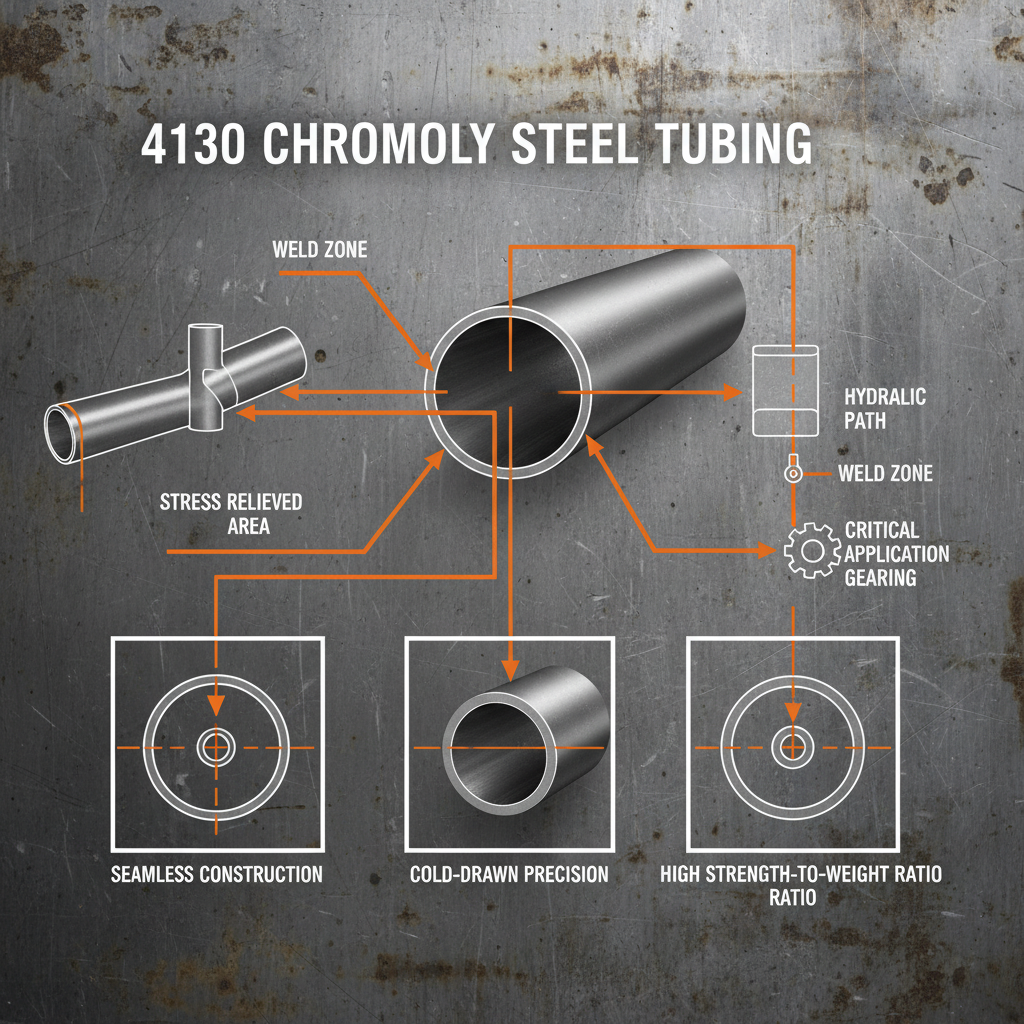
In the world of high-performance engineering, material selection is the foundation of safety and efficiency. 4130 tubing is widely regarded as the gold standard for applications requiring an exceptional strength-to-weight ratio. This chrome-molybdenum alloy steel is engineered to withstand extreme stress while remaining lightweight enough for aerospace and automotive use. Whether you are designing a roll cage, a bicycle frame, or a critical industrial component, understanding the nuances of this material is essential. In this comprehensive guide, we will explore why this specific alloy is preferred by engineers worldwide and how to choose the right specifications for your project.
Properties and Industrial Applications of 4130 steel tubing
Properties and Industrial Applications of 4130 steel tubing

In the world of high-performance engineering, material selection is the foundation of safety and efficiency. 4130 steel tubing is widely recognized as the gold standard for applications requiring an exceptional strength-to-weight ratio. Known for its versatility and reliability, this chromium-molybdenum alloy is the preferred choice for everything from aircraft frames to professional roll cages. Understanding the nuances of this material allows engineers to optimize structural integrity without adding unnecessary bulk. In this comprehensive guide, we will explore why this specific alloy remains a top choice for critical industrial and aerospace components.
Comprehensive Guide to 40mm Steel Tube Applications and Material Selection
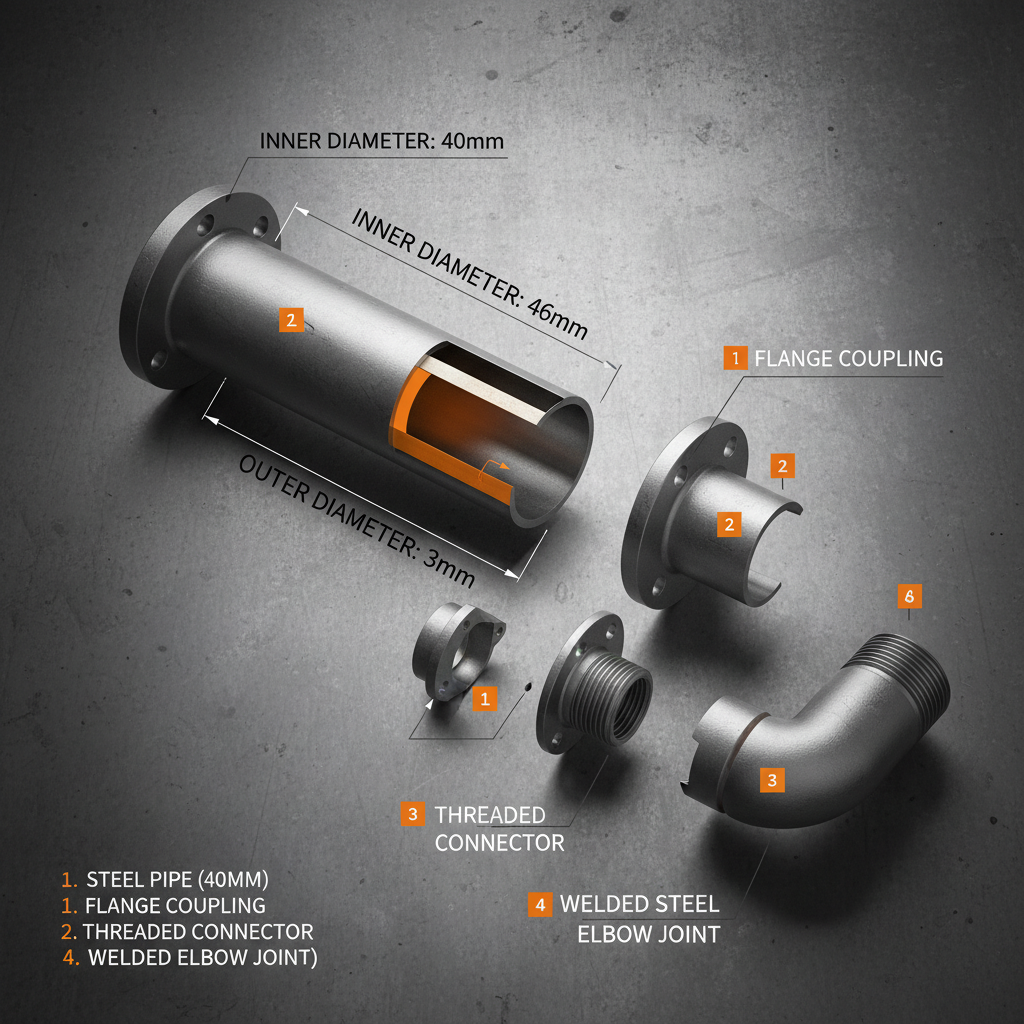
Comprehensive Guide to 40mm Steel Tube Applications and Material Selection

40mm steel tube is a versatile and widely used material in various industries, from construction and manufacturing to automotive and beyond. Its strength, durability, and cost-effectiveness make it an ideal choice for numerous applications. This article will delve into the characteristics, applications, benefits, and considerations when working with 40mm steel tube, providing a comprehensive overview for professionals and anyone interested in this essential material.
Comprehensive Guide to 40mm Steel Pipe Applications and Considerations
Comprehensive Guide to 40mm Steel Pipe Applications and Considerations

40mm steel pipe is a widely used material in various industries due to its strength, durability, and cost-effectiveness. From construction and infrastructure projects to industrial applications and fluid transportation, this pipe size offers a versatile solution. This article will delve into the properties, applications, standards, and key considerations when selecting 40mm steel pipe, helping you make informed decisions for your specific needs.
Comprehensive Guide to 40mm Metal Pipe Applications and Sourcing
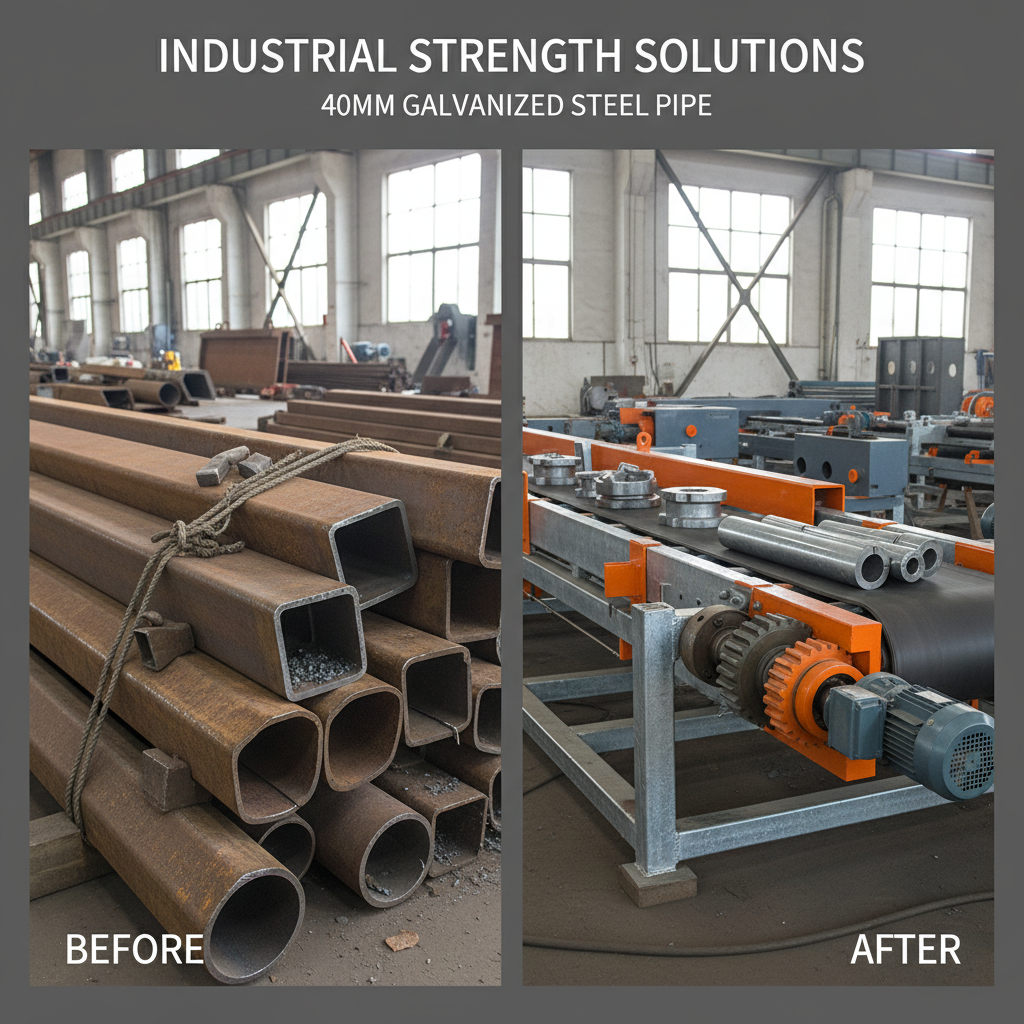
Comprehensive Guide to 40mm Metal Pipe Applications and Sourcing

40mm metal pipe is a crucial component in a wide array of industries, from construction and plumbing to industrial manufacturing and fluid transport. Its strength, durability, and versatility make it a preferred material for countless applications. This article will delve into the specifics of 40mm metal pipe, exploring its various types, common uses, benefits, and where to source high-quality piping solutions.
Comprehensive Guide to 40mm Galvanised Pipe Applications and Specifications

Comprehensive Guide to 40mm Galvanised Pipe Applications and Specifications

When planning a plumbing, structural, or industrial project, selecting the right piping material is crucial. 40mm galvanised pipe is a widely used option known for its strength, durability, and corrosion resistance. This article provides a detailed overview of 40mm galvanised pipes, exploring their applications, benefits, specifications, and considerations for optimal usage. We'll cover everything from what galvanisation is to how to choose the right pipe for your specific needs.
tel email tel top

If you are interested in our products, you can choose to leave your information here, and we will be in touch with you shortly.