Coiled stainless steel tubing — yes, that mouthful — plays a surprisingly big role in many vital industries worldwide. But why should anyone outside the engineering or manufacturing world care? Well, it’s about resilience, efficiency, and reliability in some of the world’s toughest environments. From petrochemical plants in the Middle East, precision medical devices in Europe, to water supply lines in remote villages, these coiled tubes quietly keep critical systems running.
Getting a handle on what coiled stainless steel tubing is and why it’s becoming a favorite for engineers helps us appreciate how modern infrastructure and humanitarian efforts stay robust under pressure. Plus, understanding its benefits shines a light on innovations improving sustainability and safety globally.
Globally, industrial activity continues to surge, with over 4.5 billion people relying daily on infrastructures where stainless steel tubing plays a part. According to the International Organization for Standardization (ISO), industries such as oil & gas, pharmaceuticals, and water management increasingly demand materials that balance strength and flexibility — and that’s where coiled stainless steel tubing comes in.
Yet there’s a snag. Traditional piping systems are bulky, hard to install in challenging terrains, and subject to corrosion, which can cause contamination and costly downtime. Coiled stainless steel tubes offer a neat alternative, cutting down installation times, minimizing leak risks, and enhancing durability.
Simply put, coiled stainless steel tubing is a seamless or welded tube made of stainless steel, tightly wound into coils for easy handling, shipping, and installation. Unlike rigid pipes, these tubes can flex to accommodate tight spaces or shifting ground — vital in industries where space is tight or conditions unpredictable.
Their significance goes beyond just being a pipe. These coils are part of modern industrial arteries, delivering fluids and gases safely in hospitals, factories, and even portable water systems for remote communities.
Stainless steel’s inherent resistance to rust and chemical attack is no secret, but coiling this tubing means the material not only withstands harsh conditions but does so in a compact, flexible form.
Because it’s coiled, the tubing is easier to transport and install, especially over long distances and in tricky topography. Whether you need a few hundred feet or a few miles, scalability is built right in.
It turns out that fewer installation hours, reduced connections (which can leak), and less maintenance lead to noticeable cost savings over time.
Especially important in medical or food-grade applications, the nonporous and smooth surface of stainless steel limits bacterial growth and contamination risks.
Coiled stainless steel tubing blends strength, ease of installation, and safety, making it a go-to solution when traditional pipes just can’t cut it.
You might think that a coiled tube isn’t exciting, but I’ve seen them deployed in the driest deserts and the coldest tundras. In oil-rich regions like the Persian Gulf, flexible stainless steel coils are favored for quickly establishing pipeline extensions that can handle corrosive fluids at high pressures.
Meanwhile, in humanitarian contexts, these tubing systems are integral to setting up rapid water purification networks in post-disaster zones — think after typhoons or earthquakes — because they’re quick to install and less prone to damage. Even in food processing plants across Europe, coiled stainless steel tubes deliver critical ingredients safely under strict hygiene standards.
Regions like Southeast Asia and parts of Africa with rapidly developing infrastructure increasingly rely on these systems because they reduce logistical headaches and improve safety — a win-win.
| Specification | Details |
|---|---|
| Material Grade | 304, 316, 321 Stainless Steel |
| Diameter Range | 1/8” to 4” (3mm to 100mm) |
| Coil Length | 50 to 500 meters per coil (customizable) |
| Wall Thickness | 0.5mm to 3mm |
| Operating Temperature | -200°C to 800°C |
| Pressure Rating | Up to 1000 psi (custom rating possible) |
| Vendor | Material Grade Options | Customization Services | Typical Lead Time | Price Range (per meter) |
|---|---|---|---|---|
| Stainless Solutions Ltd. | 304, 316, Duplex | Cut to length, polishing | 2-4 weeks | $10 - $15 |
| CoilTech Industries | 304, 321 | Custom bends, annealing | 3 weeks | $8 - $14 |
| Global Tubing Co. | 316, 316L | Diameter variance, testing | 4-5 weeks | $12 - $18 |
We all want solutions that make life easier, right? Coiled stainless steel tubing does just that, but more subtly than flashy tech gadgets. Its main charm lies in combining practical reliability with economic and environmental sense.
Ultimately, having tubing that “just works” for years, no matter the environment, builds trust for industries and communities alike.
The future isn’t just about making tubing tougher but smarter and greener. Companies are exploring stainless steels with enhanced corrosion resistance while reducing alloy components to cut environmental impact. Digital sensors embedded in tubing can now predict wear or detect leaks before they become crises — a game-changer for remote industrial sites.
Plus, automation in coil forming and precision welding helps producers meet ever-more demanding custom needs faster, aiding in everything from low-carbon energy projects to rapidly building quarantine medical facilities.
Of course, no product is without its quirks. Handling and transportation of coils can be tricky — the very flexibility that’s an advantage also means tubes can kink if mishandled. There’s also the upfront cost, higher than cheaper plastic or carbon steel alternatives. But vendors have introduced reinforced packaging and improved coil designs that reduce damage risk.
On costs, lifecycle analysis often reveals savings thanks to durability and maintenance reductions. A few smart installers I know swear by planning layout meticulously to avoid stresses that cause deformation, a simple yet often overlooked step.
A: You’ll find them in petrochemical processing, pharmaceutical manufacturing, water treatment, food and beverage production, and even HVAC systems. Their corrosion resistance and flexibility make them versatile across sectors demanding hygiene, pressure resistance, or quick installation.
A: Quite flexible! The coiling allows tubes to bend around corners and adjust to uneven ground without breaking or kinking. However, the degree of flexibility depends on diameter and wall thickness — smaller diameters are easier to bend.
A: Absolutely. The smooth stainless steel surface prevents bacterial growth and does not leach harmful substances, making it ideal for drinking water supply lines and sanitary environments.
A: With proper installation and maintenance, these tubes often last 20 years or more. Their corrosion resistance and mechanical strength contribute to their longevity, outperforming many traditional piping alternatives.
A: Yes, their coiled form reduces shipping volume and installation time. Teams can deploy the tubing rapidly to establish crucial fluid transfer systems, which aids in relief operations and temporary infrastructure setups.
At the end of the day, coiled stainless steel tubing might not make headlines — but its impact is vast and growing. We see time and time again how its mix of durability, flexibility, and hygienic properties solves real-world problems across continents and industries.
If you’re exploring robust piping options that combine efficiency with long-term value, I encourage you to dive deeper and check out the latest offerings at Lion Pipeline. They specialize in tailored solutions that fit just about any application or industry challenge.
Here’s to piping that keeps the world flowing — quietly, reliably, sustainably.
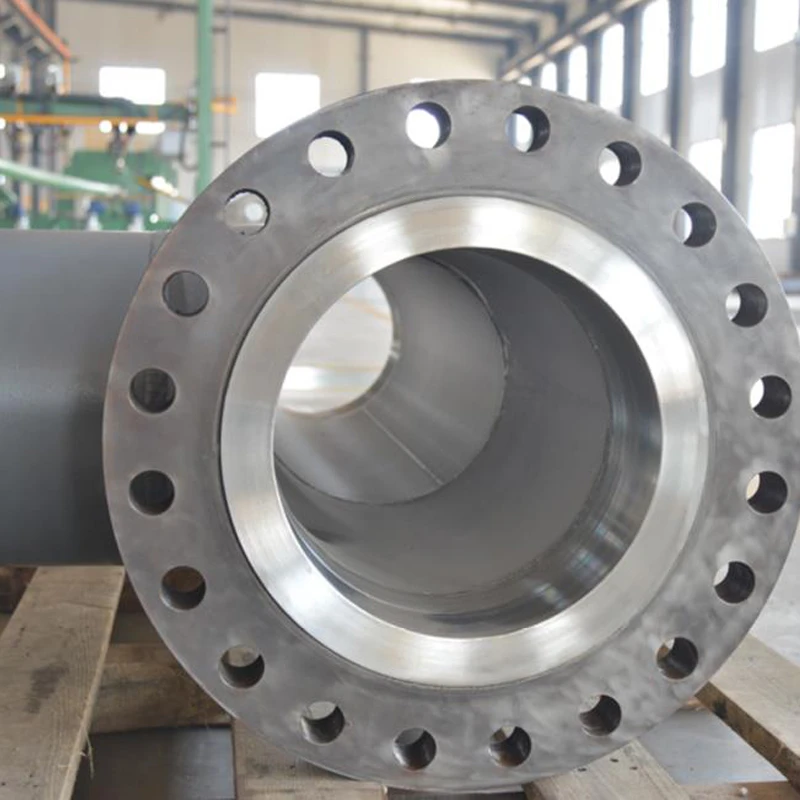
Factory Prefabricated Products
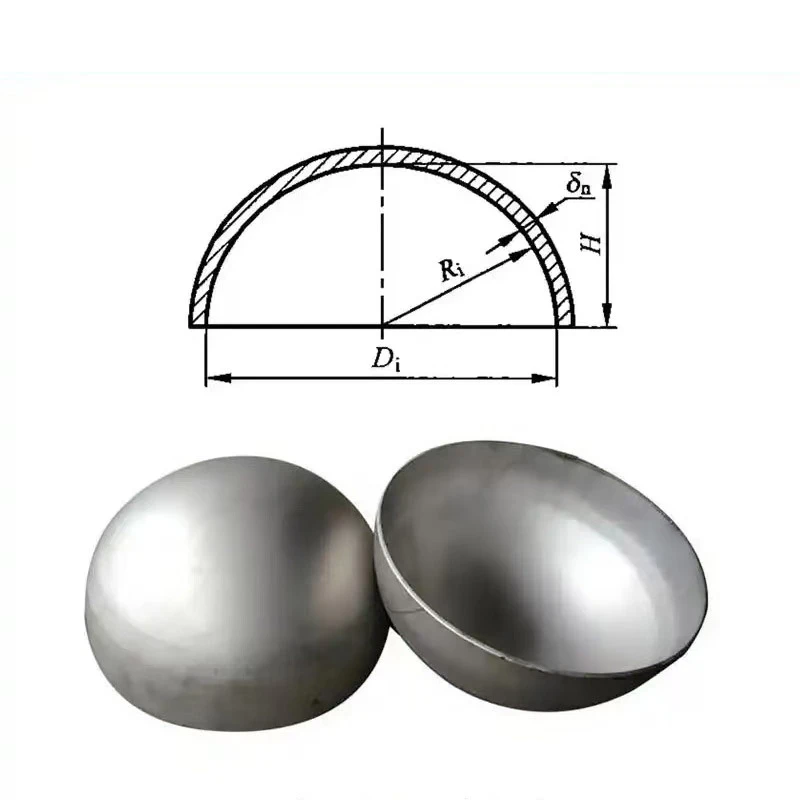
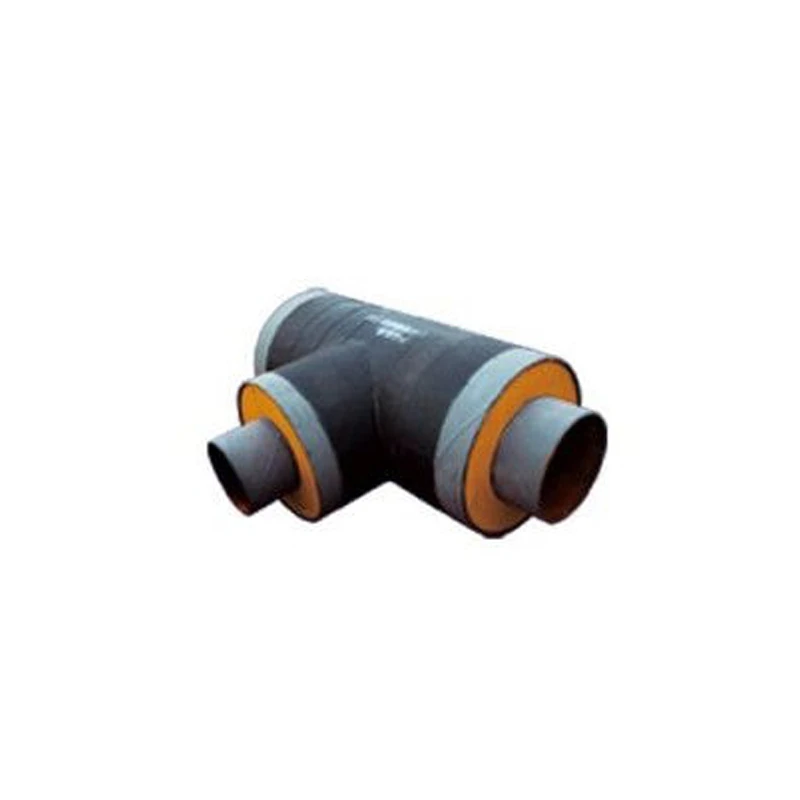
Anti Corrosion And Thermal Insulation Products
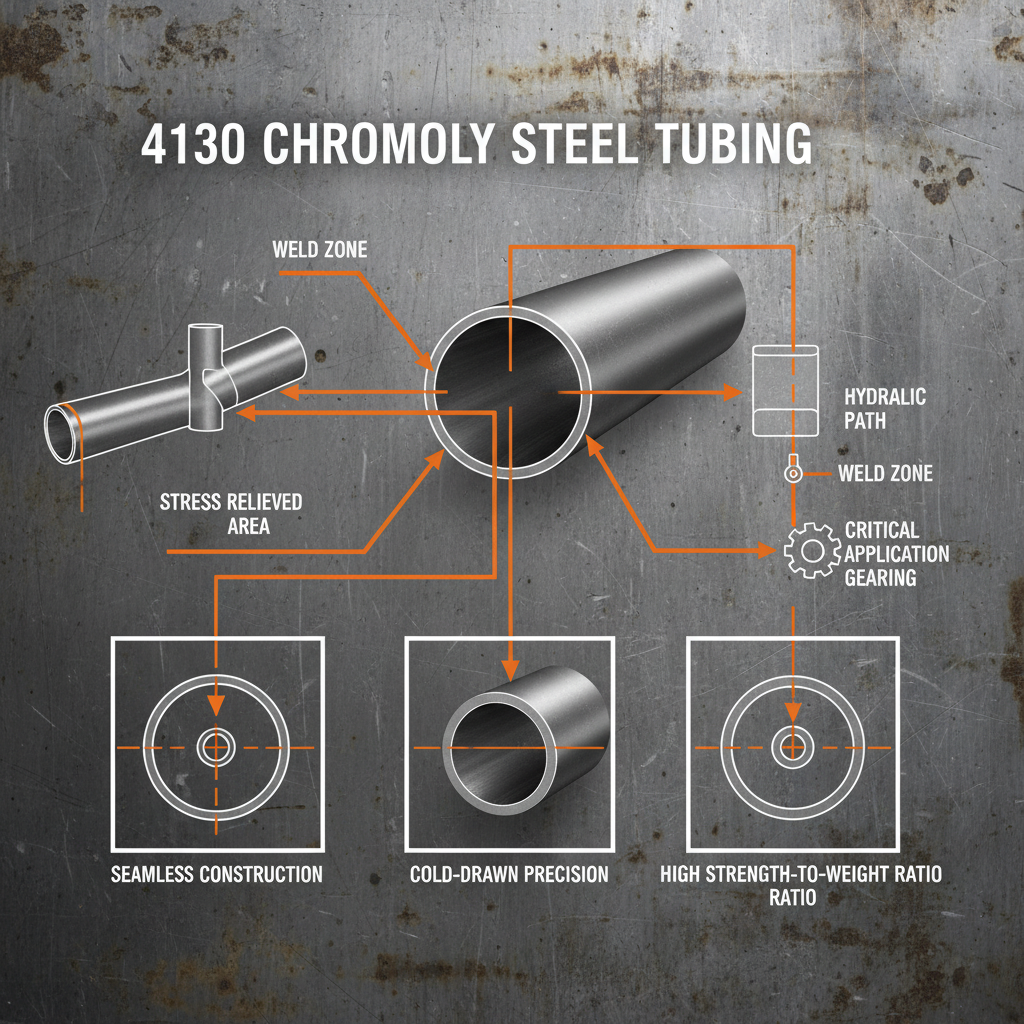
Ultimate Guide to 4130 Tubing Strength Performance and Applications
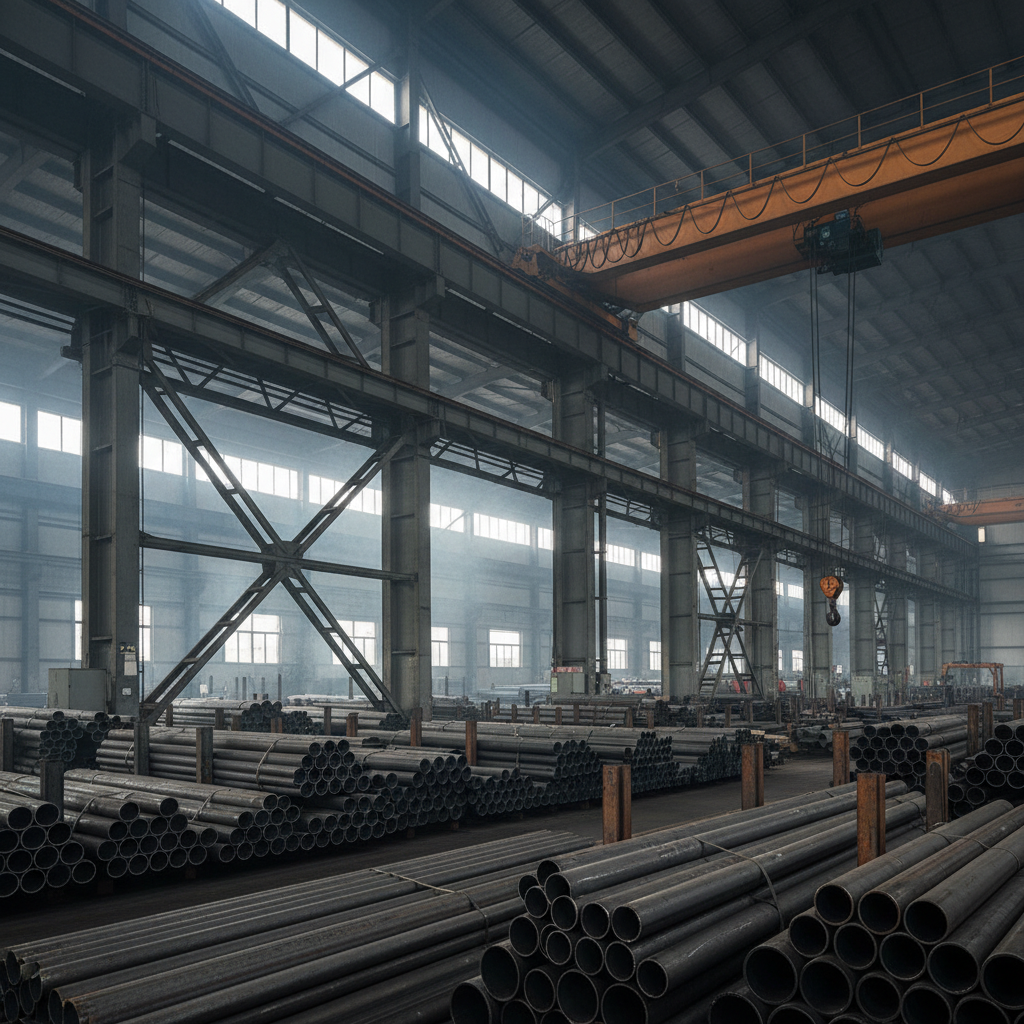
Properties and Industrial Applications of 4130 steel tubing
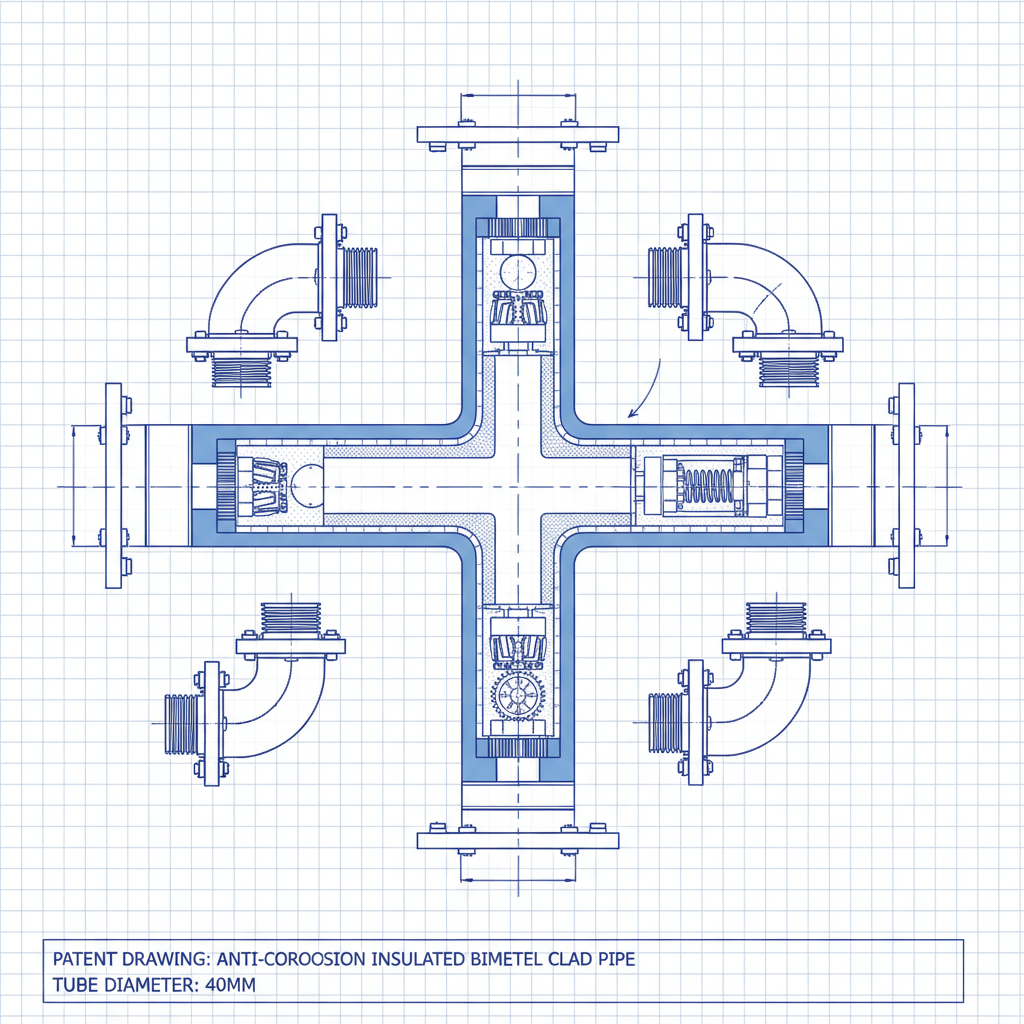
Comprehensive Guide to 40mm Steel Tube Applications and Material Selection
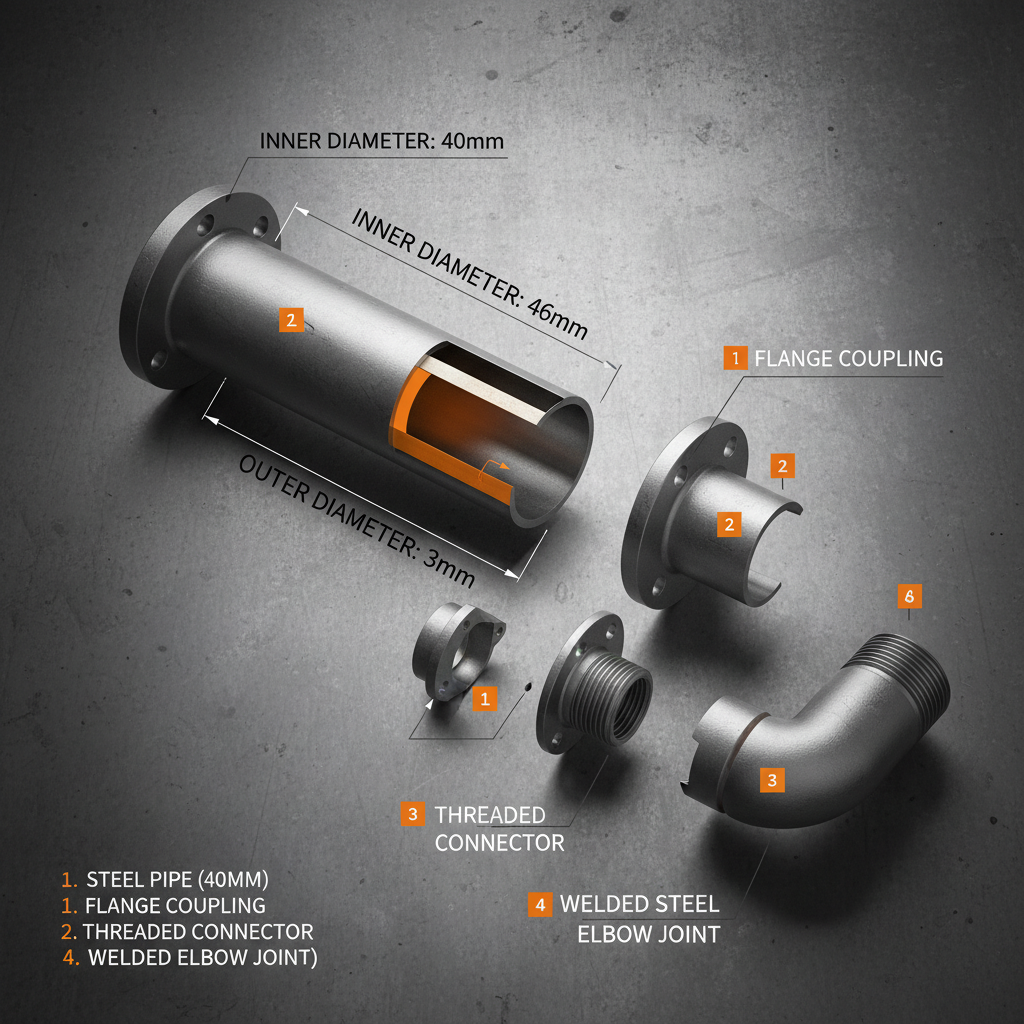
Comprehensive Guide to 40mm Steel Pipe Applications and Considerations
Comprehensive Guide to 40mm Metal Pipe Applications and Sourcing
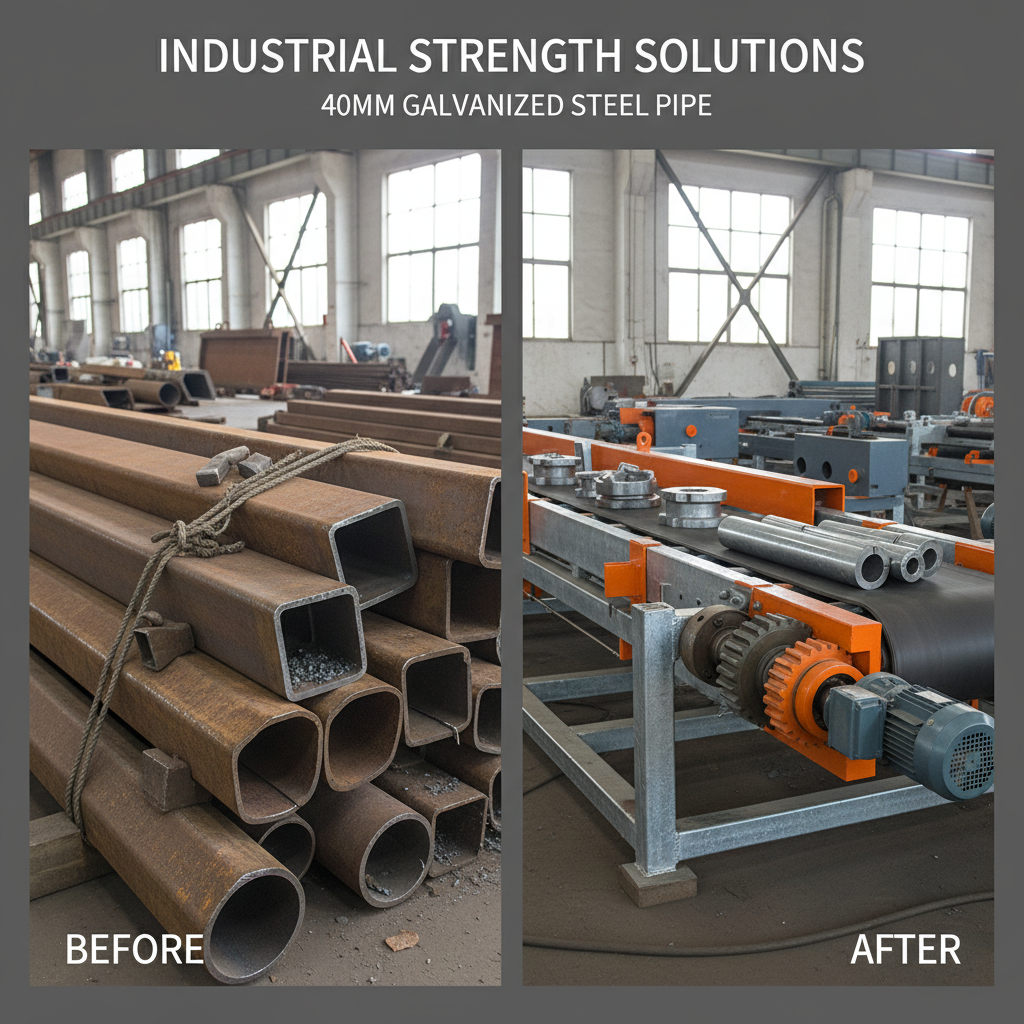
Comprehensive Guide to 40mm Galvanised Pipe Applications and Specifications